Barjeel Fashion
Barjeel Fashion
Barjeel Fashion
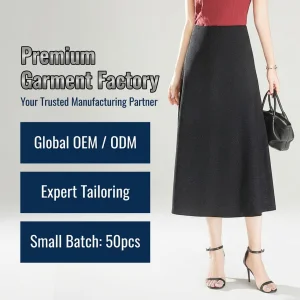
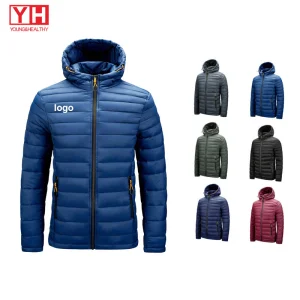
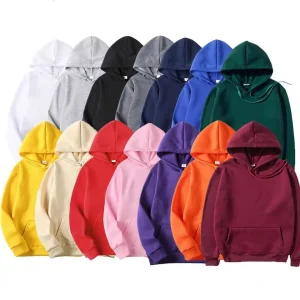
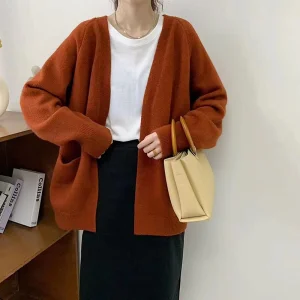
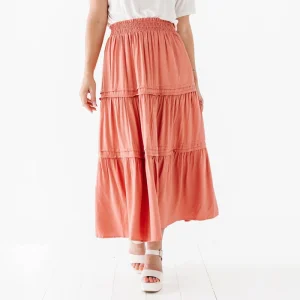
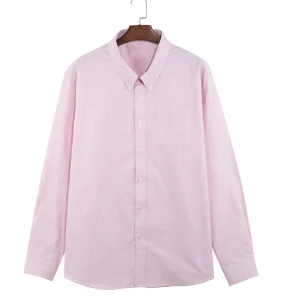
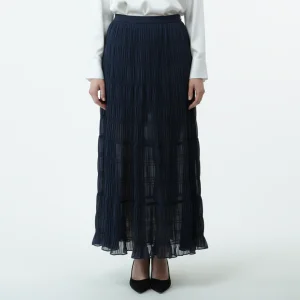
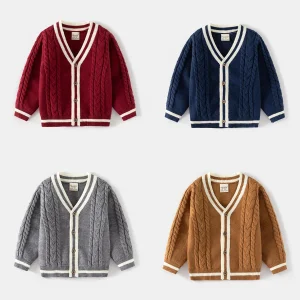
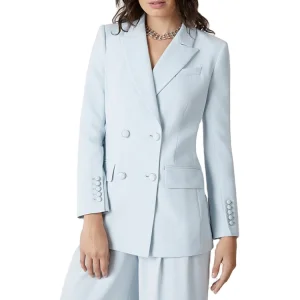
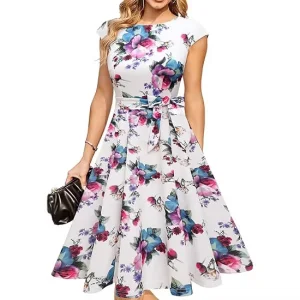
Explore our diverse design and manufacturing capabilities, ranging from high-performance outdoor cargo utility wear to fashion forward knits and outer layers.

Analysing the structural shifts in global utility apparel supply chains, raw material indices, and manufacturer distribution.
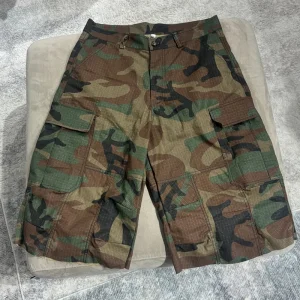
The global cargo pants market has transitioned from a specialized tactical niche into a multibillion-dollar driver of contemporary streetwear, utility workwear, and outdoor performance categories. Driven by the "gorpcore" and "techwear" design movements, global consumer demand has forced apparel manufacturers to rethink their production structures. Historically, cargo pants manufacturing was defined by rigidity and standard heavy-duty cotton fabrics. Today, the focus has shifted toward lightweight synthetic blends, sustainable weaves, and smart utility storage solutions.
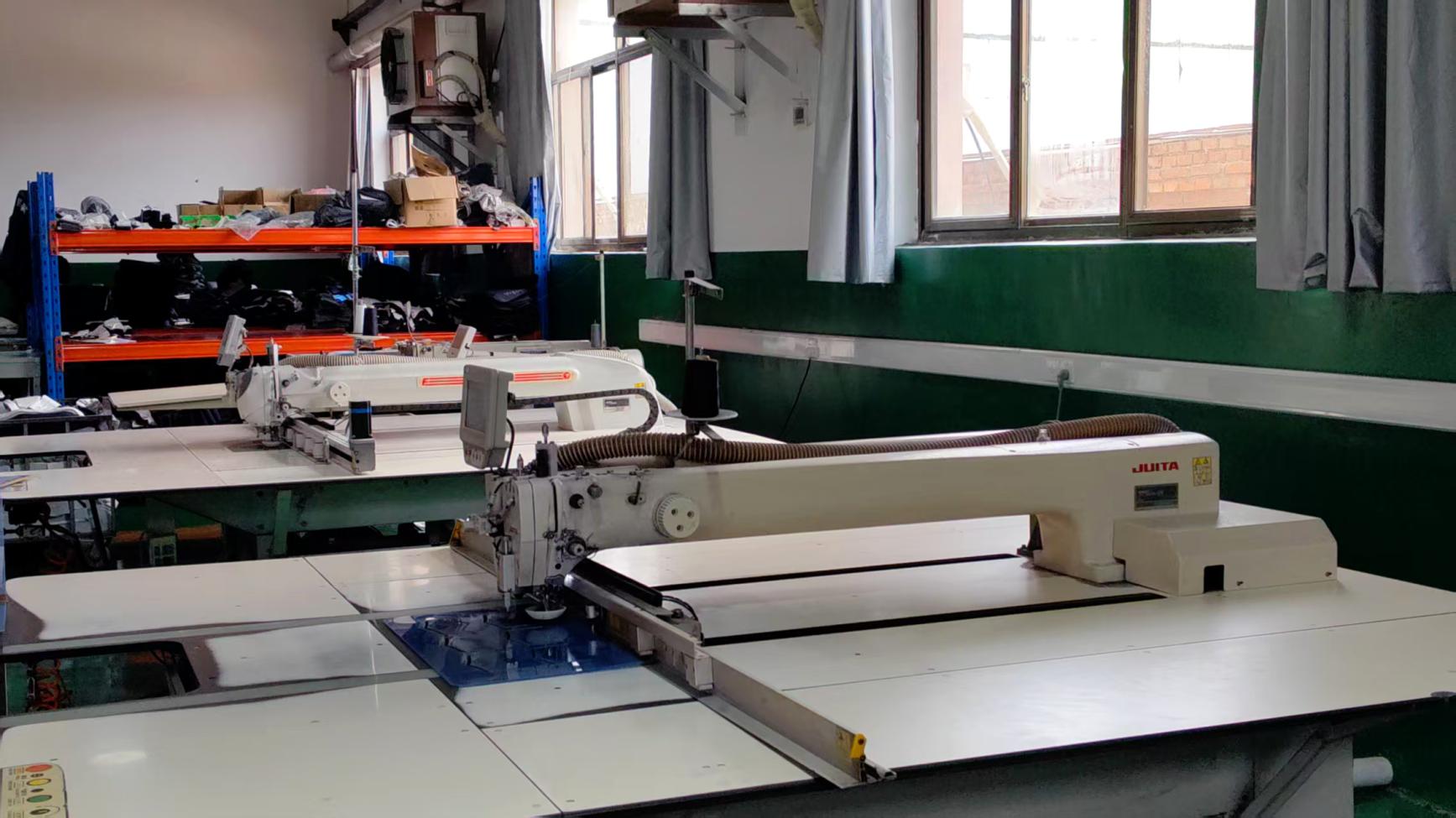
From an industrial perspective, cargo pants production is inherently complex compared to standard denim or five-pocket trousers. A standard pair of tactical cargo pants can feature up to 18 distinct components—including bellows pockets, flap closures, reinforced seat panels, dual-layer knee chambers, and integrated adjustment tabs. This structural complexity demands advanced manufacturing techniques, such as laser-controlled textile cutting, specialized sewing templates, and computer-guided reinforcement stitching. Modern factories must balance high stitch-density requirements with fabric flexibility to ensure durability and comfort.
Geographically, China remains the global powerhouse for utility apparel manufacturing, particularly in coastal provinces like Guangdong, Zhejiang, and Fujian. The region's dense clustering of textile mills, hardware manufacturers, and automated garment factories enables rapid prototyping and cost-effective bulk production. This integrated supply network allows factories to source highly specialized trims, durable zippers, and high-tensile ripstop nylon within hours, significantly lowering the time-to-market for international brands.
The structural benchmarks, stitch densities, and material treatments that separate consumer-grade clothing from industrial-grade utility apparel.
We utilize high-density Cotton/Spandex canvas (280-320 GSM) and Polyester/Nylon Ripstop (210-240 GSM). Fabrics undergo Teflon™ DWR (Durable Water Repellent) coating processes for stain and moisture resistance.
Constructed with dual-expansion side pleated pockets, hook-and-loop security flaps, internal cell phone dividers, and reinforced wear-resistant pocket edges to accommodate daily and tactical equipment.
Double-needle and triple-needle lap seaming along the crotch and inseams. Heavy-duty bar-tacks at 28 critical stress points, including belt loops, pocket corners, and fly enclosures.
How our manufacturing platform adjusts specs and styling to match geographic regulations and regional fashion preferences.
A key failure point for global brands working with standard factories is the misalignment of sizing and physical fabric characteristics with target consumer markets. An outdoor utility cargo pant designed for the North American market requires vastly different design elements compared to a techwear-inspired urban cargo pant meant for Tokyo or London.
In the North American Market, the priority centers on heavy-duty reliability and comfort. Standard fits dominate. Heavy canvas cottons and blended duck fabrics are standard, with high requirements for mechanical durability and wide leg openings to fit over safety work boots. Conversely, the European Union Market places a premium on slim, tailored, and ergonomic profiles. Additionally, EU regulations like REACH require zero chemical residues, driving demand for OEKO-TEX® certified materials and organic or recycled polyester blends.
To support this, our factories use advanced CAD pattern grading software pre-loaded with localized target size charts (US standard, EU slim, Asian comfort). This ensures that every bulk manufacturing run is tailored precisely to the buyer's target demographics, reducing return rates and increasing consumer satisfaction.
Our commitment to Industry 4.0: Combining robotic fabric handling, digital nesting, and AI-driven quality checks.
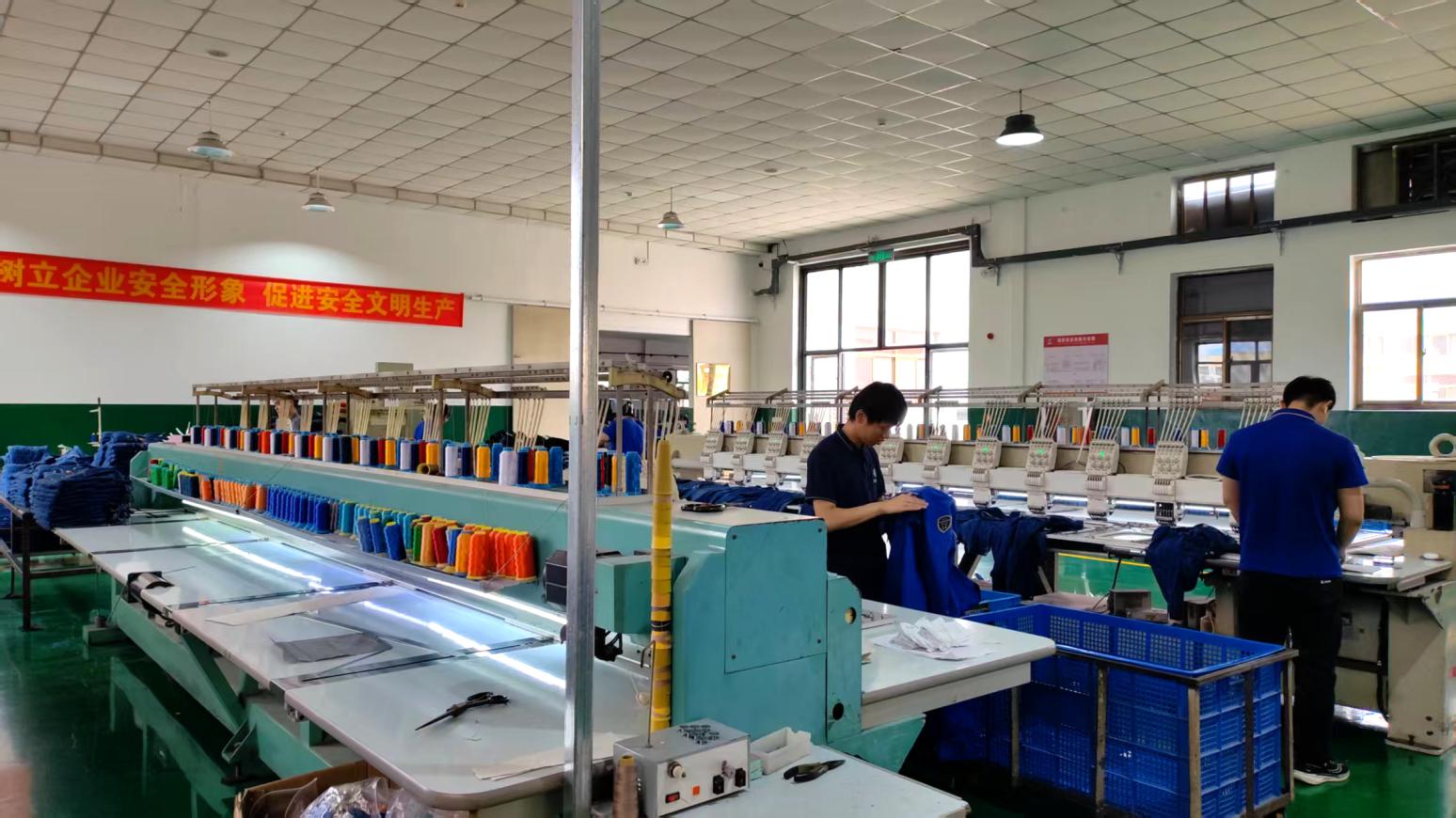
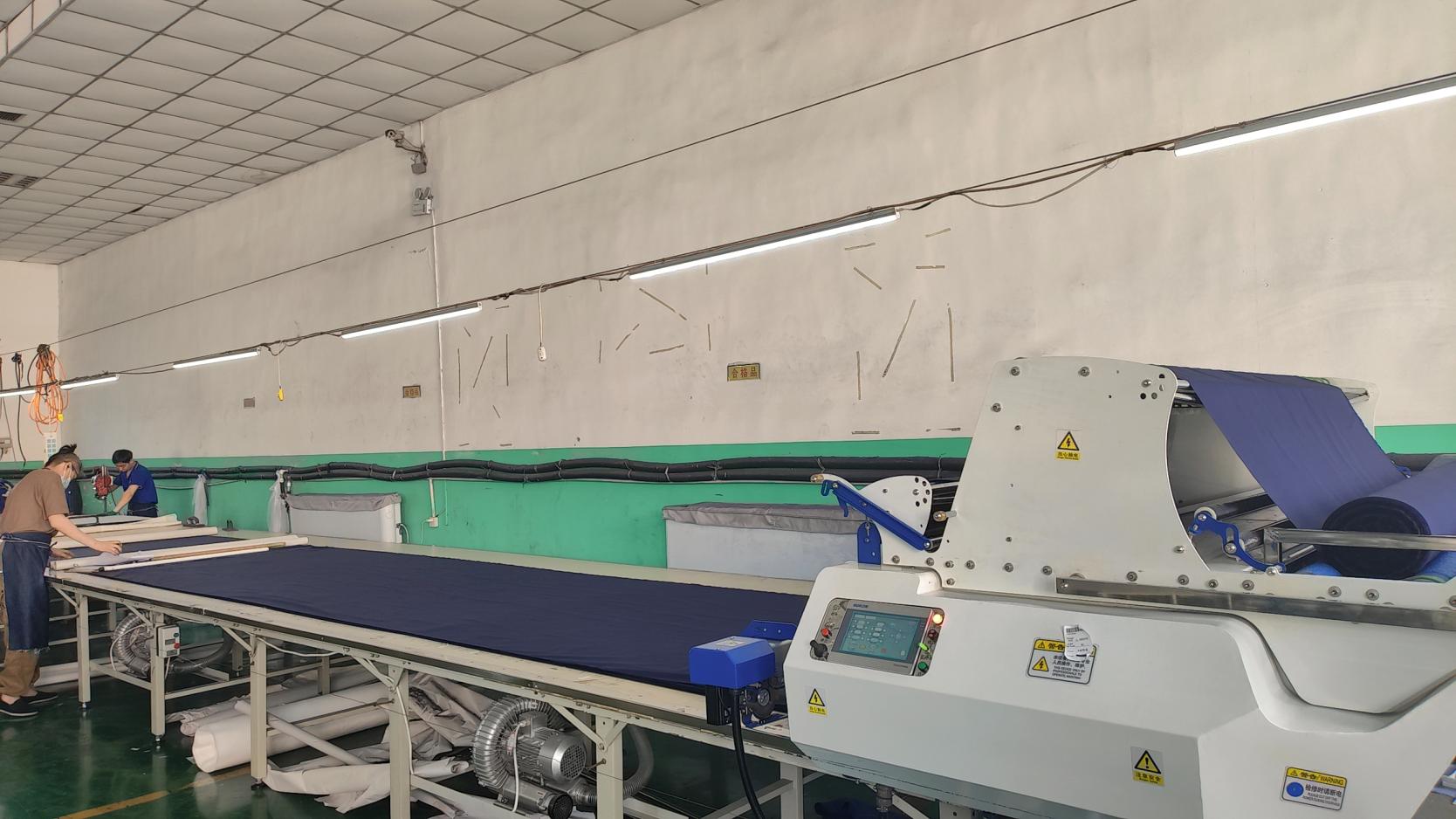
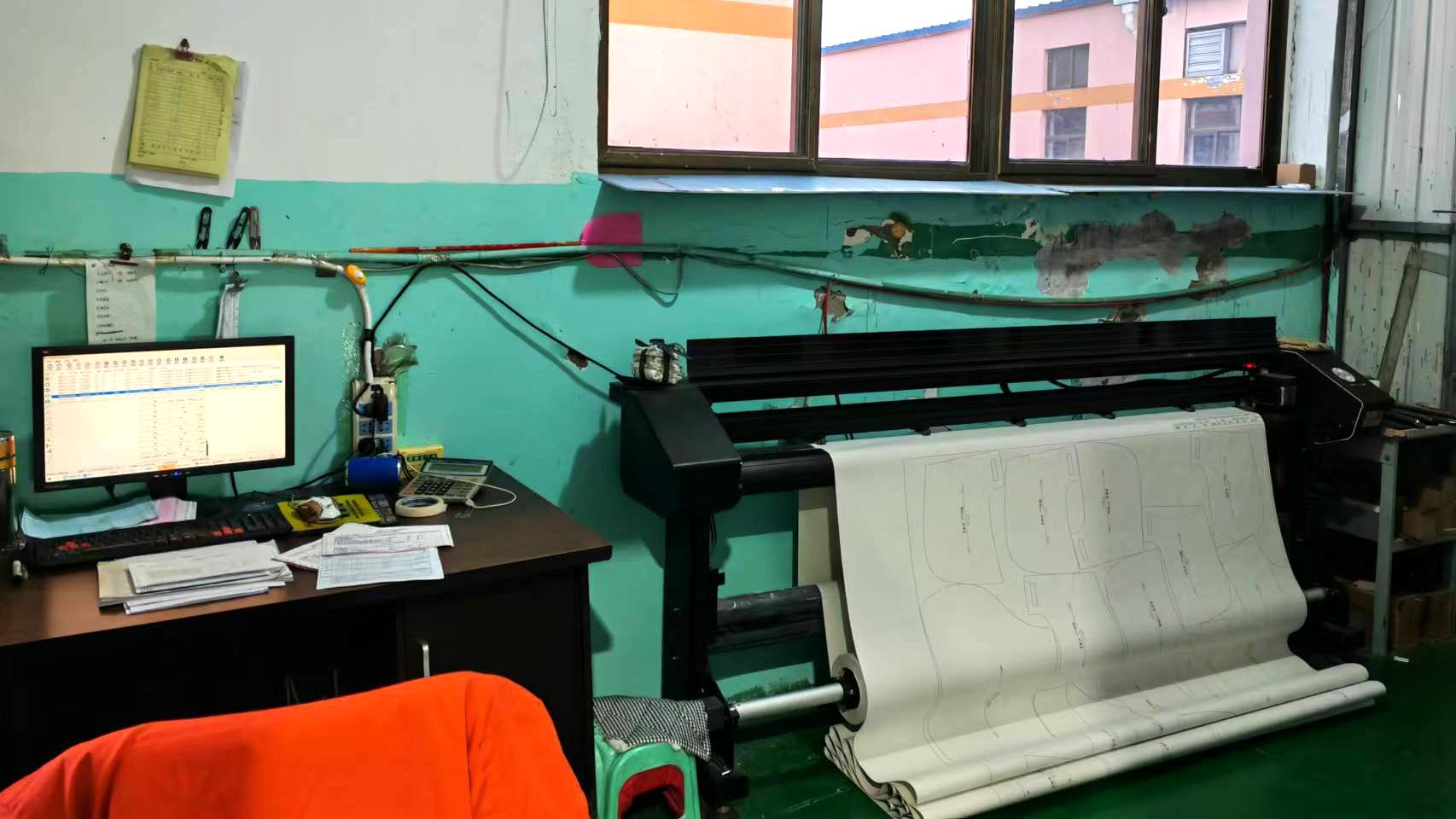
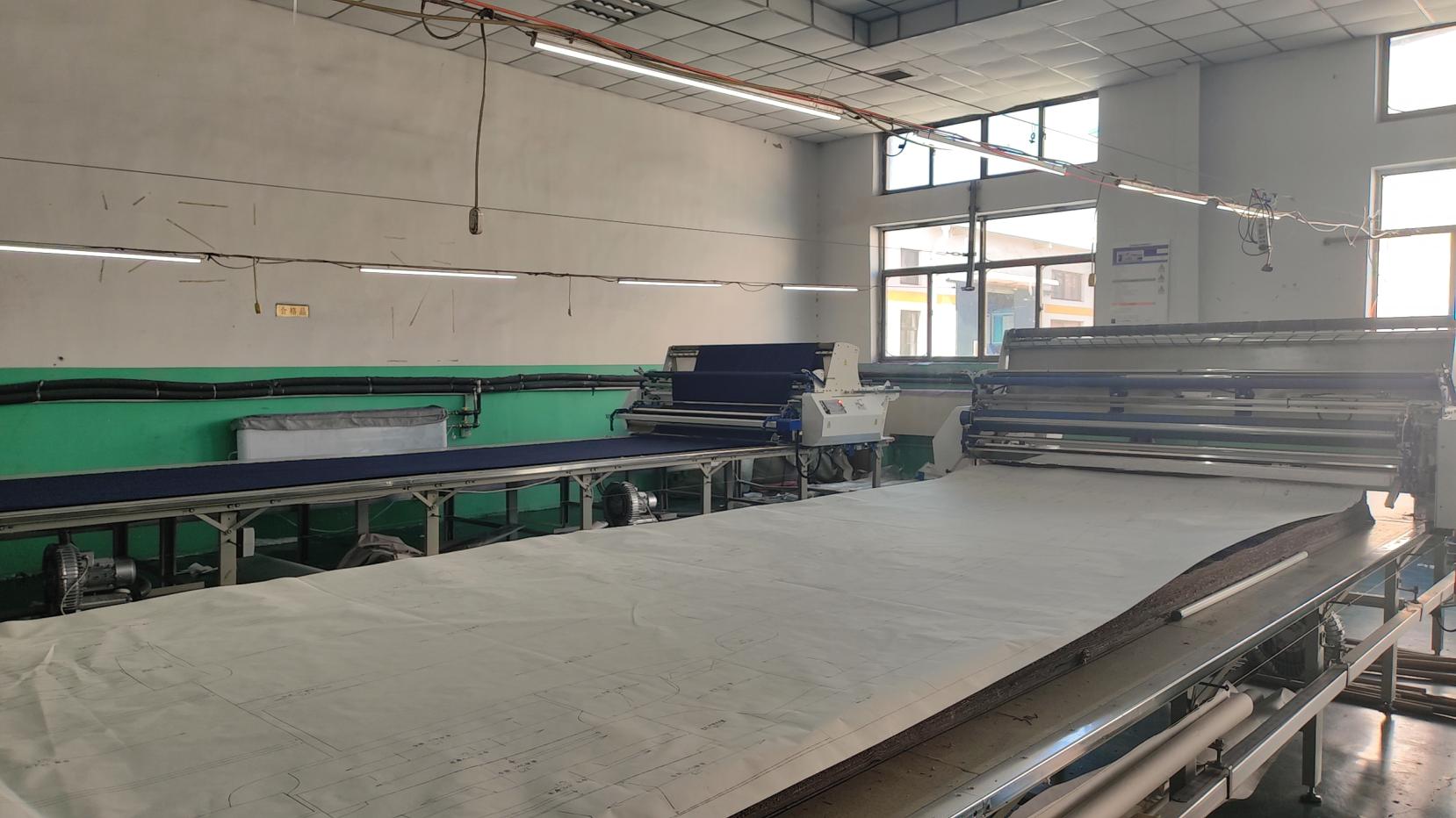
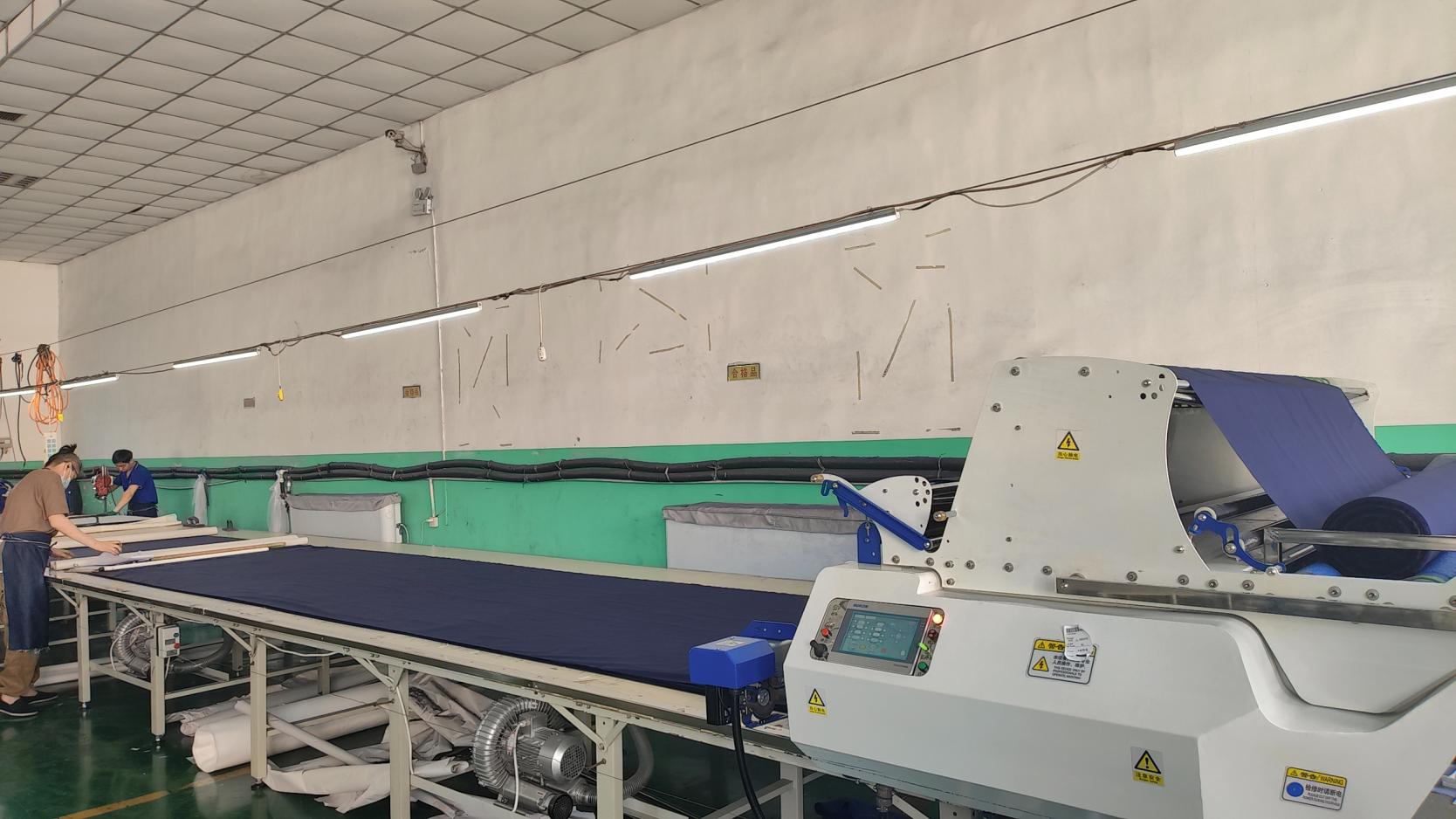
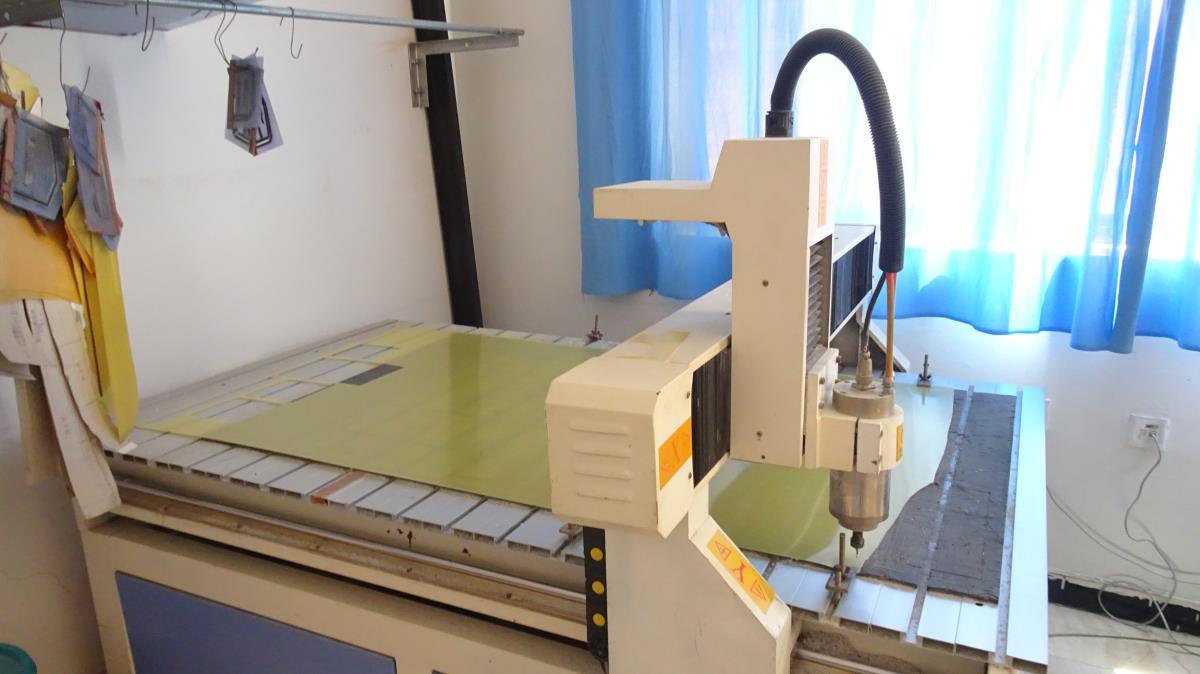
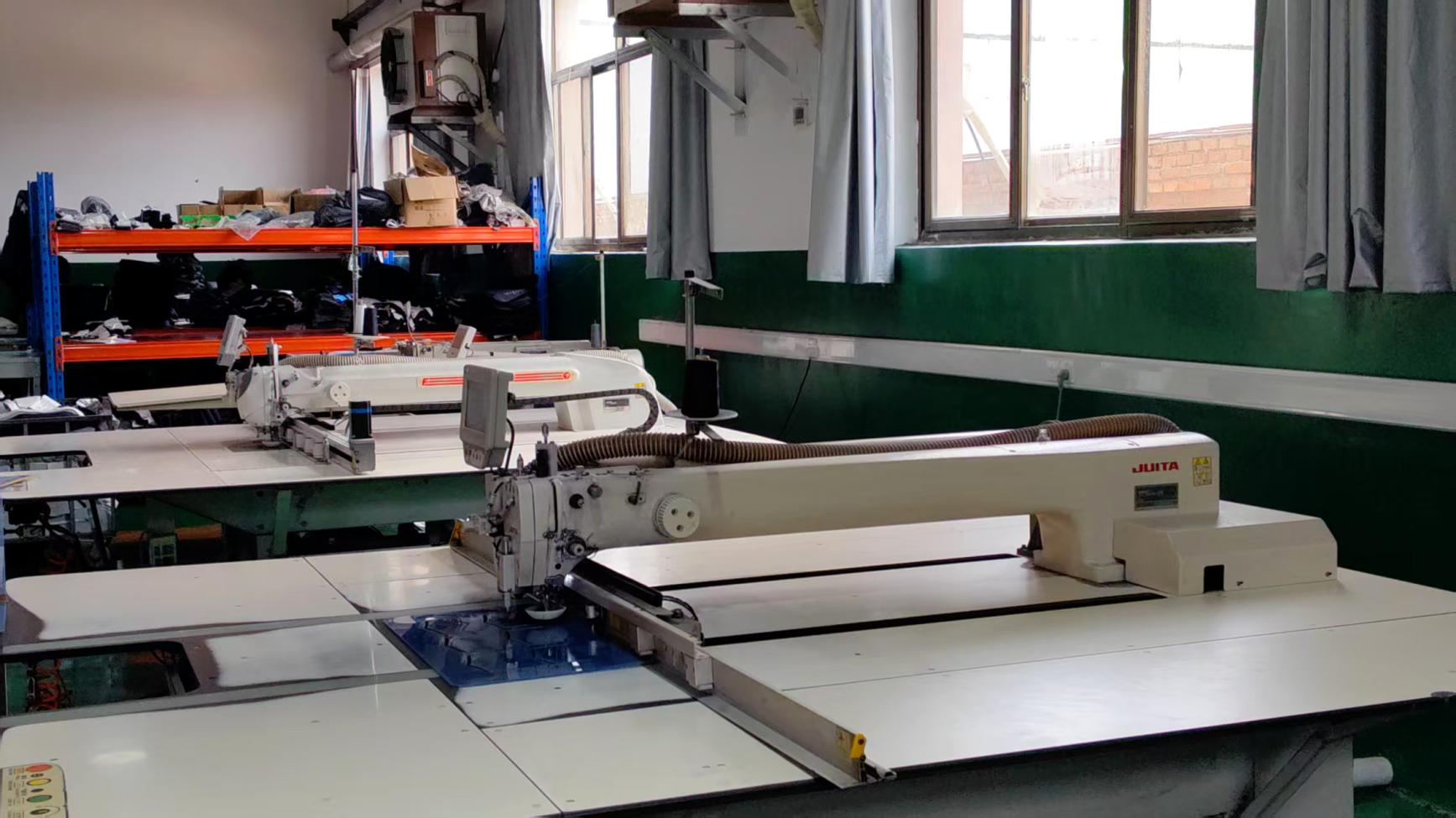
We believe the apparel factory of the future must rely on advanced digital execution. Our production facility is actively deploying automated sewing cells and digital fabric marker nesting algorithms. Traditional fabric cutting often results in 12% to 15% material waste; our high-precision automated laser cutters and digital nesting plotters reduce fabric waste down to under 5%. This optimization saves brands money and directly supports circular manufacturing initiatives.
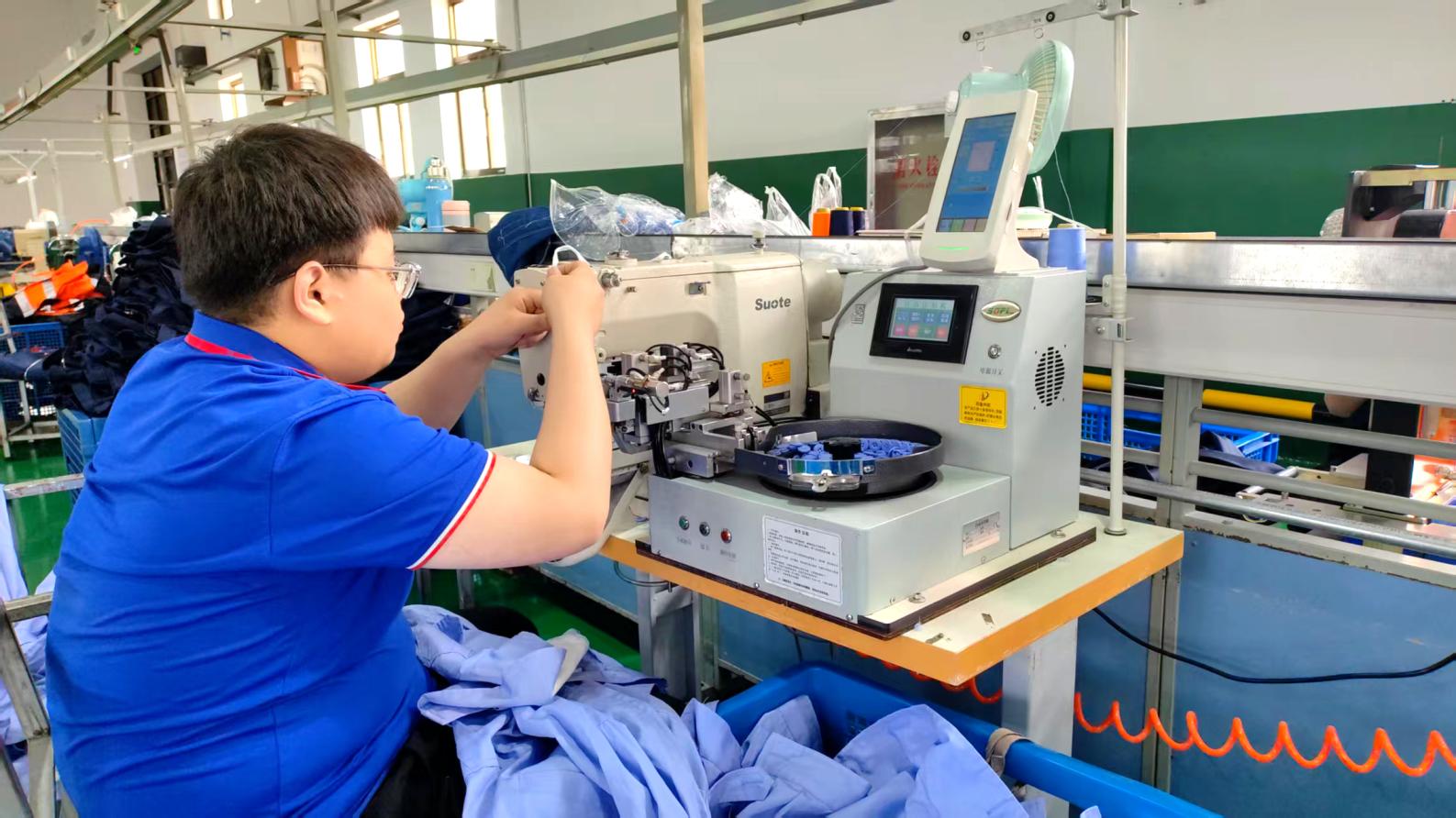
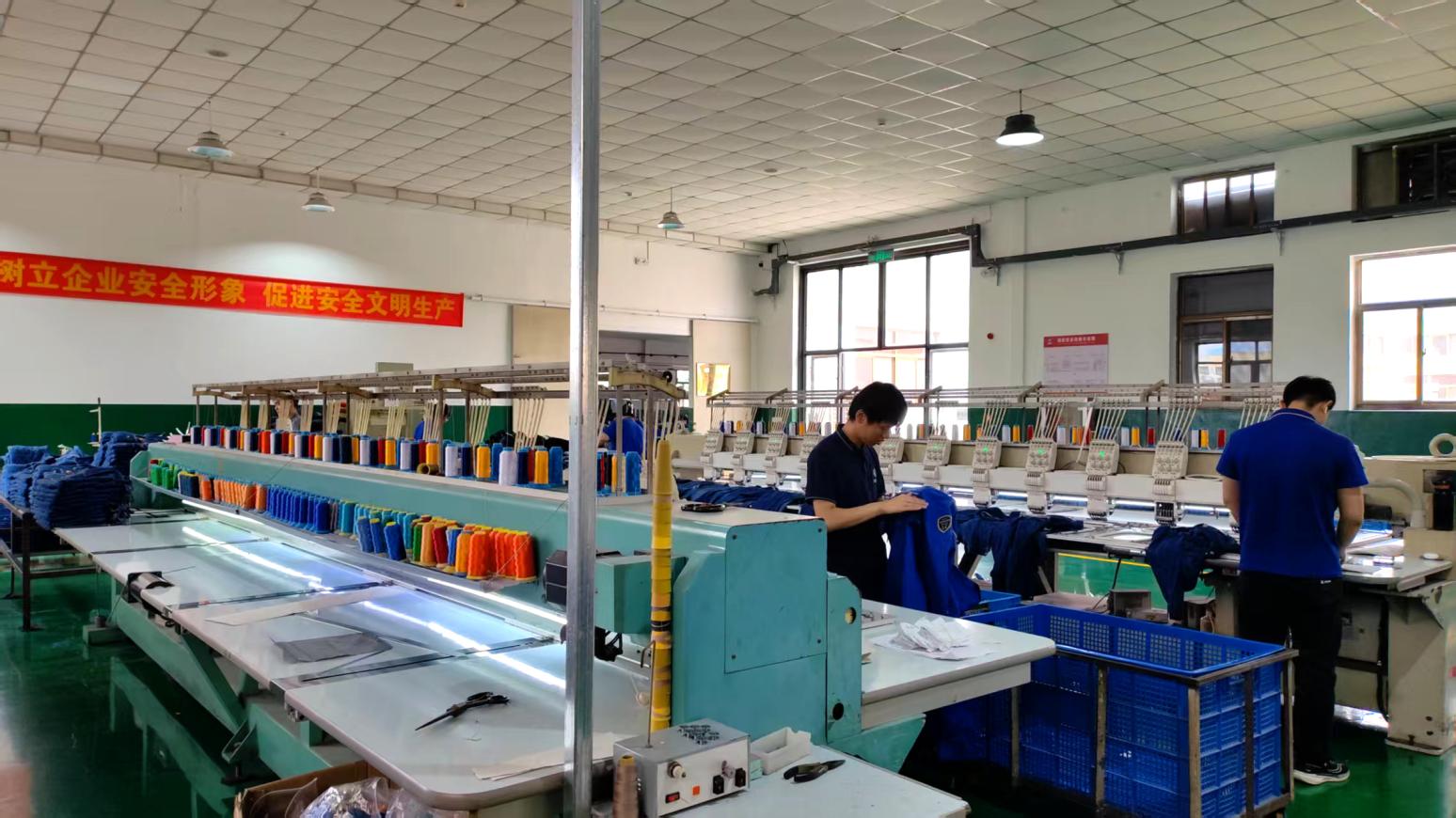
Looking ahead, we are developing RFID-integrated garment tracking models. This allows wholesale clients to monitor the manufacturing stage of their order in real-time, from raw yarn arrivals to final box sealing. By integrating IoT devices into our sewing and embroidery machines, we maintain real-time quality tracking, minimizing stitch errors before the final QC stage.
Established in 2006: A modern, vertically integrated apparel manufacturing partner servicing global brands.
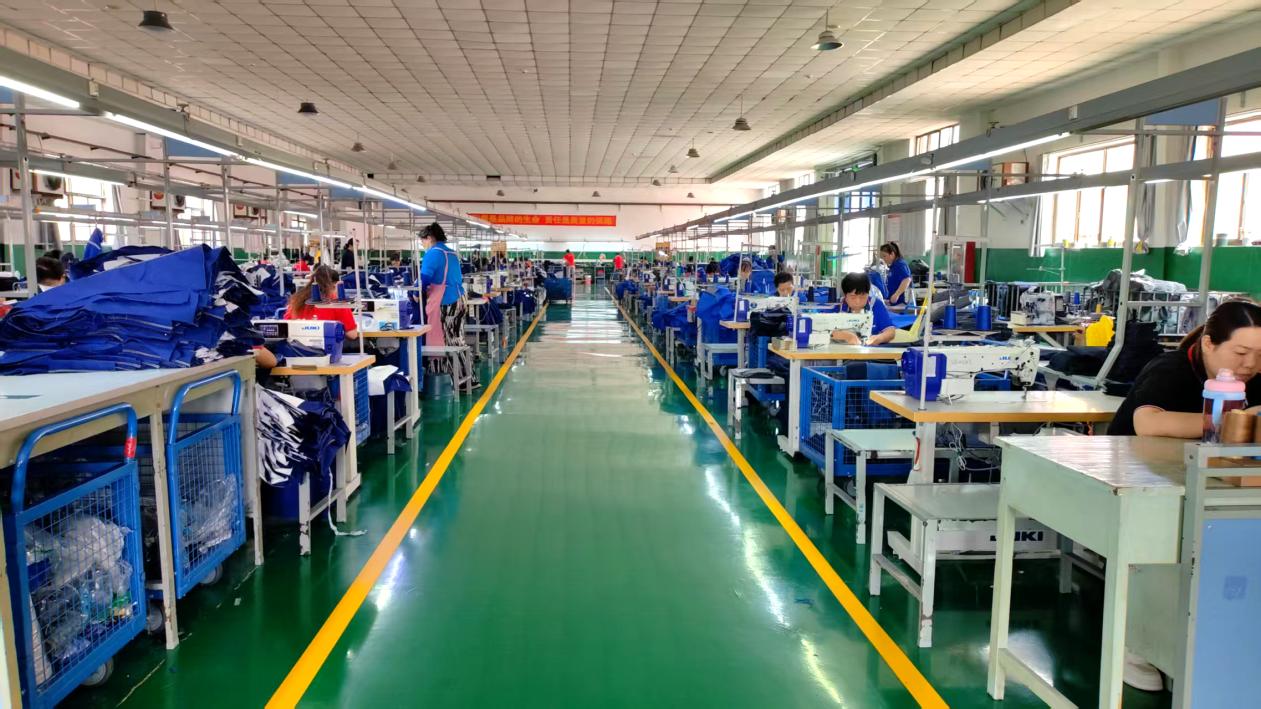
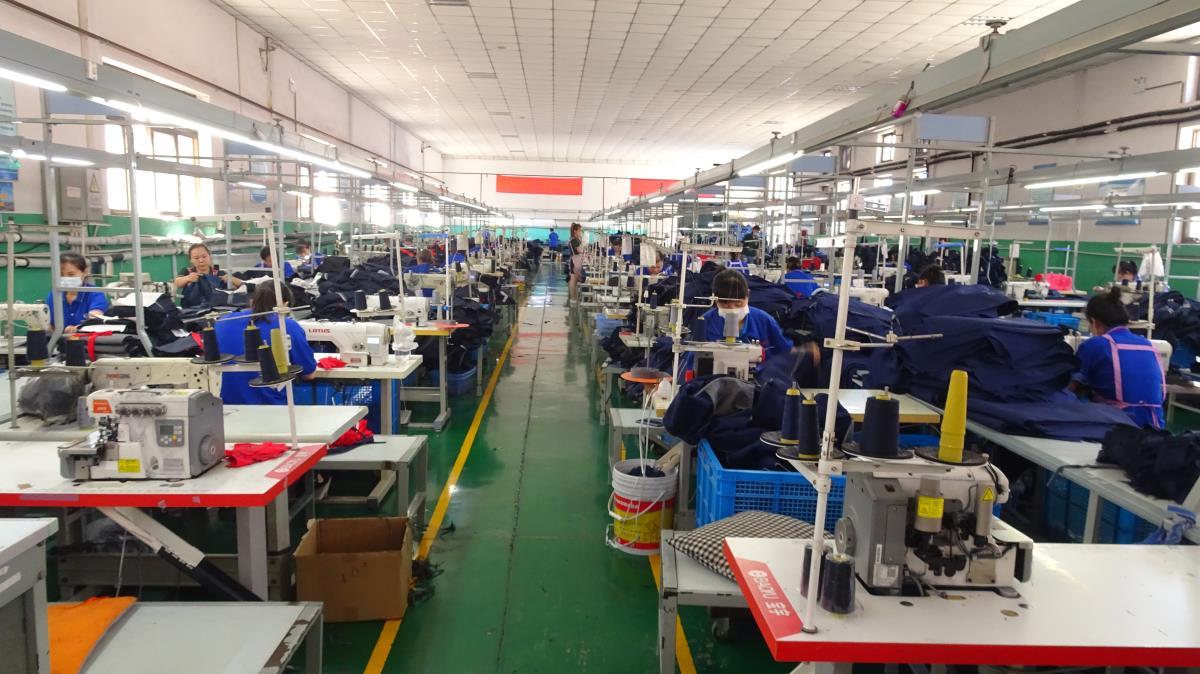
Established in 2006, Guangdong Barjeel Fashion Co., Ltd. is a modern apparel manufacturing enterprise integrating design, research and development (R&D), production, sales, and supply chain services. The company operates its own manufacturing facility covering an area of approximately 3,600 square meters, featuring a clean and well-organized office environment, standardized production workshops, and advanced garment manufacturing equipment.
With a professional R&D team and a skilled production workforce, the company has built strong capabilities across the entire apparel development process, including style design, pattern making, fabric sourcing, sampling, and bulk production. A well-established quality control system and efficient production management process ensure consistent product quality, timely delivery, and high manufacturing standards.
Guangdong Barjeel Fashion Co., Ltd. specializes in a wide range of apparel categories, including fashion and trend-led clothing, sportswear, evening dresses, professional and workwear, as well as casual wear. The company is capable of serving both OEM and ODM requirements, providing flexible and customized solutions to meet the diverse needs of global fashion brands.
Over the years, the company has developed long-term partnerships with numerous domestic and international clients. With a strong focus on craftsmanship, operational excellence, and continuous improvement, it has earned a solid reputation for reliability and quality in the apparel manufacturing industry.
Guided by the core values of quality-first, customer orientation, and continuous innovation, Guangdong Barjeel Fashion Co., Ltd. remains committed to upgrading its design capabilities and manufacturing technologies. The company strives to enhance efficiency, strengthen competitiveness, and deliver greater value to its global partners.
Looking ahead, the company aims to further expand its international presence and evolve into a trusted and respected global apparel manufacturing and service provider.
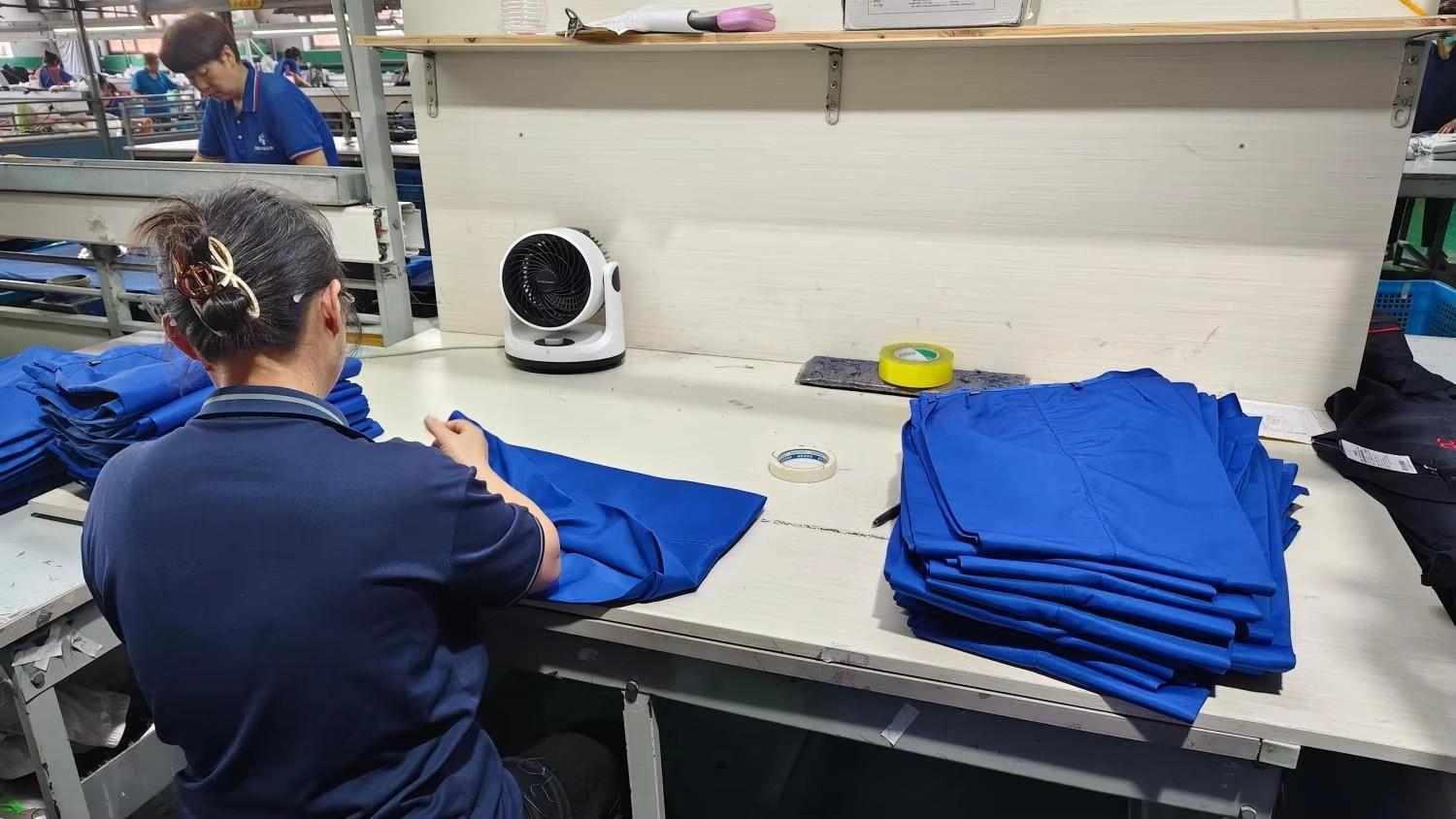
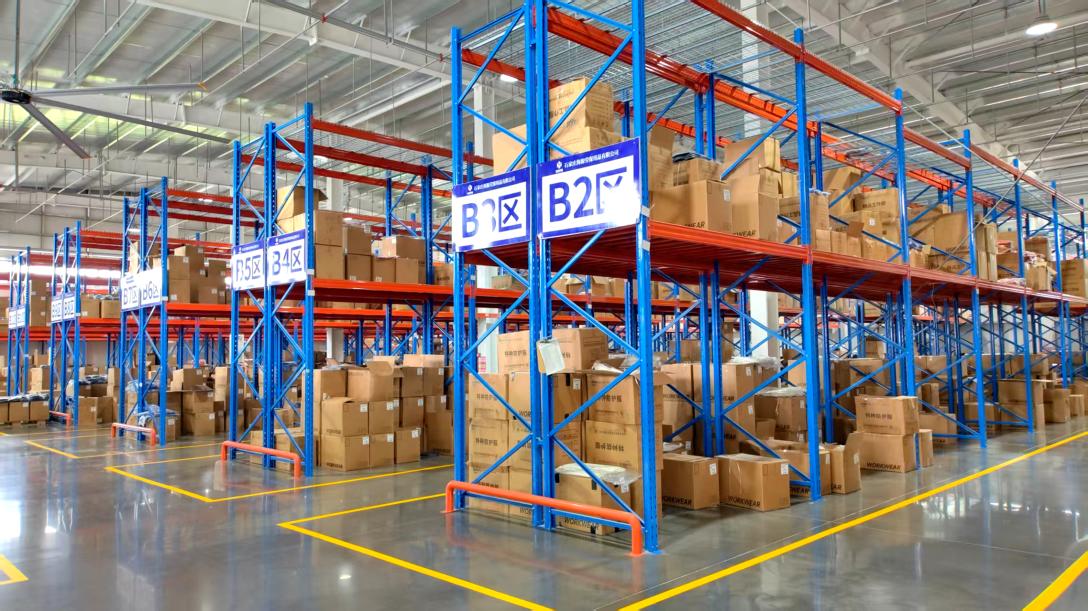
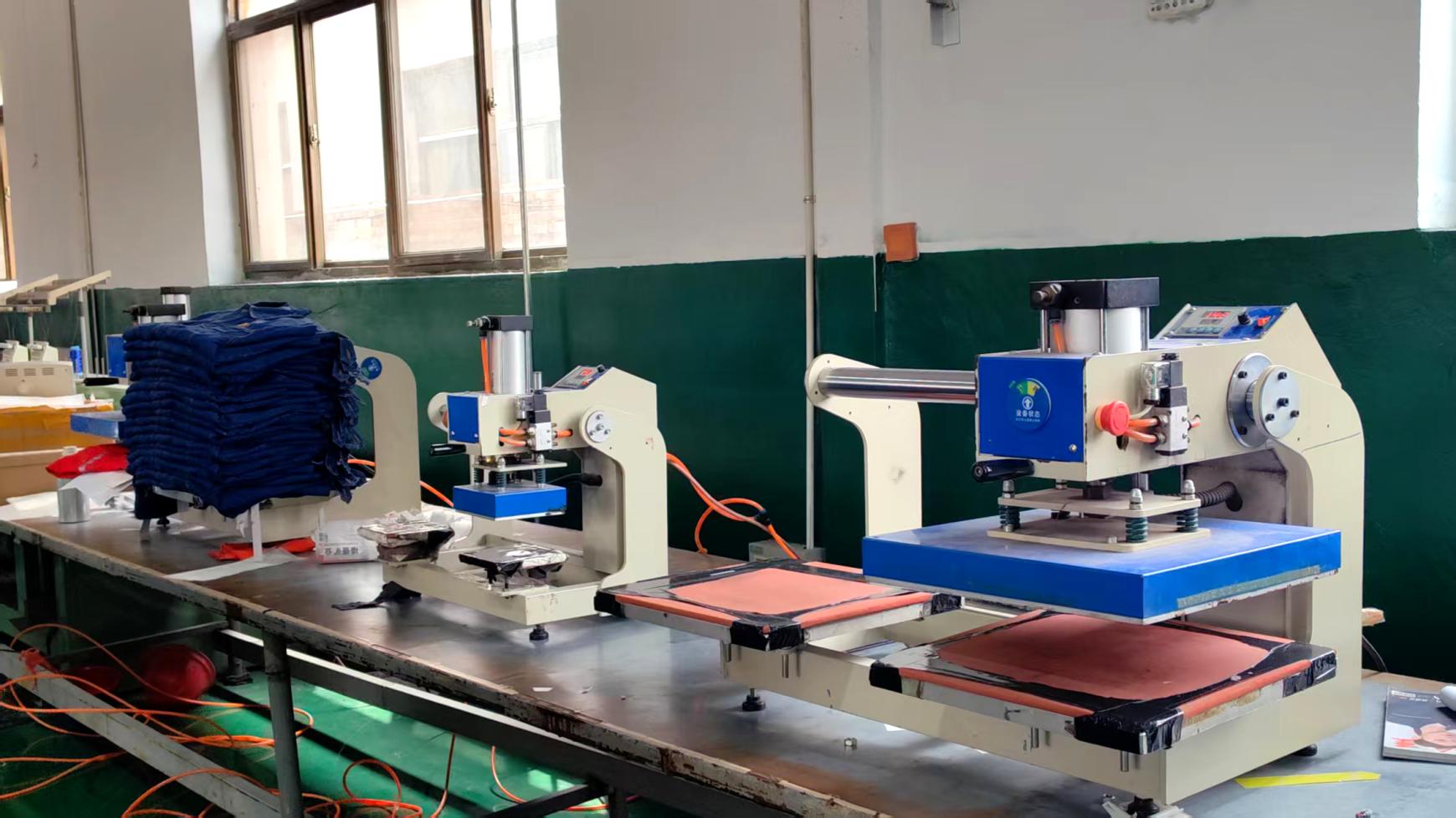
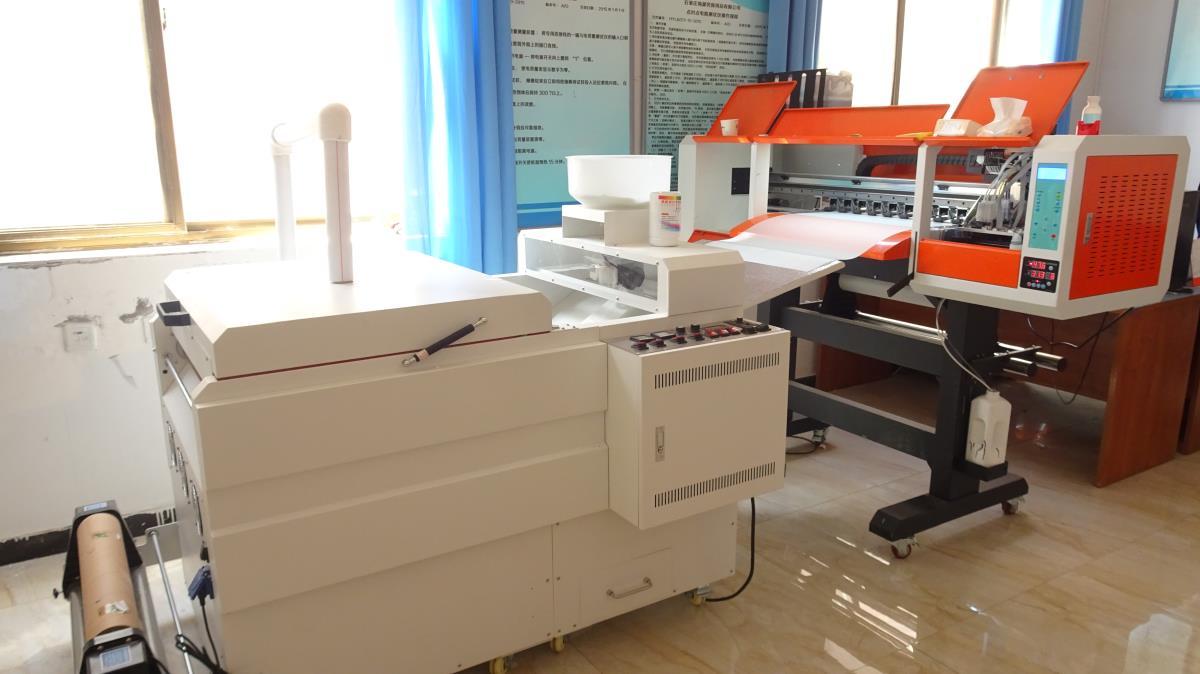
An inside look at our 3,600 sqm production floor, demonstrating our technology, quality control systems, and automated assemblies.
Answers to complex logistical, production, and material-science questions asked by apparel sourcing directors.
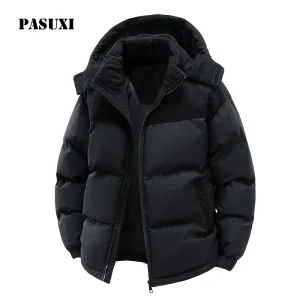
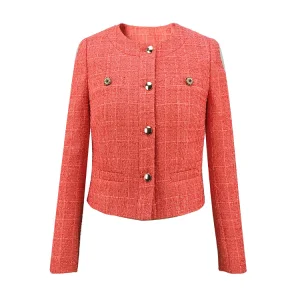
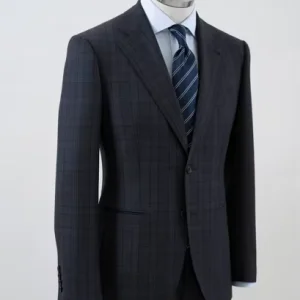
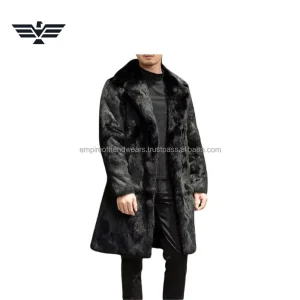
Discover more of our contract apparel manufacturing capabilities, including warm outer layers and specialized structured blazers.