Barjeel Fashion
Barjeel Fashion
Barjeel Fashion
Premium fabric selections, advanced wash processes, and precision structural cuts customized for international brands.
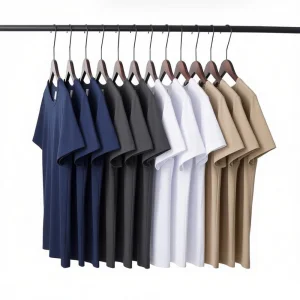
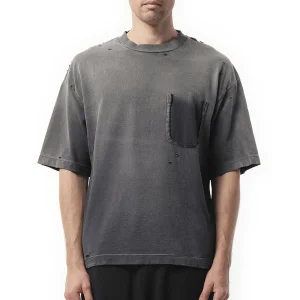
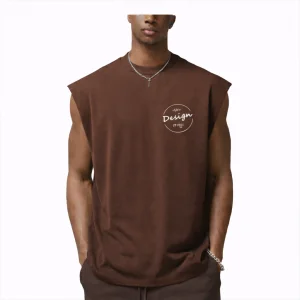
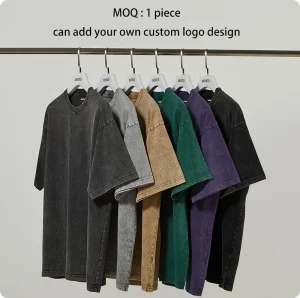
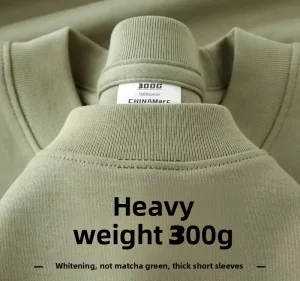
In today's fast-paced fashion environment, procurement professionals are shifting away from transactional, low-cost assembly towards integrated manufacturing models. Sourcing basic items like T-shirts and tank tops is no longer just about fabric weight; it requires structural engineering, eco-safe dye chemistry, and quick-response manufacturing.
Global brands now prioritize suppliers that can combine heavy fabrics (240GSM to 340GSM) with complex finishes like acid washing, pigment dyeing, and direct-to-garment (DTG) printing. This ensures high retail margins and minimizes unsellable inventory. Sourcing is now focused on finding partners with integrated supply chain ecosystems that provide agility, consistency, and compliance.
Established in 2006, a modern apparel manufacturing enterprise integrating design, R&D, production, sales, and supply chain services.
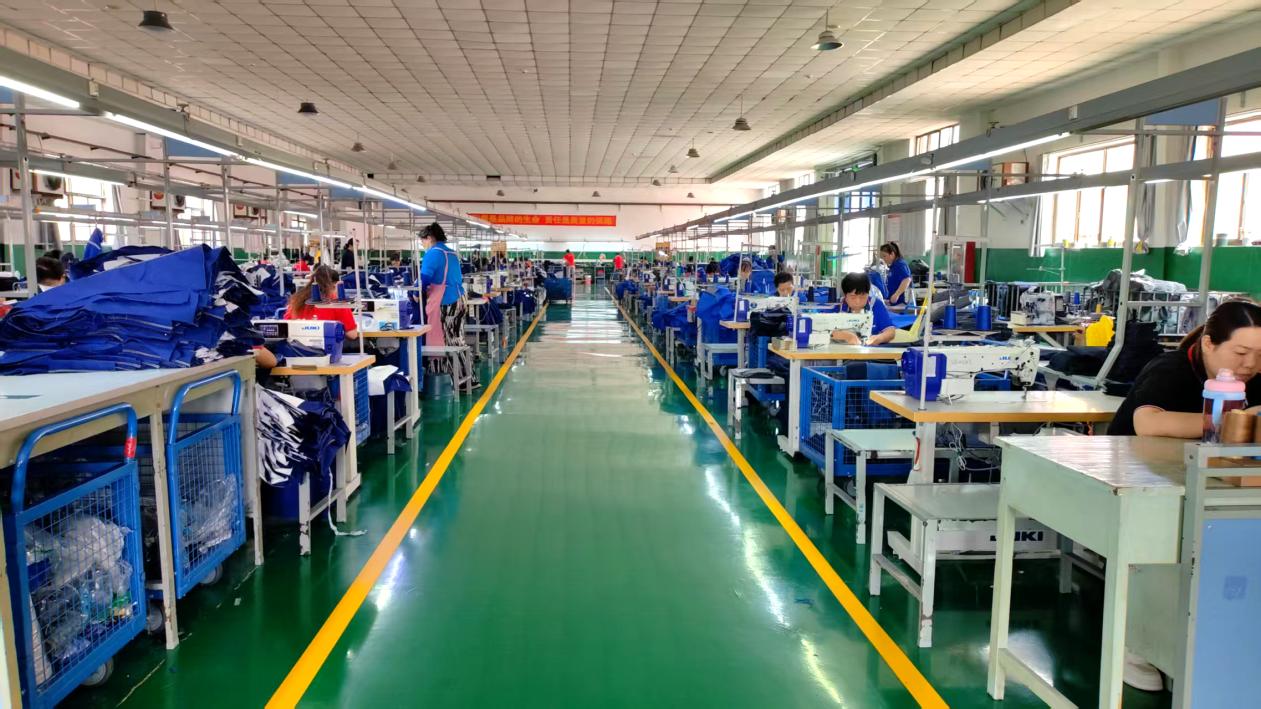
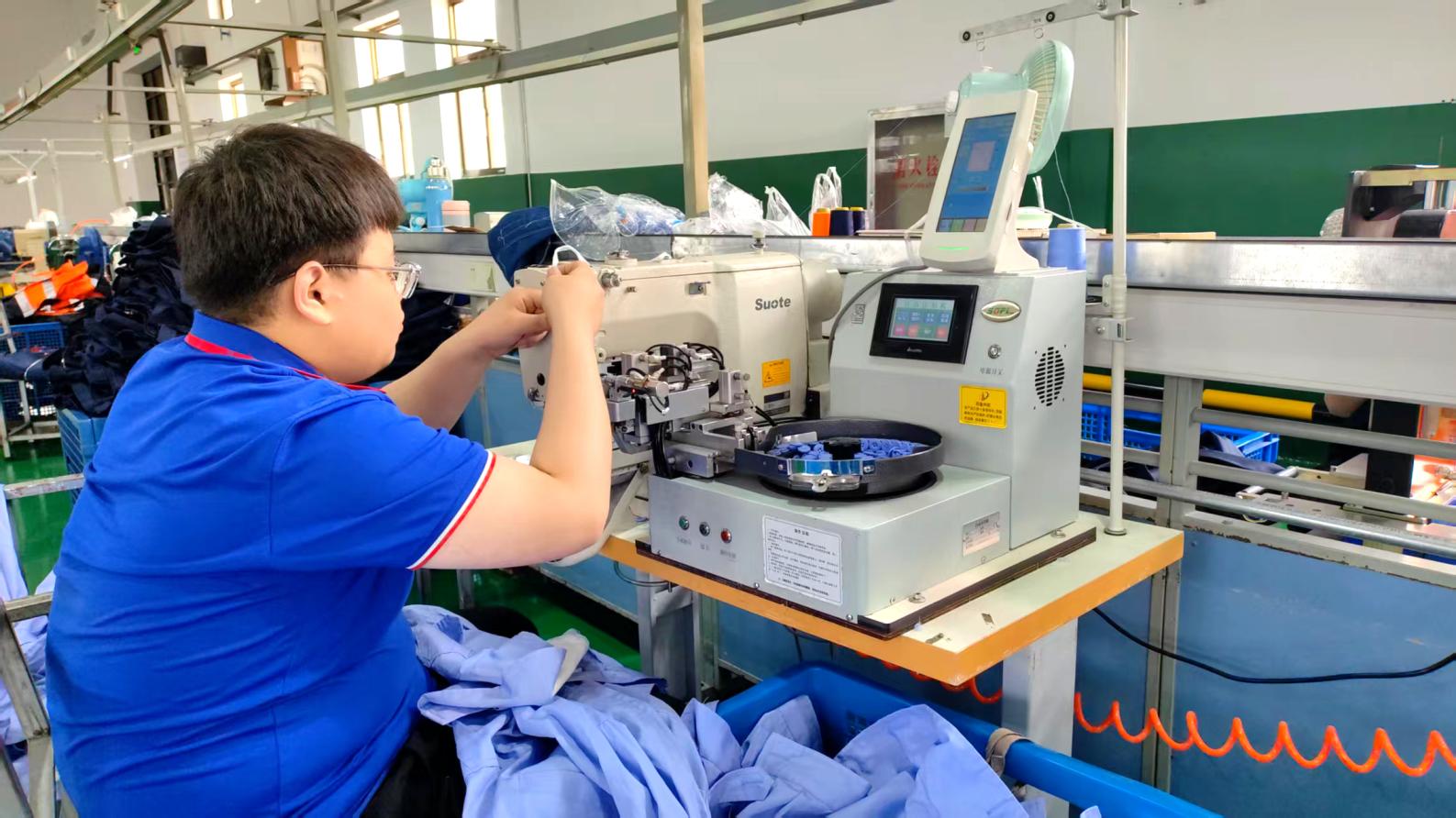
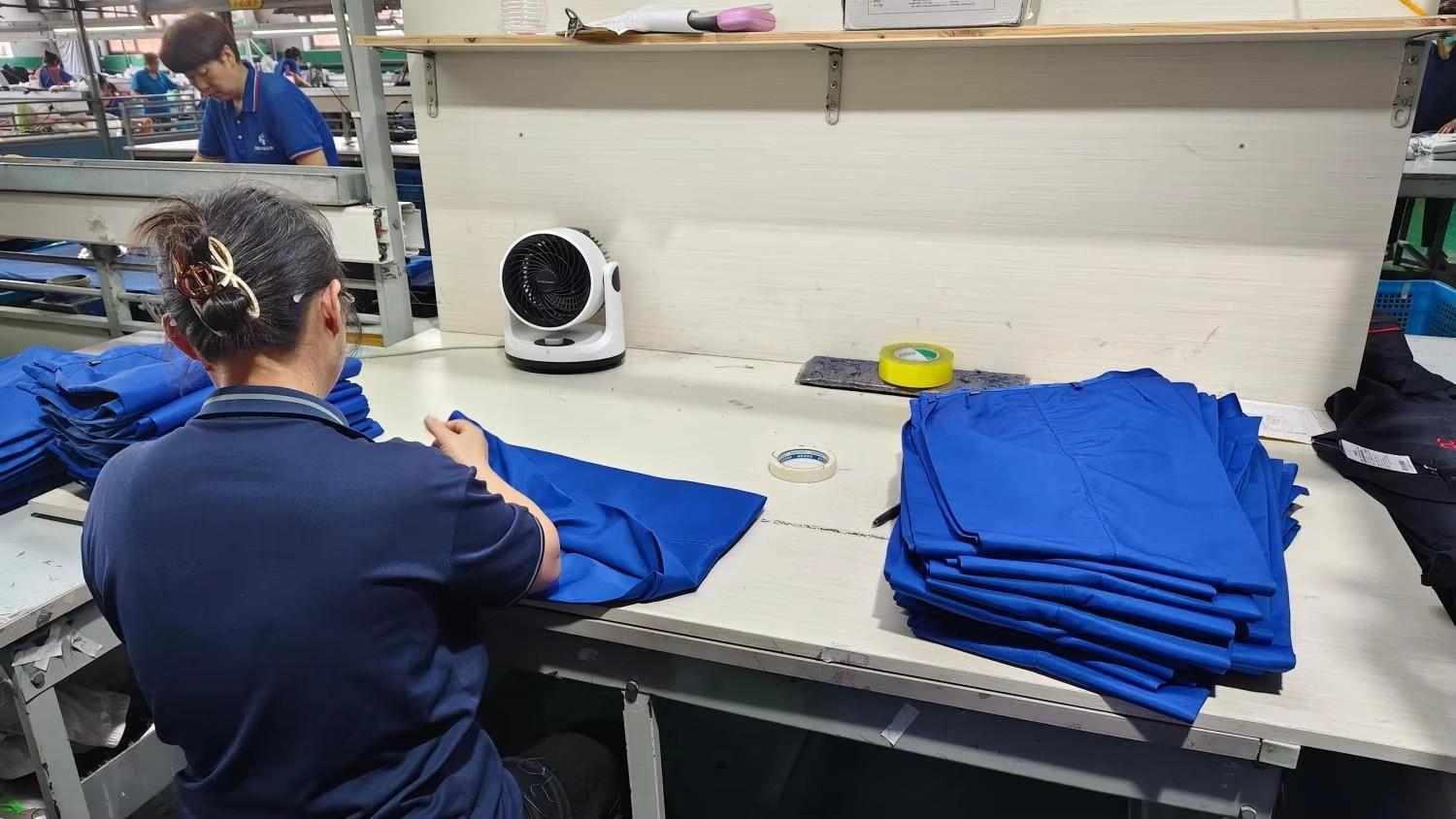
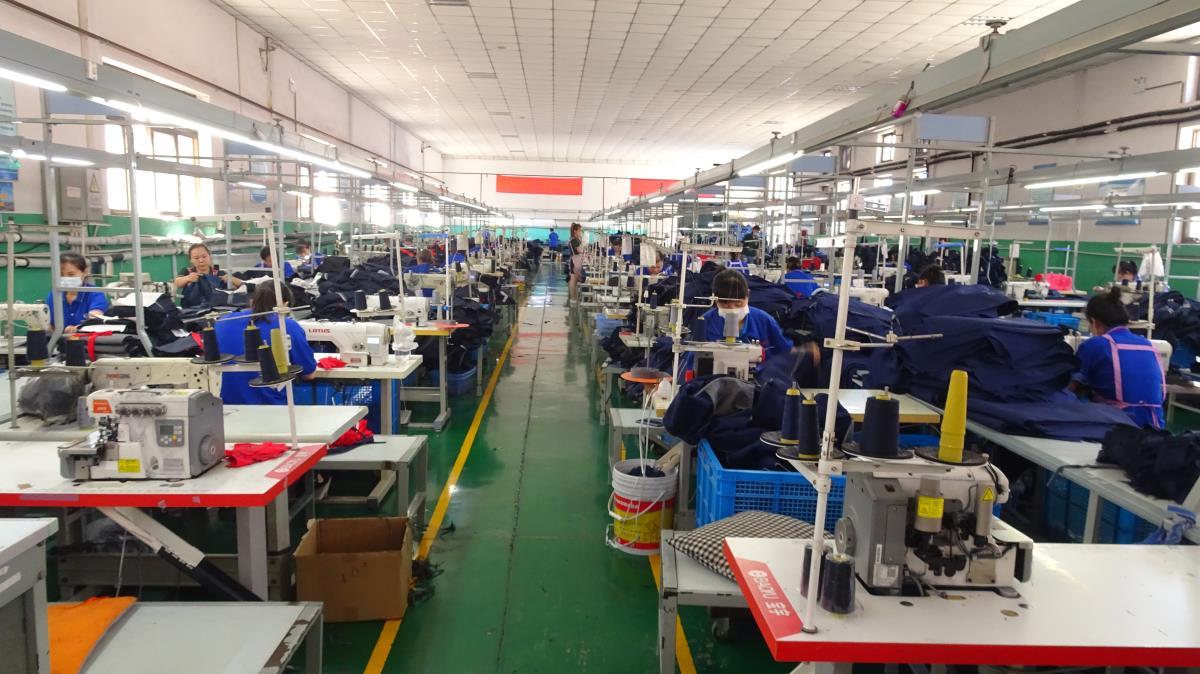
The company operates its own manufacturing facility covering an area of approximately 3,600 square meters, featuring a clean and well-organized office environment, standardized production workshops, and advanced garment manufacturing equipment.
With a professional R&D team and a skilled production workforce, the company has built strong capabilities across the entire apparel development process, including style design, pattern making, fabric sourcing, sampling, and bulk production. A well-established quality control system and efficient production management process ensure consistent product quality, timely delivery, and high manufacturing standards.
Guangdong Barjeel Fashion Co., Ltd. specializes in a wide range of apparel categories, including fashion and trend-led clothing, sportswear, evening dresses, professional and workwear, as well as casual wear. The company is capable of serving both OEM and ODM requirements, providing flexible and customized solutions to meet the diverse needs of global fashion brands.
Over the years, the company has developed long-term partnerships with numerous domestic and international clients. Guided by the core values of quality-first, customer orientation, and continuous innovation, Guangdong Barjeel Fashion Co., Ltd. remains committed to upgrading its design capabilities and manufacturing technologies. Looking ahead, the company aims to further expand its international presence and evolve into a trusted and respected global apparel manufacturing and service provider.
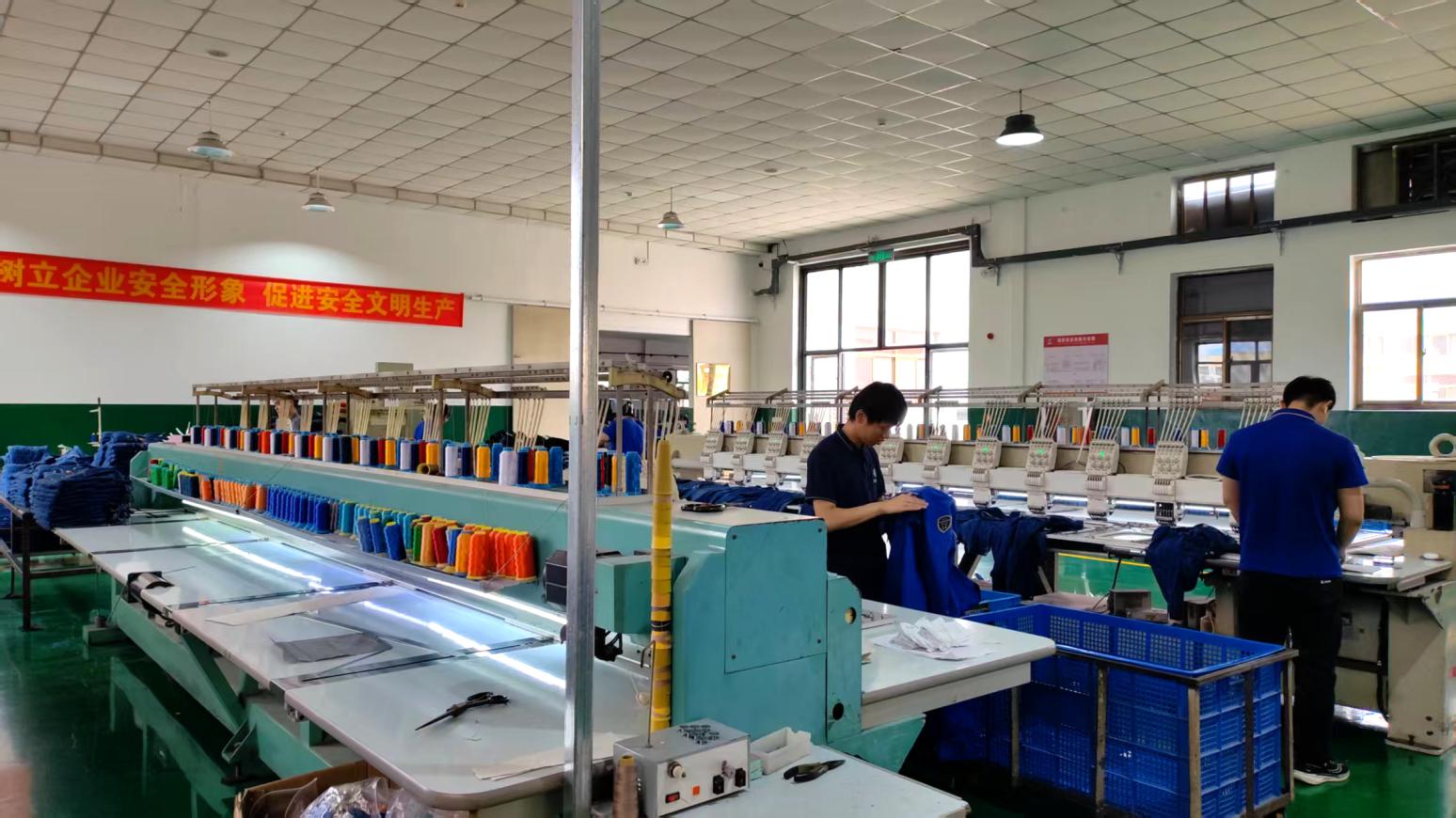
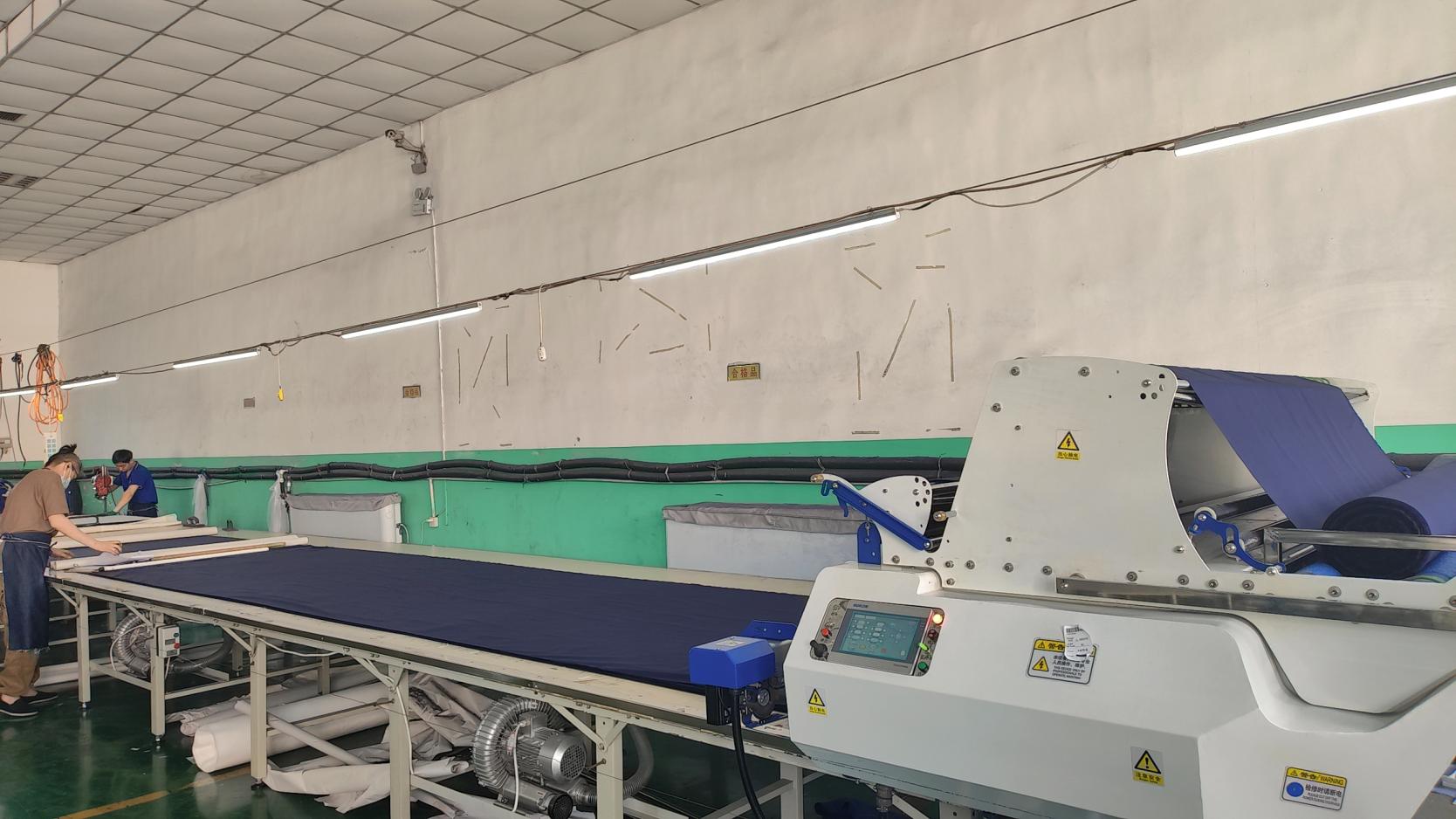
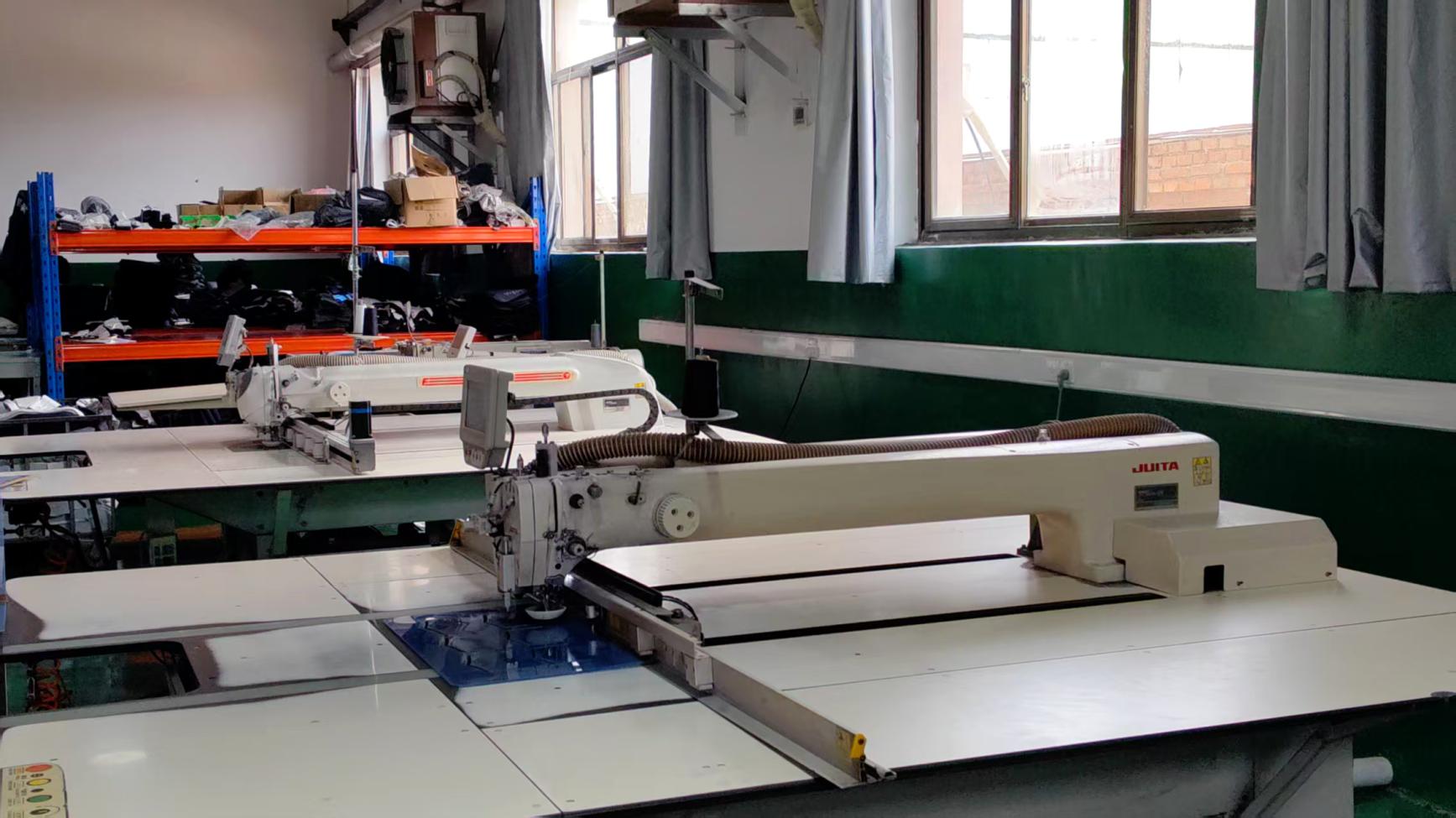
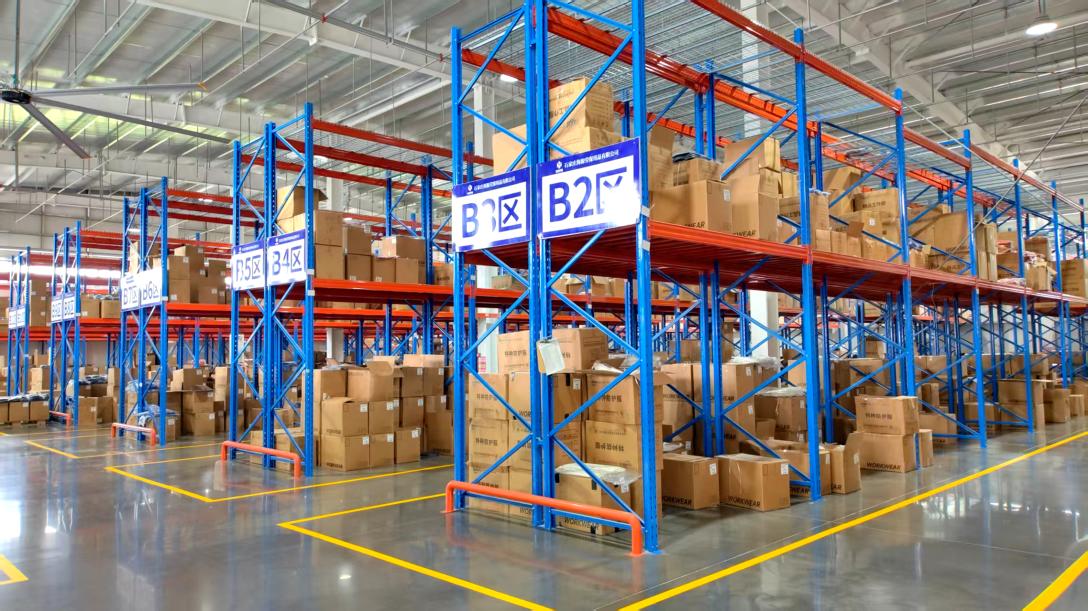
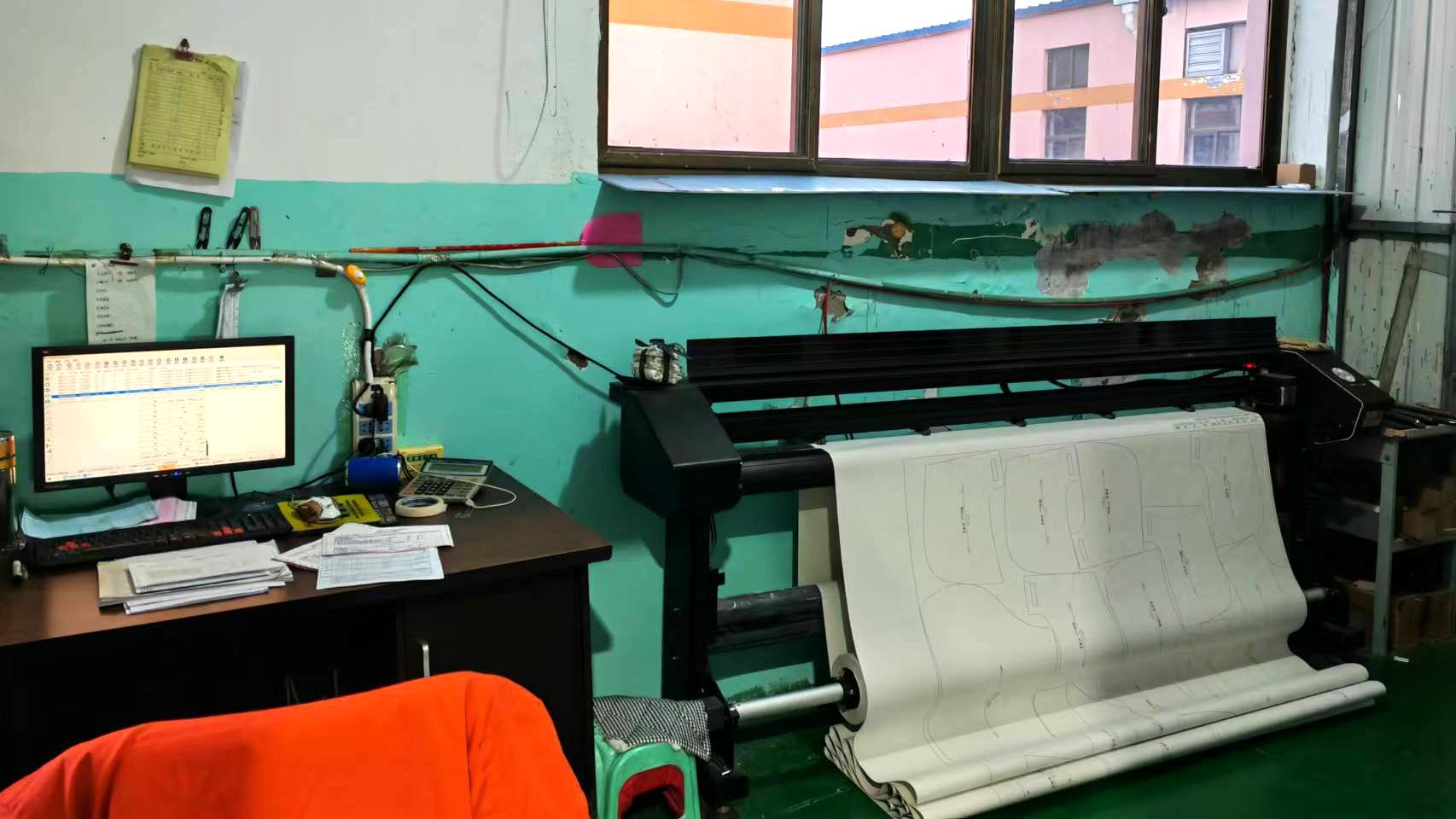
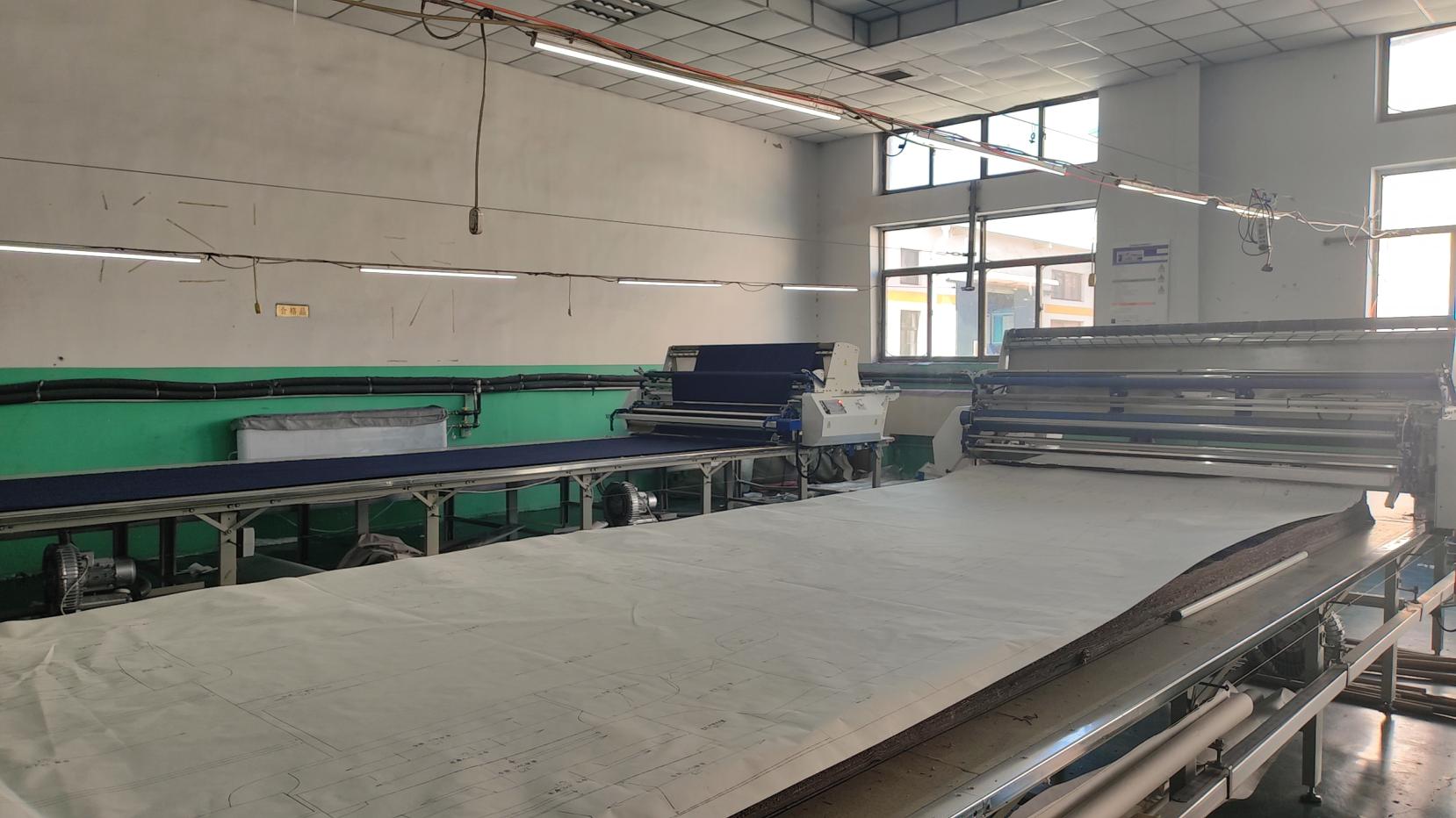
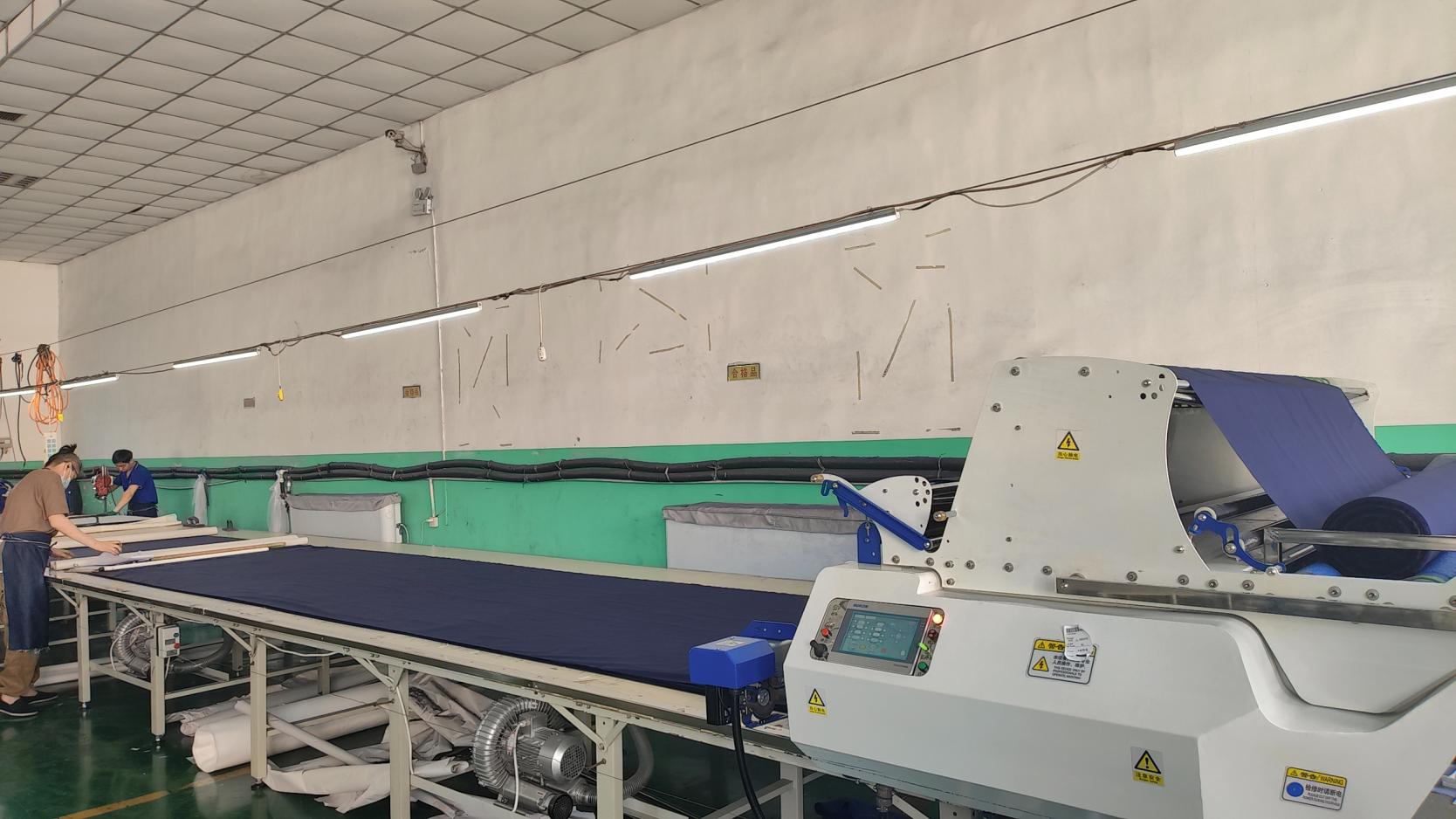
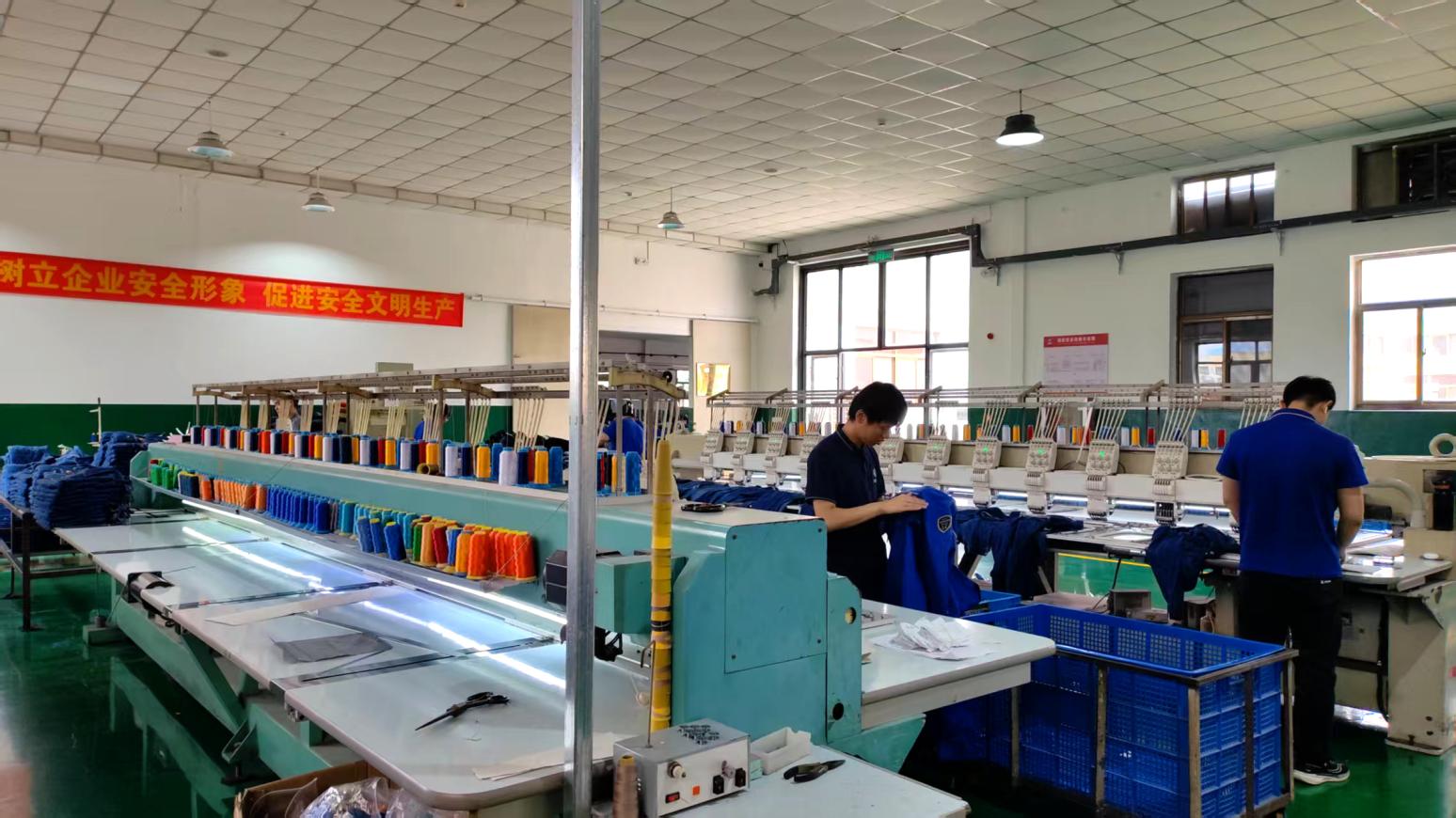
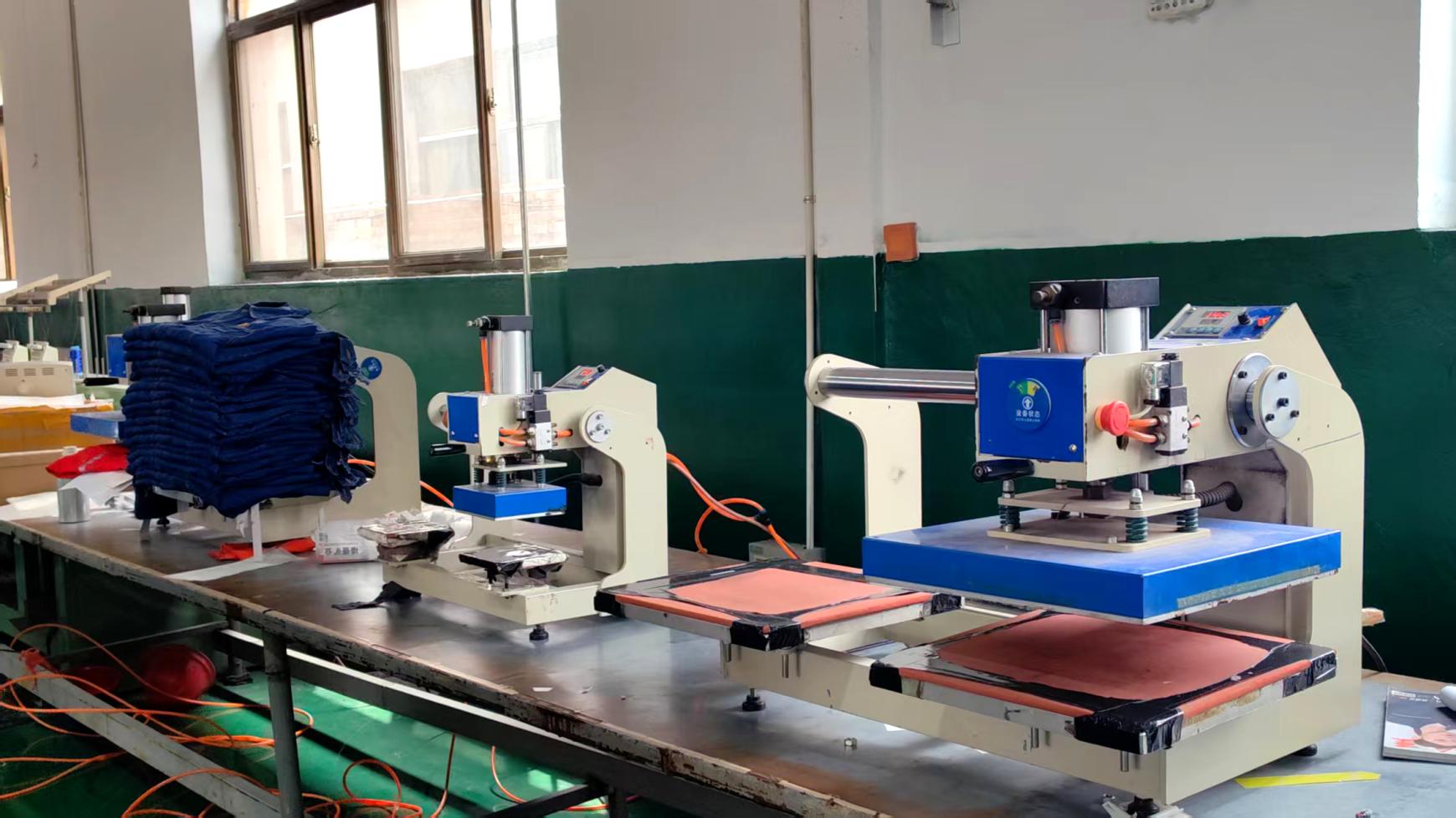
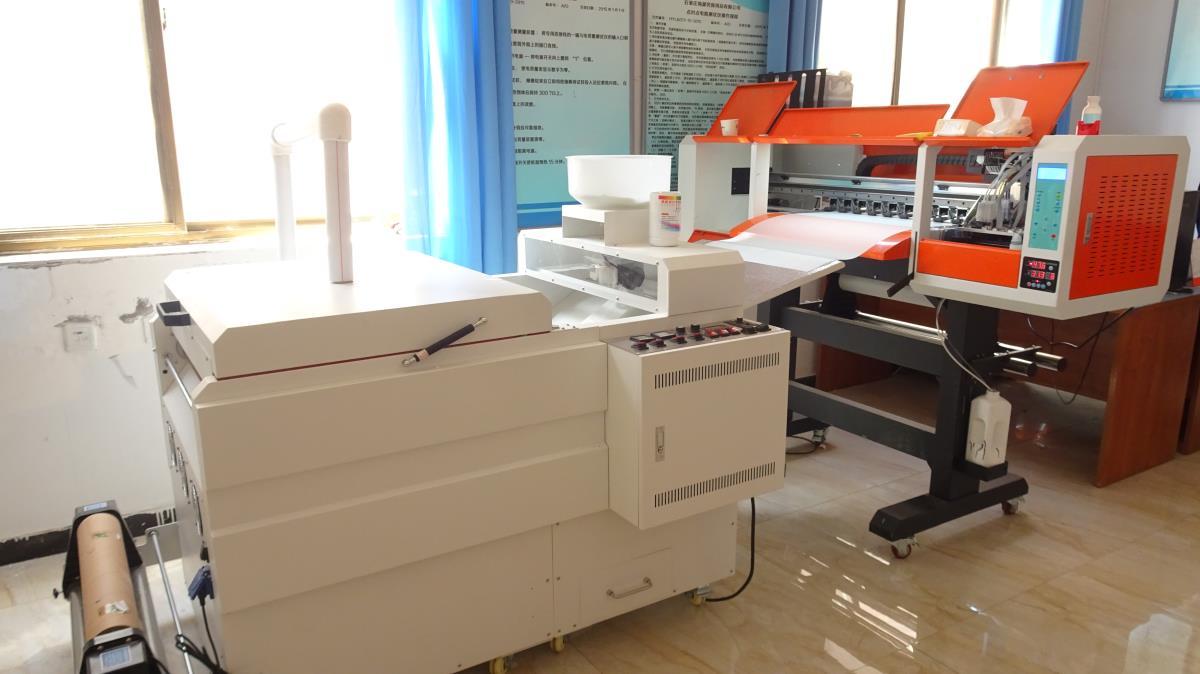
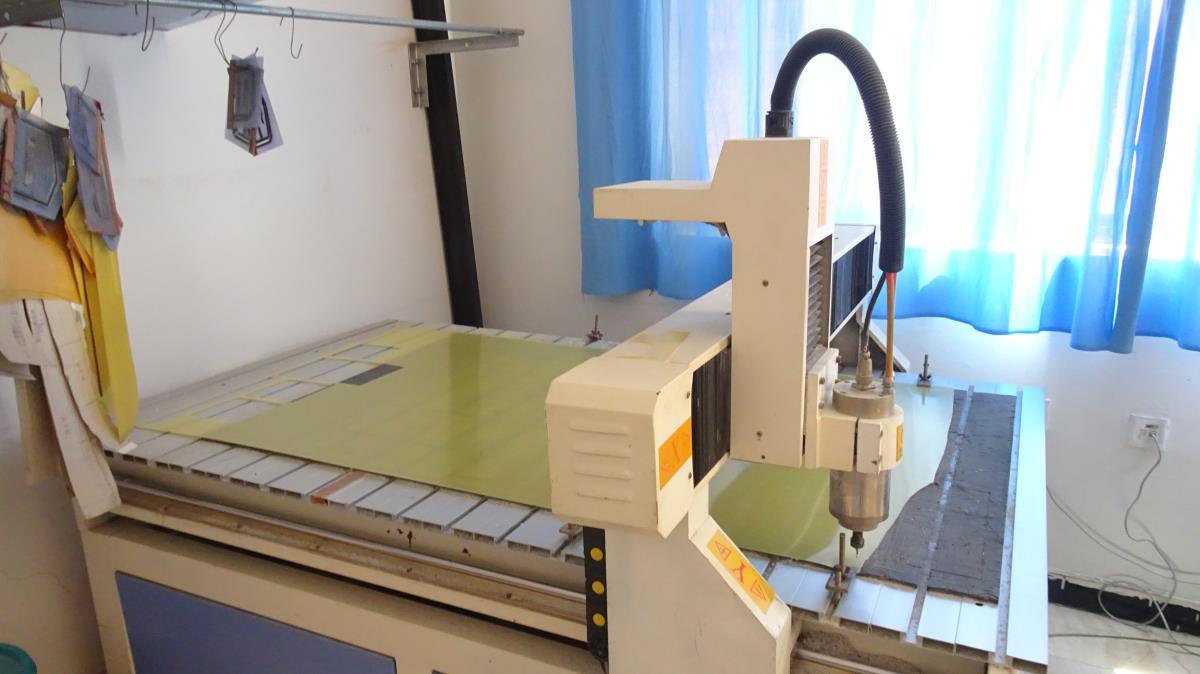
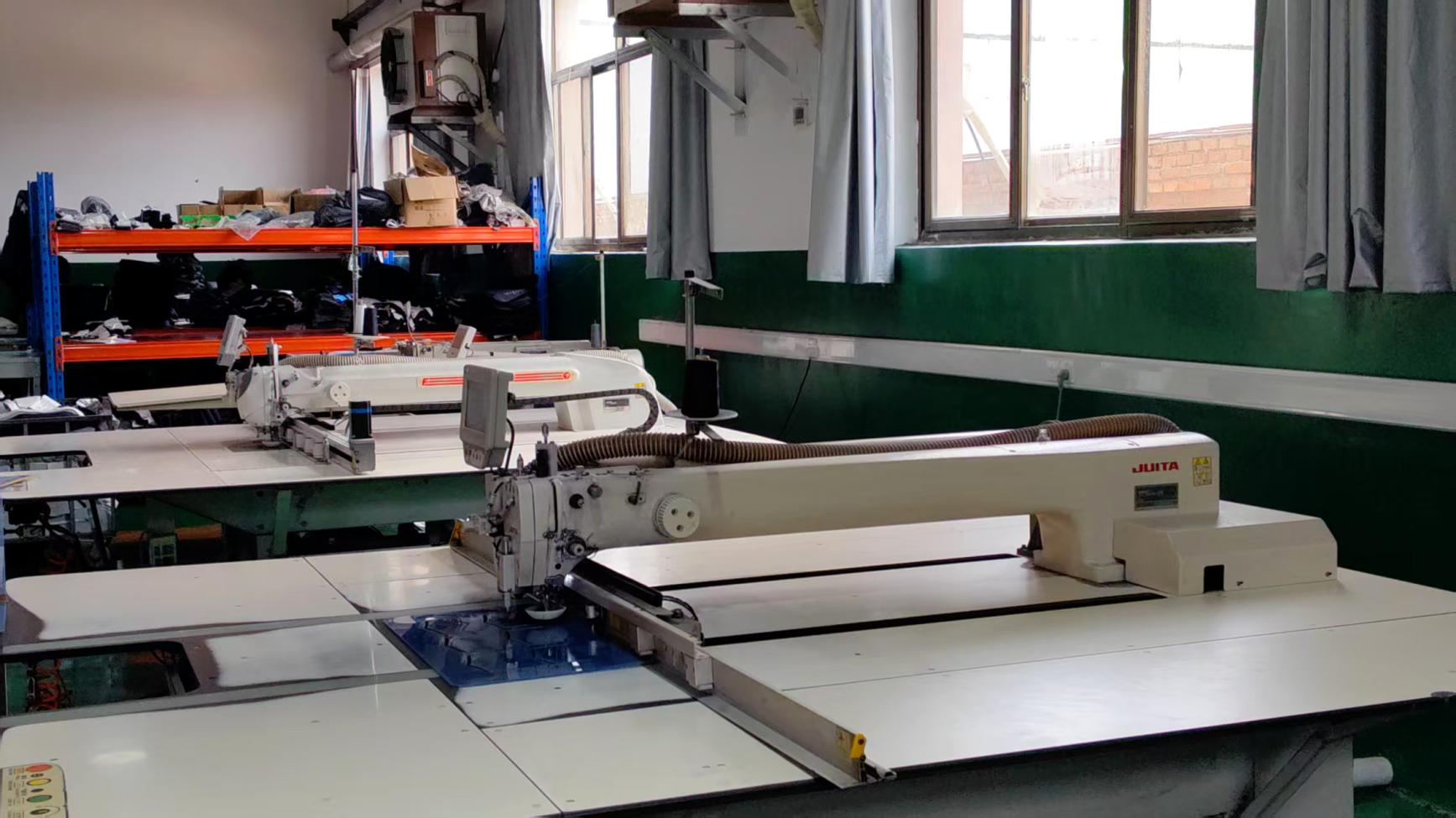
A closer look at our structured processes and automated machinery ensuring precision quality control.
Why Guangdong's manufacturing ecosystem provides the optimal balance of speed, material quality, and custom execution.
The Pearl River Delta features a concentrated supply chain ecosystem, offering immediate access to premium yarn suppliers, dye house complexes, knitting mills, and high-performance trim manufacturers within a 50km radius.
Utilizing high-end automated machinery, such as plotters, automatic cloth laying systems, computer embroidery machines, and laser engraving lines, we minimize errors, reduce waste, and maintain tight stitching tolerances.
Our quality control processes range from raw fabric inspection to finished package auditing. We trace production batches through every step, ensuring compliance with global physical and chemical standards.
Aligning product characteristics with regional requirements to optimize sell-through rates.
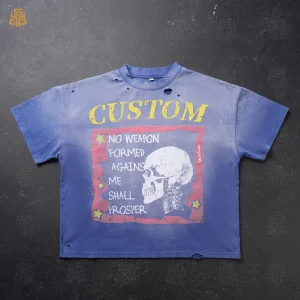
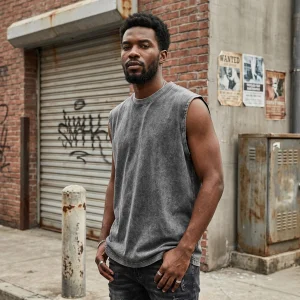
High demand for heavy-knitted fabrics (240GSM to 300GSM), oversized dropped-shoulder cuts, acid washes, and bold graphic prints. Brands require reliable DTG printing for fast fashion drops.
Strong focus on certified sustainable materials (organic cotton, recycled polyester blends) and premium finishing treatments. Key requirements include anti-pilling features, soft hand-feel, and eco-friendly dye processes.
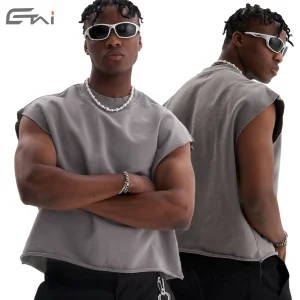
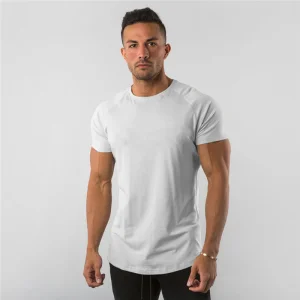
Requires functional fabrics with spandex blends (e.g., 95% cotton, 5% spandex), moisture-wicking technology, high elasticity, flatlock seams, and ergonomic muscle-fit shapes.
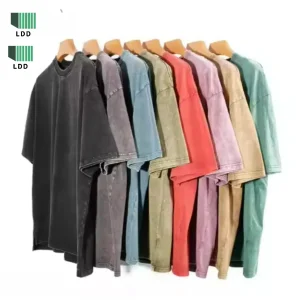
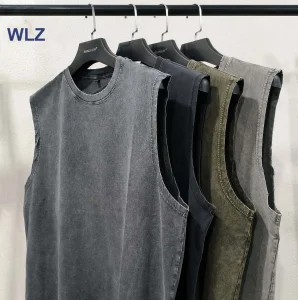
Using controlled wash formulations to break down fiber surfaces, creating a worn, vintage, faded streetwear look while keeping the base knit strong.
Removing short fibers to reduce lint and dust. Combing produces stronger, softer yarns that prevent pilling and ensure clear screen prints.
Applying specialized enzymes during bio-polishing to remove fuzzy surface fibers, keeping the fabric clean and smooth over time.
Helping global brands scale from prototype phase to high-volume market rollout.
We offer tiered production scales, allowing brands to test new styles with lower risks before committing to bulk, container-load volumes.
Our experienced pattern-making team converts physical concepts or digital sketches into custom grading patterns, with prototype samples ready in 7-10 working days.
We maintain clean production floors, safe working conditions, and prioritize eco-friendly chemicals to ensure all garments meet modern compliance standards.
Insights from our technical R&D department to help guide your next manufacturing cycle.
Streetwear styles, like oversized T-shirts and boxy tees, typically use heavy cotton fabrics from 240GSM to 340GSM to create structured shapes and clean shoulder lines. Activewear, such as workout tees and slim tank tops, usually requires lighter, breathable fabrics from 140GSM to 180GSM, blended with spandex (5% to 8%) to allow for natural movement and moisture control.
We use high-grade reactive dyes in computer-controlled dye baths. Every batch undergoes spectrophotometer testing to maintain color consistency across production runs. To prevent fading, we add special color-fixing agents to achieve a colorfastness rating of Grade 4.0 or higher for both washing and rubbing.
DTG (Direct-to-Garment) printing is ideal for multi-color photographic prints and lower-volume orders, delivering soft hand-feel details. Plastisol screen printing is best for large-volume graphic runs, offering vibrant colors and durability. Puff printing adds a 3D foaming agent to the screen ink, creating raised texture lines popular in high-street fashion.
Unfinished cotton jersey can shrink up to 10% when washed. We run all our fabrics through mechanical compacting machines to pre-shrink the fibers. This process limits shrinkage of the finished garment to under ±3%, ensuring the sizing remains consistent for consumers.
Typical timelines are: 3-5 days for fabric selection and lab dips; 7-10 days for sample production and approval; 25-35 days for bulk sewing, printing, and packaging, depending on the design complexity and order volume.
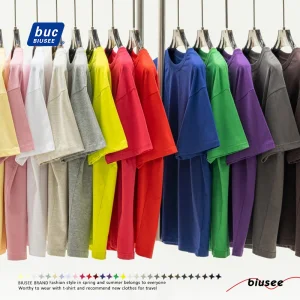
Modern oversized patterns, vintage washed fabrics, and high-performance cuts ready for global shipping.