Barjeel Fashion
Barjeel Fashion
Barjeel Fashion
Explore our latest high-performance fabrics, modern silhouettes, and custom private label designs.
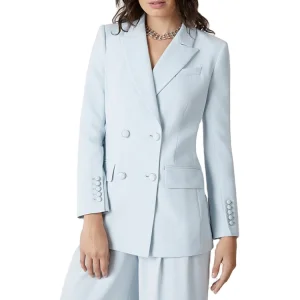
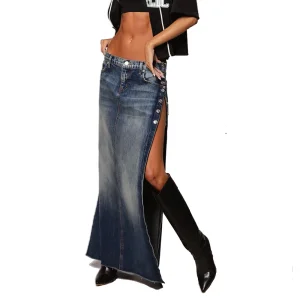
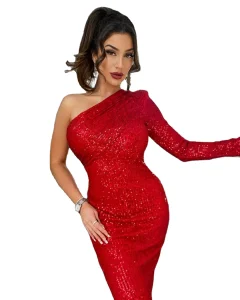
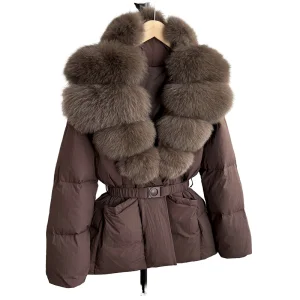
The global women’s apparel market has witnessed a significant structural shift toward versatile, trans-seasonal garments. Among these, the midi skirt has emerged as a high-margin, consistent demand category for retail brands, high-street labels, and e-commerce platforms. Sourcing managers face the continuous challenge of balancing speed-to-market with rigorous social compliance, raw material transparency, and structural fabric stability.
This industry report outlines the critical performance indicators for selecting manufacturers of midi skirts, highlighting the industrial advantages of Chinese cluster manufacturing. By examining precision pattern development, advanced embroidery technology, and strict quality control matrices, global buyers can optimize their procurement pipelines and secure a robust competitive edge.
An overview of our industrial infrastructure and market footprint serving global buyers.
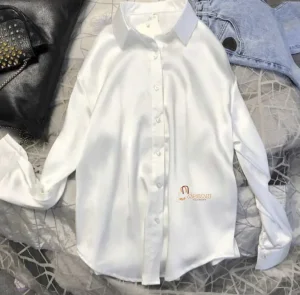
Midi skirts, historically characterized by their hemline landing between the knee and the ankle, have transitioned from traditional seasonal garments to multi-functional wardrobe essentials. Modern consumers demand high utility from these items, expecting seamless transitions from executive office environments to evening events. For sourcing managers, this requires specialized manufacturing pipelines capable of working with complex structural materials: from high-density heavy satin (twist-front panels) and low-elasticity heavy denim to lightweight linen blends requiring internal lining integration.
A key focus in global sourcing is fabric performance under stress. Skirts are subjected to significant structural strain at the hip line and waistband. To prevent seam slippage and distortion over time, leading suppliers employ reinforced lockstitch machinery, high-strength polyester threads, and engineered interlining at the waistbands. Sourcing executives must prioritize manufacturers that execute comprehensive testing for fabric shrinkage, color fastness to crocking, and seam strength before proceeding with bulk cutting.
"Optimizing the supply chain for midi skirts requires an understanding of pattern engineering. Proper grainline alignment during cutting determines how the garment behaves when moving, directly affecting fabric drape and wearability."
When enterprise procurement departments evaluate midi skirt manufacturers, they use a multi-dimensional assessment matrix to evaluate capabilities. The core metrics include:
Brands must verify the origins of polyester, cotton, and viscose fibers to meet global compliance regulations. Verified manufacturers coordinate directly with yarn suppliers to provide Global Recycled Standard (GRS) and Organic Content Standard (OCS) certificates.
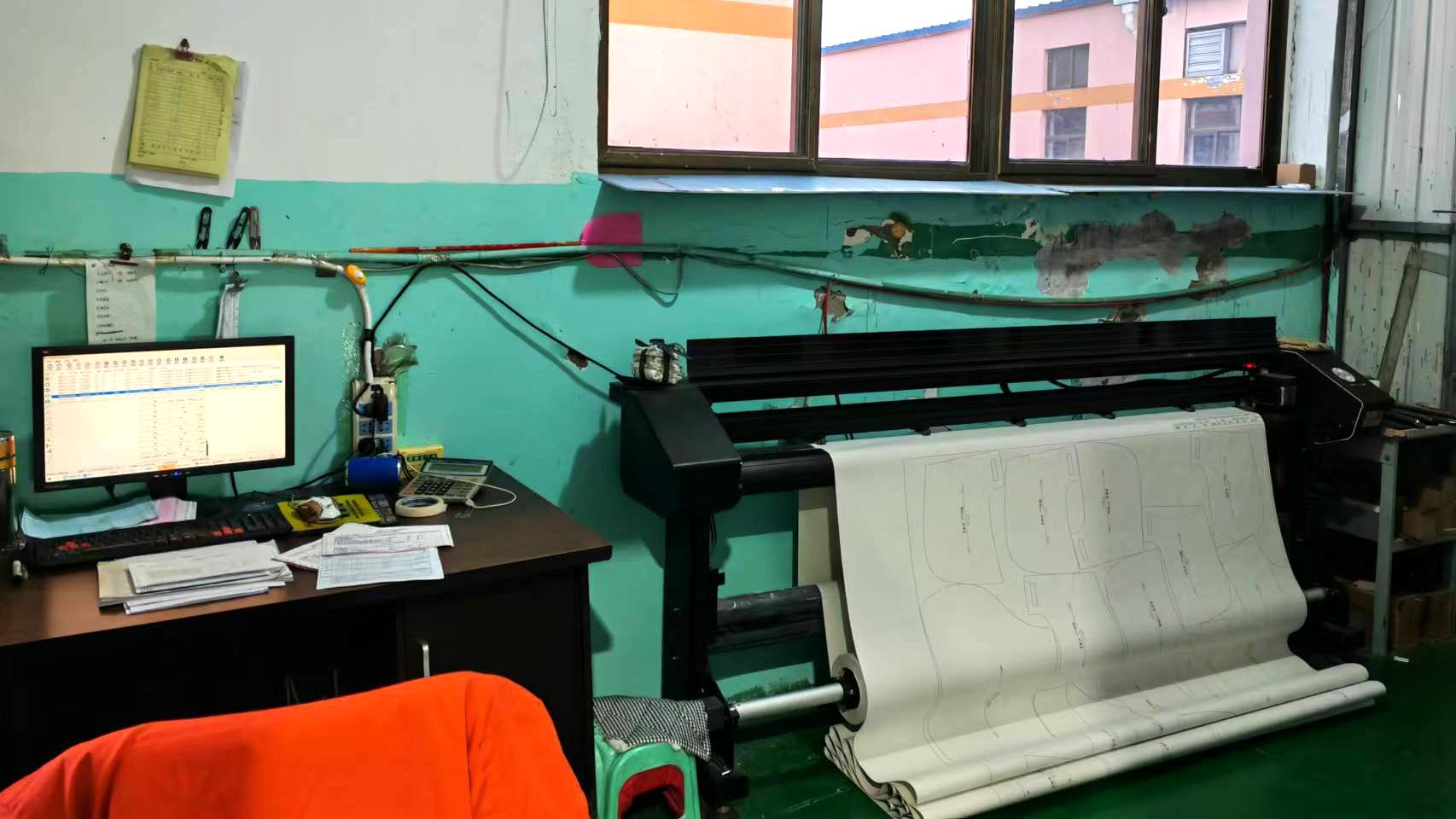
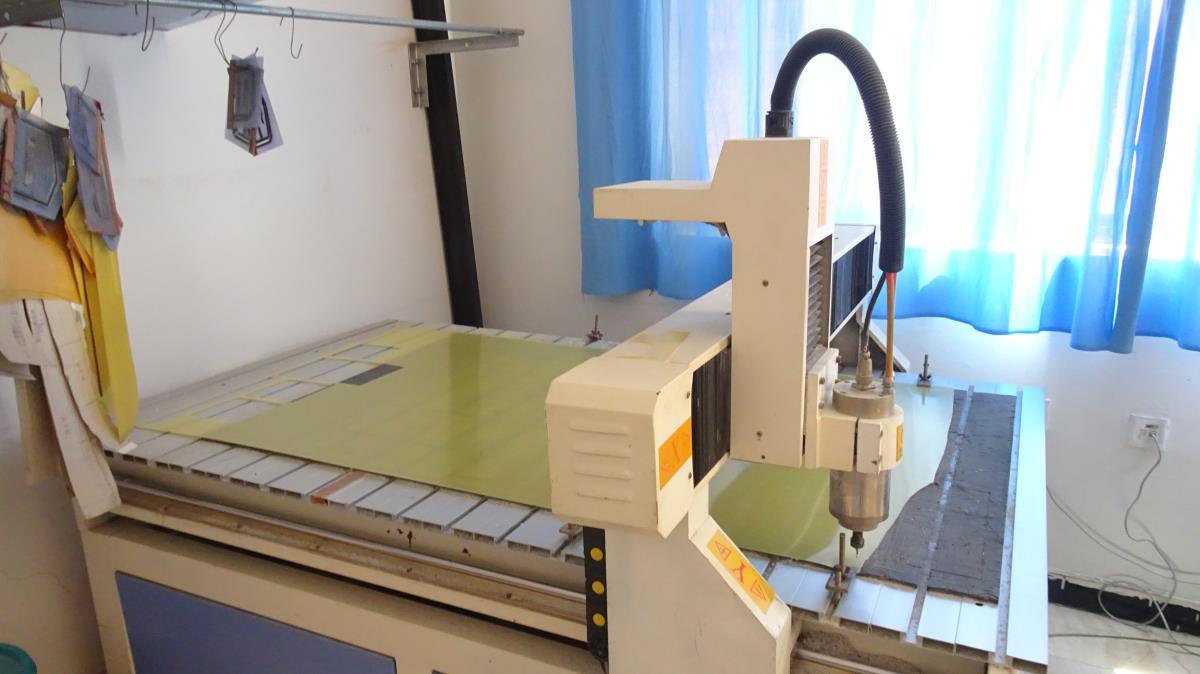
In fast-fashion models, the standard lead time for lab dips (L/D) and fit samples must be compressed to 5–7 working days. Digitized CAD systems and professional plotters facilitate rapid pattern adjustments and real-time grading modifications.
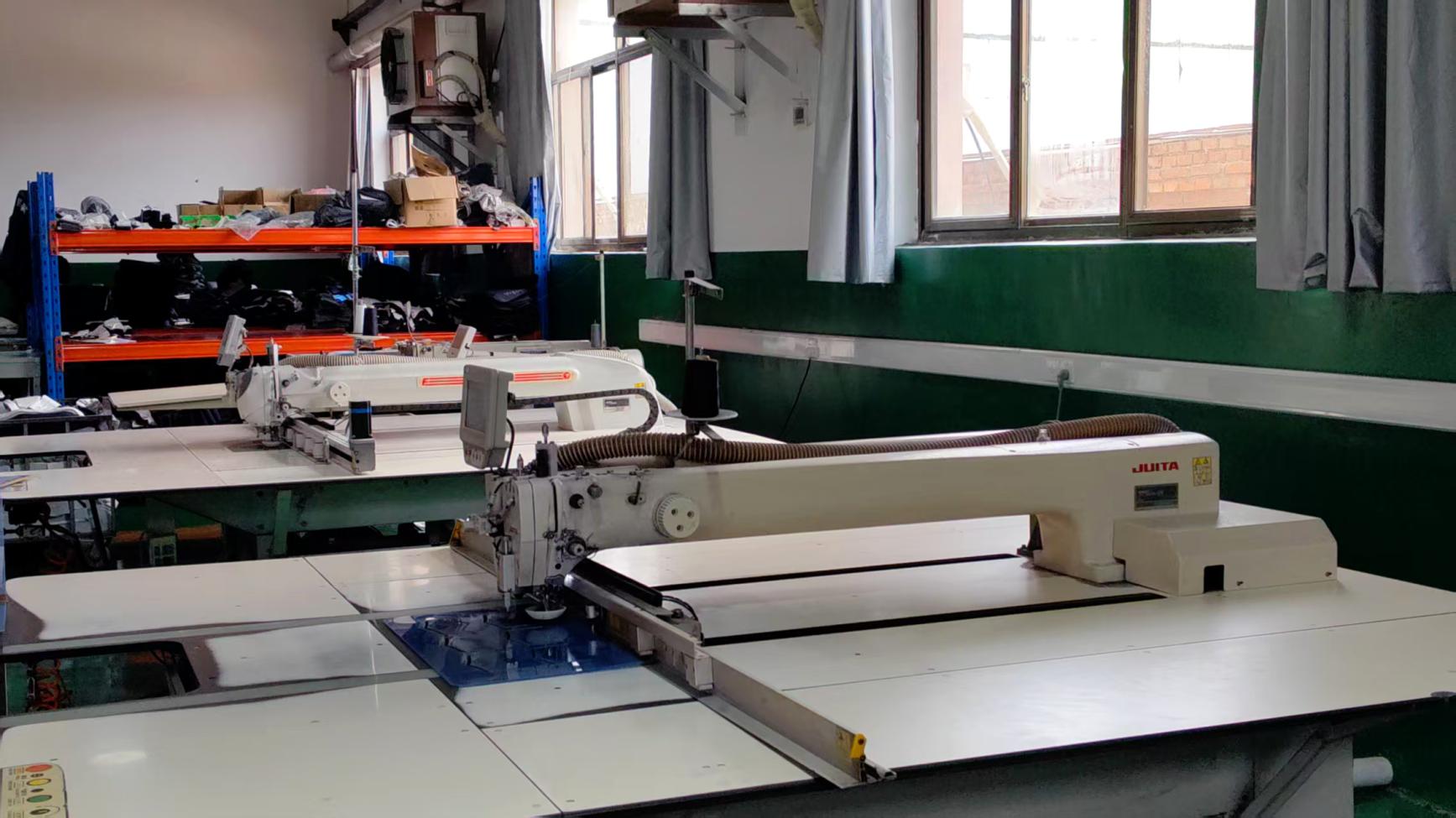
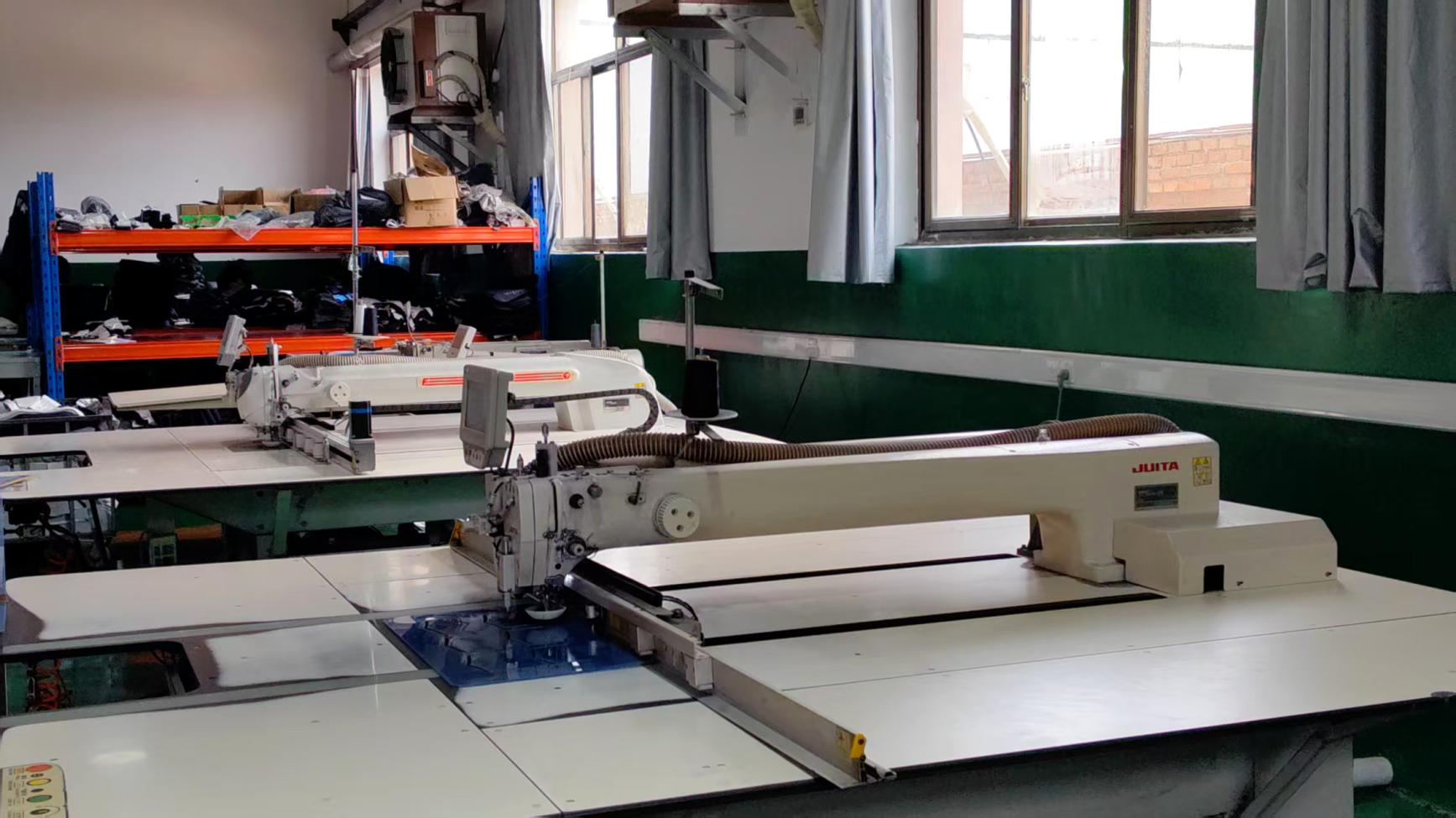
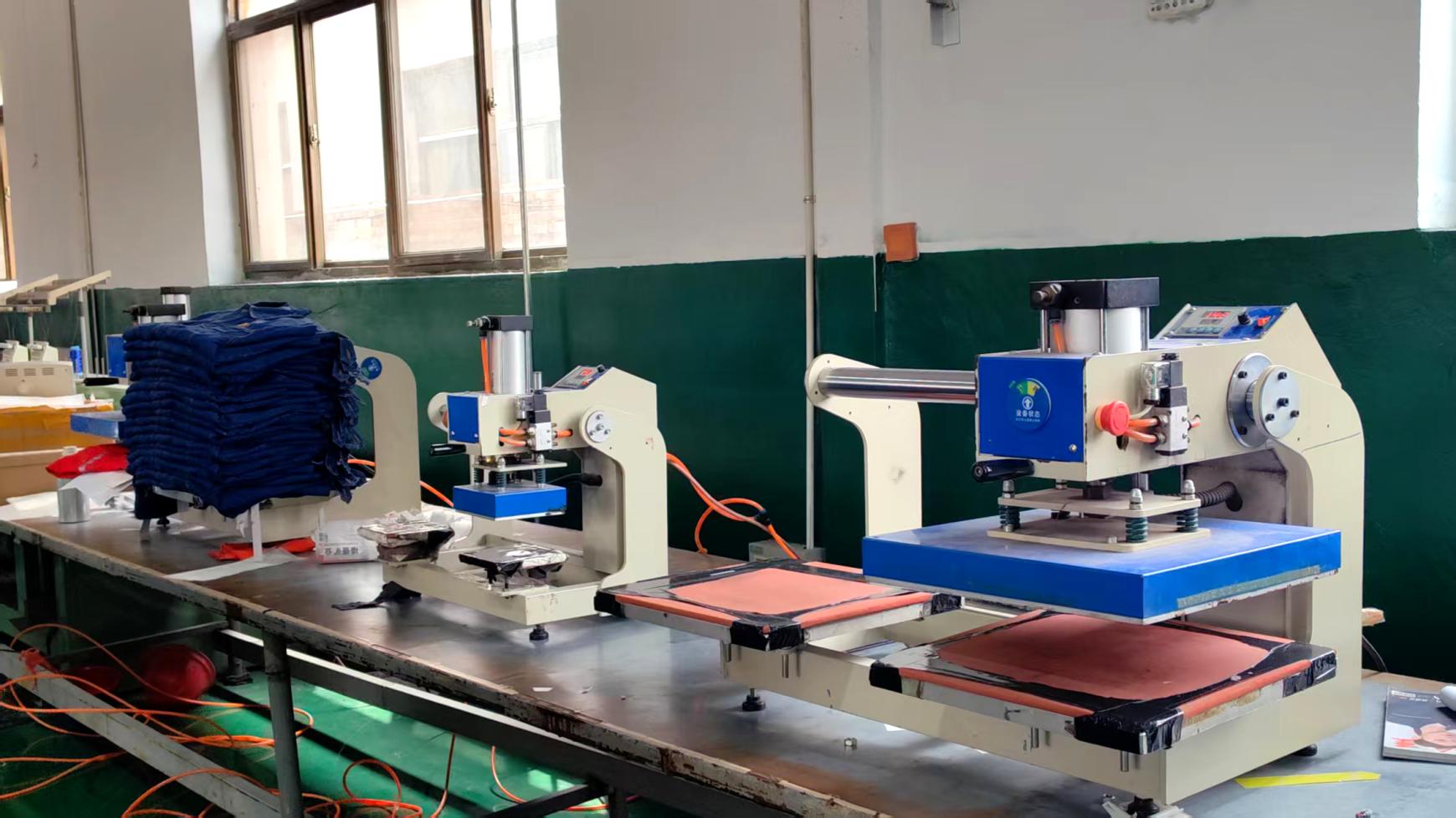
High-end midi skirts require narrow stitching tolerances, typically not exceeding +/- 1.5mm from the spec sheet. Plackets, concealed zippers, and asymmetric hemlines require specialized template machinery to ensure consistency across sizes.
China continues to hold a leading position in global apparel manufacturing due to its highly integrated vertical supply chains. Unlike regions that only offer cut-and-sew operations, Chinese manufacturing clusters, particularly in the Guangdong province, provide complete industrial ecosystems. These ecosystems cover everything from chemical fiber synthesis and fabric weaving mills to dye houses, trim suppliers, and advanced logistics networks.
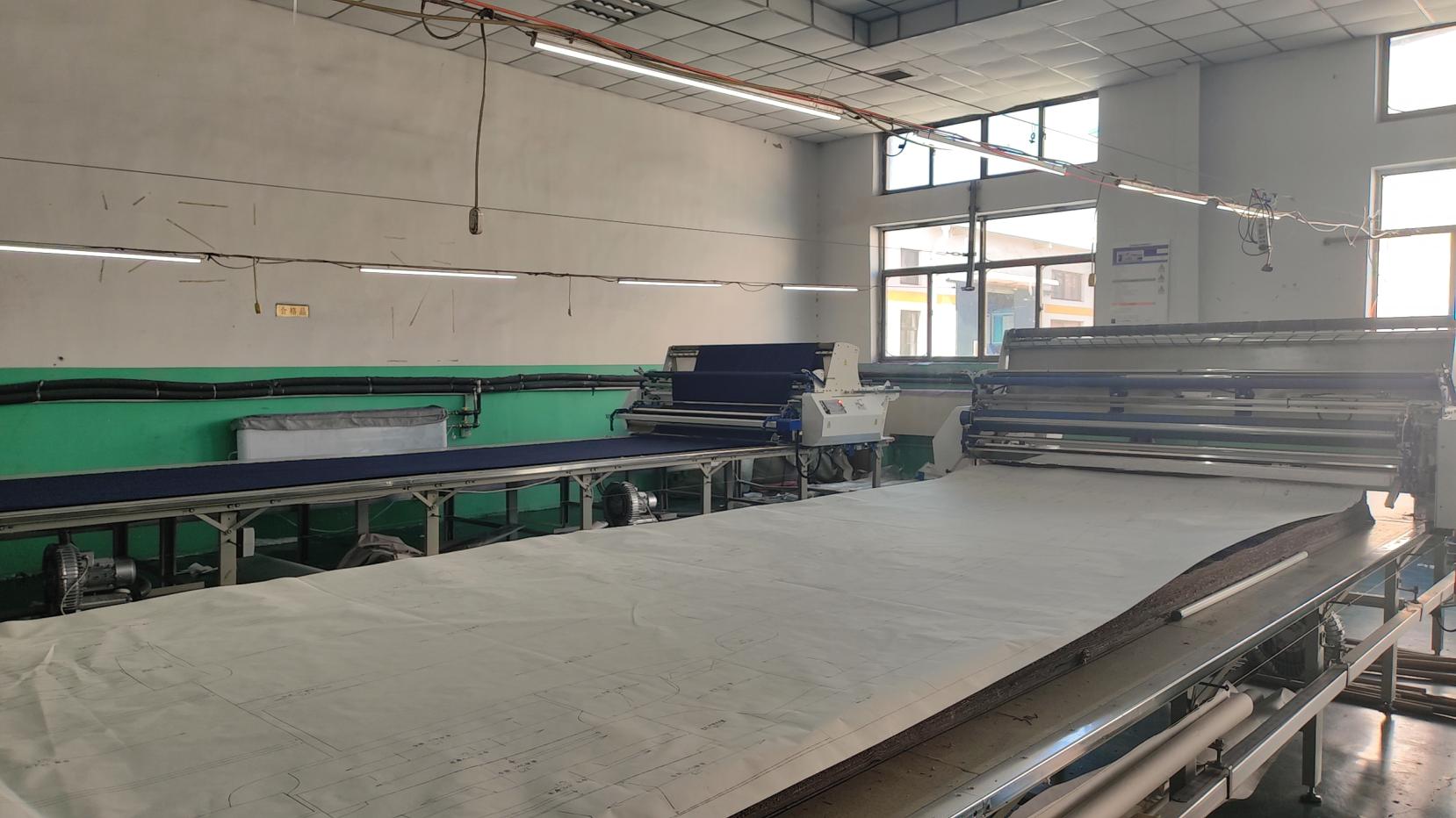
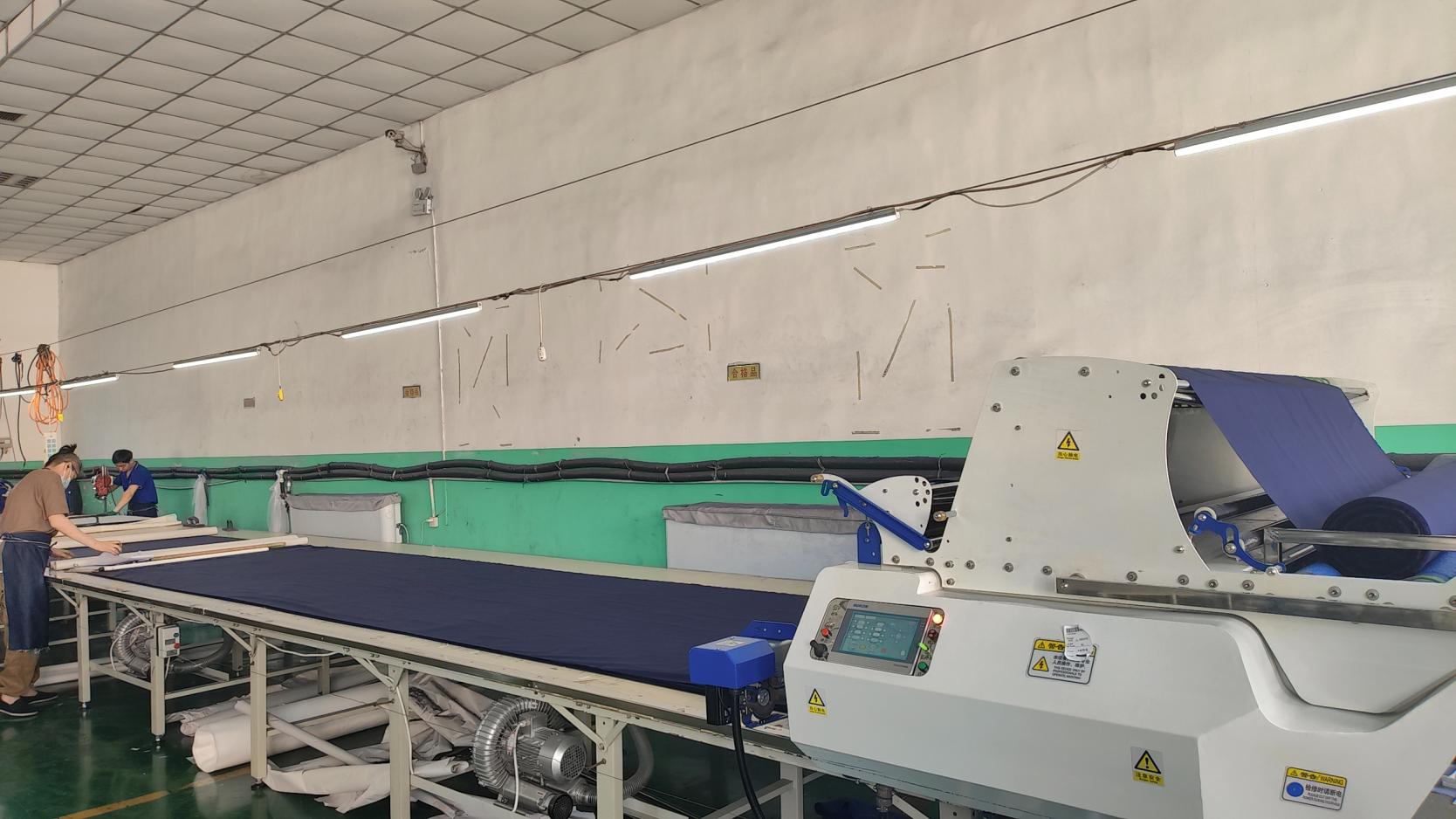
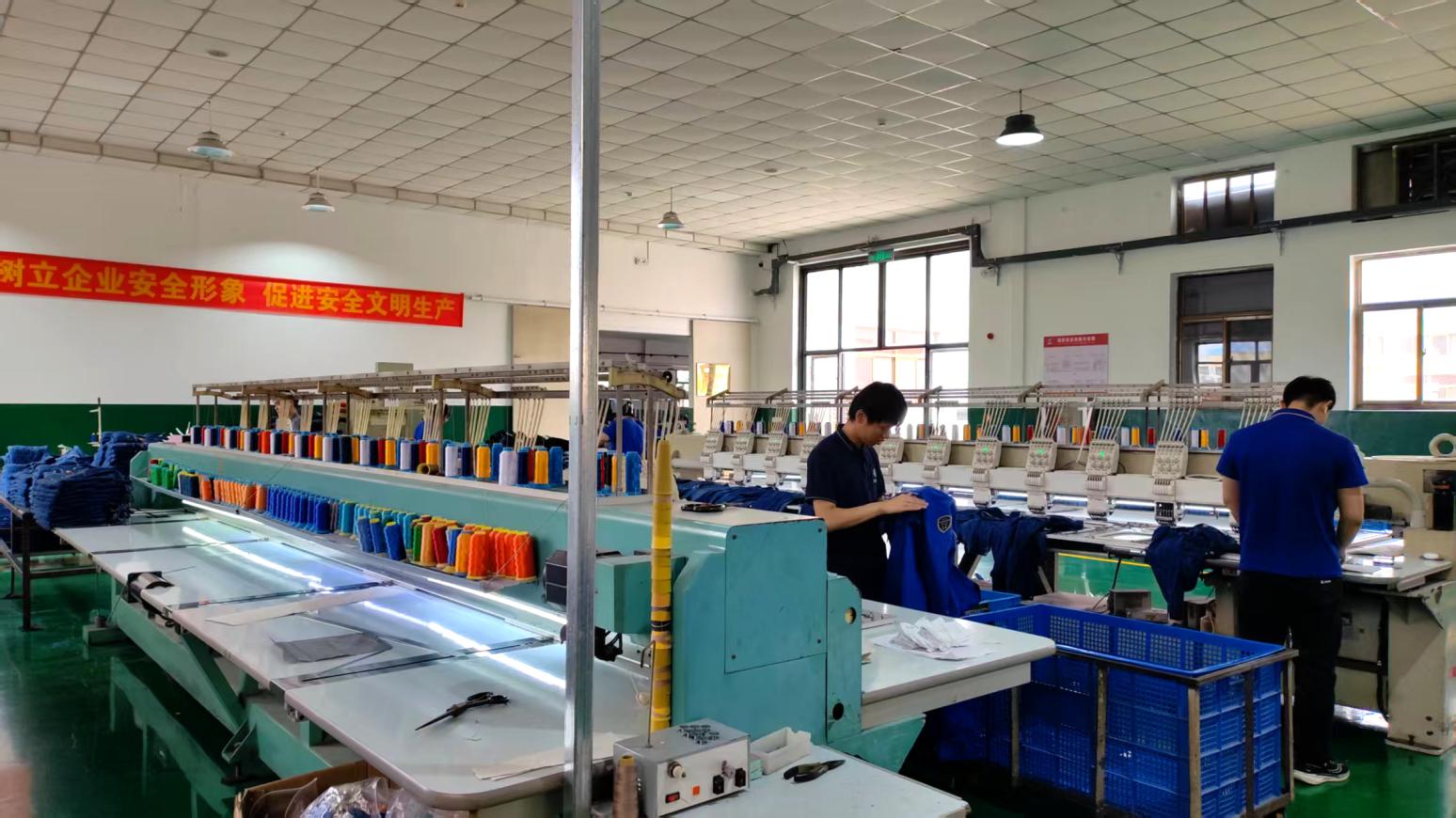
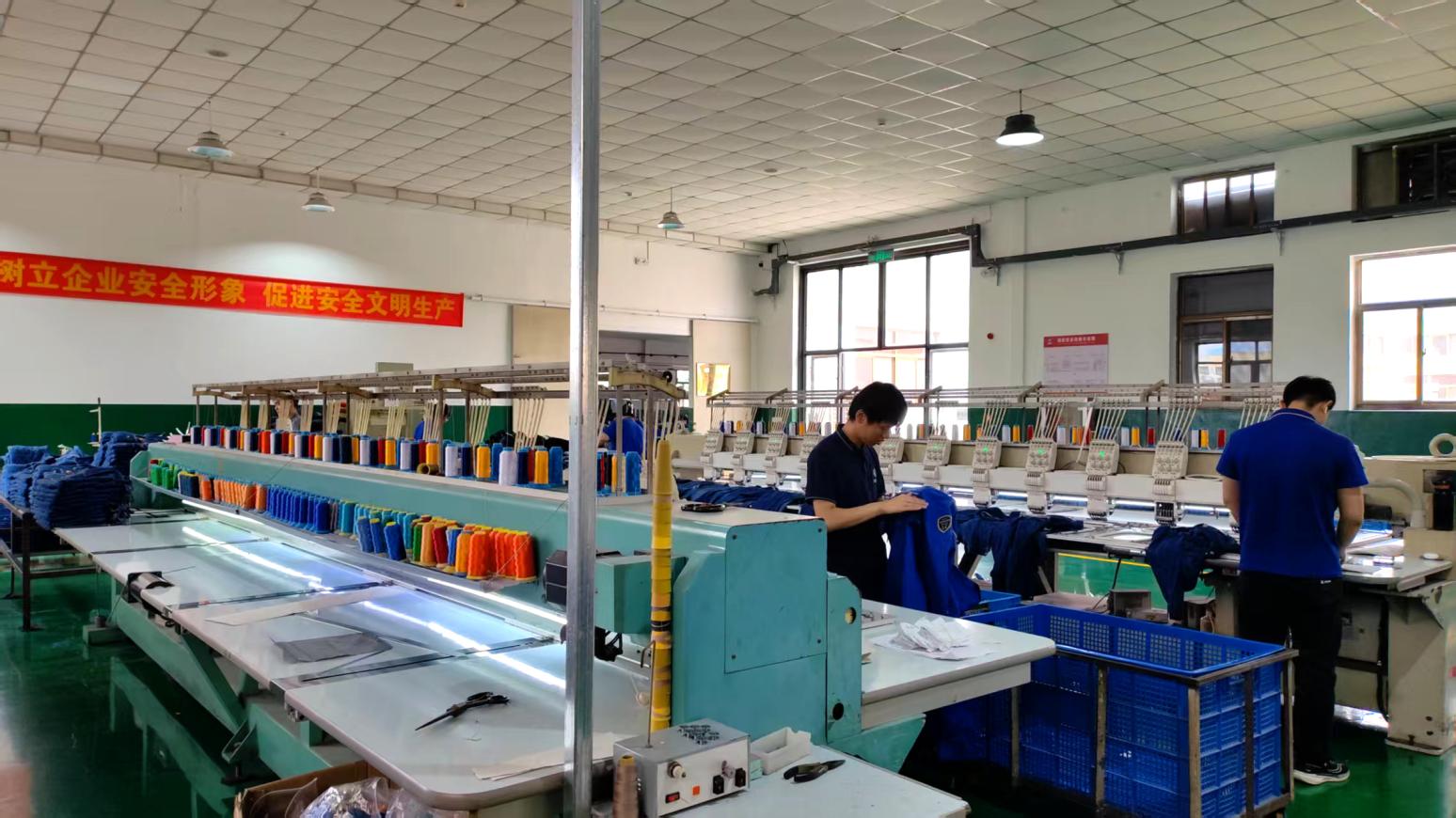
This geographic concentration reduces transportation times between raw material suppliers and production facilities. If a client requests a specific hardware trim or a customized embroidered lining, these elements can be sourced, sampled, and approved within days. Furthermore, Chinese manufacturers invest continuously in production automation, including computer-controlled laying machines, laser cutting tables, and automated template sewing machines. This integration of technology and supply chain depth helps manage production costs while ensuring stable quality across large order volumes.
Integrating R&D, Modern Production Technology, and Quality Control Systems
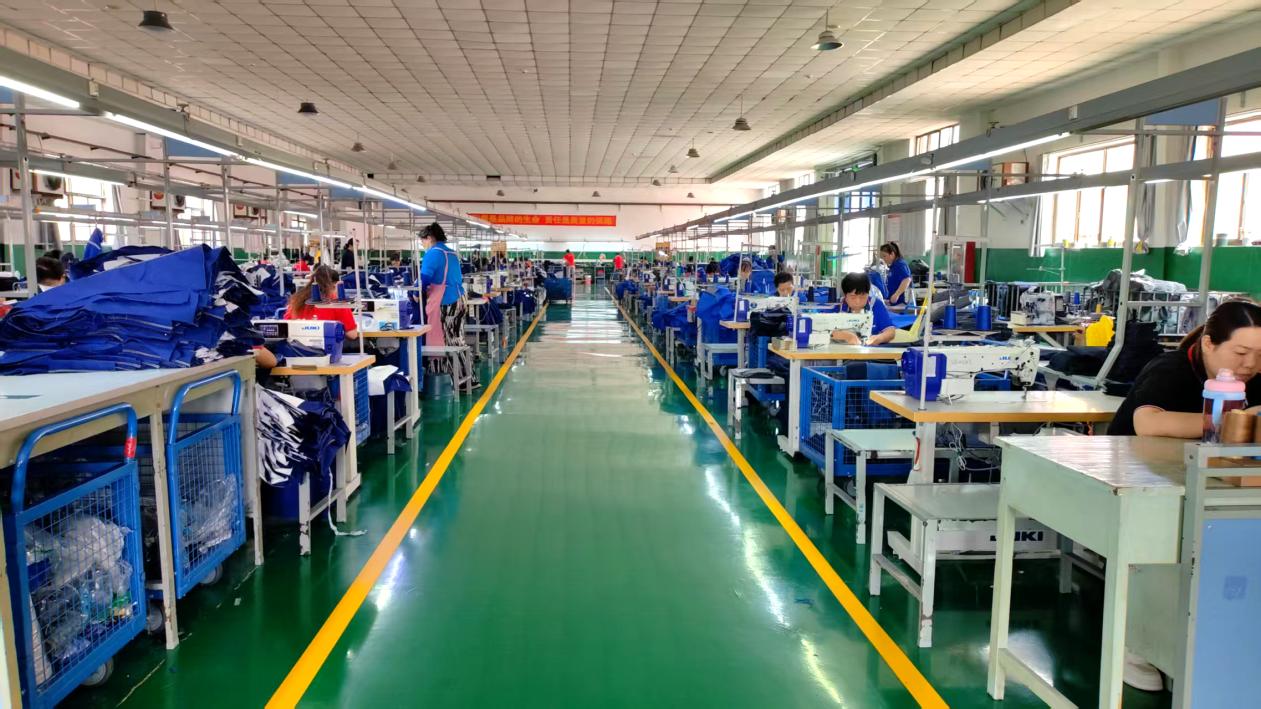
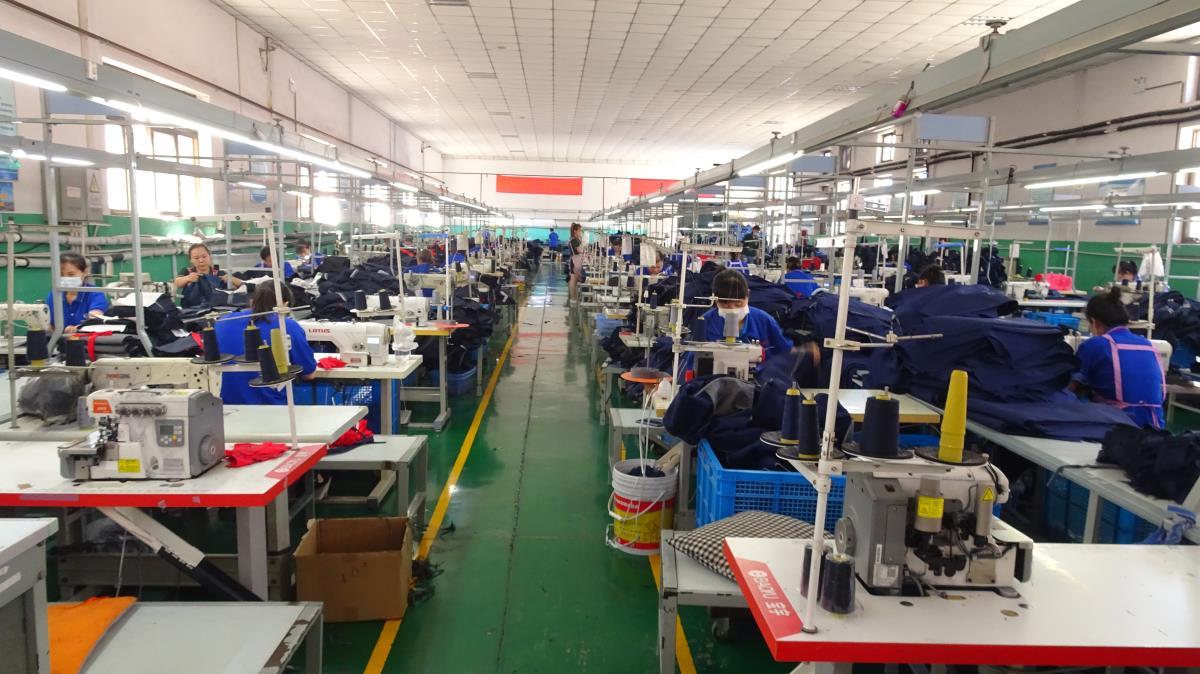
Established in 2006, Guangdong Barjeel Fashion Co., Ltd. is a modern apparel manufacturing enterprise that integrates design, research and development (R&D), production, sales, and supply chain services. Operating a manufacturing facility of approximately 3,600 square meters, the company features a clean, well-organized office environment, standardized production workshops, and advanced garment manufacturing equipment.
With a professional R&D team and a skilled production workforce, the company has built strong capabilities across the entire apparel development process, including style design, pattern making, fabric sourcing, sampling, and bulk production. A well-established quality control system and efficient production management process ensure consistent product quality, timely delivery, and high manufacturing standards.
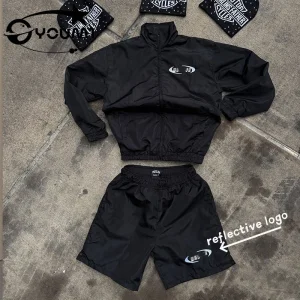
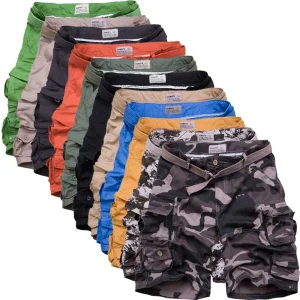
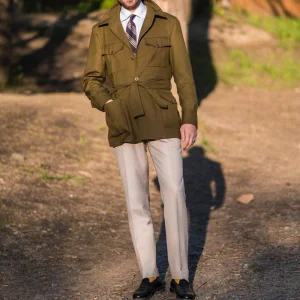
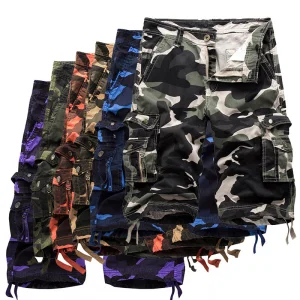
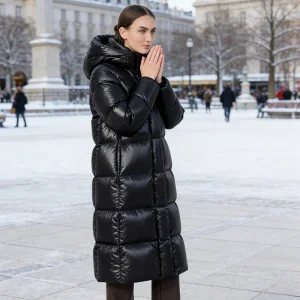
Guangdong Barjeel Fashion Co., Ltd. specializes in a wide range of apparel categories, including fashion and trend-led clothing, sportswear, evening dresses, professional and workwear, as well as casual wear. The company is capable of serving both OEM and ODM requirements, providing flexible and customized solutions to meet the diverse needs of global fashion brands.
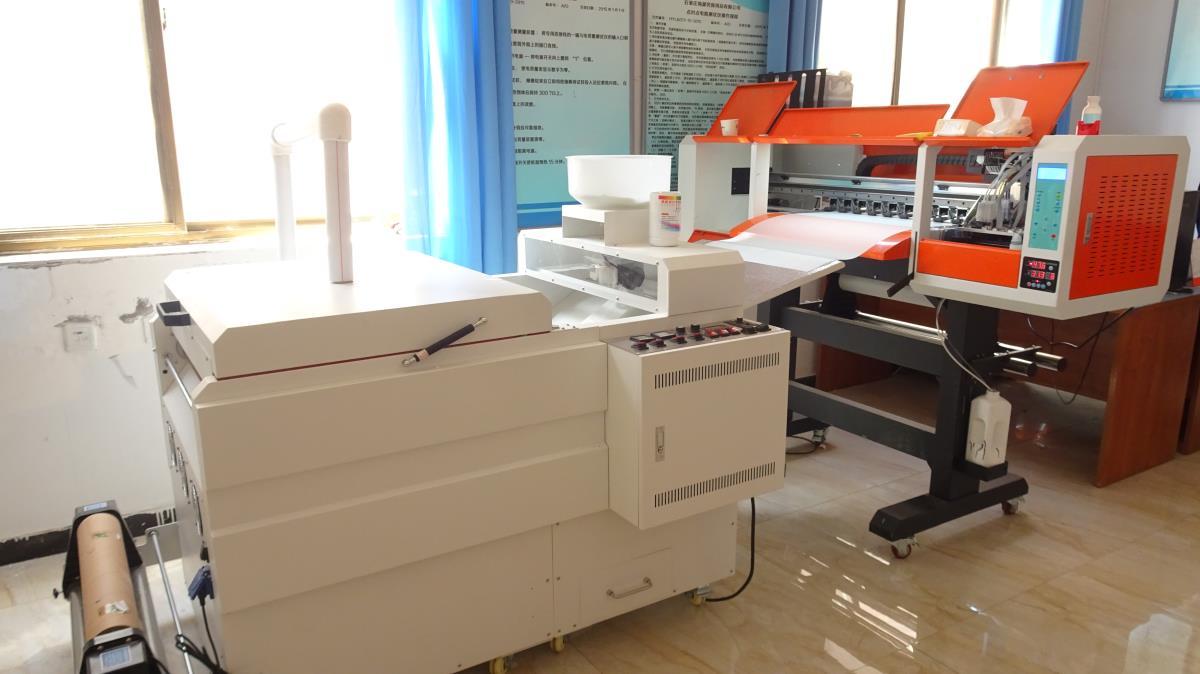
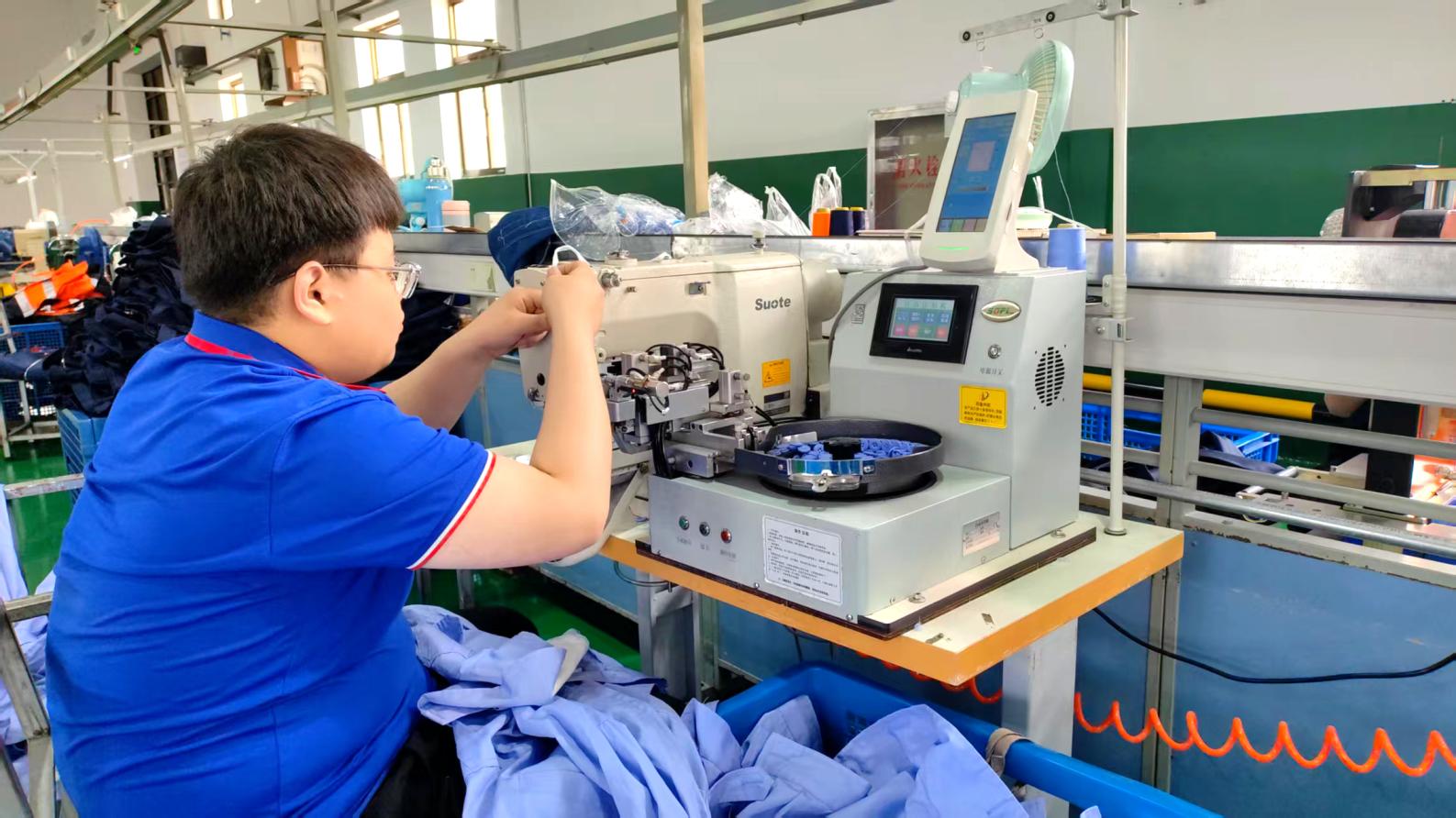
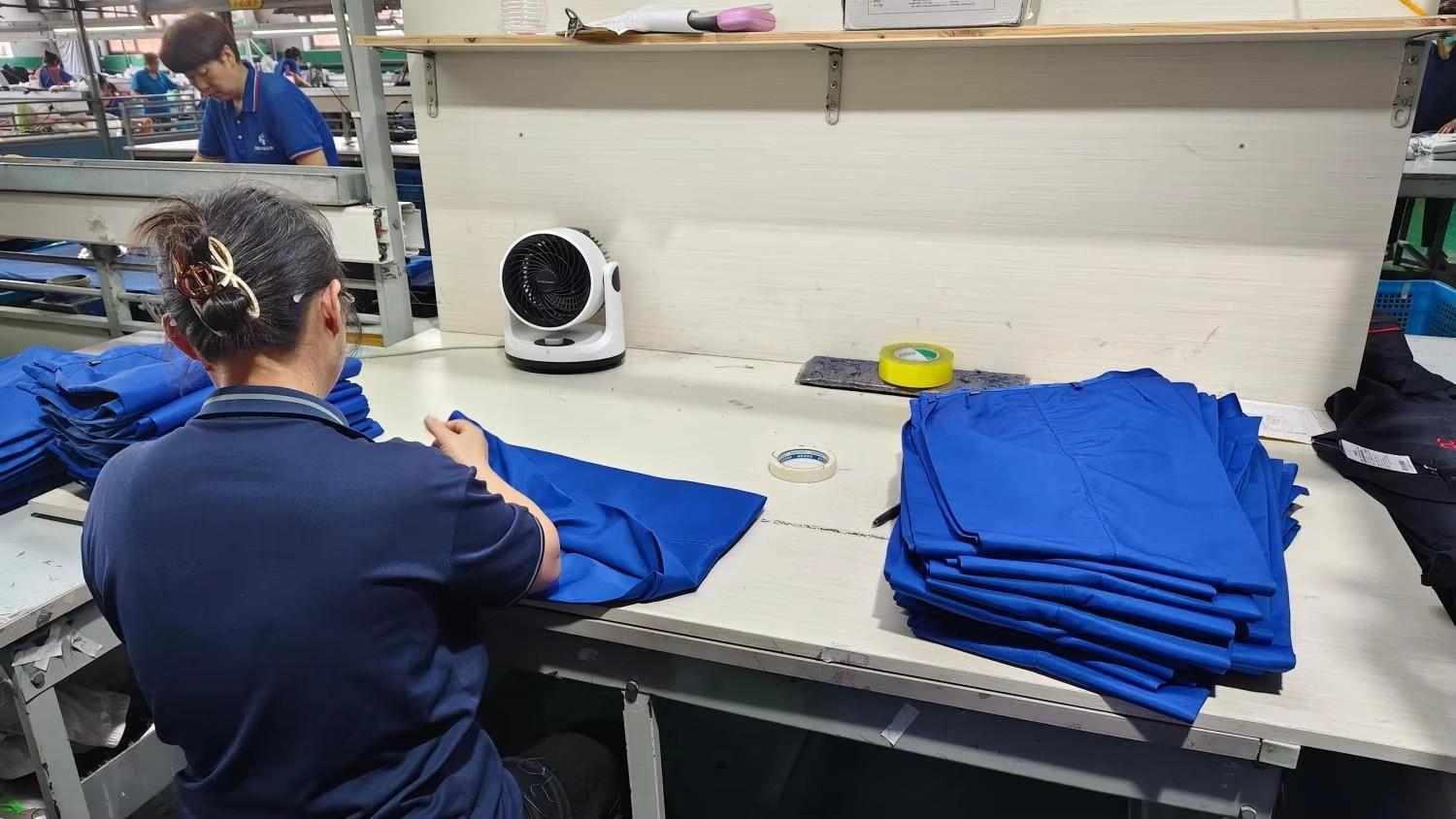
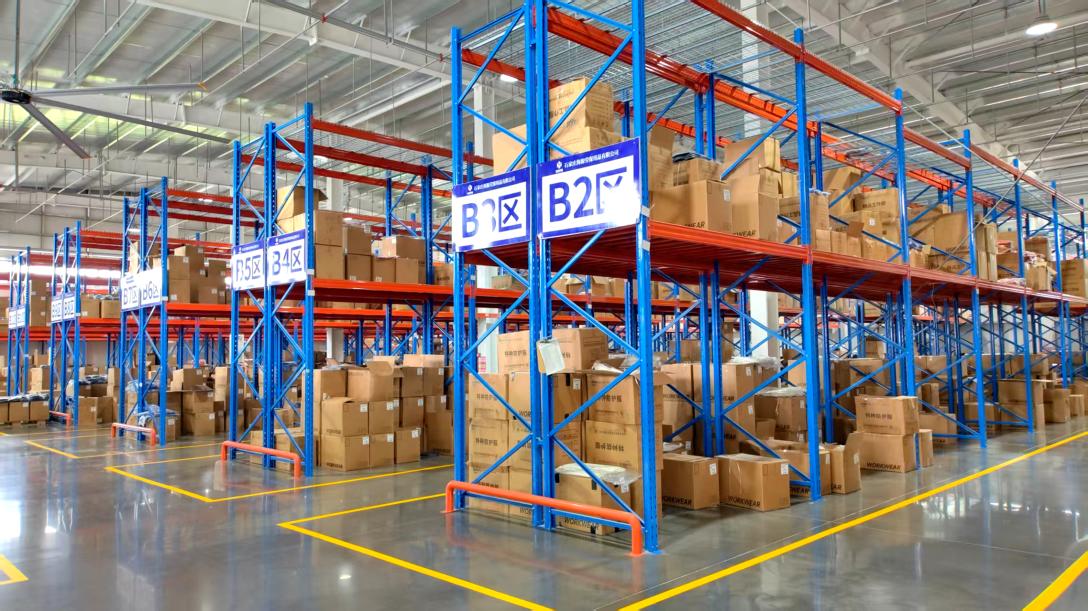
For mid-to-large-size apparel brands, compliance is key to protecting brand equity. Importing garments into highly regulated zones like North America and the European Union requires strict adherence to physical and chemical safety criteria. Partnering with a manufacturer that conducts fabric testing in accordance with AQL 2.5/4.0 standards is critical to minimizing production defects.
Essential testing protocols for midi skirts include:
Established export manufacturers mitigate transport risks by partnering with major freight forwarders and managing port operations at key shipping terminals like Guangzhou, Shenzhen, or Hong Kong. These hubs offer daily sailings and diverse routes, helping ensure timely delivery of bulk shipments.
Additionally, factories that offer DDP (Delivered Duty Paid) shipping manage customs clearance, local tariffs, and inland transport directly. This setup allows procurement teams to focus on downstream distribution rather than logistics administration.
Essential insights for B2B buyers evaluating apparel manufacturers and suppliers.
Moqs vary depending on the chosen design customization and fabric. For stock fabrics (such as standard polyester or rayon blends), MOQs generally start around 300 to 500 pieces per style. For custom yarn-dyed fabrics, unique custom prints, or specialized fiber blends, MOQs typically range from 1,000 to 1,500 pieces per colorway to meet minimum dye lot requirements.
Manufacturers manage shrinkage by pre-washing or pre-shrinking fabrics before production cutting. Natural fibers like cotton, viscose, and linen are often pre-steamed. For synthetic fibers, heat setting is utilized. Standard quality benchmarks aim for a dimensional change of less than +/- 3% after multiple wash cycles.
For the EU, compliance requires meeting REACH chemical regulations and providing OEKO-TEX Standard 100 certification for direct-to-skin contact. For the US market, imports must comply with the Consumer Product Safety Improvement Act (CPSIA) regarding lead limits in accessories (like zippers, snaps, and buttons) and meet FTC labeling regulations for fiber content and care instructions.
Standard lead times average 45 to 60 days. This includes 7 to 10 days for pattern development, size grading, and prototype approval, followed by 30 to 45 days for bulk fabric preparation, cutting, sewing, final inspection, and packaging. Shipping times vary by destination, with sea freight taking 20 to 35 days and air freight taking 5 to 7 days.
Yes. As an OEM provider, Barjeel manufactures garments according to your exact tech packs, pattern specifications, and selected fabrics. As an ODM partner, Barjeel's internal design team develops new styles, patterns, and source materials, allowing brands to choose, modify, and brand these pre-developed designs.
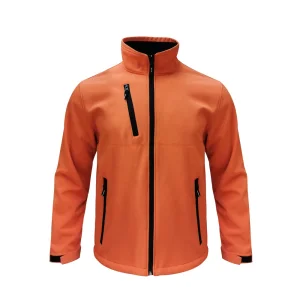
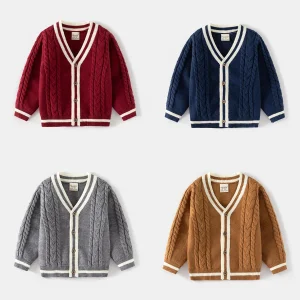
From trend-driven casual wear to high-performance utility outerwear, we support diverse collections.