Barjeel Fashion
Barjeel Fashion
Barjeel Fashion
Premium cut-and-sew apparel featuring heavyweight cottons, streetwear fits, and quick-dry performance fabrics engineered to Japanese import standards.
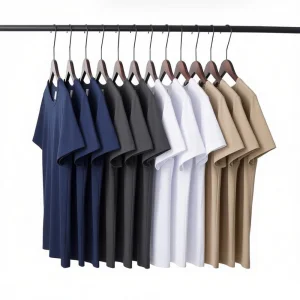

A deep dive into Osaka's distribution hubs, consumer patterns, and global OEM/ODM manufacturing alignments.
Osaka has long served as the commercial gateway for Japan's textile industry. Historically anchored by the legendary Semba textile district, contemporary Osaka operates as the design, planning, and distribution epicentre for premium streetwear and performance wear. Unlike Tokyo's fast-fashion retail bias, Osaka focuses heavily on product durability, sophisticated material sourcing, and specialized dye processes. For global buyers, establishing an direct OEM route to match Osaka's aesthetic requires a factory that respects strict Kenpin (inspection) systems, chemical safety guidelines (JIS standards), and advanced physical processing techniques.
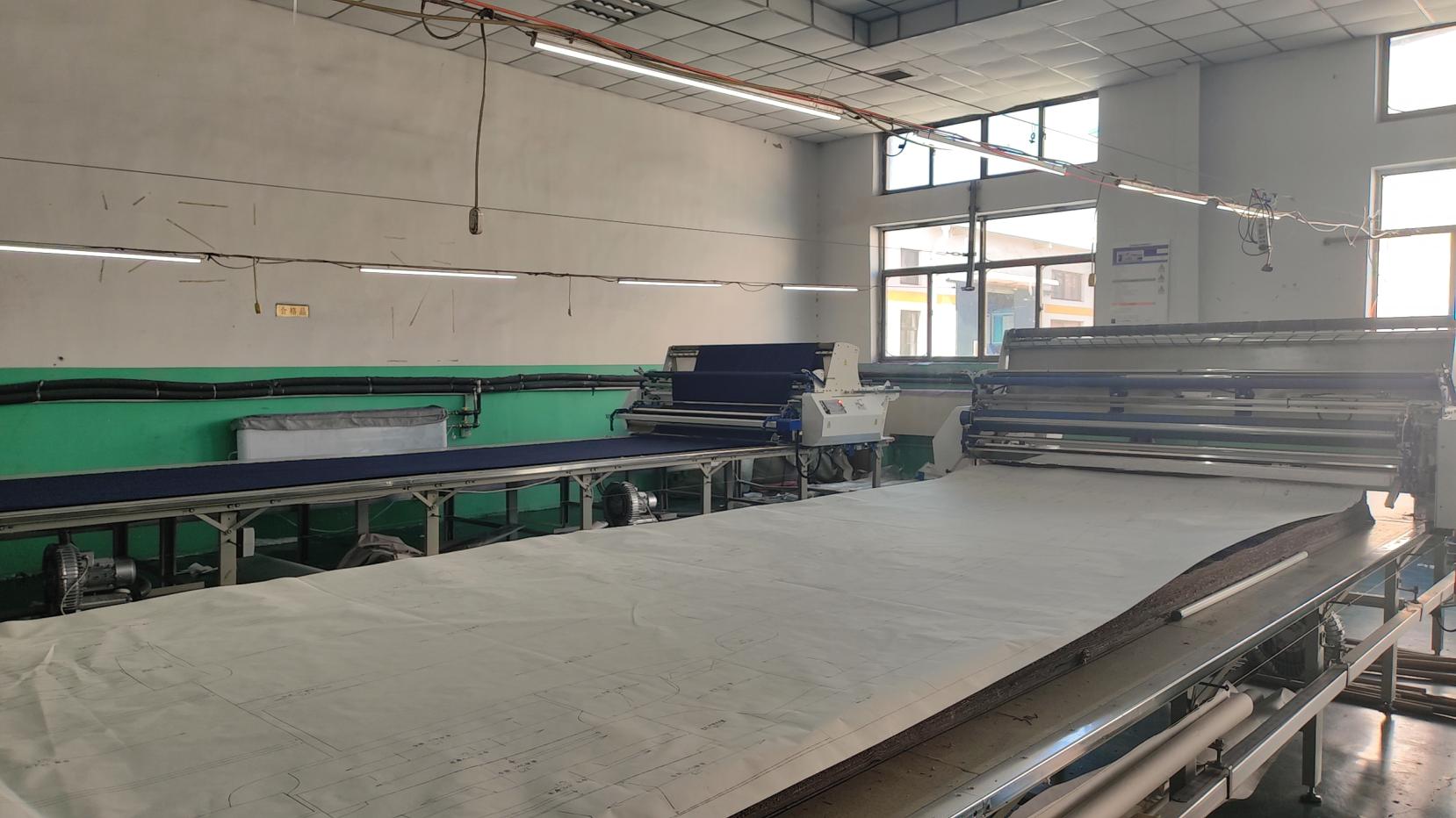
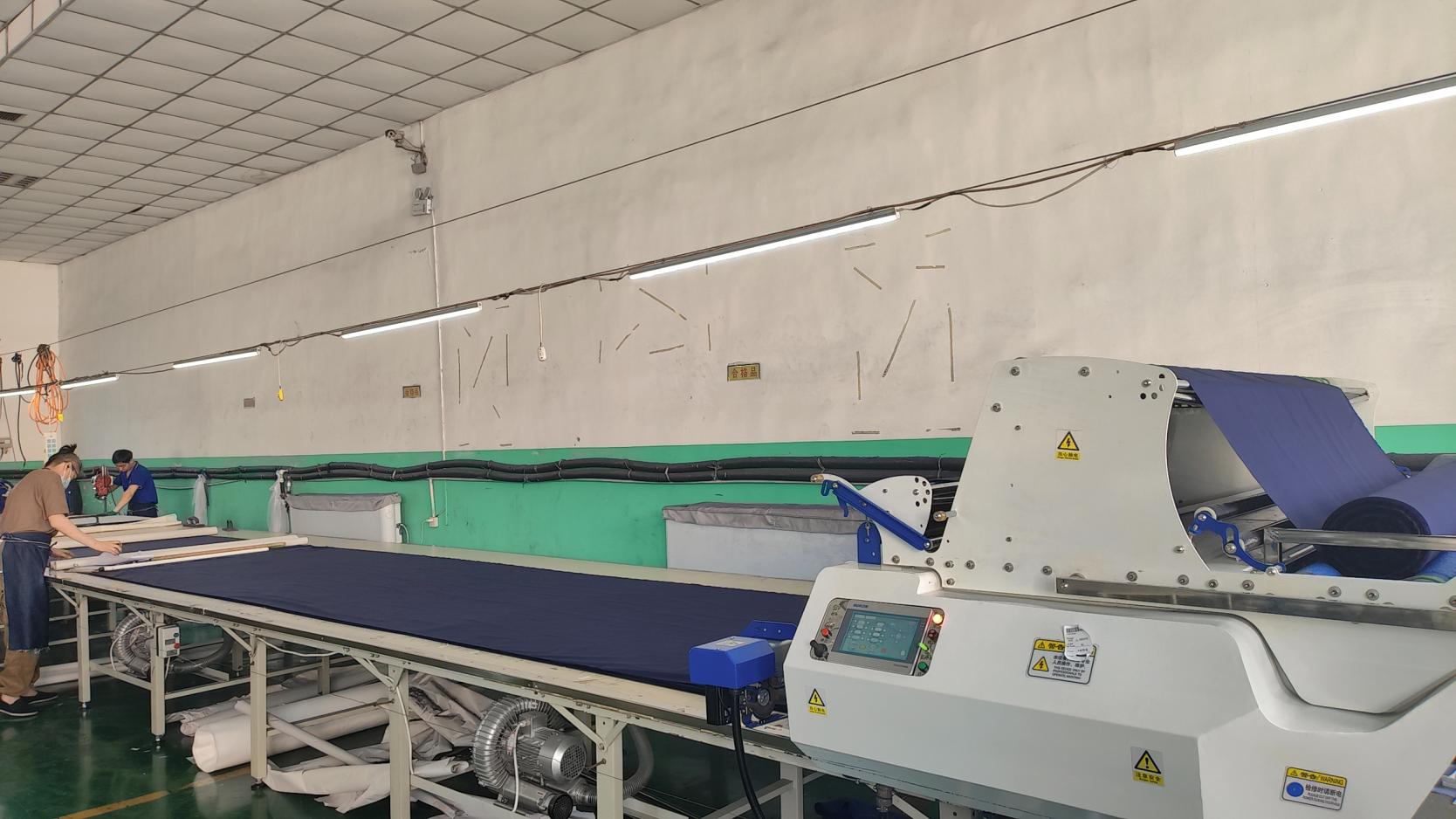
Modern apparel brands targeting Japan demand garments that do not warp, shrink, or fade. This requires utilizing high-gauge knitwear factories equipped with automated pattern-cutting tables, specialized pre-shrunk cotton structures, and chemical dye formulations compliant with Japan's rigorous zero-formaldehyde laws for baby products and low-chemical metrics for adults.
The global shift toward high-end casual wear has redefined the humble T-shirt and tank top from a base layer to a stand-alone wardrobe statement. In the Japanese market, four critical trends dominate:
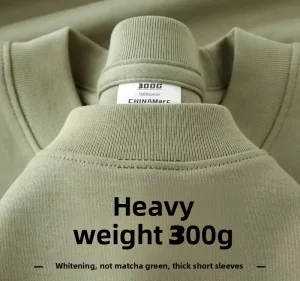
Heavyweight fabrics ranging from 280gsm to 340gsm are highly sought-after. Standard shirts tend to lose shape; hence, premium brands utilize open-end cotton and loopwheel knitting techniques to achieve rigid, structured silhouettes.
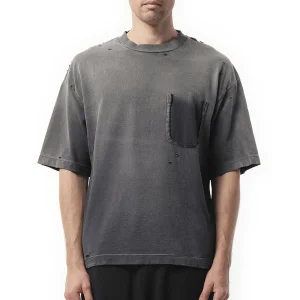
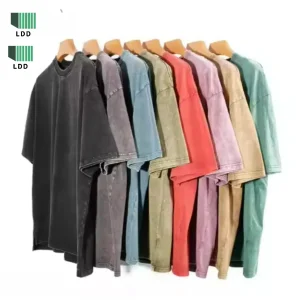
Achieving a genuine vintage patina without compromising fabric tensile strength is a science. Modern wash houses utilize eco-enzymes and gentle pumice stone processes to create vintage sun-faded aesthetics.
A departure from slim fits, contemporary streetwear prioritizes the drop-shoulder, slightly cropped boxy fit. This design accentuates the drape of high-gsm cotton fabrics.
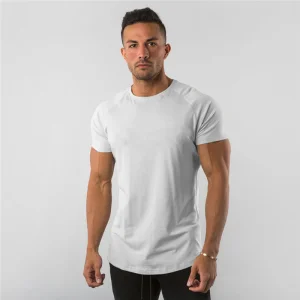
Gym apparel demands complex fiber blending. Using premium cotton blended with spandex or nylon ensures high anti-pilling attributes, high moisture absorption, and quick-dry characteristics.
Sourcing garments for Osaka or Tokyo trading houses differs profoundly from Sourcing for American or European bulk retailers. The Japanese Kenpin inspection protocol demands that every piece undergoes individual inspection for loose threads, stitching gaps, stain spots, and symmetry offsets.
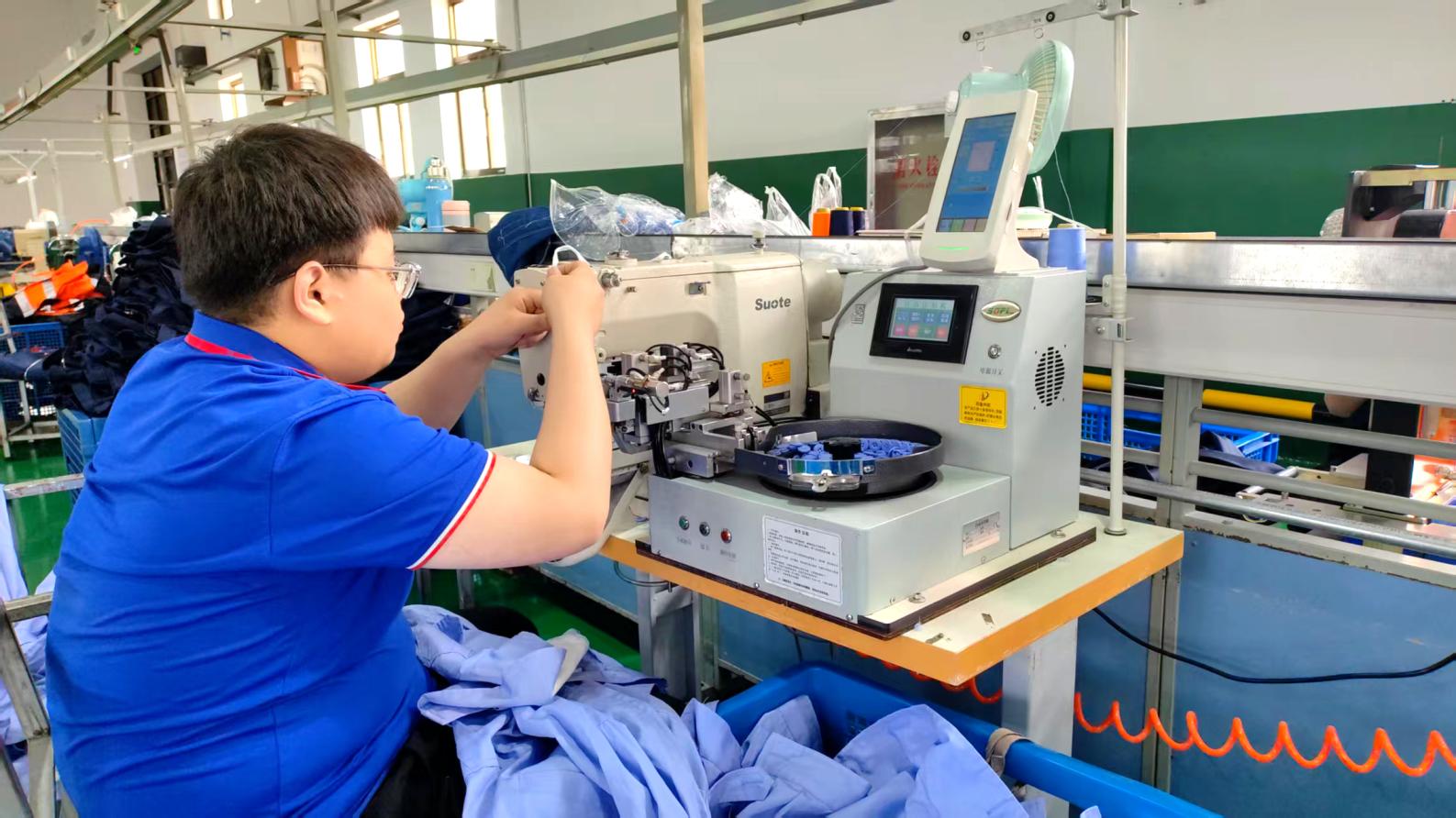
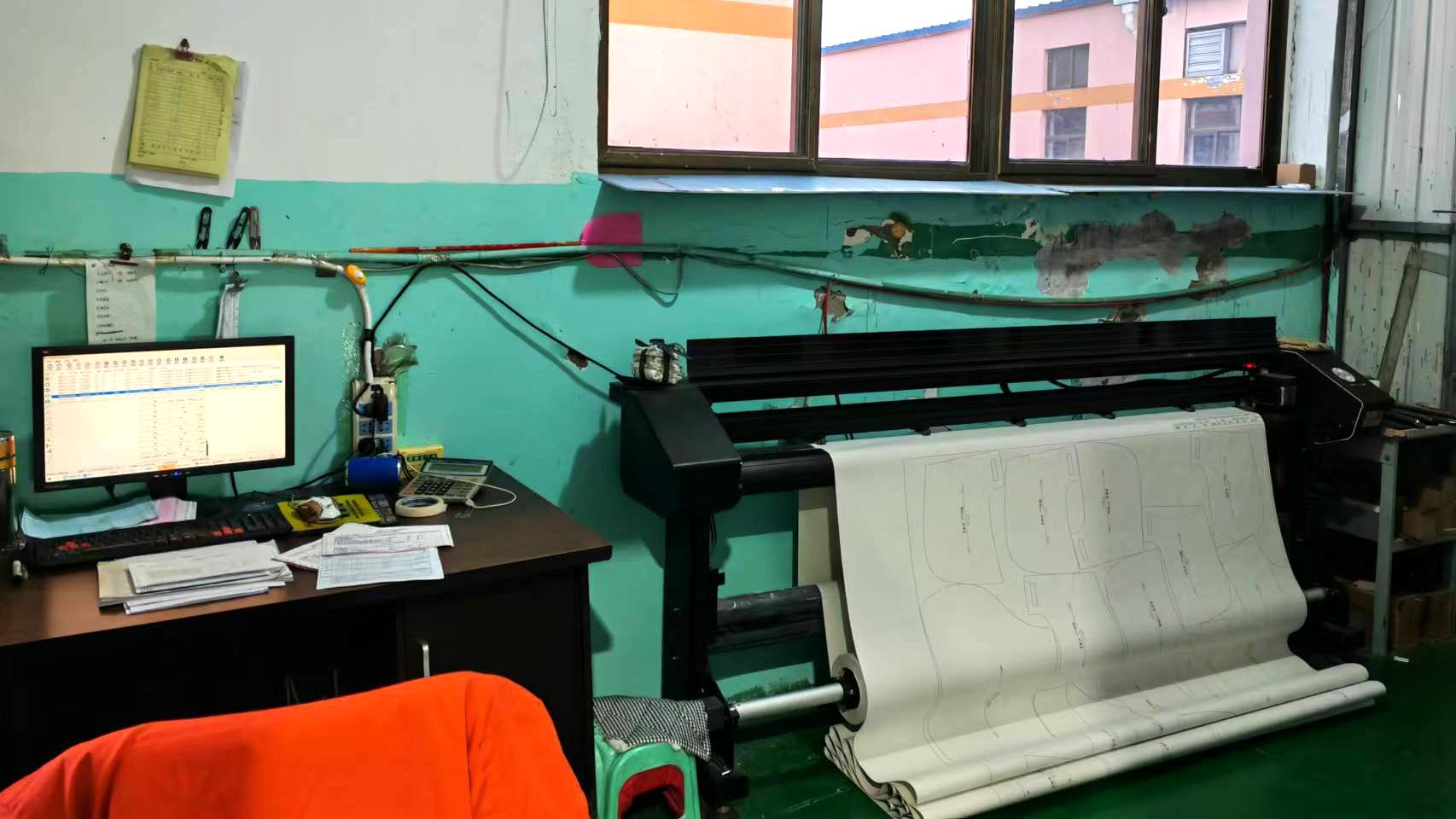
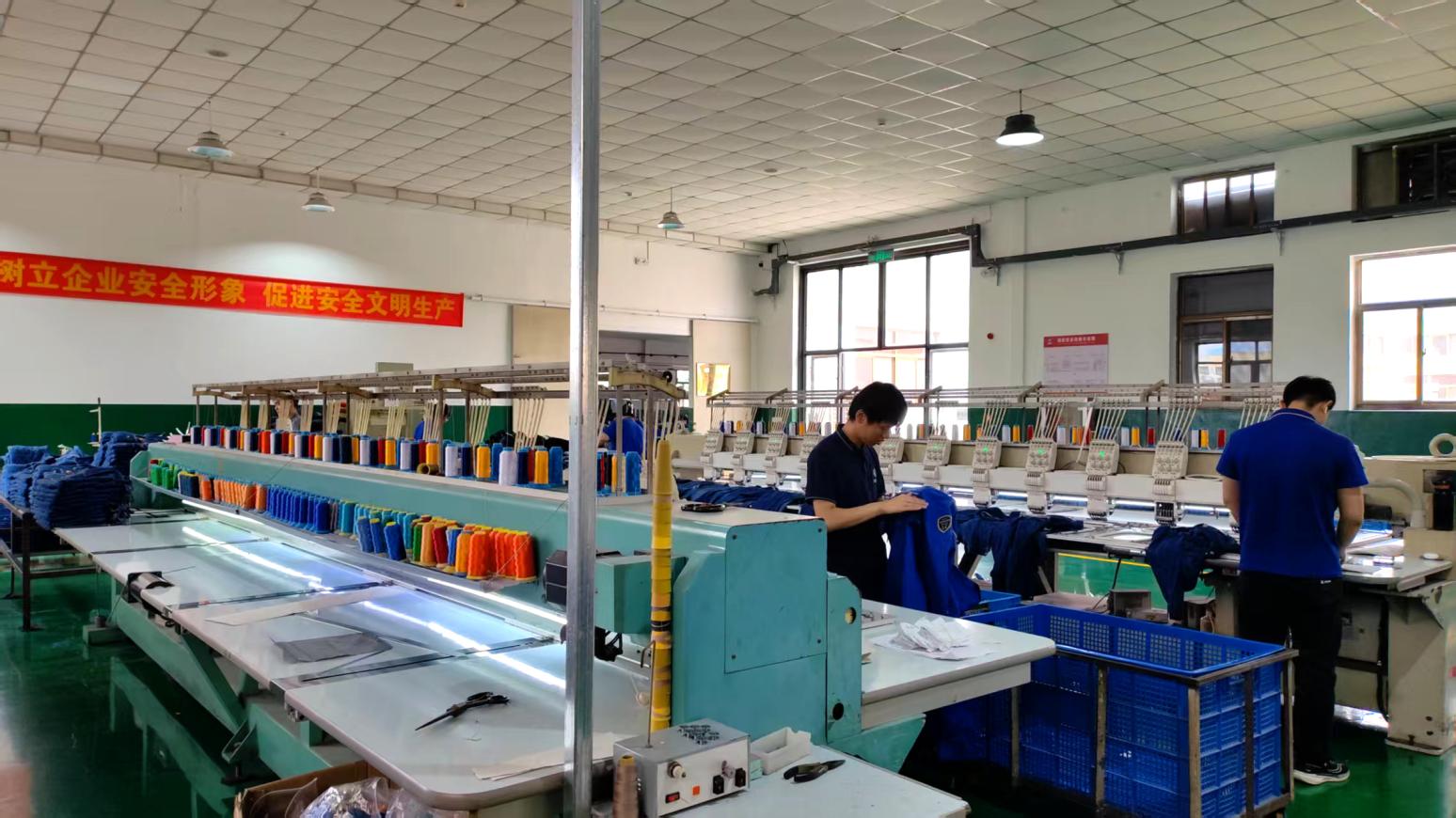
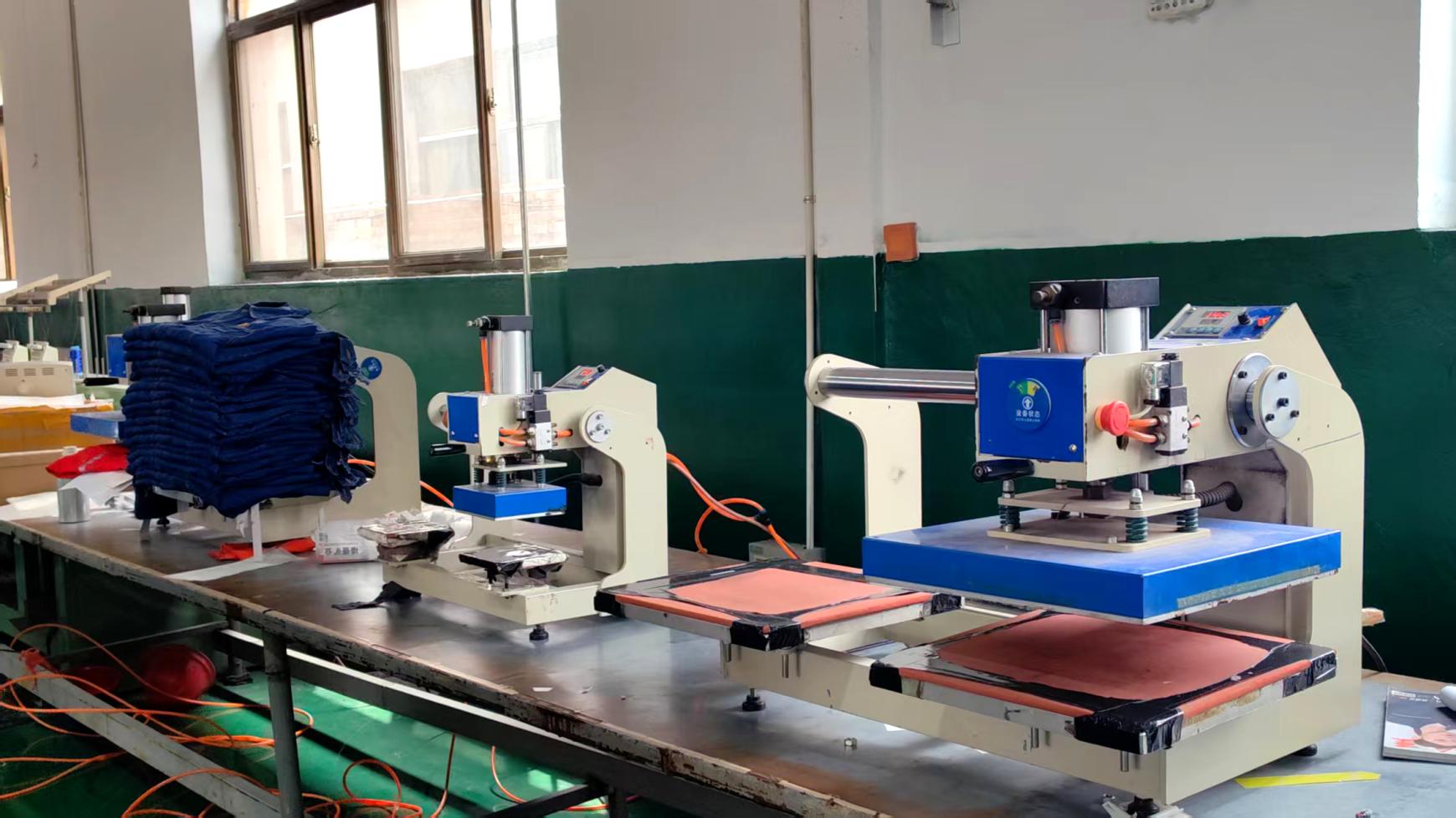
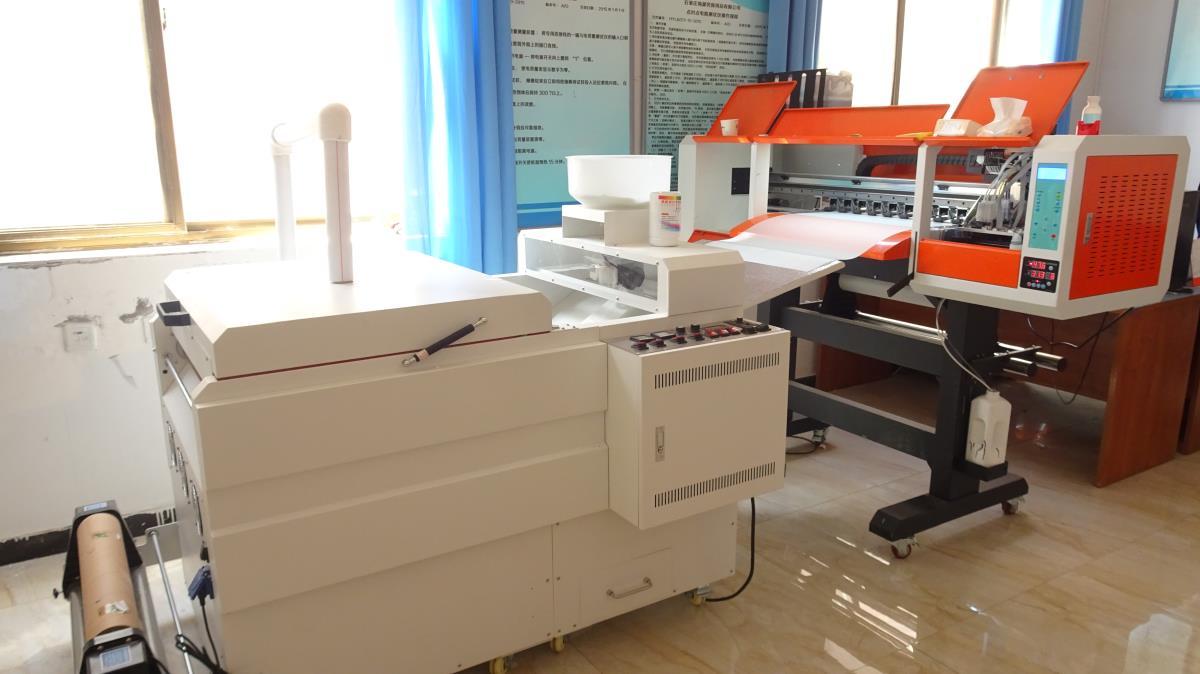
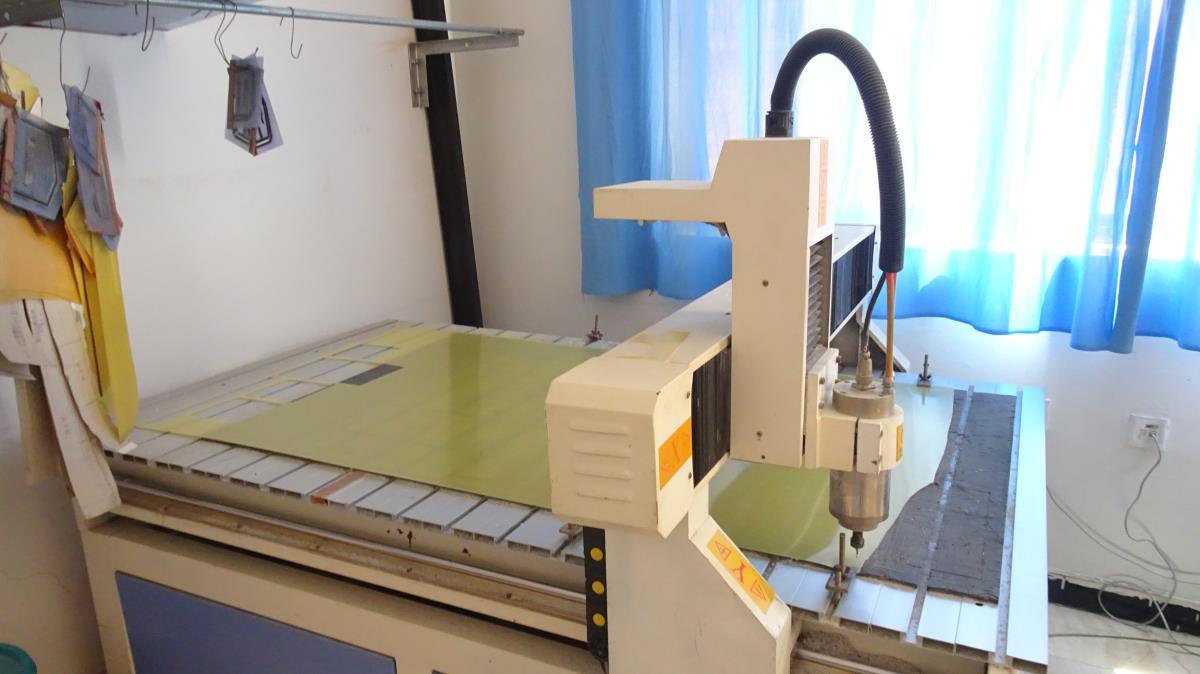
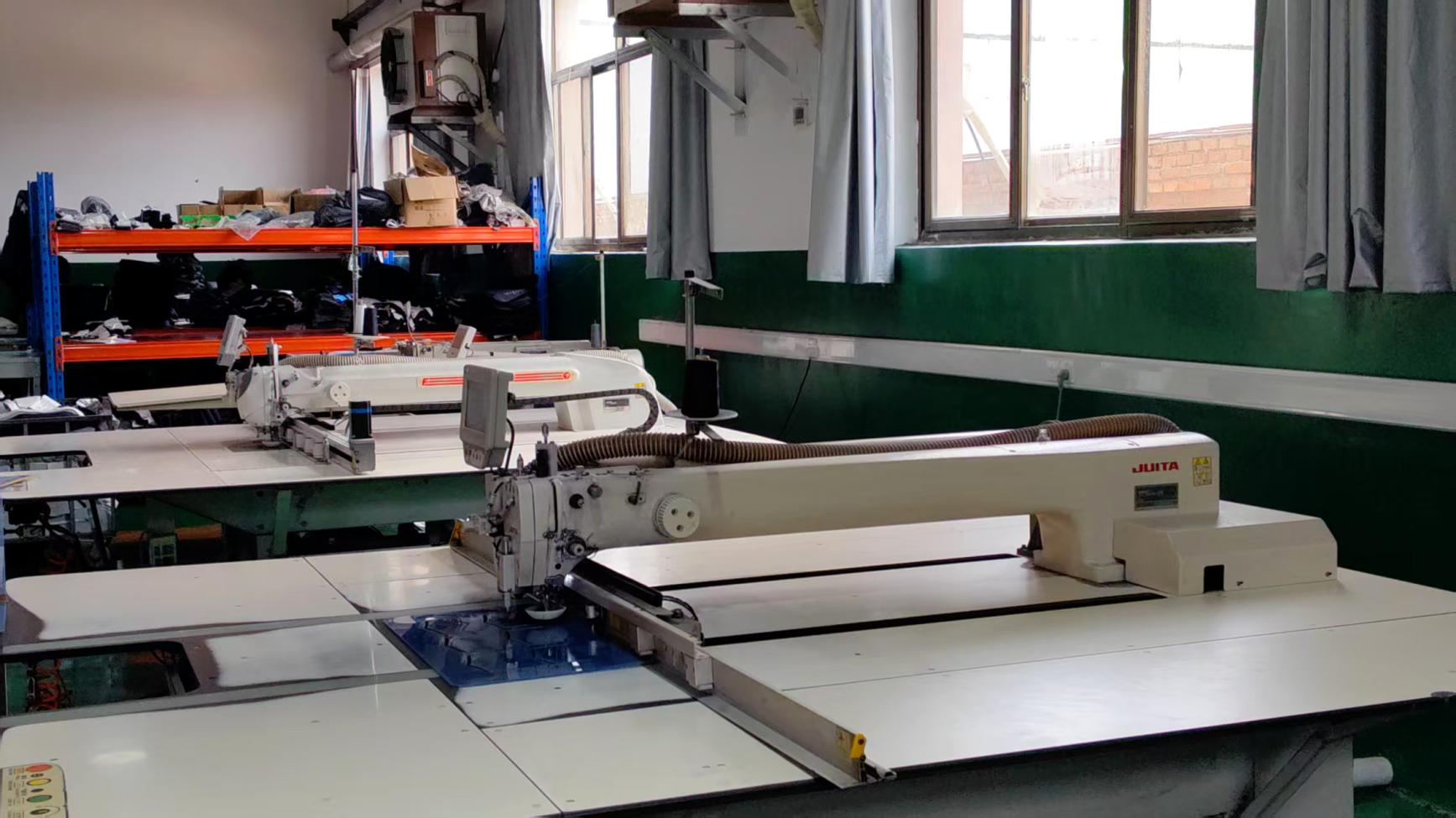
To address these standards, factories like Guangdong Barjeel Fashion utilize advanced digital plotter patterning, laser cutting, and computerized sewing systems. This structural alignment allows overseas production to seamlessly pass Japan's rigorous customs clearances and retail audits.
Integrating professional textile research, engineering excellence, and specialized global supply chain services.
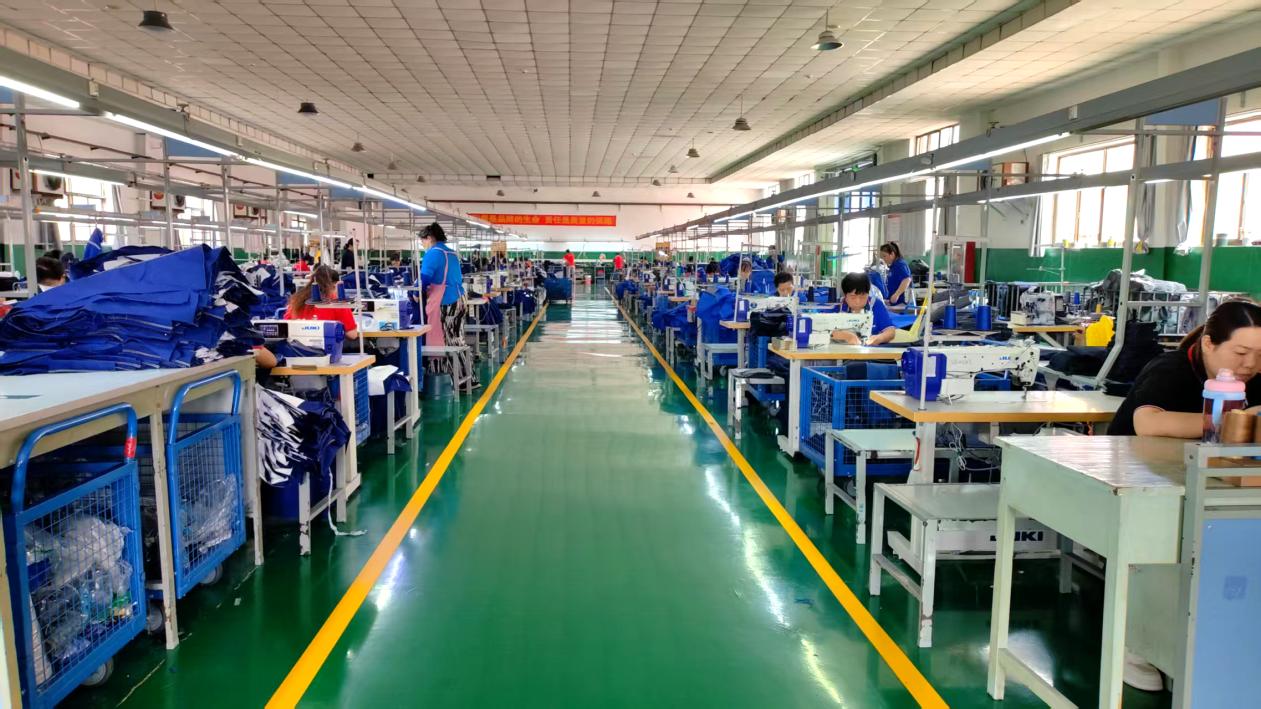
Established in 2006, Guangdong Barjeel Fashion Co., Ltd. is a modern apparel manufacturing enterprise integrating design, research and development (R&D), production, sales, and supply chain services. The company operates its own manufacturing facility covering an area of approximately 3,600 square meters, featuring a clean and well-organized office environment, standardized production workshops, and advanced garment manufacturing equipment.
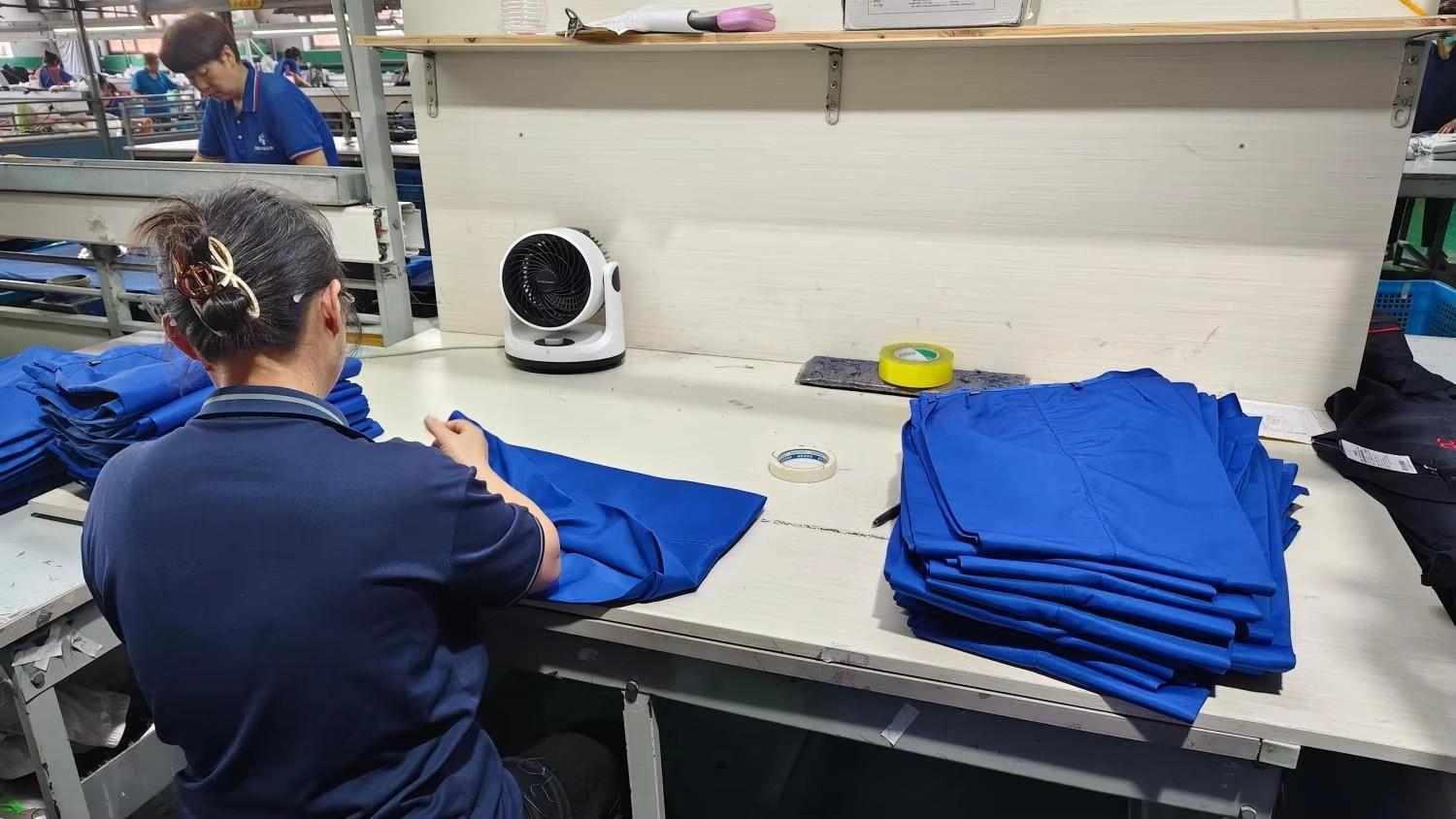
With a professional R&D team and a skilled production workforce, the company has built strong capabilities across the entire apparel development process, including style design, pattern making, fabric sourcing, sampling, and bulk production. A well-established quality control system and efficient production management process ensure consistent product quality, timely delivery, and high manufacturing standards.
Guangdong Barjeel Fashion Co., Ltd. specializes in a wide range of apparel categories, including fashion and trend-led clothing, sportswear, evening dresses, professional and workwear, as well as casual wear. The company is capable of serving both OEM and ODM requirements, providing flexible and customized solutions to meet the diverse needs of global fashion brands.
Over the years, the company has developed long-term partnerships with numerous domestic and international clients. With a strong focus on craftsmanship, operational excellence, and continuous improvement, it has earned a solid reputation for reliability and quality in the apparel manufacturing industry.
Guided by the core values of quality-first, customer orientation, and continuous innovation, Guangdong Barjeel Fashion Co., Ltd. remains committed to upgrading its design capabilities and manufacturing technologies. The company strives to enhance efficiency, strengthen competitiveness, and deliver greater value to its global partners.
Looking ahead, the company aims to further expand its international presence and evolve into a trusted and respected global apparel manufacturing and service provider.
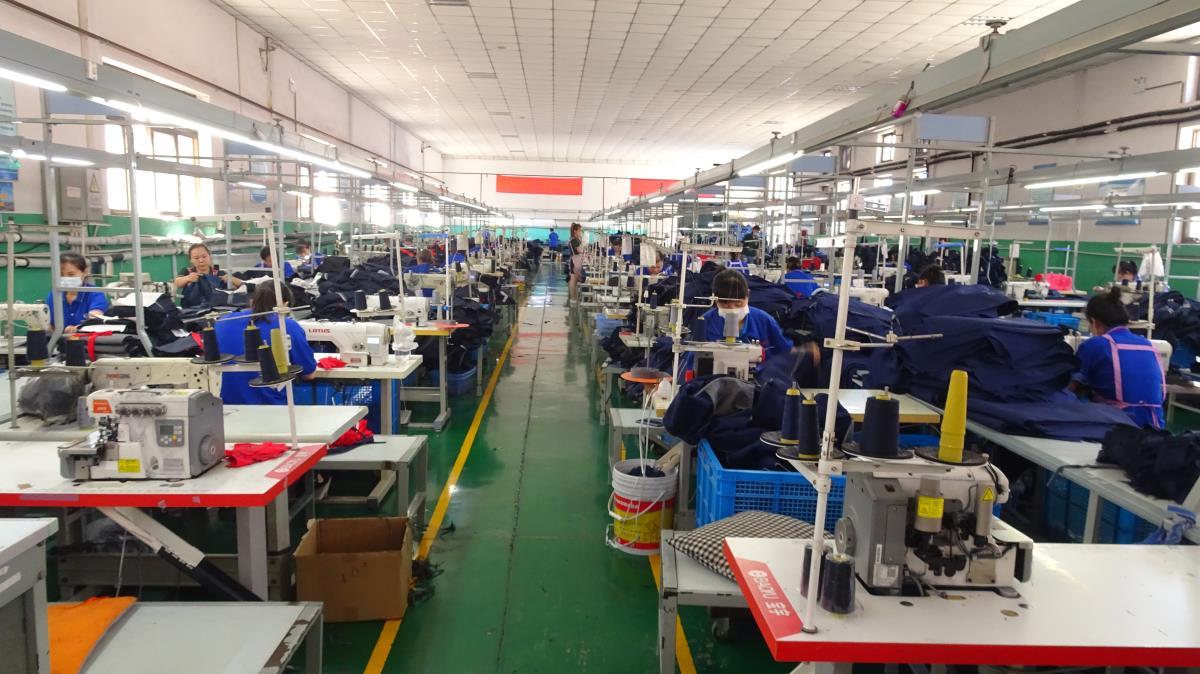
Take a tour through our specialized production floor, where high-grade raw materials are transformed into finished garments.
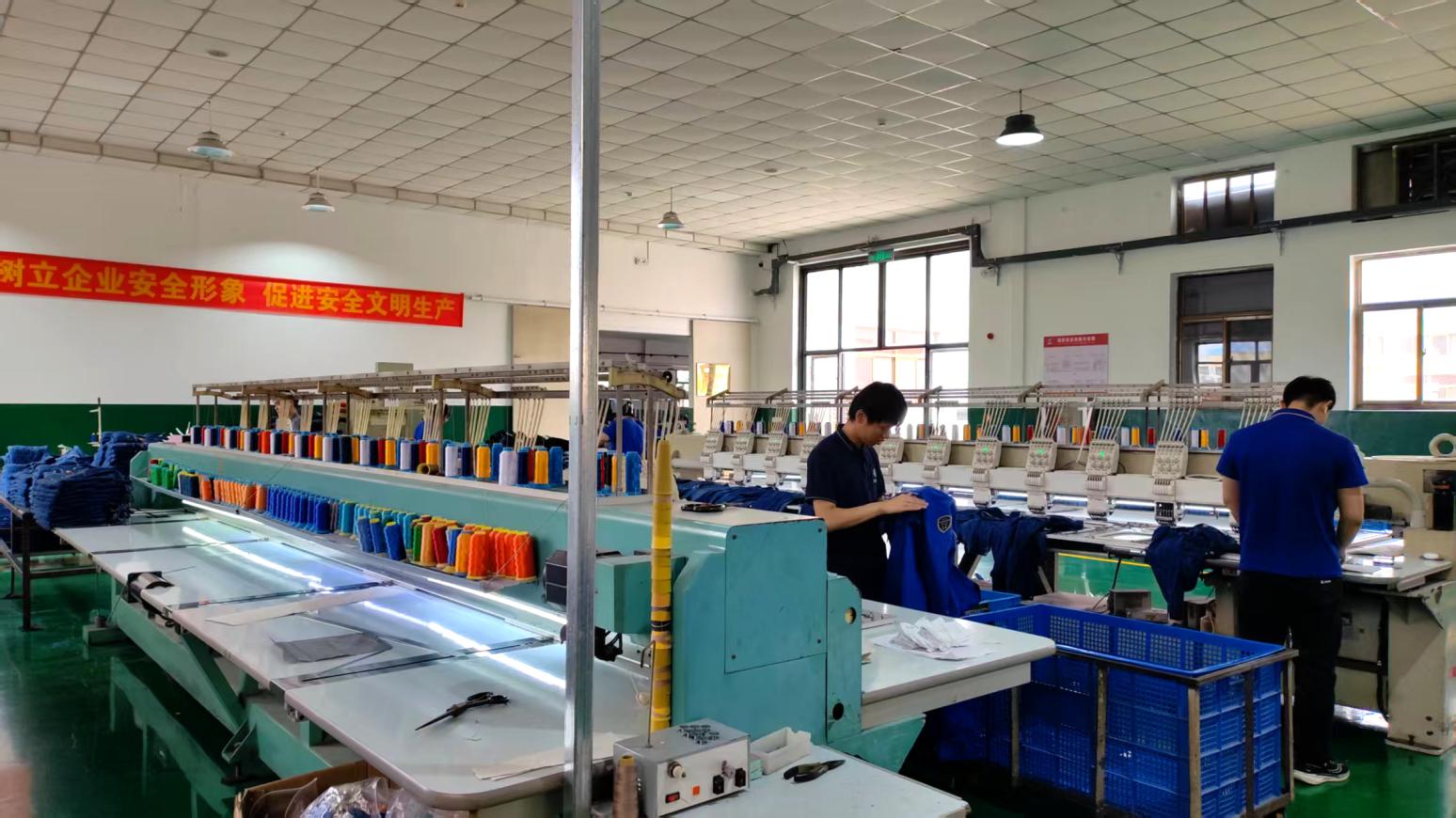
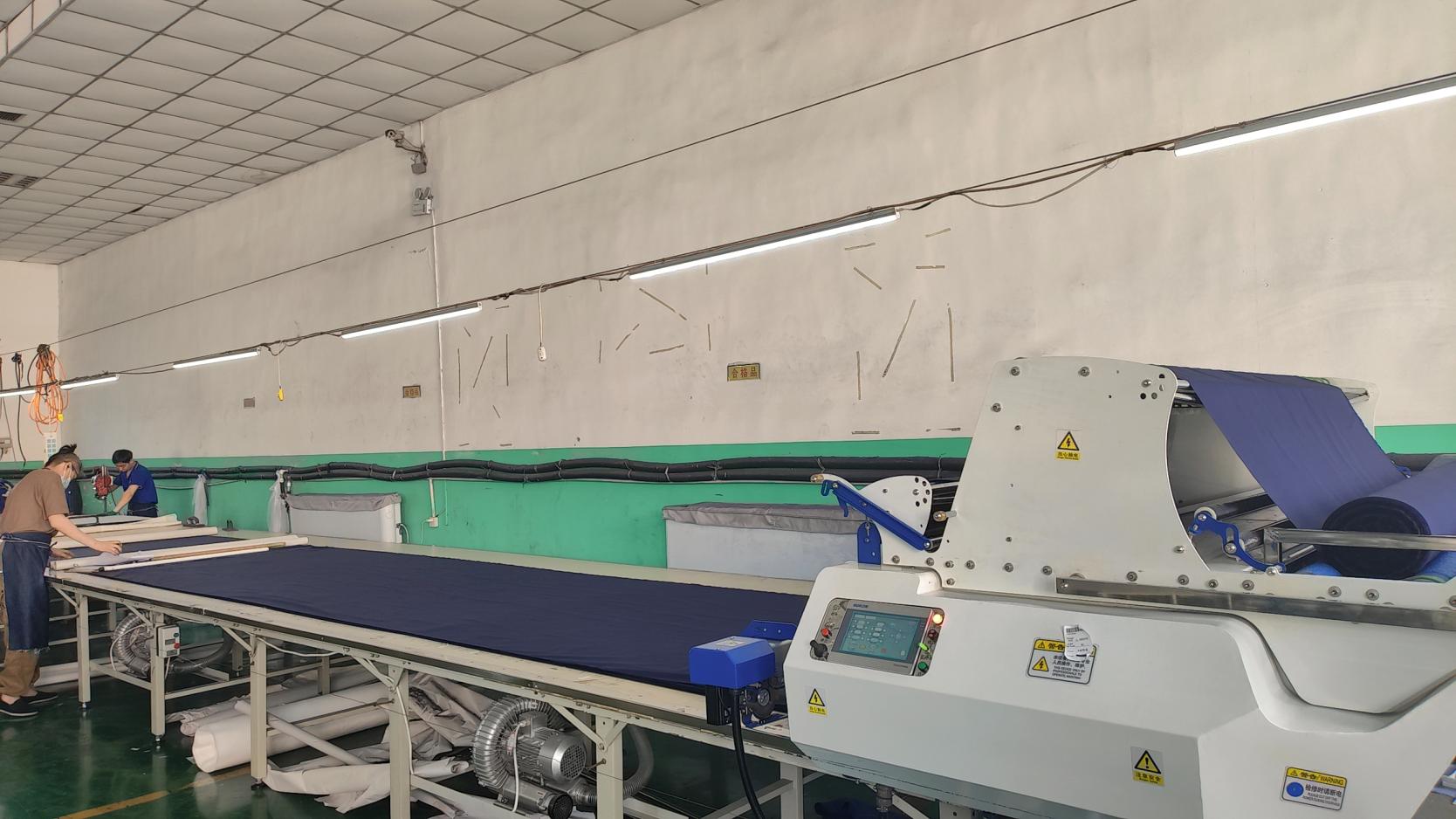
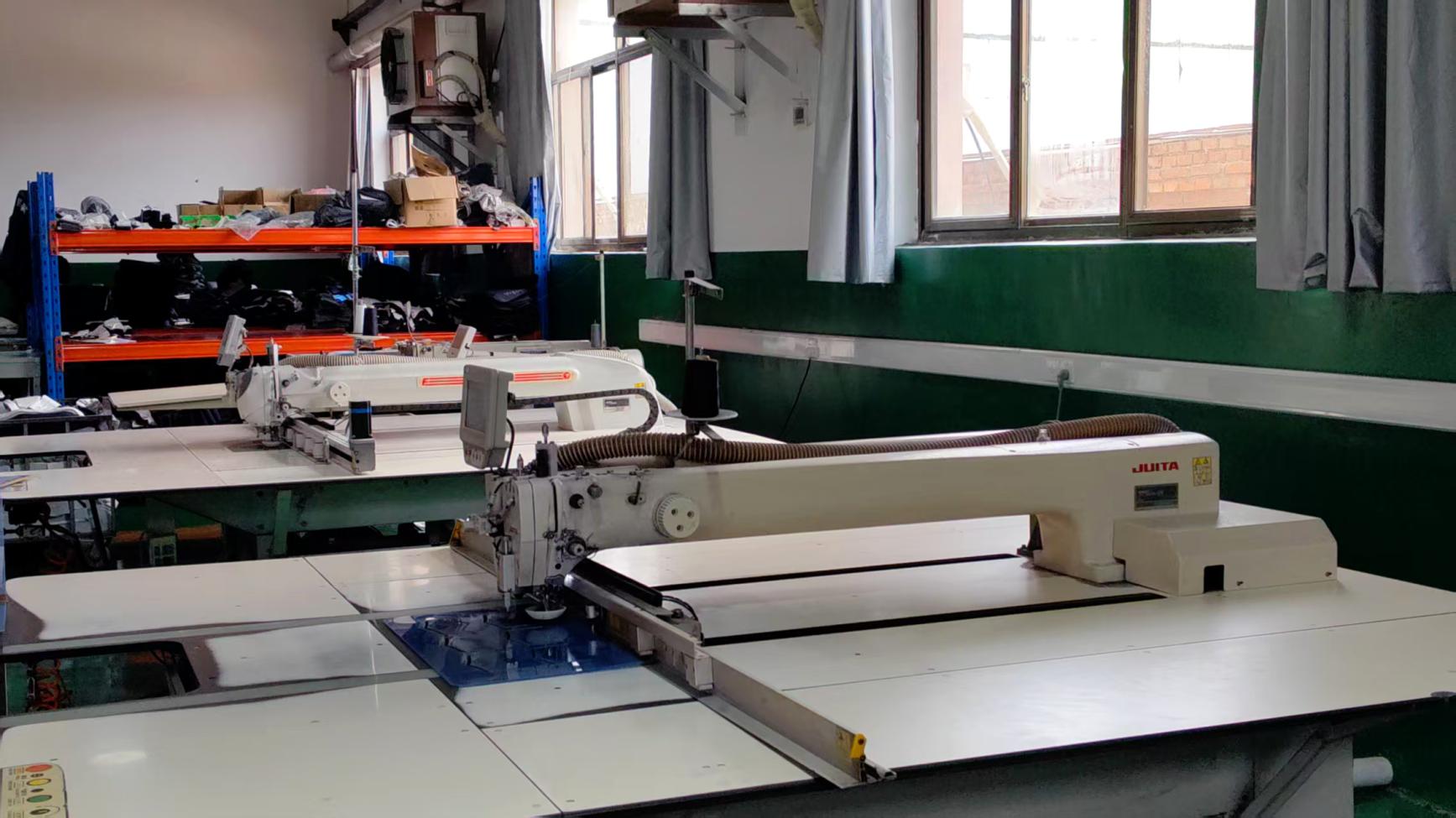
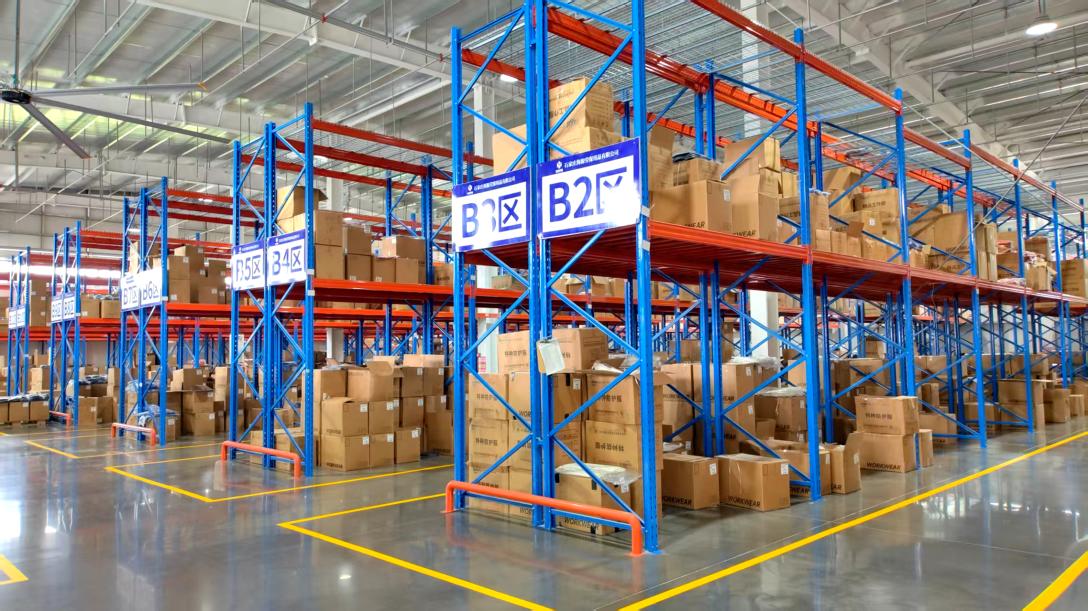
Ensuring frictionless importing, trade compliance, and structured logistics protocols between our factories and Osaka Port.
Exporting garments to Osaka requires absolute compliance with the Japanese Household Goods Quality Labeling Act. Every label must carry fiber composition percentages, washing instructions formatted to JIS L 0001 symbols, and the importer's details.
Furthermore, all shipments undergo metal/needle checks. Our assembly plants utilize Conveyor-type Needle Detectors to sweep every T-shirt and Tank top prior to final cardboard packing, eliminating hazards before goods arrive in Osaka.
Our strategic factory locations in Southern China offer quick access to global shipping channels. Sea freight from nearby ports (Guangzhou/Shenzhen) to Osaka Port (Nanko) takes approximately 5 to 7 days, providing quick turnaround times for replenishment orders.
For high-demand, quick-turnaround street fashion capsules, we route through air express channels to Kansai International Airport (KIX), clearing customs within 48 hours.
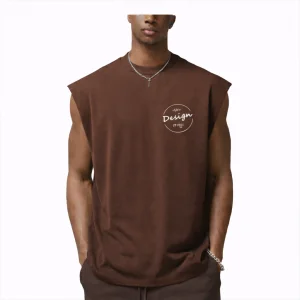
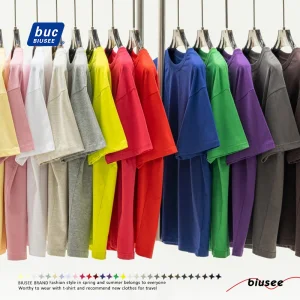
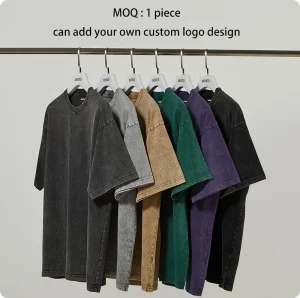
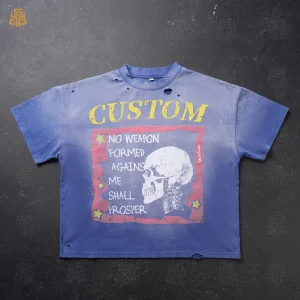
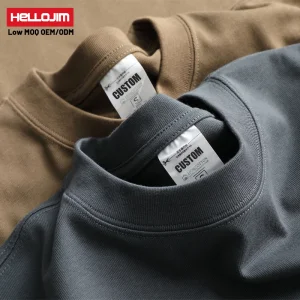
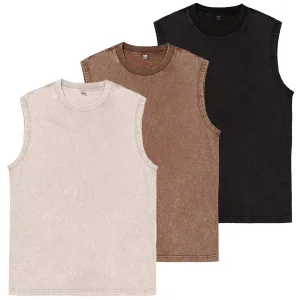
Explore our extensive collection of heavy-jersey blank T-shirts, drop-shoulder designs, raw-edge cropped tanks, and vintage wash variations.
Aligning with Japanese sustainability objectives and exploring new textile technologies for the upcoming seasons.
We are increasing the usage of GOTS-certified organic cotton and recycled polyester fibers. This aligns with Osaka's focus on sustainable manufacturing, helping brands reduce their overall carbon footprint.
Implementing automated nesting software in pattern drafting minimizes fabric cutting scraps, reducing waste in the pre-assembly stage.
Our R&D team works with innovative yarn structures that integrate anti-odor and anti-pilling attributes directly into the fiber core, rather than relying on temporary chemical coatings.
Key information regarding production minimums, custom sampling, printing capabilities, and shipping protocols.
Partner with a manufacturer that understands the nuances of the Japanese retail landscape, offering consistent quality, structural durability, and reliable logistics.
Send Inquiry Now