Barjeel Fashion


Indonesian Apparel Sourcing Whitepaper
Navigating the Shift in High-Quality Textile Sourcing, Local Sourcing Intent, and Strategic Production Resilience
1. Indonesia's Evolving Textile Landscape & Sourcing Dynamics
Indonesia is undergoing a monumental economic transformation, asserting itself as the primary retail powerhouse in Southeast Asia. For international buyers, department store sourcing groups, and regional private label brands in major cities like Jakarta, Surabaya, and Bandung, the procurement of women's apparel—specifically blouses and button-down shirts—has shifted from a paradigm of "pure lowest cost" to "resilient, compliance-driven quality."
Historically, Indonesia has maintained its own localized garment assembly ecosystem. However, rising labor rates in Java, combined with localized bottlenecks in high-density textile manufacturing, have created a structural import demand. Sophisticated brands struggle to source locally produced premium silks, high-grade linen, non-iron cotton, and specialized drape-chiffons with high color fastness. As a result, B2B procurement officers are actively pursuing reliable direct manufacturer relationships in southern China, leveraging the optimized logistical lanes of the Maritime Silk Road to bypass regional supply delays.
Key Insight: The Indonesia Modern Workwear & Modest Fashion Merging Trend
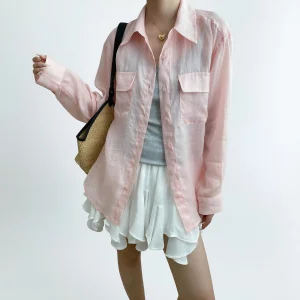
The convergence of modern corporate attire with cultural modesty requirements in Indonesia has created a massive category boom. The demand is no longer just for basic shirts, but rather long-sleeve, high-neck, band-collared blouses, and moisture-wicking linen button-downs that adapt perfectly to air-conditioned offices in Jakarta yet withstand tropical humidity outdoors.
2. Global Sourcing Criteria: The Demand for Technical Specifications
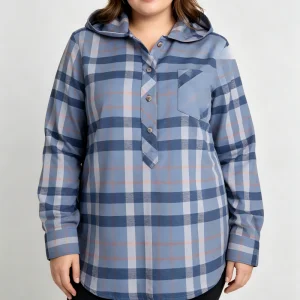
Today's global purchasing departments analyze apparel manufacturing through the lens of strict technical variables. When sourcing blouses, buyers pay meticulous attention to sewing tolerances (such as SPI - stitches per inch, usually aiming for 14–16 SPI for high-end shirts), collar stability (utilizing premium fusible interlinings), and seam puckering control, particularly on delicate sheer chiffon or heavy-weight flannel.
Sustainable certifications such as OEKO-TEX Standard 100, Global Organic Textile Standard (GOTS), and Recycled Claim Standard (RCS) are no longer luxury credentials; they are standard expectations for modern retail distribution in Southeast Asia. Additionally, compliance with Indonesian National Standards (SNI) for imported apparel dictates that azo dyes and heavy metals must be non-detectable, necessitating that manufacturing partners maintain clean chemical compliance sheets.
3. China's Factory 4.0: Supply Chain Resilience and Efficiency Advantages
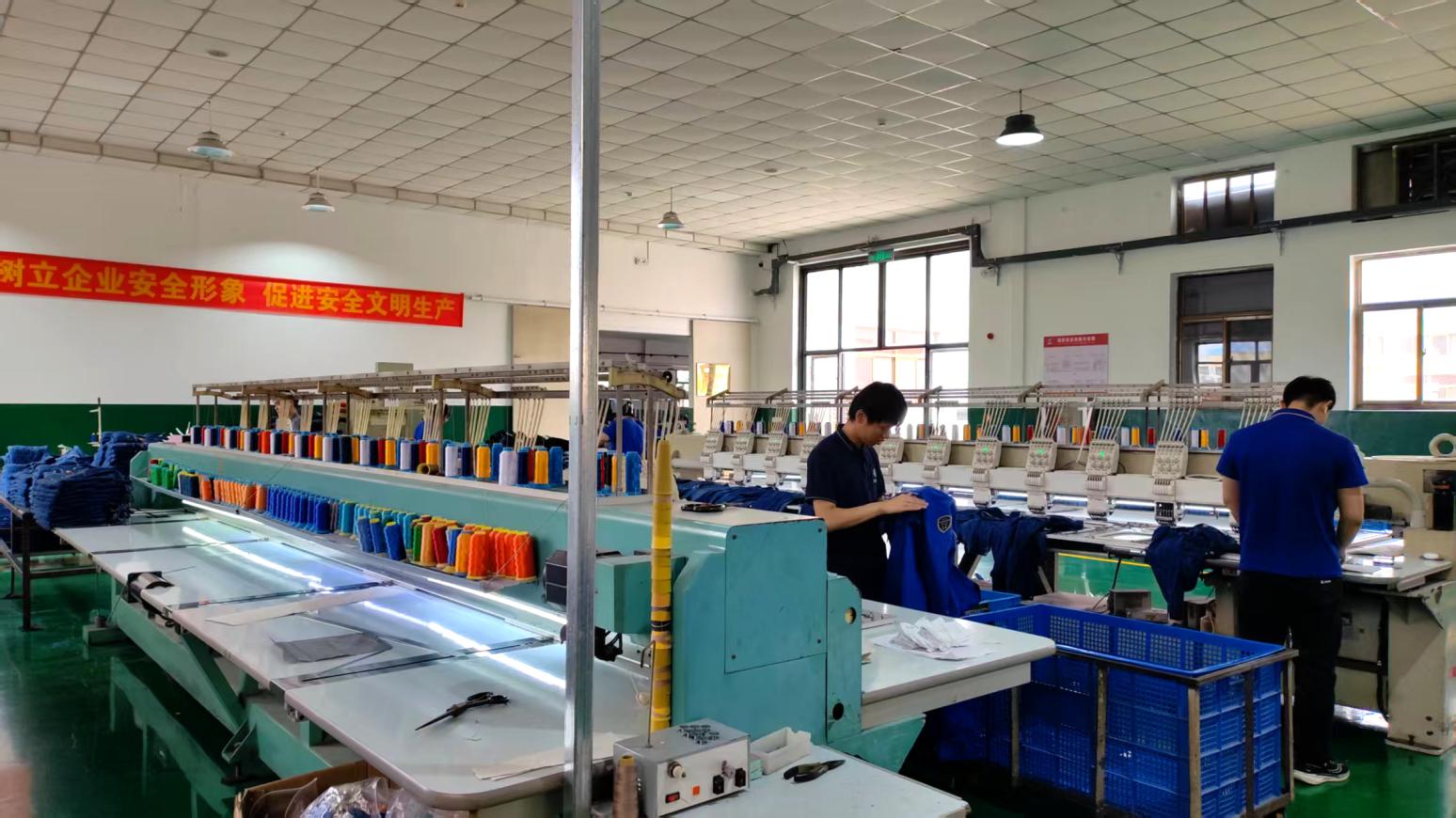
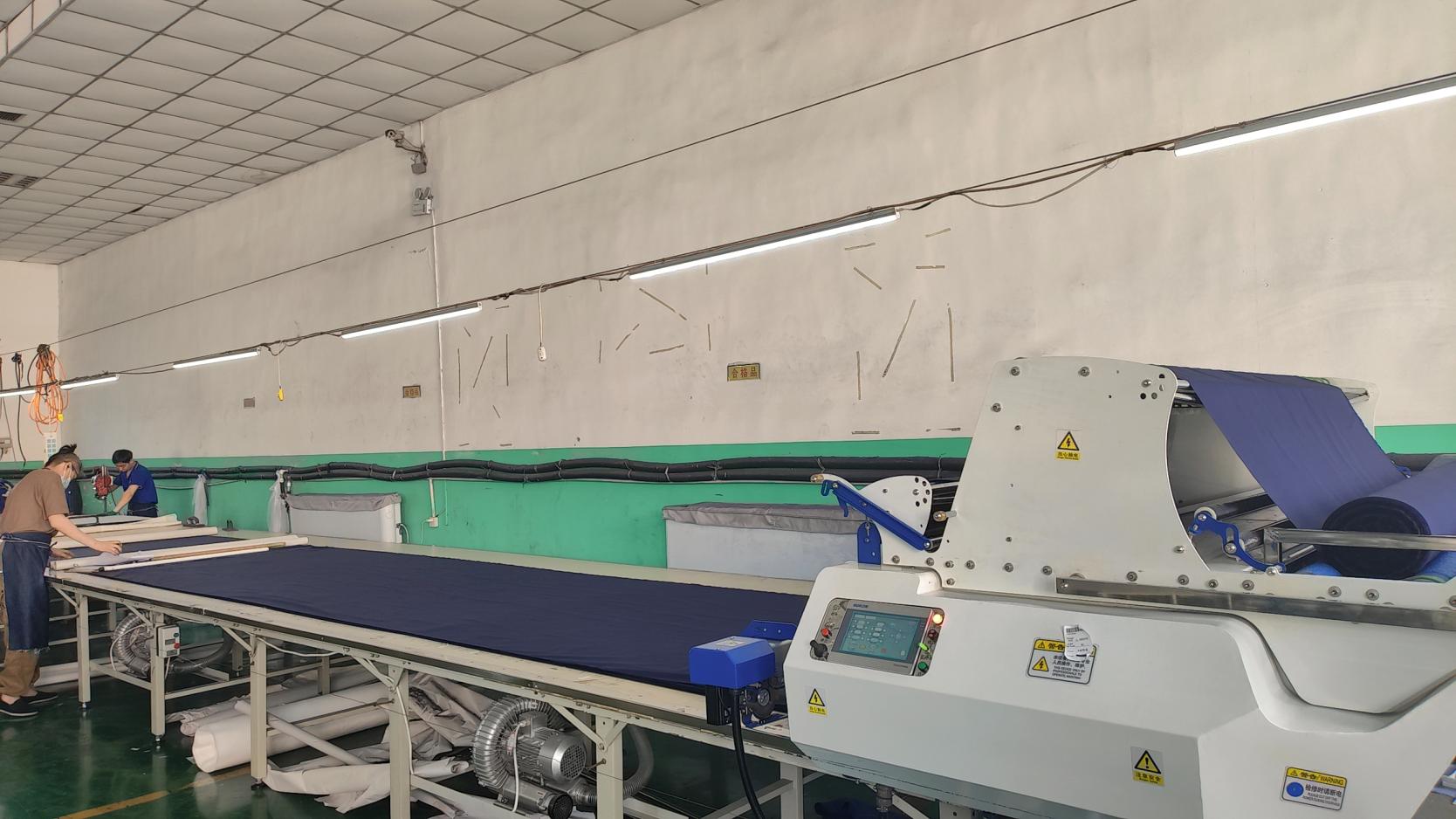
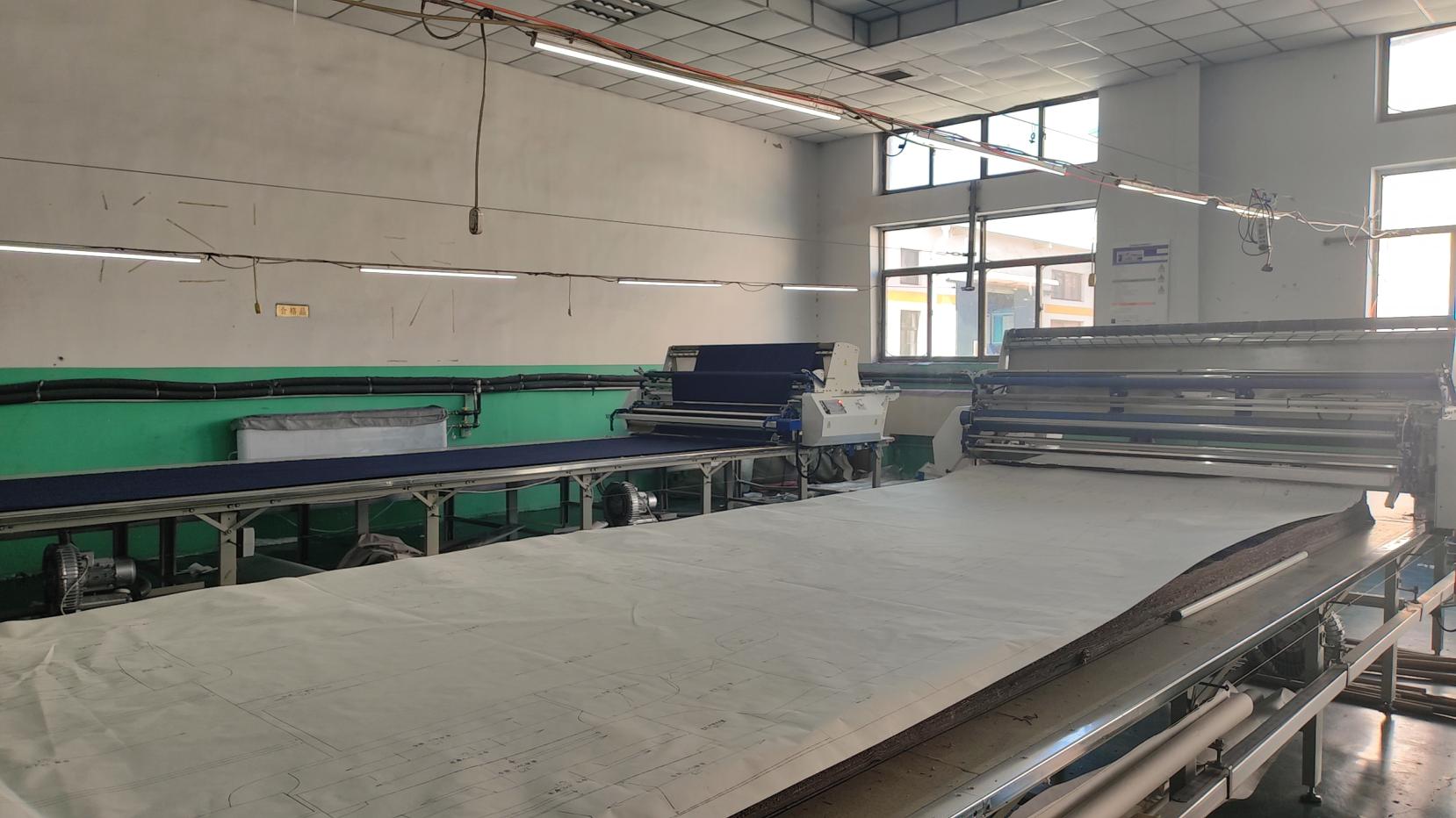
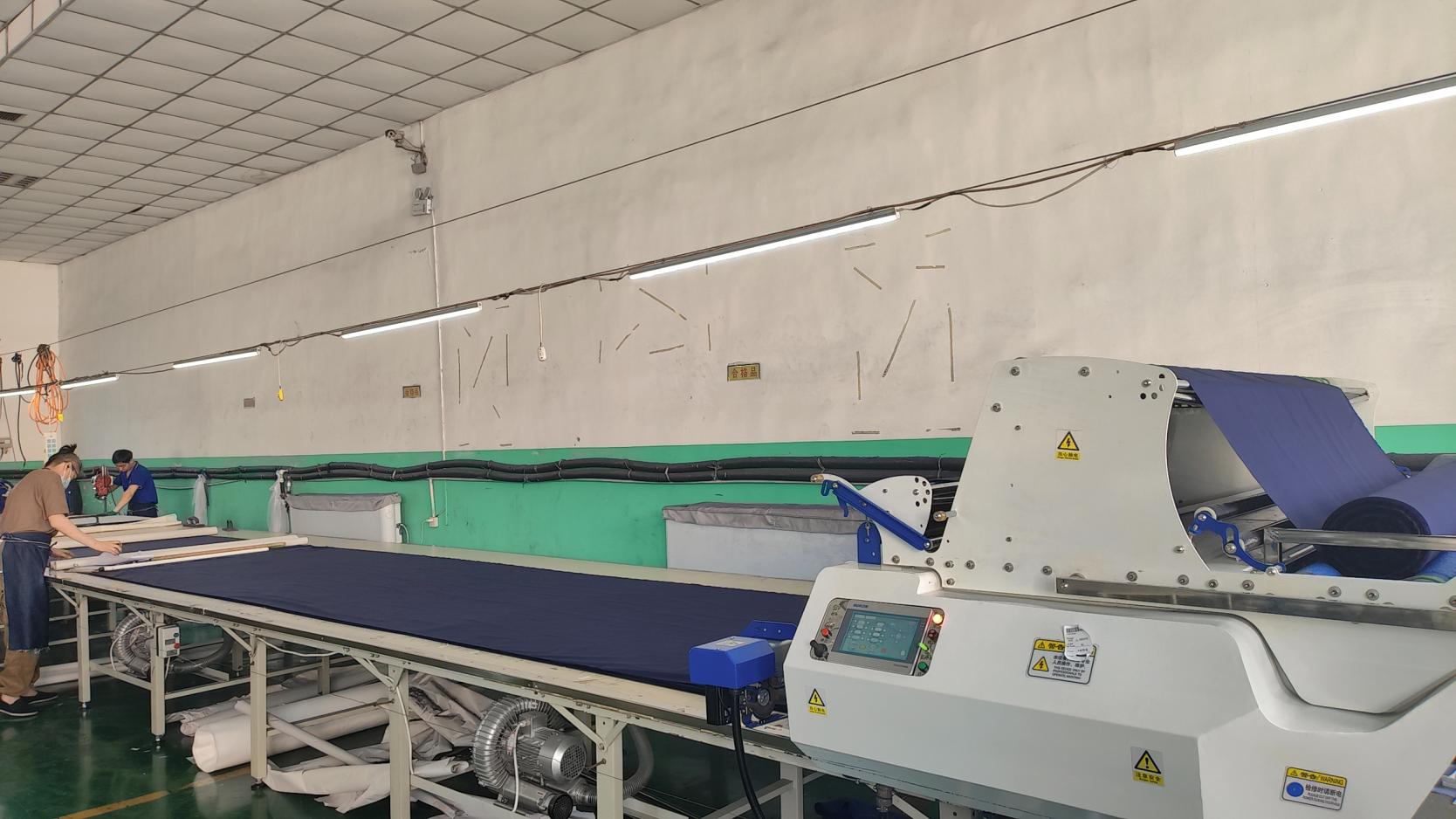
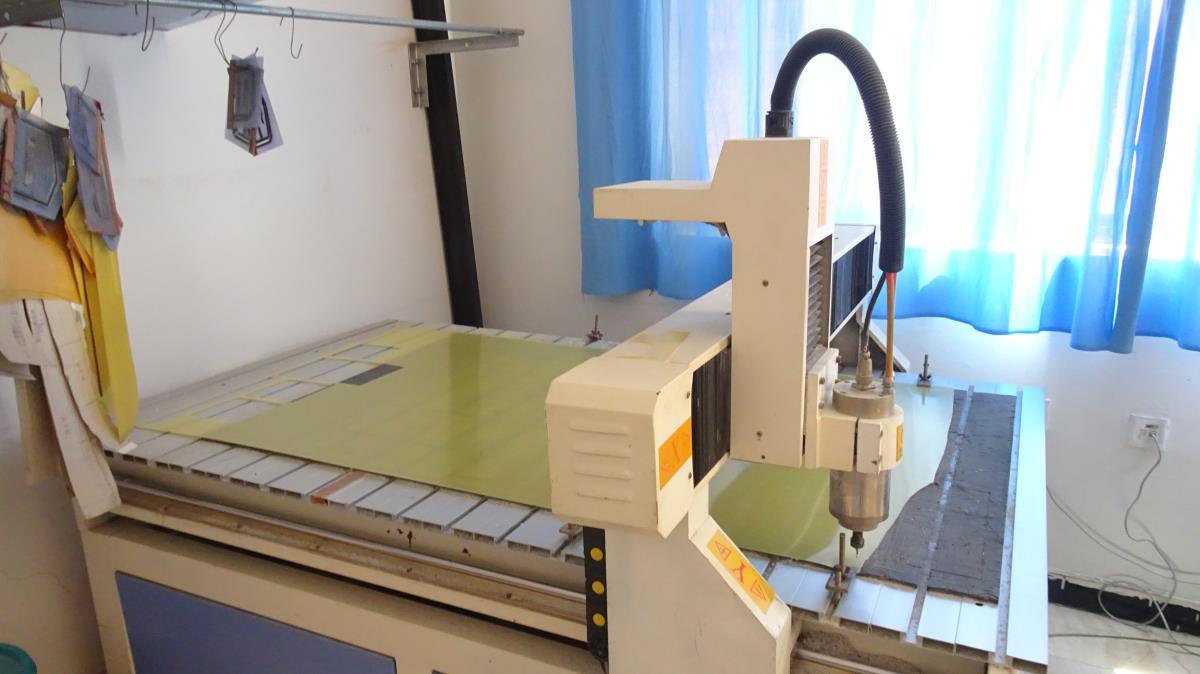
Guangdong's advanced manufacturing clusters represent the pinnacle of China's "Factory 4.0" transition. The advantage is not simply about machine output; it is about absolute data integration. Advanced apparel manufacturers like Guangdong Barjeel Fashion Co., Ltd. leverage automated nesting and laser fabric cutters to minimize scrap textile rates down to 2%, compared to the 8–10% typical in less mature manufacturing markets.
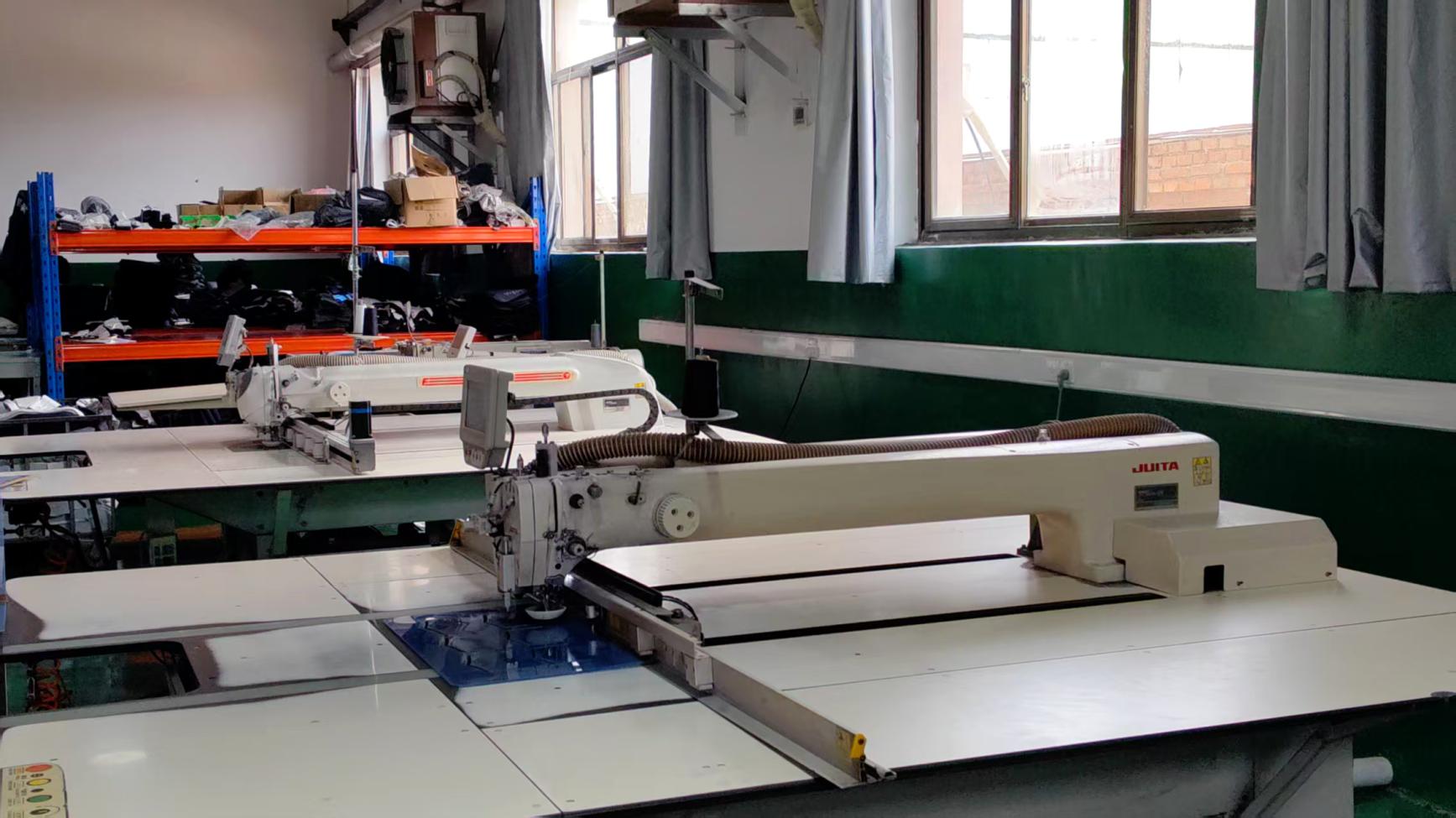
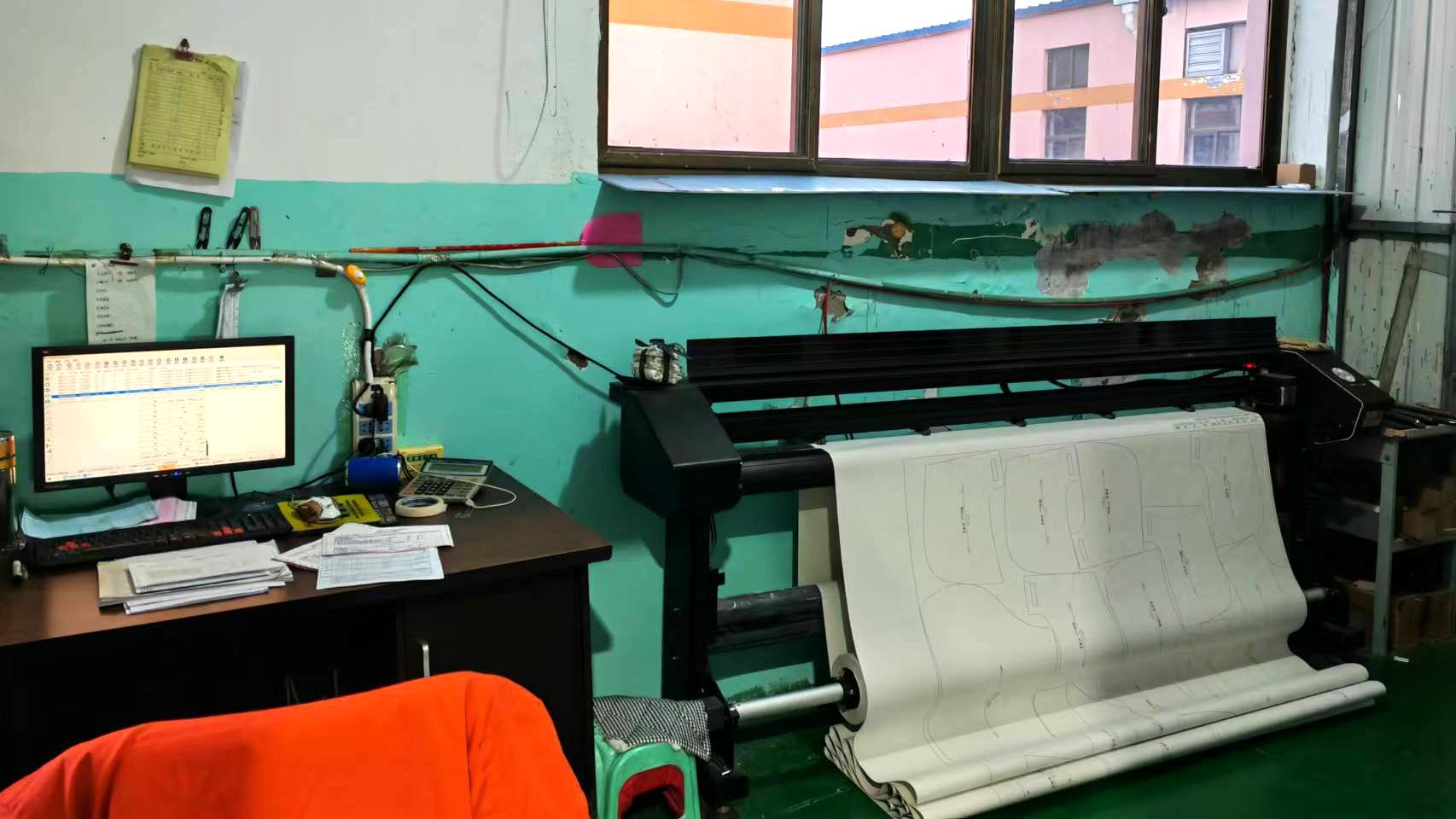
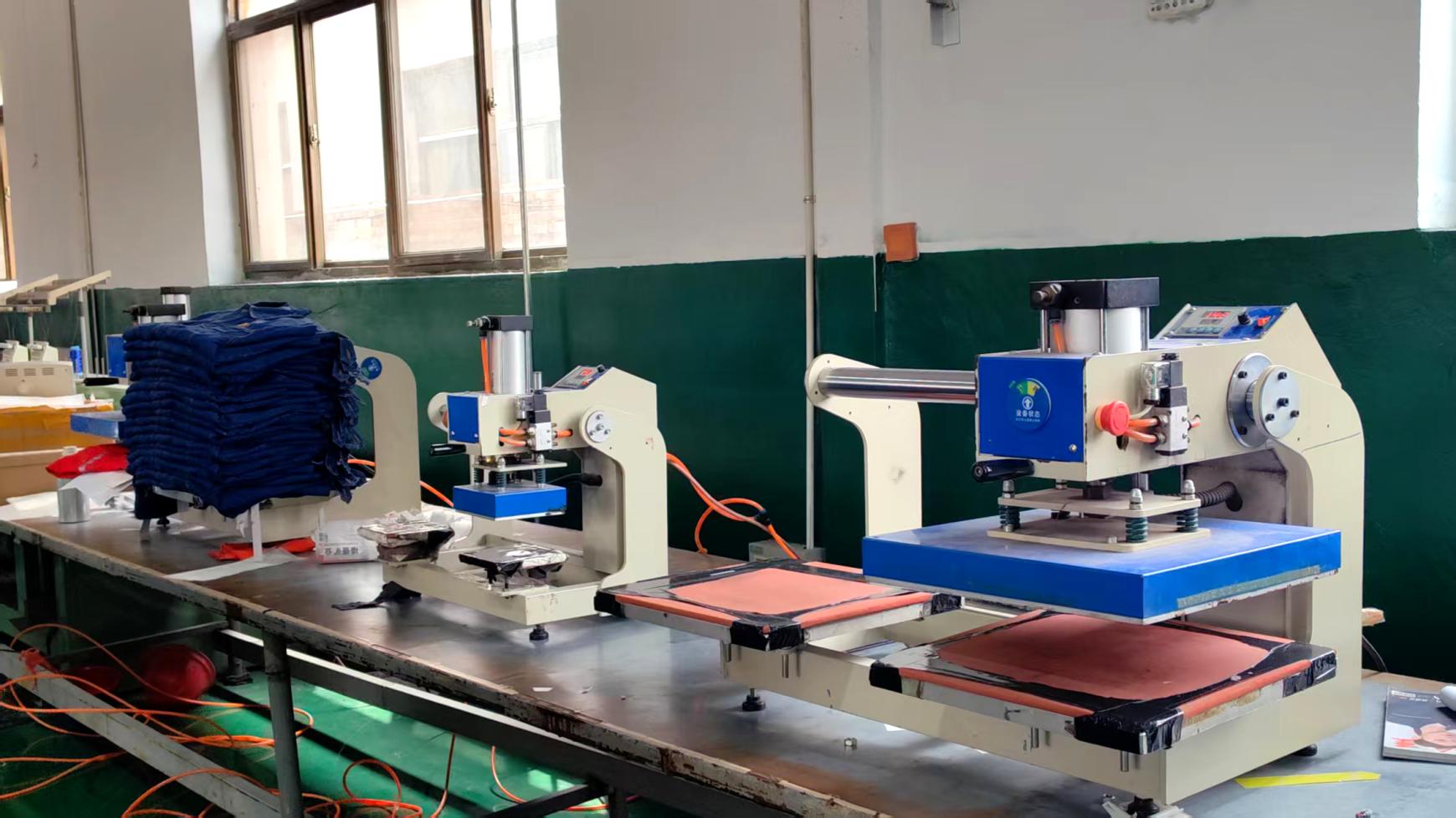
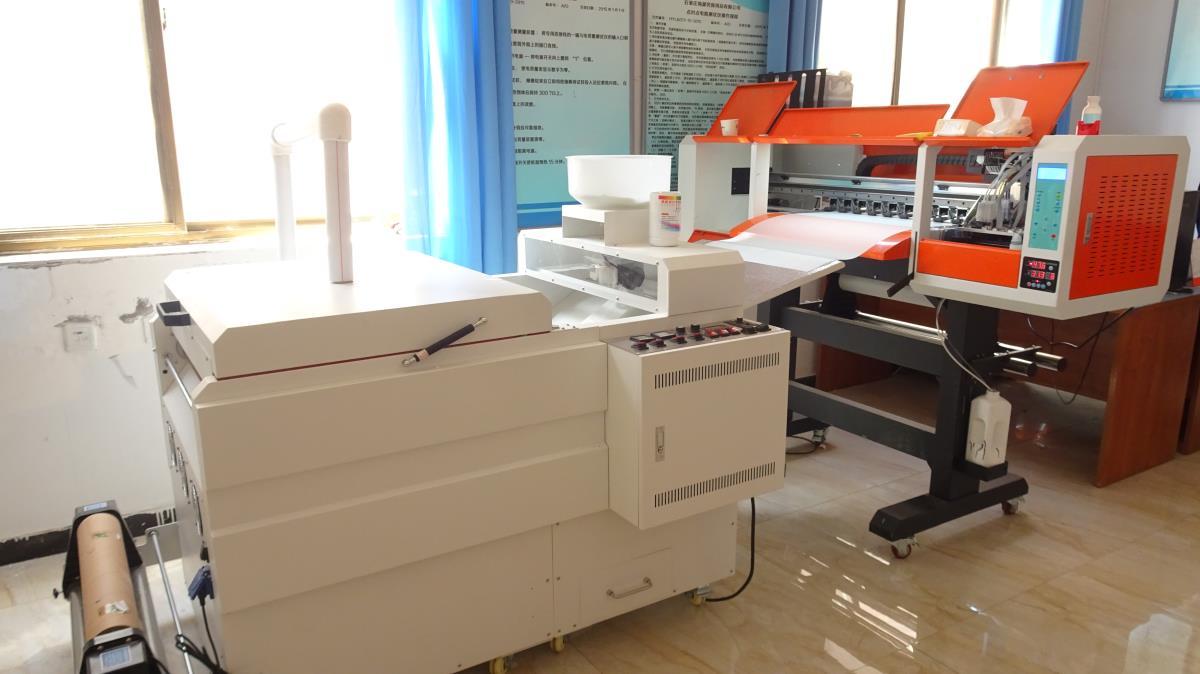
By utilizing digital plotters, computerized templates, and specialized machinery (including laser engraving and heat-stamping systems), China's digital-ready factories allow quick-response (QR) manufacturing. This means a new design draft can transition from a CAD drawing to a pattern layout, fabric procurement, sampling, and shipping-ready production inside a compressed timeframe of 10 to 14 days. This agility is vital for Indonesian boutique chains that must continuously test new micro-trends without holding large capital-tying inventories.
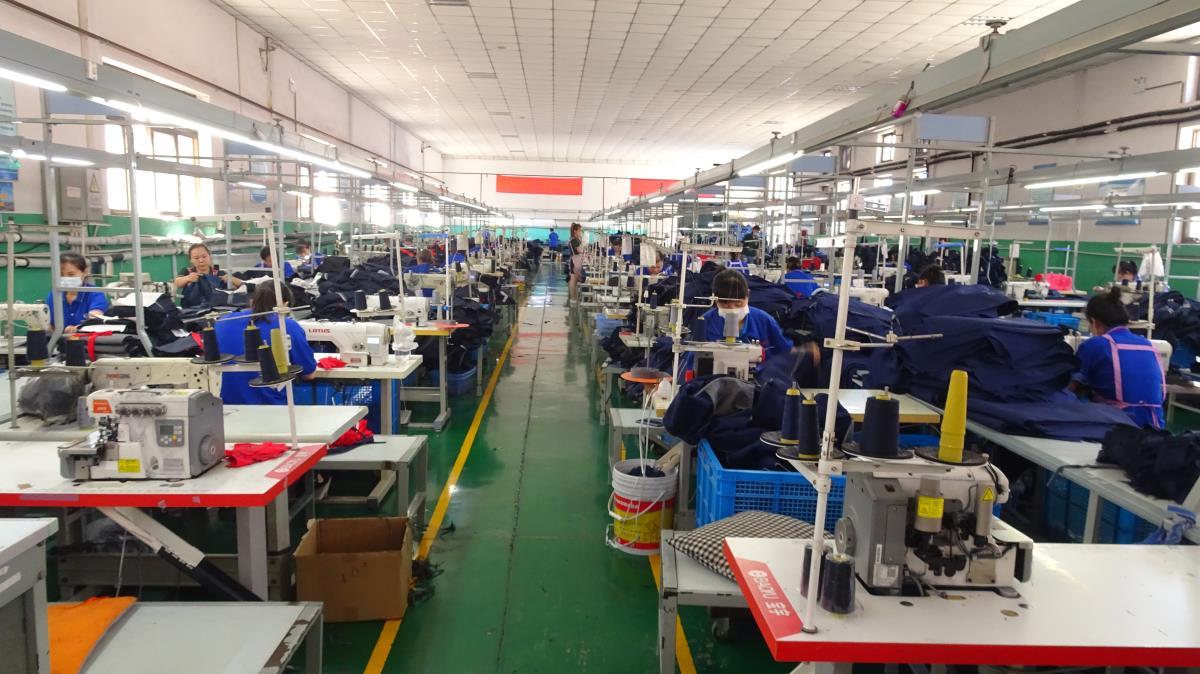
Guangdong Barjeel Fashion Co., Ltd.: Standard Specifications
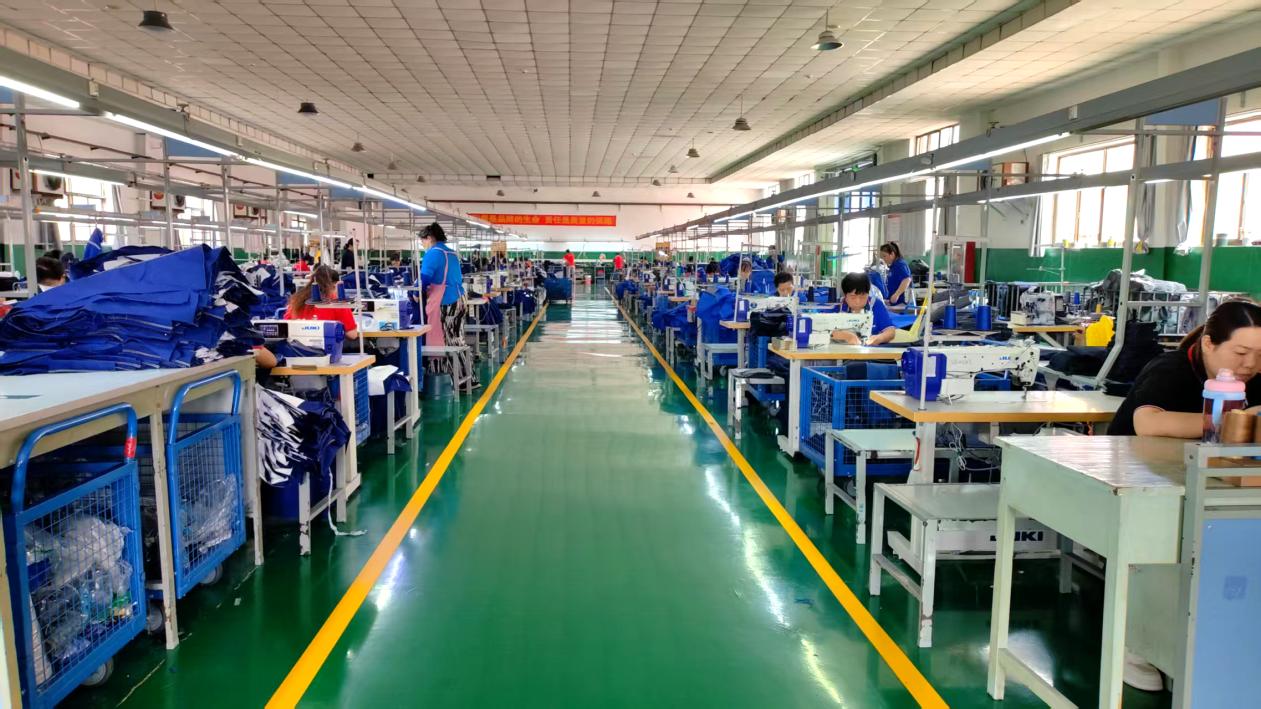
- Factory Footprint: 3,600 square meters of standardized modern production area.
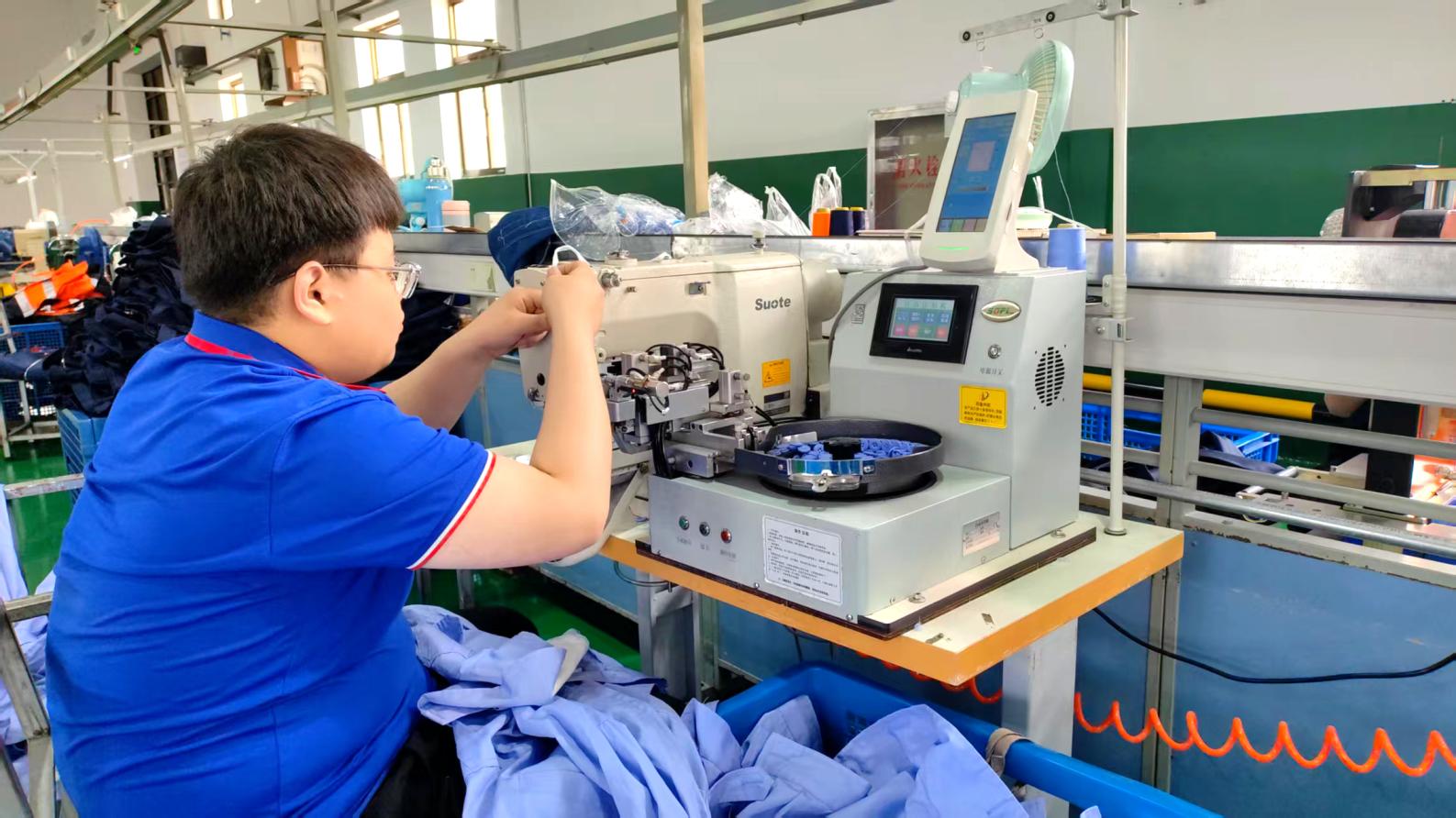
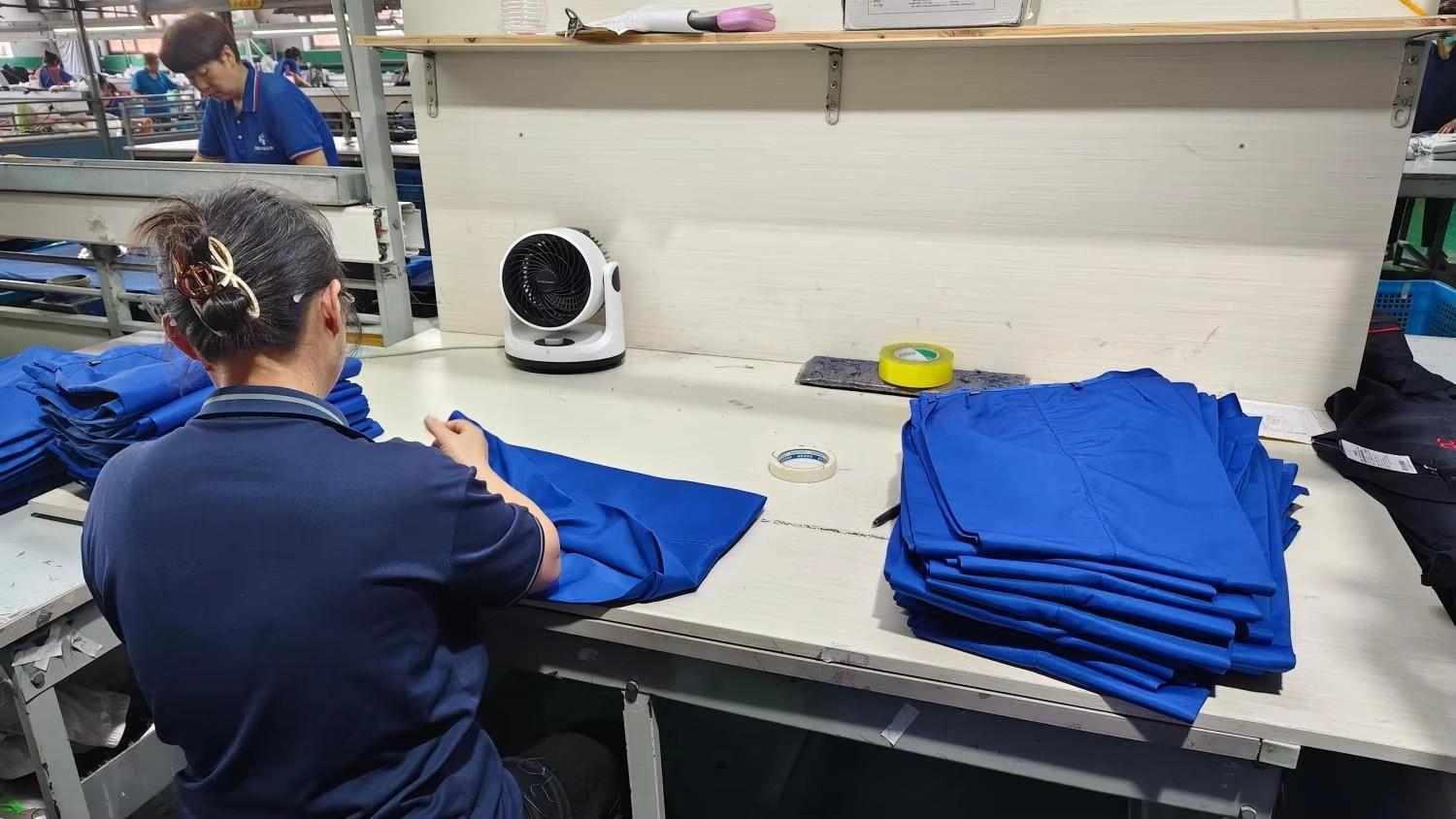
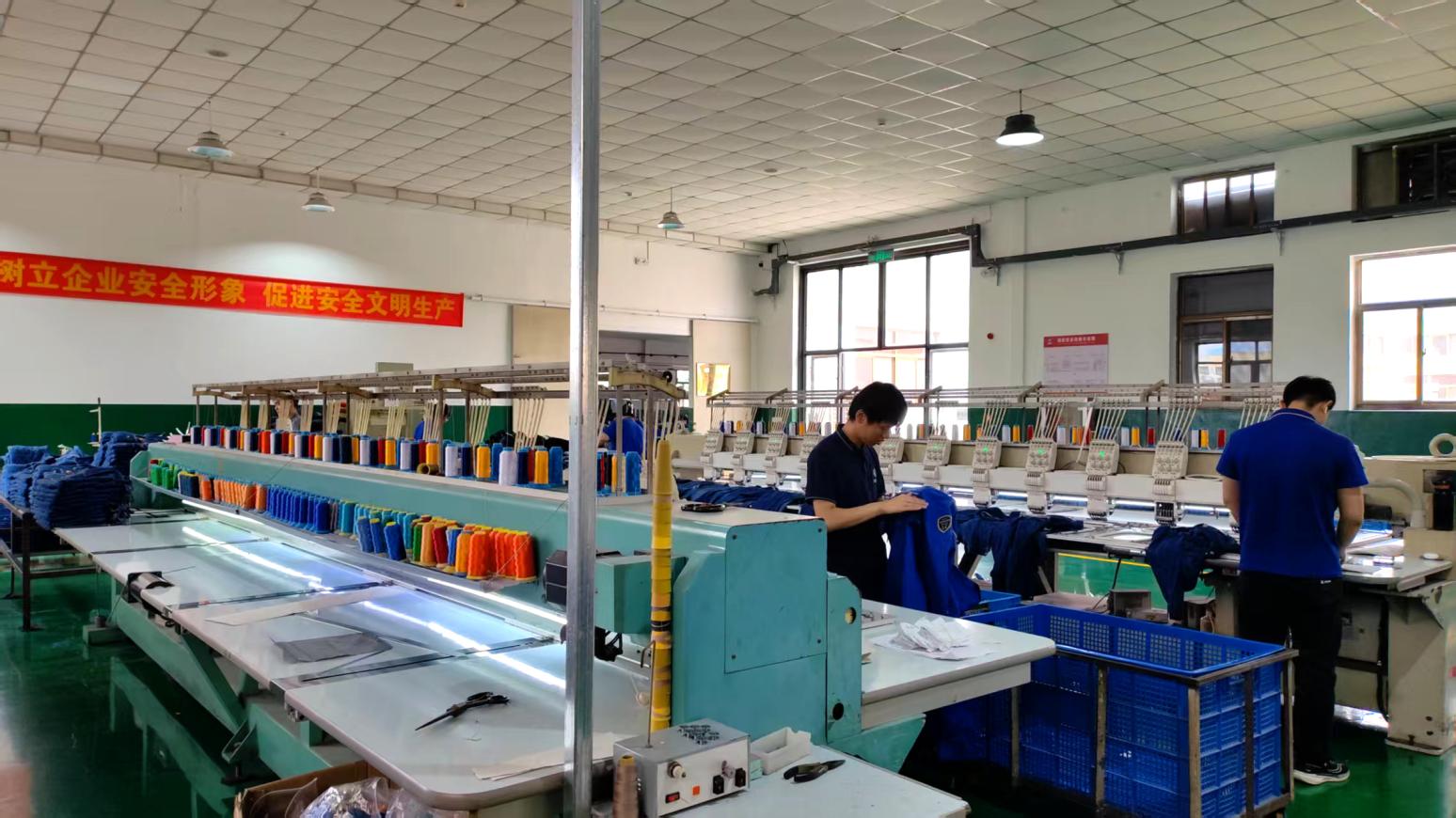
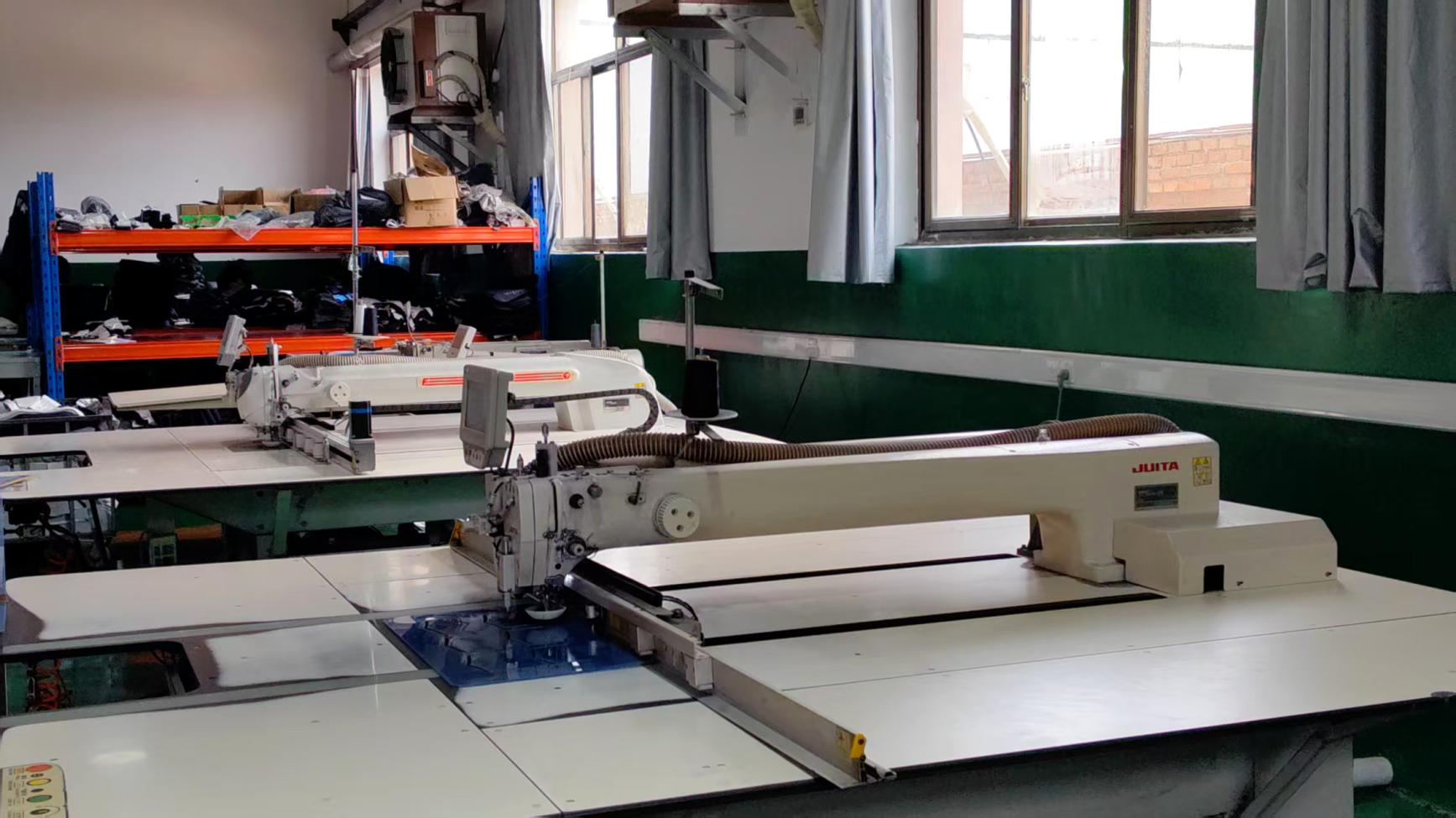
- Full-Cycle Integration: Research & Development, pattern drafting, fabric sourcing, in-house embroidery, automated button assembly, and multi-tier quality control.
- Machinery Highlights: Plotters, Cloth Laying Machines, Laser Engraving, Template Machining, Computerized Embroidery Machines.
4. Fabric Science for Tropical Microclimates: The Indo-Pacific Adaptations
Tropical zones require specialized textiles. Sourcing button-down shirts for Indonesia requires a deep knowledge of yarn structure and fiber performance:
- Organic Linen Blends: Pure linen provides high breathability but is prone to deep creases. By blending organic cotton or viscose with high-grade linen, manufacturers achieve the iconic resort-wear look suitable for Bali, while retaining the wrinkle resistance required for formal business environments.
- High-Density Stand-Collar Chiffon: Chiffon is popular for its lightweight drape. However, low-grade chiffon generates static and traps body heat. Utilizing high-twist polyester filaments creates a breathable, fluid chiffon blouse that drops elegantly, dries quickly, and does not require frequent ironing.
- Wrinkle-Free Premium Cotton: Using liquid ammonia treatments or high-grade easy-care finishes on long-staple cotton ensures that office worker uniforms look sharp all day long under hot and humid commute conditions in Jakarta.