Barjeel Fashion
Barjeel Fashion
Barjeel Fashion
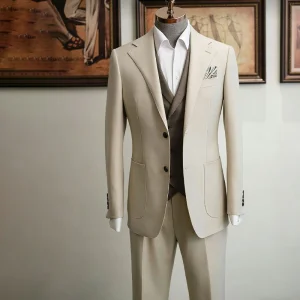
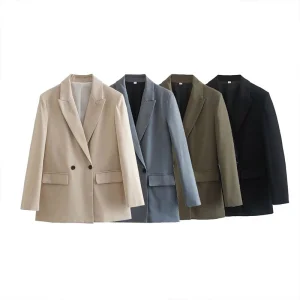
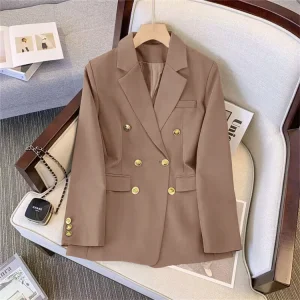
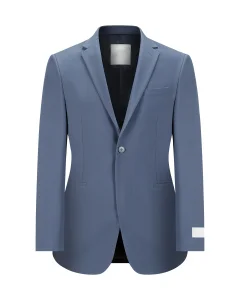
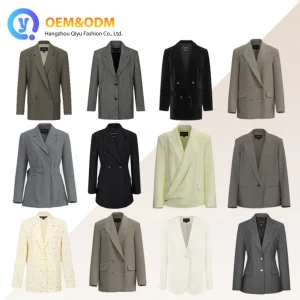
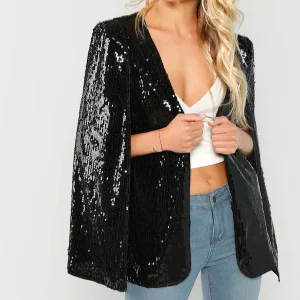
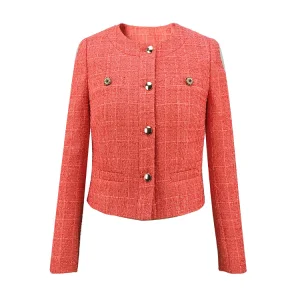
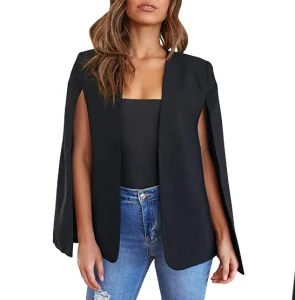
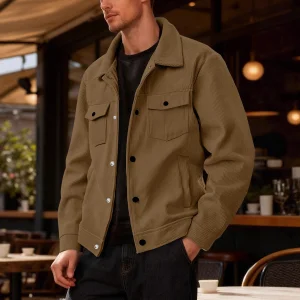
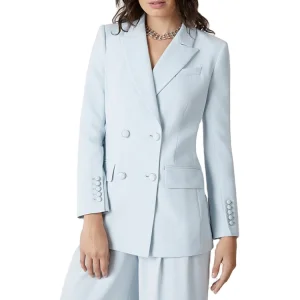
Our signature functional blazers designed for transitions between technical engineering hubs and standard executive boardrooms.
Nagoya, the capital of Aichi Prefecture, stands as the central hub of Japan's manufacturing powerhouse—the Chubu economic region. Known globally for its dominant automotive, aerospace, and precision robotics industries, Nagoya's corporate environment enforces a distinct attire standard that balances professional elegance with operational utility. Here, corporate apparel is not merely aesthetic; it is a critical component of brand authority, company culture, and physical performance under varying seasonal micro-climates.
The Japanese concept of "Cool Biz" and "Warm Biz"—pioneered to combat seasonal humidity and reduce carbon emissions—dictates the functional engineering of business wear in Nagoya. From the hot, humid summers of Central Japan to the biting winds coming off the Ibuki mountains in winter, corporate employees require multi-functional, adaptive blazers. Sourcing managers in Nagoya's main business districts—such as Meieki (Nagoya Station area) and Sakae—prioritize garments that integrate lightweight breathability with durable, structure-retaining weaves.
Key Takeaway for Corporate Buyers:
Modern corporate apparel programs in Nagoya are shifting from rigid traditional suits to highly versatile, technical blazers that support active transit between cleanrooms, corporate offices, and international negotiation tables.
In Nagoya, where corporate giants oversee extensive supply chains, procurement officers are transitioning away from heavy, high-maintenance traditional suits. Modern professionals require blazers engineered with tech-fabrics that offer four-way stretch, wrinkle resistance for frequent travelers, and machine-washable properties. The integration of poly-rayon fluid suits and breathable woolen structures allows companies to cut down on commercial laundry footprints while maintaining an impeccable executive presence.
Procuring garments for Japanese corporations demands strict adherence to rigorous quality standards. The **Japanese Industrial Standards (JIS L-1096)** test methods for woven fabric properties (such as pilling, dimensional change, colorfastness to perspiration, and seam slippage) are non-negotiable. At Guangdong Barjeel Fashion Co., Ltd., our production systems are calibrated to meet these exact parameters, backed by testing reports that guarantee compliance under local Japanese import codes.
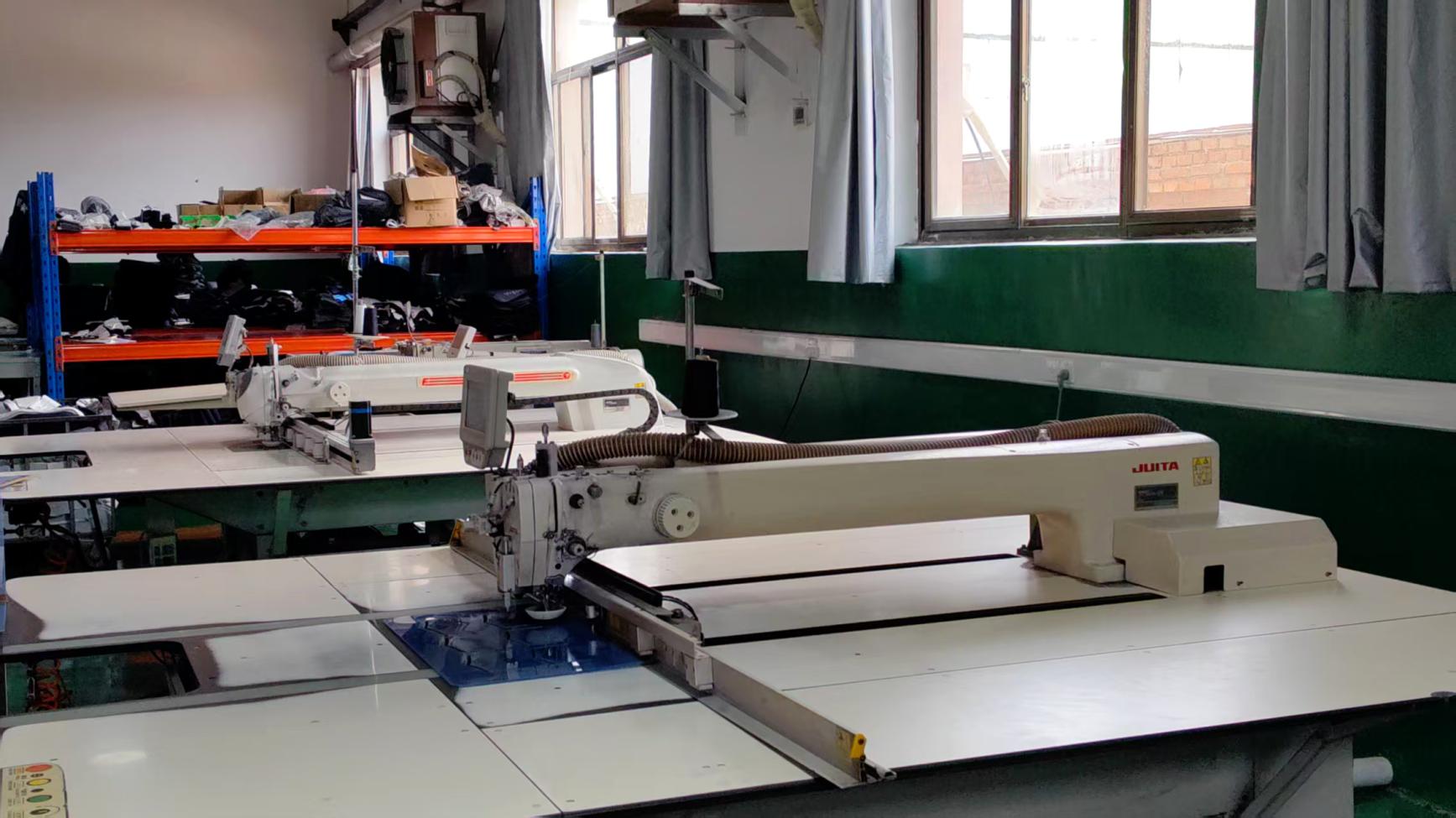
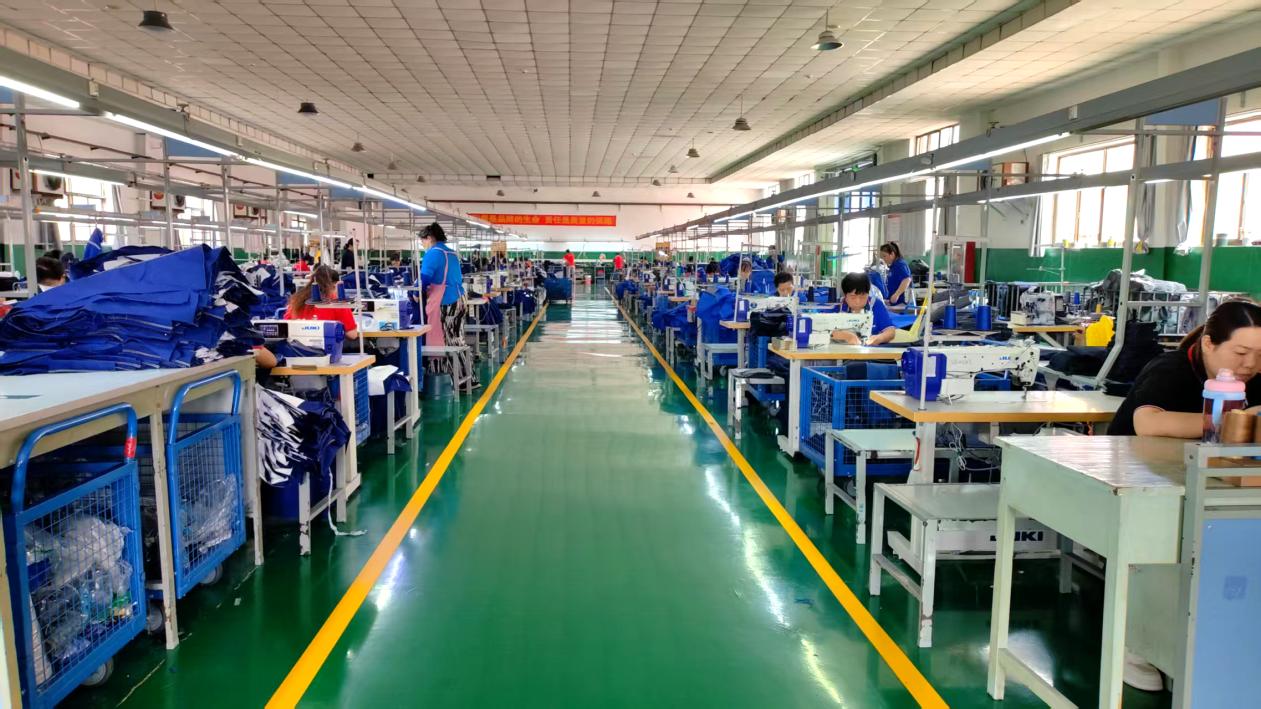
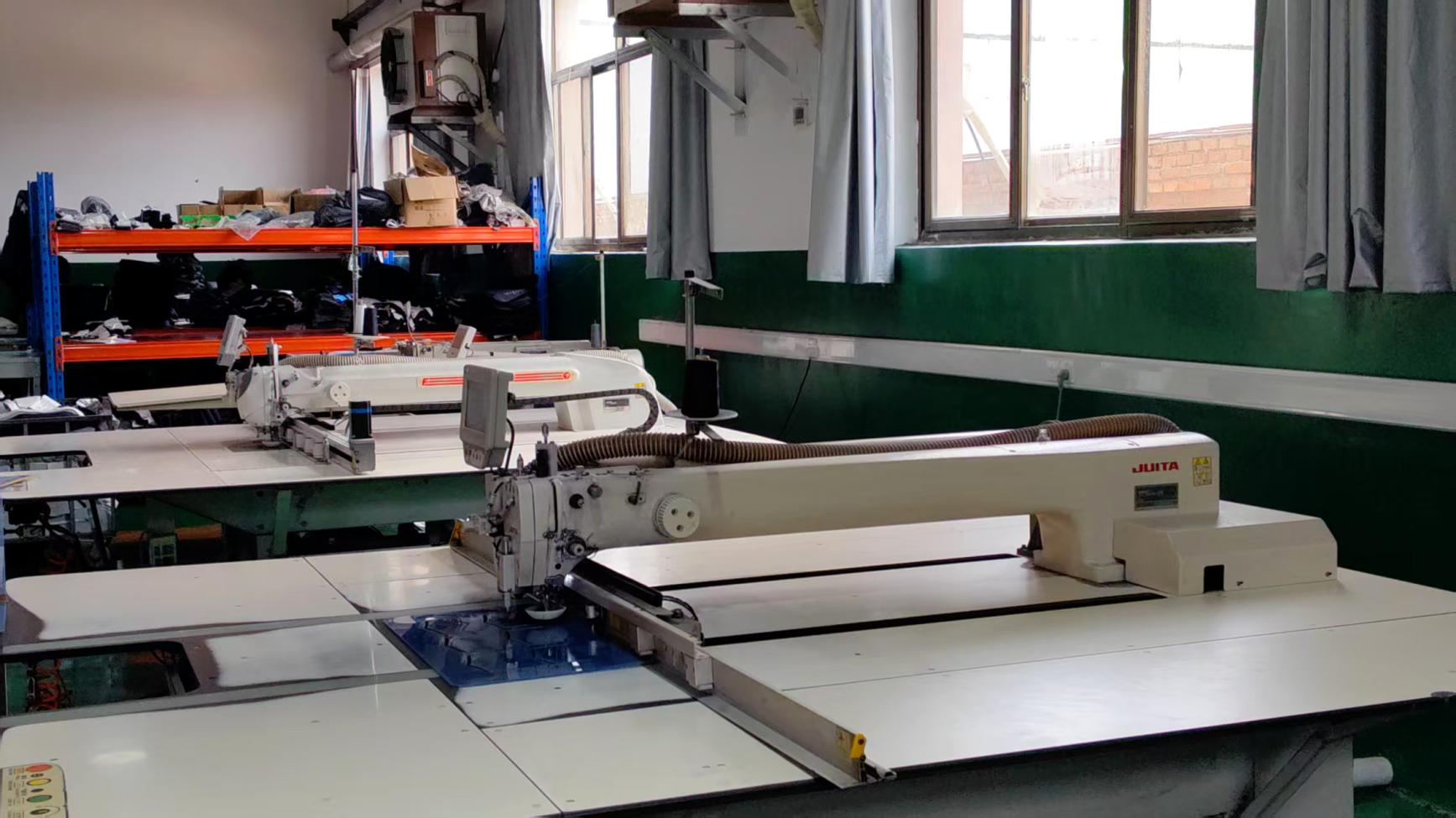
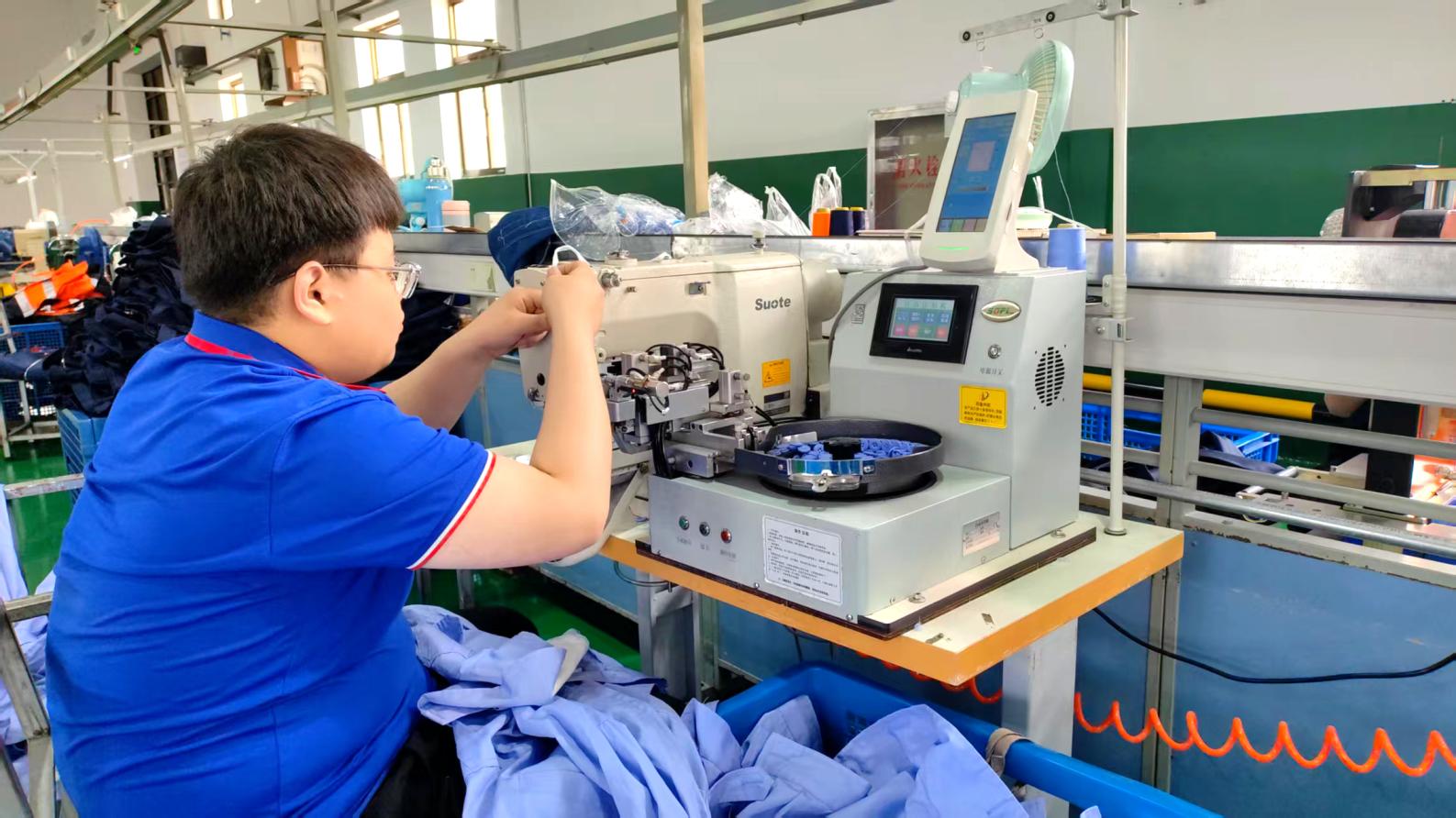
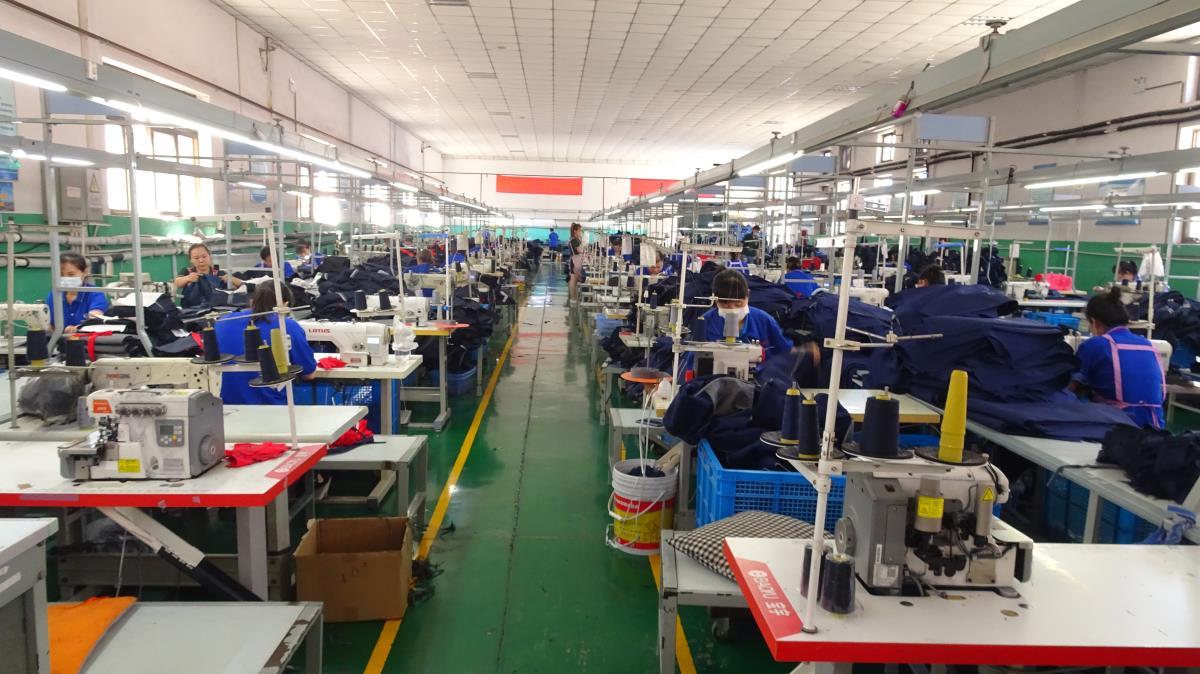
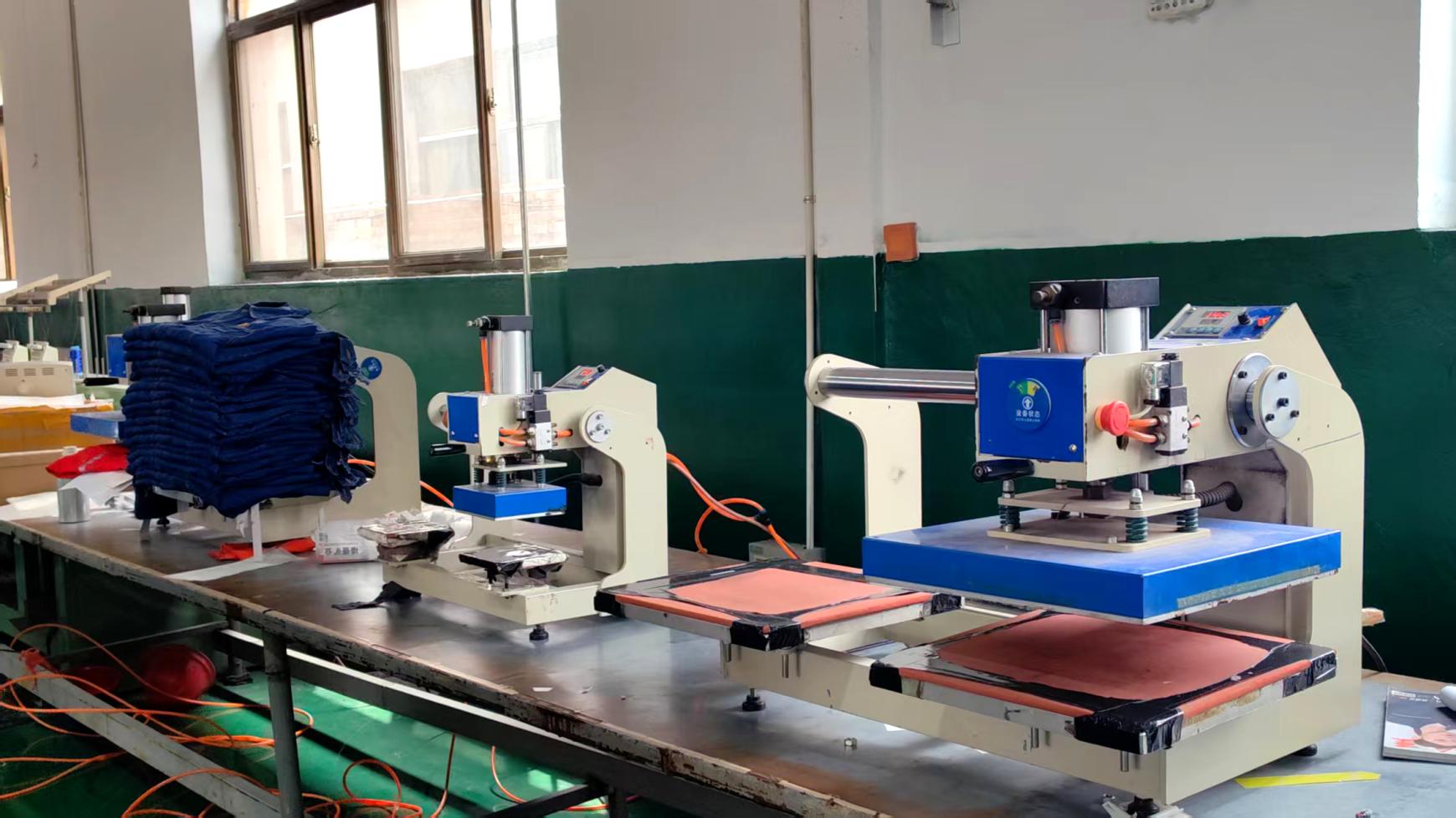
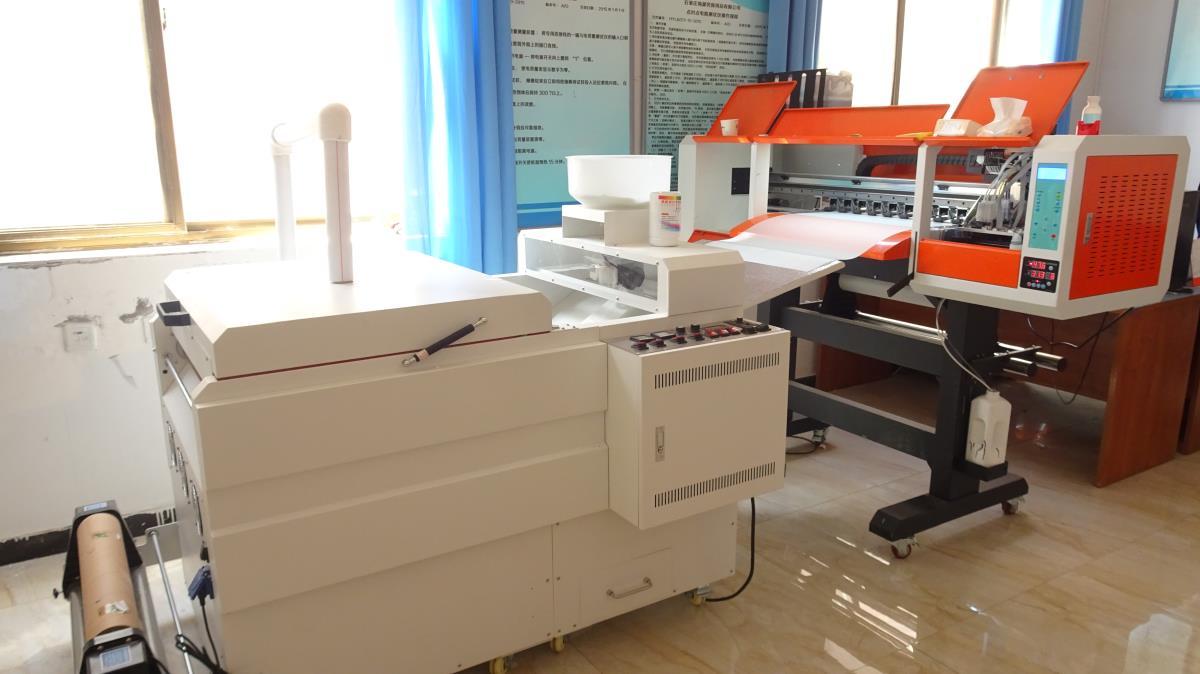
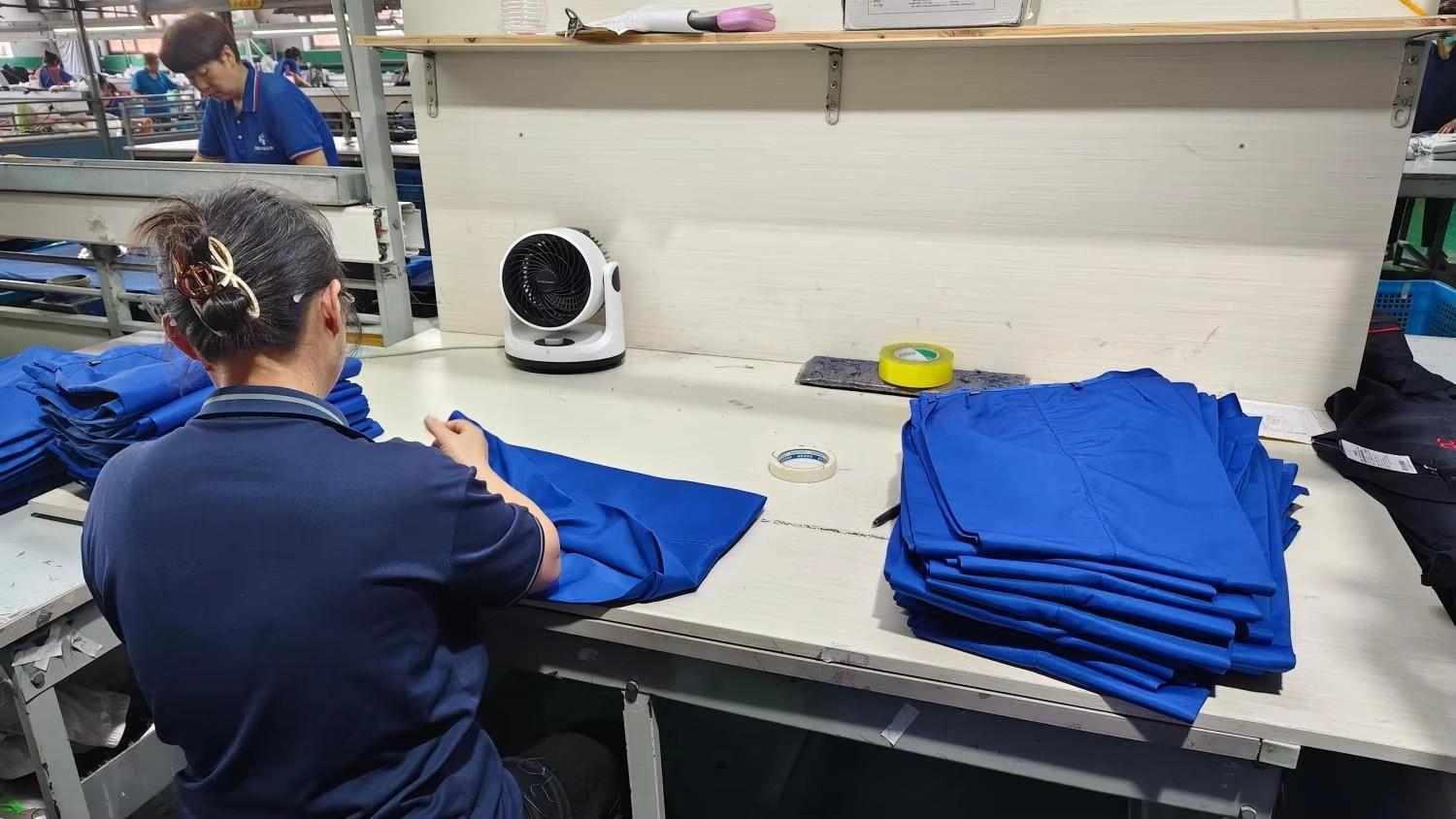
Established in 2006, Guangdong Barjeel Fashion Co., Ltd. is a modern apparel manufacturing enterprise integrating design, research and development (R&D), production, sales, and supply chain services. Our factory operates a state-of-the-art manufacturing facility covering approximately 3,600 square meters, utilizing an optimized, lean production layout derived from modern manufacturing principles to ensure efficiency and zero-waste output.
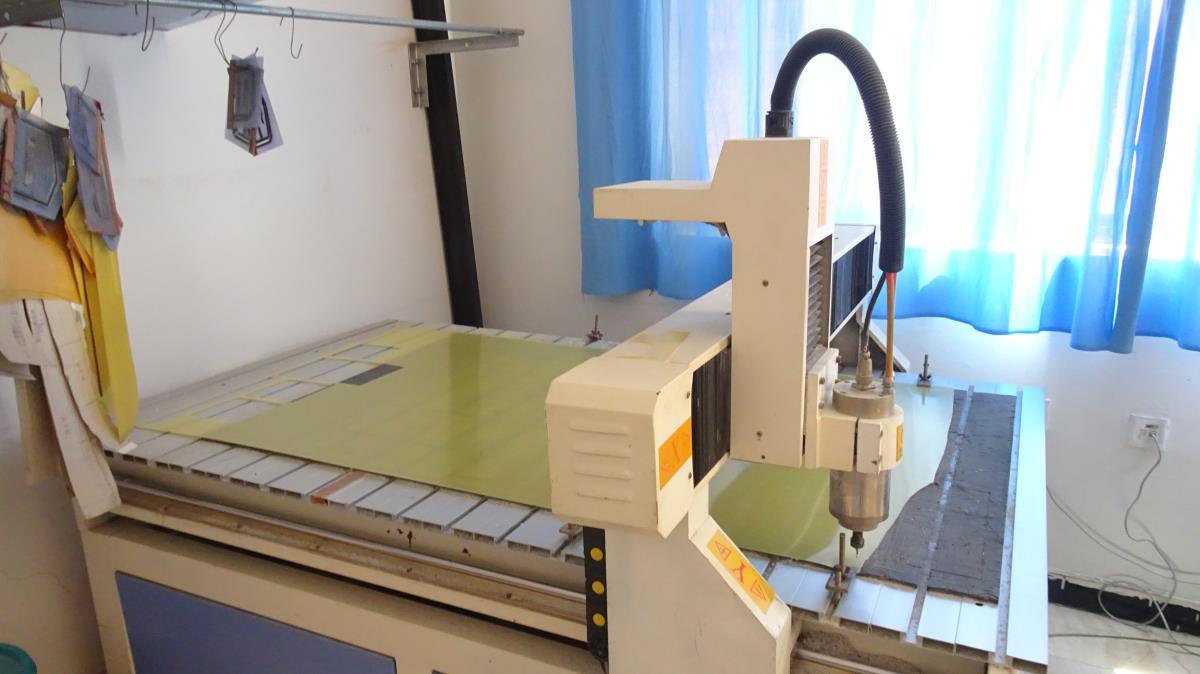
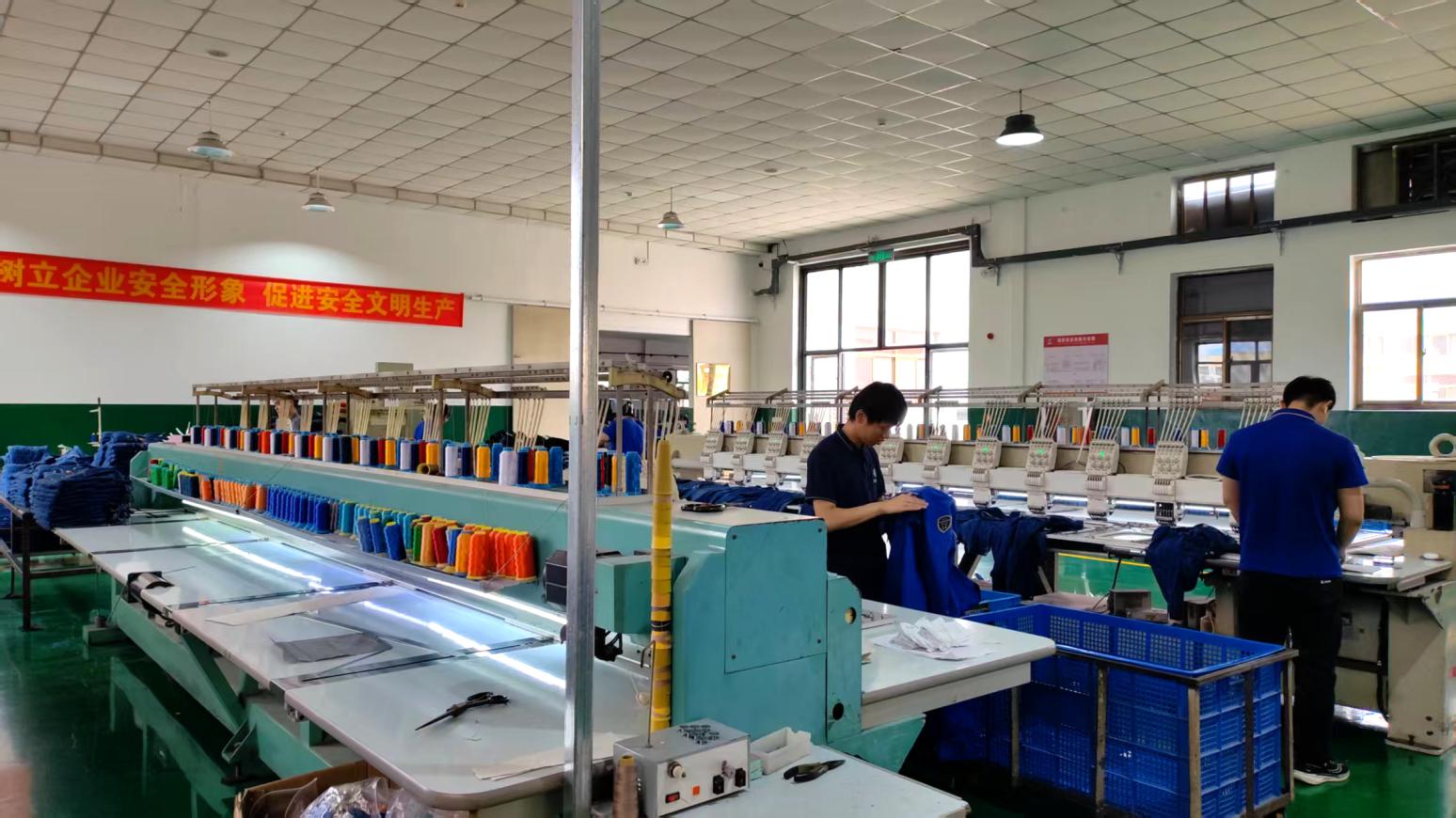
Our infrastructure features standardized production workshops, clean climate-controlled inspection rooms, and specialized automation machinery. Through a dedicated R&D team and a highly skilled production workforce, we cover the entire garment lifecycle—from computerized pattern plotting and automated material cutting to laser engraving, bespoke tailoring, and precision hand-finishing. We maintain strict quality control loops at every processing stage to ensure every blazer exported to Nagoya meets the highest corporate standards.
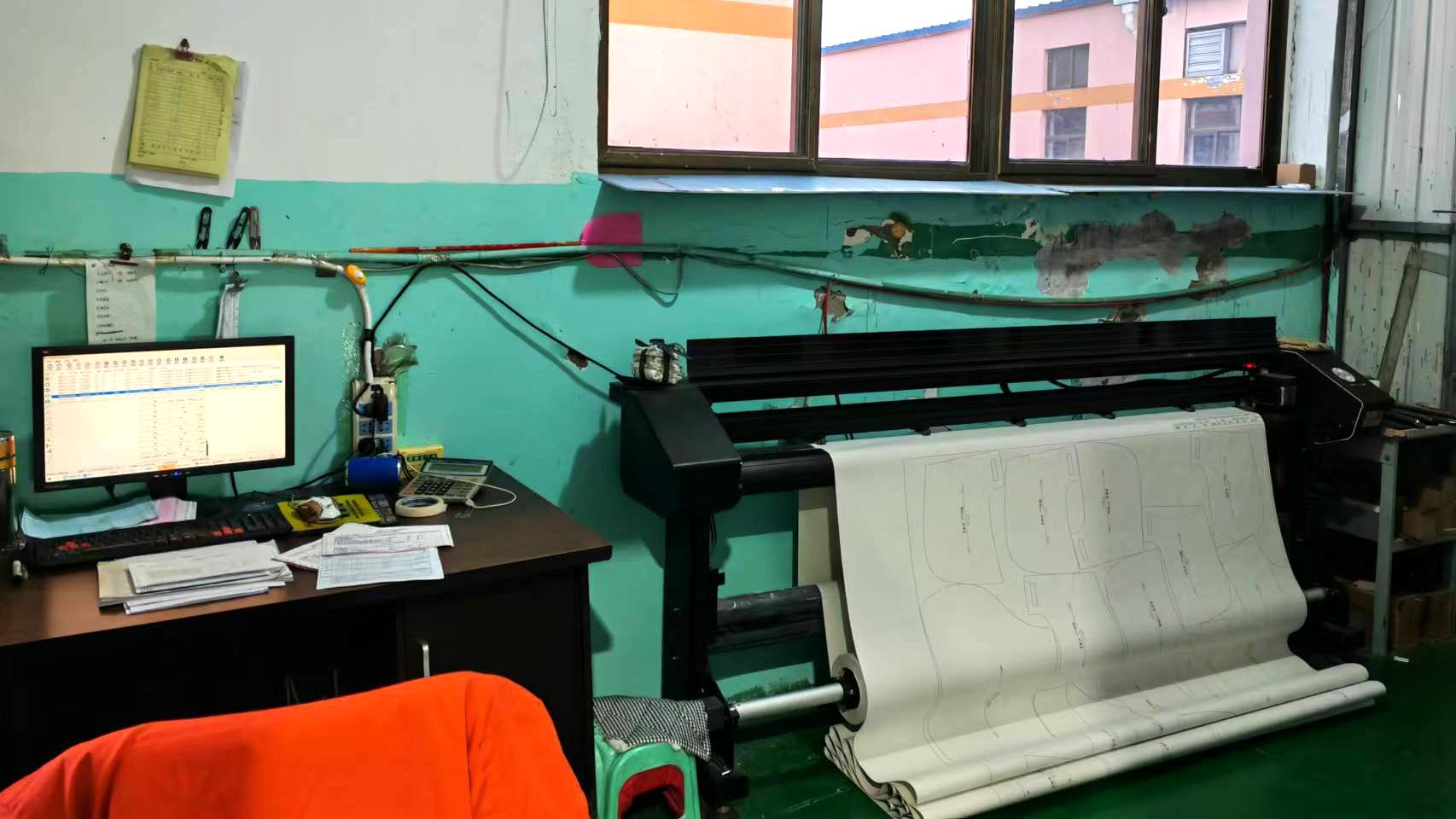
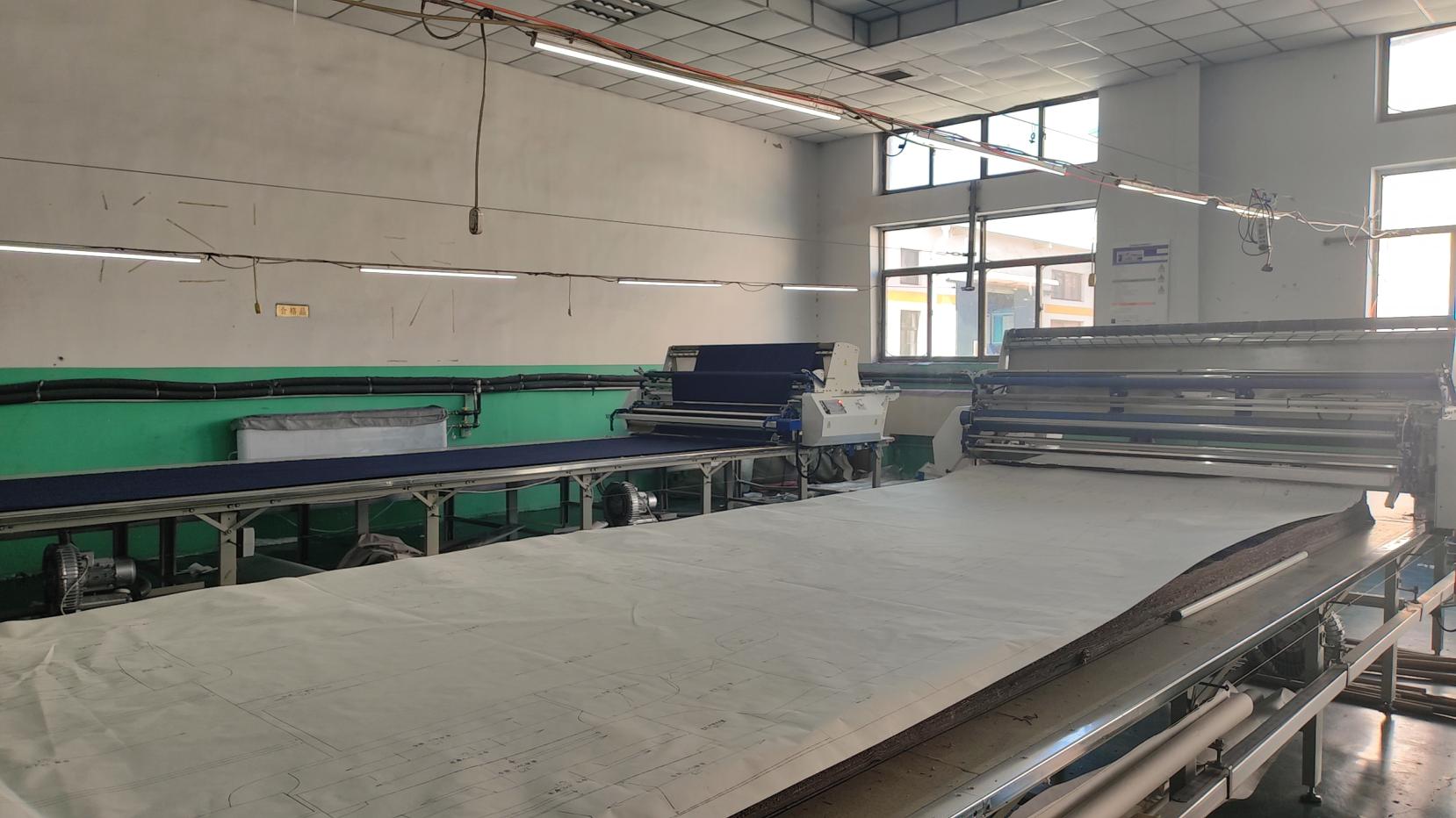
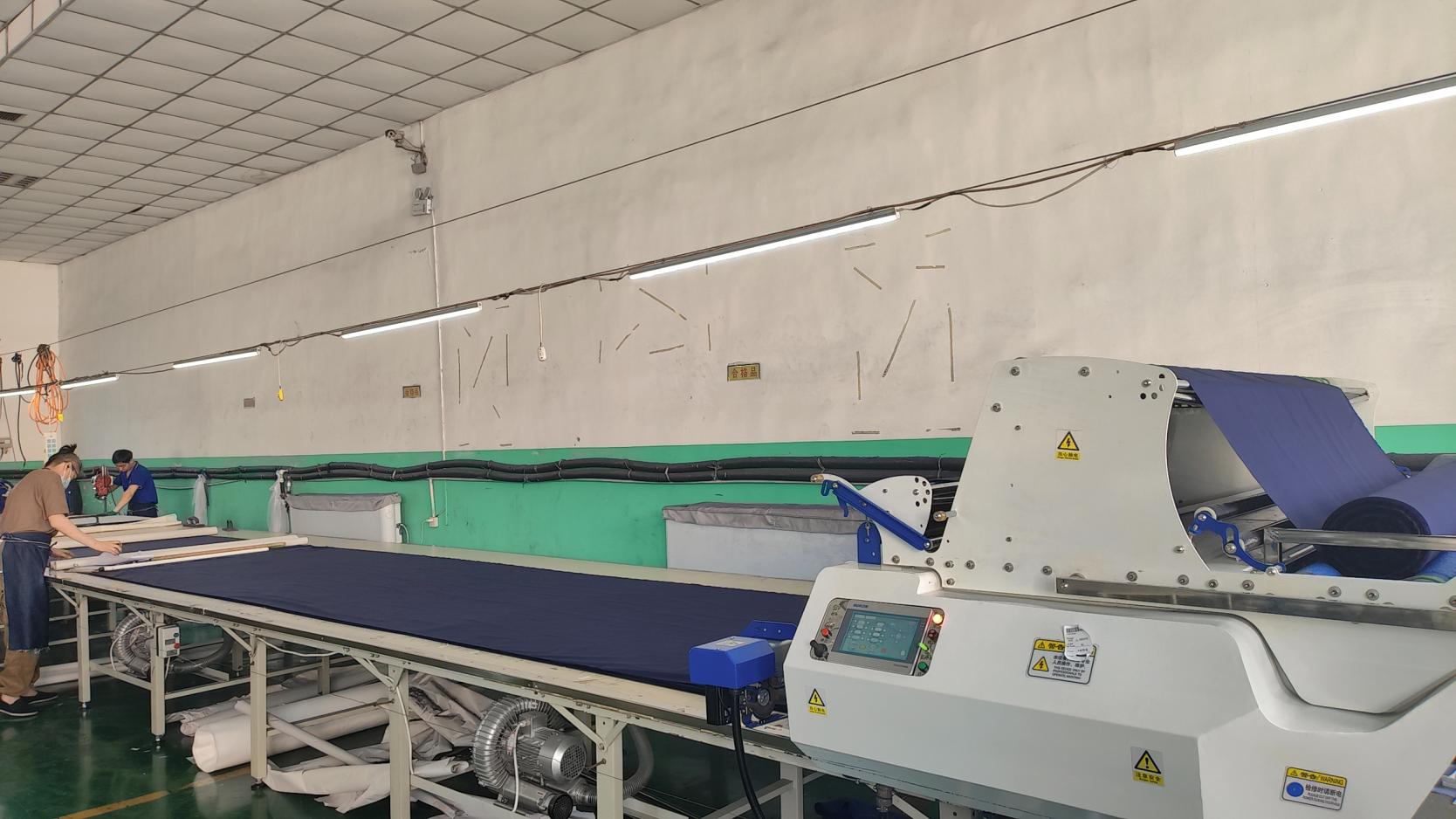
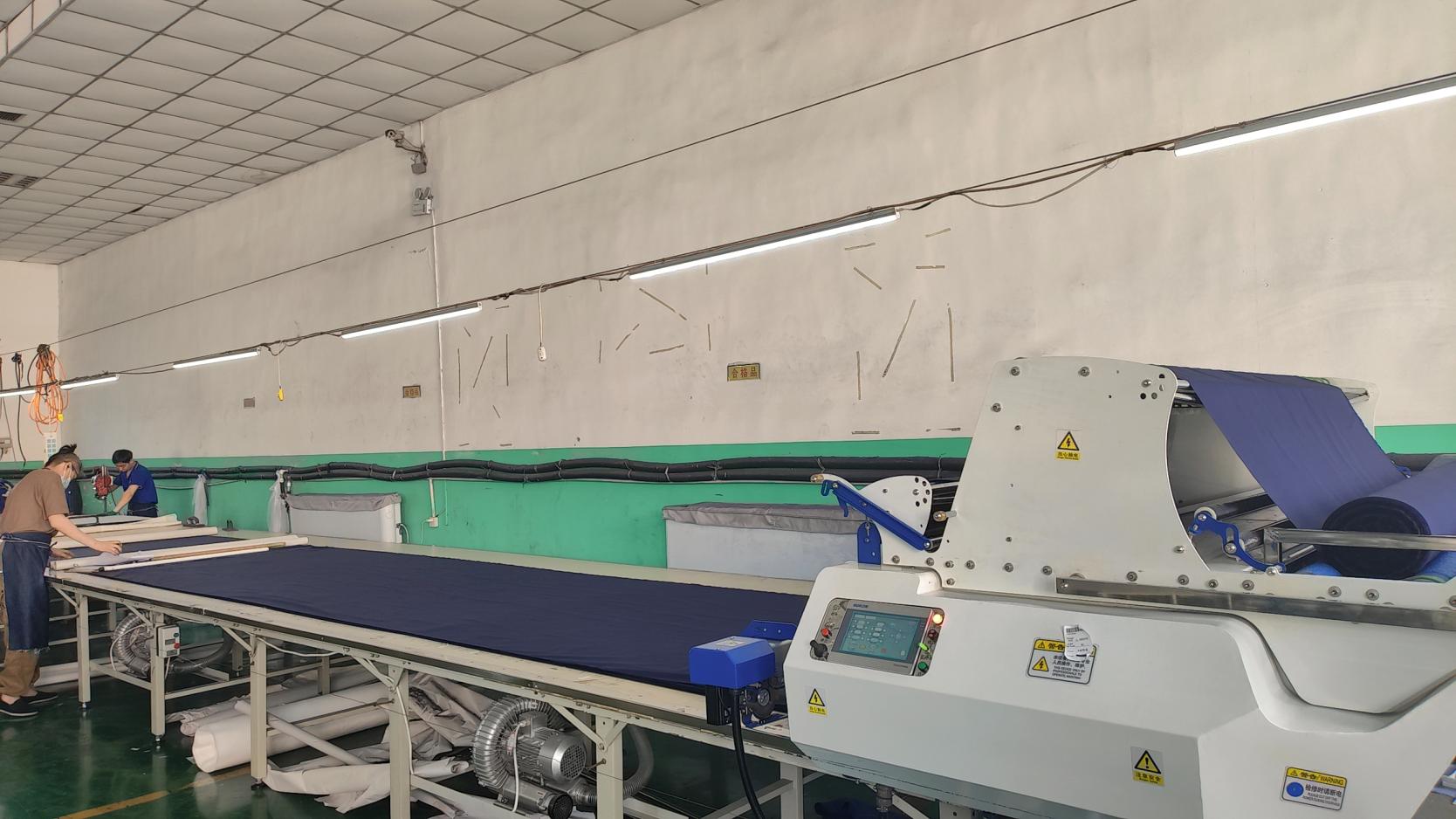
For B2B procurement managers sourcing corporate garments from Guangdong to Aichi, the critical differentiator lies in fabric technology. At Barjeel Fashion, our technical fabrics undergo rigorous laboratory validation. We focus heavily on three major pillars of modern apparel engineering:
In Nagoya, the outdoor-indoor temperature differentials can be extreme, especially during winter when dry winds blow from the north and office heating is fully engaged. Our solution involves the deployment of phase-change materials (PCMs) and breathable wool-polyester composite matrices. By using hollow-core fiber technologies, our jackets trap insulating air pockets during cold commutes, while venting heat inside high-rise offices to prevent sweat build-up.
Business travel between Nagoya, Tokyo, and Osaka demands tailoring that withstands extended periods of transit. Our blazers utilize a high-torsion elastane blend woven directly into premium combed wool or recycled marine polyesters. This yields a structural memory framework: the fabric resists folding stress and automatically recovers its flat, pressed shape overnight, completely bypassing the need for steam ironing.
Japanese conglomerates (Sogo Shosha) enforce strict corporate social responsibility (CSR) guidelines regarding textile origins. We satisfy these mandates by sourcing GRS-certified recycled fibers and utilizing eco-friendly dyes that are free of alkylphenol ethoxylates (APEO) and formaldehyde. Our production carries full **OEKO-TEX Standard 100** certification, facilitating effortless clearance at Japanese customs and appealing to Nagoya's increasingly eco-conscious consumer base.
Customization & Sizing Specifications for Japan:
Our pattern drafting systems utilize localized East Asian anthropometric sizing databases, adjusting shoulder slopes, sleeve lengths, and chest silhouettes to fit Japanese body profiles comfortably without sagging or pulling.
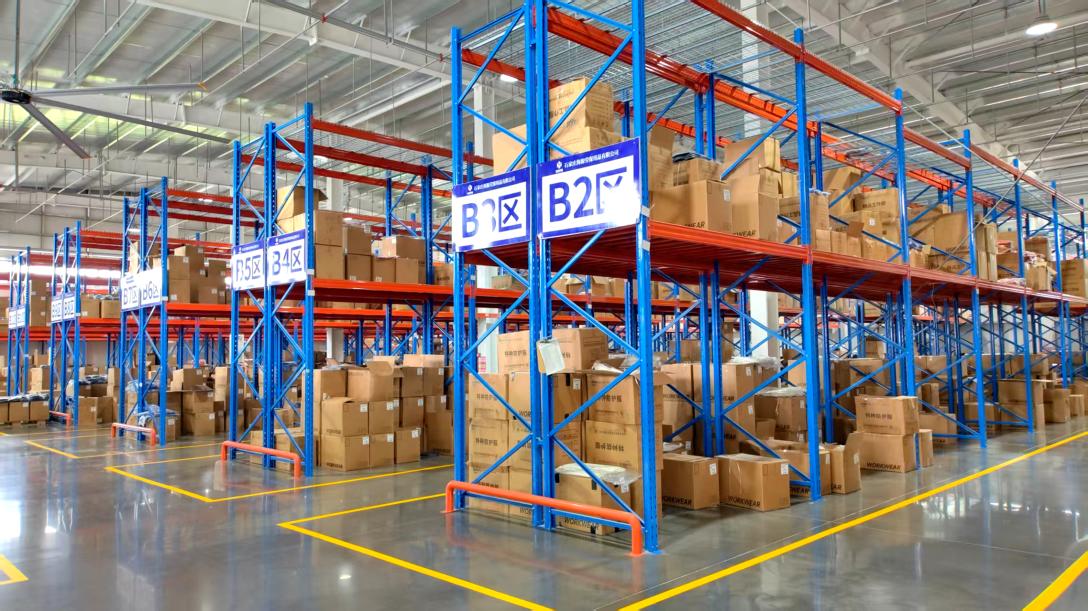
Exporting to Nagoya requires structured logistics management. Guangdong Barjeel Fashion leverages the proximity of the Guangzhou-Shenzhen port cluster to orchestrate frequent maritime shipping lines to the **Port of Nagoya**, Japan's largest port by cargo throughput. We optimize packing utilizing moisture-absorbent silica gel cartridges and heavy-duty, double-walled export cartons to guarantee that products arrive in pristine condition, ready for direct distribution to retail floors or corporate lockers.
Furthermore, under the **Regional Comprehensive Economic Partnership (RCEP)** agreement, tariffs on textile and apparel exports between China and Japan are subject to phased reductions. Our logistics desk provides correct Certificates of Origin (Form RCEP) to ensure clients leverage lowered tariff rates, optimizing the final landed cost for importers in Nagoya.
Explore our complete catalog of performance outerwear, casual tailoring, and office garments. Customized sizes and technical modifications are available upon corporate inquiry.
In step with Nagoya's leadership in robotics and automation, the next phase of corporate fashion involves digitalization. Guangdong Barjeel Fashion Co., Ltd. is actively investing in the integration of digital systems across our design and sewing departments. This technological roadmap includes three primary pillars:
To assist Nagoya procurement desks and retail buyers, we have gathered key questions regarding global logistics, compliance, and material capabilities:
For initial OEM/ODM orders, our standard timeline is 7–10 days for sample development and pattern approval. Upon approval, bulk manufacturing typically takes 25–35 days, depending on volume. Maritime transit from Shenzhen port to the Port of Nagoya takes roughly 5–7 days, facilitating quick seasonal restocking.
Yes. We have developed specialized Japanese standard sizing charts (covering S, M, L, LL, 3L configurations for both men and women) that utilize localized anthropometric data. This ensures precise fits at the shoulders and sleeves, aligning with the clean, professional silhouette favored in Sakae corporate offices.
Absolutely. All our dyed materials comply with the Japanese Ministry of Health, Labour and Welfare's limits on harmful chemical residues (such as specific azo colorants). We carry OEKO-TEX Standard 100 verification, guaranteeing that the garments are completely safe and retail-ready for Japanese markets.
To support both boutique fashion houses and large enterprise programs, we offer flexible MOQ tiers. Generally, our MOQ starts at 100 units per colorway for customized configurations, with lower minimums available for standard fabrics from our stock program.