Barjeel Fashion
Barjeel Fashion
Barjeel Fashion
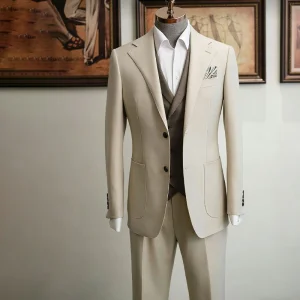
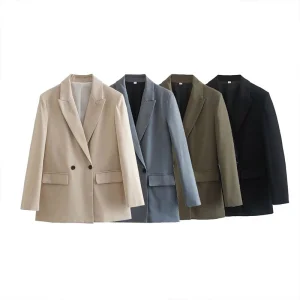
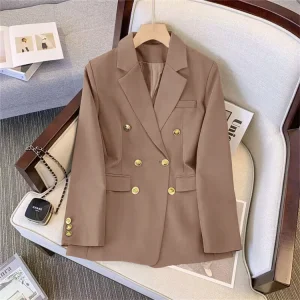
Poland has emerged as a cornerstone of European apparel nearshoring and logistics. Driven by its proximity to the largest retail markets in Western Europe—primarily Germany, France, and Scandinavia—Poland's garment industry blends premium tailoring craftsmanship with quick-response production logistics. Cities like Łódź, Warsaw, and Poznań hold deep historical roots in textile and apparel manufacturing, making the country a vital node in modern fashion supply networks.
However, rising operational overheads, escalating energy costs, and regional labor shortages within Eastern Europe have shifted the local landscape. Contemporary Polish brands and institutional procurers are increasingly transitioning from purely domestic production lines to hybrid sourcing strategies. This dynamic allows companies to retain localized design oversight and immediate warehouse dispatch inside Poland, while routing core manufacturing stages to ultra-efficient global production bases like China to sustain competitive market pricing.
Poland serves as the logistics gateway to the EU, offering direct rail access from Asia via Małaszewicze.
Post-pandemic commercial shifts have redefined the structured tailoring segment. The lines separating formal corporate wear, daily business outerwear, and smart-casual street fashion have blurred. Modern blazers and jackets must deliver multi-scenario performance—combining formal aesthetics with comfort, stretch fabrics, machine-washable wool blends, and water-repellent properties.
Additionally, strict environmental guidelines governed by the European Green Deal have elevated the importance of sustainable raw materials. Global retailers and B2B corporate buyers now demand OEKO-TEX® Standard 100 certifications, recycled polyester options (GRS certified), and fully transparent supply chain reporting. Manufacturing entities that cannot trace their fabric origins from yarn to finished blazer are rapidly losing market access.
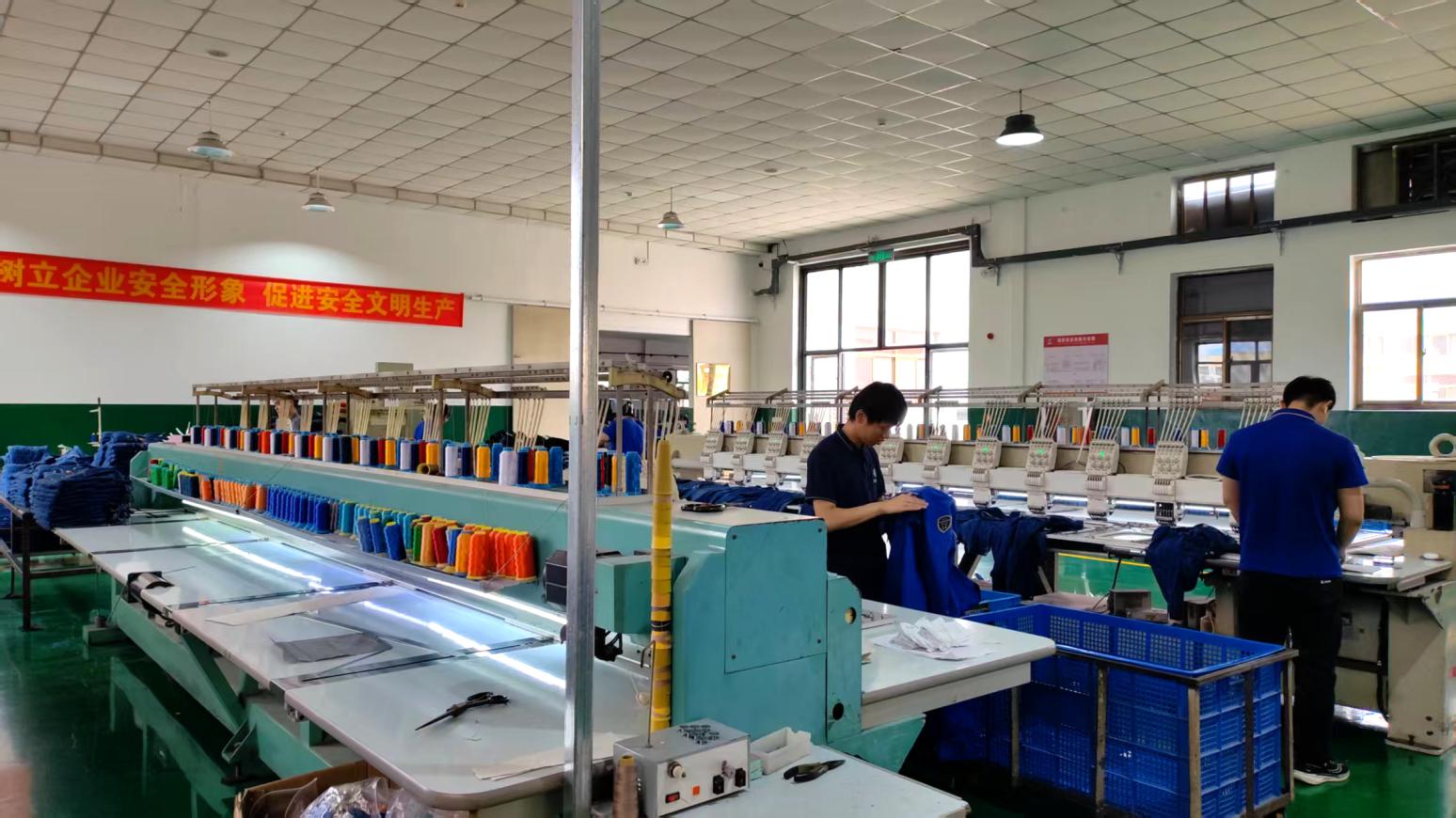
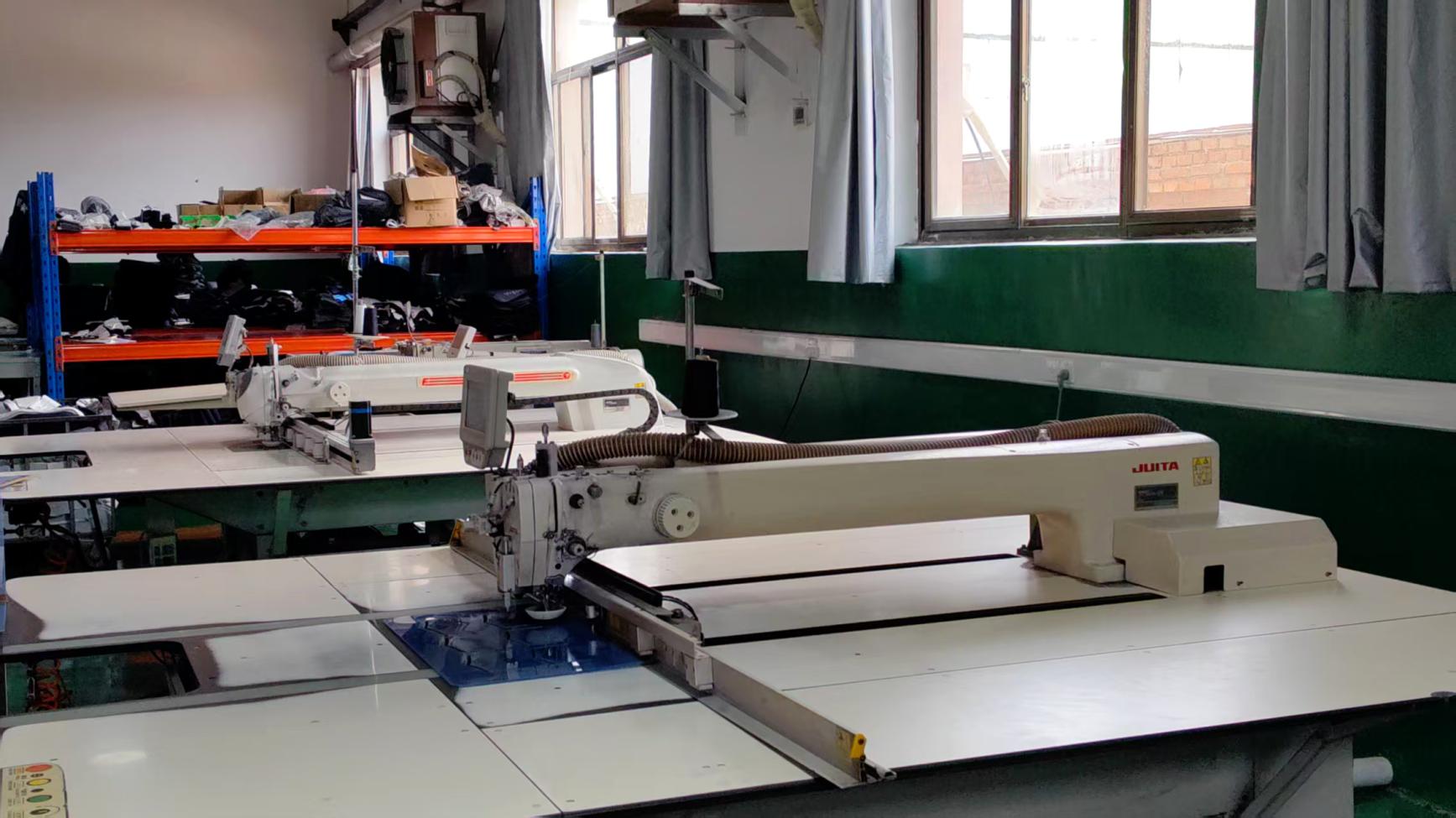
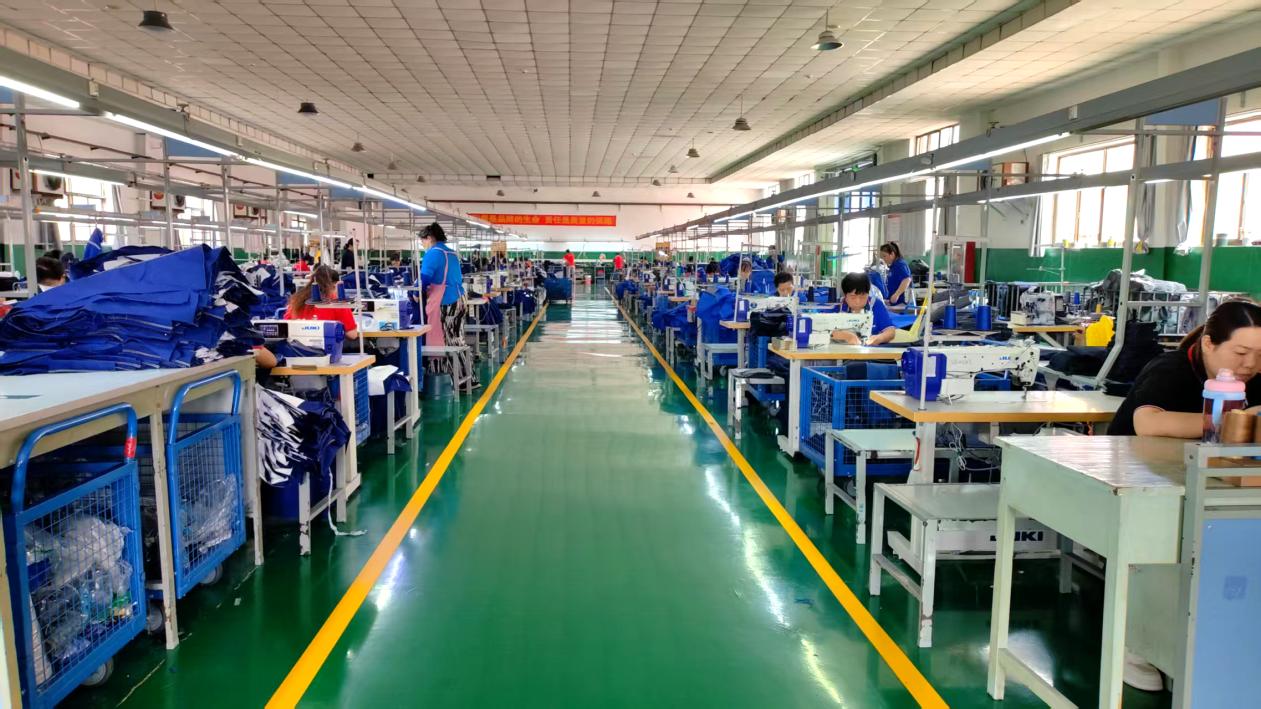
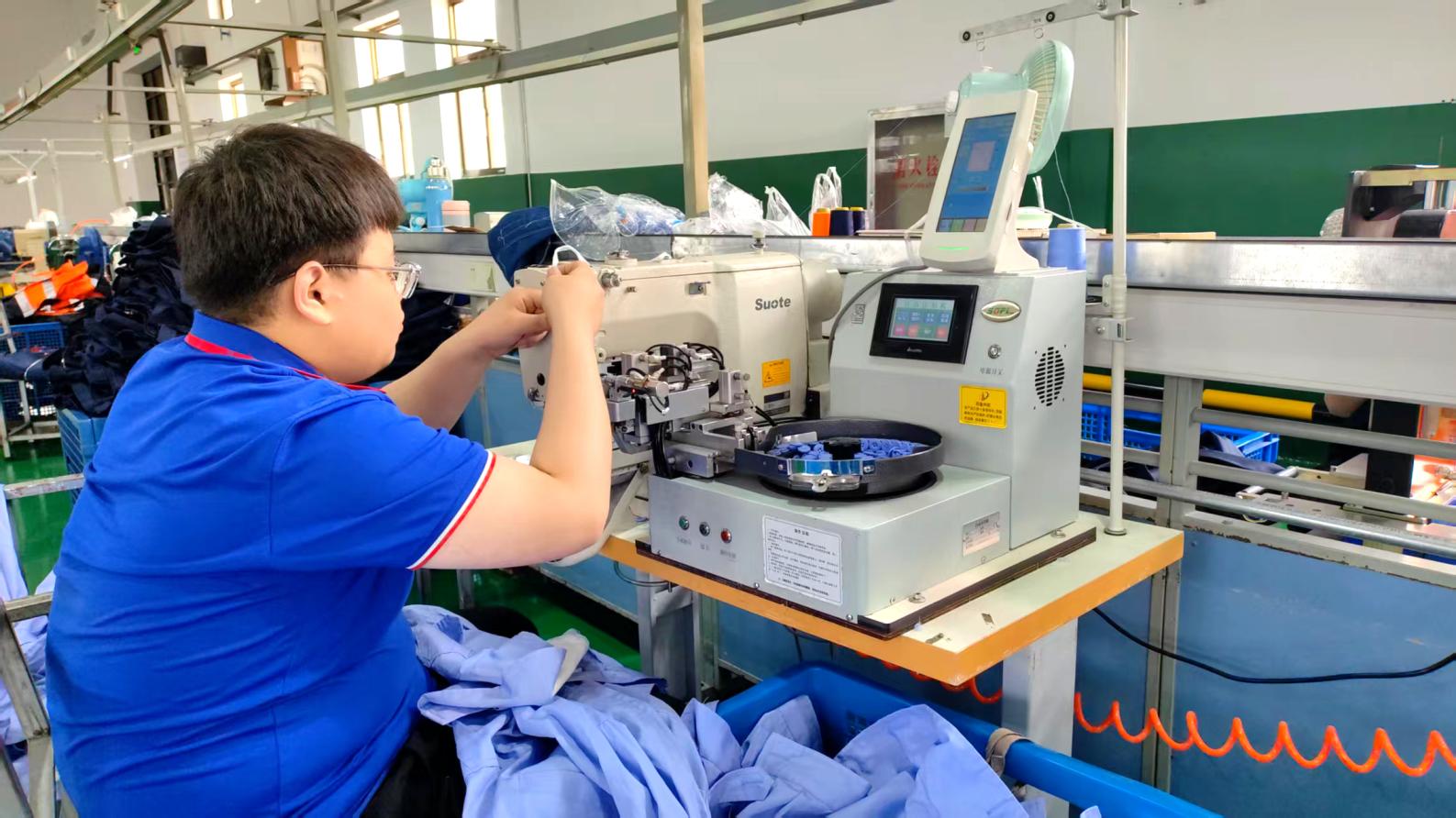
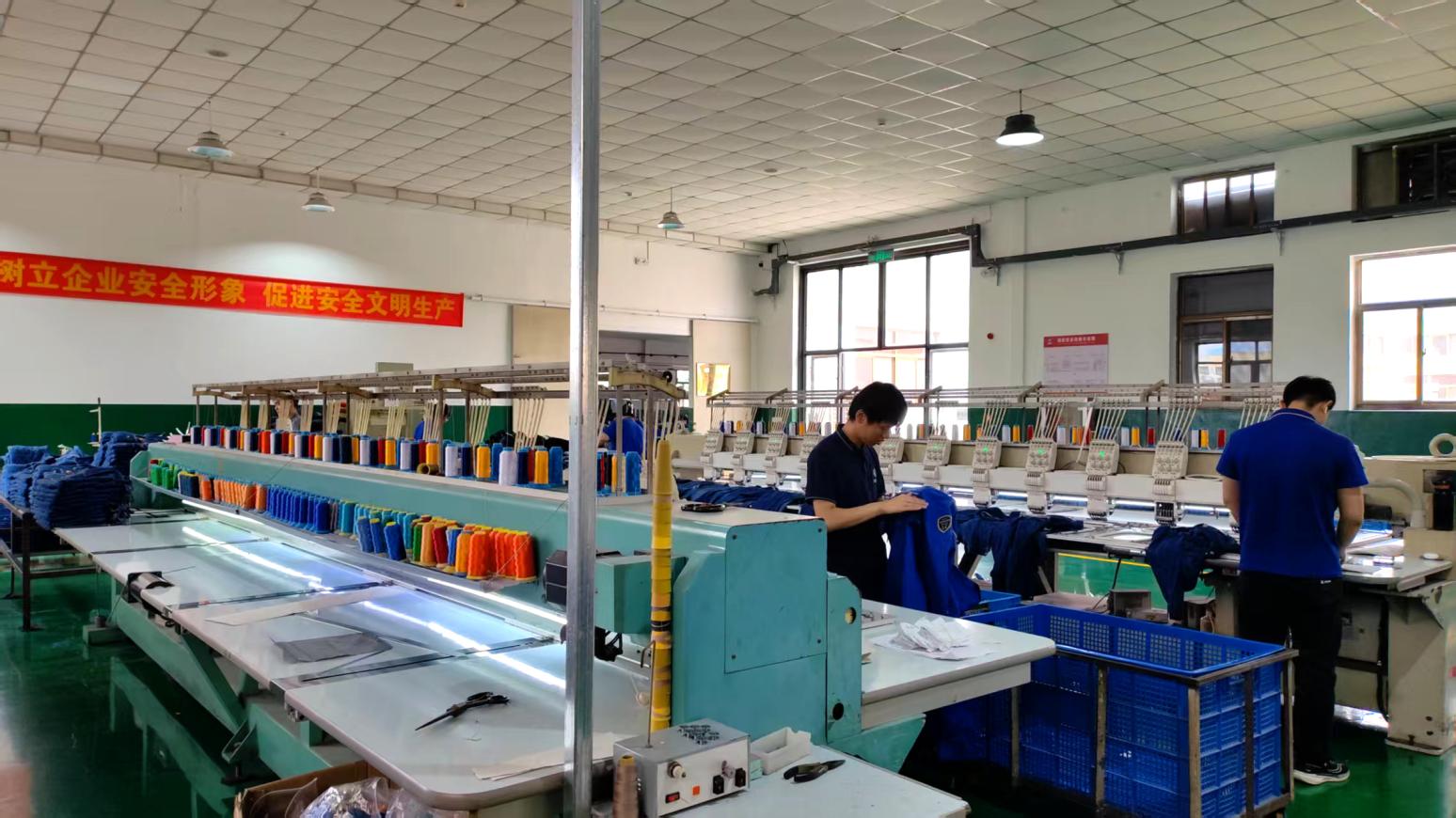
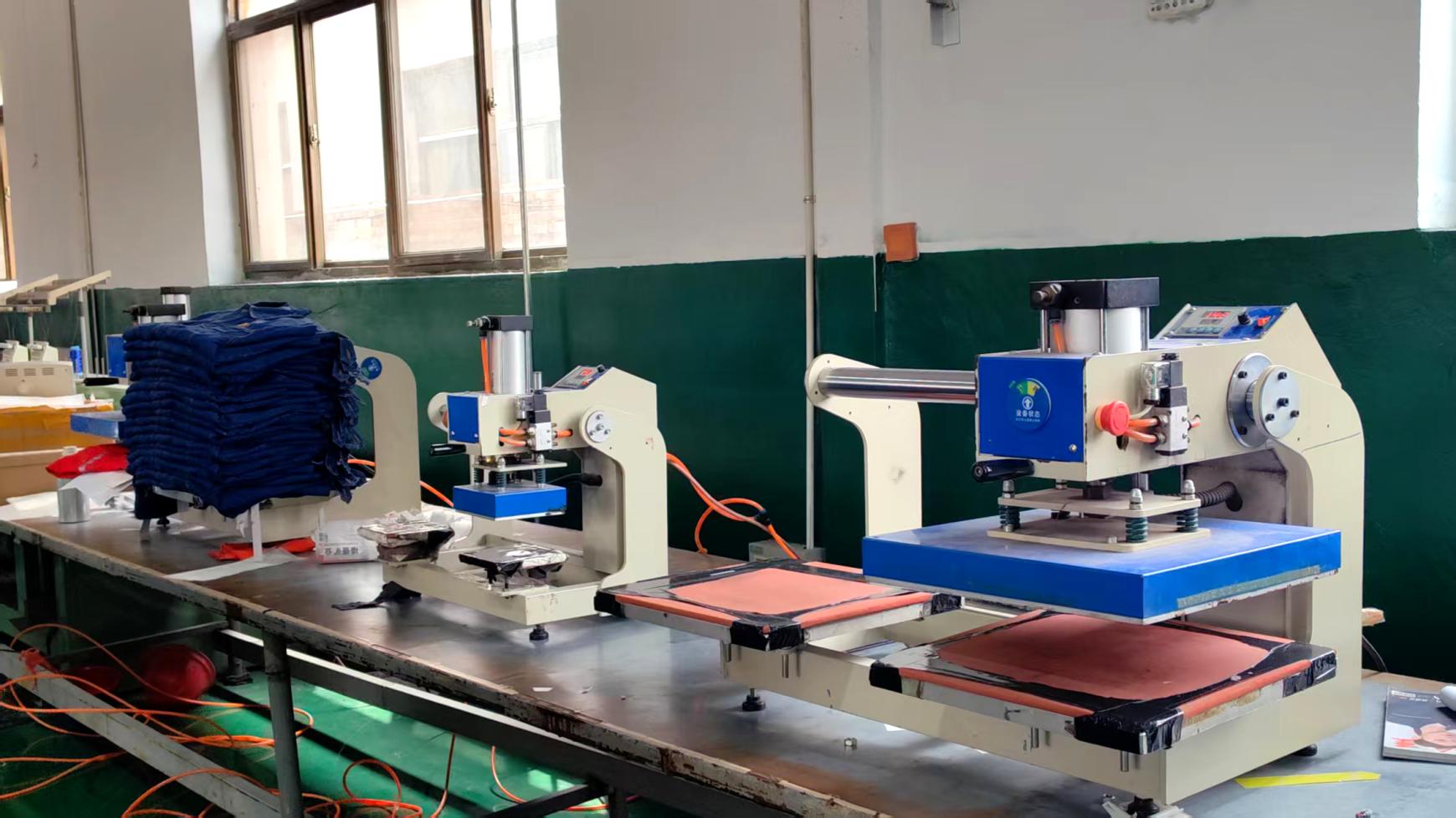
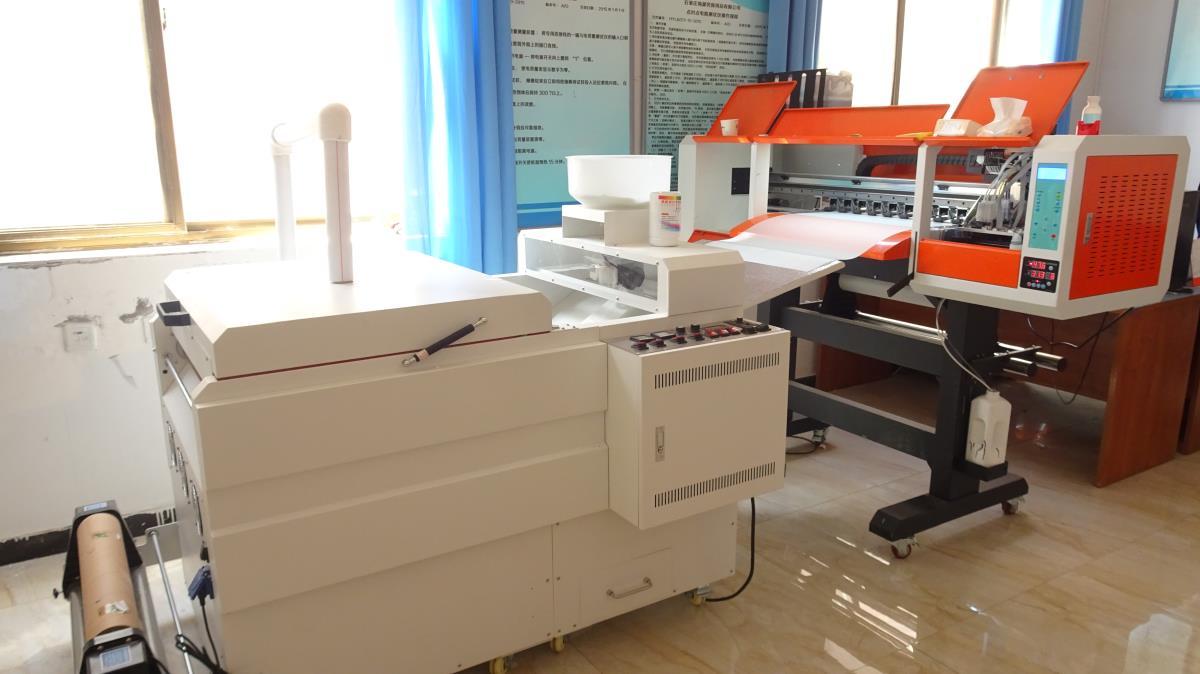
Established in 2006, Guangdong Barjeel Fashion Co., Ltd. is a modern apparel manufacturing enterprise integrating design, research and development (R&D), production, sales, and supply chain services. Operating our own 3,600-square-meter facility with cutting-edge garment equipment, we offer European clients structured, reliable alternatives to costly local production lines.
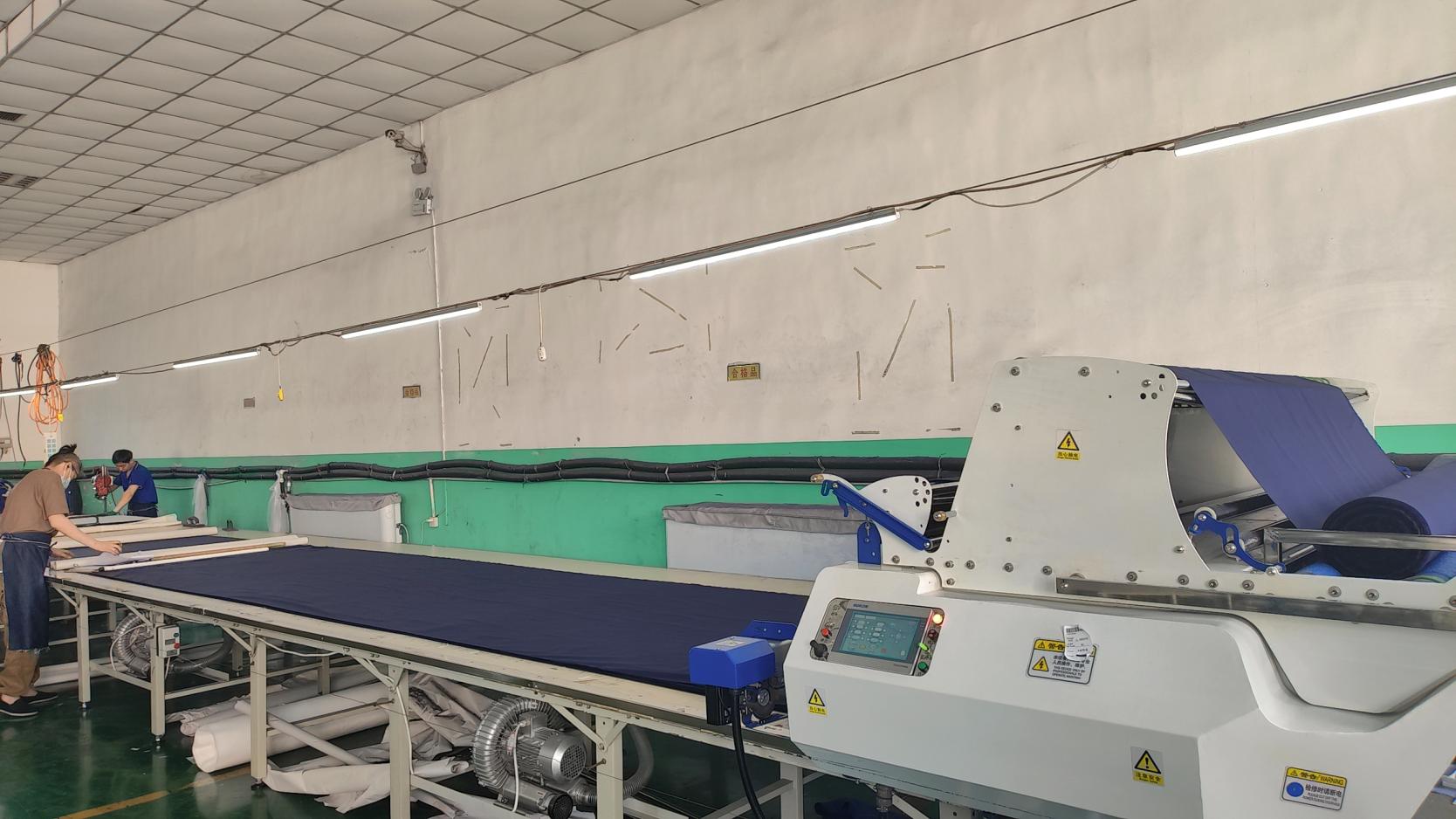
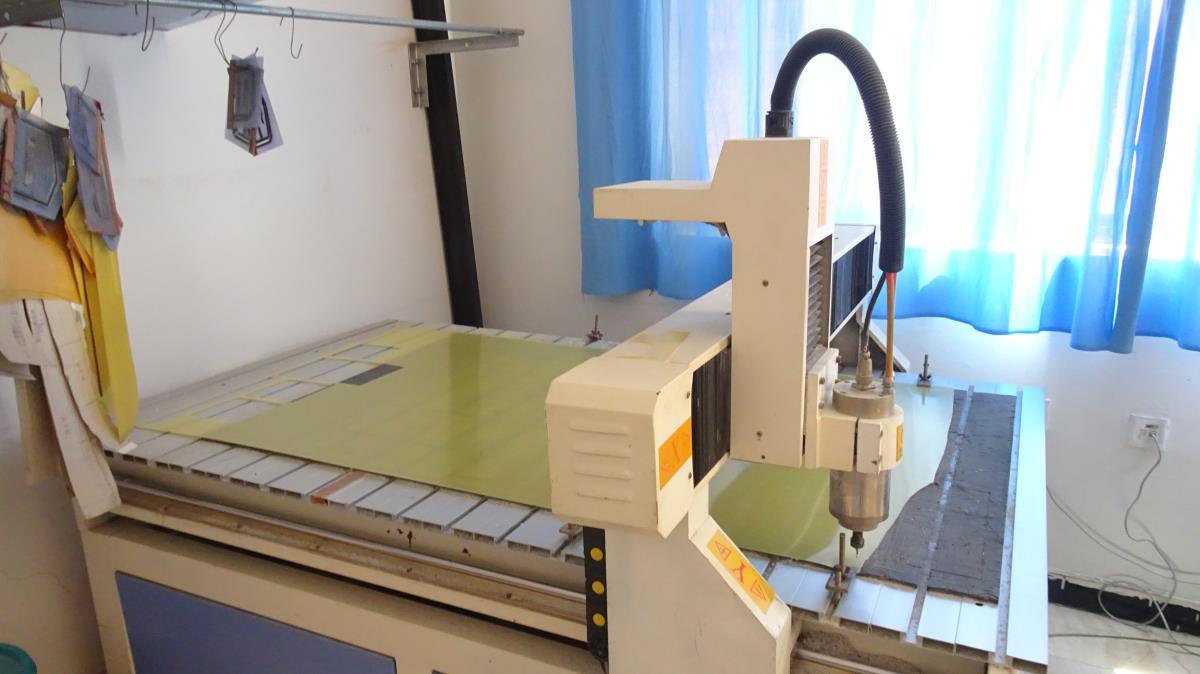
The distinct advantage of outsourcing to Guangdong lies in our proximity to the ultimate textile industrial cluster. With access to millions of fabric varieties, hardware accessories, and high-efficiency machinery in China, we execute prototyping, material sourcing, and scale production at speeds that local European suppliers cannot match. Our structured QA processes, expert pattern designers, and advanced computerized template cutters ensure that every tailored seam aligns with premium European standards.
Using advanced Gerber and Lectra CAD platforms to achieve a standard deviation under 1.5mm, optimizing fabric yields and pattern symmetry.
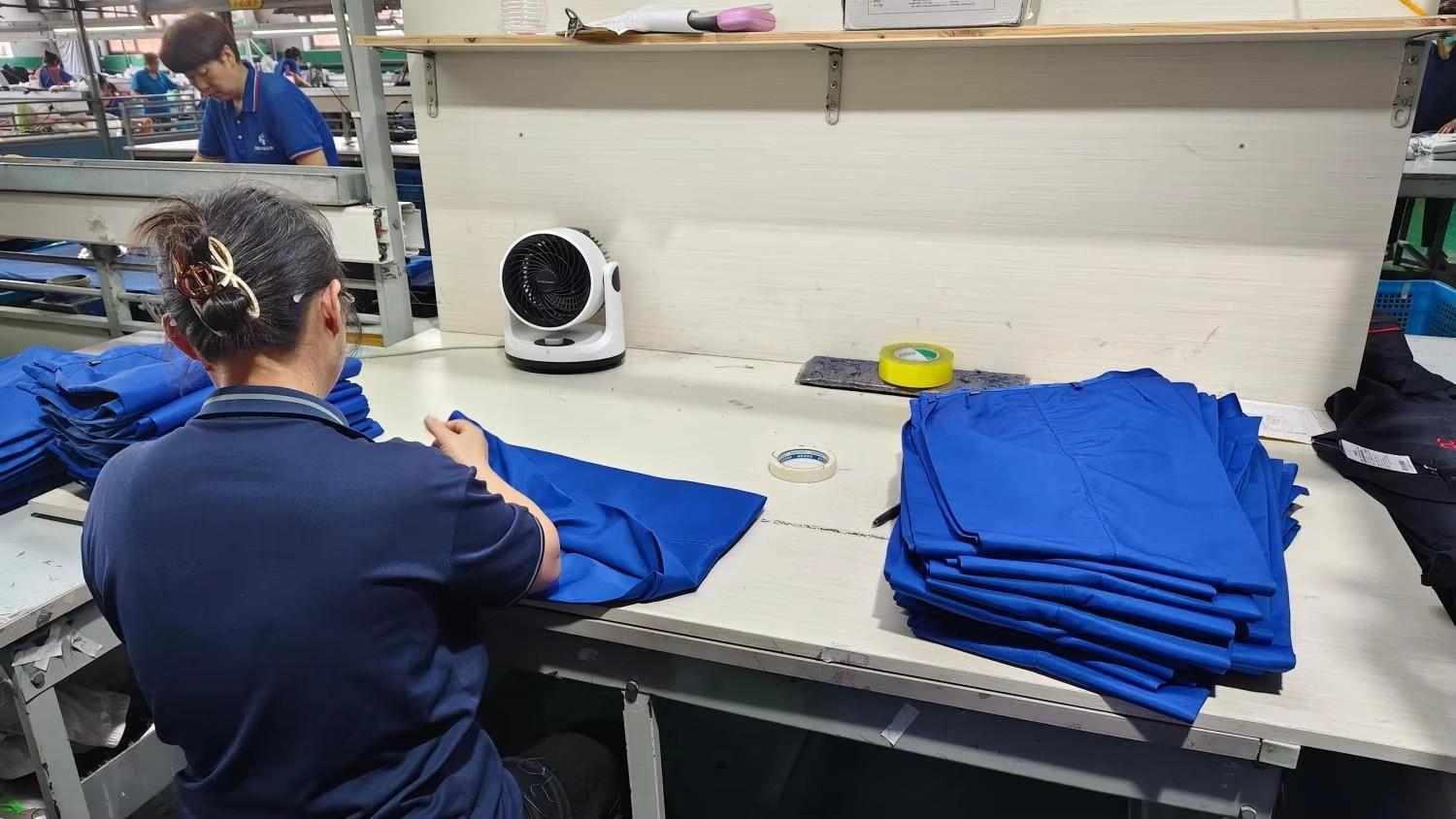
Operating on AQL 1.5 and 2.5 standards, conducting strict 100% fabric inspections for shrinkage, color fastness, and fiber tension before cutting.
Sourcing verified GRS (Global Recycled Standard) and organic cotton fabrics, supporting circular fashion initiatives for the European Union market.
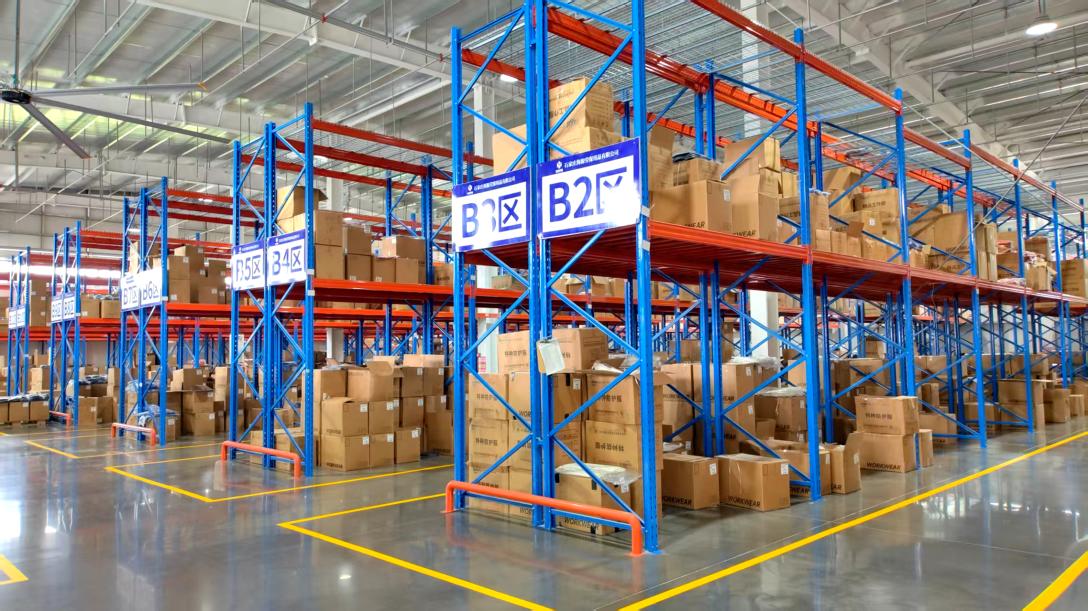
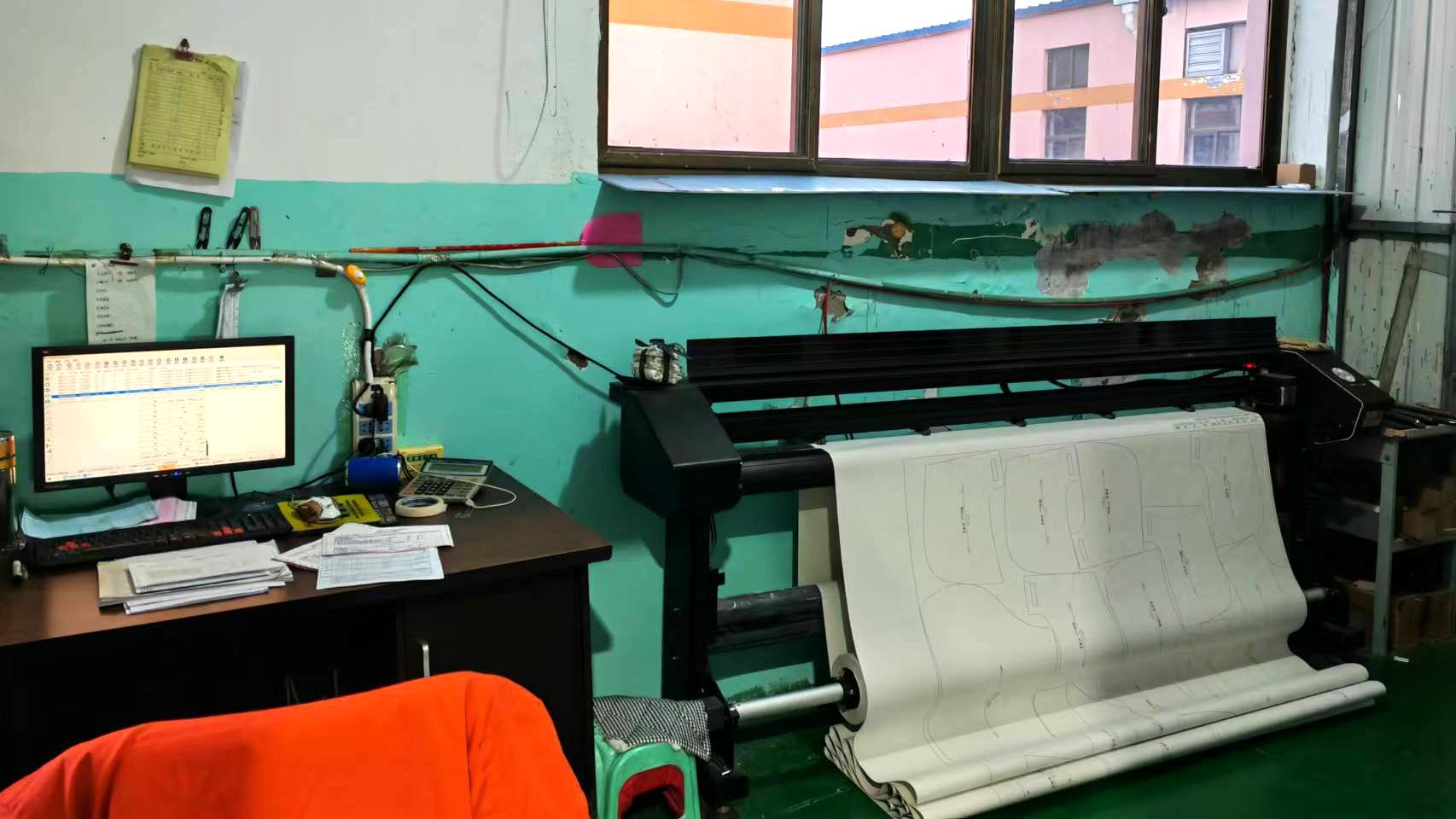
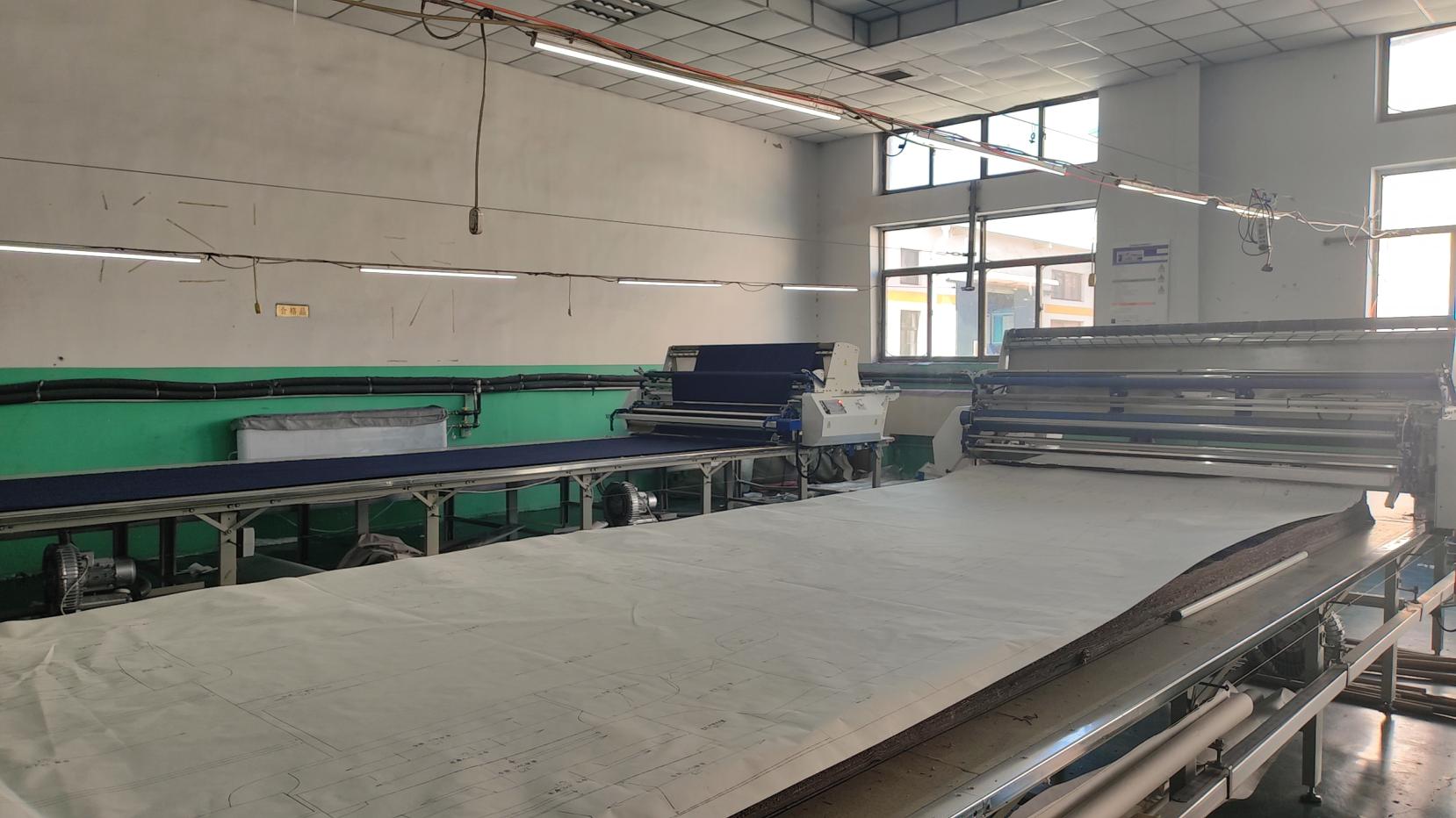
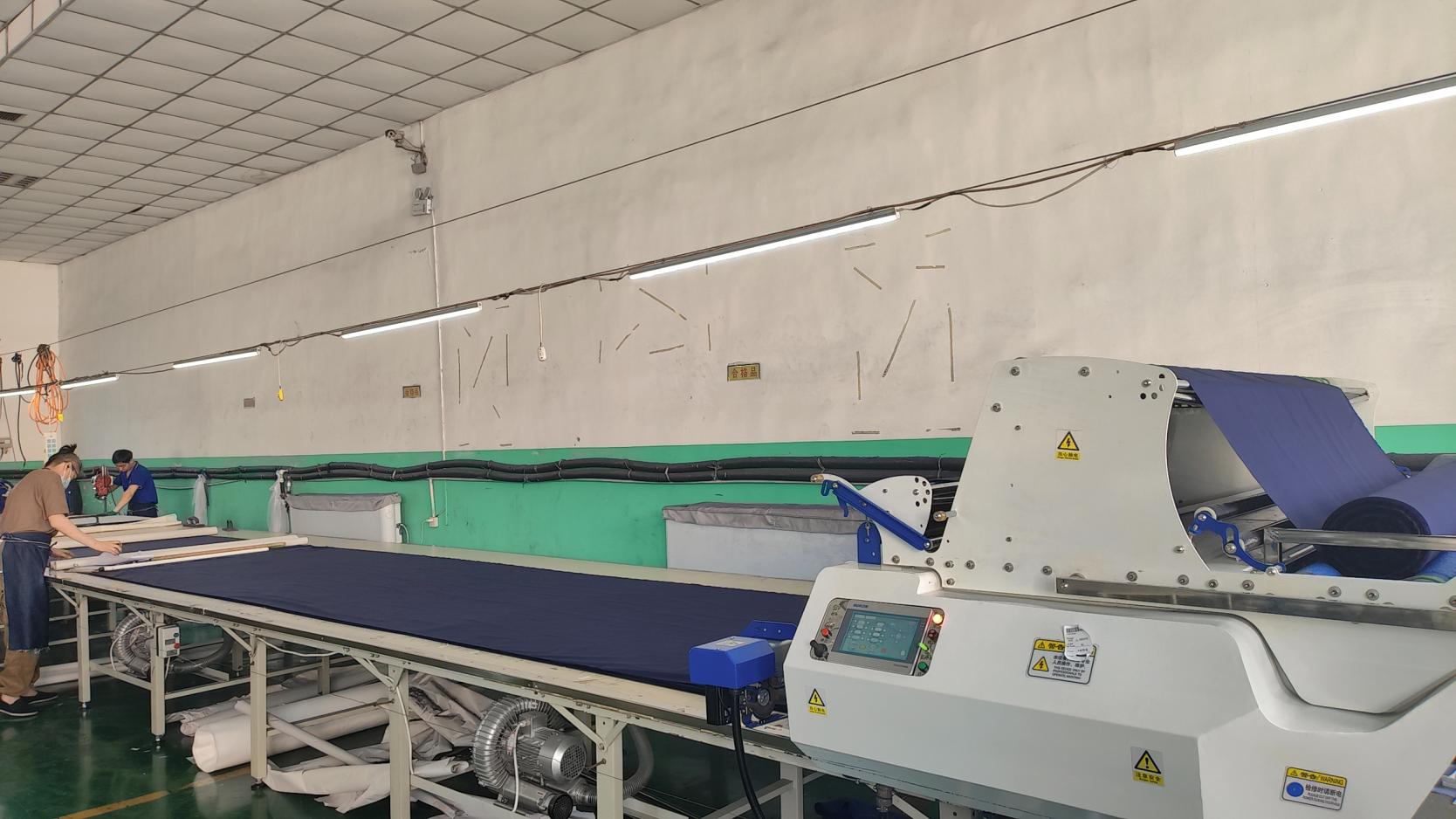
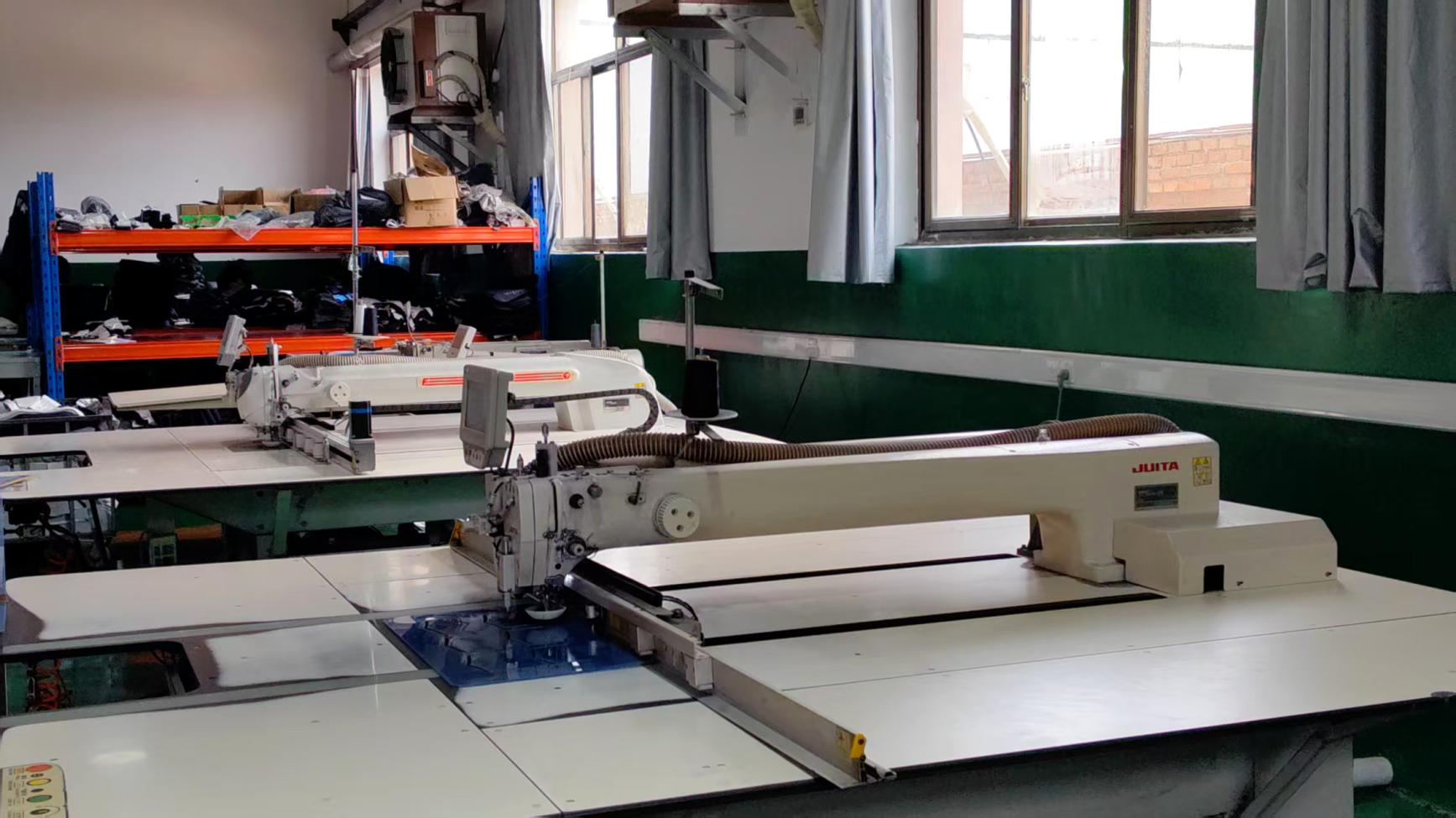
For Polish brands and European B2B purchasers, navigating apparel manufacturing requires a balance of speed, cost, and capacity. Below is an analytical overview comparing localized European CMT (Cut, Make, Trim) manufacturers with the integrated vertical factory model of Guangdong Barjeel:
By combining Polish market intelligence with Guangdong's industrial efficiency, B2B buyers can achieve optimal pricing, high design precision, and dependable volume scaling.
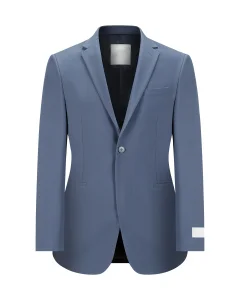
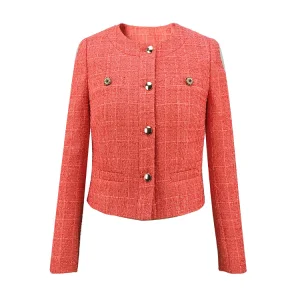
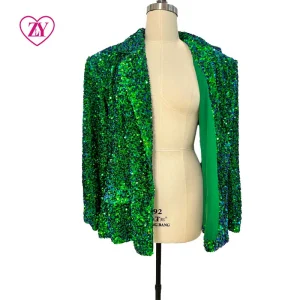
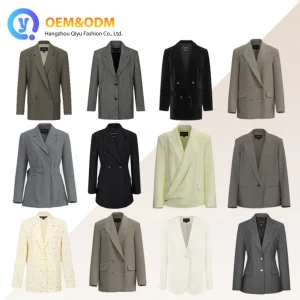
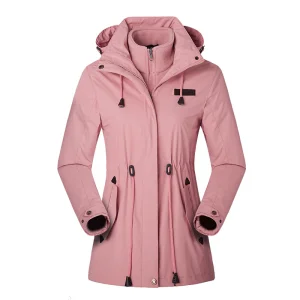
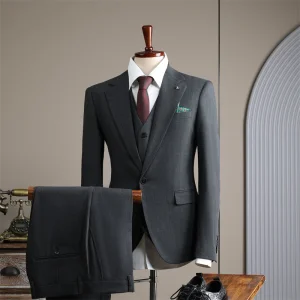
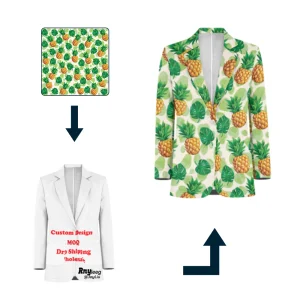
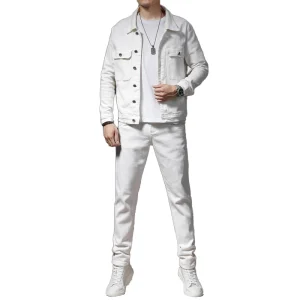
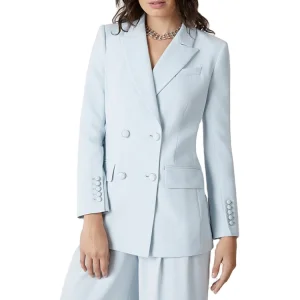
Our jacket and blazer portfolios are designed to meet diverse functional needs across various sectors:
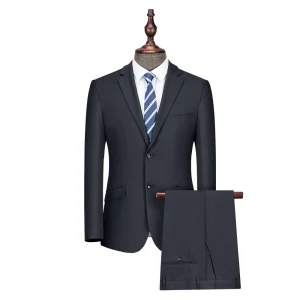
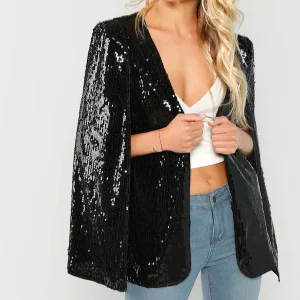
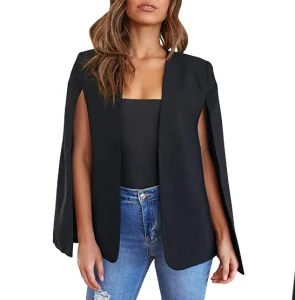
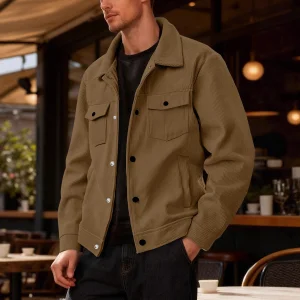
Depending on your shipping method, transit times vary. Sea freight to Baltic ports (e.g., Gdańsk) generally takes 30 to 40 days. Rail freight through the New Silk Road (from Chengdu/Xi'an to Małaszewicze) delivers cargo within 15 to 20 days. Air express is also available for urgent sample deliveries, taking 5 to 7 days.
We partner with certified raw fabric mills that provide GRS (Global Recycled Standard) and OEKO-TEX Standard 100 certifications. We ensure that our trims, sewing threads, linings, and fabrics comply with European REACH chemical regulations.
Our standard MOQ starts at 100 to 300 pieces per colorway/style, depending on fabric availability. For specialized custom fabrics or custom-dyed wools, the MOQ may adjust based on minimum mill run requirements.
We utilize electronic CAD pattern files (.DXF/.AMA) to communicate garment measurements. We construct initial physical prototypes for fit validation and send them directly to your team. We can also schedule video reviews with our master pattern makers to finalize adjustments before production begins.
Connect with our technical engineering team today to receive production estimations, textile sourcing catalogs, and detailed quotes tailored to your brand's specifications.