Barjeel Fashion
Barjeel Fashion
Barjeel Fashion
Explore our primary manufactured collections optimized for B2B global export pipelines.
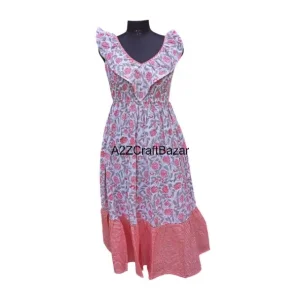
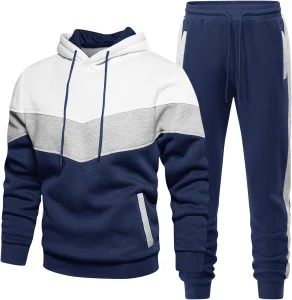

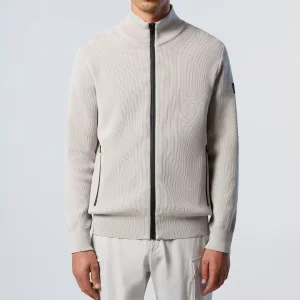
Unpacking the structural forces propelling the global demand for heritage designs and precision reproductions.
The global apparel market is experiencing a profound paradigm shift. Modern consumer sentiment has rapidly coalesced around vintage aesthetics, driven by a convergence of nostalgia, cultural retro-movements, and an urgent push toward distinct personal identity. Large retail conglomerates, boutique catalog brands, and digital-first direct-to-consumer (DTC) platforms are realizing that relying purely on standard contemporary apparel designs yields diminishing returns. As search volumes for terms like "vintage clothing exporter" and "retro manufacturing" hit historic highs, the focus has pivoted to sourcing partners capable of outputting classic styles at scale.
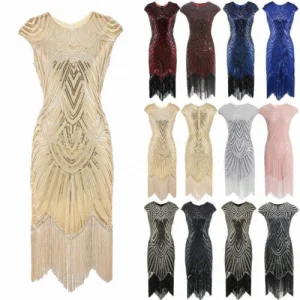
This trend spans multiple eras. The ornate, hyper-detailed craftsmanship of the 1920s—characterized by fringed silhouettes, complex sequin applications, and hand-tasseled cocktail attire—faces high seasonal demand. Concurrently, the structured, military-inspired workwear of the mid-century, alongside the casual knit cardigans of the late 20th century, form the staple wardrobes of millions globally. Global retailers cannot meet this demand with post-consumer recycled clothing alone; quality degradation, sizing irregularities, and sanitization limitations plague the used-clothing ecosystem. The solution lies in premium, reproduction-ready custom manufacturing.
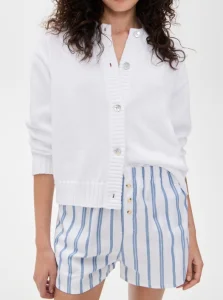
Furthermore, macro-economic factors are forcing retailers to rethink their supply chains. Rising consumer expectations regarding fit, durability, and fabric composition mean that a successful retro product line must combine vintage aesthetics with modern wearability. A 100% cotton crew-neck cardigan or a heavy wool double-breasted trench coat must feel authentic to its historical origins while complying with modern sizing standards and wash durability tests. This synthesis of past and present demands advanced textile engineering capabilities that only state-of-the-art manufacturing partners can consistently provide.
Sustainable design initiatives combined with rapid micro-trend cycles mean B2B buyers must partner with manufacturers capable of offering low-minimum, high-diversity customization with rapid turnaround times.
Navigating compliance, supply chain logistics, and production reliability in international apparel trade.
Unlike used garments which are limited to one-off pieces, industrial retro apparel manufacturing guarantees uniformity in sizing, material composition, and color grading across batches of 10,000+ units.
Procuring raw materials that match historical hand-feel while satisfying modern regulatory guidelines (e.g., REACH, OEKO-TEX) is paramount. We focus on long-staple cotton, premium sheepskin, and heavy wool blends.
International customs regulations mandate transparent material sourcing and fair labor practices. Every layer of the supply chain must be fully auditable to mitigate regulatory and reputation risks.
For purchasing teams at department store groups and legacy retail chains, risk mitigation is as critical as style alignment. Sourcing from uncertified exporters or relying on fragmented wholesale markets exposes brands to massive liabilities, ranging from dye-batch bleeding to sudden production halts. Choosing a structured manufacturer with in-house quality assurance teams and standardized testing facilities is the only way to safeguard margins in a competitive global landscape.
How Guangdong Barjeel Fashion Co., Ltd. integrates advanced design, automated workflows, and agile logistics.
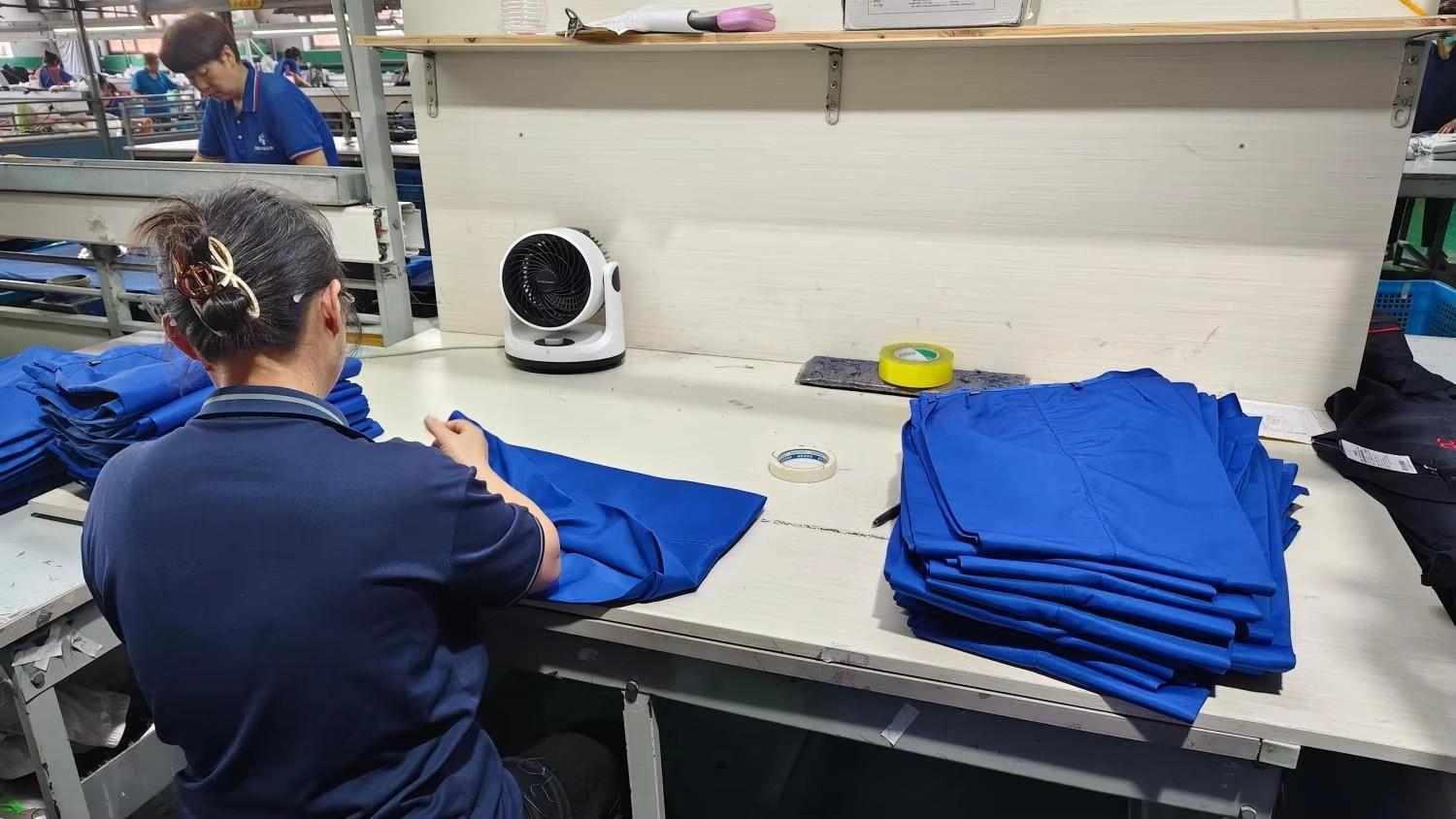
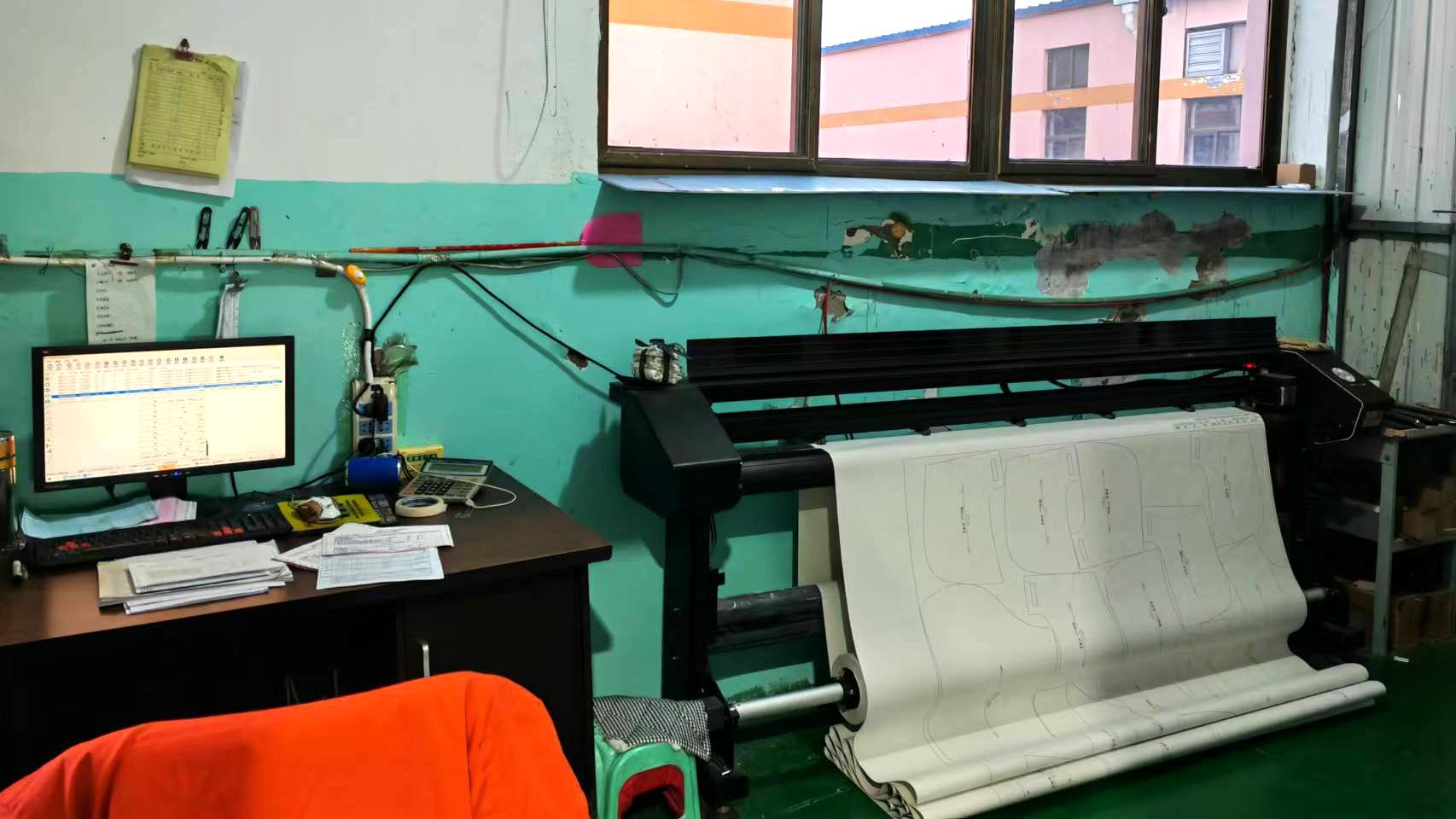
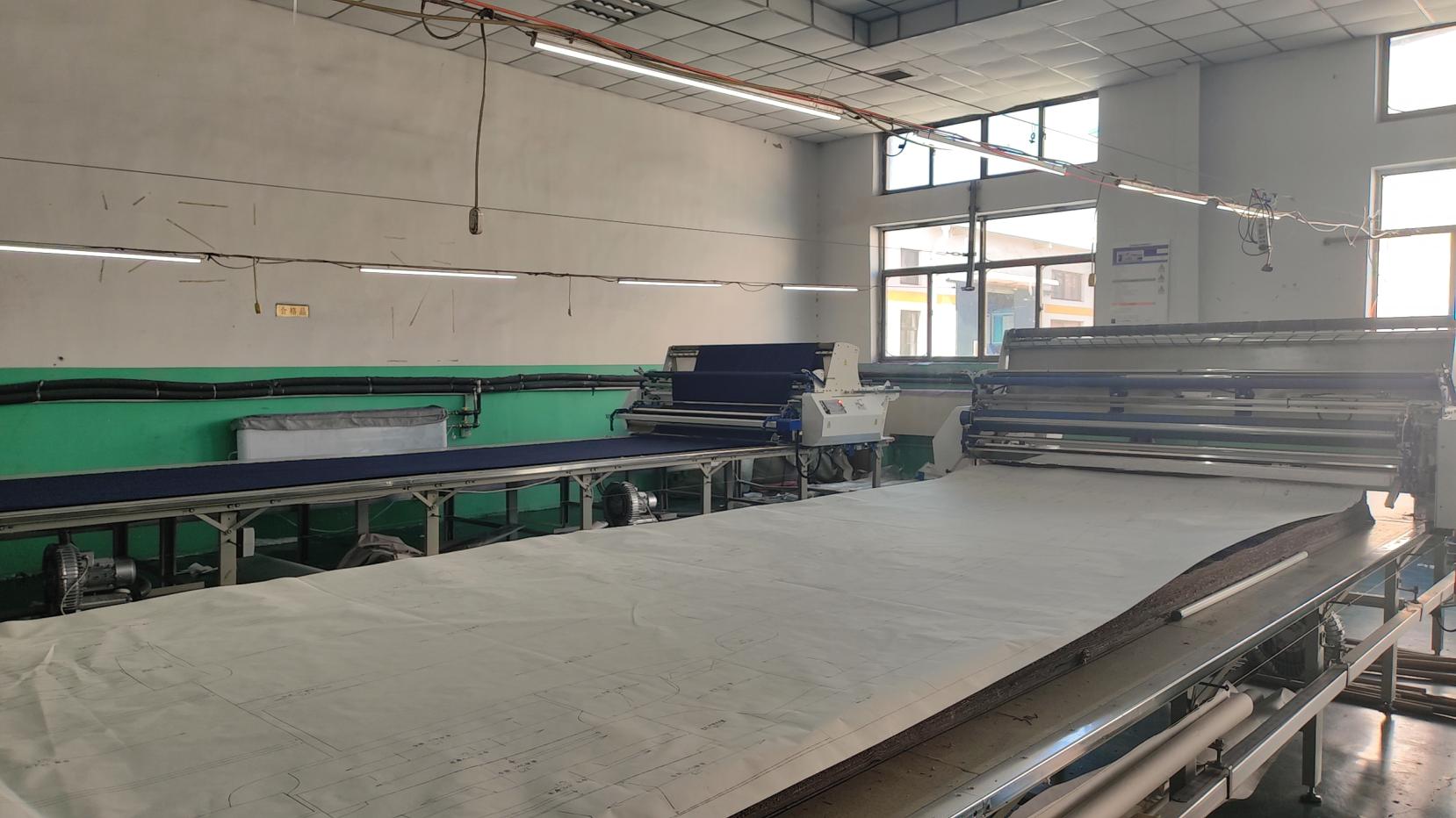
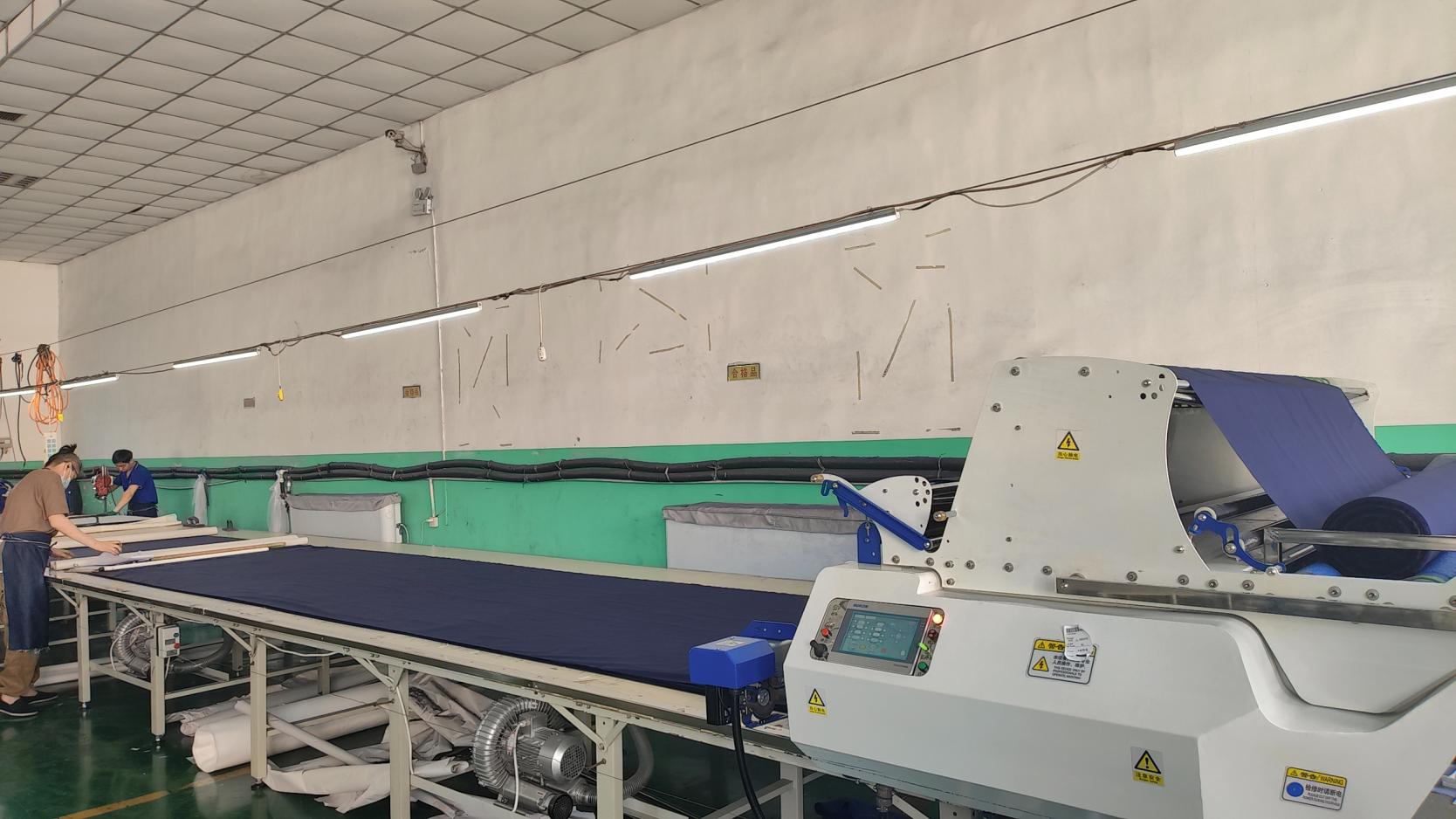
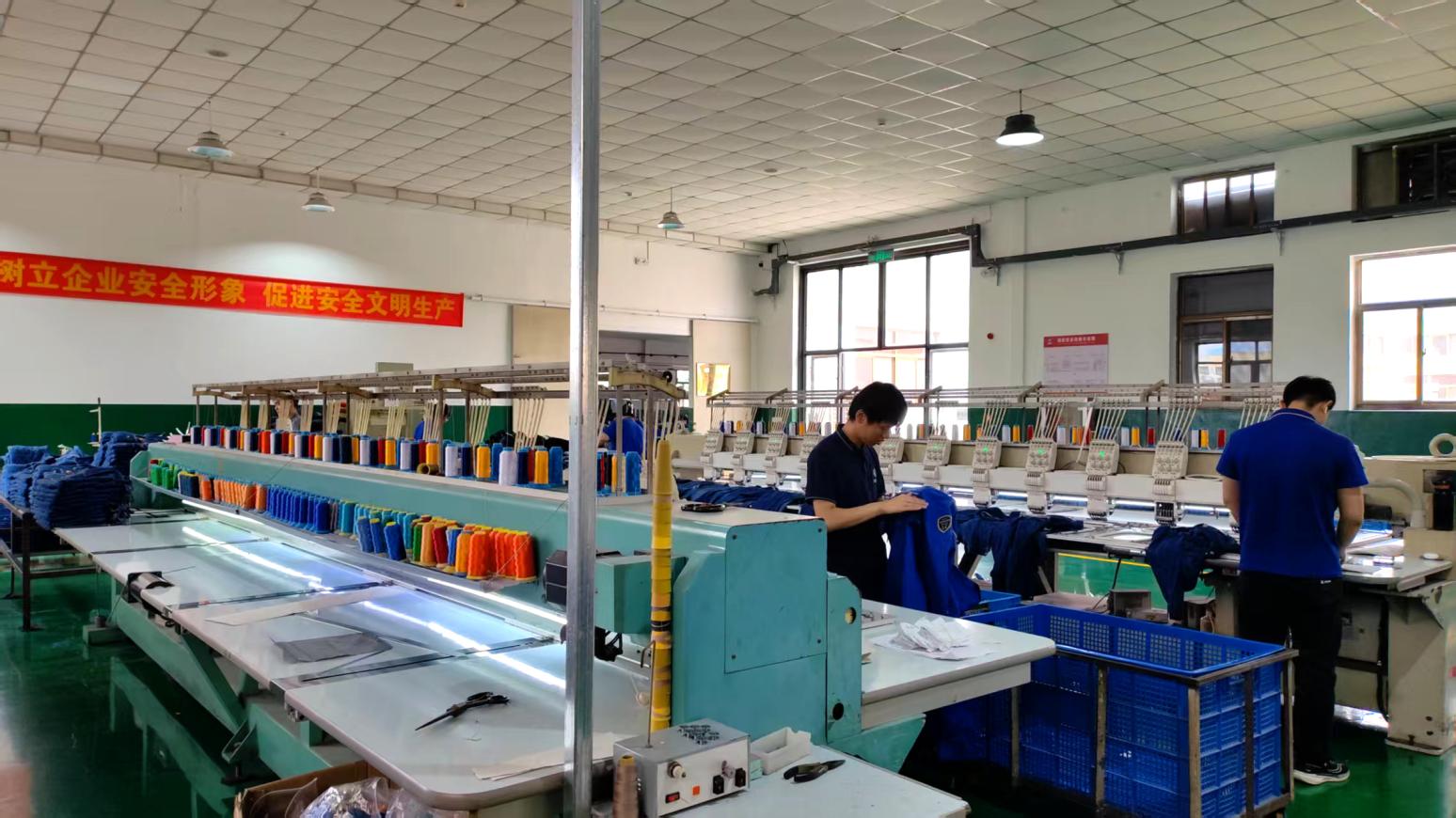
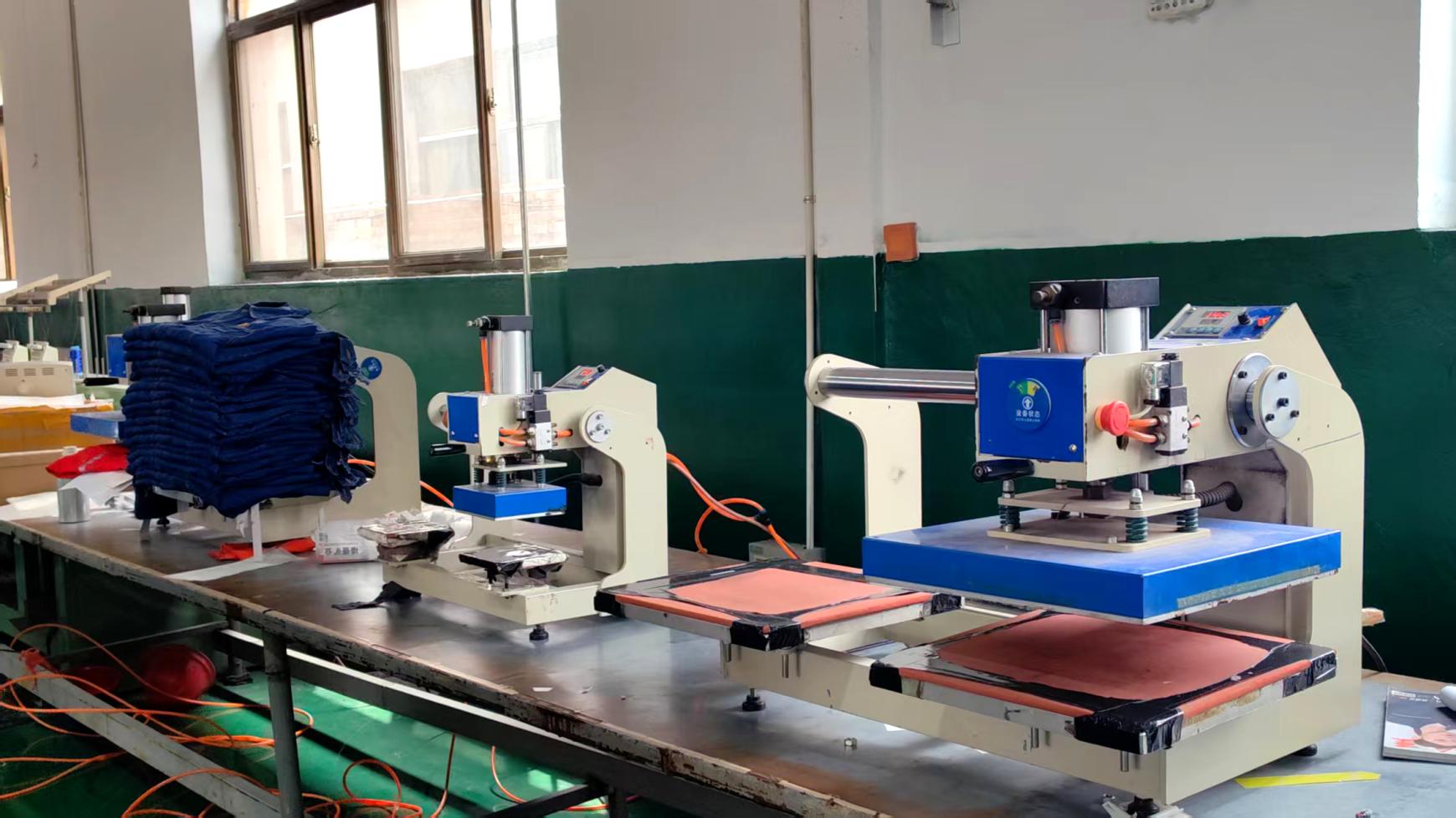
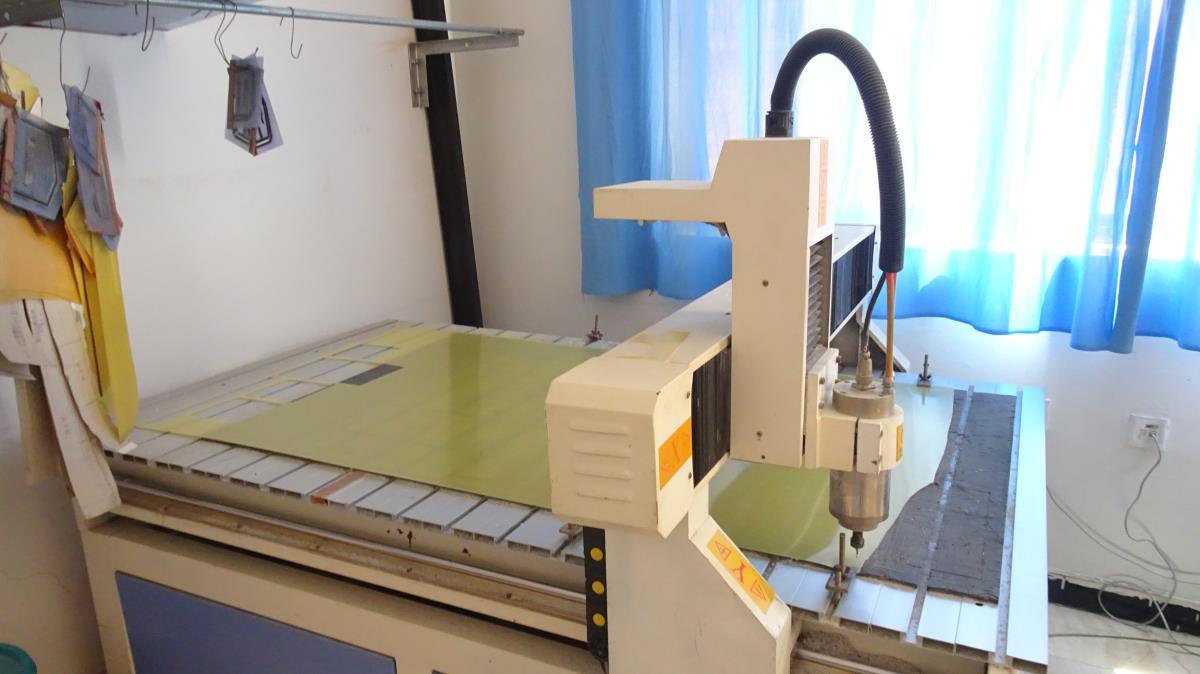
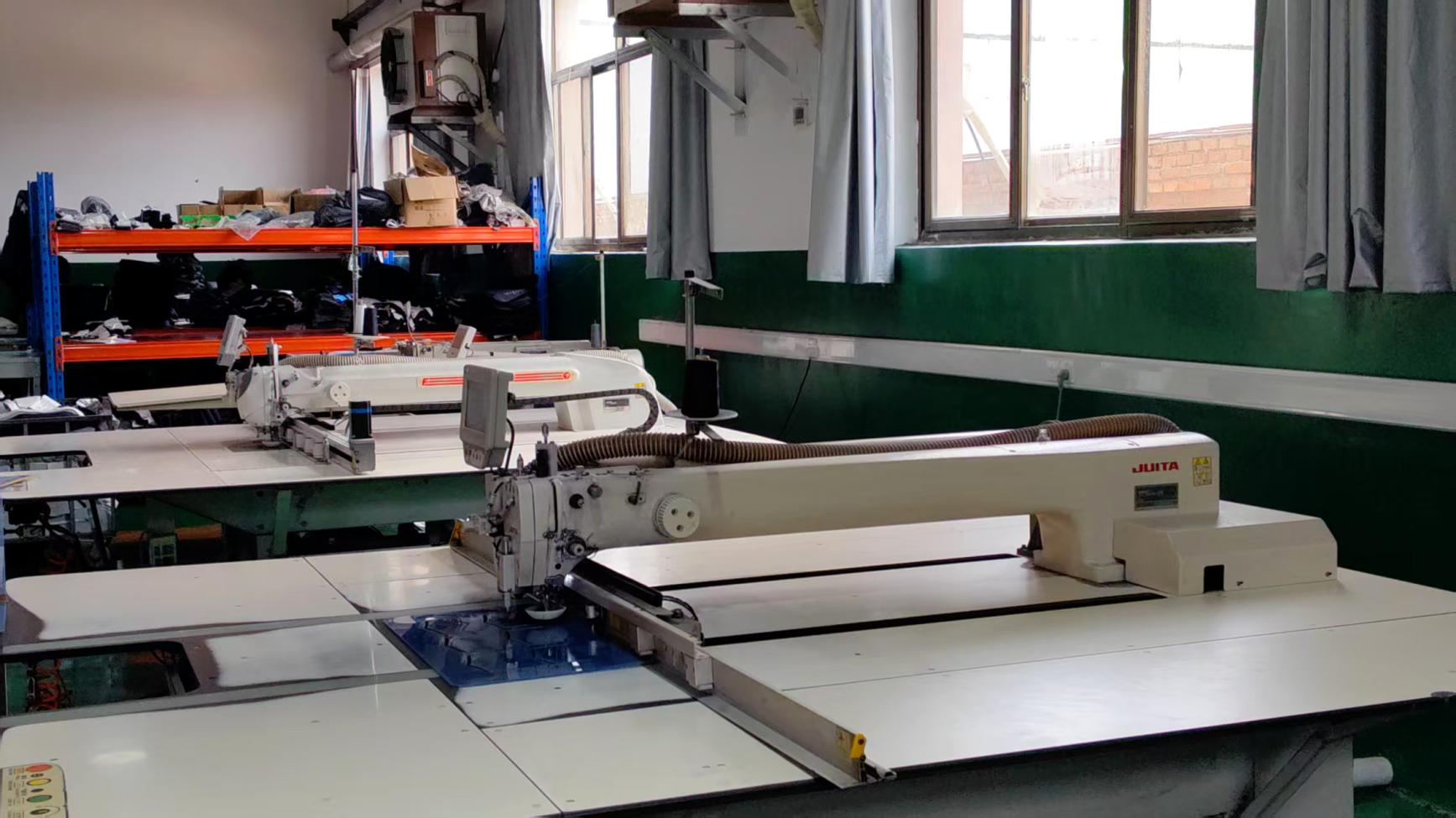
Established in 2006, Guangdong Barjeel Fashion Co., Ltd. represents the vanguard of modern apparel manufacturing. Operating out of a highly optimized 3,600 square meter facility, we have transitioned from traditional manufacturing to a fully integrated Factory 4.0 blueprint. By marrying standard production workshops with advanced garment manufacturing equipment—such as CAD plotters, automated cloth laying machines, and precision laser engravers—we minimize human error, reduce fabric waste, and optimize cost structures for our global clients.
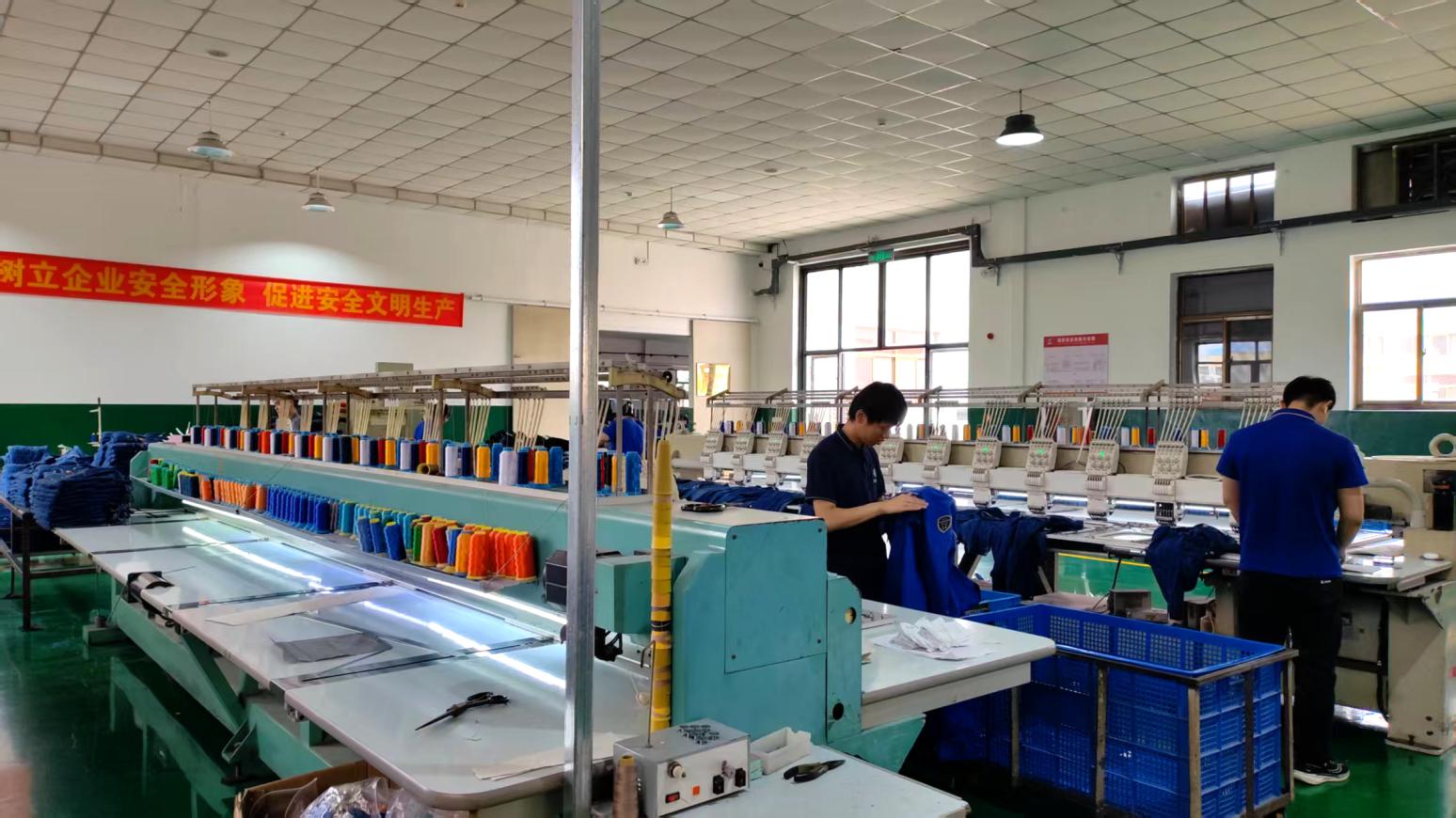
Our R&D infrastructure allows us to manage the entire product lifecycle under one roof. From the early stages of pattern-making and digital fabric plotting to computerized embroidery, custom hot-stamping, and bulk sewing, every step is governed by a rigorous quality control framework. This level of vertical integration is critical for maintaining supply chain resilience, shielding our global partners from the delays and volatility typical of subcontracted manufacturing ecosystems.
Step-by-step processing units inside Guangdong Barjeel Fashion Co., Ltd., demonstrating precision engineering at every stage.
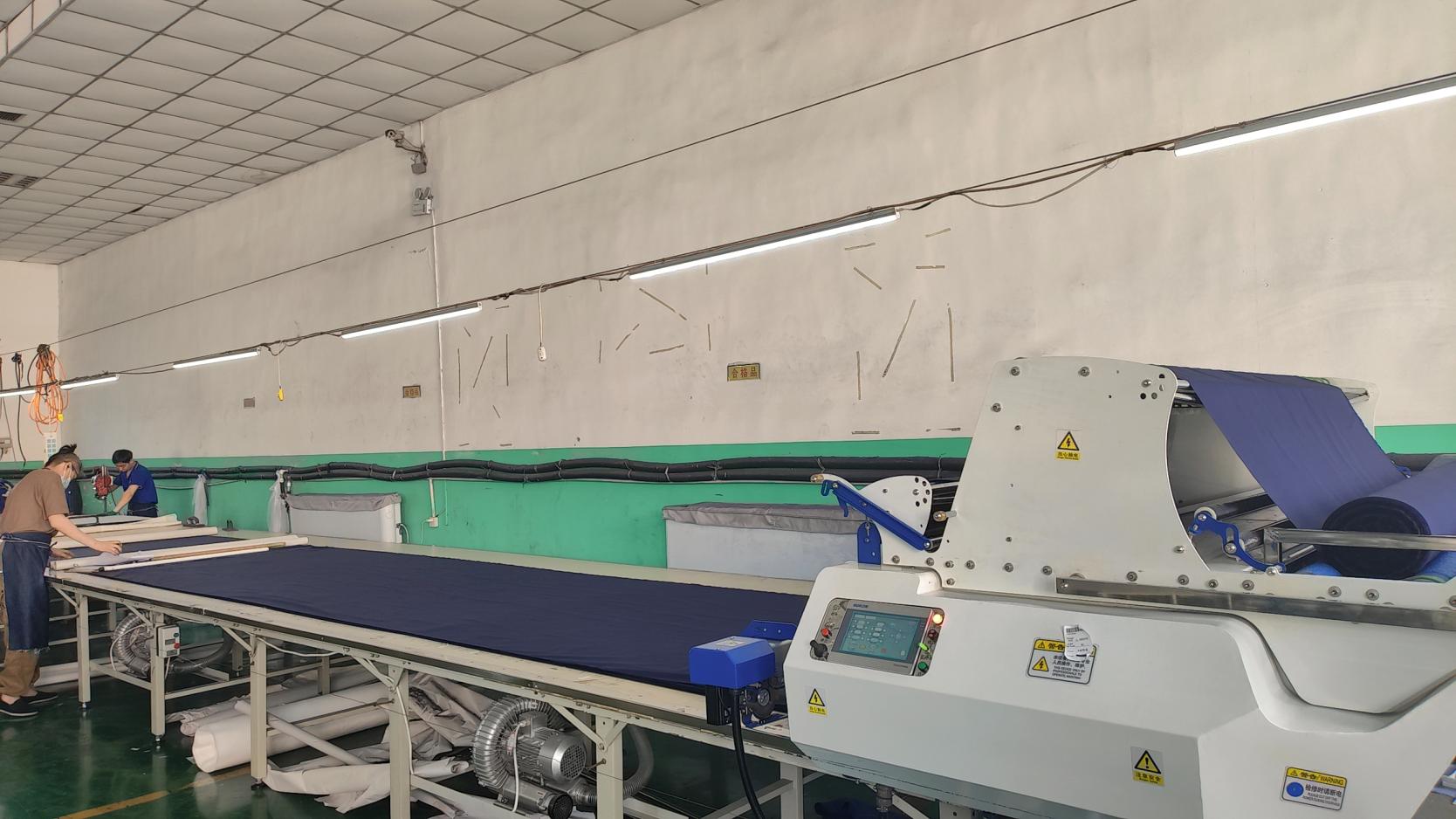
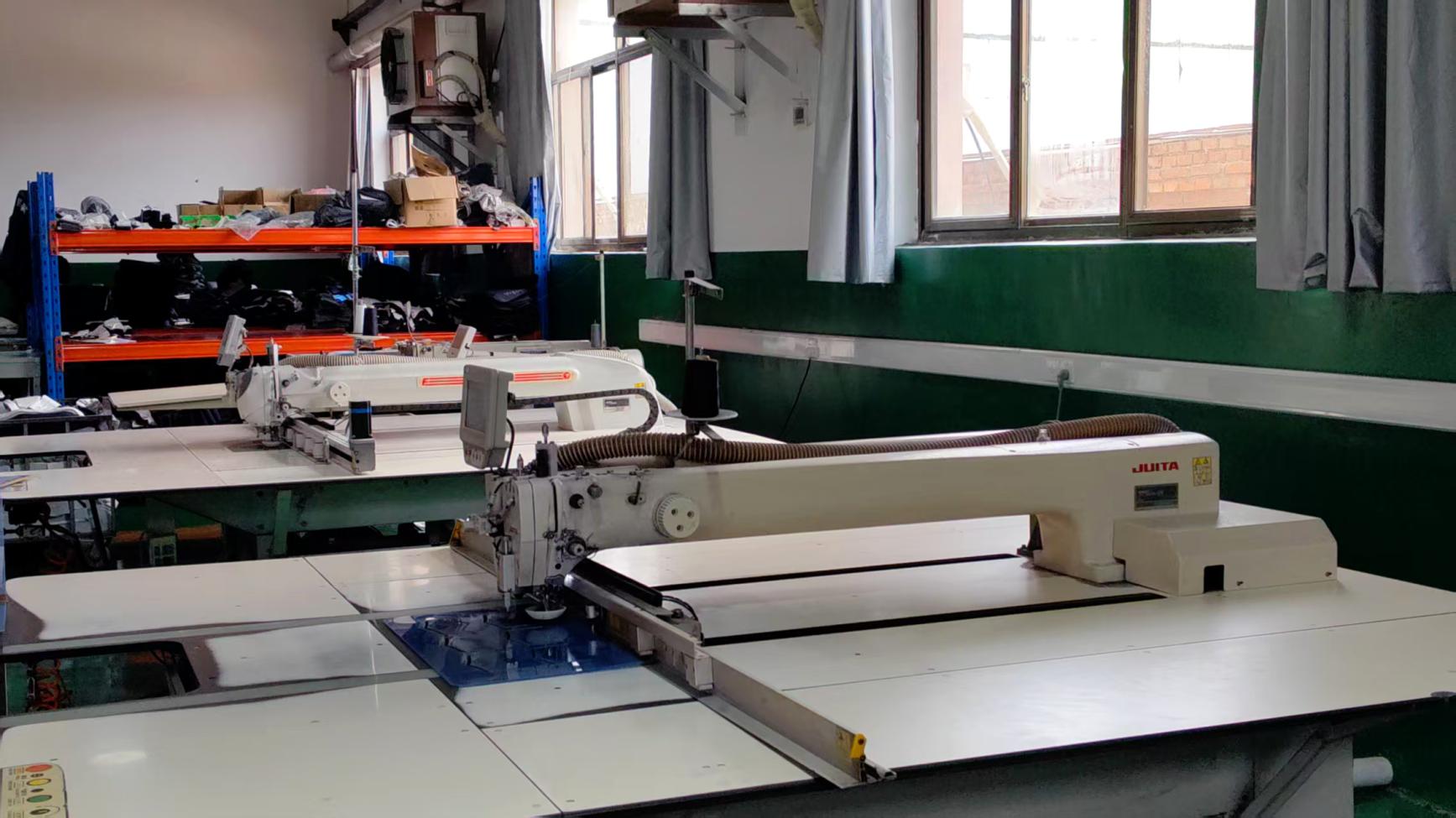
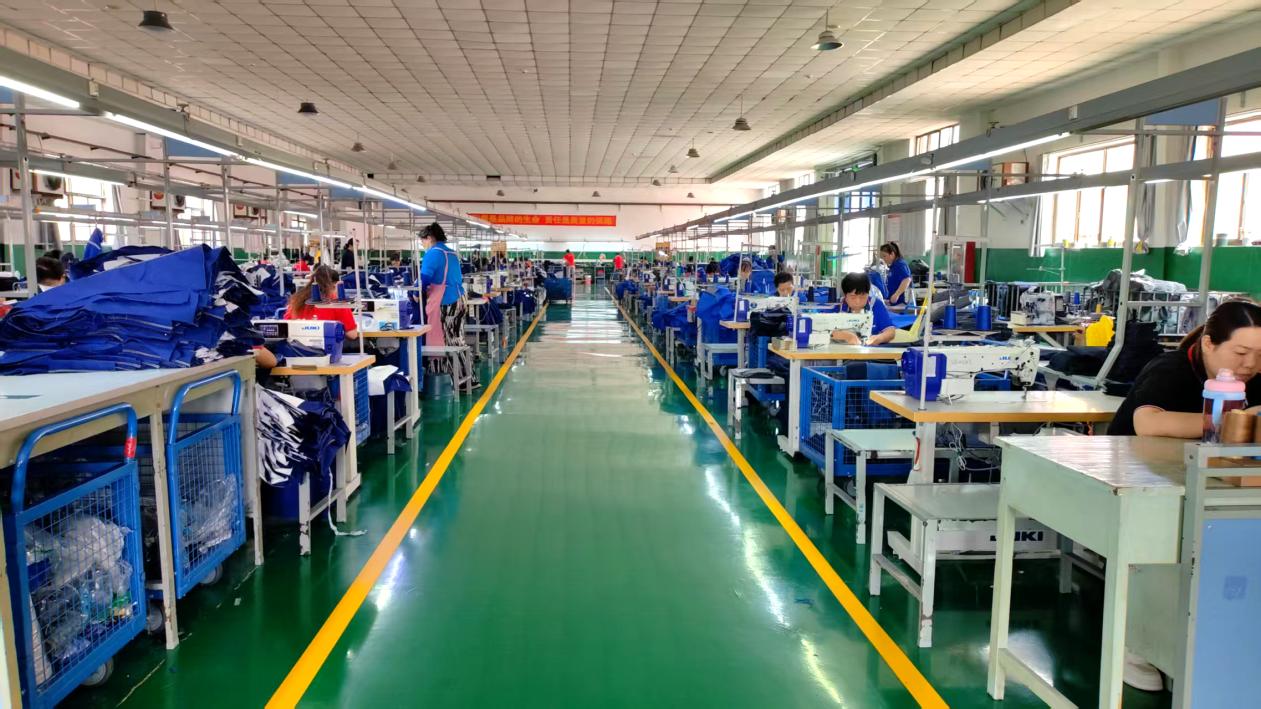
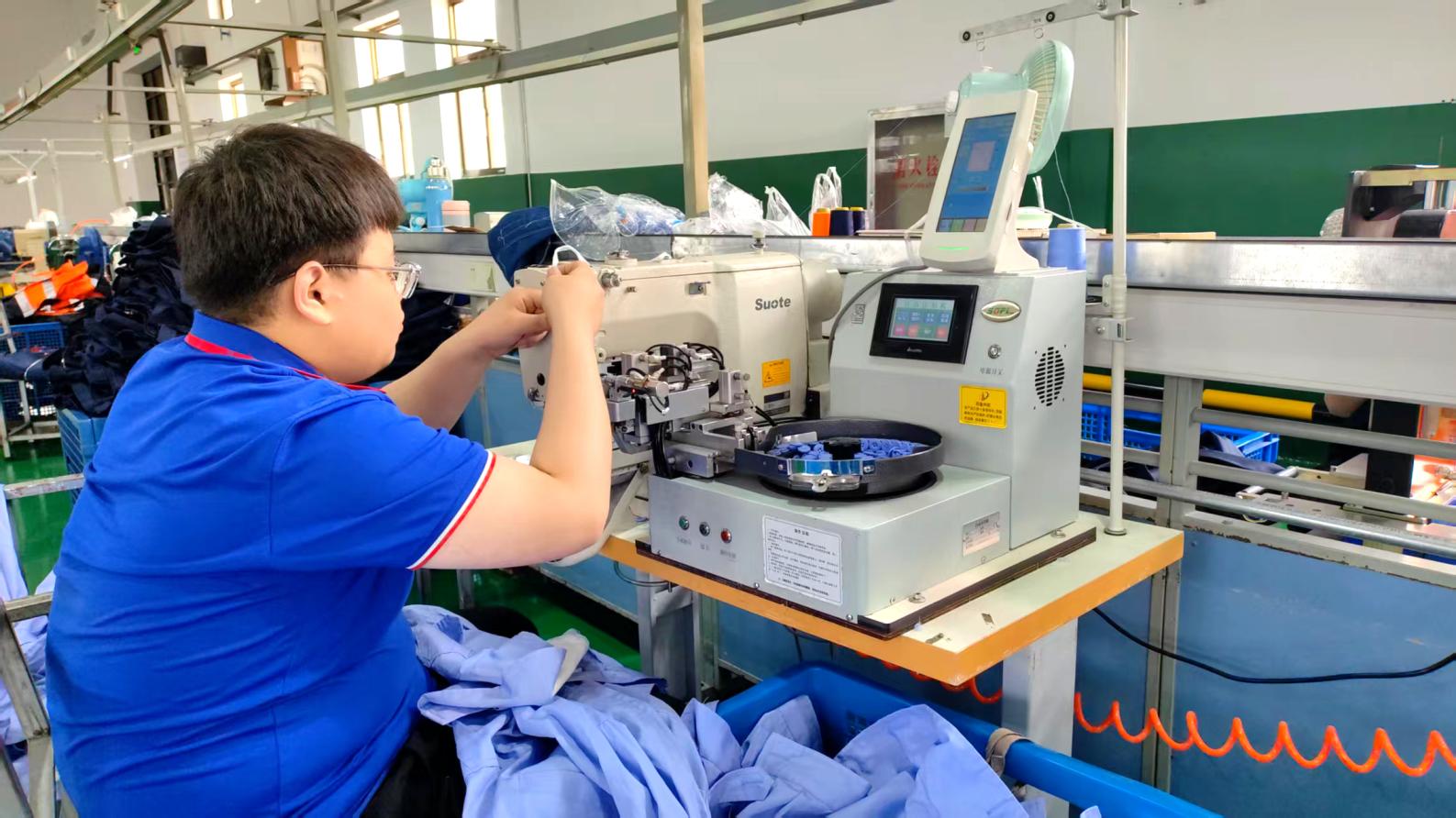


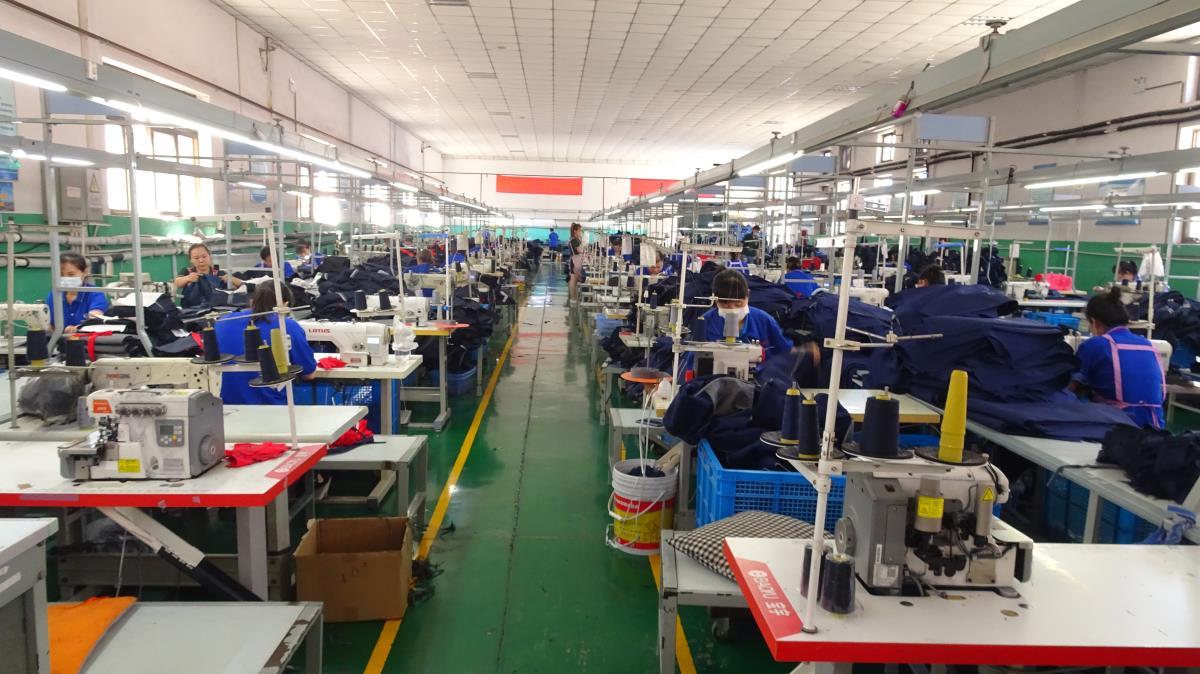
Maintaining the tactile legacy of historical fashion with optimized modern parameters.
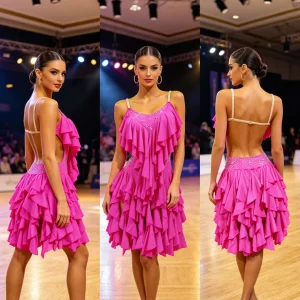
Replicating retro clothing requires an advanced understanding of material behavior under various processing conditions. Modern vintage design is not simply about copying historical patterns; it involves sourcing yarn and fabrics that replicate the weight, drape, and visual characteristics of legacy eras while offering modern advantages like colorfastness and elastic recovery. For instance, creating a 1920s Great Gatsby flapper dress requires combining delicate polyester mesh with high-tensile glass or plastic sequins, applying heavy fringe tassels that hang evenly, and using reinforced stitching to handle the extra weight.
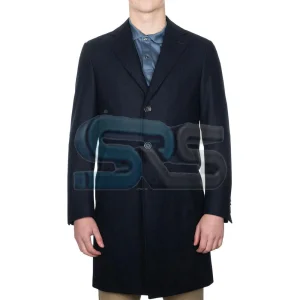
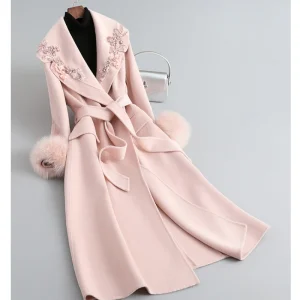
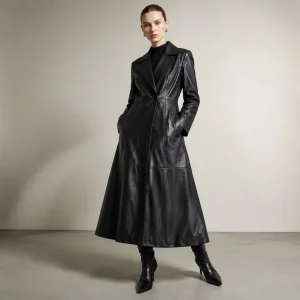
Similarly, for winter outerwear—such as our double-breasted genuine sheepskin leather trench coats and heavy cashmere-blend wool overcoats—we select raw hides and wool fibers based on density and thickness. The leather is treated to look like traditional oil-waxed surfaces but is formulated to resist cracking and mold, ensuring it stays clean during long maritime shipping routes.
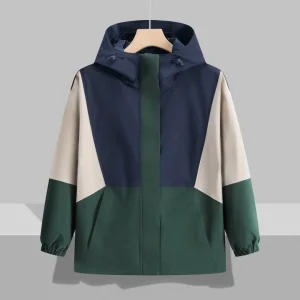
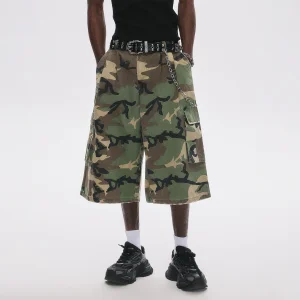
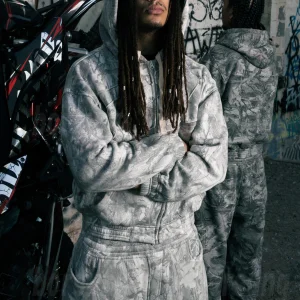
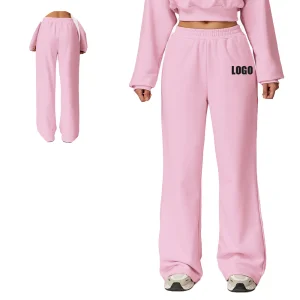
For high-volume sportswear and activewear lines, such as hoodies, tracksuits, and cargo pants, we use heavy knit fabrics (cotton-polyester blends up to 450 GSM) treated with silicon washes. This provides the soft hand-feel of well-worn clothing while ensuring the garments hold their shape and resist pilling, keeping them durable through repeated wear.
How our apparel manufacturing adapts to different geographic regulations, sizing profiles, and niche markets.
| Target Region | Primary Product Interest | Market Challenges Addressed | Barjeel Solution Strategy |
|---|---|---|---|
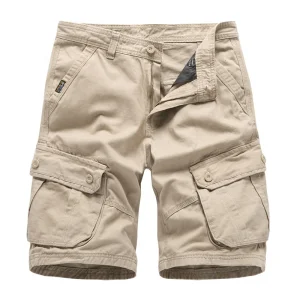
| North America | Plus-Size Gatsby Dresses, Camouflage Heavy Cargo Workwear | Diverse size grading, strict friction/abrasion standards, and high shipping costs. | Advanced 3D grading models for plus sizing; heavy canvas cotton blends; direct container logistics options. |
| Western Europe | Double-Breasted Wool Overcoats, Premium Leather Trench Coats | Strict REACH chemical compliance, demands for organic yarns, and low carbon shipping requests. | Certified chrome-free tanning for sheepskin leather; OEKO-TEX certified wool-cashmere blends. |
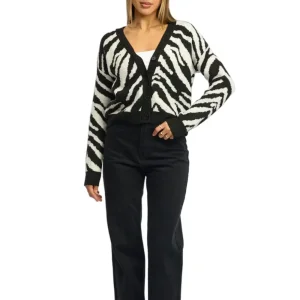
| APAC / Japan | Zebra Jacquard Crop Sweaters, Oversized Fleece Running Sets | High density knit structure preferences, minimal tolerance for loose threads, and custom labels. | High-needle jacquard looms; two-step manual quality control inspection; custom brand labeling at source. |
By understanding these regional dynamics, our manufacturing facility supports retail partners with products tailored to their target audience. Our export infrastructure handles everything from localized hang-tags and customs documentation to optimized packaging configurations that reduce volumetric weight, helping to lower international freight costs.
Direct answers from our supply chain team regarding lead times, custom manufacturing, and global shipping.
Explore our specialized heavy outerwear, activewear, and detailed knitwear options.