Barjeel Fashion
Barjeel Fashion
Barjeel Fashion
Economic shifts, production trends, and supply chain strategies driving the premium B2B winter wear sector.
The global overcoats and heavy outerwear market is experiencing a significant paradigm shift. Driven by changing demographic demands across North America, Europe, and East Asia, B2B procurement professionals are navigating a landscape defined by requirements for high-performance insulation, sustainable fabrics, and smart aesthetic versatility. Once viewed strictly as utilitarian protection against sub-zero environments, the modern overcoat is now expected to double as a corporate-friendly professional statement piece and a technologically advanced travel item.
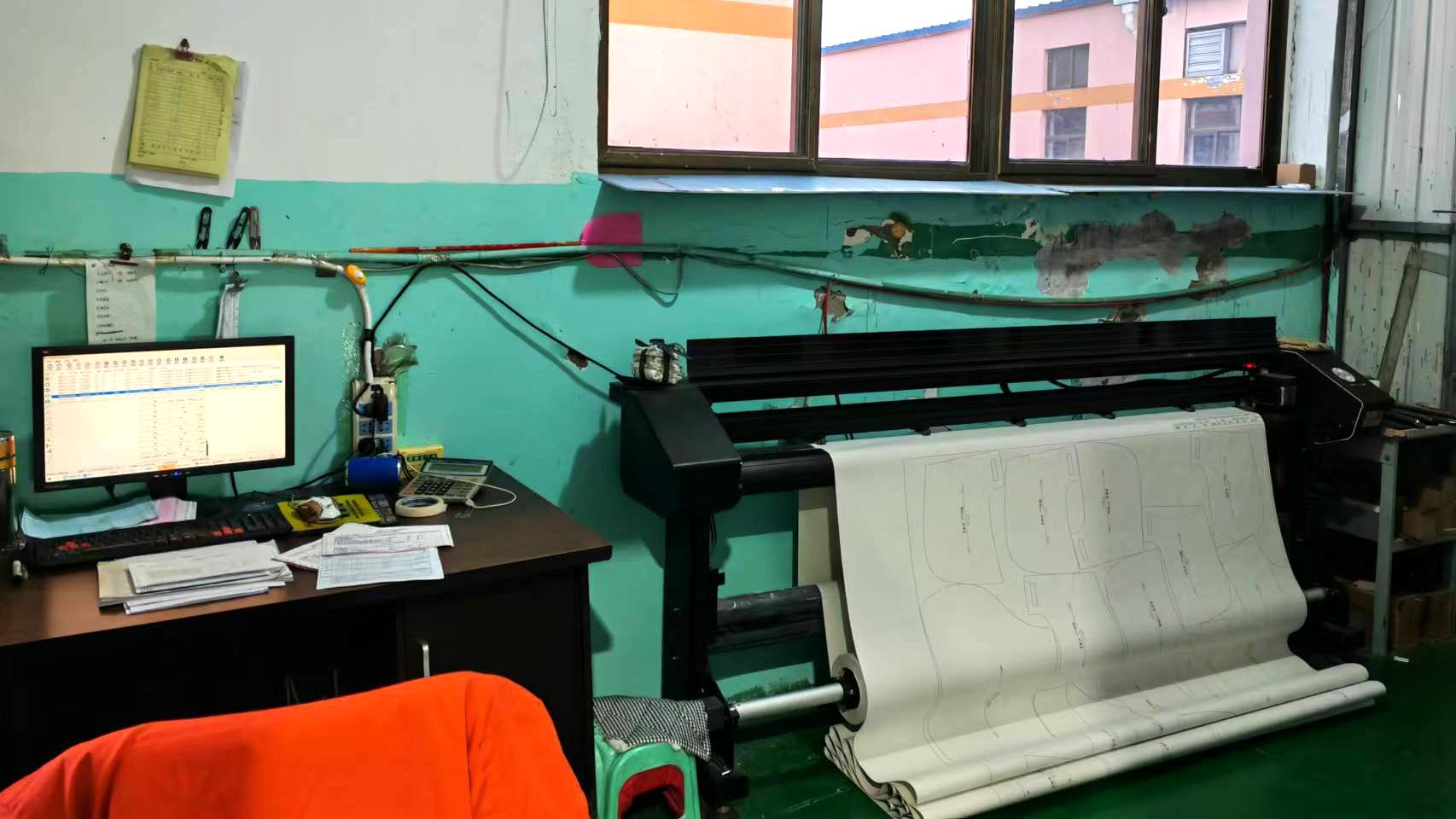
This dynamic has elevated the importance of partnering with vertically integrated manufacturing facilities. Standard OEM structures are no longer sufficient to meet modern brand speeds. High-end brands demand ODM capabilities where factories provide comprehensive design intelligence, advanced CAD/CAM nesting system optimization to reduce material waste, and rapid prototyping technologies. As premium fibers like virgin wool, pure cashmere, and ultra-insulative recycled polyester puffers command higher retail premiums, securing a manufacturing partner capable of processing these delicate materials with tight tolerances is key to protecting retail brand equity.
Technical specifications that define high-quality, durable, and premium overcoats.
High-end overcoats require variable thermal profiles. Advanced factories balance double-breasted heavy wool structures (400-600 GSM) with technical internal linings like micro-quilting or down-filling inserts. Our facility utilizes precision down-injection systems to ensure thermal uniformity without sacrificing the coat's tailored silhouette.
Mixing performance with luxury: By combining soft cashmere fibers with high-tenacity nylon or water-repellent polymers, we engineer fabrics that resist pilling, repel surface moisture, and maintain clean lines through long-distance transit. We specialize in sourcing and processing OEKO-TEX certified organic wools.
Heavy coats place high load stresses on the shoulders and armhole seams. We implement double-needle chain stitching alongside targeted fused interfacing in the collars, lapels, and cuffs. This technical design choice prevents sagging, ensuring the coat keeps its structured shape for multiple seasons.
| Fabric Blend Type | Target GSM Range | Recommended Application | Key Performance Metric |
|---|---|---|---|
| 100% Mongolian Cashmere | 320 - 450 GSM | Luxury Executive & Formal Wear | Unmatched Softness & Premium Draping |
| Virgin Wool & Cashmere Blend (85/15) | 380 - 550 GSM | All-Weather B2B Premium Retail | Optimal Balance of Warmth & Abrasion Resistance |
| Melton Wool & Nylon Composite (80/20) | 500 - 650 GSM | Utility Trench Coats & Military-Inspired Cuts | High Wind Resistance & Structurally Stiff Profile |
| Technical Down-Filled Quilted Nylon | 120 - 250 GSM (Shell) | Sub-Zero Commuter & Hybrid Overcoats | Exceptional Thermal Insulation with Low Pack Weight |
Why Guangdong remains the powerhouse for premium apparel manufacturing and global exports.
The efficiency of apparel manufacturing is not solely based on low labor costs, but on raw material proximity, logistics infrastructure, and technology integration. The Guangdong province apparel cluster represents a highly concentrated manufacturing ecosystem. Here, raw wool fabric merchants, trim suppliers (YKK zippers, premium buttons, interfacing), CAD-pattern designers, and export logistics ports are situated within a 2-hour driving radius. This dense network allows factories to reduce sample lead times from weeks to days, directly lowering time-to-market for fashion brands.
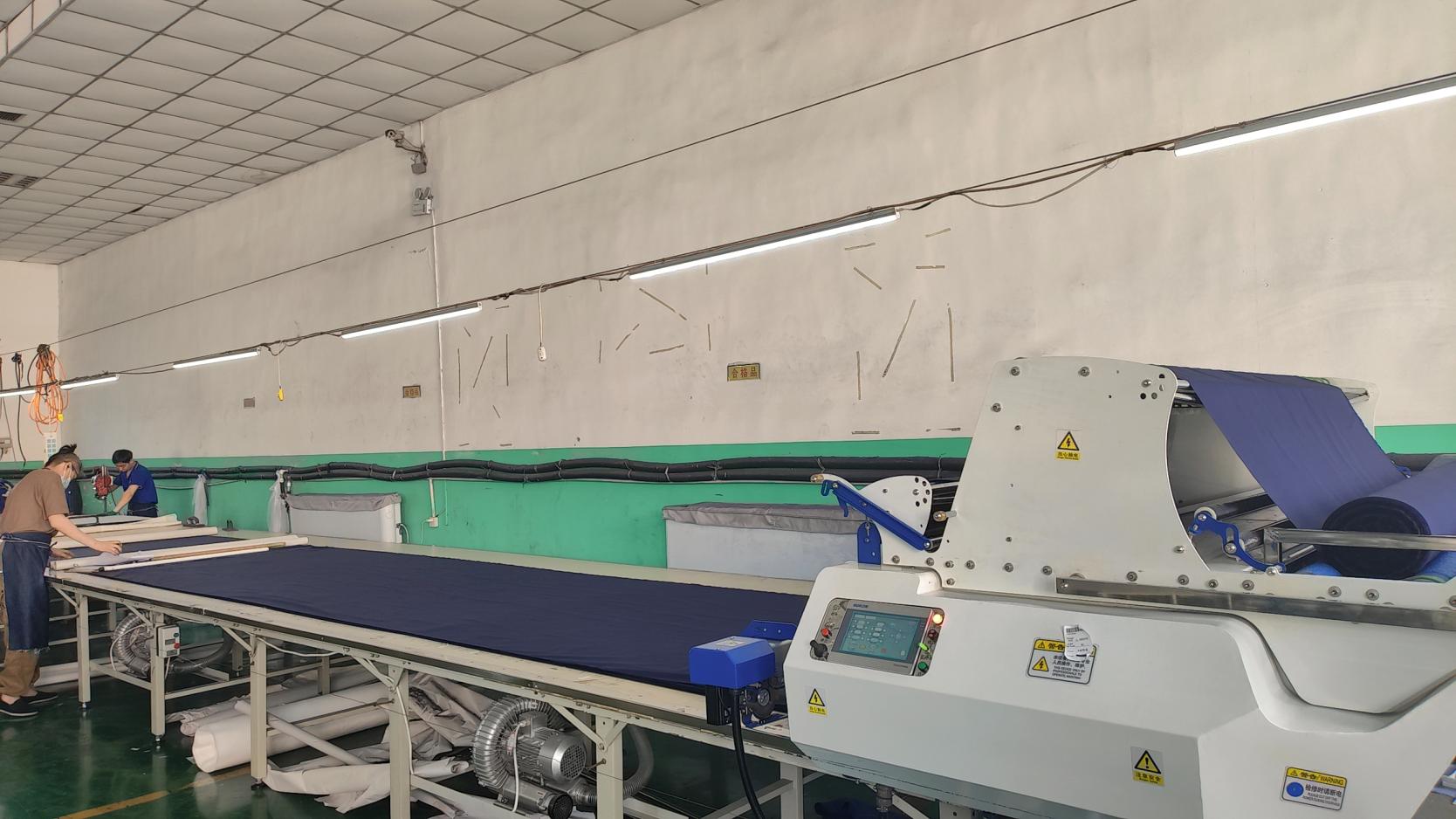
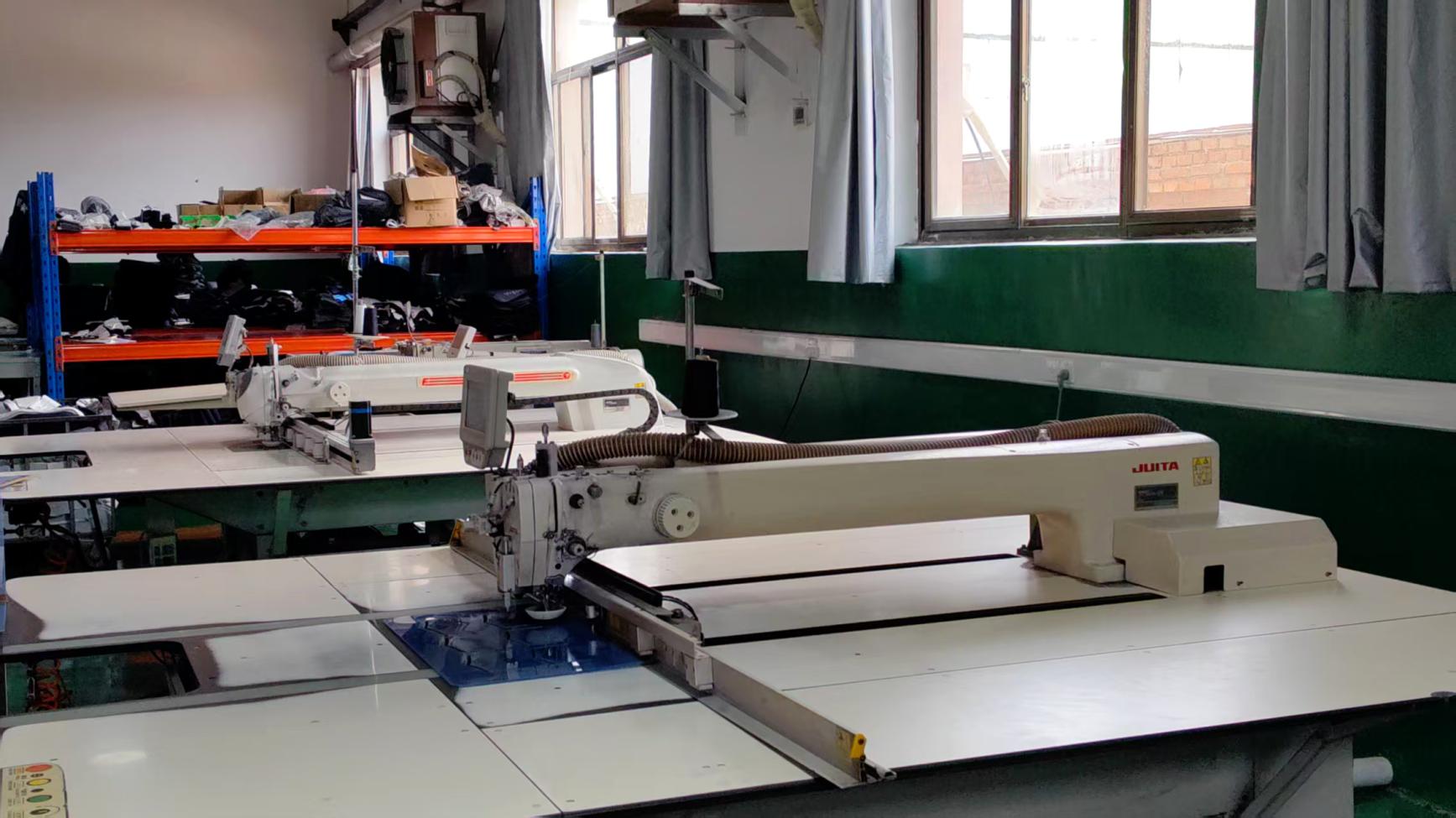
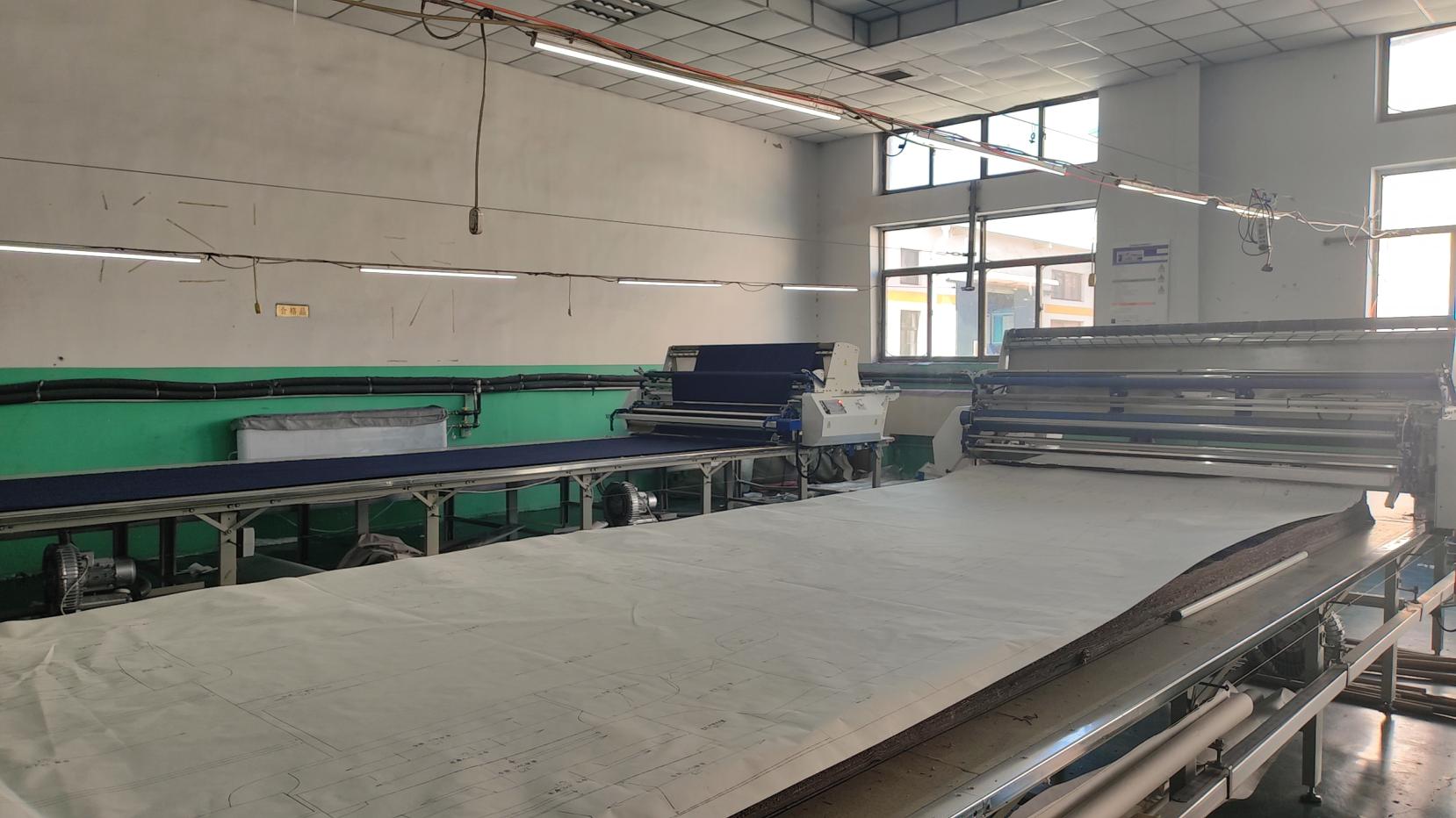
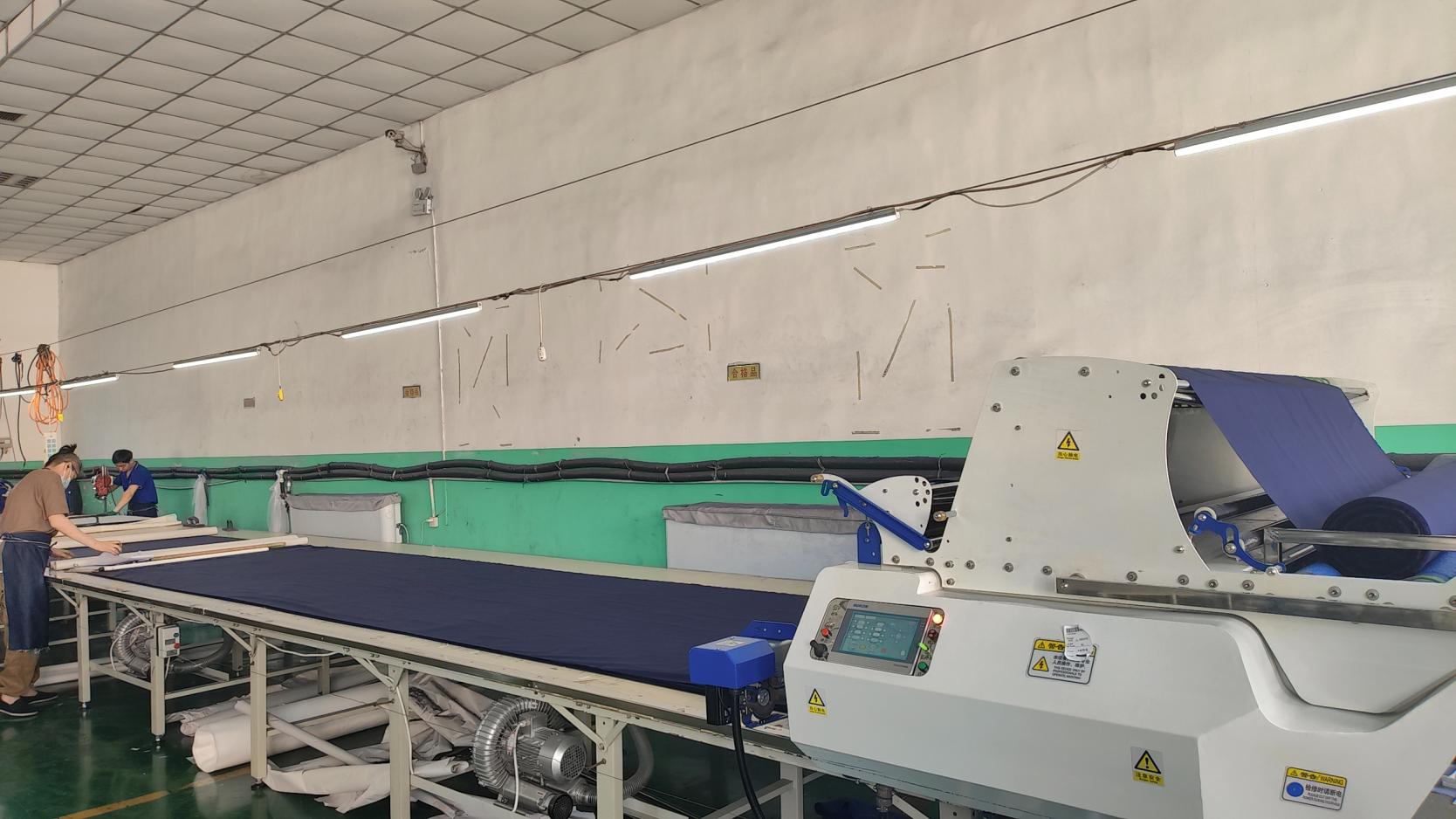
Furthermore, Guangdong factories have invested heavily in automated machinery. Computer-controlled template machines and laser engraving cutters perform task operations with sub-millimeter precision, minimizing the margin for human error on complex garment zones like clean pocket insertion and curved lapel shaping. This mechanical precision, combined with a highly experienced artisan workforce, translates to a reliable, scalable production system optimized for complex B2B sourcing challenges.
A modern B2B manufacturing enterprise combining design, technology, and robust supply chain services.
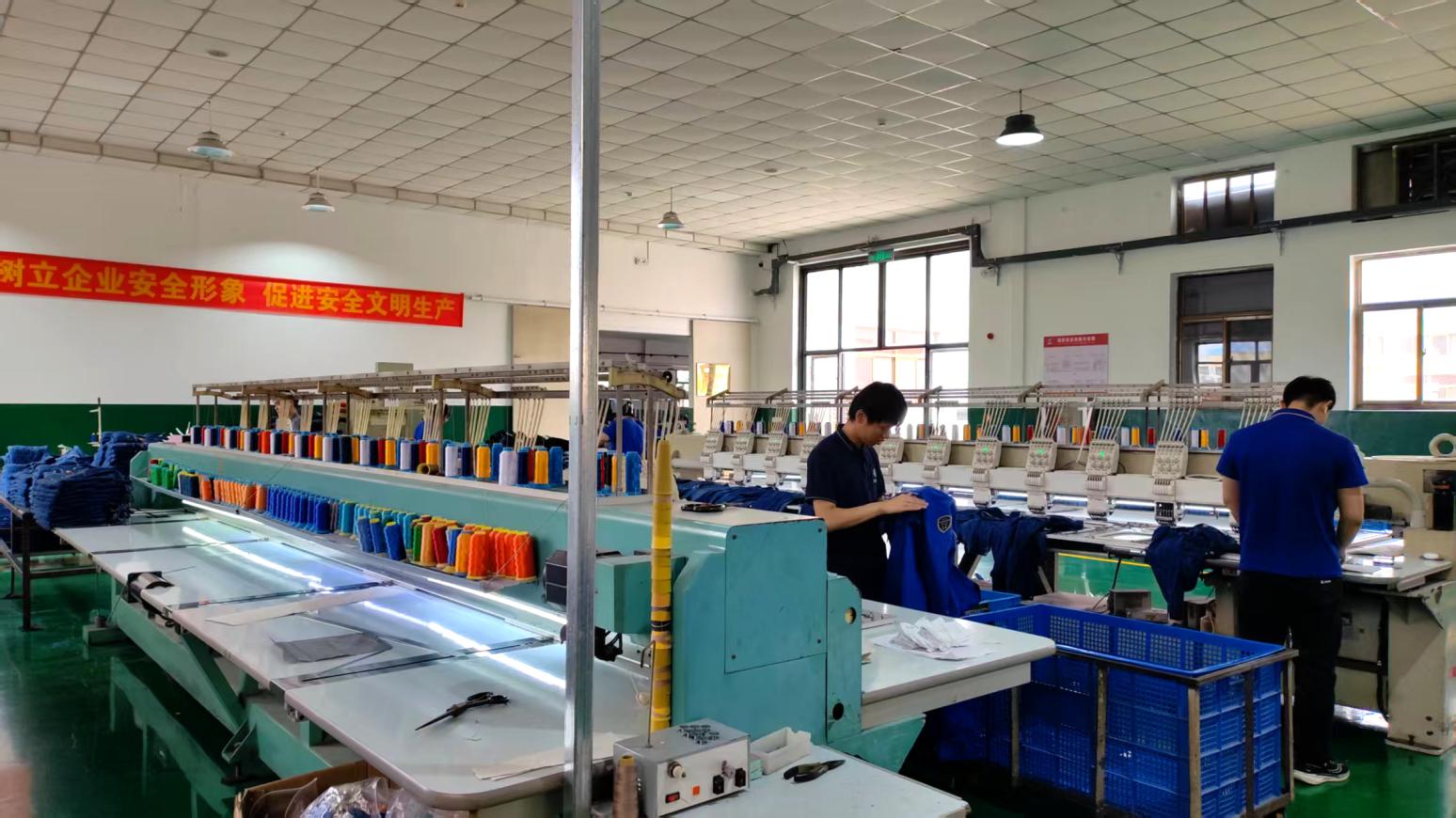
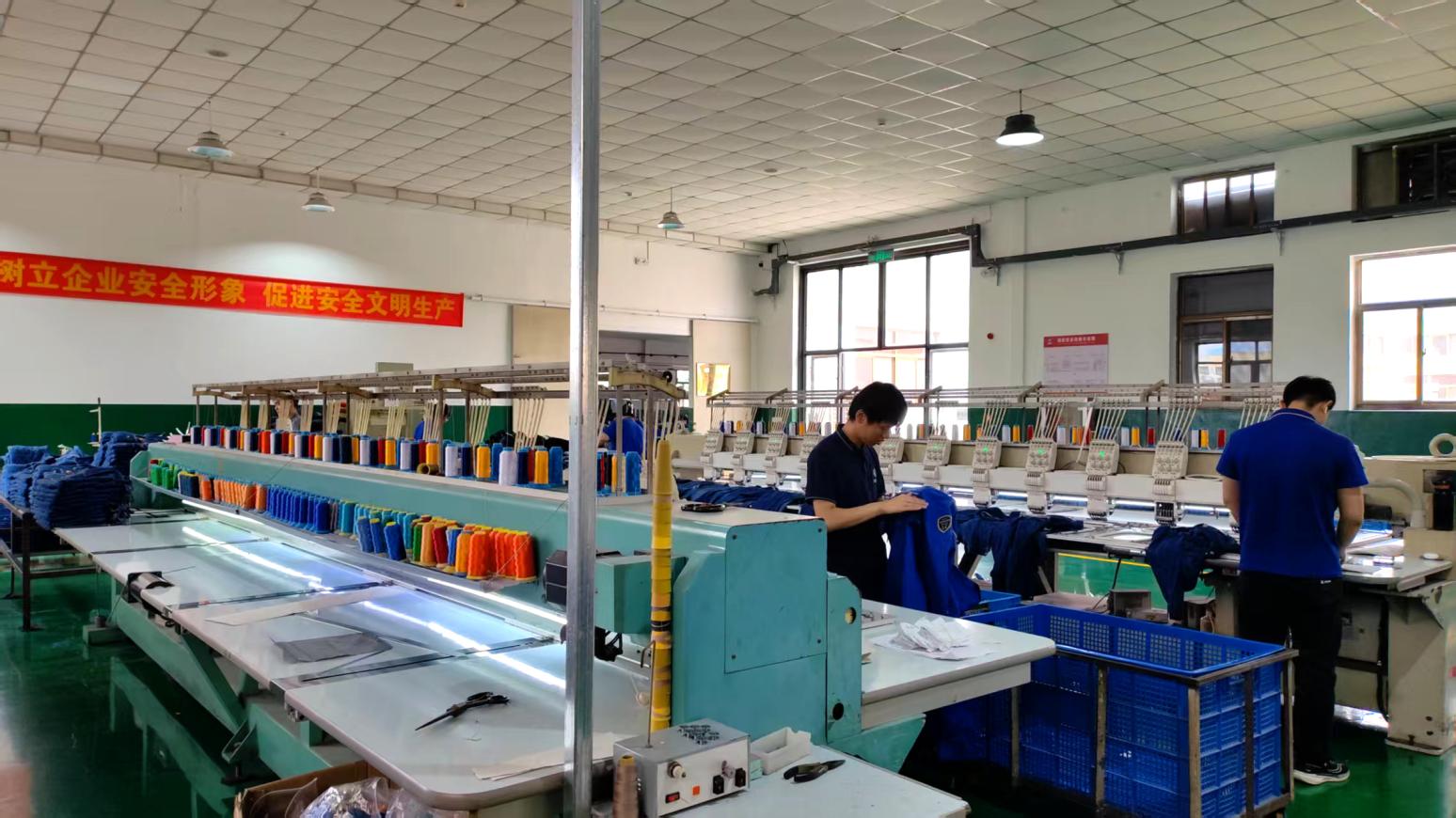
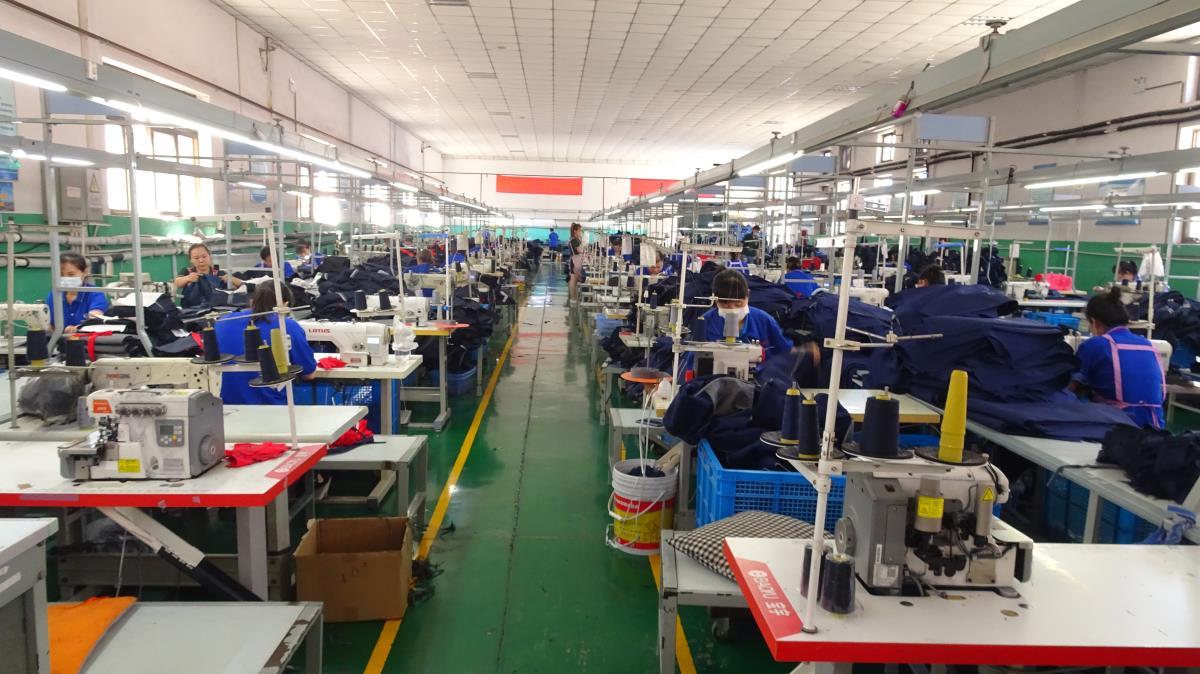
Established in 2006, Guangdong Barjeel Fashion Co., Ltd. is a modern apparel manufacturing enterprise integrating design, research and development (R&D), production, sales, and supply chain services. The company operates its own manufacturing facility covering an area of approximately 3,600 square meters, featuring a clean and well-organized office environment, standardized production workshops, and advanced garment manufacturing equipment.
With a professional R&D team and a skilled production workforce, the company has built strong capabilities across the entire apparel development process, including style design, pattern making, fabric sourcing, sampling, and bulk production. A well-established quality control system and efficient production management process ensure consistent product quality, timely delivery, and high manufacturing standards.
Guangdong Barjeel Fashion Co., Ltd. specializes in a wide range of apparel categories, including fashion and trend-led clothing, sportswear, evening dresses, professional and workwear, as well as casual wear. The company is capable of serving both OEM and ODM requirements, providing flexible and customized solutions to meet the diverse needs of global fashion brands.
Every step of our process utilizes premium equipment to guarantee structural excellence and finish quality.
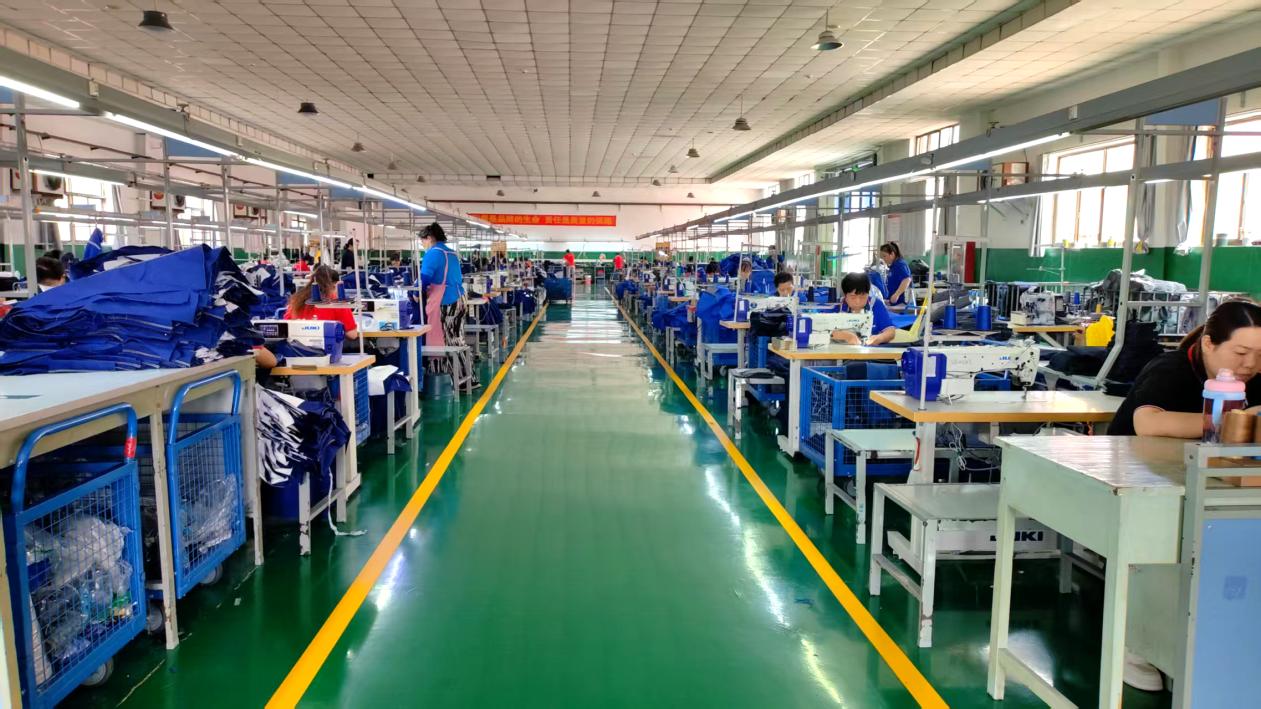
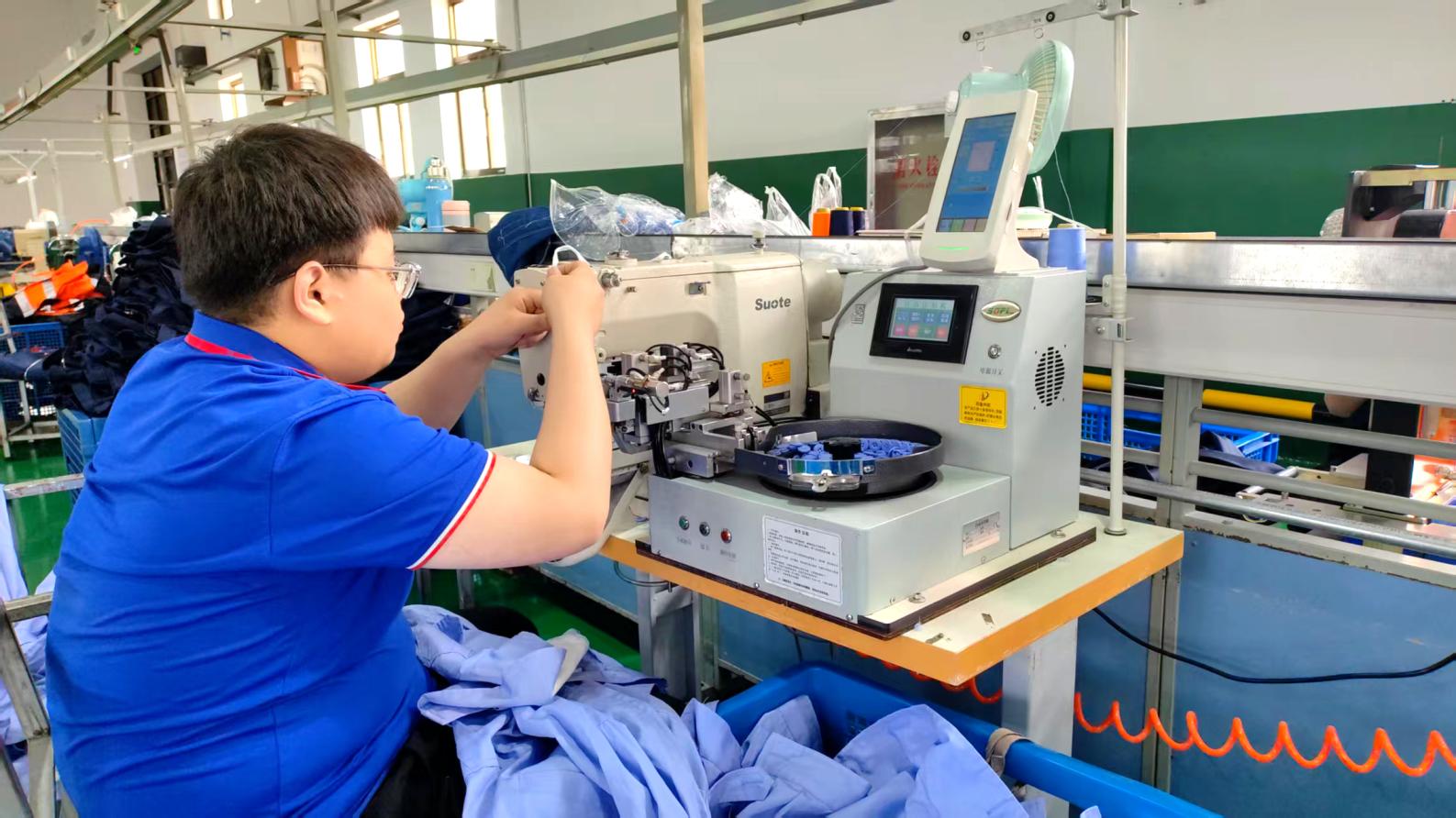
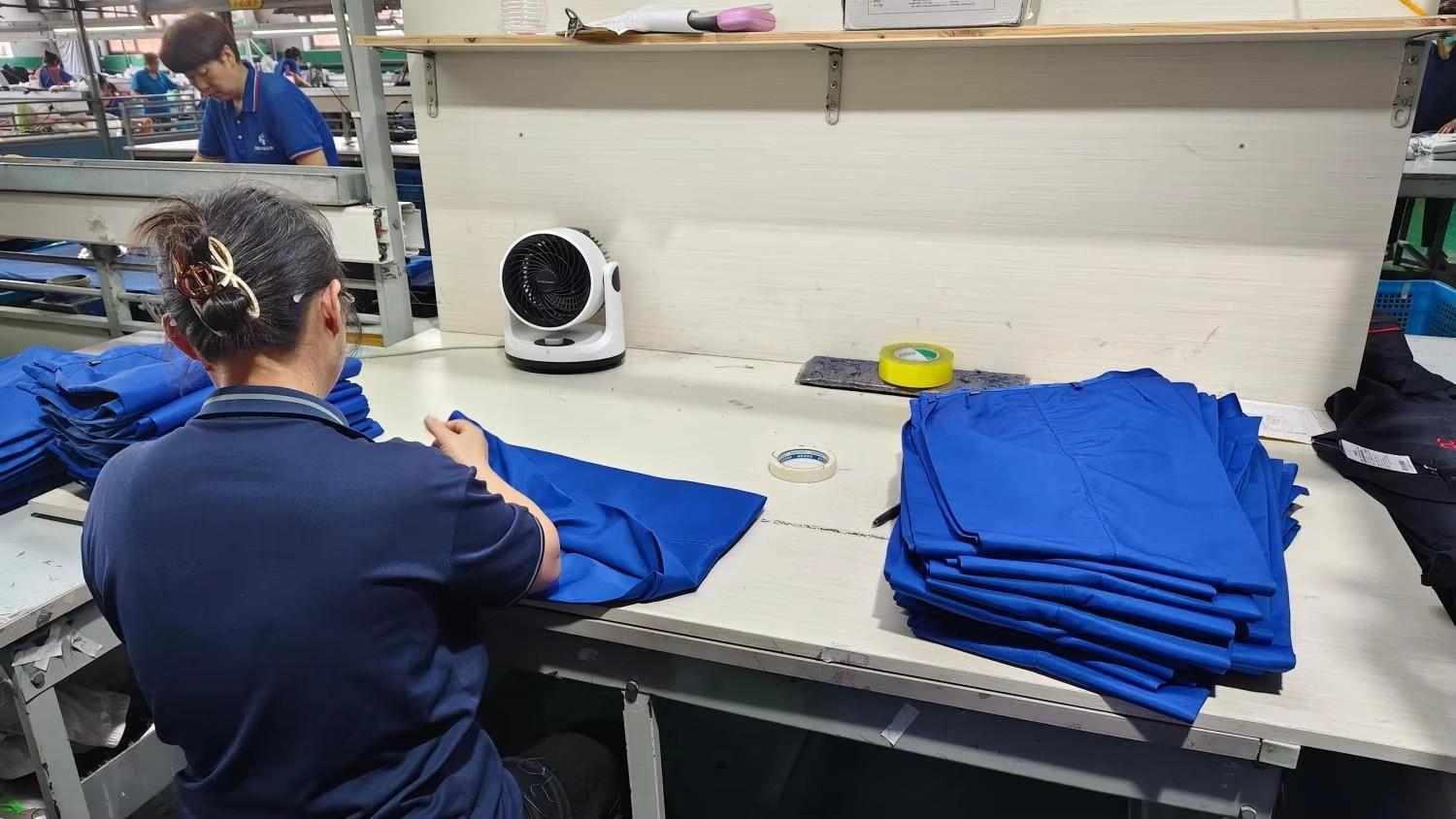
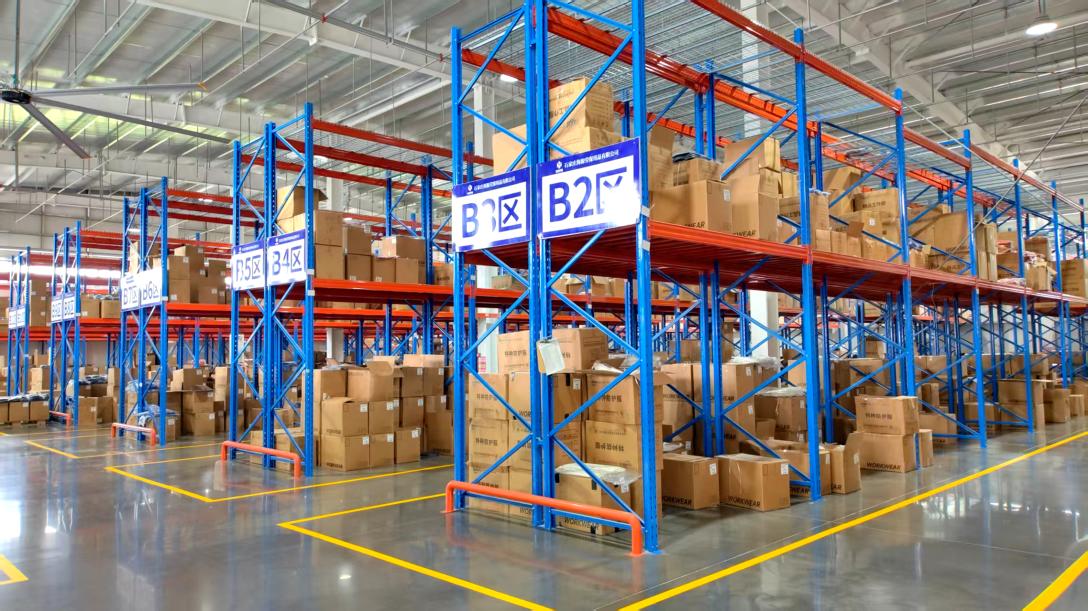
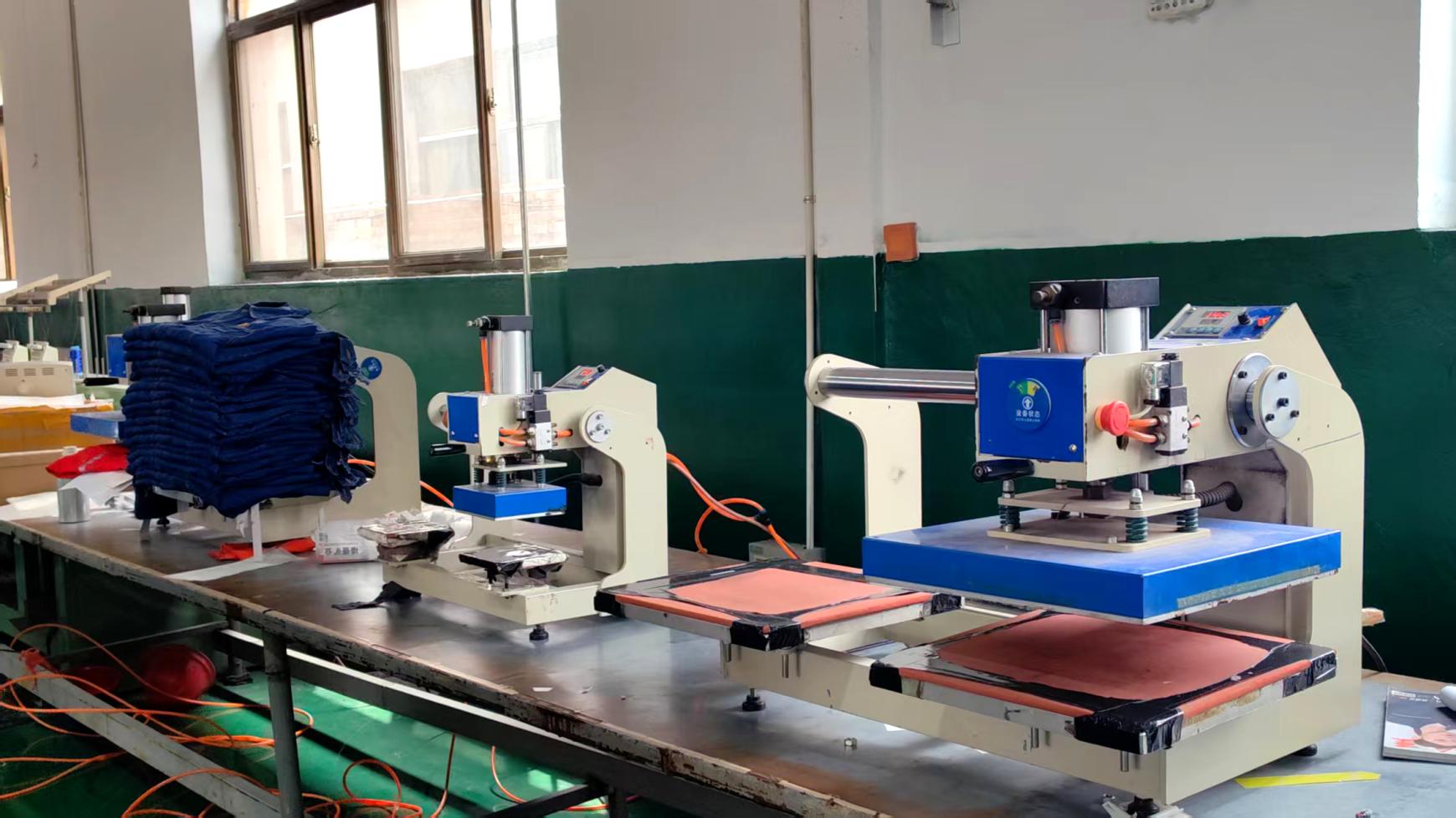
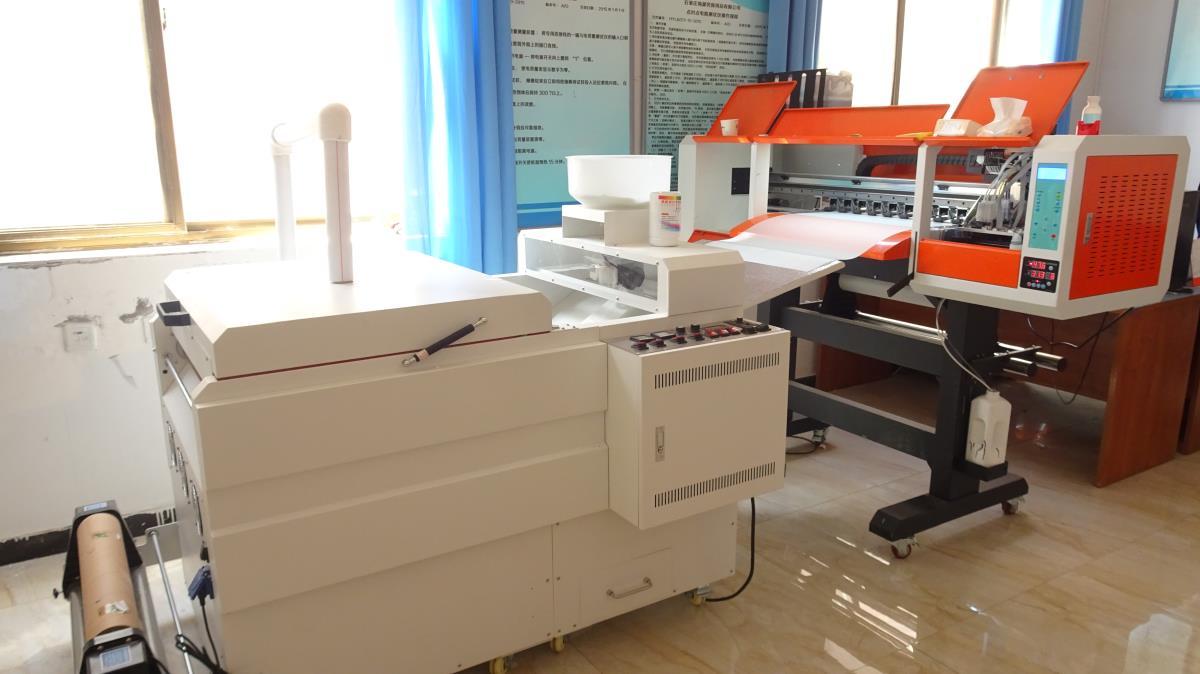
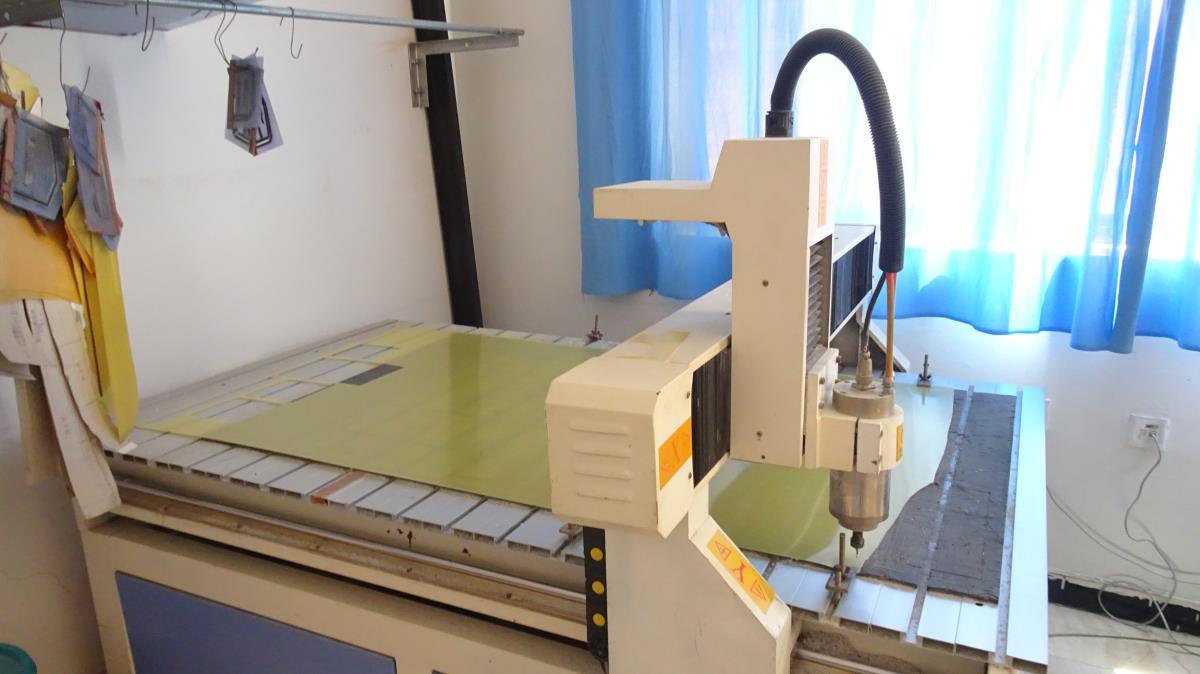
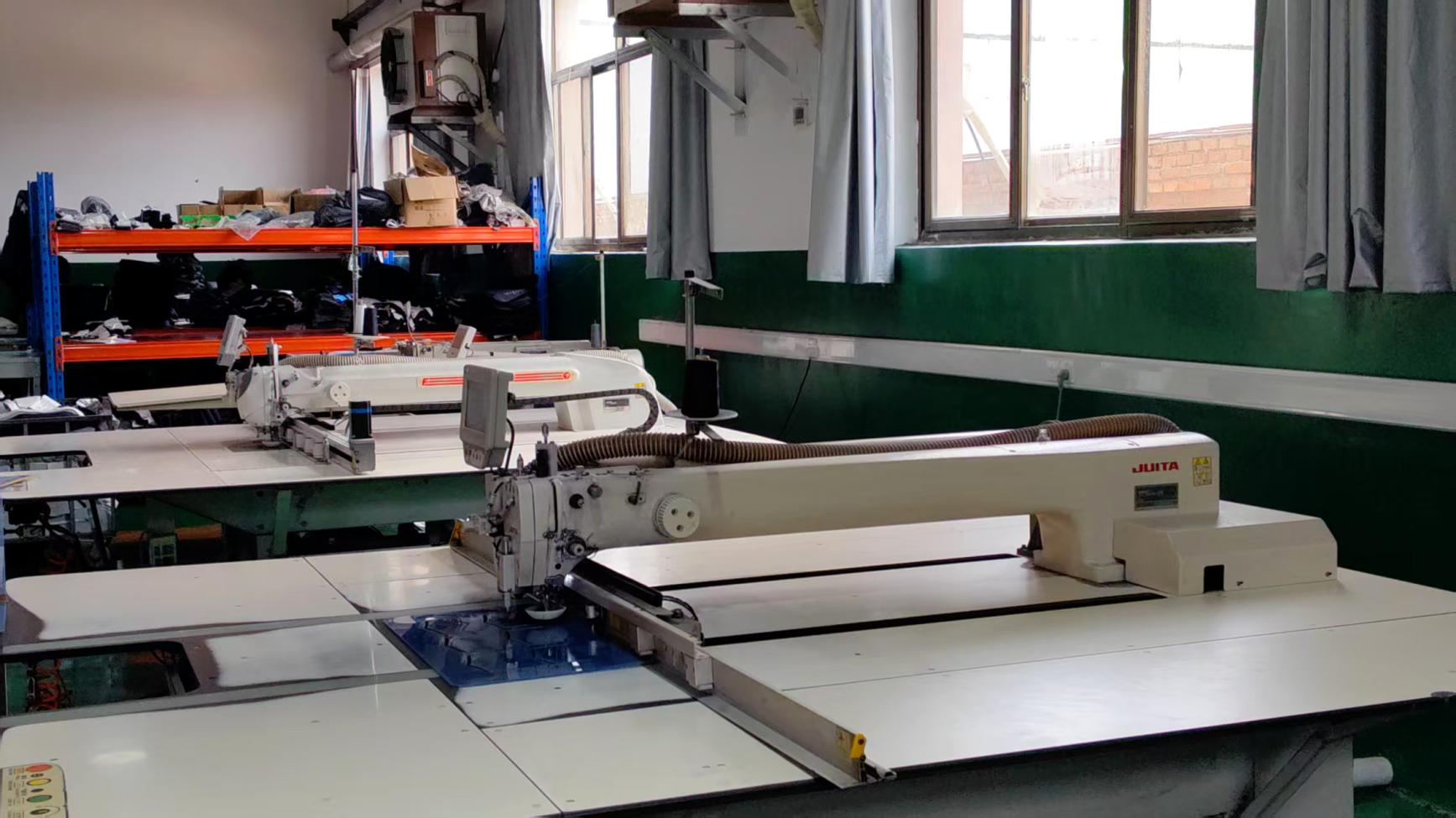
Practical checkpoints for international procurement directors and quality assurance managers.
When placing orders for heavy winter apparel, B2B buyers must prioritize structural reliability and logistics deadlines. A delayed shipment can miss seasonal retail windows, causing direct margin loss. We recommend focusing on three core pillars during factory evaluations:
1. AQL Quality Inspection Protocol: Ensure your factory operates under clear Acceptable Quality Limit guidelines (e.g., AQL 2.5). Every batch should undergo critical visual, seam-strength, and dimensional stability tests post-ironing. This prevents fit variation across sizes.
2. Material Certification Verification: Premium wools, cashmeres, and high-performance synthetics must be traceable. Always request certification documents (like GRS for recycled down or OEKO-TEX for base fabric processing safety) to satisfy growing consumer demands for transparency and environmental responsibility.
3. Flexible Customization (OEM/ODM): Verify that the factory can manage custom branded elements, custom inner labels, logo embroidery, and custom hardware trim (embossed snap buttons, branded zippers). An ODM partner with an active design department can also suggest layout optimization to improve overall material yields and reduce unit manufacturing costs.
Technology integration, modular structures, and sustainable shifts shaping the next decade of fashion.
Adaptability is driving consumer buying decisions. Single overcoats with detachable quilted inner shells, magnetic lapel components, and stowable hood configurations allow users to comfortably navigate temperature swings, reducing the need for multiple heavy garments.
To reduce sample iteration waste and logistics carbon output, advanced brands are shifting toward 3D digital apparel sampling. These digital designs can be accurately simulated on virtual avatars, optimizing silhouette draping before fabric cutting begins.
The elimination of PFAS chemical elements in water-resistant fabrics is forcing factories to adopt new, bio-derived coatings. Factories prioritizing plant-based, durable water repellent (DWR) formulas will maintain access to highly regulated markets like the European Union.
Addressing essential queries regarding custom apparel manufacturing and bulk procurement logistics.
Our standard production MOQ typically starts at 100-300 units per style/colorway, depending on the complexity of the fabric selection (e.g., custom-dyed wool cashmere blends or technical down fill fabrics). For established brands scaling up new designs, we can negotiate flexible trial run batches.
Our materials are sourced from reputable suppliers carrying OEKO-TEX Standard 100, Global Recycled Standard (GRS), or Responsible Wool Standard (RWS) tags. Our factory operations adhere to local environmental and labor standards, supporting smooth custom clearances for international exports.
We typically complete initial sample development within 7 to 10 working days after receiving pattern files and material specifications. Bulk production ranges between 30 to 45 days, depending on fabric availability and seasonal production volume spikes.
Yes, we provide full ODM services. Our specialized design department generates style sheets, sources seasonal fabrics, drafts technical packages, and creates CAD patterns tailored specifically to target customer body metrics across major global markets.
We integrate computer-controlled template machinery and automatic cutting tools to eliminate dimensional variance. During assembly, mid-line QC checkers audit components against measurement sheets before the final steam-ironing and packaging stages.
Yes, we offer multiple shipping terms (including FOB Shenzhen/Guangzhou, CIF, and DDP) in partnership with reliable ocean, air, and express logistics providers. This ensures your bulk cargo arrives safely at your distribution center on schedule.