Barjeel Fashion
Barjeel Fashion
Barjeel Fashion
Explore our leading selection of custom apparel configurations engineered for global markets.
Analyzing macroeconomic indicators, retail evolution, and high-performance utility demands.
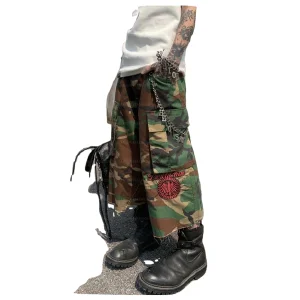
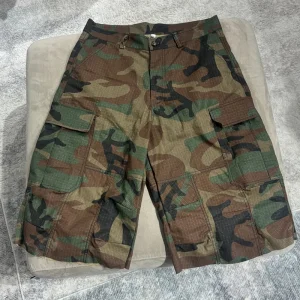
The global apparel market is witnessing a profound structural shift: the convergence of utility design principles with high-fashion aesthetics. This evolution is perfectly embodied by the cargo skirt, which has transitioned from its 1990s military origins to a staple of the contemporary, multi-functional corporate and casual wardrobe. High-volume procurement officers, brand managers, and direct-to-consumer fashion houses recognize that the market demands garments that blend structural rigidity with comfort, tactical pocket arrays with elegant lines, and durability with low-impact environmental footprints.
From a manufacturing standpoint, this requires highly specialized factories that understand the intricacies of heavyweight cotton canvas, ripstop nylons, blended elastane fabrics, and reinforced double-stitching construction. Cargo skirts must endure severe wash-down treatments, heavy enzyme distress cycles, and precision pressing without losing their dimensional stability or tearing pocket stress-points. The global demand spans across several targeted consumer profiles: the urban commuter, utility-active outerwear segments, and modern corporate workwear lines that utilize a hybrid design approach.
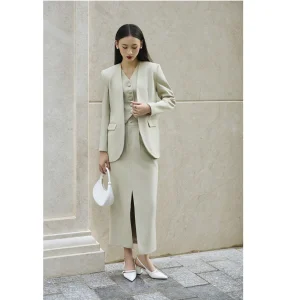
Consumers require cargo designs that transition seamlessly from mass transit to clean corporate environments. This calls for hidden technical compartments, moisture-wicking coatings, and sleek, minimalist pocket details that don't compromise silhouette aesthetics.
Engineered for high physical performance. Utilizing heavy ripstop, dynamic bartacking on weight-bearing joints, and military-spec metal eyelets, zippers, and webbed belt arrays, these garments are built for field environments and active-lifestyle brands.
Focuses on aesthetic visual hierarchies. Sourcing satin blends, premium linen, and structured polyester matrices with elaborate pleats, oversized structural pockets, custom embroidery, and statement metal hardware to appeal to fashion-forward audiences.
Why Guangdong continues to drive the highest industrial efficiency, component integration, and lead-time optimization.
In high-volume garment production, operational speed, quality consistency, and cost-containment are paramount. China's industrial textile ecosystems—particularly centered in Guangdong—provide an unmatched concentration of raw materials, trim suppliers, high-tech dye houses, and logistical networks. This localized concentration drastically cuts lead times. When a cargo skirt requires specific heavy metal custom-engraved buttons, quick-release plastic buckles, and double-needle lockstitches, a Guangdong factory can source, prototype, verify, and run bulk production in a fraction of the time required in other global hubs.
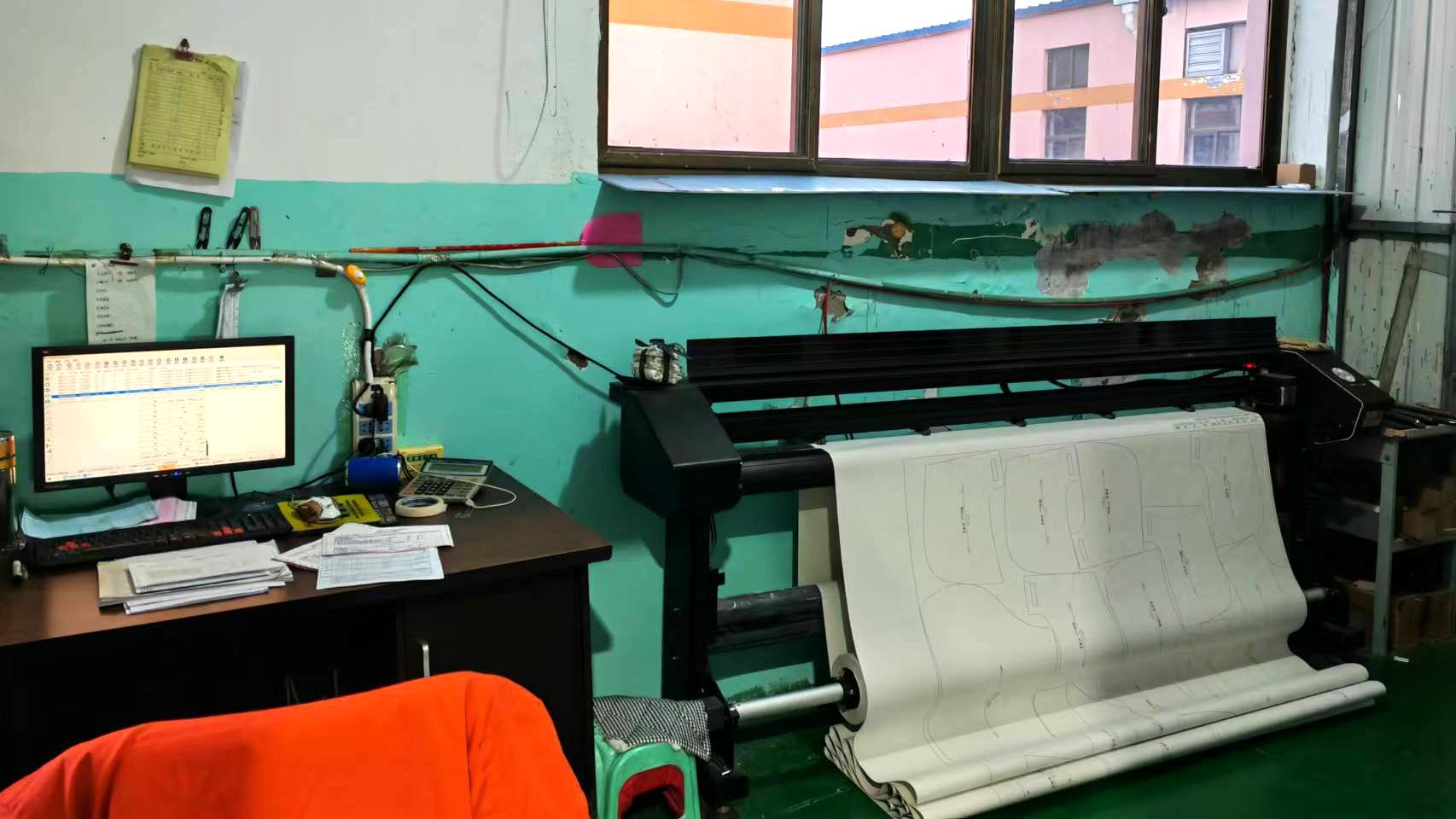
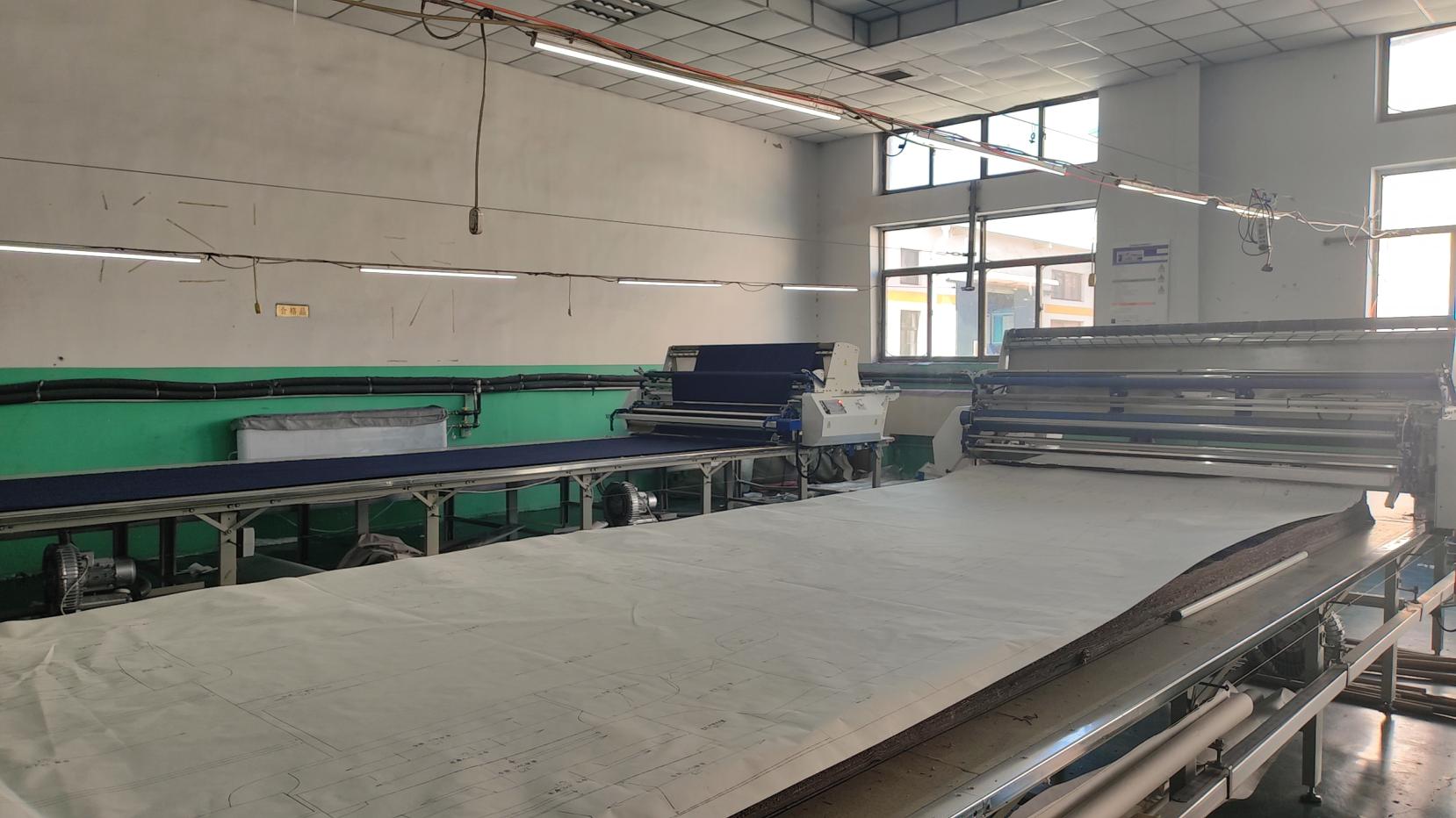
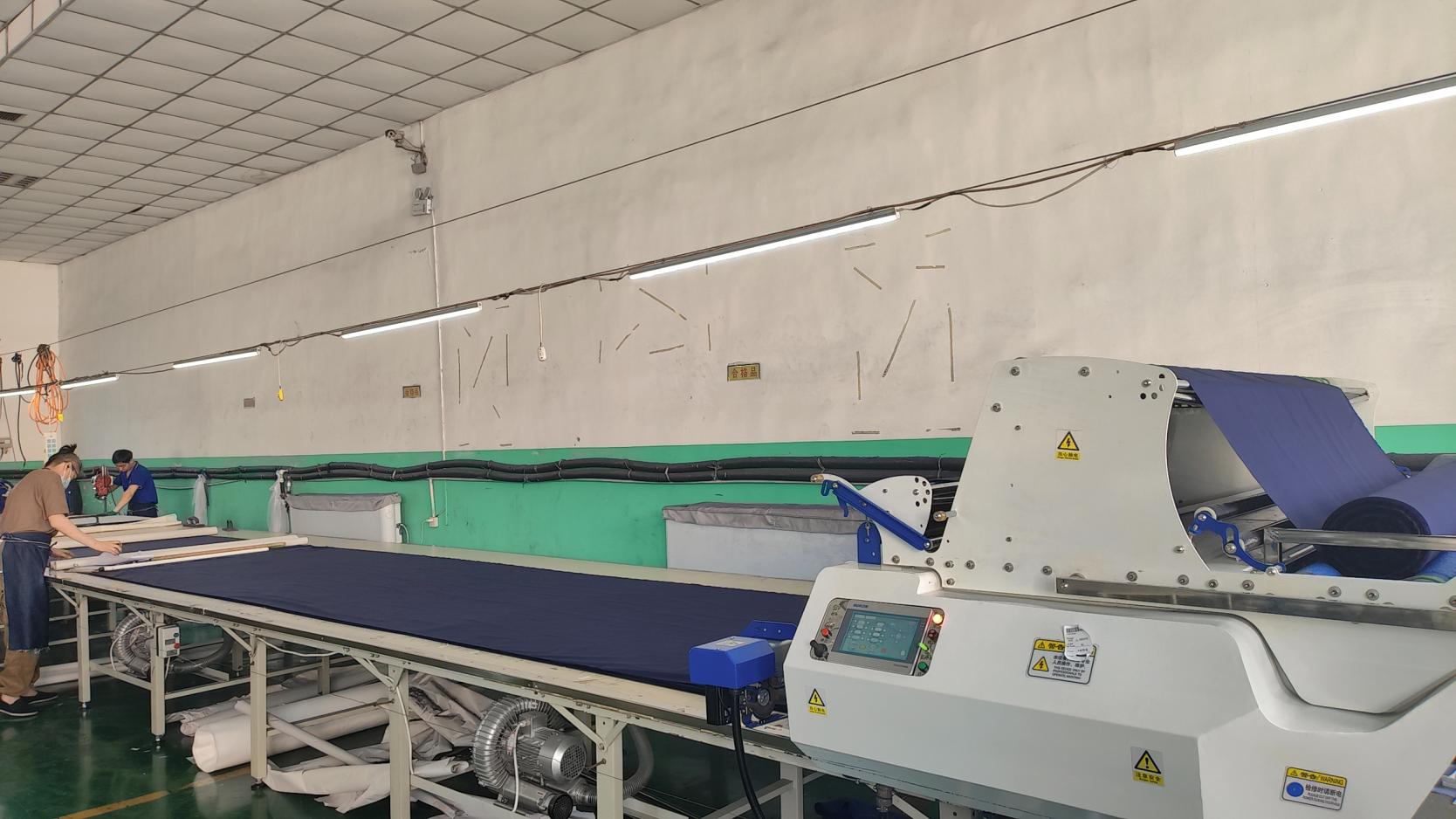
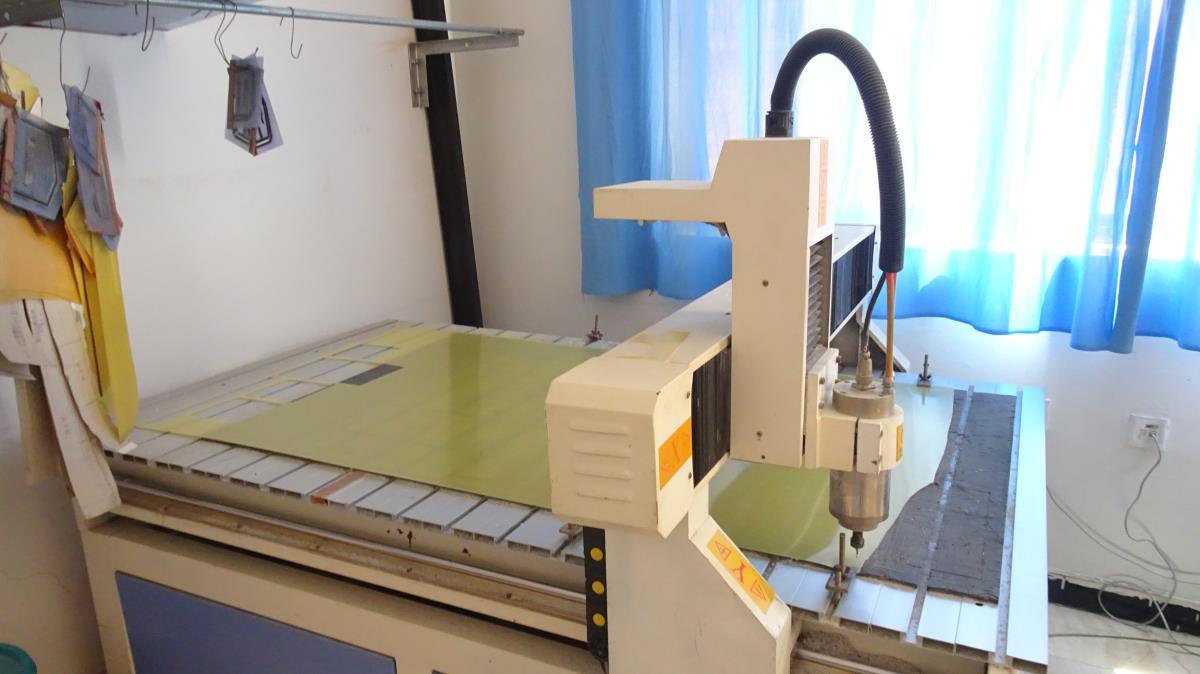
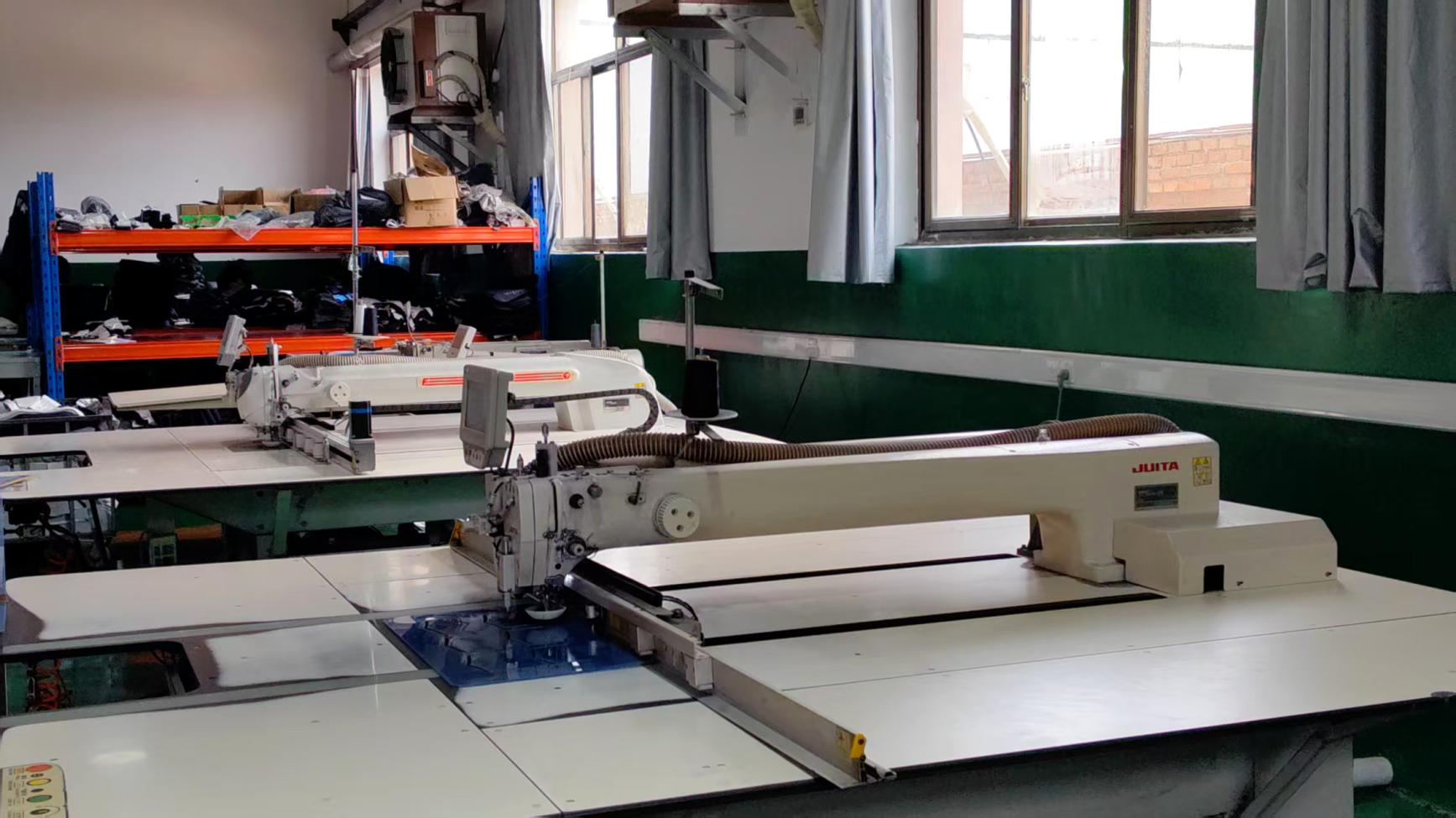
Furthermore, technological integration in Chinese manufacturing hubs has shifted from manual layout drafting to computerized CAD/CAM systems, automated cloth-laying, and high-precision laser fabric cutters. This drastically reduces fabric waste, stabilizes unit costs, and eliminates human error during high-speed assembly. The result is a perfect alignment of scale and detail that satisfies the most demanding quality protocols.
A premier modern apparel manufacturing enterprise integrating R&D, design, and high-precision supply chain operations.
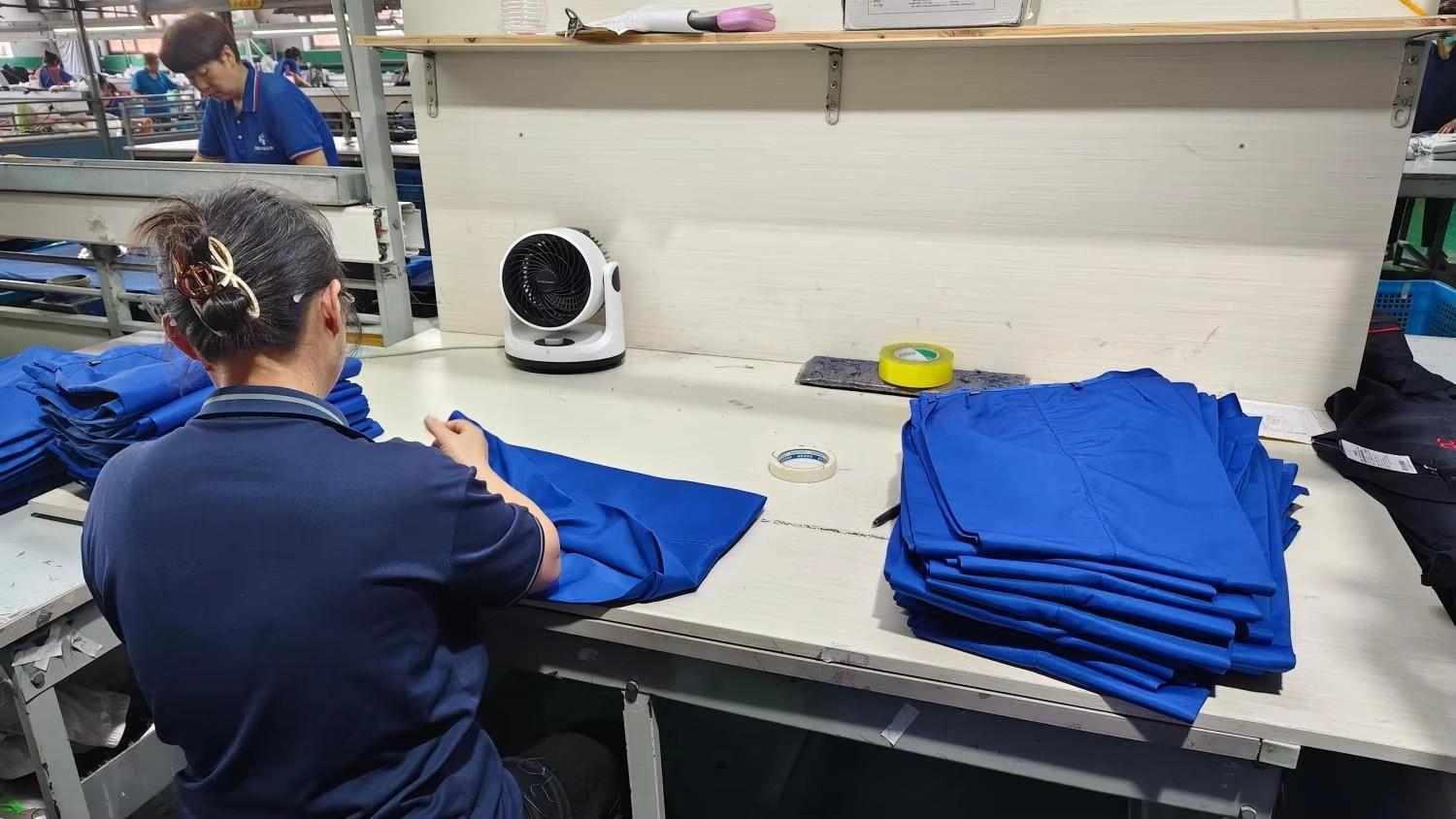
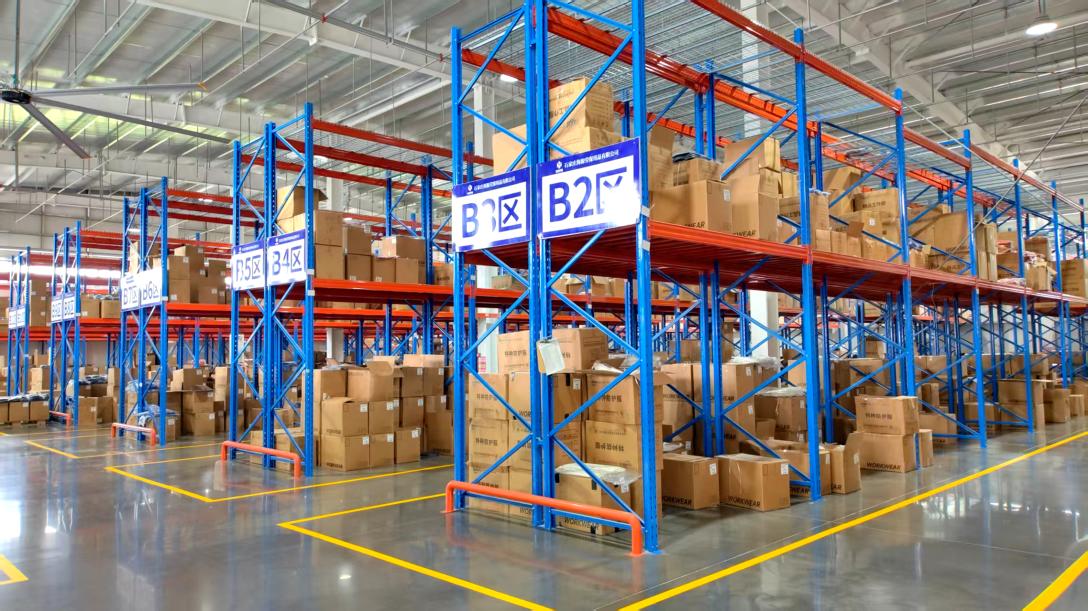
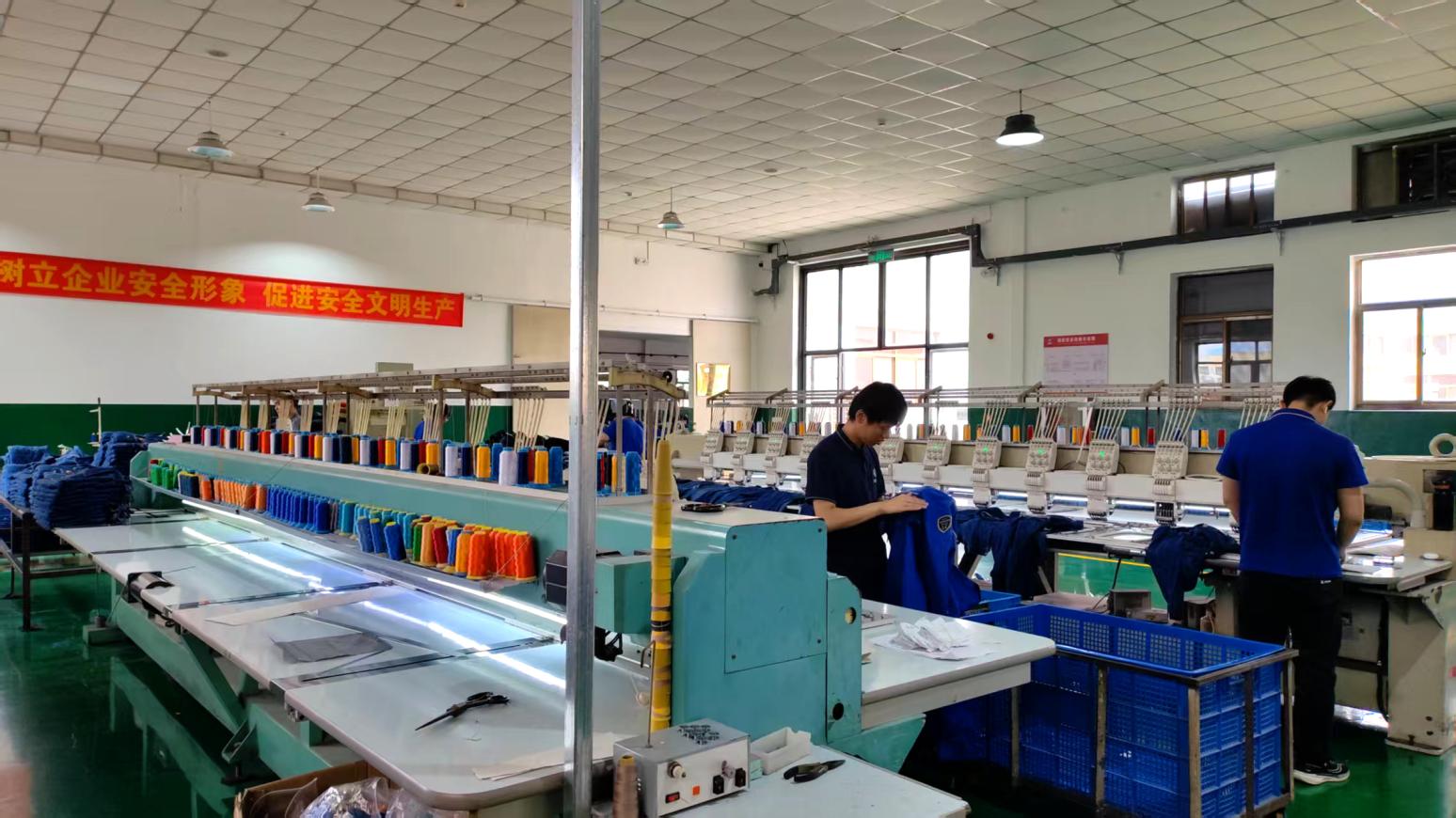
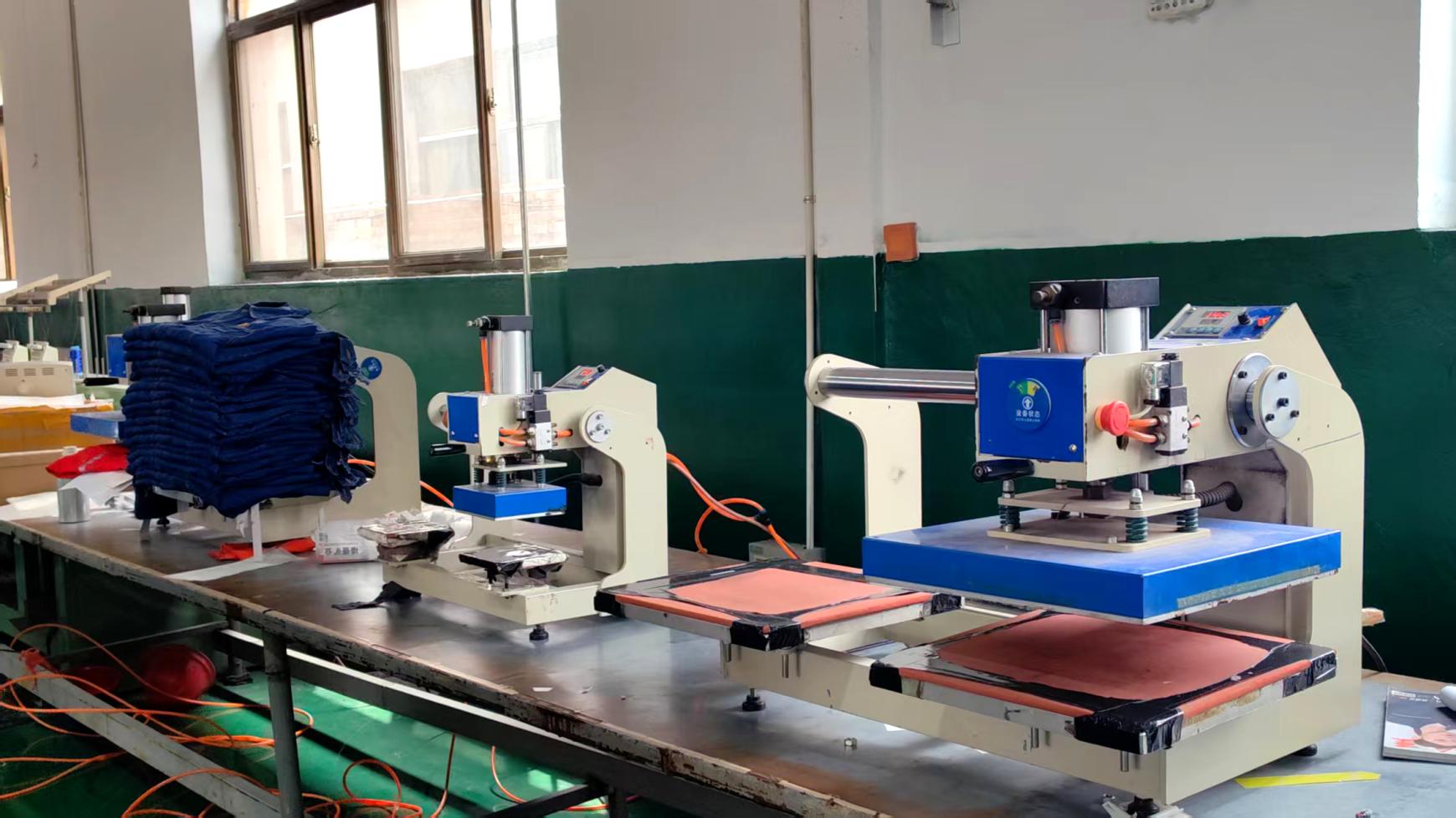
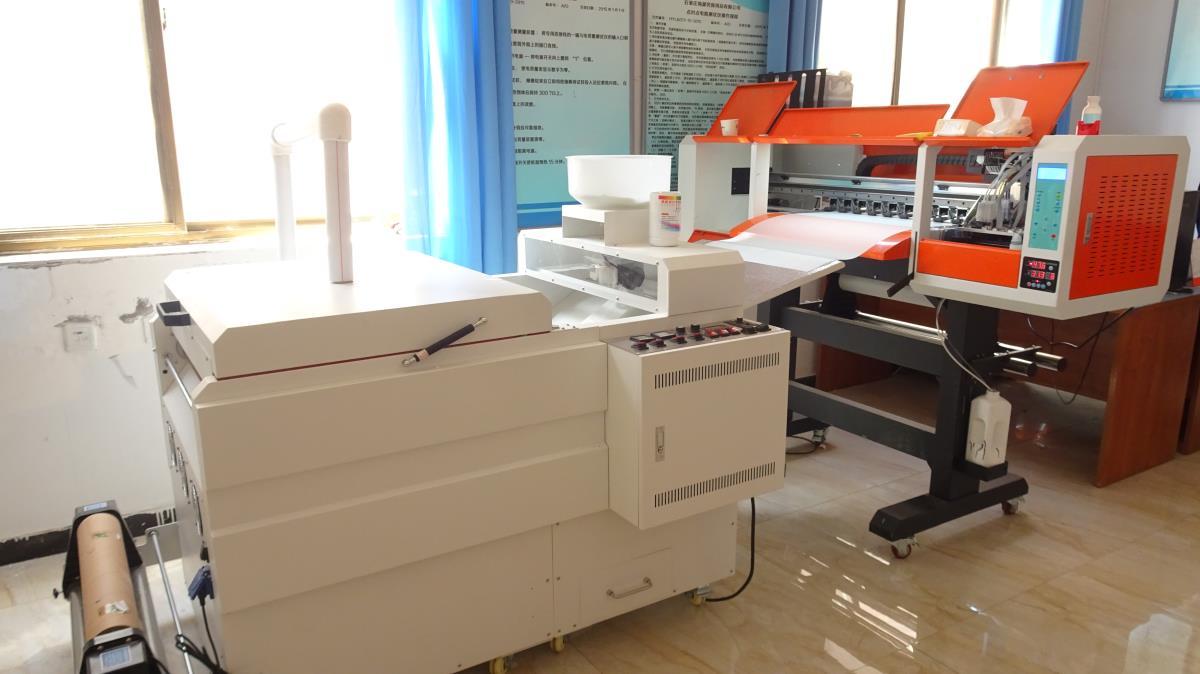
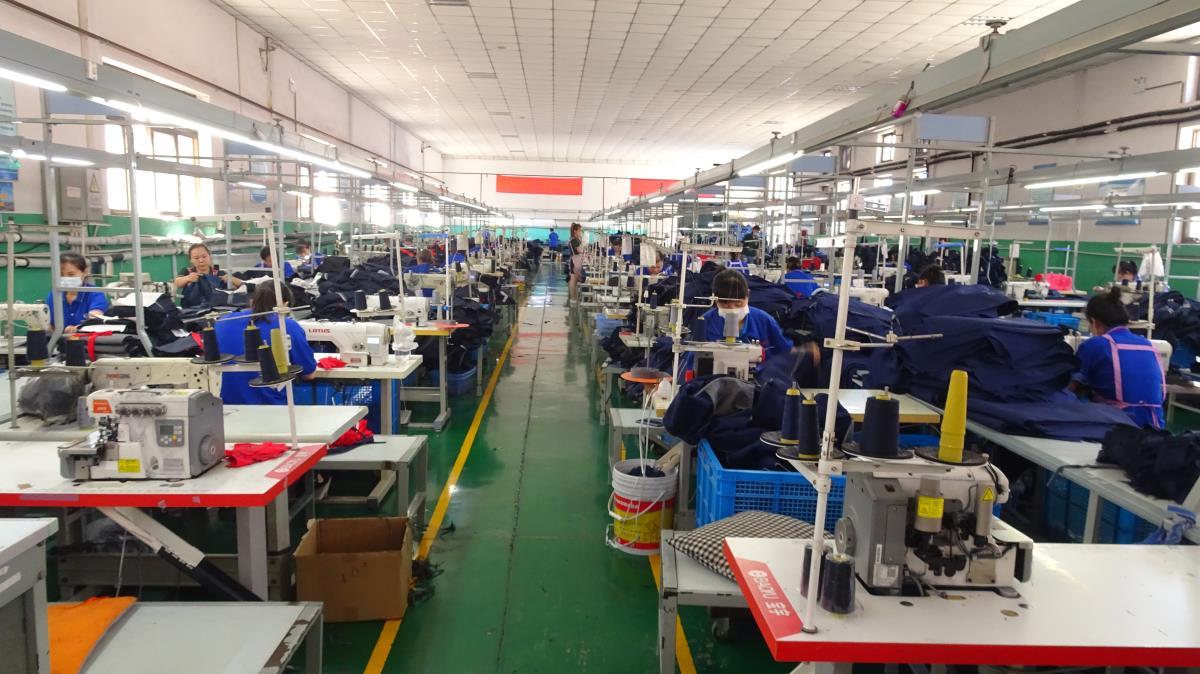
Established in 2006, Guangdong Barjeel Fashion Co., Ltd. is a modern apparel manufacturing enterprise integrating design, research and development (R&D), production, sales, and supply chain services. The company operates its own manufacturing facility covering an area of approximately 3,600 square meters, featuring a clean and well-organized office environment, standardized production workshops, and advanced garment manufacturing equipment.
With a professional R&D team and a skilled production workforce, the company has built strong capabilities across the entire apparel development process, including style design, pattern making, fabric sourcing, sampling, and bulk production. A well-established quality control system and efficient production management process ensure consistent product quality, timely delivery, and high manufacturing standards.
Guangdong Barjeel Fashion Co., Ltd. specializes in a wide range of apparel categories, including fashion and trend-led clothing, sportswear, evening dresses, professional and workwear, as well as casual wear. The company is capable of serving both OEM and ODM requirements, providing flexible and customized solutions to meet the diverse needs of global fashion brands. Over the years, the company has developed long-term partnerships with numerous domestic and international clients, earning a solid reputation for reliability and quality in the apparel manufacturing industry. Guided by the core values of quality-first, customer orientation, and continuous innovation, Guangdong Barjeel Fashion Co., Ltd. remains committed to upgrading its design capabilities and manufacturing technologies.
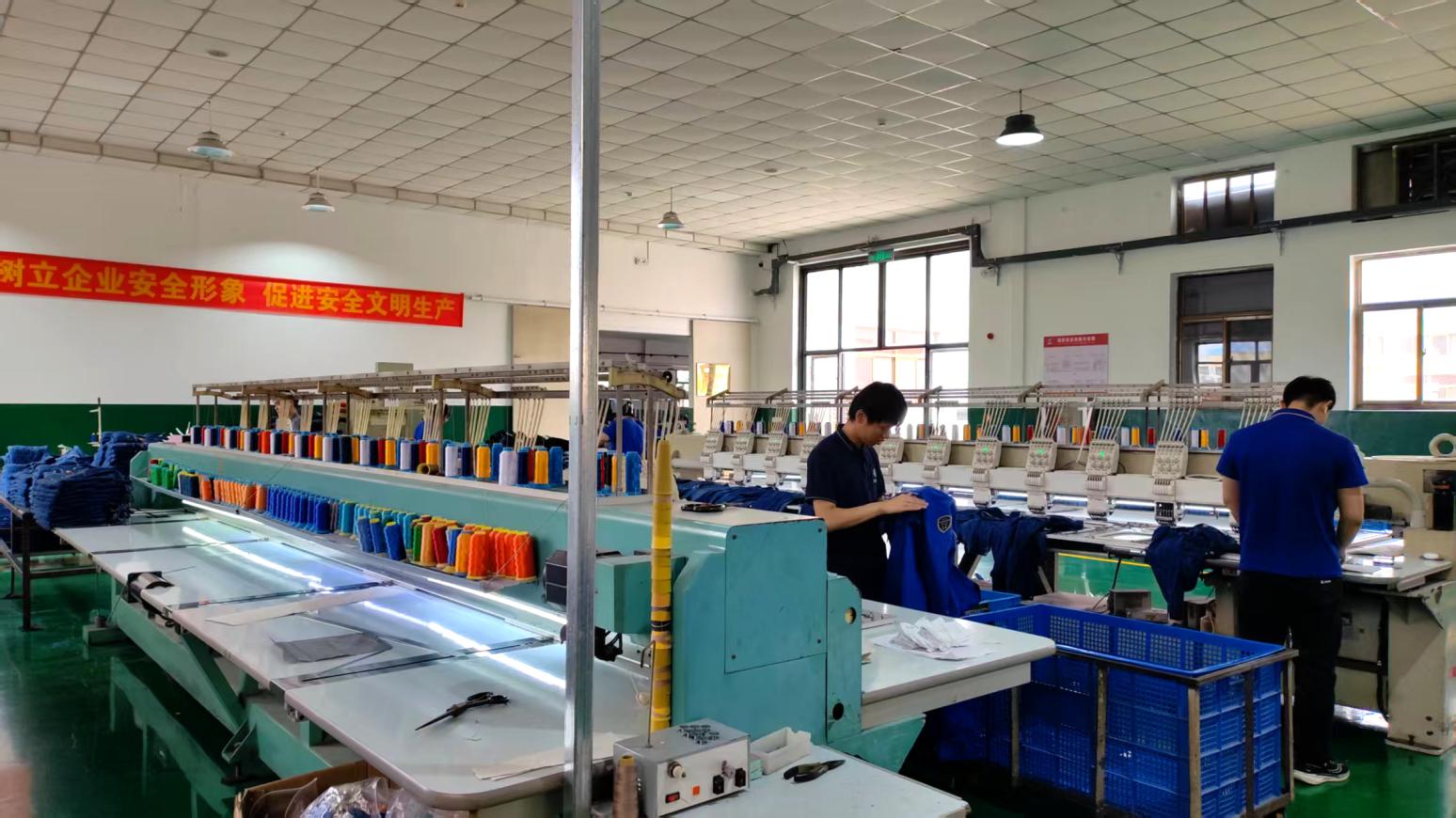
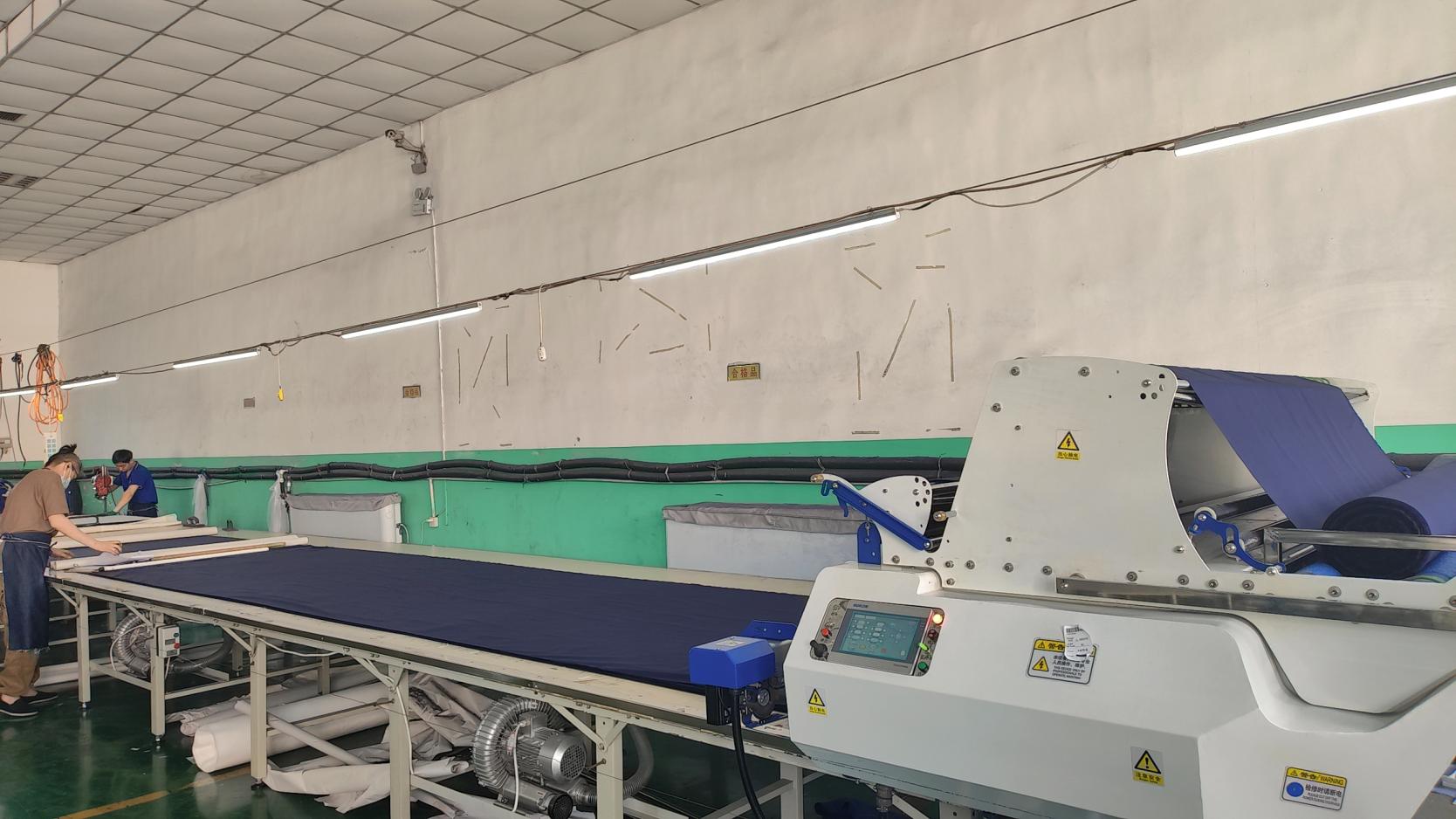
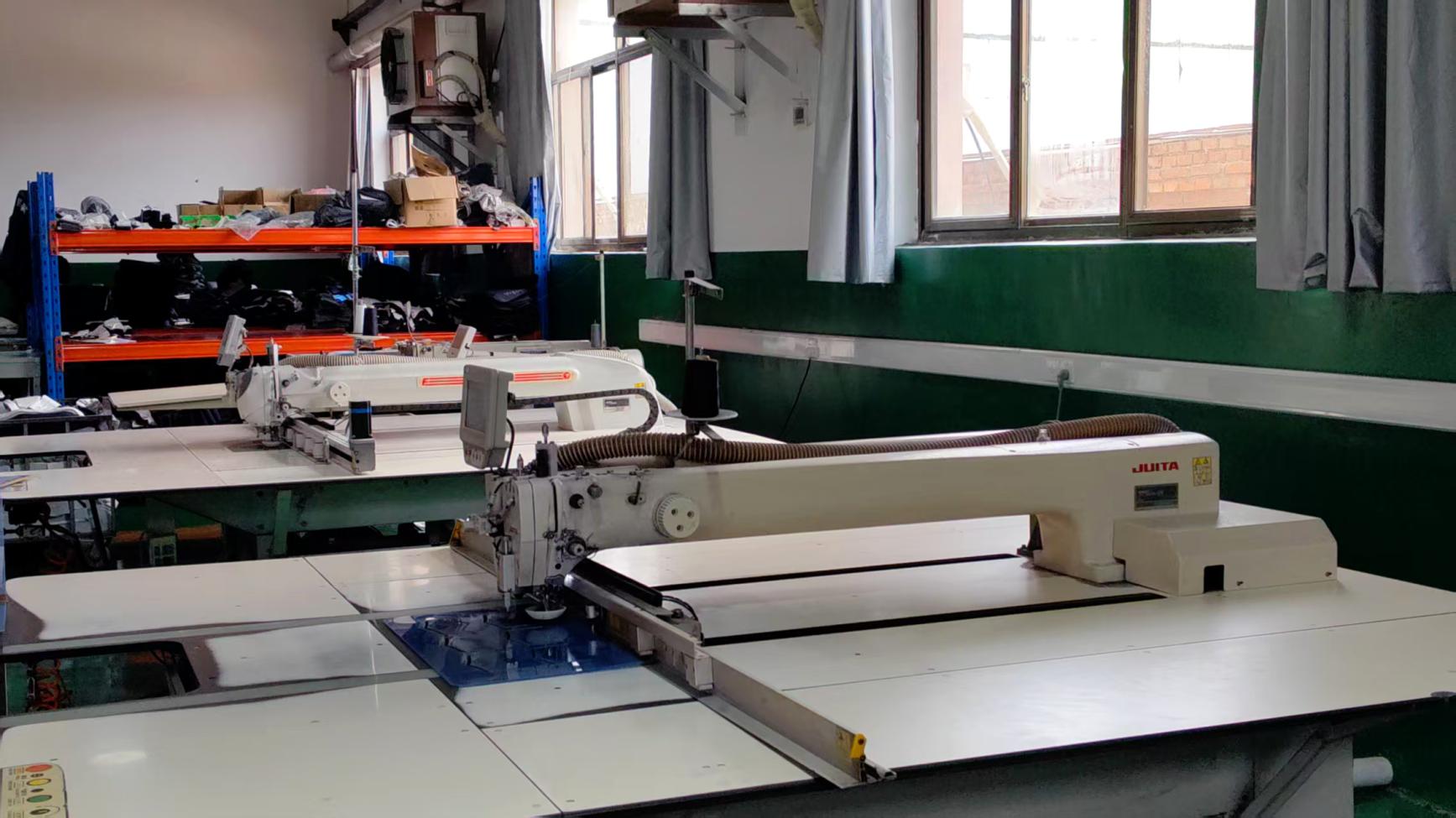
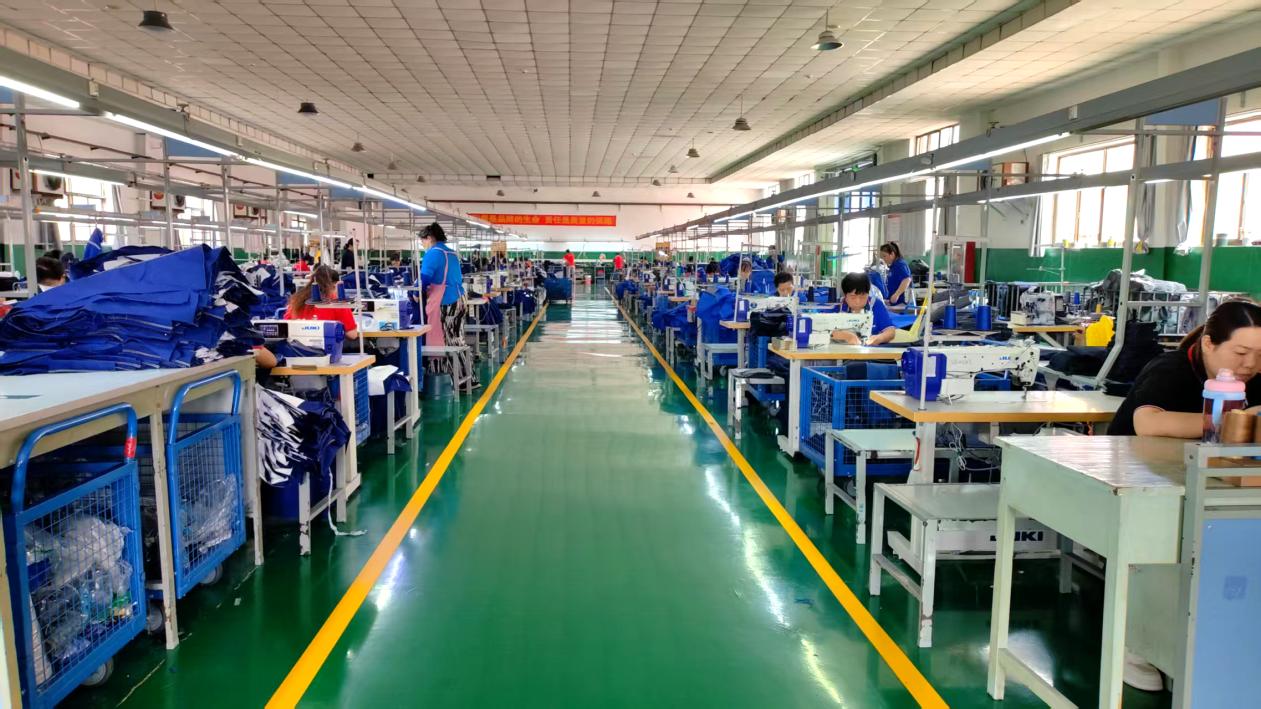
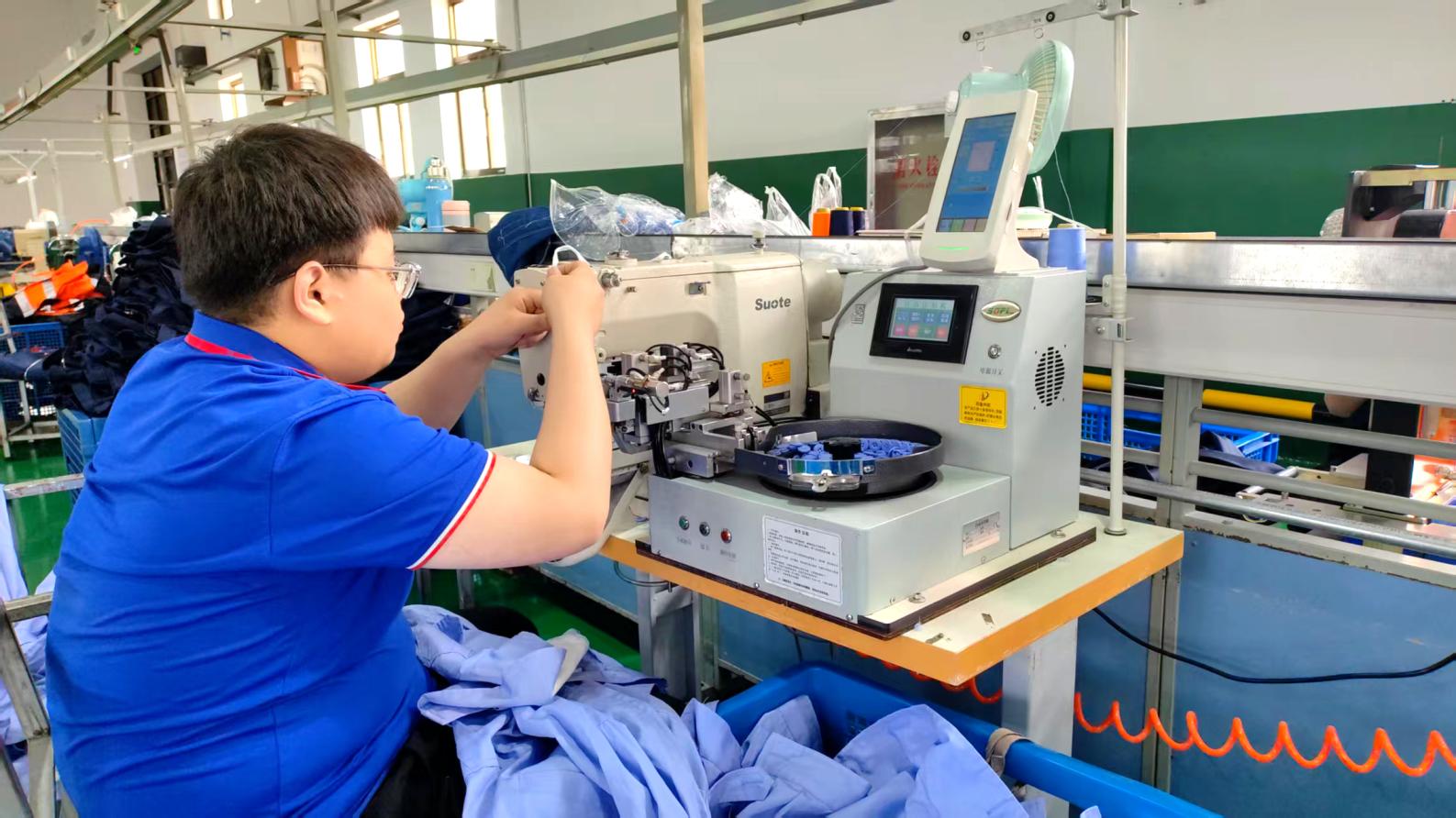
The rigorous engineering blueprint governing our raw material selection, tolerances, and assembly operations.
| Performance Matrix | Technical Baseline / Specification | Quality Standards Compliance | |
|---|---|---|---|
| Primary Fabric Blends | 100% Cotton Ripstop (220-300 GSM), Cotton-Nylon blended Cordura, Heavy Twill, Premium Satin Polyester, and Organic Eco-Linen matrices. | ISO 9001, Oeko-Tex Standard 100 | OEKO-TEX / GOTS Certified |
| Seam Strength & Stitching | Reinforced 3-needle chain-stitching, precision lockstitch sewing (minimum 12-14 stitches per inch), and stress-point bartacking. | BS EN ISO 13935-2 seam strength protocols | Industrial Workwear Standard |
| Pocket Configurations | 3D bellows cargo pockets, integrated hidden interior zipper slots, reinforced flap double-button overlays, and magnetic closure systems. | Custom structural tooling and template alignment | Patented Ergonomic Designs |
| Shrinkage & Color Fastness | Pre-shrinkage steam treatments. Fabric dimensional stability test ensures shrinkage is restricted under <2.5% vertically and horizontally. | ISO 6330 Wash & Wear stability testing standards | AATCC Test Method 61 Grade 4+ |
| Hardware & Trims | Lead-free, rust-resistant YKK brass zippers, military-spec resin fasteners, heavy metal D-rings, and custom custom-etched alloy hardware. | REACH compliance and SGS anti-corrosion test approved | Heavy-Duty Marine Grade |
Understanding regional compliance and styling choices is key to high-selling inventory. In North American Markets, cargo apparel trends lean towards heavy-duty cotton ripstops with robust multi-pocket configurations, catering to the active outdoor and streetwear enthusiast. Conversely, the European Market shows a clear preference for minimalist utility designs: midi-length structures, integrated belt loops, hidden zippers, and lightweight sustainably-sourced linen or recycled polyester materials. For Asia-Pacific Retailers, high-rise, front-slit shapes in lighter weights dominate the trend metrics, blending vintage aesthetics with high-breathability profiles suitable for warmer humid climates.
How digital manufacturing, rapid prototyping, and environmental directives shape global B2B garment procurement.
Utilizing high-end CAD algorithms, factories can lay patterns with less than 5% textile scrap. This drastically lowers input cost margins and aligns with international green manufacturing directives.
Clean water preservation laws demand the integration of low-liquid-ratio chemical dye lines. Global retailers prioritize partners that execute safe fabric wash-downs without ecological destruction.
From yarn-spinning factories straight to consumer delivery docks, RFID tracking systems inside packing containers verify quantity, status, and processing conditions in real time.
A step-by-step roadmap for global buyers to streamline prototyping and secure mass production lines.
Submit detailed sizing charts, pocket layouts, fabric weight specifications, and trim designs to our R&D desk.
Within 7-10 working days, we generate an exact physical sample utilizing your requested material configurations.
Upon sample approval, raw materials are sourced in volume from verified textile mills, optimizing per-unit pricing.
Finished items run through three stages of strict quality checks before entering dust-sealed export packaging.
Critical commercial questions answered for wholesale sourcing coordinators, procurement executives, and retail managers.
Discover more professional-grade clothing configurations available for wholesale customization and bulk import.