Barjeel Fashion
Barjeel Fashion
Barjeel Fashion
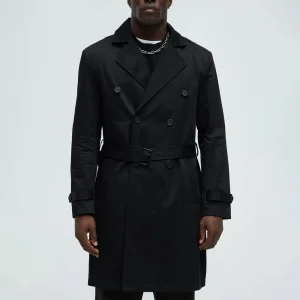
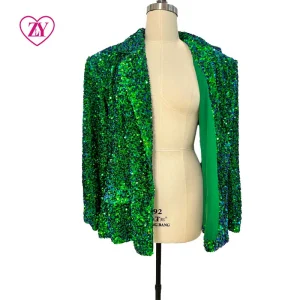
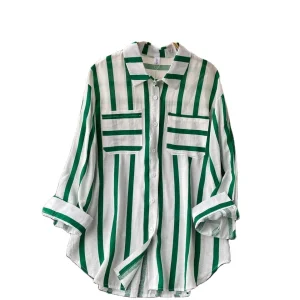
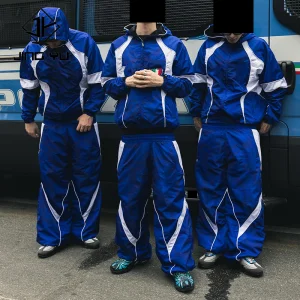
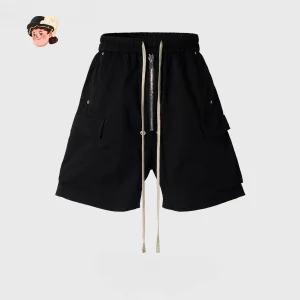
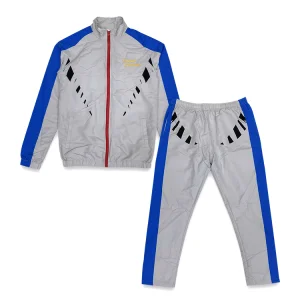
Explore our initial collection of high-performance sportswear, tailored outerwear, and sustainable lifestyle apparel, engineered to balance aesthetic excellence with strict eco-ethical manufacturing protocols.

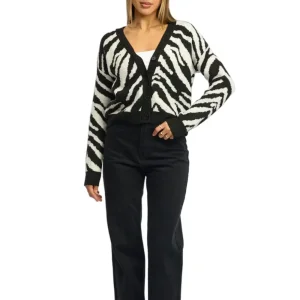

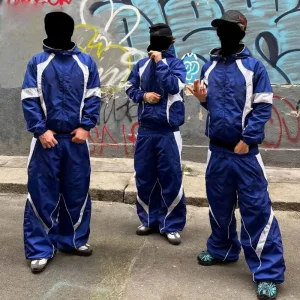
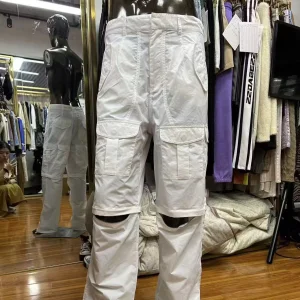
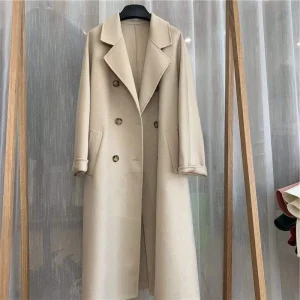
The global apparel industry is undergoing an unprecedented structural transition. Driven by stringent international legislative frameworks—such as the European Union’s Corporate Sustainability Due Diligence Directive (CSDDD) and the United States’ Uyghur Forced Labor Prevention Act (UFLPA)—sourcing professionals can no longer view "ethical manufacturing" as a mere branding exercise. It is now a critical compliance and risk mitigation strategy. Consumer behavior has radically shifted; demographic segments across North America, Europe, and Asia-Pacific demand trace-ability, carbon footprint transparency, and guaranteed fair-labor practices throughout the entire production lifecycle.
Historically, apparel manufacturing operated on a linear "take-make-waste" model, optimizing purely for unit cost at the expense of ecological stability and human welfare. Today, circular design principles dominate. This involves utilizing organic fibers certified by the Global Organic Textile Standard (GOTS), recycled synthetics verified under the Global Recycled Standard (GRS), and non-toxic dyes compliant with OEKO-TEX® Standard 100. By shifting to an ethical ecosystem, global brands secure long-term market access, insulate themselves from regulatory penalties, and establish profound "Information Gain" that translates directly into consumer trust and equity.
There is a persistent misconception that ethical manufacturing is incompatible with speed, scale, and cost-efficiency. China's modernized apparel manufacturing sector completely refutes this binary. Over the past decade, Chinese factories have transitioned away from low-value, labor-intensive setups to embrace automated, digitally integrated smart factories. This technological infrastructure allows for significant environmental and operational efficiency advantages:
Proximity to localized textile mills, raw material processors, accessory suppliers, and highly specialized logistics hubs dramatically reduces lead times and lowers transportation emissions.
Using advanced 3D CAD modeling and automated layout software, Chinese manufacturers achieve fabric utilization rates exceeding 92%, radically reducing pre-consumer textile waste.
A skilled, experienced labor pool operating cutting-edge machinery achieves precision that minimizes defect rates to less than 0.5%, avoiding wasted material and secondary processing energy.
By leveraging these digital capabilities, top Chinese ethical exporters deliver products that are economically competitive with emerging manufacturing regions while operating under robust social compliance, safe working conditions, and carbon-reduction initiatives. This represents the pinnacle of modern sustainable engineering.
A Pillar of Modern Apparel Engineering, Sustainable R&D, and Global Export Infrastructure Since 2006
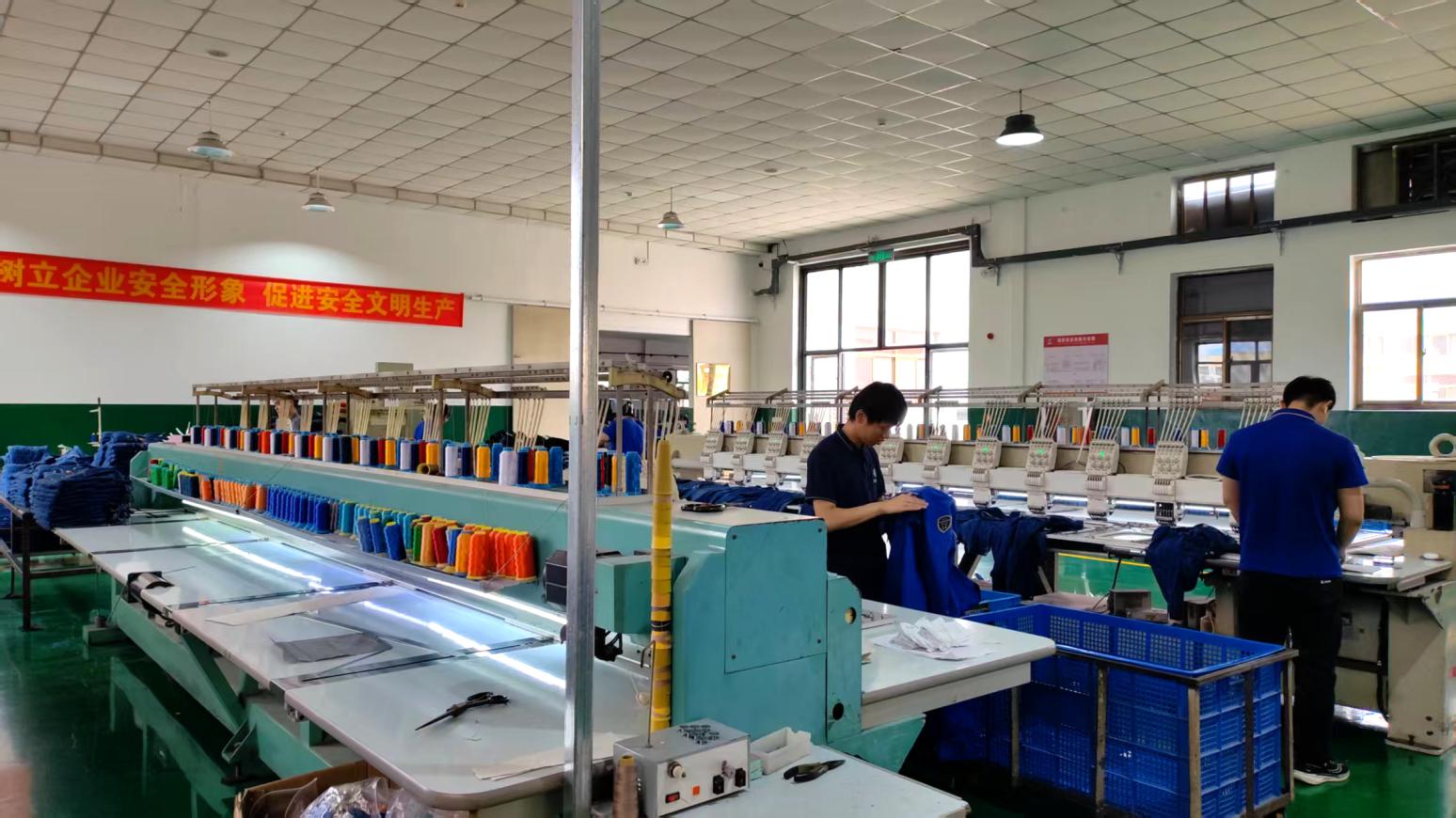
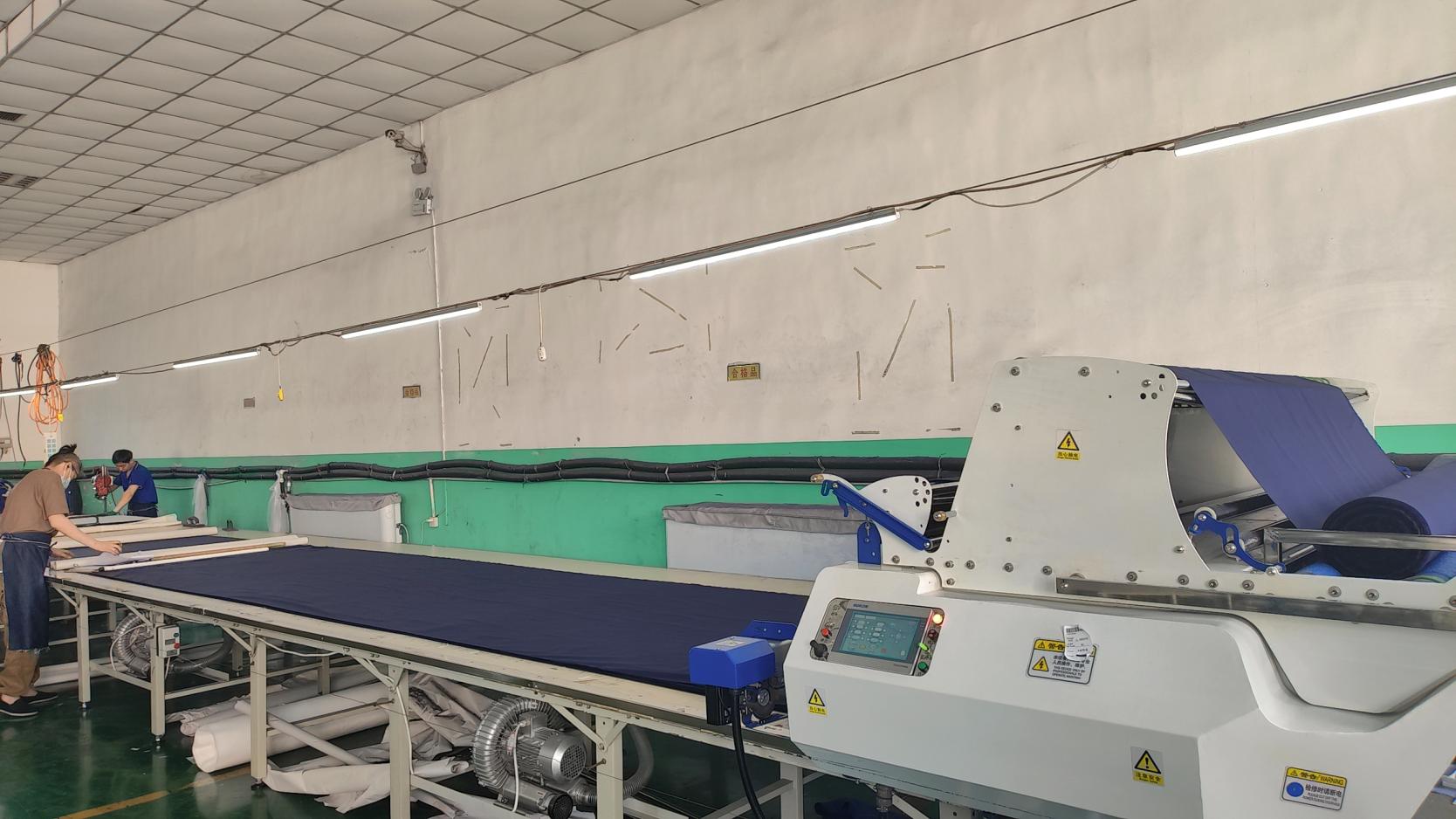
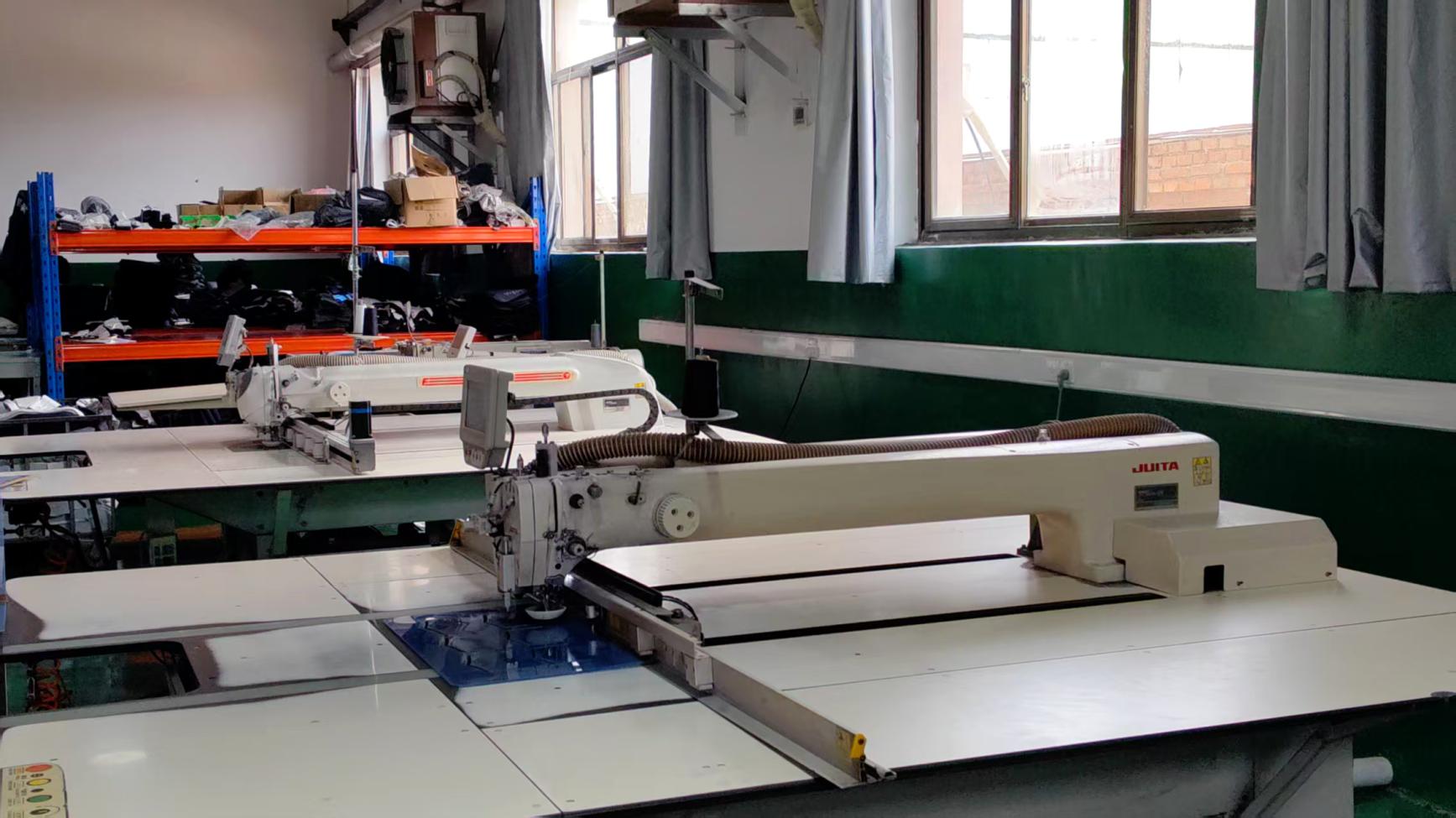
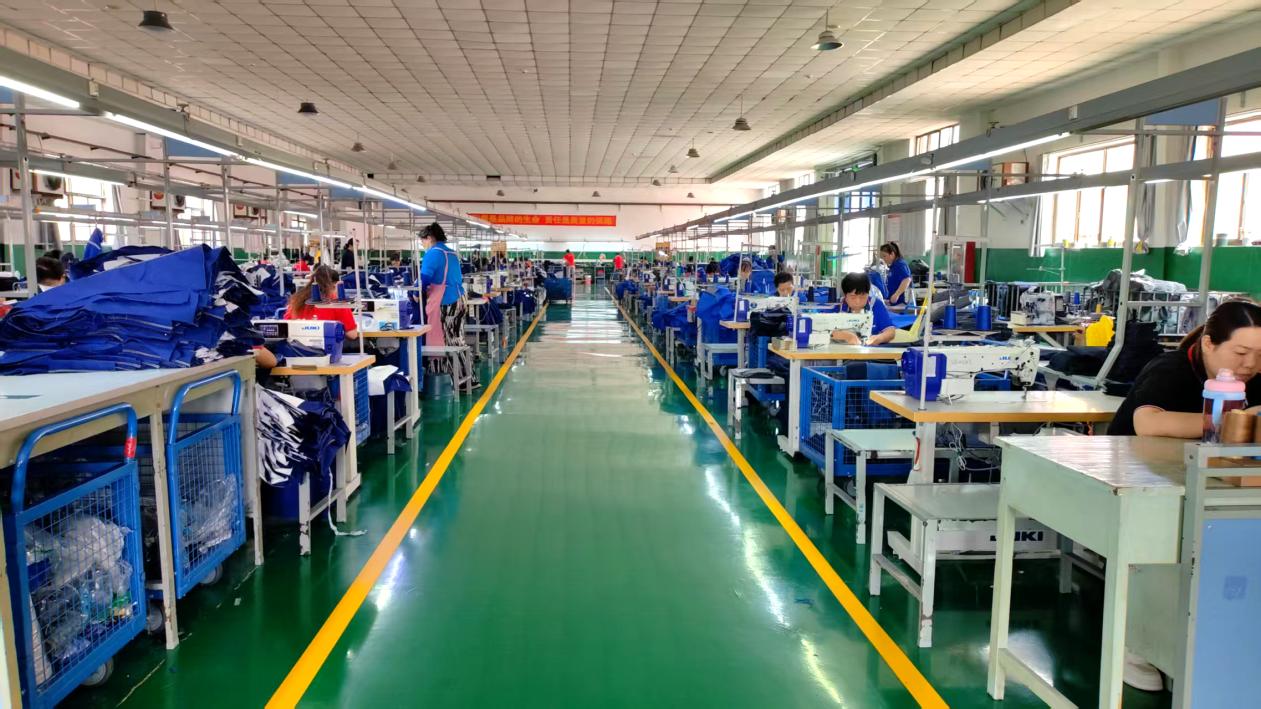
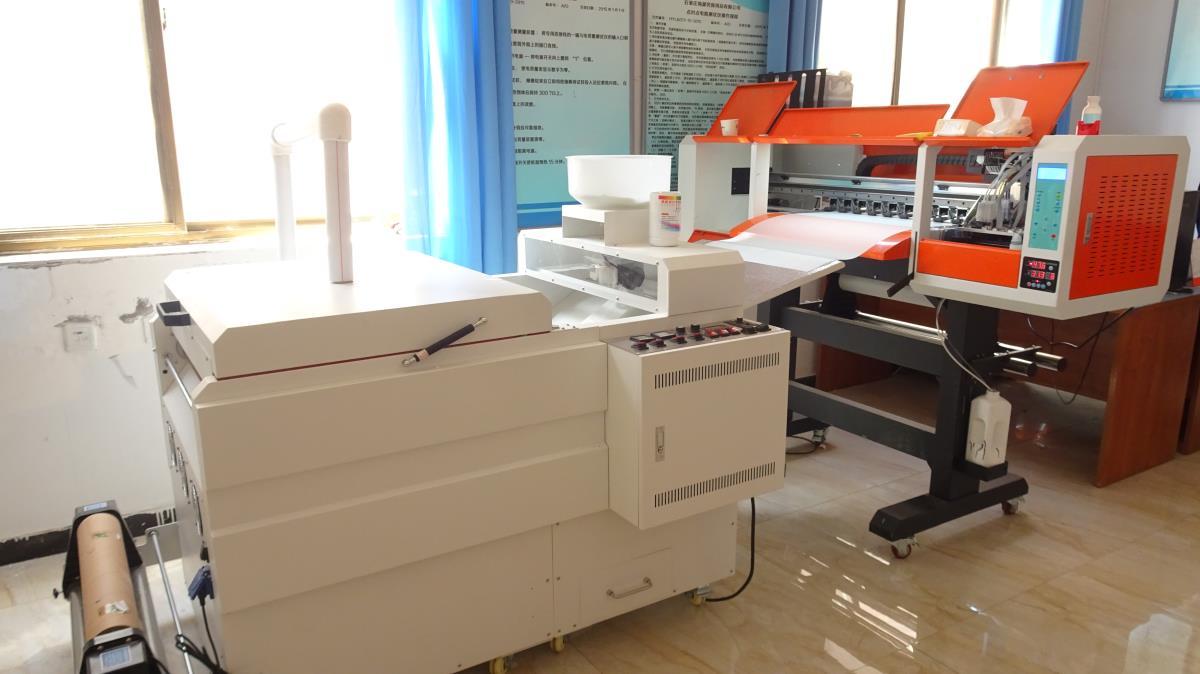
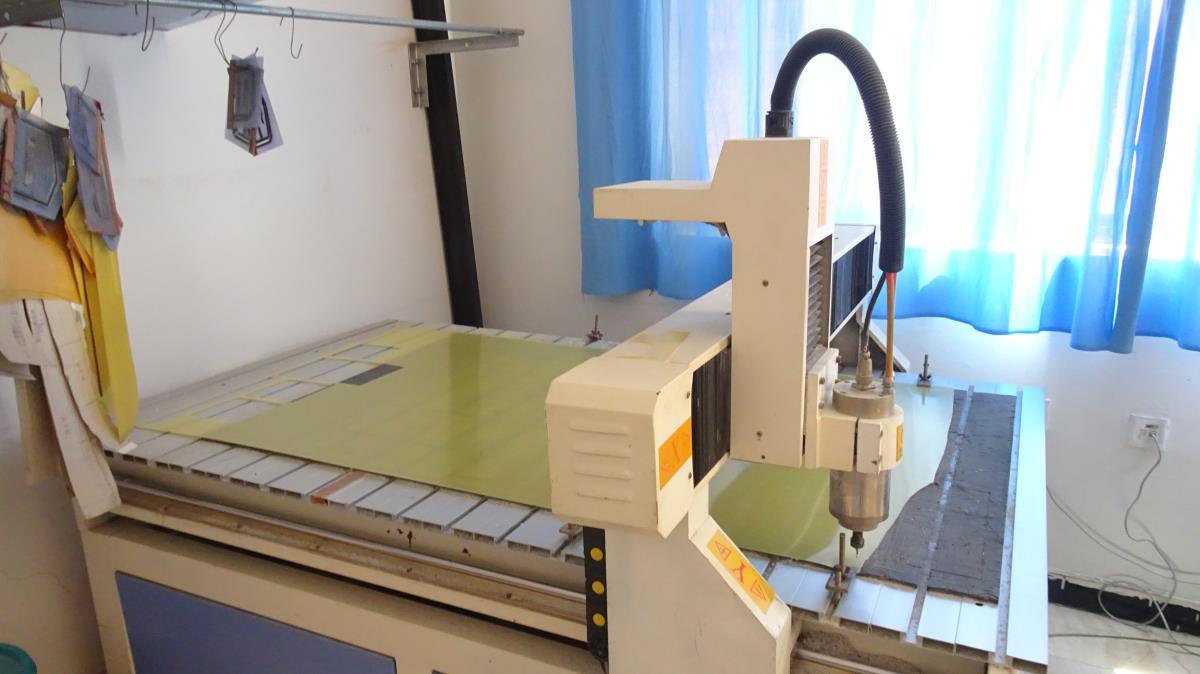
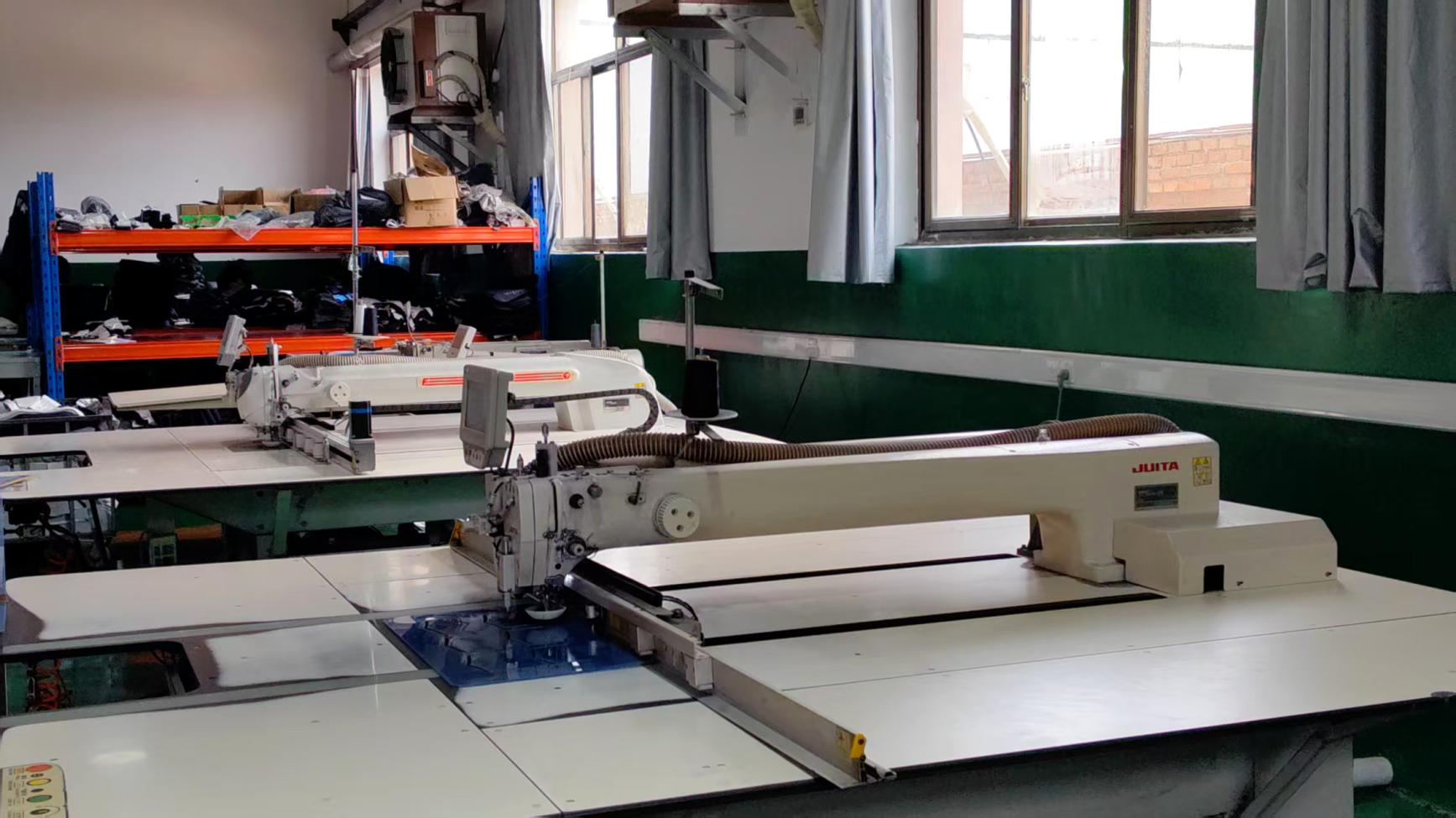
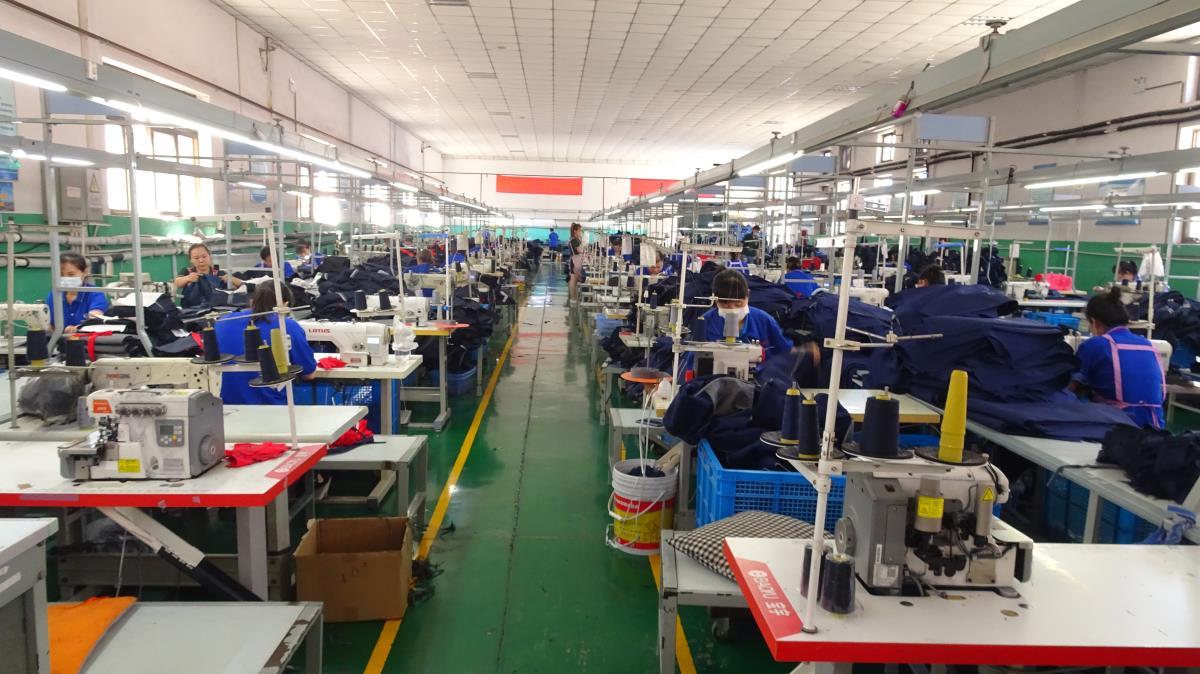
Established in 2006, Guangdong Barjeel Fashion Co., Ltd. is a modern, high-precision apparel manufacturing enterprise integrating design, research and development (R&D), production, sales, and supply chain services. The company operates its own state-of-the-art manufacturing facility covering an area of approximately 3,600 square meters, featuring a clean, temperature-controlled and well-organized office environment, standardized production workshops, and advanced garment manufacturing equipment.
With a highly professional, in-house R&D team and a highly skilled production workforce, the company has built robust capabilities across the entire apparel development process. This includes advanced style design, master pattern making, eco-friendly fabric sourcing, precision sampling, and high-efficiency bulk production. A well-established, multi-tier quality control system and efficient production management process ensure consistent product quality, timely delivery, and high manufacturing standards across every single order.
Guangdong Barjeel Fashion Co., Ltd. specializes in a wide range of apparel categories, including fashion and trend-led clothing, high-performance sportswear, elegant evening dresses, professional and workwear, as well as casual wear. The company is fully capable of serving both OEM and ODM requirements, providing flexible, scalable, and customized solutions to meet the diverse and evolving needs of global fashion brands. Guided by the core values of quality-first, customer orientation, and continuous innovation, Guangdong Barjeel Fashion Co., Ltd. remains committed to upgrading its design capabilities and manufacturing technologies.
Transparent visualization of our internal processes, showcasing advanced equipment, meticulous quality check gates, and organized inventory control.
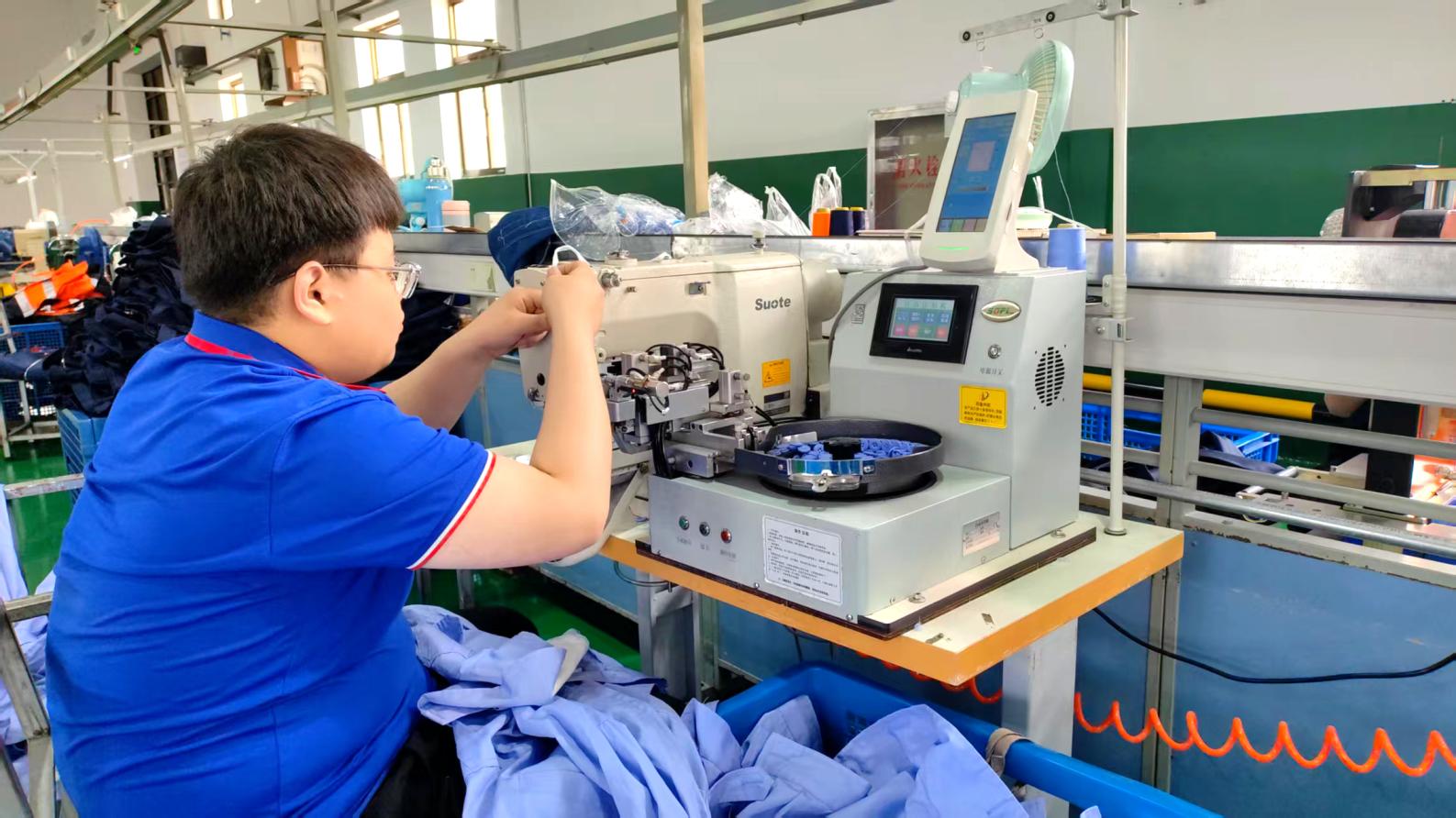
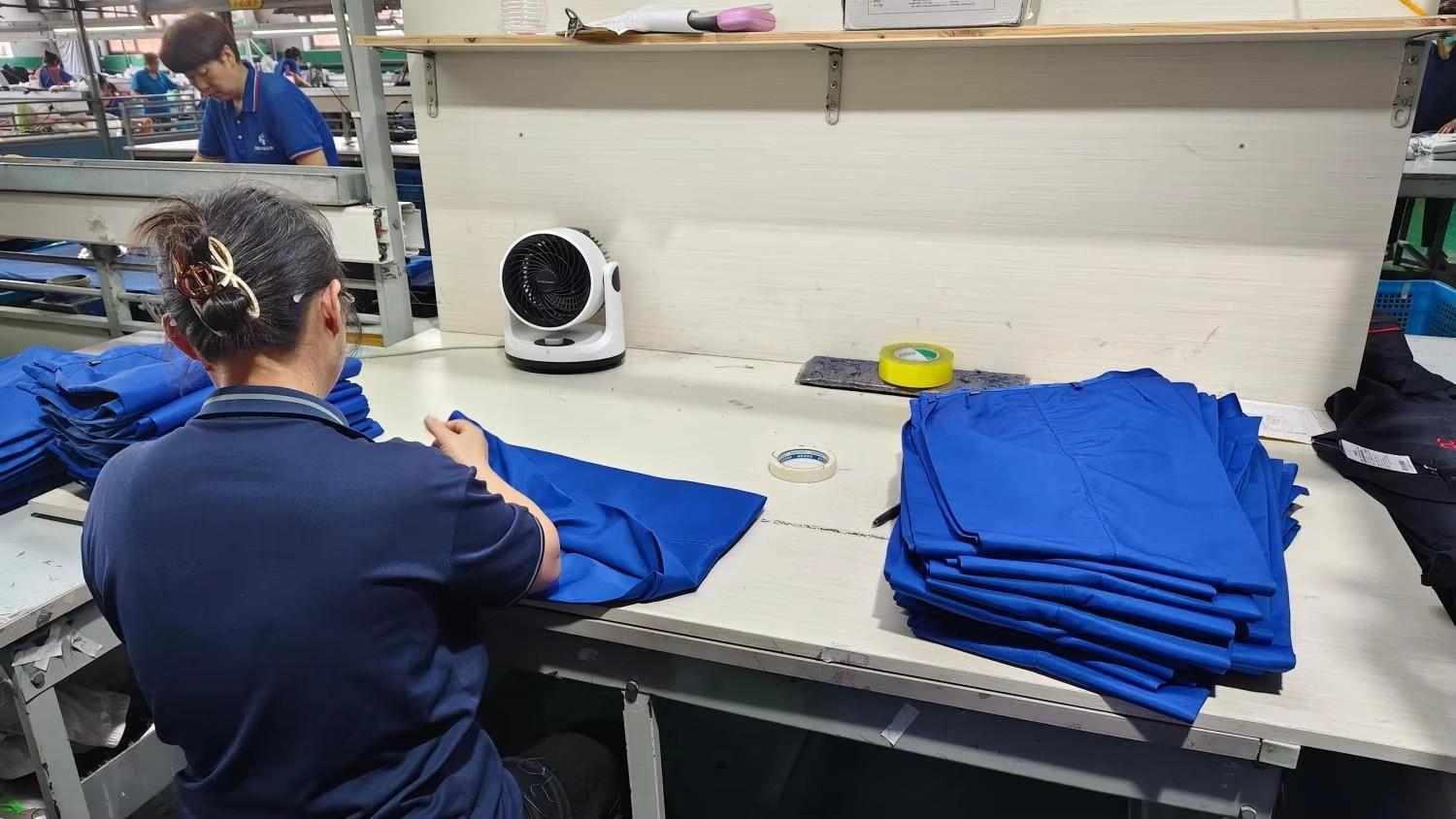
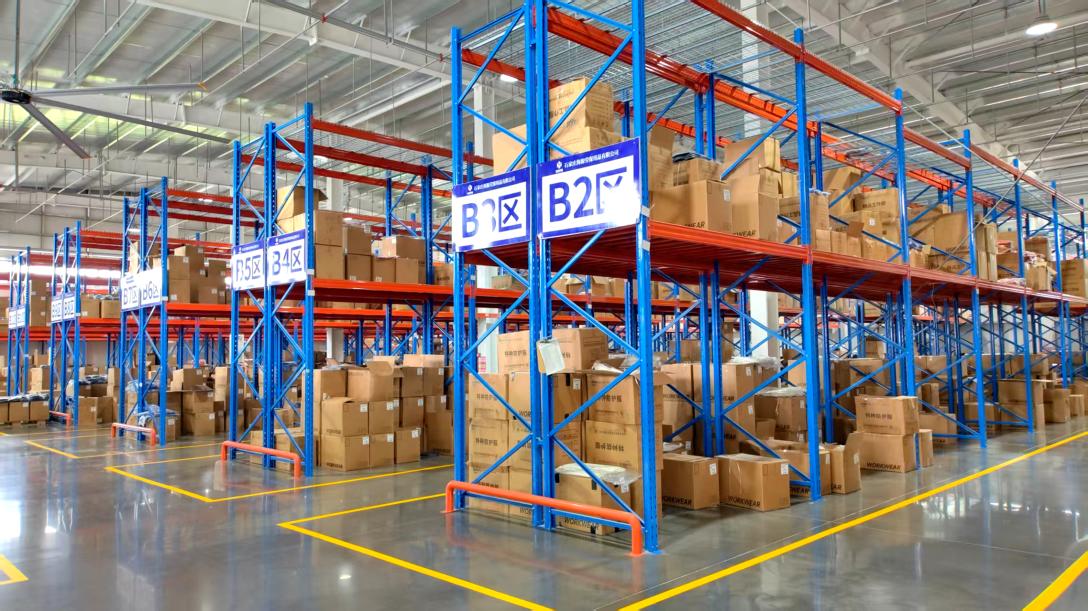
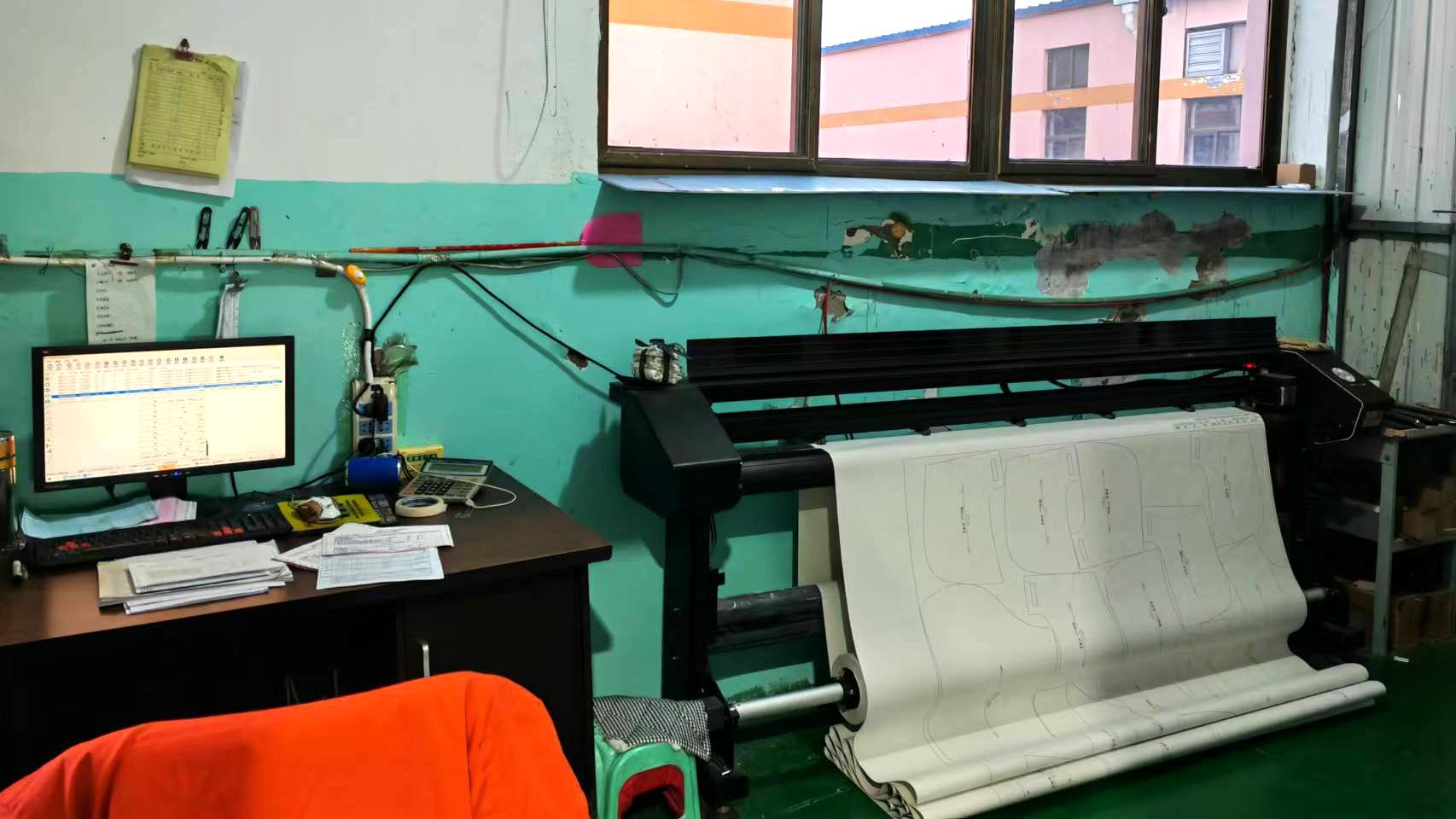
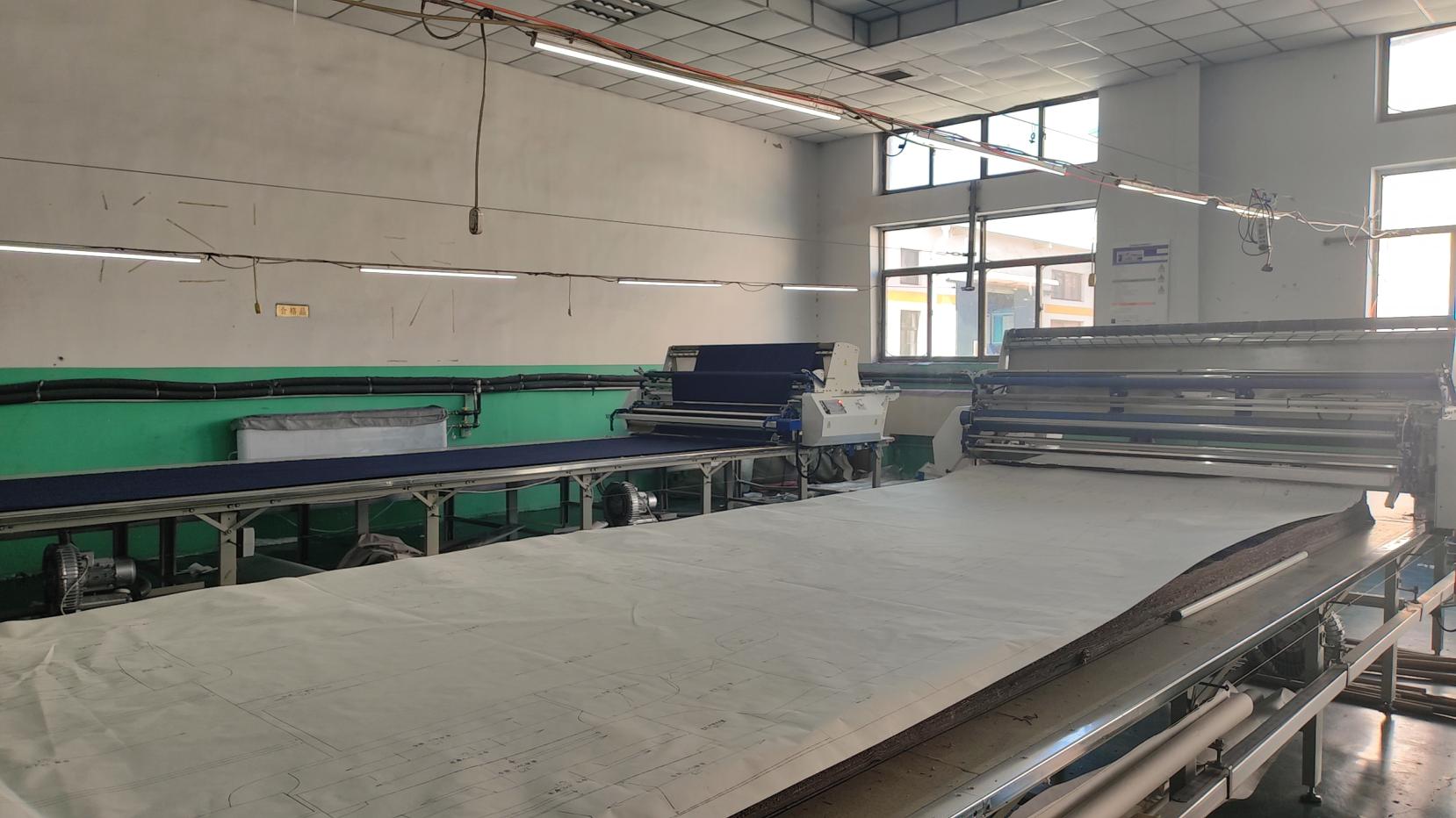
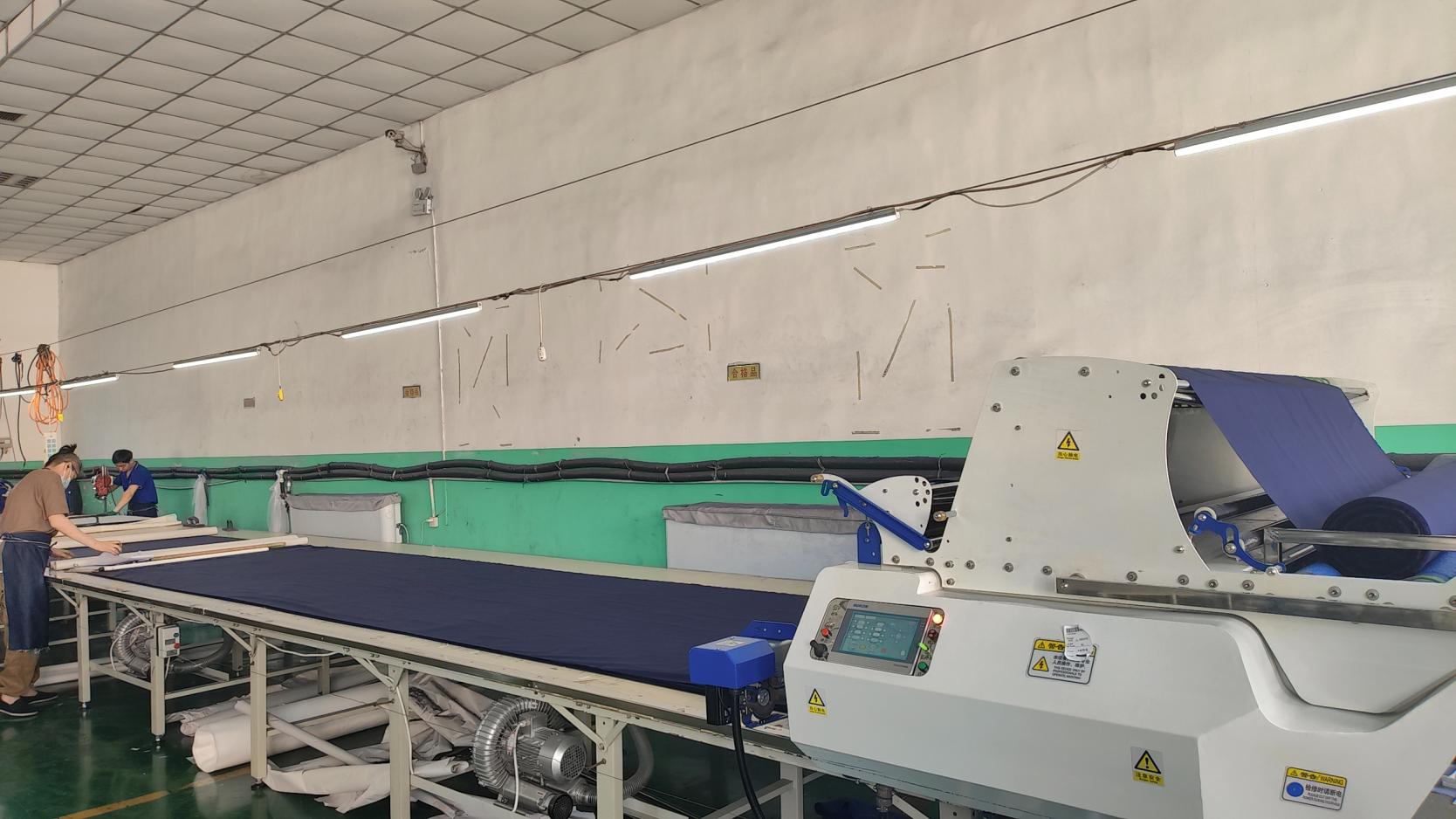
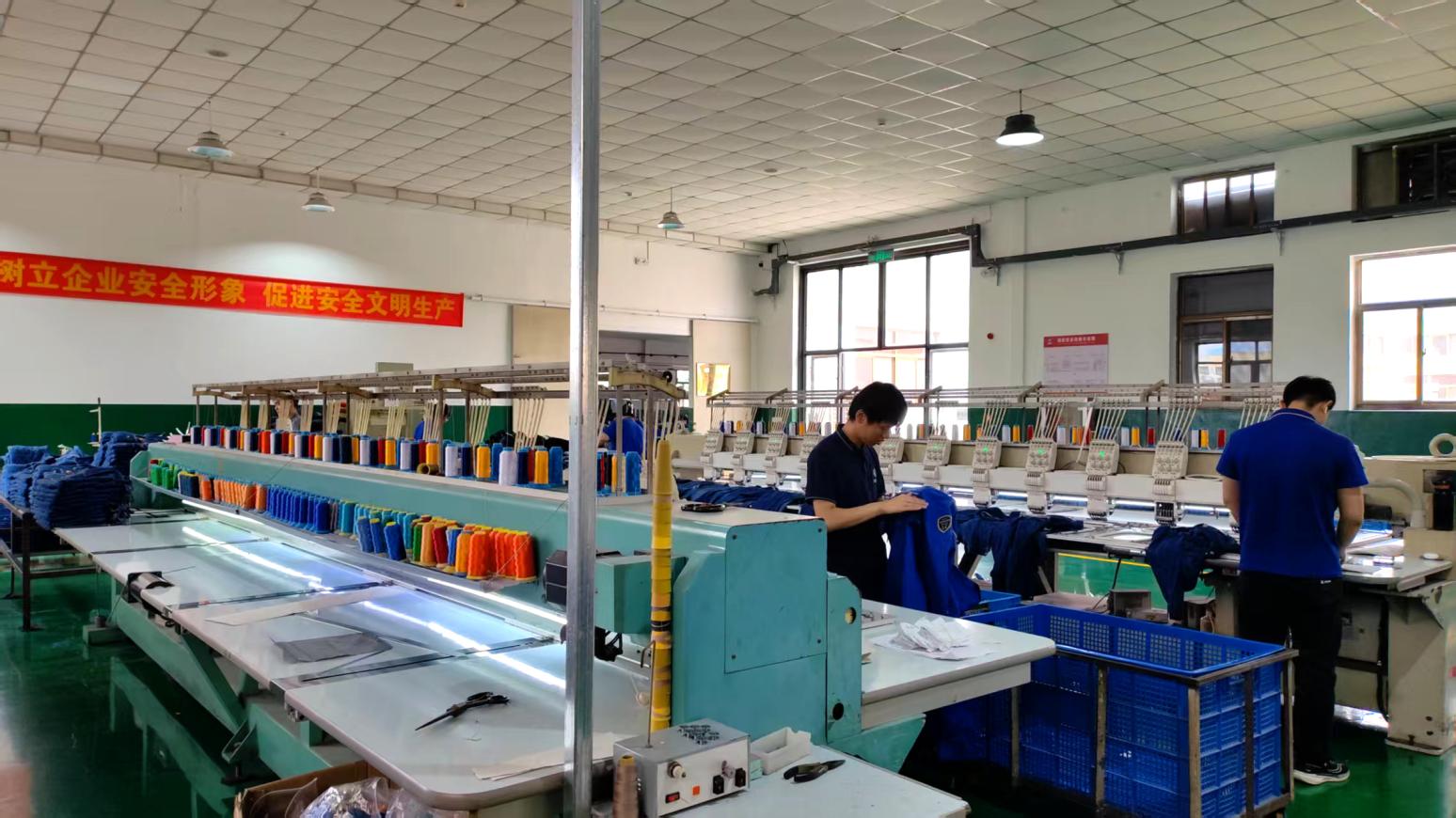
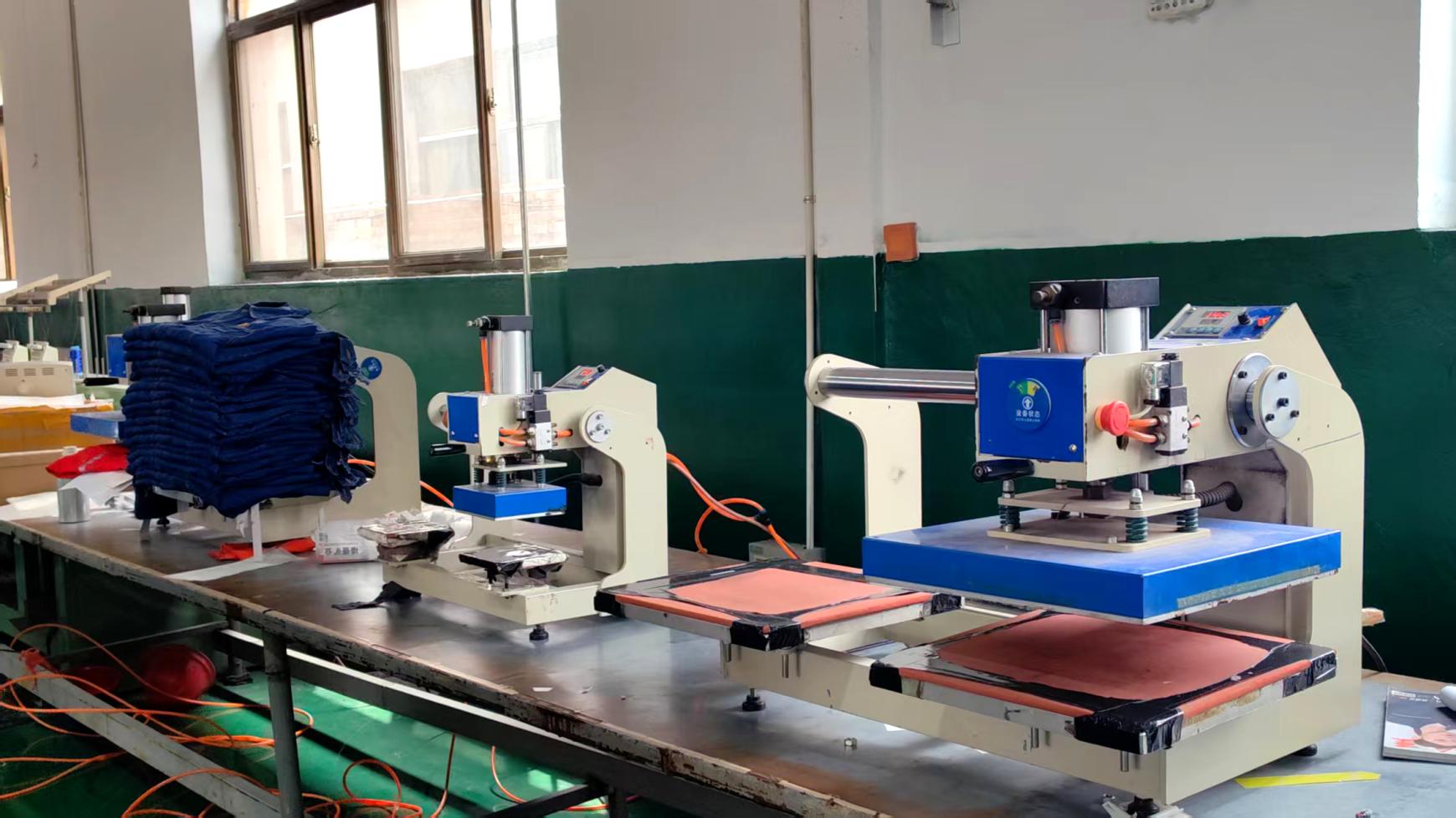
Modern ethical sourcing is highly dependent on target market demands. Different geographic territories present distinct operational priorities:
Focuses extensively on compliance documentation, supply chain auditing, and strict labor transparency. Sourcing teams prioritize GRS (Global Recycled Standard) and BSCI audits to mitigate liabilities under regional trade enforcement acts.
Driven by the Green Claims Directive and CSDDD. Brands require verified carbon accounting, non-toxic chemical usage (OEKO-TEX), and biodegradable packaging options. Minimizing Scope 3 emissions is a core KPI.
Demands high-durability fabrics and certifications of safe working conditions. Large-scale global organizations leverage Guangdong Barjeel's structured OEM capacity to meet their strict internal CSR standards.
Requires low MOQs, high agility, and premium pattern-making (ODM). Our digital layout systems enable fast-fashion turnaround rates within a fully ethical framework.
As the digital economy and carbon-neutral policies evolve, several trends are defining the future of ethical fashion manufacturing:
Using secure distributed ledgers and physical NFC/QR-code labels sewn directly into garments, consumers can scan a piece to verify fiber origin, factory location, and worker wage validation.
Garments are designed from the ground up for disassembly. The utilization of mono-materials (e.g., 100% organic cotton sewing threads on 100% organic cotton fabric) ensures the product can be chemically or mechanically recycled.
Advanced factories are implementing automated on-demand production models, transitioning away from bulk speculation to pull-based supply chains, decreasing unsold inventory waste.
When evaluating potential manufacturing partners, sourcing directors must move beyond paper certifications and deploy systematic vetting strategies:
First: Demand Live Data Integration. Top-tier ethical factories utilize digital ERP platforms that log worker check-in times, equipment efficiency, and material utilization rates in real-time. This prevents the manipulation of labor records.
Second: Check Chemical Policies. Ensure the manufacturer has a strict Zero Discharge of Hazardous Chemicals (ZDHC) policy. This is critical for preventing industrial wastewater contamination, which is a major contributor to localized ecological degradation.
Third: Evaluate Supply Chain Proximity. Confirm the geographical location of the partner's ancillary suppliers. A factory located in Guangdong that sources yarn locally reduces inland shipping logistics by up to 80% compared to factories that cross international borders for finishing steps.
Essential insights for global procurement managers and sourcing directors navigating sustainable Chinese textile manufacturing.
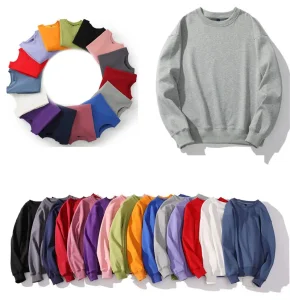
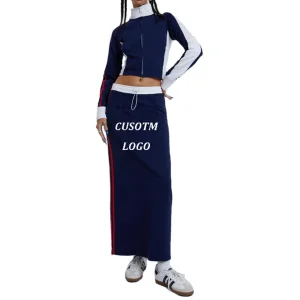
Browse our secondary selection of outerwear, hoodies, and skirts constructed from high-grade natural yarns and recycled technical fabrics.