Barjeel Fashion
Barjeel Fashion
Barjeel Fashion
The global footwear and indoor-lounge slippers industry has undergone a monumental shift. No longer categorized simply as budget home footwear, modern slippers occupy a vital niche in wellness hospitality, clinical orthopedic care, corporate branding, and fast-fashion athleisure. The post-pandemic rise of hybrid work setups and a heightened consumer focus on ergonomics have accelerated the demand for high-quality, sustainably produced slippers worldwide.
Today's B2B procurement managers require more than just low-cost unit pricing; they demand strict adherence to environmental regulations (such as REACH and OEKO-TEX), vertical manufacturing transparent lines, structural durability, and customizable design paths. To source effectively in this market, understanding the capability matrix of top manufacturers is crucial. Let's delve into the core operational benchmarks that define the elite class of footwear and custom apparel factories.
Established in 2006, Guangdong Barjeel Fashion Co., Ltd. stands as a premier modern apparel and textile manufacturing enterprise. Integrating advanced research and development (R&D), computer-pattern prototyping, scale production, and sophisticated supply chain services, the brand exemplifies the technical crossover between high-end apparel tailoring and premium textile-based footwear manufacturing.
Spanning an industrial facility of approximately 3,600 square meters, their clean, standardized production environment is engineered to optimize material workflow and implement stringent quality inspection points. By leveraging cross-industry technologies—such as computerized laser engraving, heavy-weight template machining, and digital lockstitch systems—Barjeel has created a robust paradigm for manufacturing high-quality home apparel, corporate merchandise, and customized lounge accessories like luxury hotel slippers.
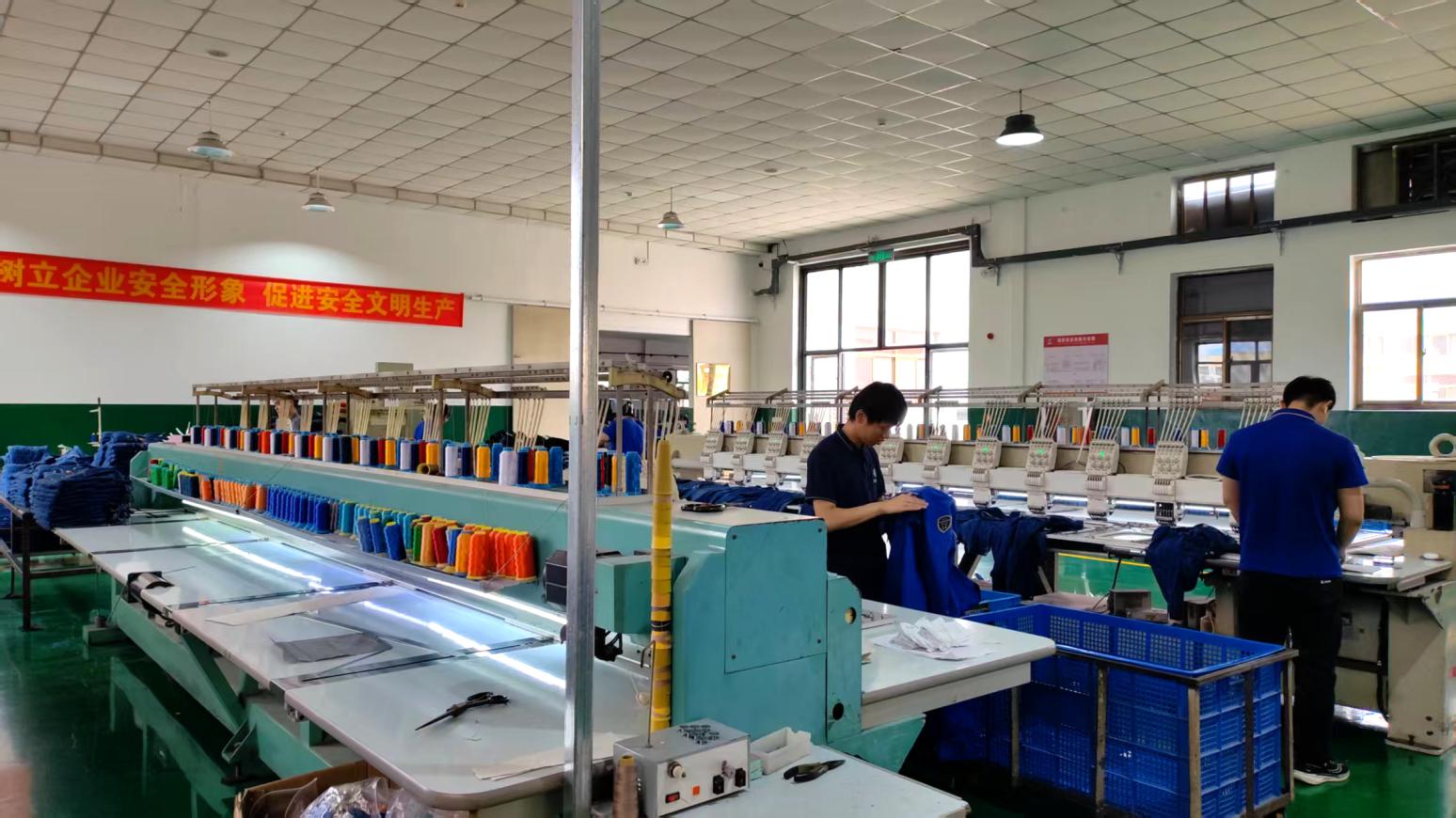
Computer Embroidery
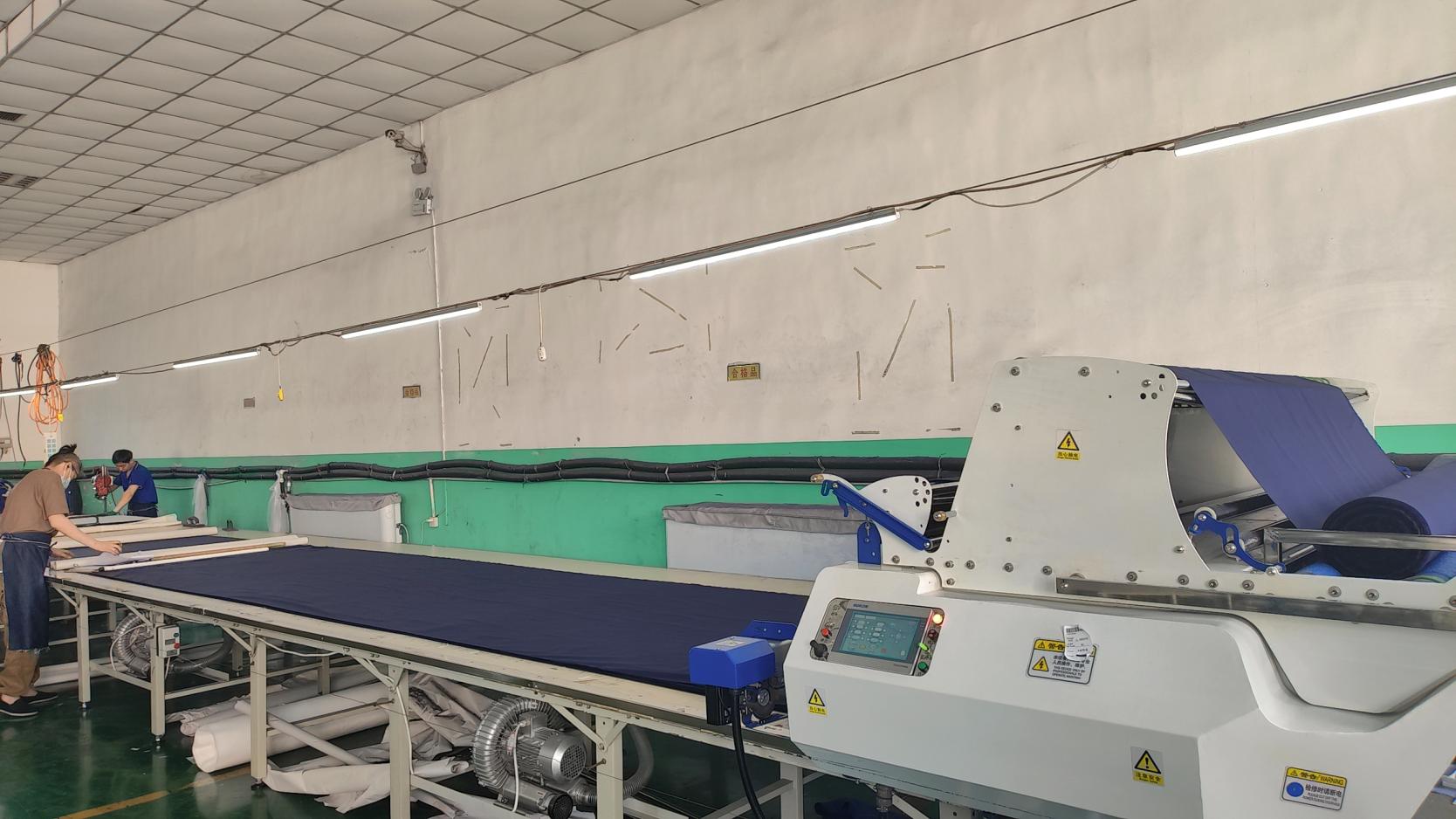
Tailoring
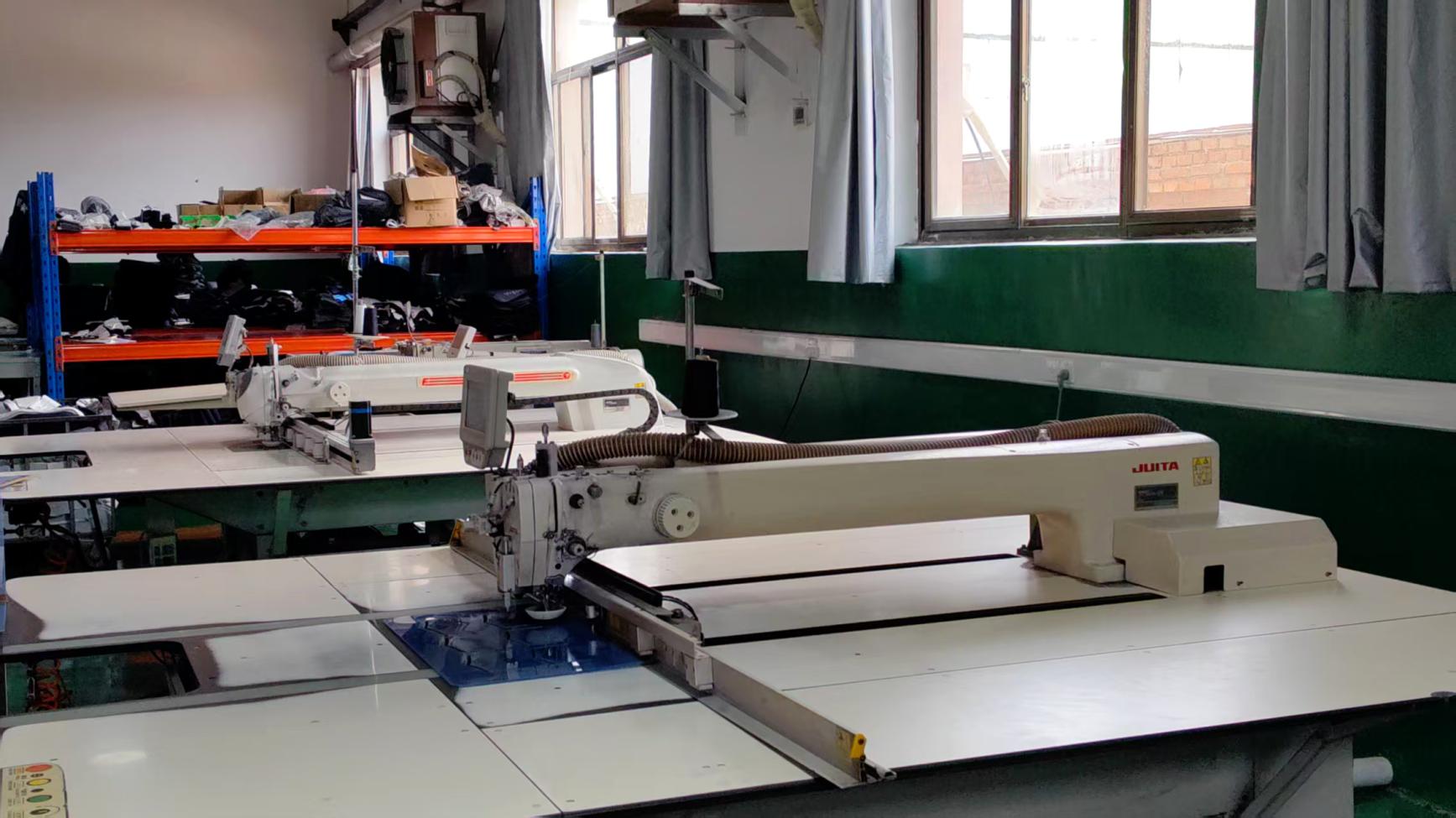
Template Machining
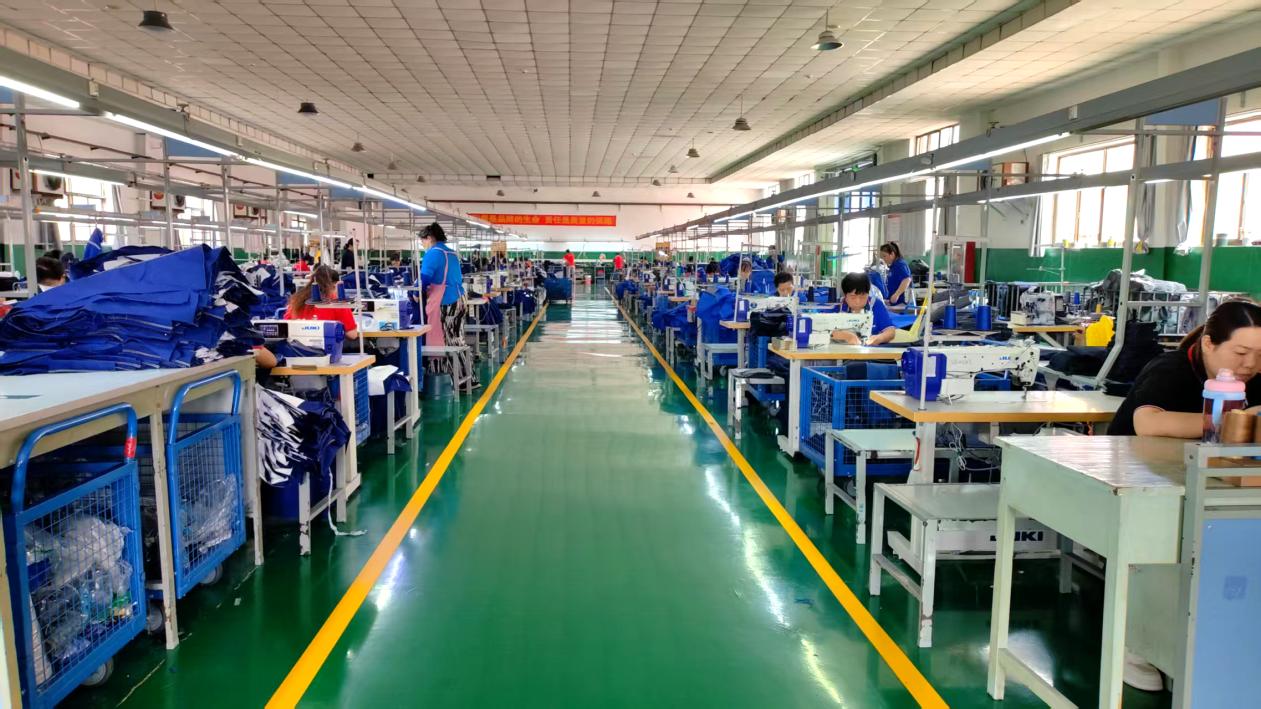
Sewing
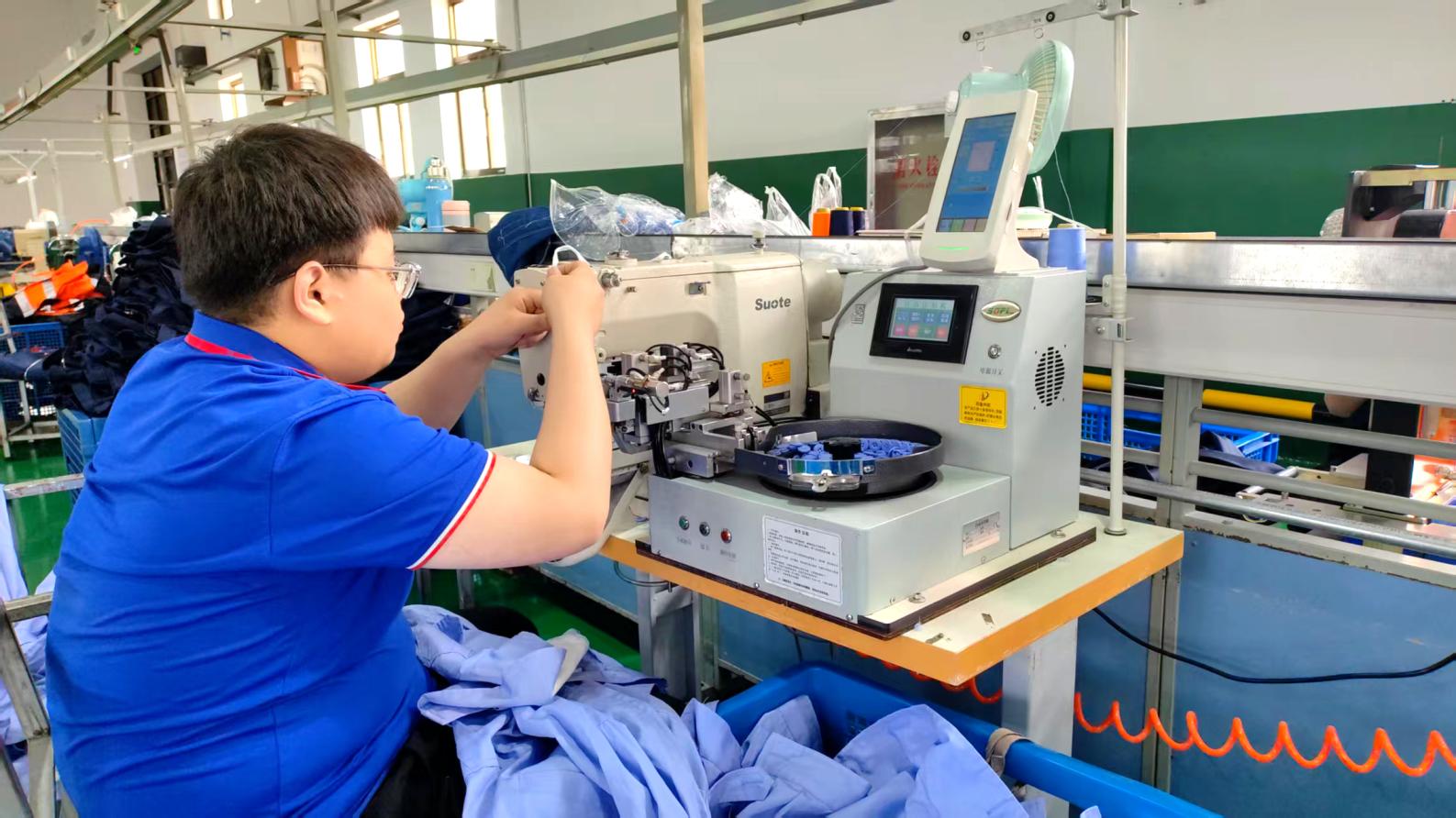
Sewing Buttons
Ironing
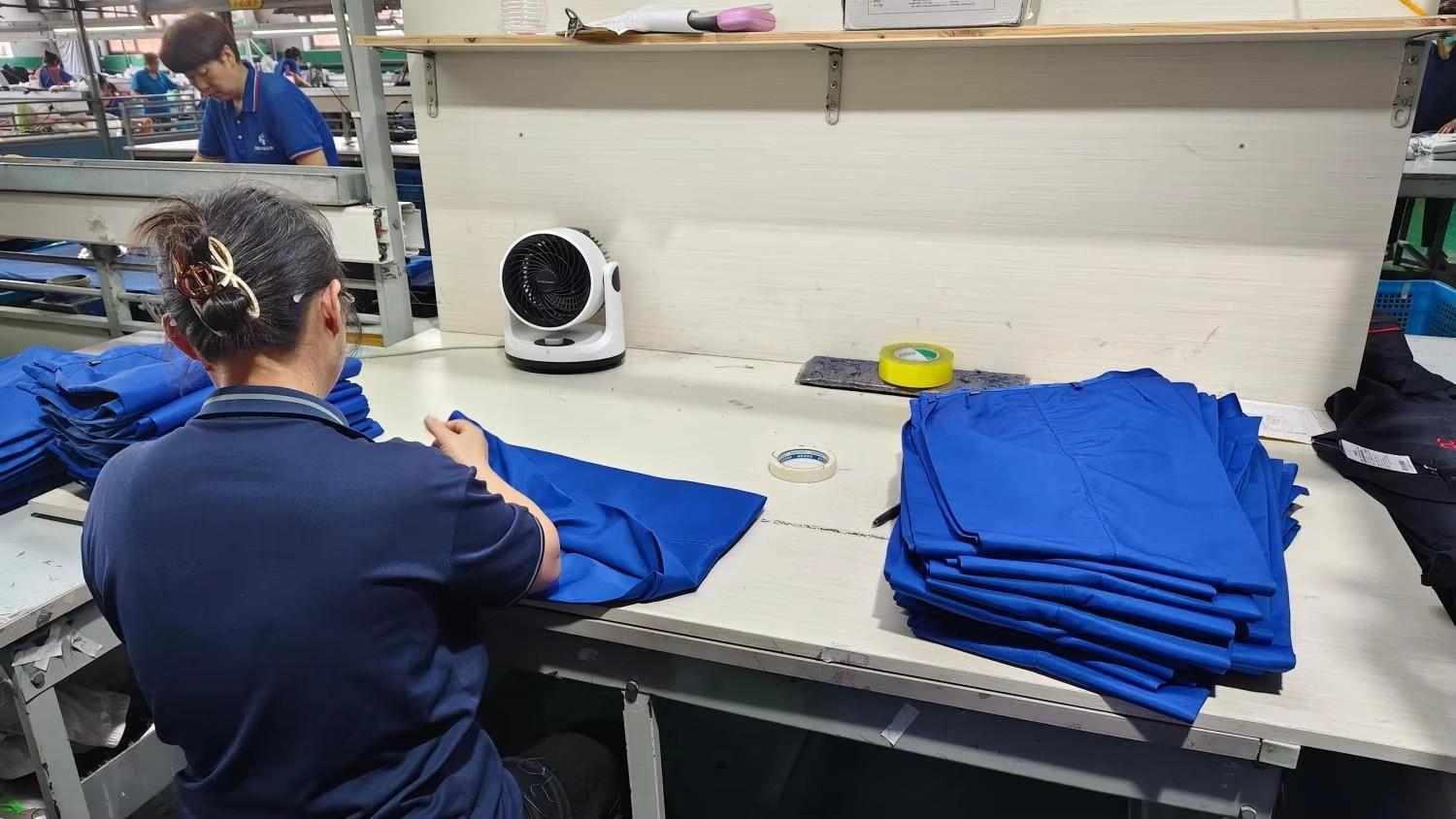
Quality Inspection & Packaging
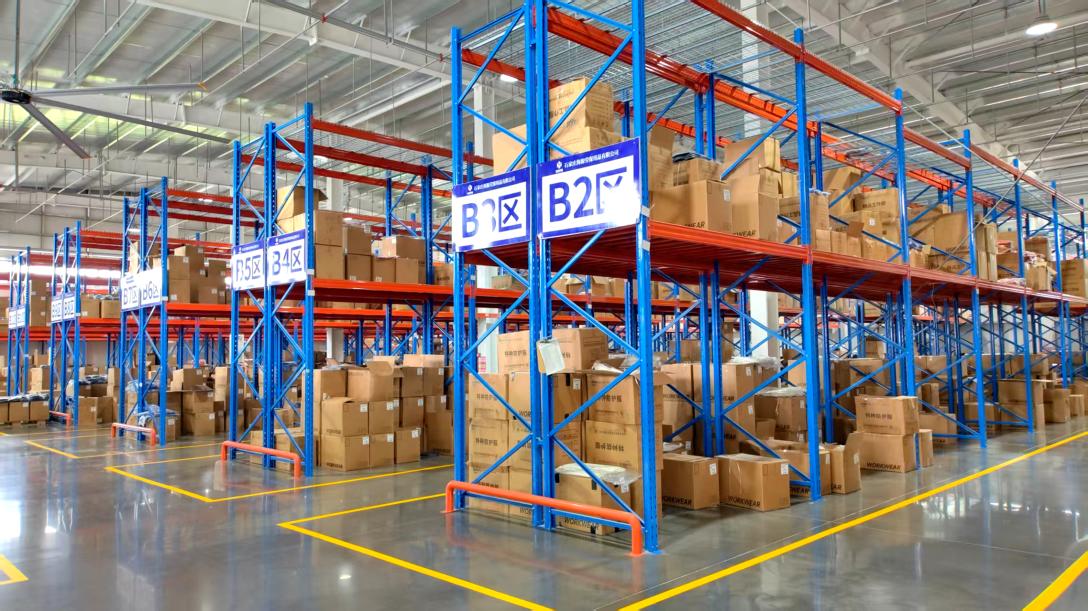
Warehouse
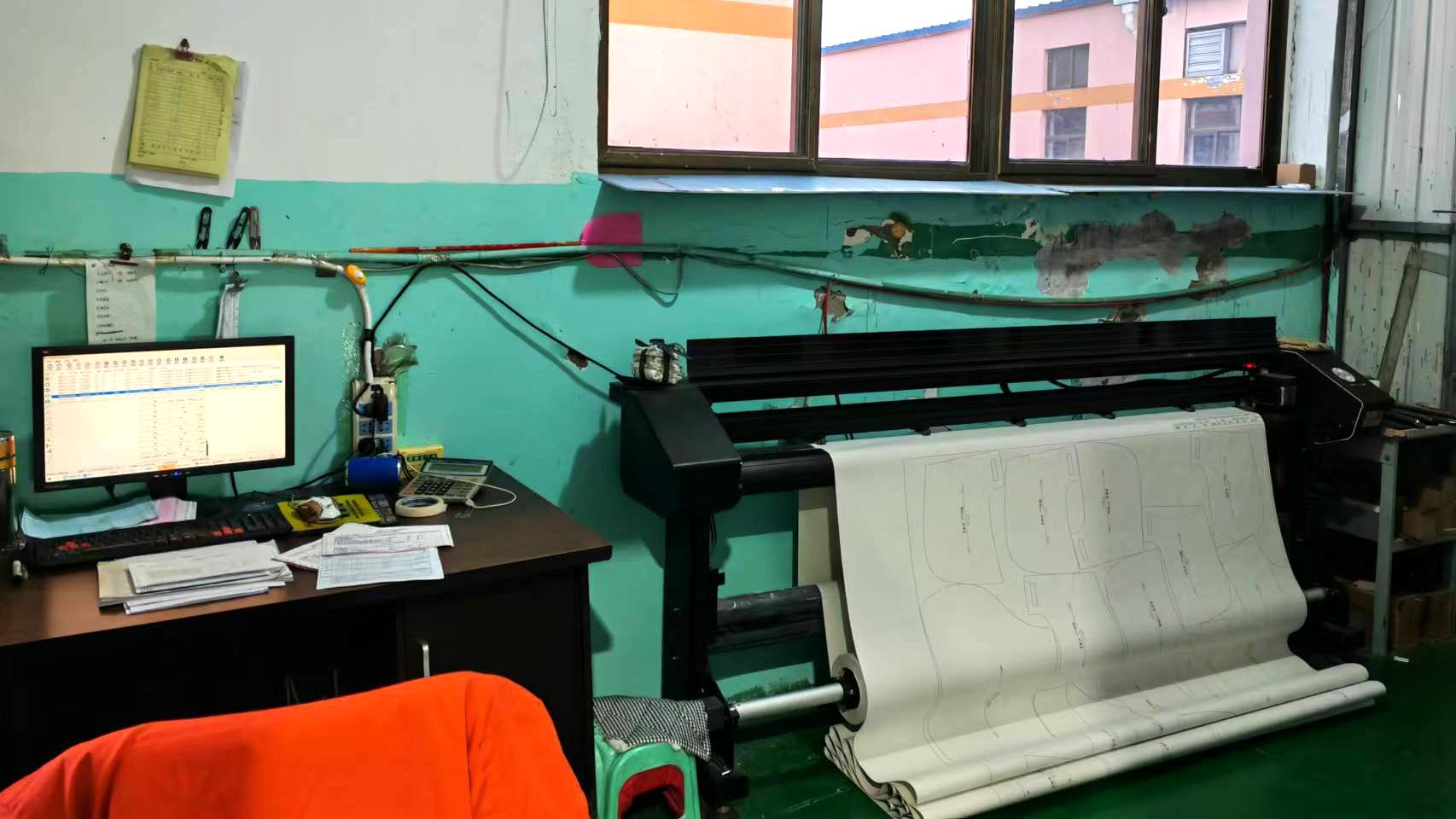
Plotter
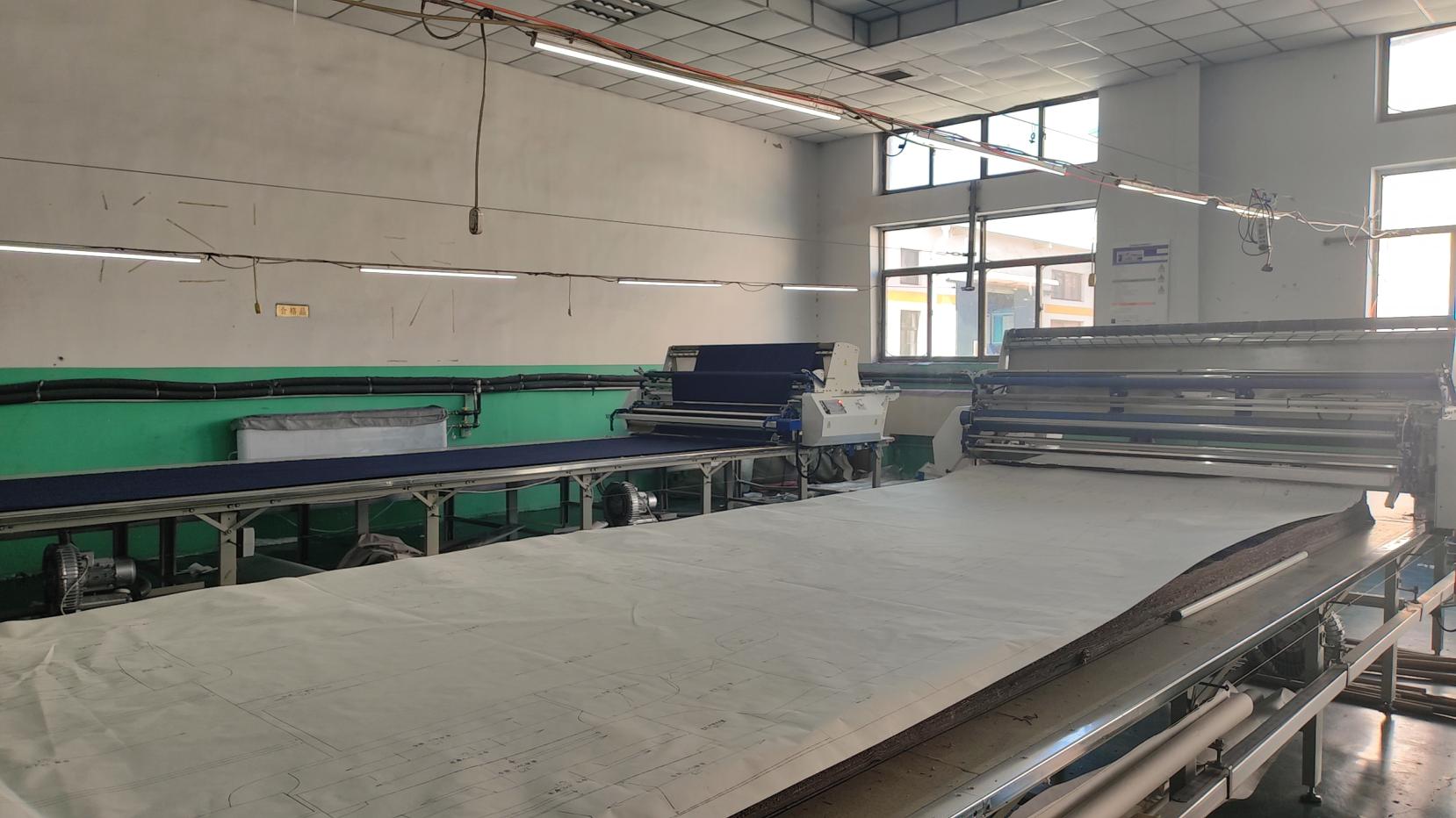
Cloth Laying Machine
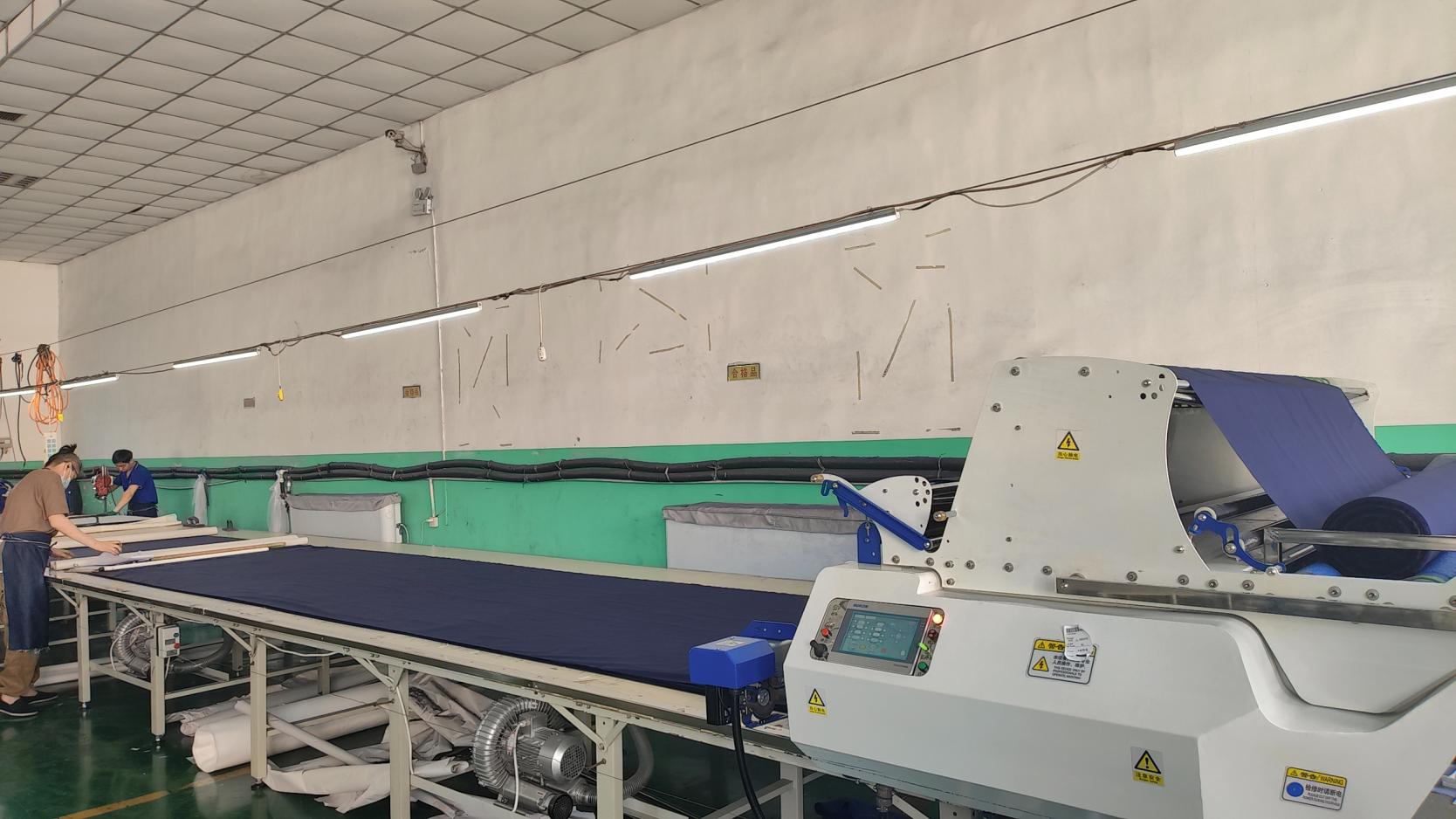
Cutting Bed
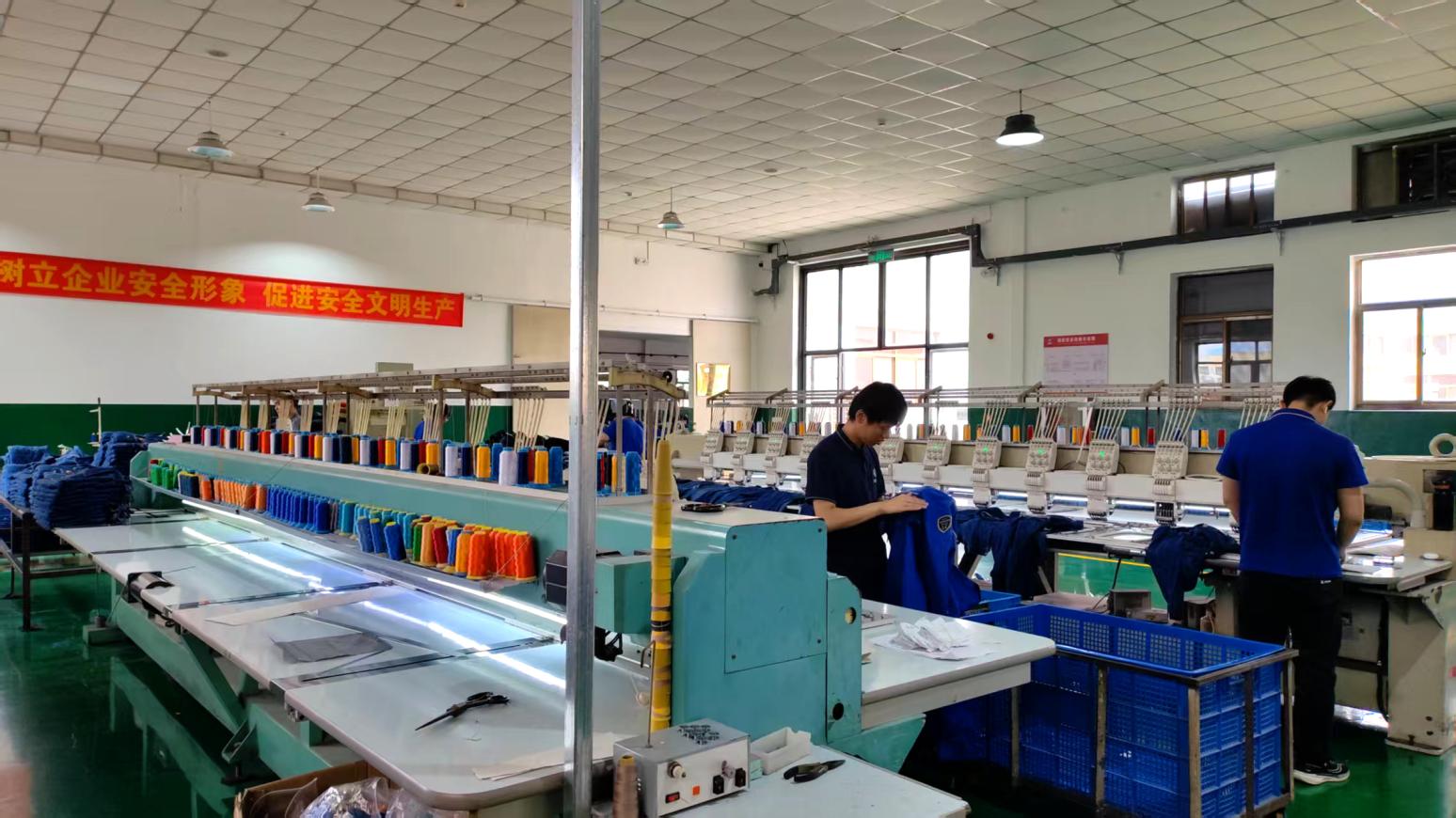
Embroidery Machine
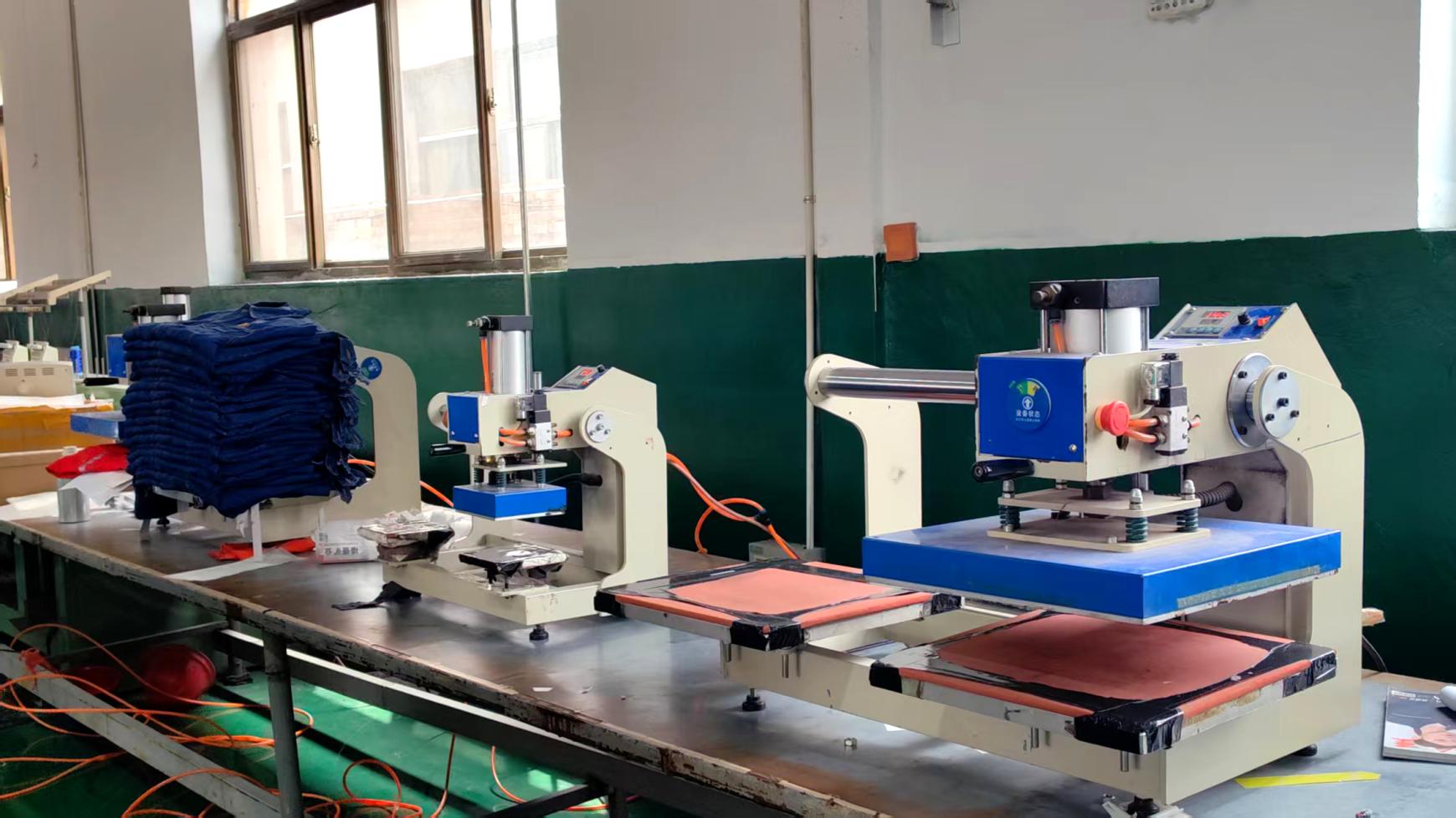
Picture Stamping Machine
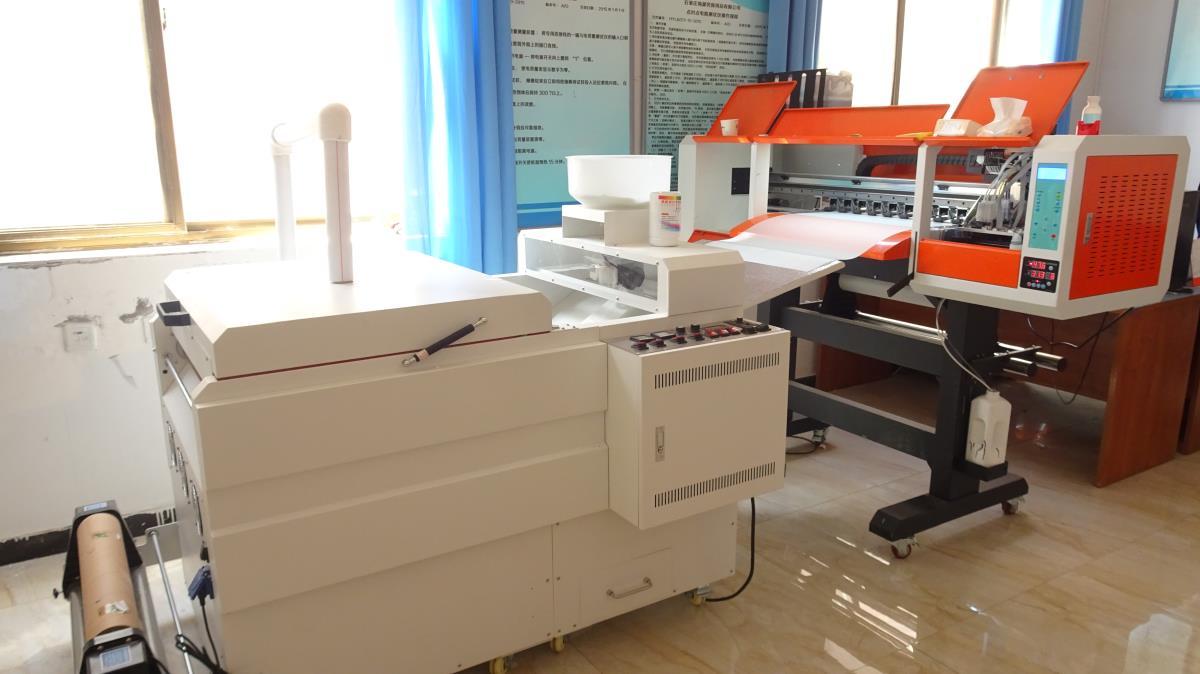
Hot Stamping Machine
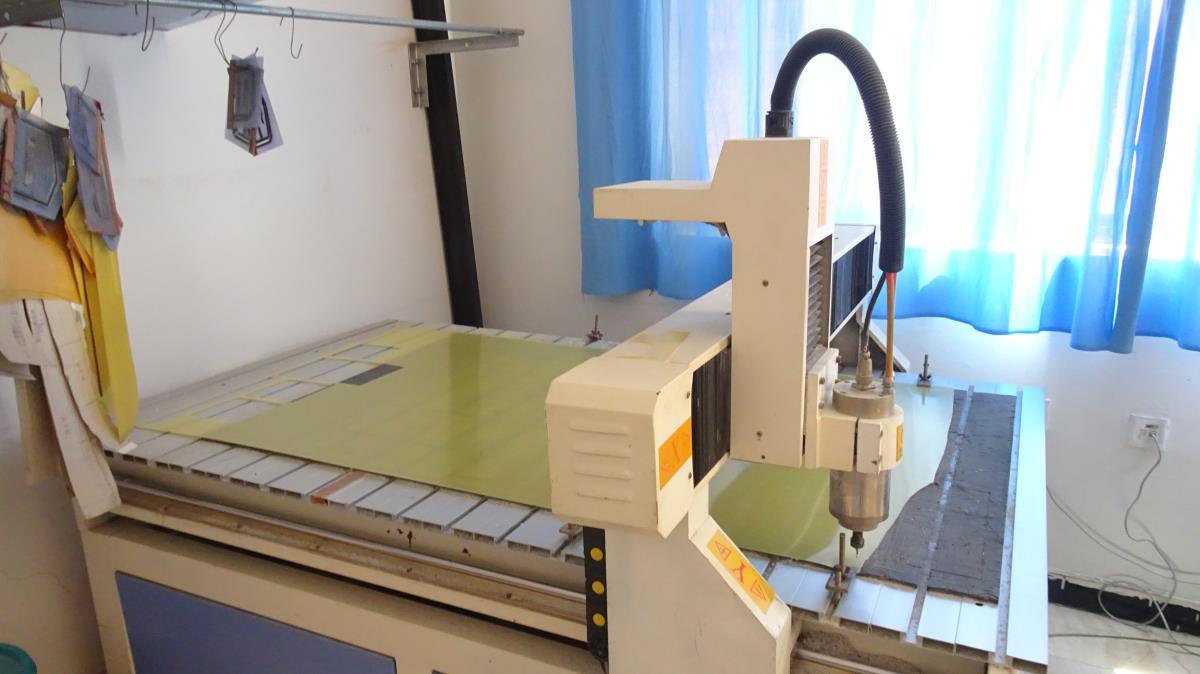
Laser Engraving Machine
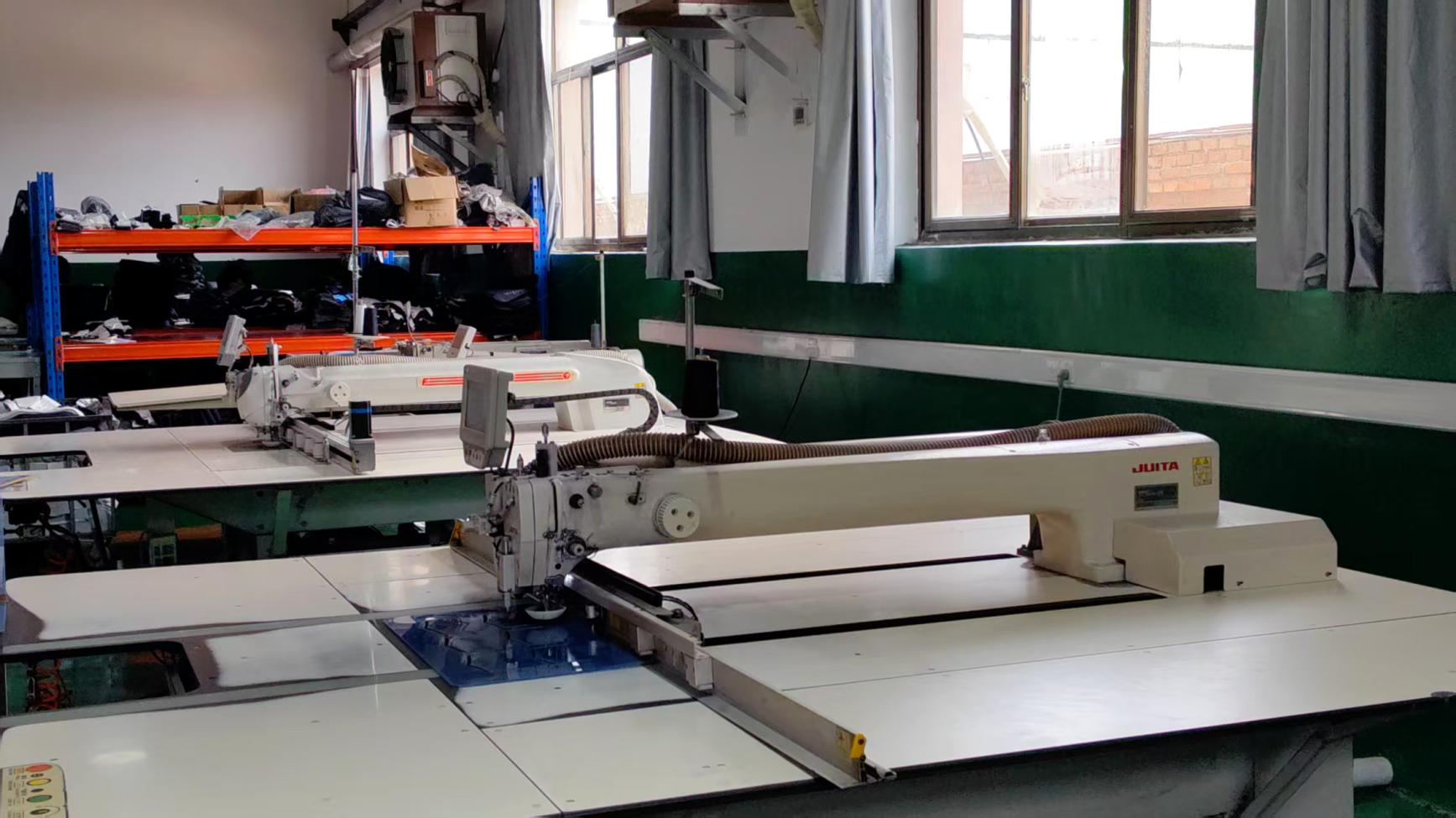
Template Machine
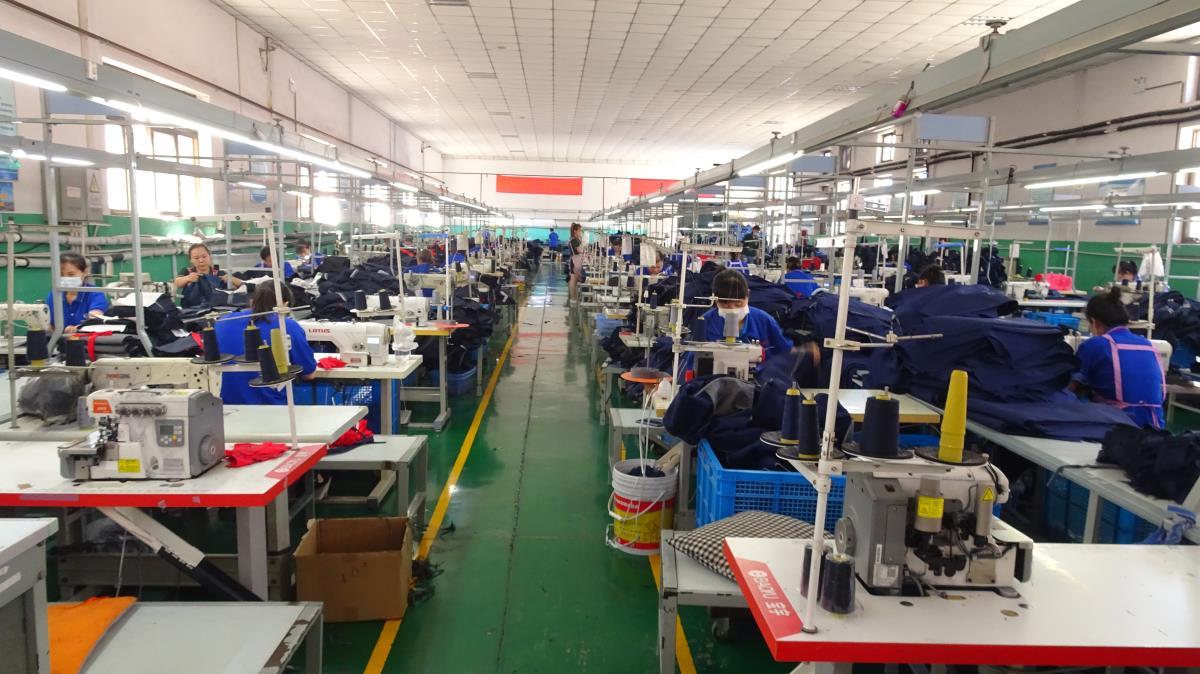
Sewing Machine
China remains the uncontested leader in industrial footwear and slipper fabrication. The concentration of upstream raw material processors, downline accessory fabricators, and specialized transport hubs creates an unmatched geographic cluster effect.
Direct proximity to specialized chemical zones providing ethylene-vinyl acetate (EVA), thermoplastic rubber (TPR), and eco-polyurethane (PU) allows for same-day compounding changes and direct supply lines, virtually eliminating raw material delays.
Chinese factories excel in Just-in-Time (JIT) workflow orchestration. Advanced pattern-laying and smart cutting machinery reduce off-cut waste to under 3%, and automated logistics networks speed up transition times from tooling design to final sea-freight dispatch.
From initial digital CAD files or technical packs to physical 3D-molded slipper and sole prototypes, the development loop is compressed to just 3 to 5 business days, drastically lowering market-entry risk for startup brands.
The slipper manufacturing sector is actively moving away from low-tech manual assembly toward a digitalized, high-precision ecosystem. Key areas of growth focus on material circularity, bio-mechanics, and intelligent automation.
Development of marine algae-based EVA foams, post-consumer recycled felt, and biodegradable polyurethane. These formulations minimize ecological impact while retaining identical shock-absorption and tensile-elastic properties.
Integrating digital gait analysis and variable density zones into standard footbeds. Dynamic support structures relieve pressure points on the calcaneus and plantar fascia, elevating standard comfort wear into orthopedic support.
Utilizing vision-guided robotic gluing stations and automated laser trimming to achieve tolerance levels down to 0.1mm. High accuracy translates to uniform durability and seamless bonded seams.
Slippers are no longer a singular product; they are highly specialized items engineered for distinct physical environments and user demographics. Sourcing managers must match material and structural specs to the target scenario.
Demands: Zero-shed cotton-velour or bamboo-fiber uppers, double-cushioned memory foam footbeds, and secure slip-resistant waterproof outsoles. Needs customized luxury embroidery to support high-end hotel branding.
Demands: Closed-cell EVA constructed with microbial-resistant agents, offering exceptional structural arch support. Open-toe, adjustable strap models designed for easy sanitation and cleaning.
Demands: Bold, dual-density injection molded designs utilizing recycled plastics. Highly durable structures suitable for both indoor relaxation and outdoor street wear, optimized for sublimation graphics.
Demands: Electrostatic dissipative (ESD) composite polymers designed to safely bleed off static charges. Dust-free uppers, non-marking chemical-resistant outsoles, and ergonomic fits designed to support workers through extended shifts on hard factory floors.
Cross-border sourcing requires strict compliance with international trade and safety laws. Global footwear shipments face rigorous inspections regarding raw chemical usage, physical slip hazards, and structural integrity.
Strict adherence to REACH, OEKO-TEX Standard 100, and California Proposition 65, ensuring all components are entirely free from toxic plasticizers like phthalates, heavy metals, and azo dyes.
Outsole configurations undergo rigorous testing using SATRA TM144 standards, validating dynamic friction performance across wet, dry, or oily tile surfaces to ensure optimal user safety.
Production lines are audited in accordance with BSCI (Business Social Compliance Initiative) and SMETA guidelines, ensuring fair wages, safe workplaces, and clean, ethical manufacturing lines.
End-to-end logistics support including complete Harmonized System (HS) code classification, origin declarations, and all required customs documentation to prevent port holds and transit delays.
Understanding where to focus your sourcing efforts depends heavily on the complexity, scale, and budget requirements of your brand portfolio. Use this comparative matrix to guide your procurement strategy.
| Manufacturer Type | Standard MOQs | Avg. Lead Time | Key Advantages | Ideal Project Match |
|---|---|---|---|---|
| High-Scale Injection Molding Factories | 5,000+ Units | 30-45 Days | Lowest per-unit costs, high automation, extreme durability. | Mass-market retail slides, basic EVA recovery slippers. |
| Premium Cut-and-Sew Specialists | 1,000-2,000 Units | 25-30 Days | Excellent fabric integration, precision embroidery, high warmth profiles. | Luxury hotel custom lines, premium winter plush slippers. |
| Bespoke Boutique OEM Providers | 500-1,000 Units | 15-20 Days | Agile product customization, lower initial MOQs, faster turnaround. | Independent designer brands, startup testing lines. |
| Eco-Alternative Manufacturers | 3,000+ Units | 35-40 Days | Biodegradable polymers, certified carbon-neutral logistics support. | Environmentally conscious brands, corporate ESG initiatives. |
Unit costs are primarily determined by material selection (e.g., standard virgin EVA vs. eco-certified biodegradable polymers), outsole bonding methods (compression molding vs. cold cementing), embroidery complexity, and packaging specifications. Ordering volume scale remains the single largest driver of reduced overhead per unit.
Always request third-party verified certificates, including OEKO-TEX Standard 100, Global Recycled Standard (GRS), or REACH chemical analysis reports. These documents should list the specific lot numbers of the raw chemical supplies utilized in your manufacturing run.
Typically, a manufacturer will first render a digital 3D model for approval. Once approved, the factory produces a paper prototype pattern or a 3D-printed sole mock-up. After refining these initial shapes, final aluminum tooling molds are cut via CNC to run physical test pre-production samples.
To prevent compression set (permanent deformation of EVA/foam), slippers are packed using internal cardboard support inserts or wrapped in custom protective air-pocket bags. Master cartons are constructed of heavy-duty, double-walled corrugated fiberboard, and container packing limits are carefully enforced to avoid stack-crush damage.