Barjeel Fashion
Barjeel Fashion
Barjeel Fashion
Engineered with functional performance fabrics, designed for the modern workplace, and engineered for high-performance durability.
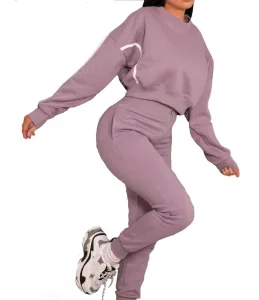
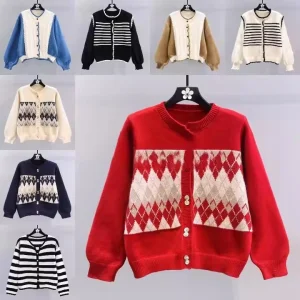
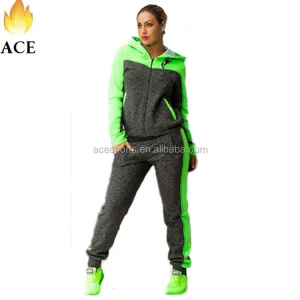
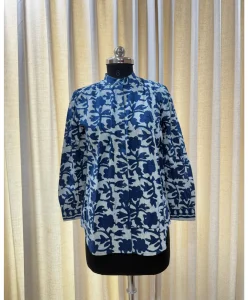
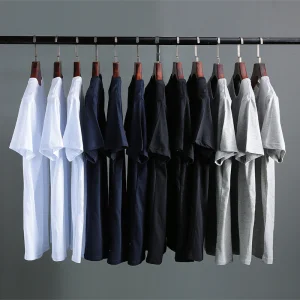
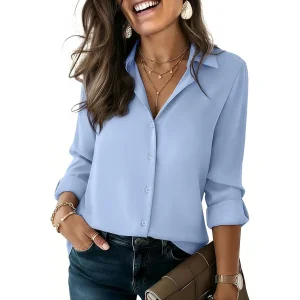
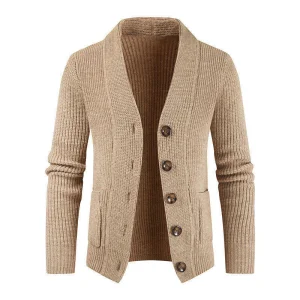
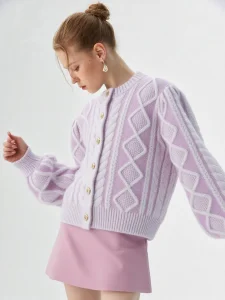
The corporate apparel sector is undergoing its most significant evolution since the emergence of standardized business dress. Contemporary procurement directors in global enterprises are no longer looking for basic textile suppliers; instead, they are prioritizing partners that can demonstrate data-backed manufacturing efficiencies, localized compliance strategies, and low environmental impact. The demand has shifted from rigid business suits to smart, hybrid workwear—apparel that balances formal executive aesthetics with the comfort, moisture-management, and flexibility needed in high-performing office settings.
According to recent market research, the global corporate wear market is projected to reach USD 75 billion by 2028. This growth is driven by the rise of co-working environments, flexible working conditions, and the need for unified, premium apparel for multinational corporate teams. To help businesses make informed procurement decisions, we analyzed the criteria used to select a supplier. In this report, we examine the operations of Guangdong Barjeel Fashion Co., Ltd., demonstrating how their infrastructure addresses these changing industry challenges.
For buyers representing large entities (e.g., airline personnel, major hotel chains, international banking offices, or global tech campuses), selecting an apparel exporter requires checking several boxes:
Established Year
Modern Facility
Flexible Solutions
Global Export Compliant
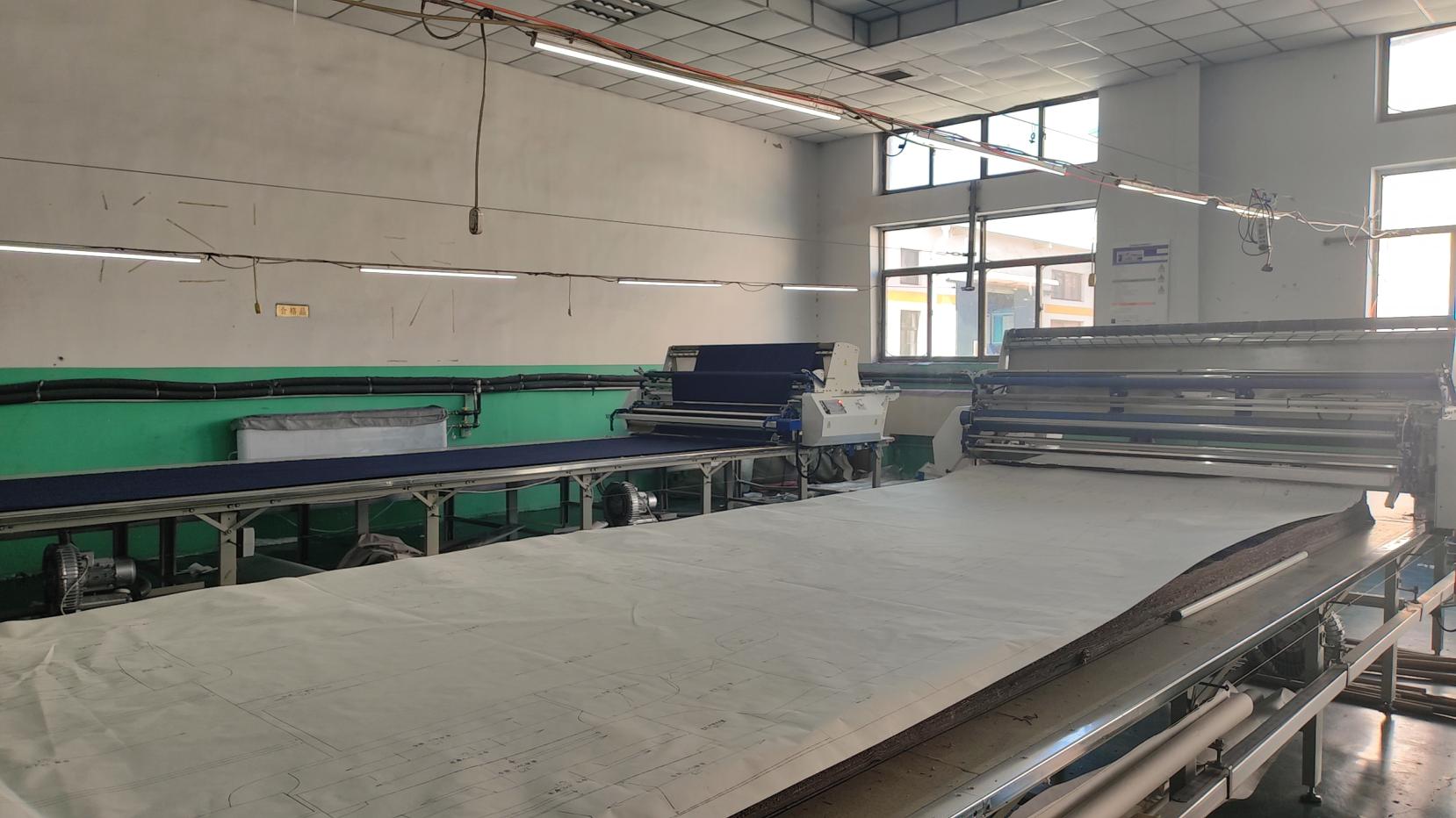
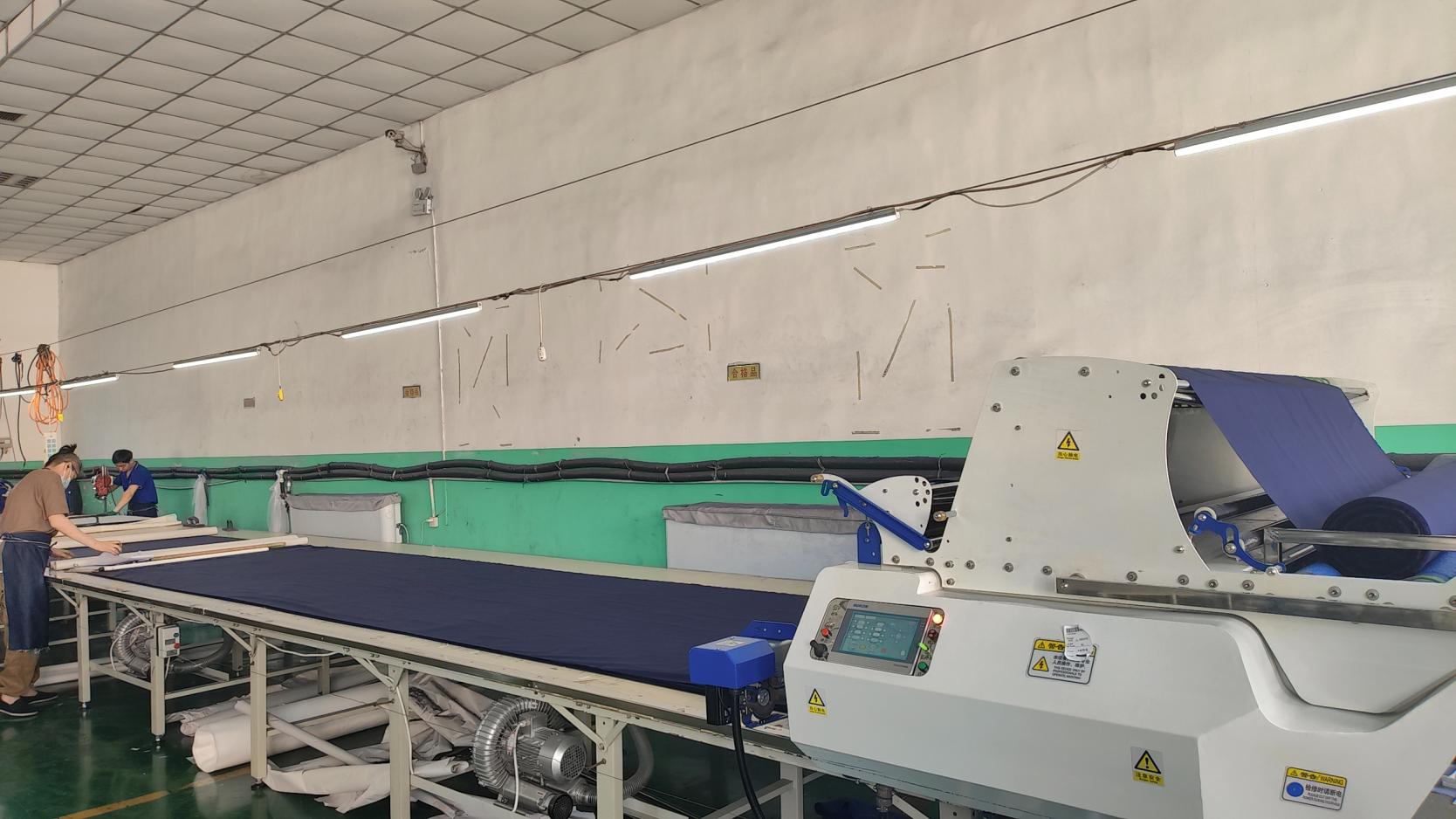
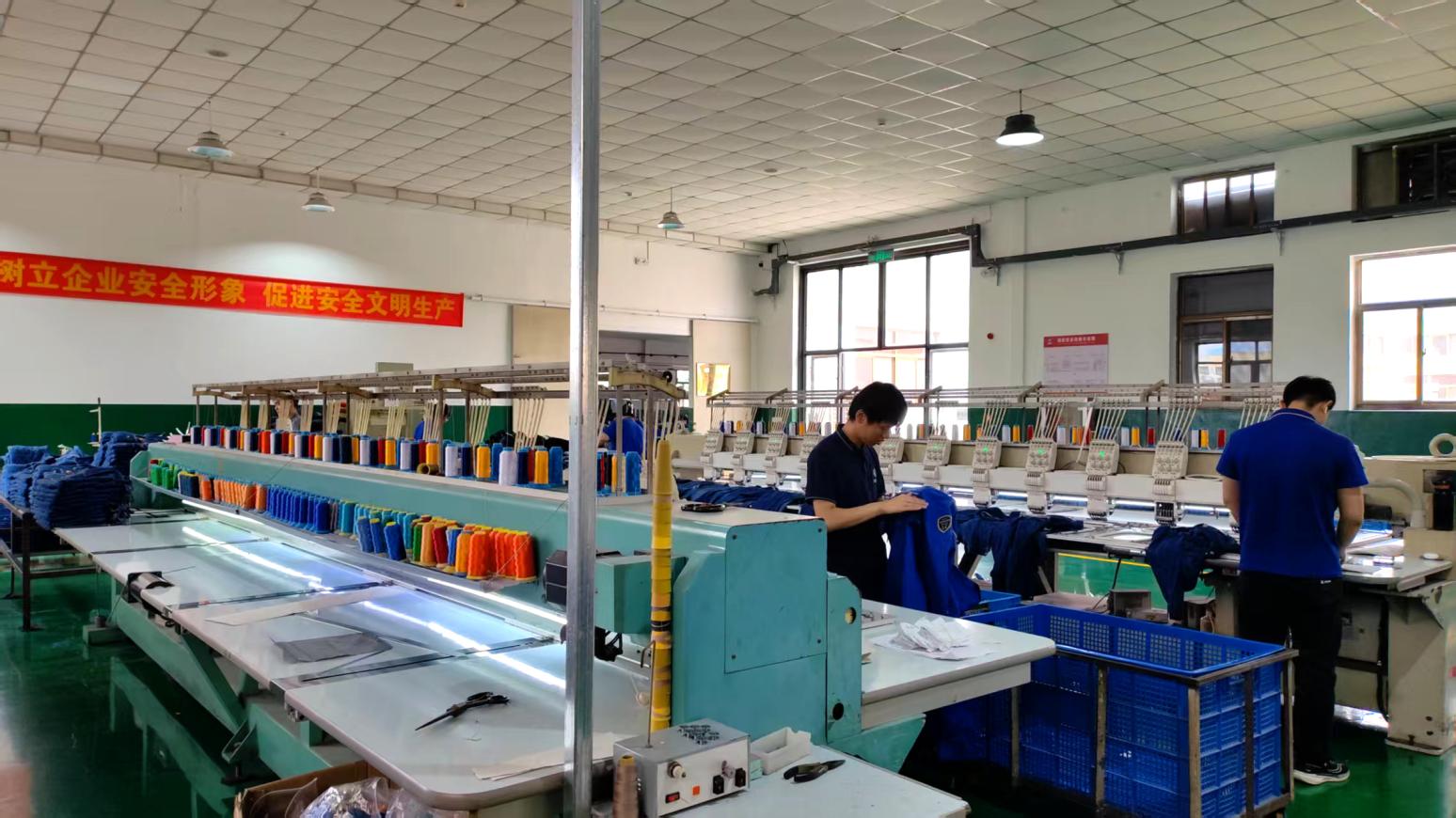
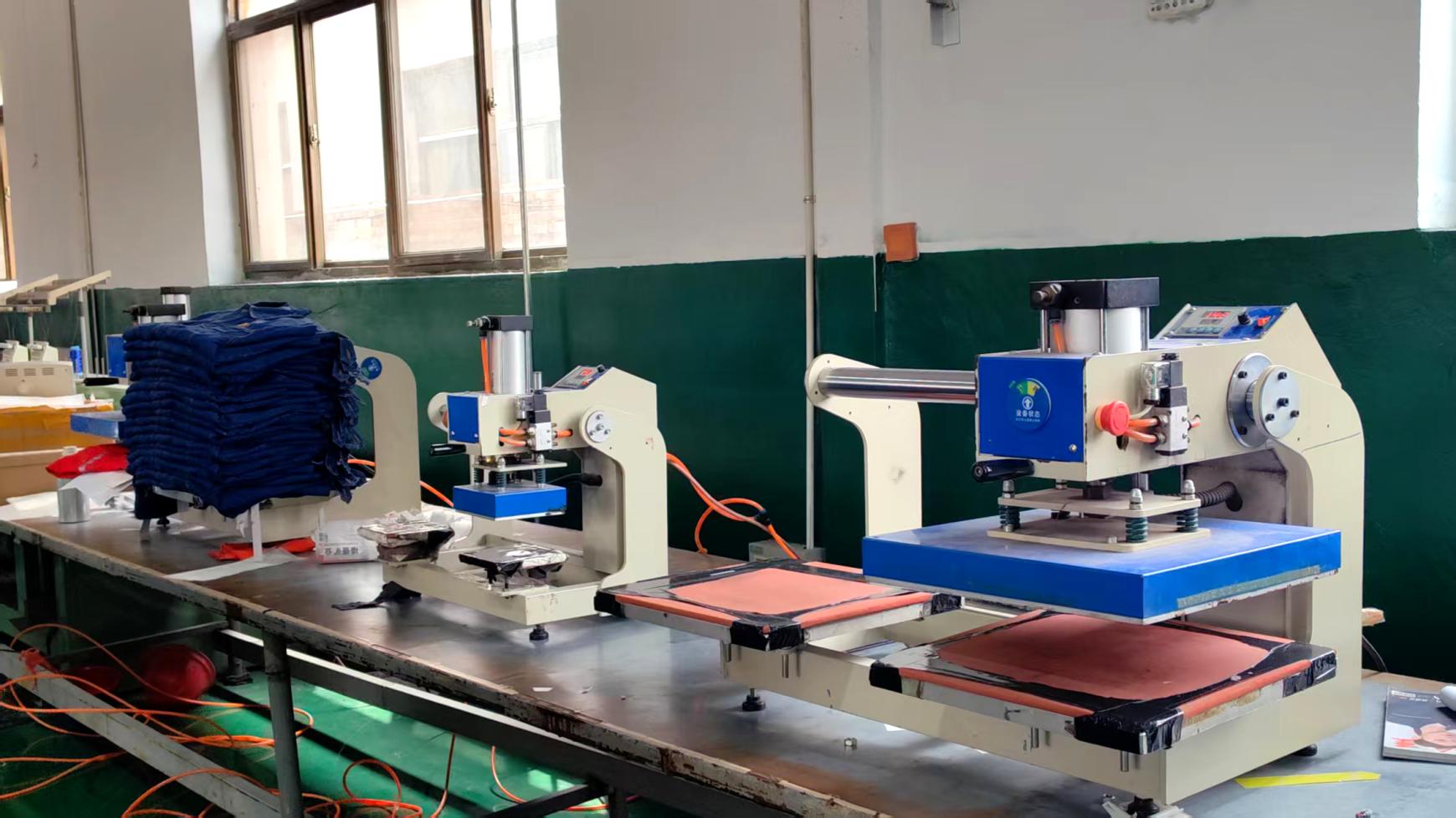
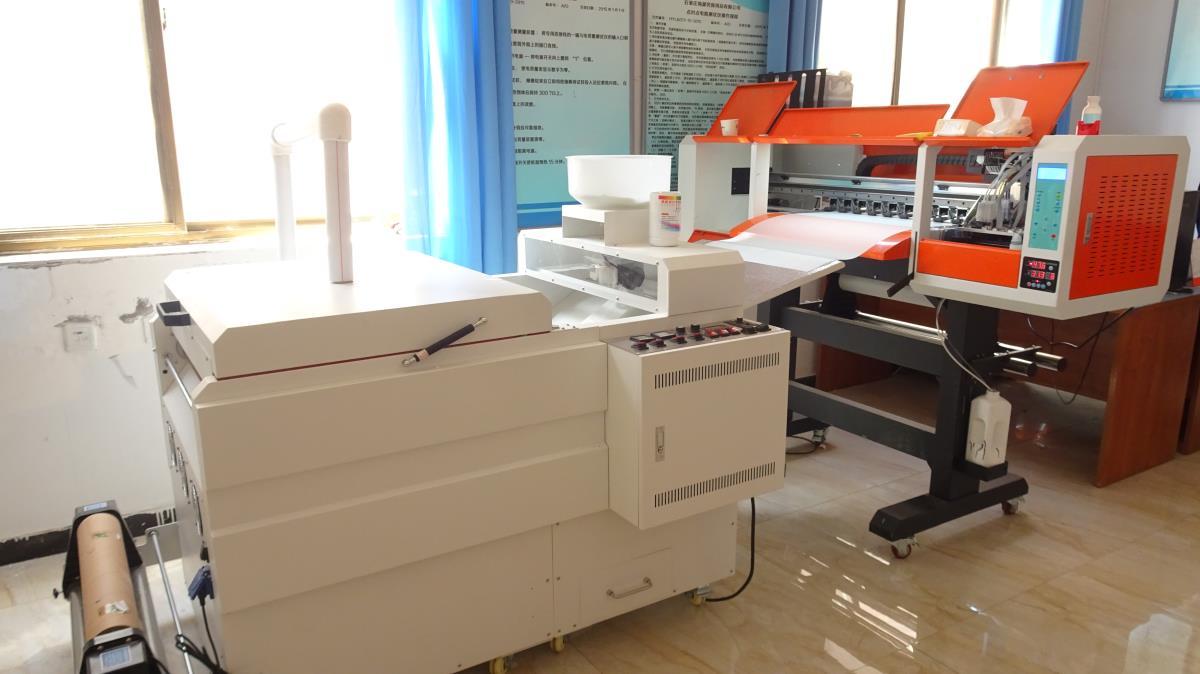
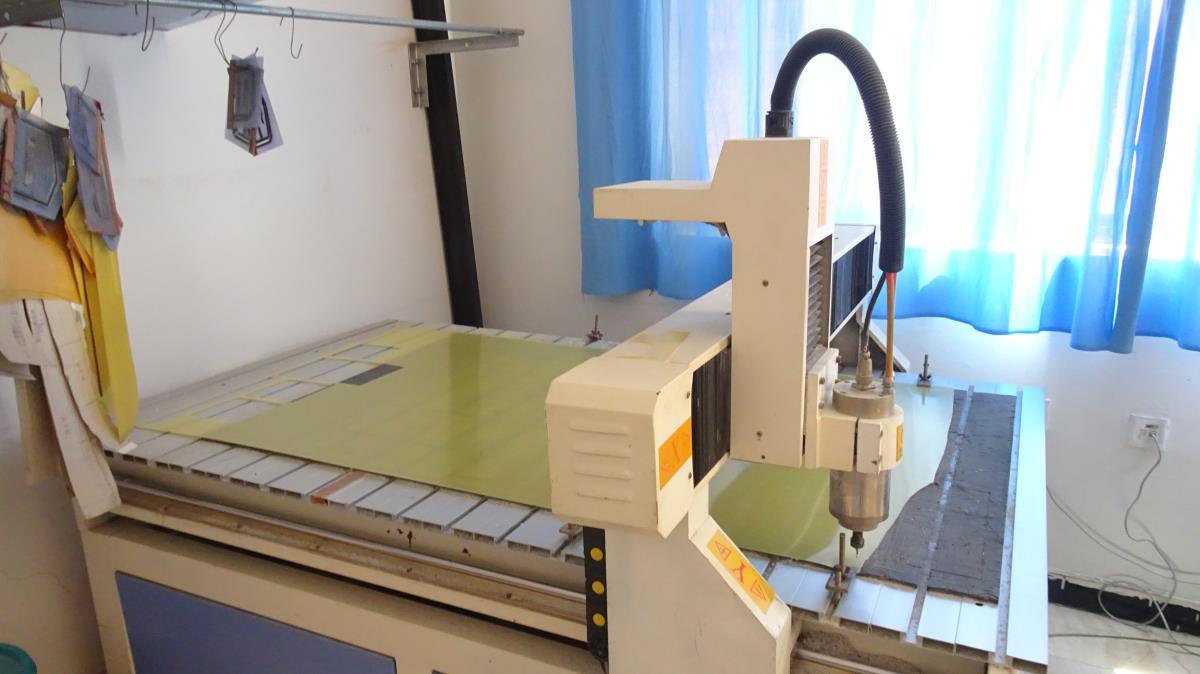
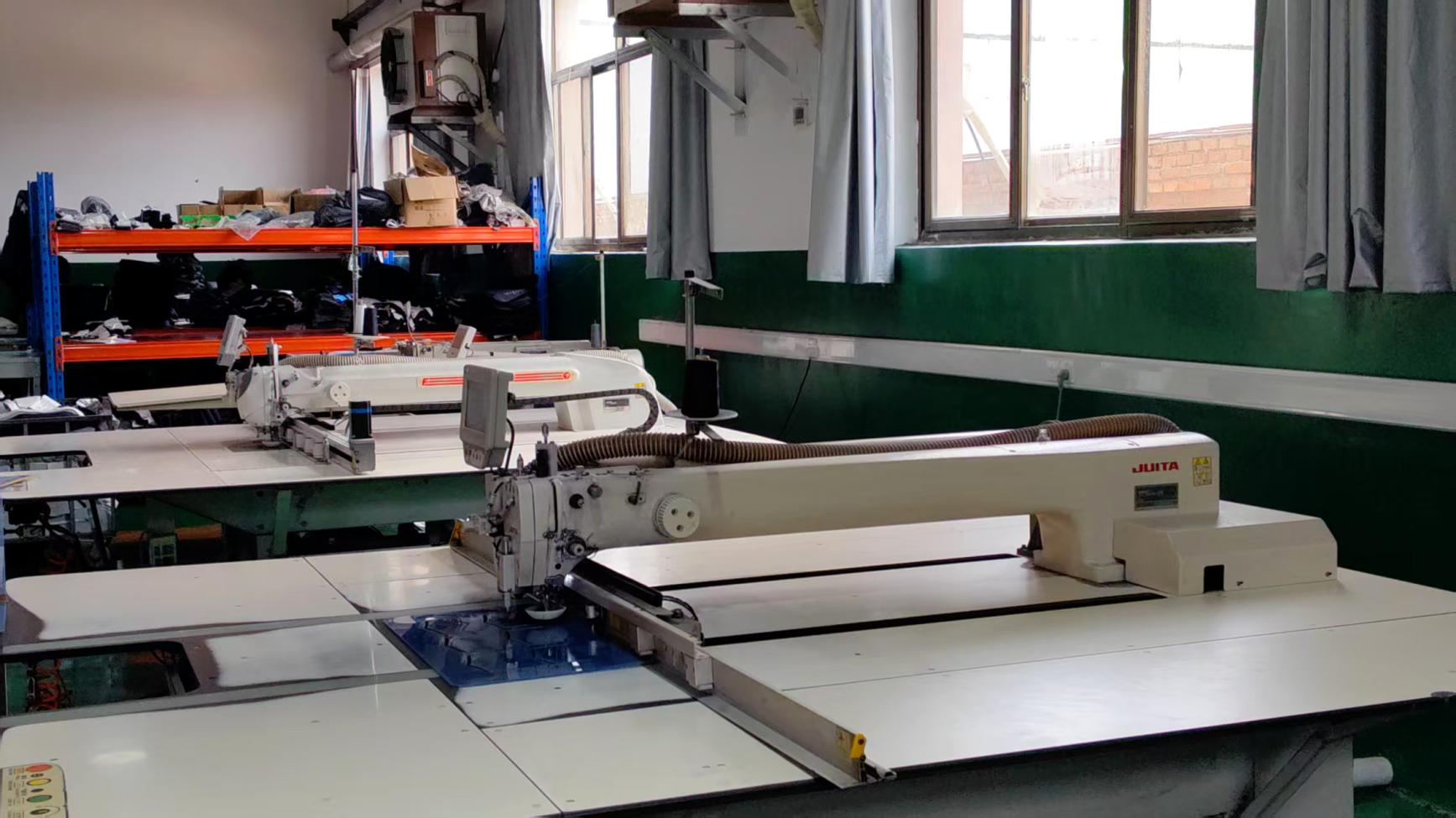
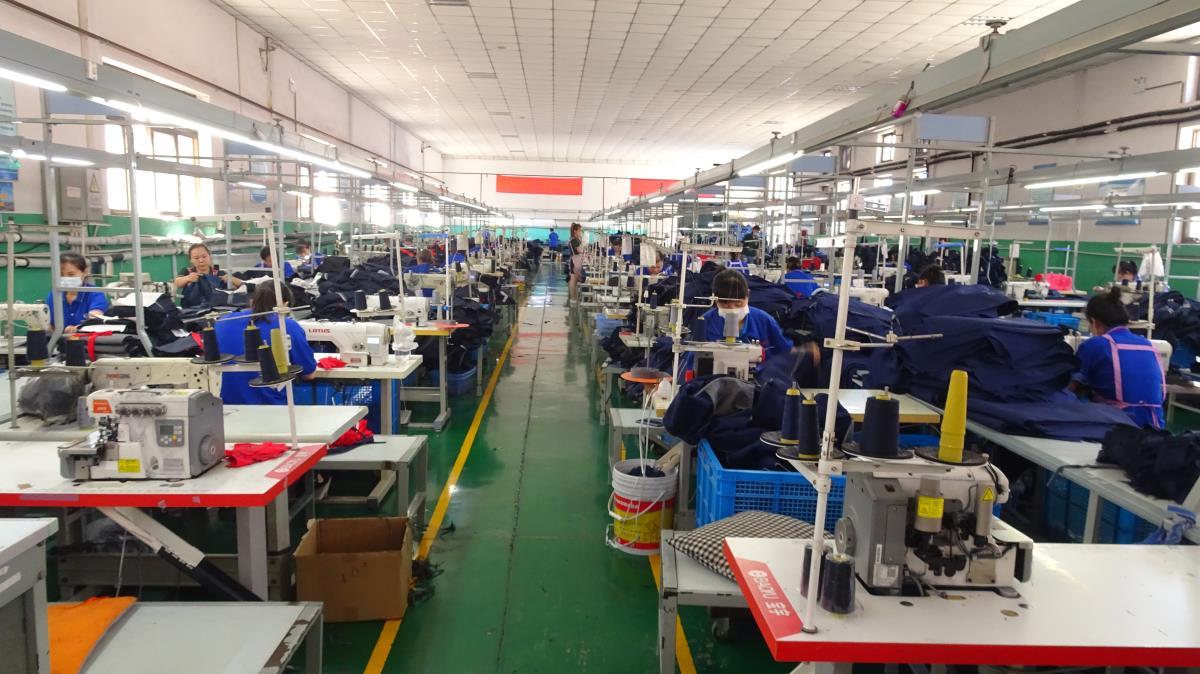
Established in 2006, Guangdong Barjeel Fashion Co., Ltd. is a modern apparel manufacturing enterprise integrating design, research and development (R&D), production, sales, and supply chain services. The company operates its own manufacturing facility covering an area of approximately 3,600 square meters, featuring a clean and well-organized office environment, standardized production workshops, and advanced garment manufacturing equipment.
With a professional R&D team and a skilled production workforce, the company has built strong capabilities across the entire apparel development process, including style design, pattern making, fabric sourcing, sampling, and bulk production. A well-established quality control system and efficient production management process ensure consistent product quality, timely delivery, and high manufacturing standards.
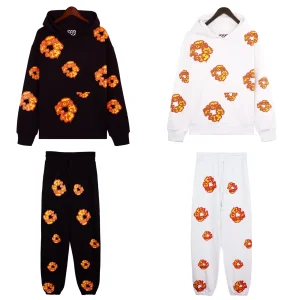
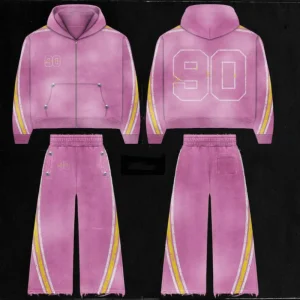
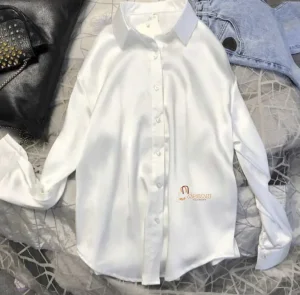
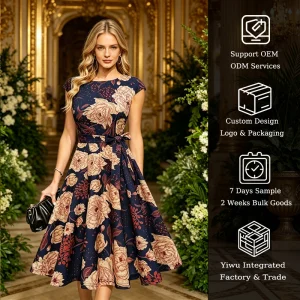
Guangdong Barjeel Fashion Co., Ltd. specializes in a wide range of apparel categories, including fashion and trend-led clothing, sportswear, evening dresses, professional and workwear, as well as casual wear. The company is capable of serving both OEM and ODM requirements, providing flexible and customized solutions to meet the diverse needs of global fashion brands.
Over the years, the company has developed long-term partnerships with numerous domestic and international clients. With a strong focus on craftsmanship, operational excellence, and continuous improvement, it has earned a solid reputation for reliability and quality in the apparel manufacturing industry.
Guided by the core values of quality-first, customer orientation, and continuous innovation, Guangdong Barjeel Fashion Co., Ltd. remains committed to upgrading its design capabilities and manufacturing technologies. The company strives to enhance efficiency, strengthen competitiveness, and deliver greater value to its global partners.
Looking ahead, the company aims to further expand its international presence and evolve into a trusted and respected global apparel manufacturing and service provider.
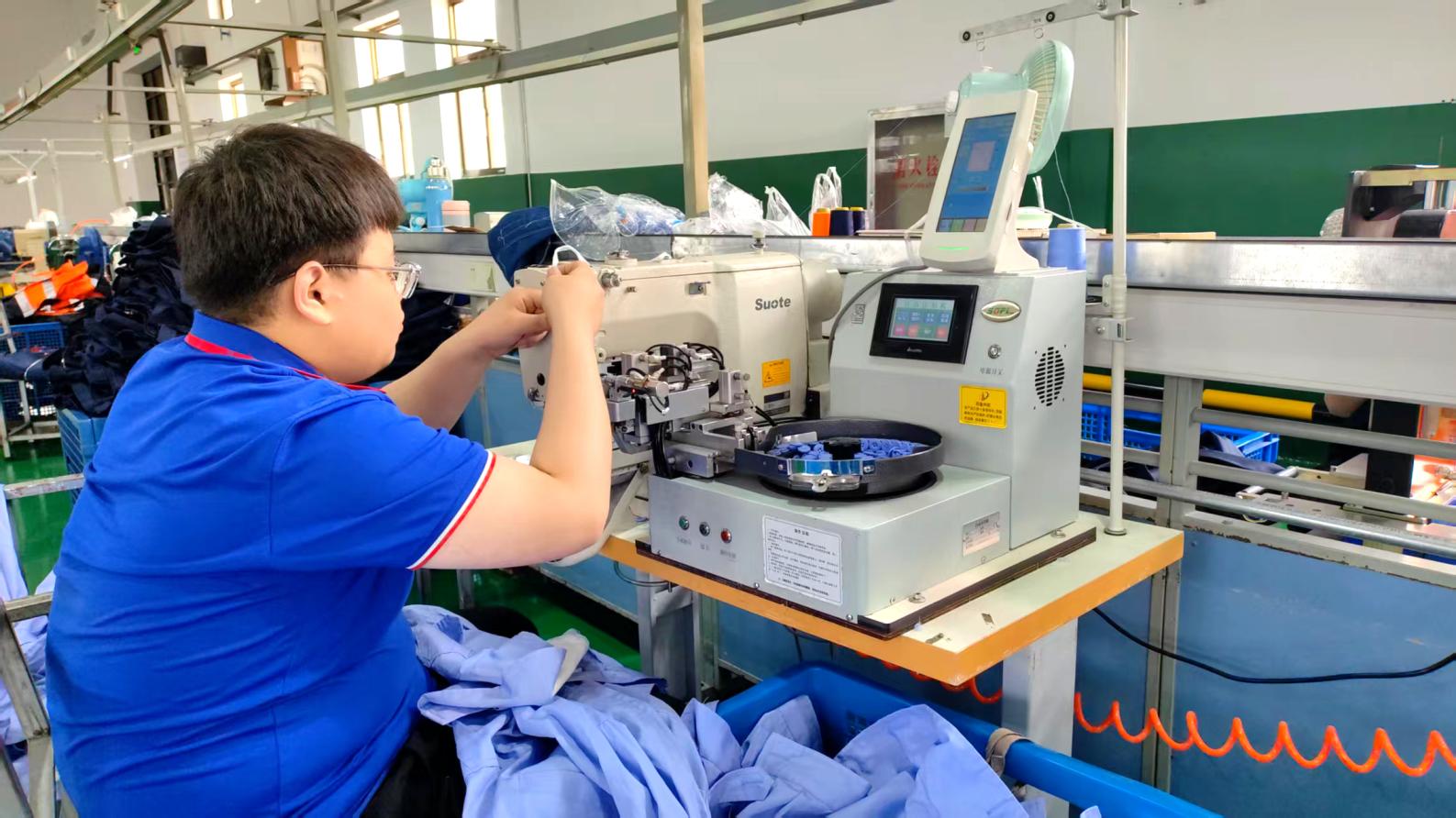
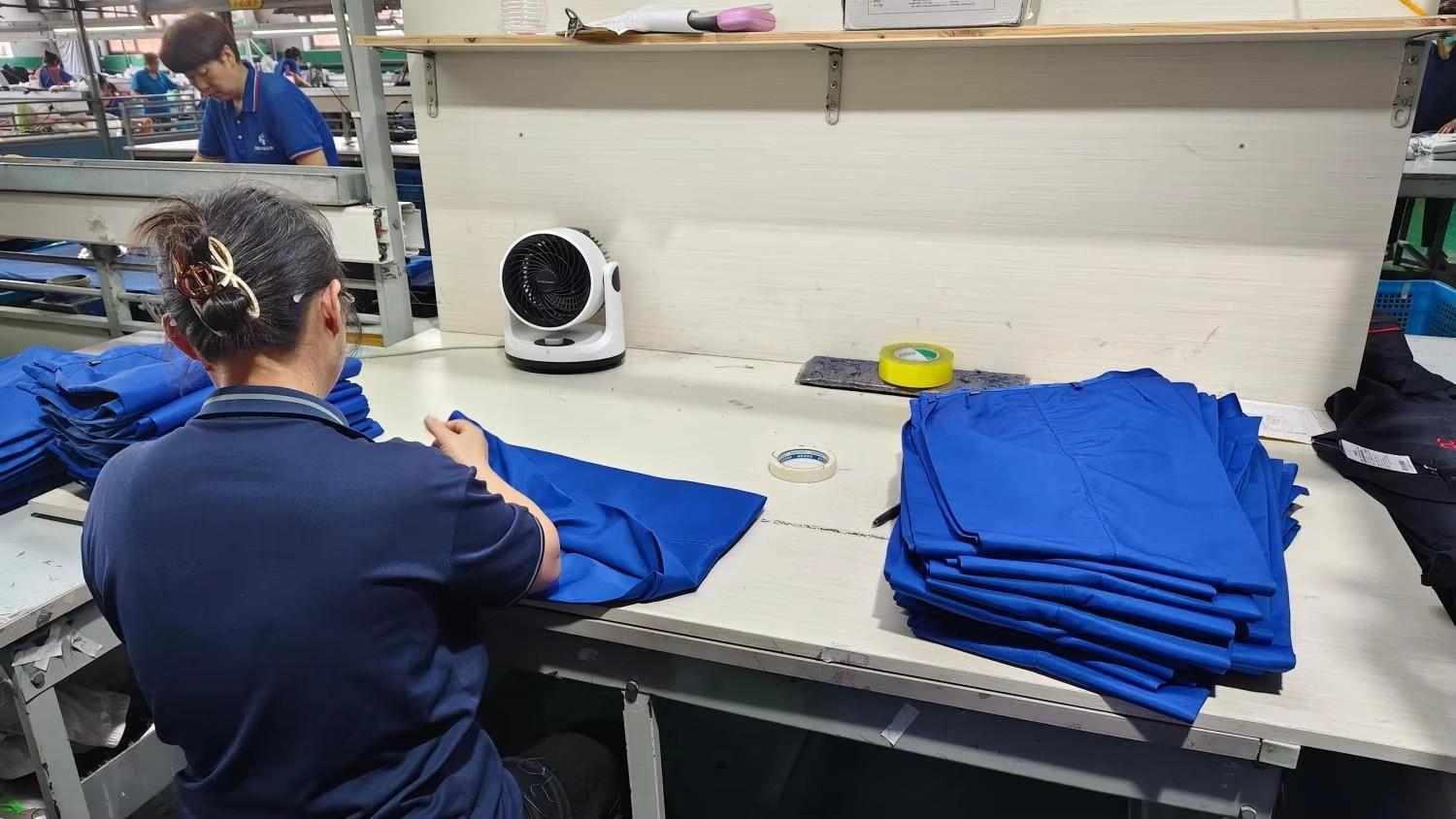
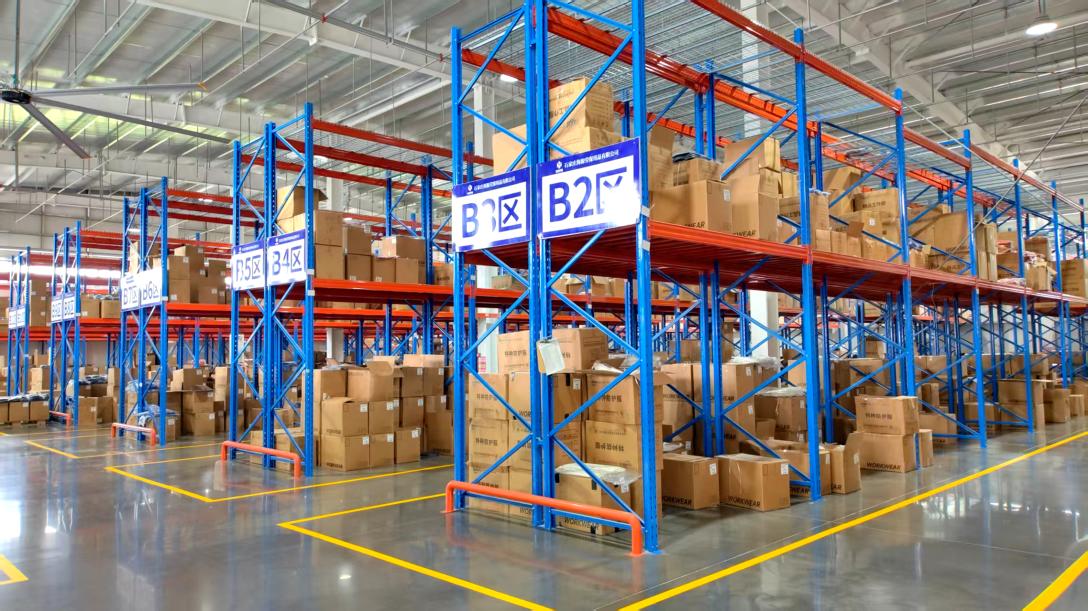
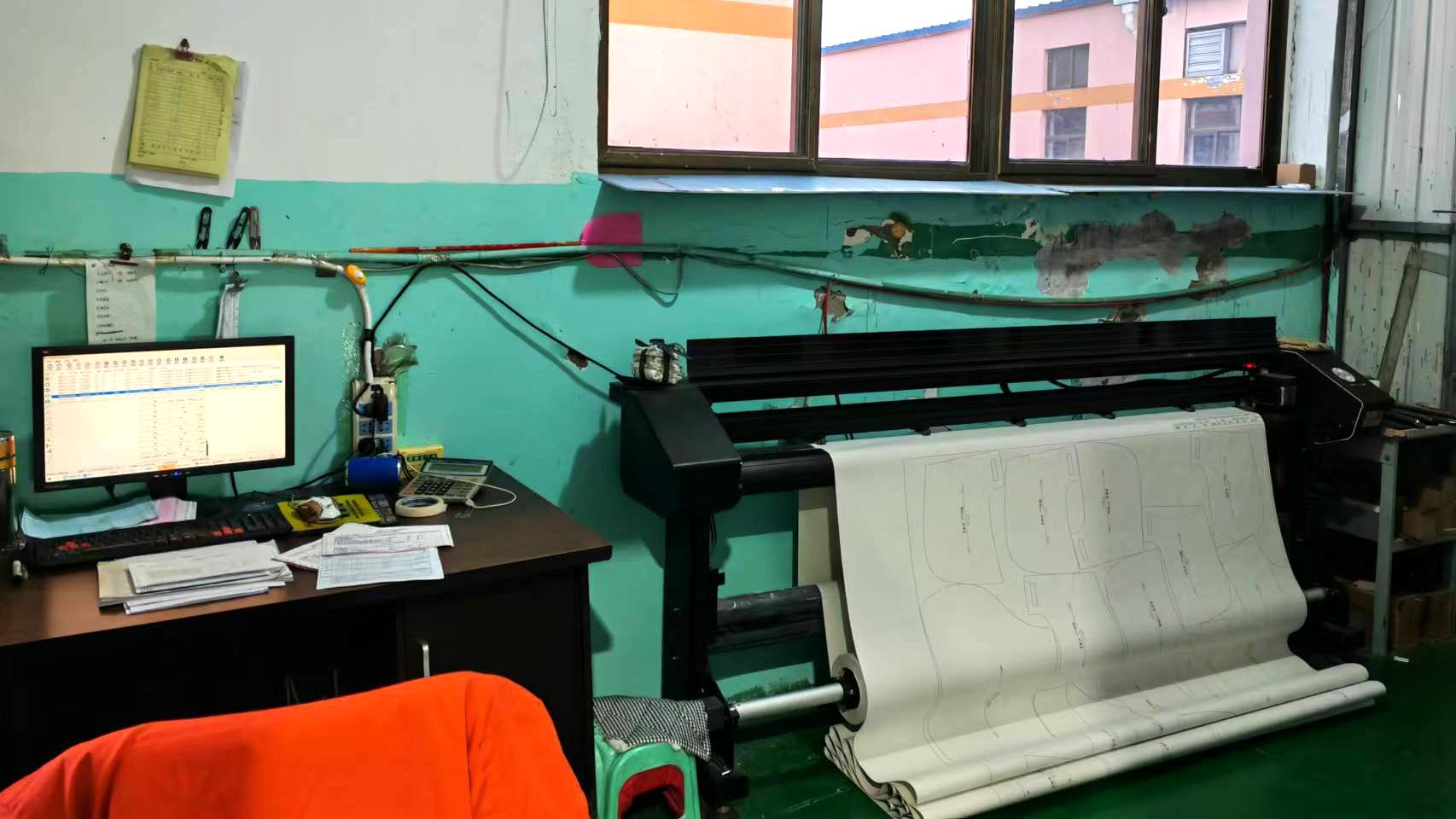
A closer look inside the 3,600-square-meter facility of Guangdong Barjeel Fashion Co., Ltd., highlighting advanced production equipment and systematic QA protocols.
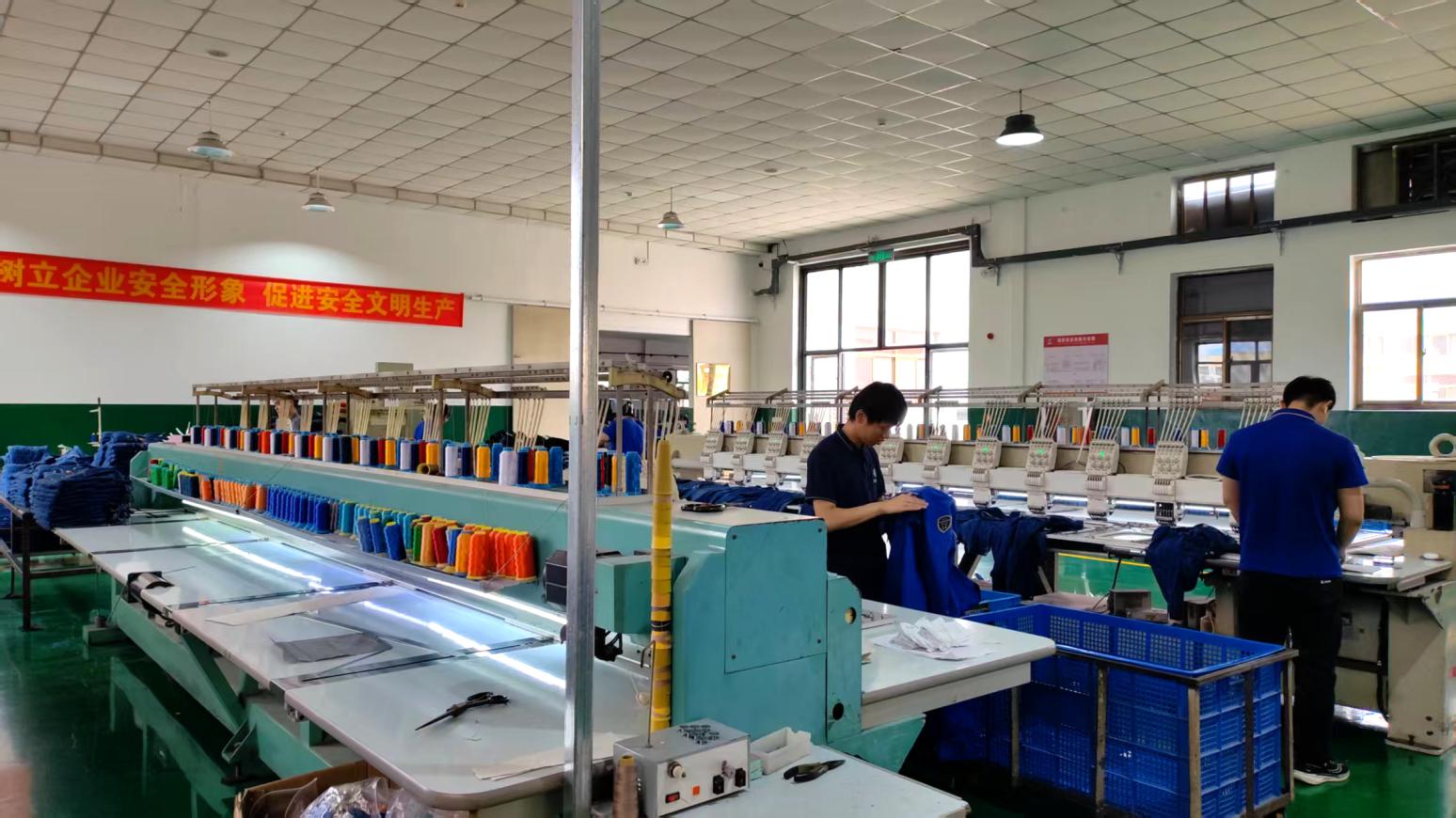
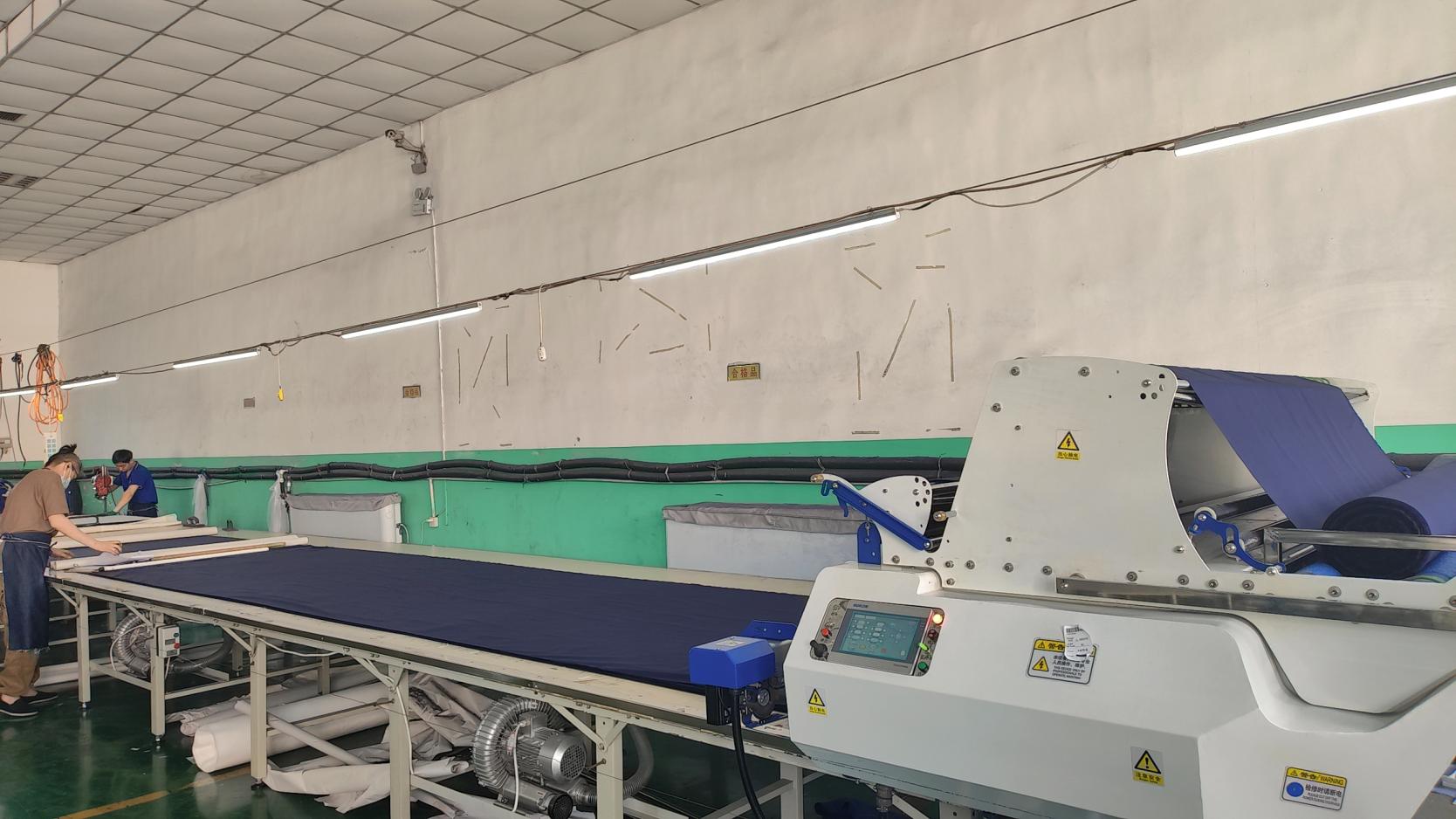
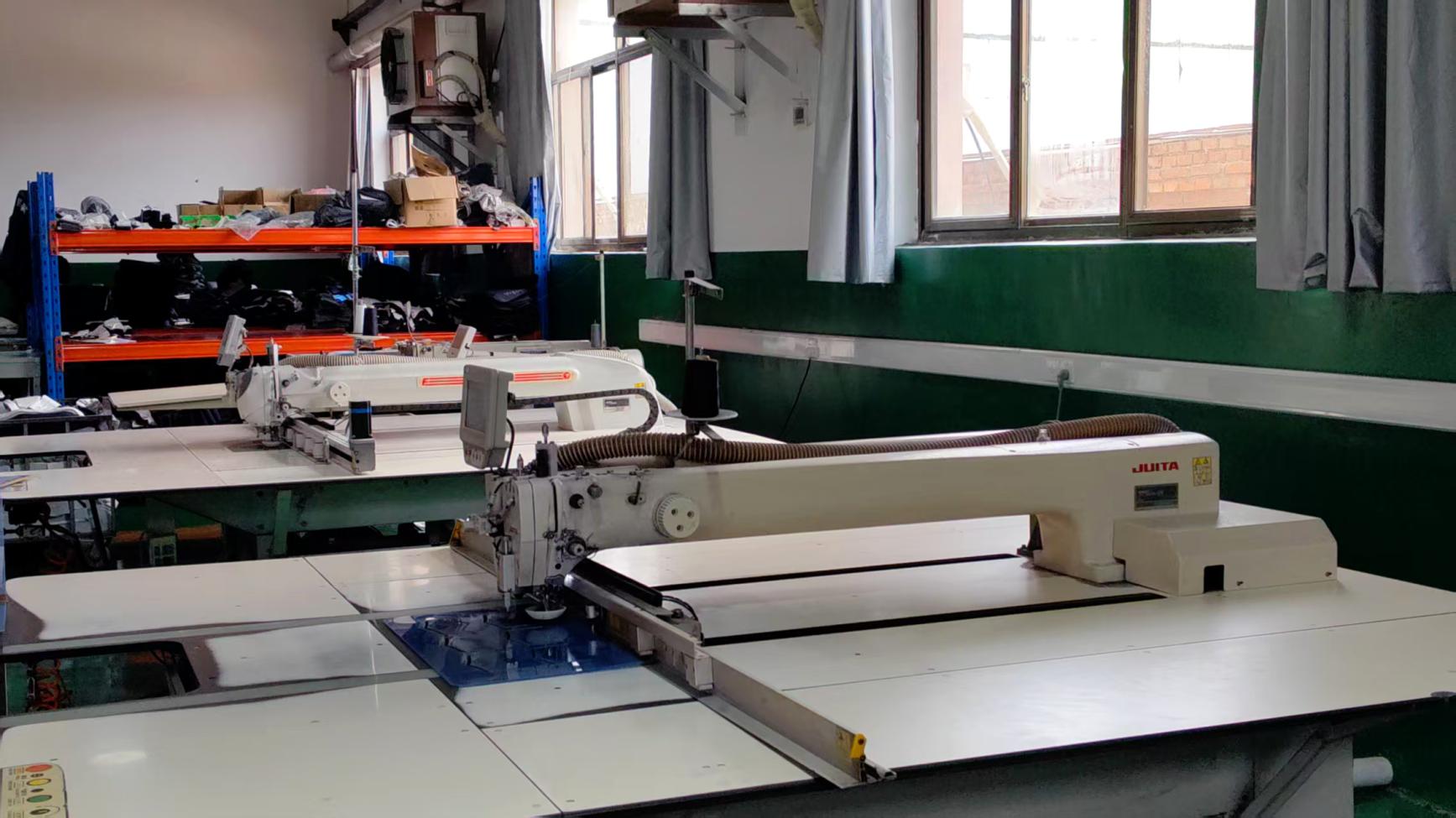
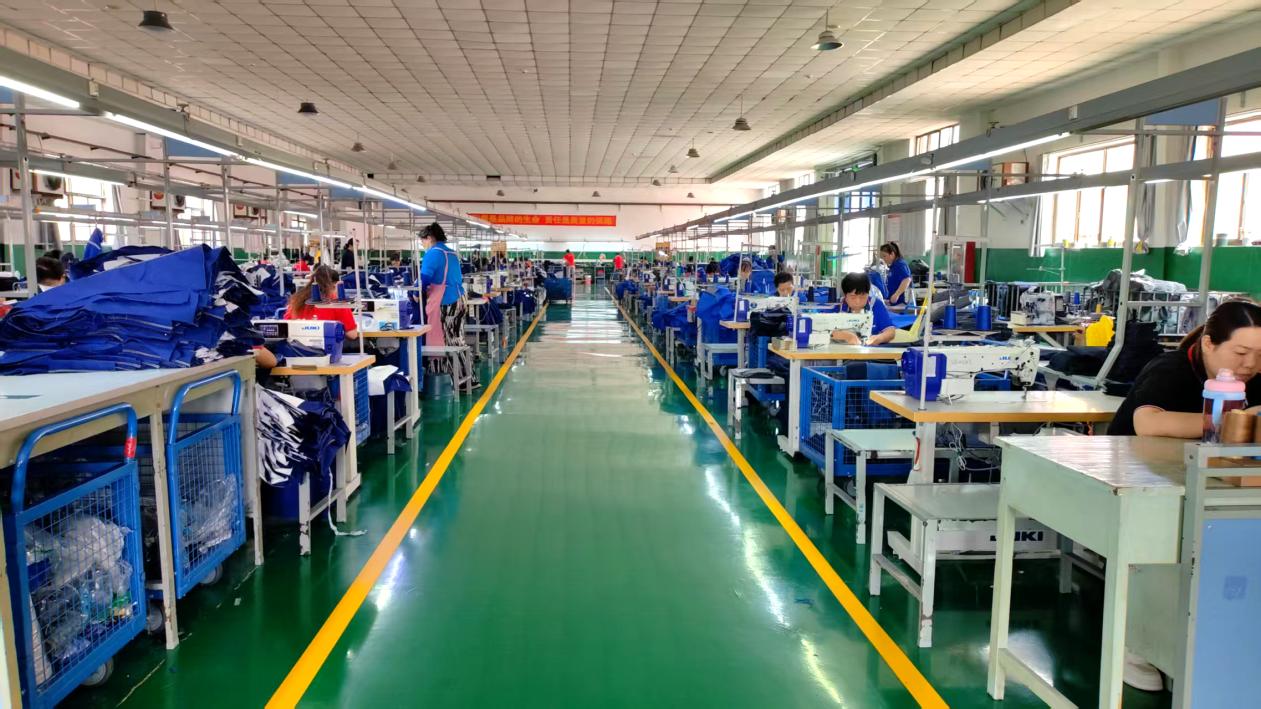
Corporate apparel has evolved beyond standard wool suits and basic cotton shirts. Today, high-performing corporate uniforms are treated with functional finishes that improve wearability and simplify care.
Modern professional wardrobes use technical synthetics blended with organic fibers. Traditional poly-cotton blends are being replaced by high-performance yarns that incorporate mechanical stretch without relying heavily on elastomer fibers, which can degrade over time. These materials feature structured micro-grooves that pull moisture away from the skin and allow it to evaporate quickly, keeping the wearer comfortable in shifting office temperatures.
Global corporate policies are steering procurement toward circular textile lifecycles. Leading manufacturers are introducing recycled polyester (rPET) sourced from marine plastics and post-industrial waste, along with certified organic cotton. Using closed-loop processing for cellulosics, such as Lyocell and Modal, helps lower water and energy consumption compared to traditional cotton manufacturing.
Automation is a key differentiator in ensuring product consistency across large production runs. Technologies like computerized template sewing, laser pocket welters, and automatic pattern matching limit human error. Using these systems ensures that every collar, sleeve cuff, and hem meets identical dimensions, reducing defect rates on mass orders.
Optimized logistics and supply chain programs designed for multi-location procurement managers.
We work directly with corporate design agencies to translate conceptual branding sheets into finished patterns. Utilizing computer pattern design systems, we accelerate the transition from concept art to physical prototypes.
Corporate staff uniform requirements require broad size ranges. Our template-driven cutting and sizing workflows accommodate extended sizes while maintaining consistent fabric drape and seam integrity.
For contracts requiring scheduled rollouts, we provide clean warehousing and managed logistics to safeguard supplies against sudden raw material price swings or shipping delays.
Managing international custom regulations and dynamic trade policies is a critical phase of global apparel distribution. Exporters must maintain thorough compliance portfolios to ensure seamless customs clearance.
Essential guidance for procurement officers and supply chain managers sourcing corporate apparel.
Lead times vary based on design complexity and fabric sourcing requirements. Typically, style prototyping takes 7 to 15 days, and bulk production is completed within 30 to 45 days after design approval and fabric confirmation.
We perform spectrophotometer tests on every batch of dyed fabric. This helps ensure color variation remains within strict delta-E limits, providing a consistent match across multiple shipments.
Yes. While large production runs optimize efficiency, we offer flexible configurations to support startup brands and fill-in orders for expanding teams.
We apply AQL 2.5/4.0 inspection standards. Our quality team evaluates seam strength, dimensional stability after washing, colorfastness, and general sewing neatness before final export packaging.
Yes, we support transparency and welcome third-party audits (such as SGS, Intertek, or BV) arranged by our clients to verify compliance and production standards.
Combining comfort-focused fits and high durability to support long shifts in busy professional environments.