Barjeel Fashion
Barjeel Fashion
Barjeel Fashion
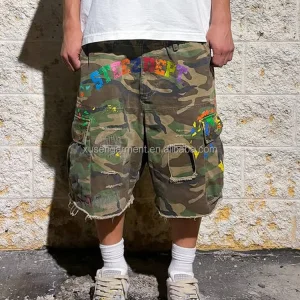
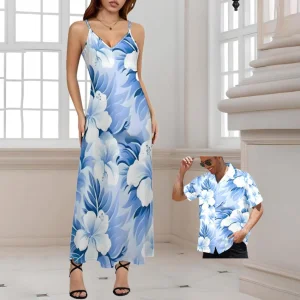
Explore our hot-selling custom clothing lines engineered for modern global markets, incorporating premium fabrics and precise execution.
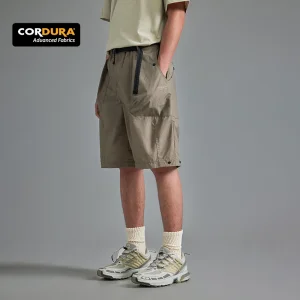
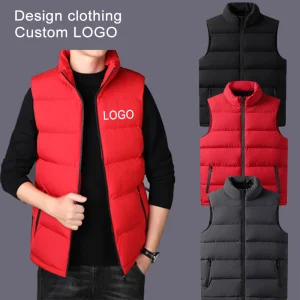
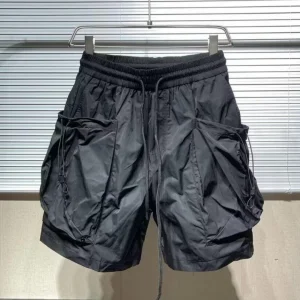
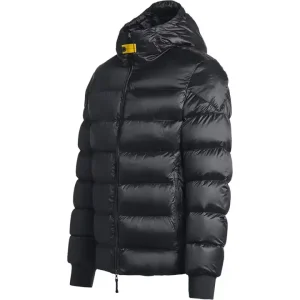
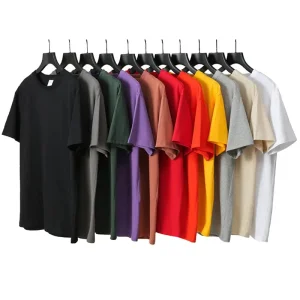
In the contemporary B2B apparel ecosystem, the term "Flats" carries dual significance. It represents both technical garment flats (the precise, 2D vector representations of garments critical for tech-pack formulation) and flat-knit products/flat-front structured patterns. As fast fashion morphs into agile, value-driven manufacturing, global buyers require factories that seamlessly translate technical CAD flats into high-performance consumer goods.
The global commerce landscape is witnessing a massive transition. Retailers in North America, the EU, and the Asia-Pacific region are shifting away from massive warehouse storage toward demand-driven manufacturing models. This requires factories to possess advanced technical drawing capabilities, computerized pattern design, and rapid response units. By bridging the gap between digital vector flats and physical fabrication, Chinese manufacturers have positioned themselves at the epicenter of the global fashion supply chain.
The manufacturing supremacy of Chinese factories is no longer driven solely by labor arbitrage; it is defined by technological maturity, supply chain integration, and automation. Located in Guangdong, the world's premier apparel cluster, our manufacturing centers leverage unmatched regional dynamics. Every single raw material component, from high-tensile sewing threads to performance utility fabrics like Cordura, is sourced locally within hours, bypassing international logistics bottlenecks.
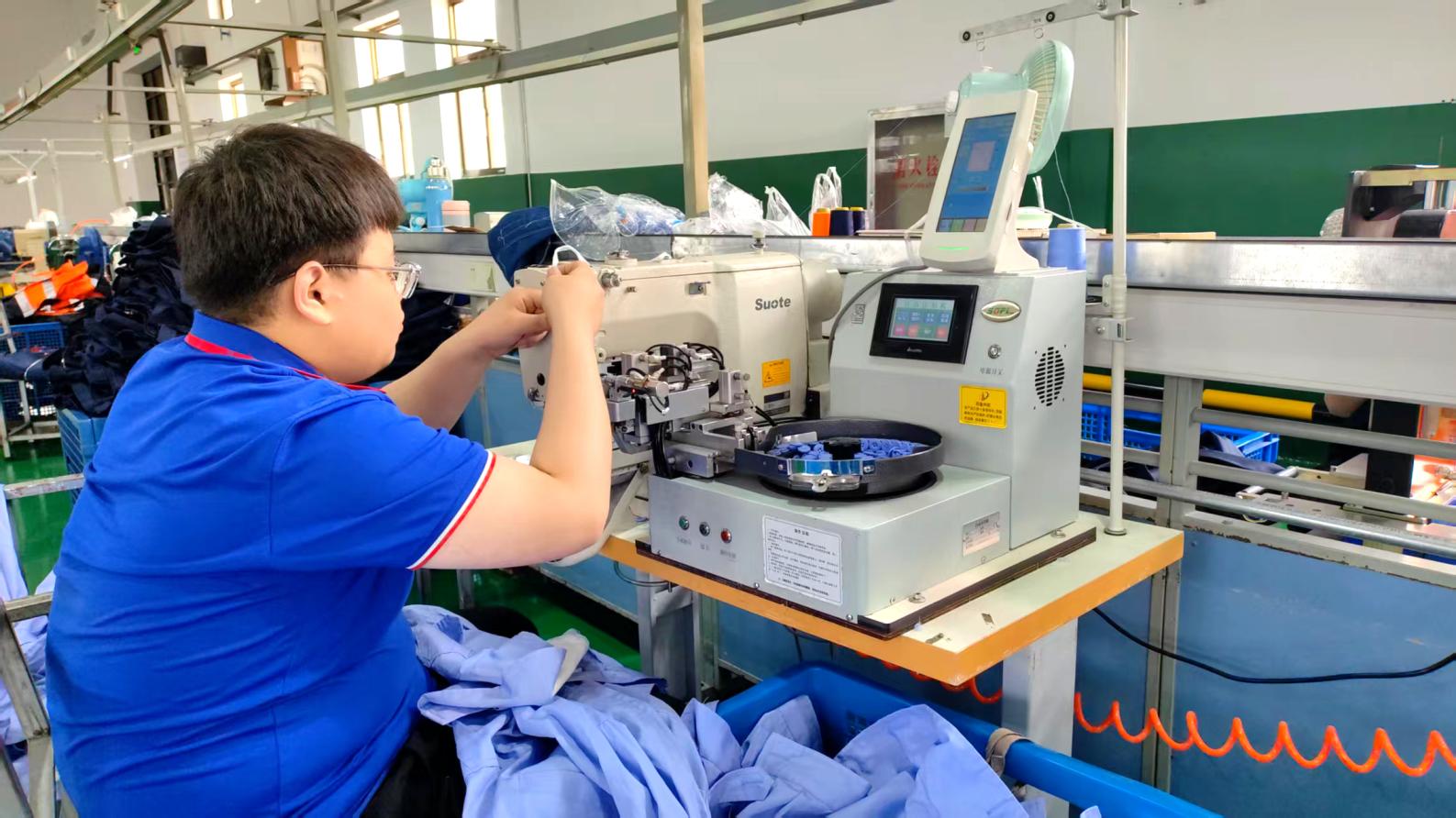
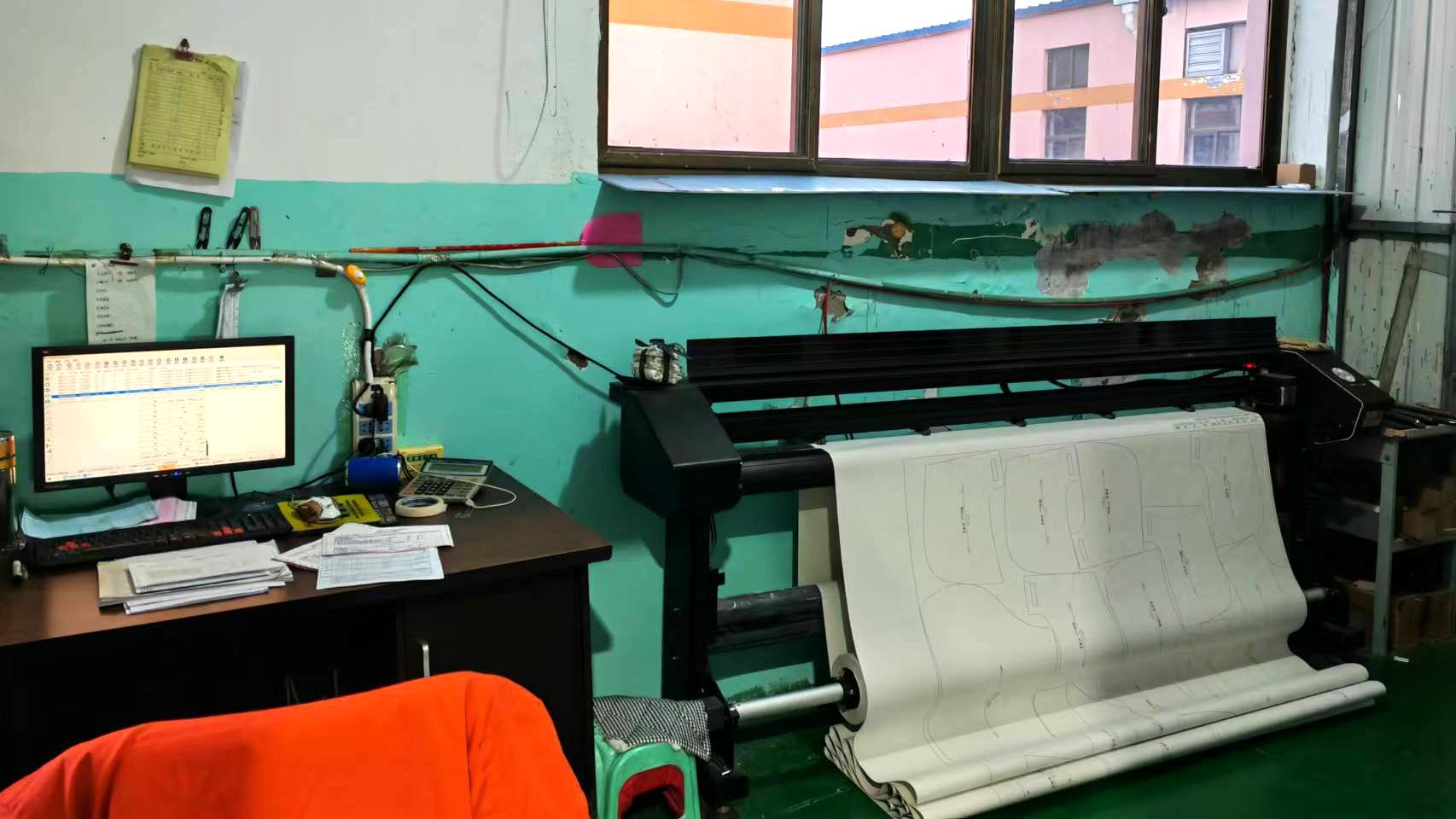
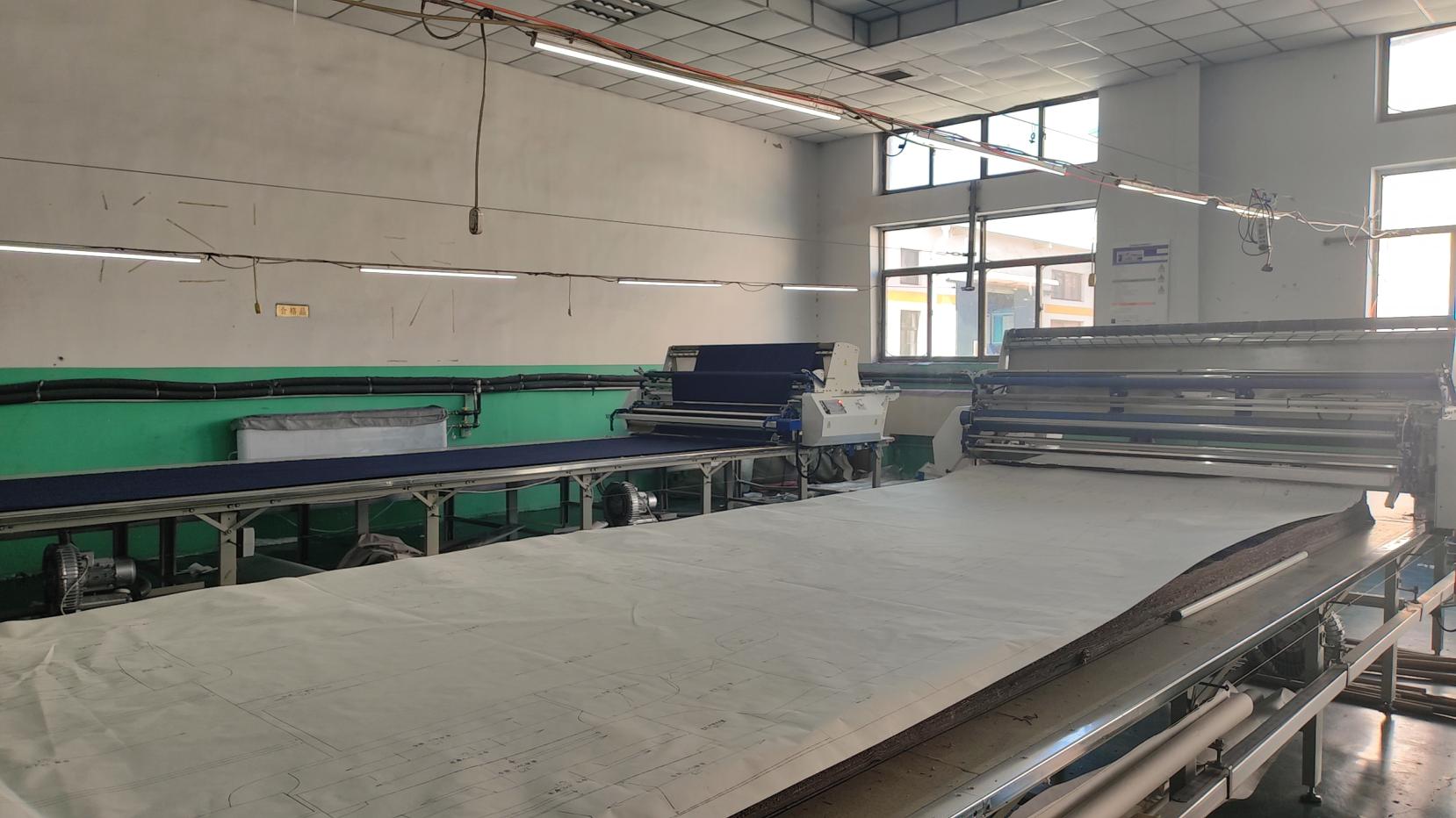
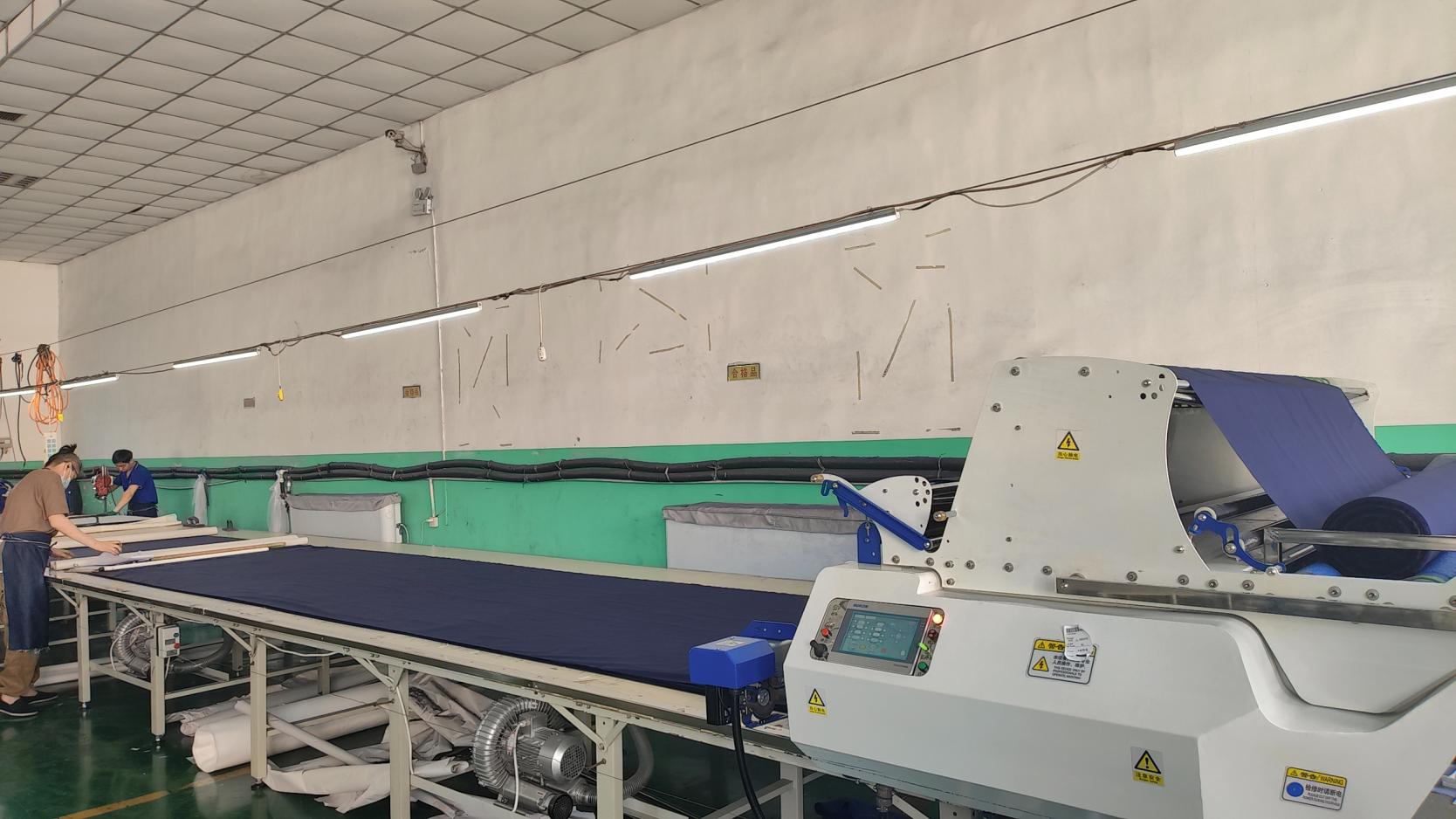
Modern garment production demands ultra-high repeatability and zero dimensional deviation. This is achieved via automated pattern laying, laser cutters, and template sewing modules. When processing intricate B2B custom orders, Chinese factories employ advanced computer-aided design (CAD) programs. This allows immediate translation of client technical specs into high-precision cuts, saving up to 15% on fabric waste compared to manual cutting methods. This resource conservation translates directly to competitive pricing models for global importers.
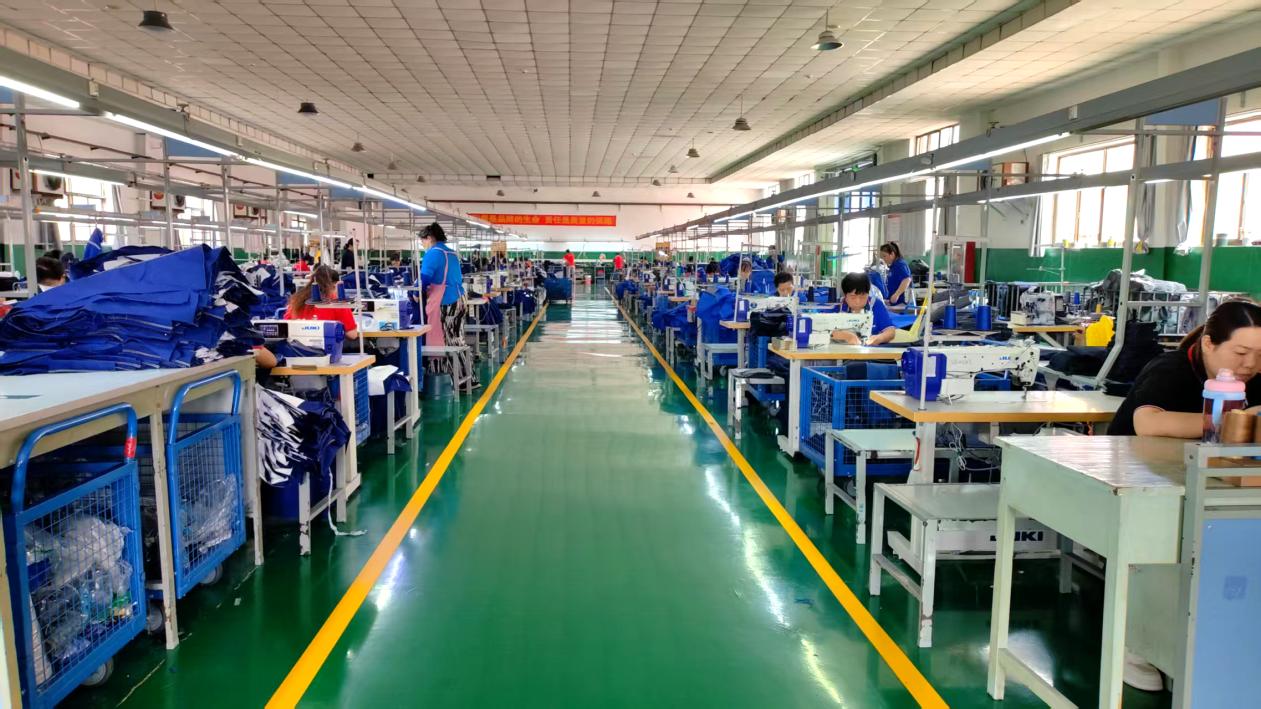
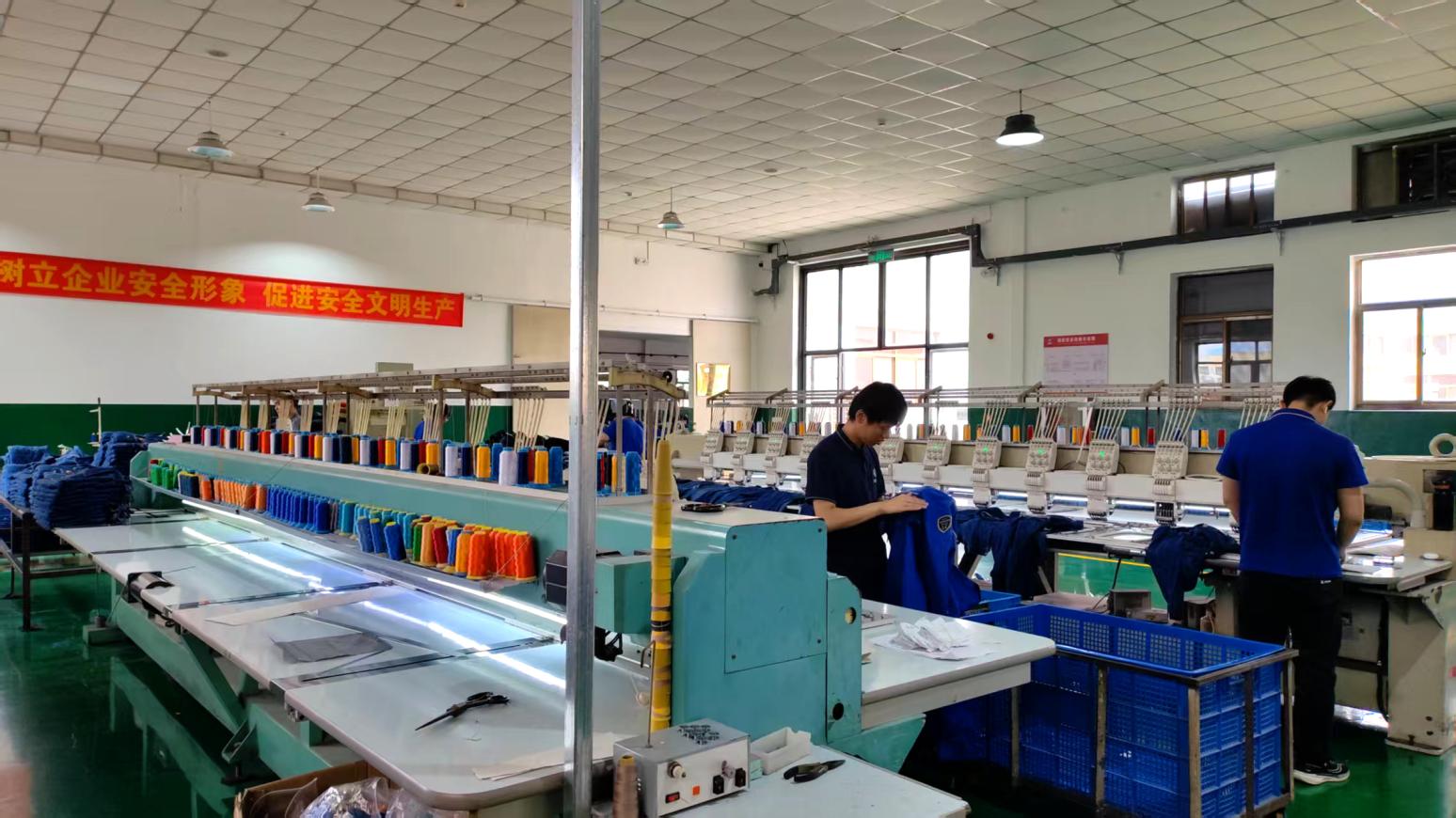
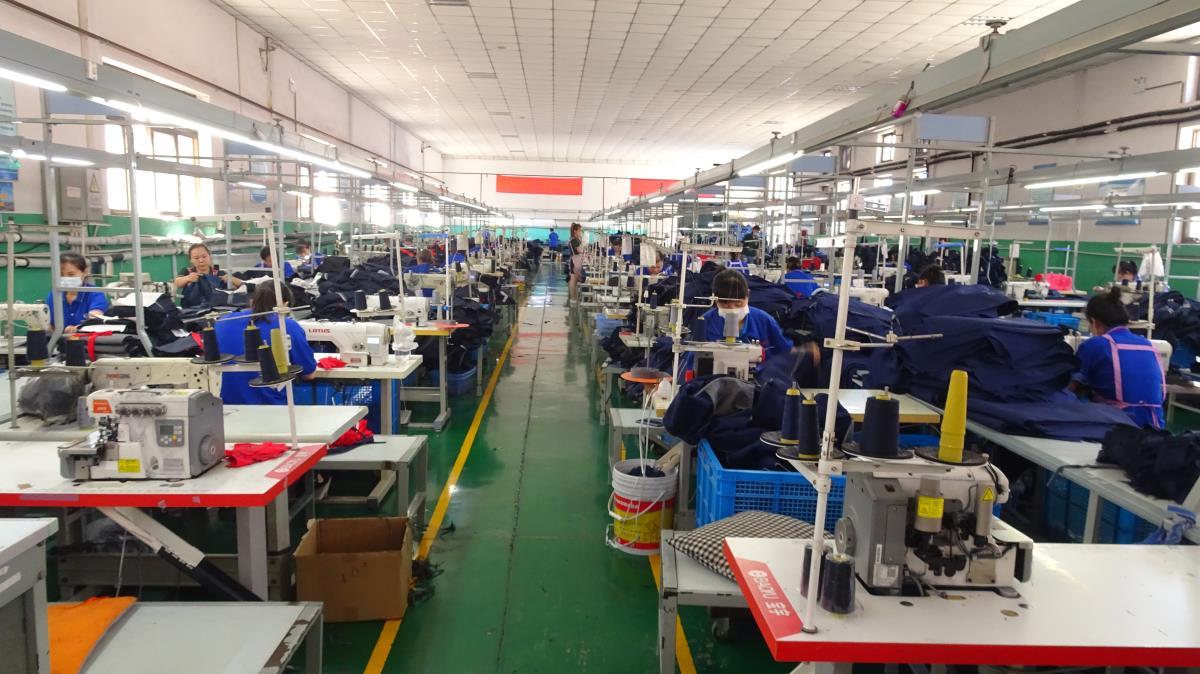
Established in 2006, Guangdong Barjeel Fashion Co., Ltd. is a modern apparel manufacturing enterprise integrating design, research and development (R&D), production, sales, and supply chain services. The company operates its own manufacturing facility covering an area of approximately 3,600 square meters, featuring a clean and well-organized office environment, standardized production workshops, and advanced garment manufacturing equipment.
With a professional R&D team and a skilled production workforce, the company has built strong capabilities across the entire apparel development process, including style design, pattern making, fabric sourcing, sampling, and bulk production. A well-established quality control system and efficient production management process ensure consistent product quality, timely delivery, and high manufacturing standards.
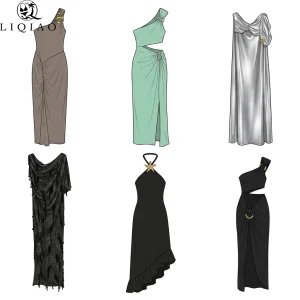
Guangdong Barjeel Fashion Co., Ltd. specializes in a wide range of apparel categories, including fashion and trend-led clothing, sportswear, evening dresses, professional and workwear, as well as casual wear. The company is capable of serving both OEM and ODM requirements, providing flexible and customized solutions to meet the diverse needs of global fashion brands.
Over the years, the company has developed long-term partnerships with numerous domestic and international clients. With a strong focus on craftsmanship, operational excellence, and continuous improvement, it has earned a solid reputation for reliability and quality in the apparel manufacturing industry. Guided by the core values of quality-first, customer orientation, and continuous innovation, Guangdong Barjeel Fashion Co., Ltd. remains committed to upgrading its design capabilities and manufacturing technologies. Looking ahead, the company aims to further expand its international presence and evolve into a trusted and respected global apparel manufacturing and service provider.
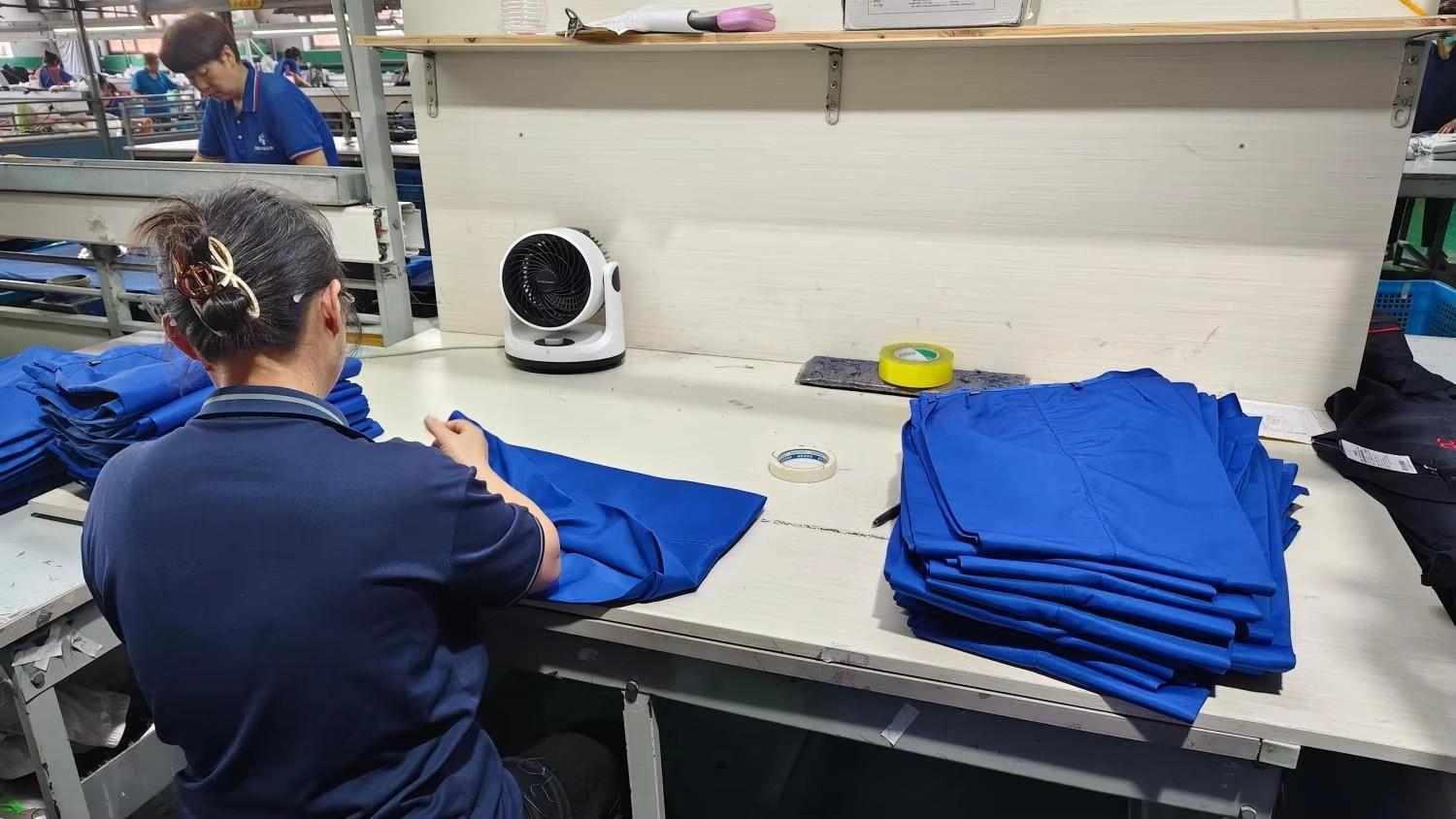
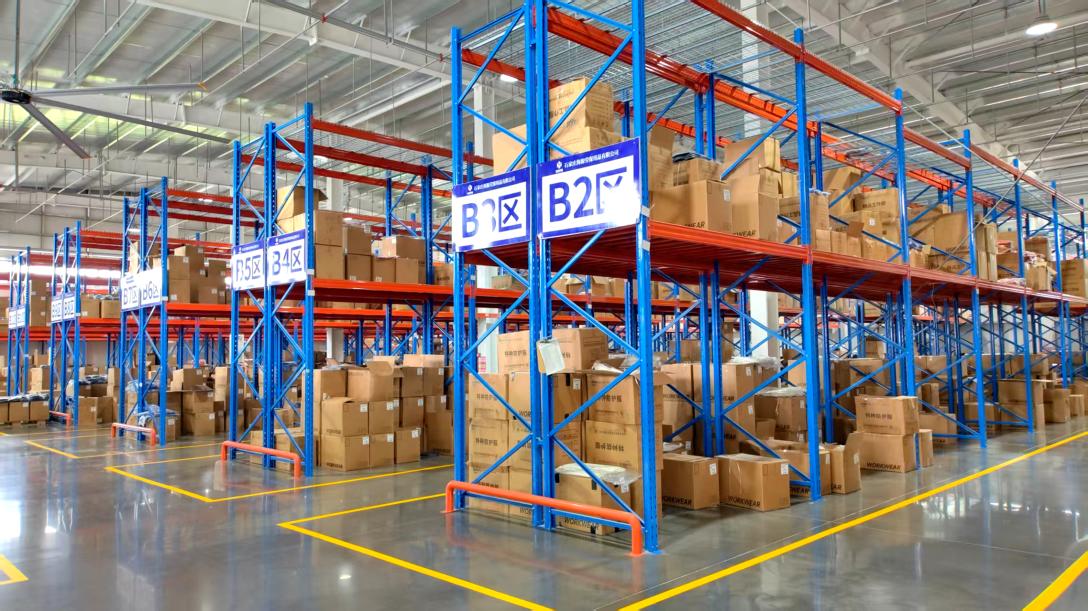
A visually documented tour of our 3,600㎡ workshop in Guangdong, demonstrating our equipment, high precision and standard execution.
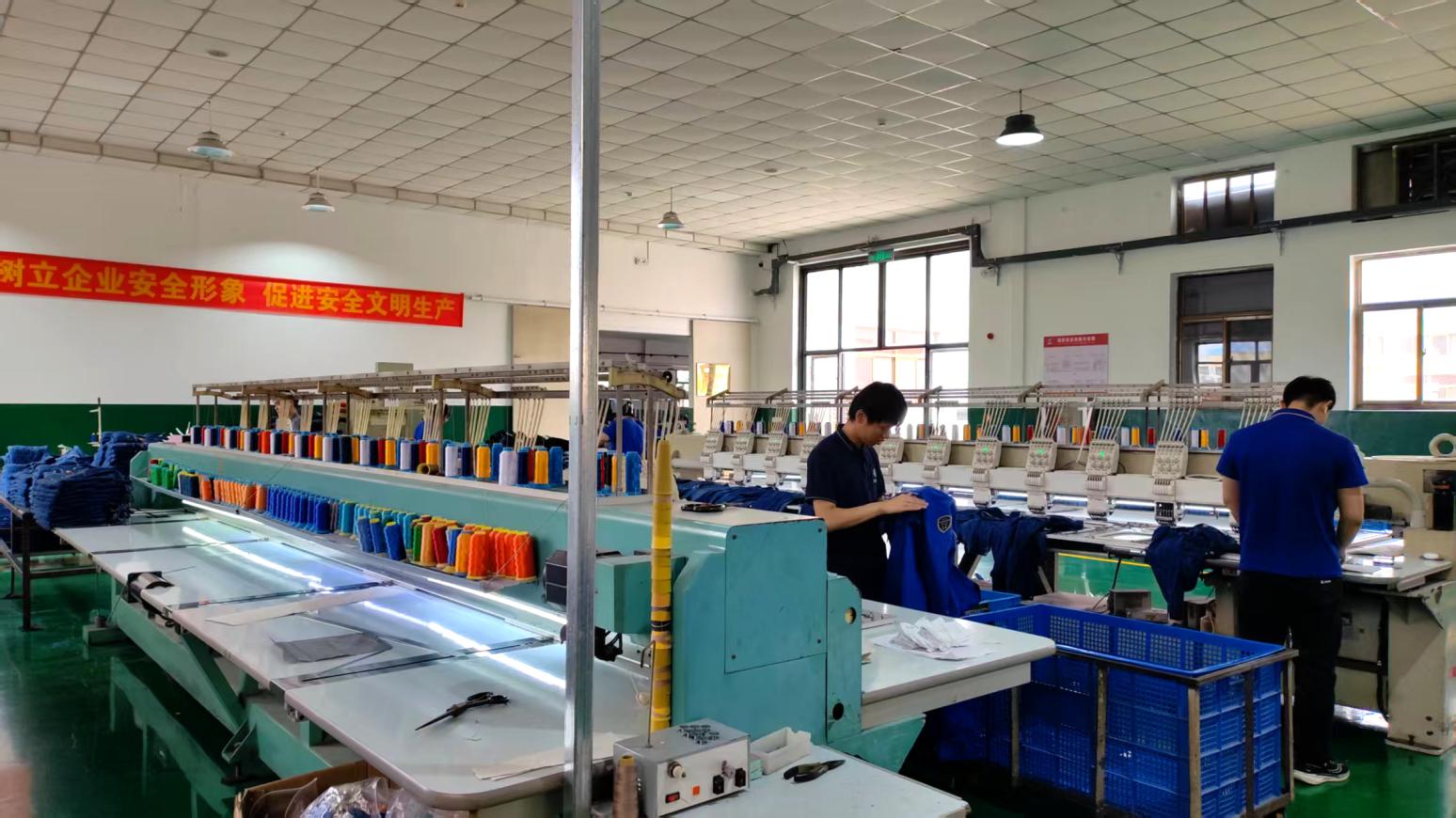
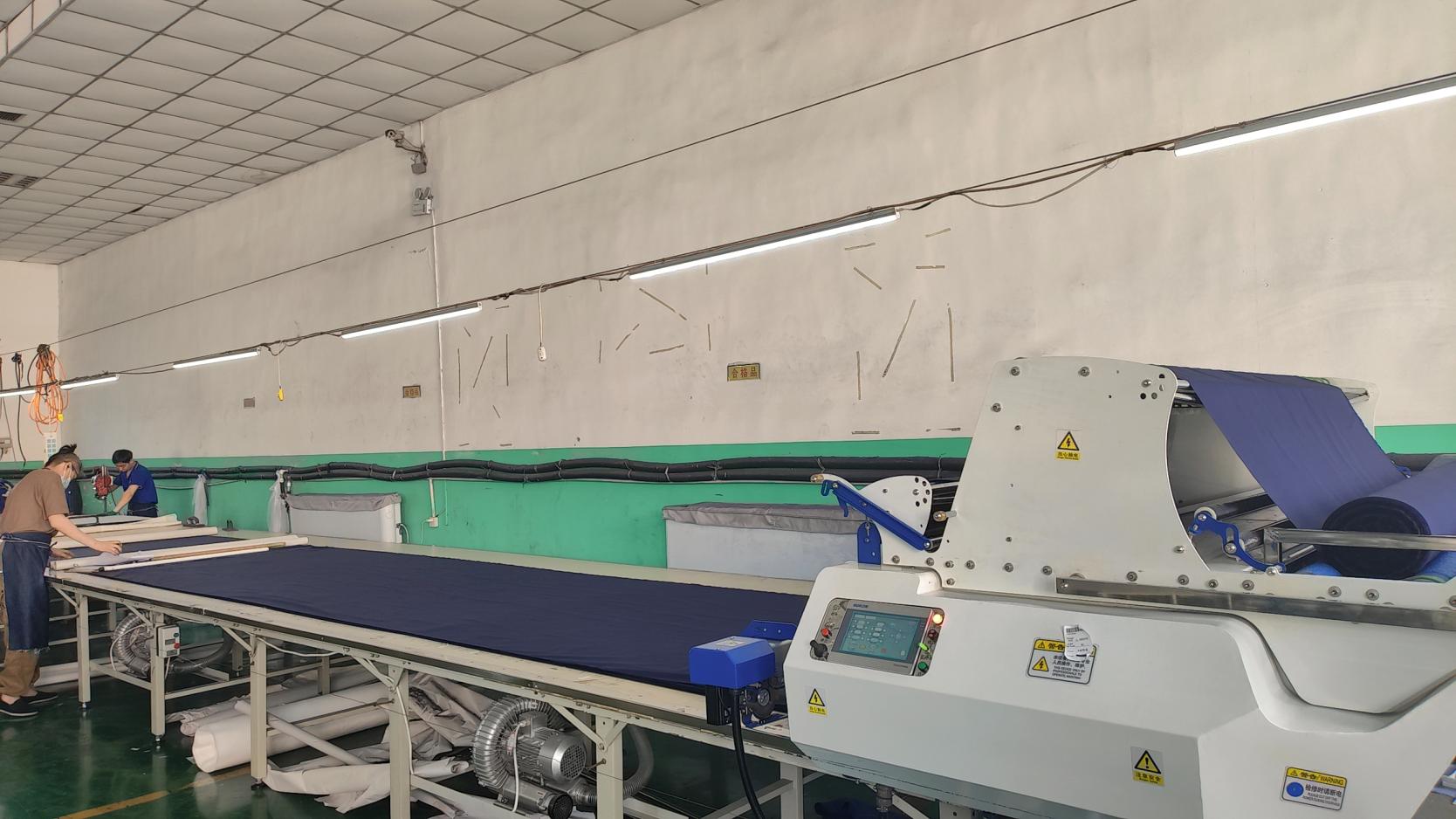
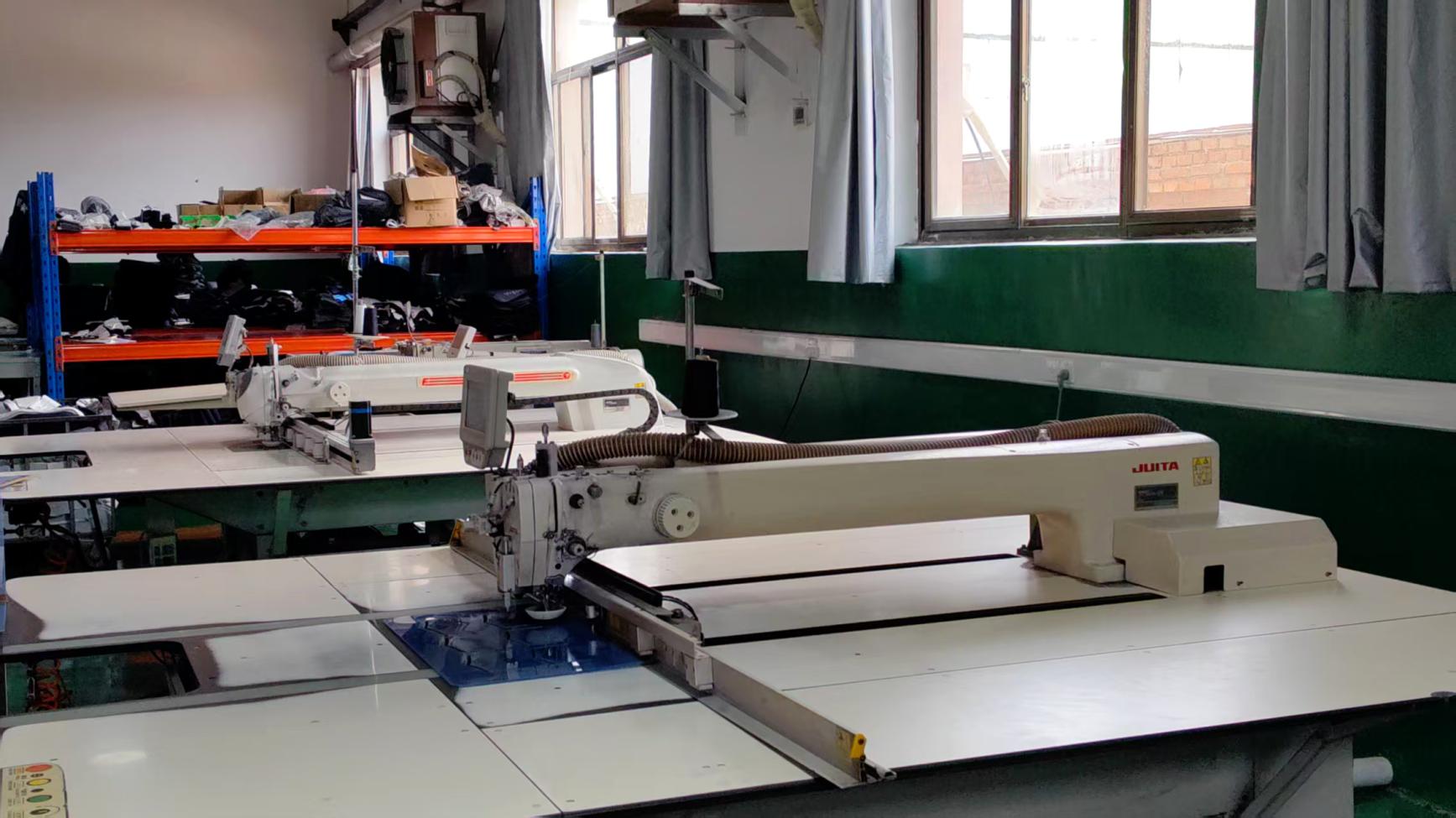
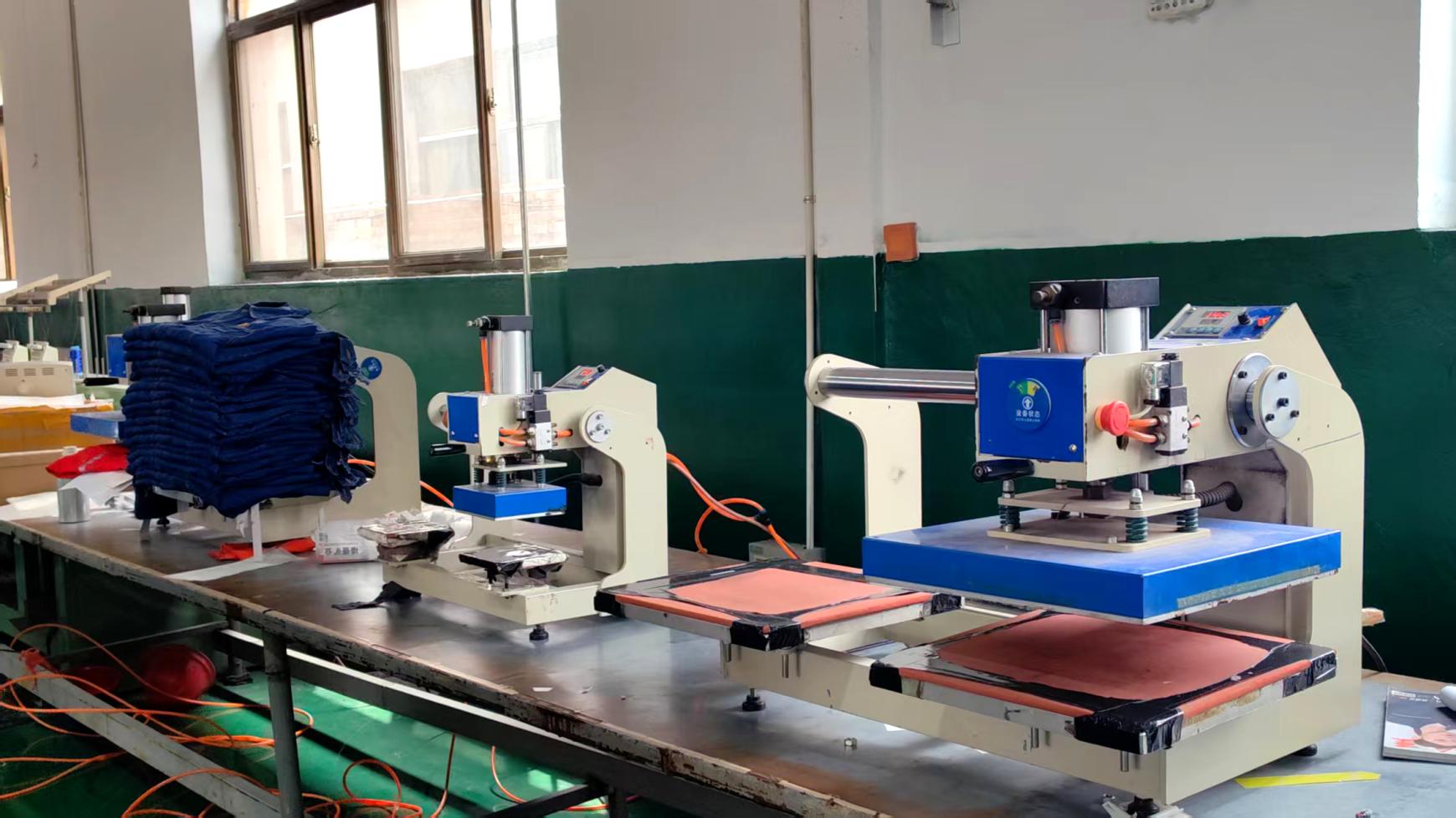
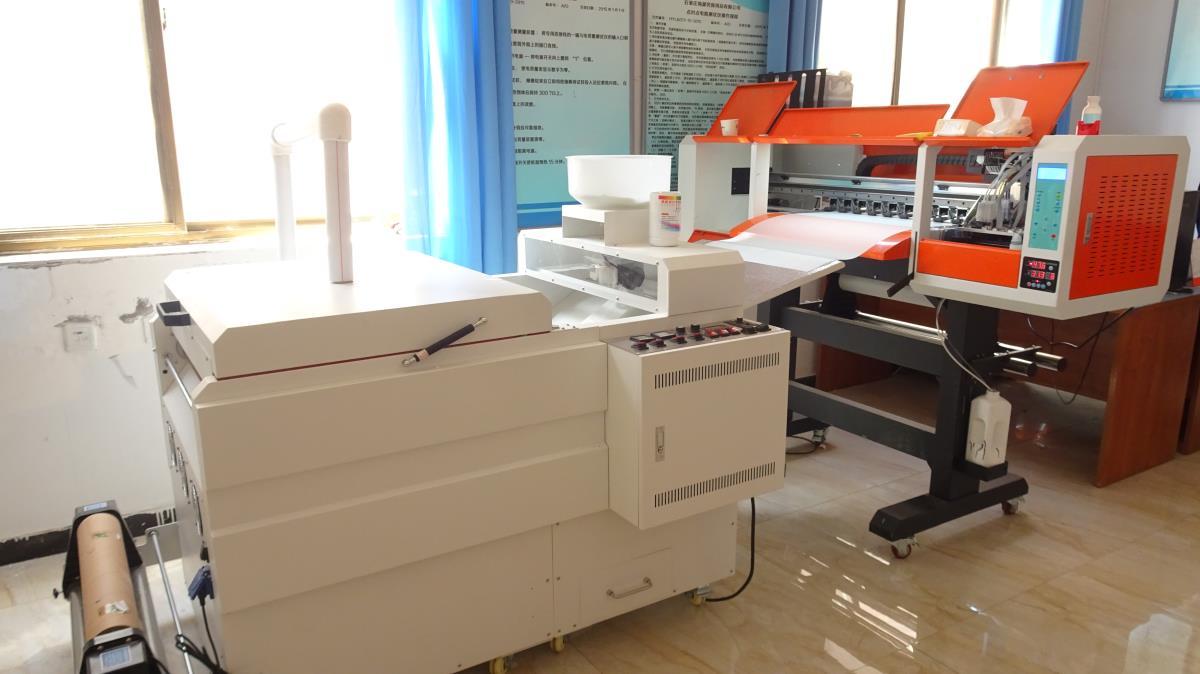
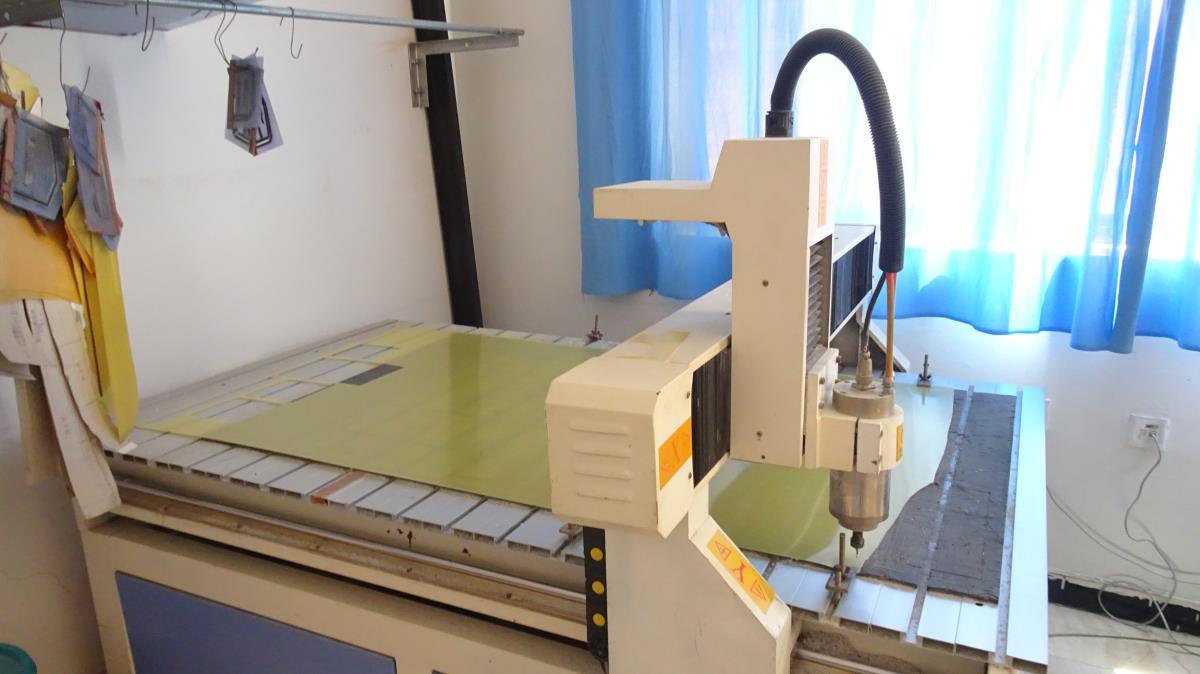
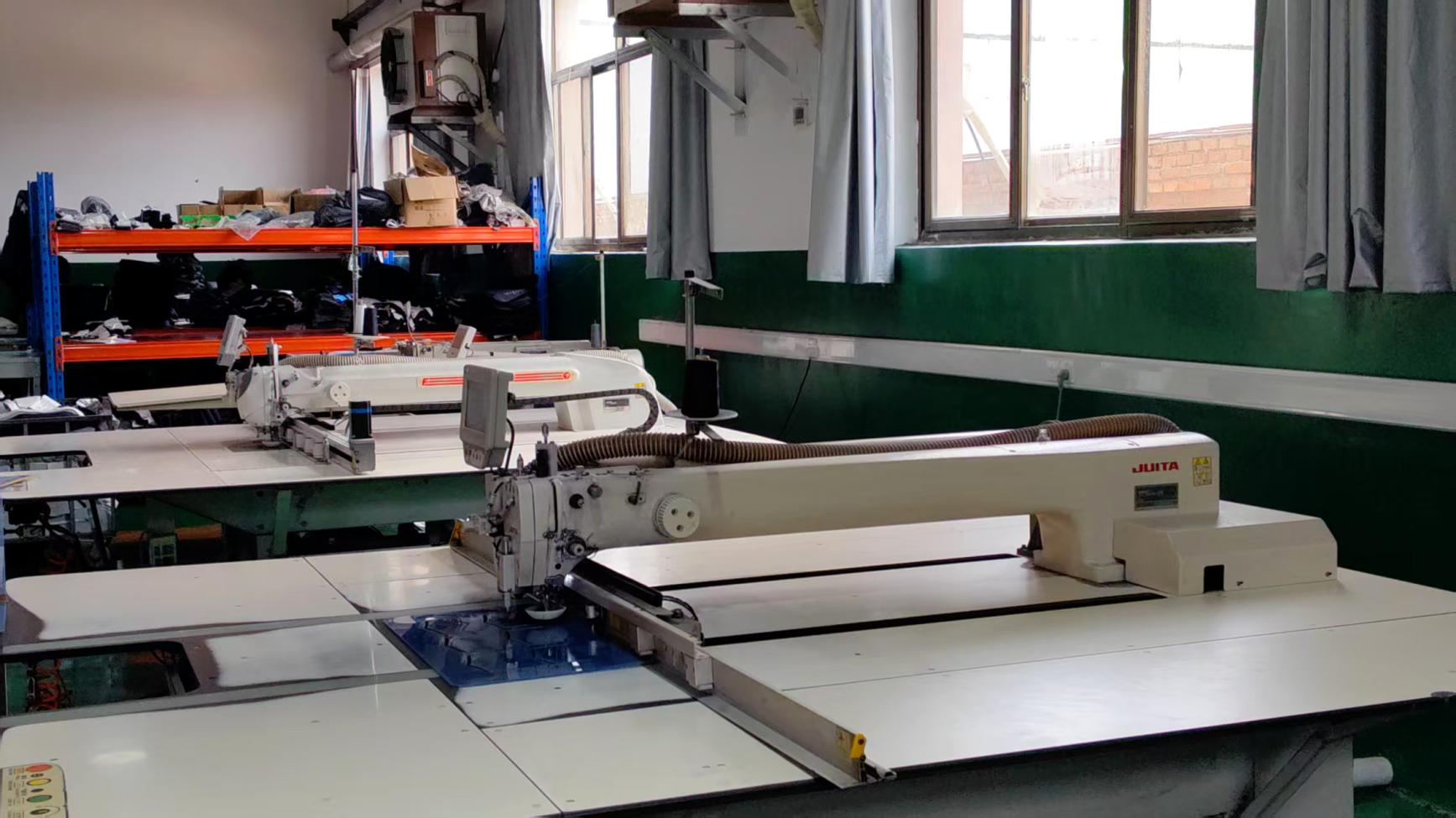
Apparel manufactured by Barjeel Fashion is deployed globally in diverse climatic and industrial scenarios. By analyzing user intent, we have customized our product development patterns to fulfill specific localized functions:
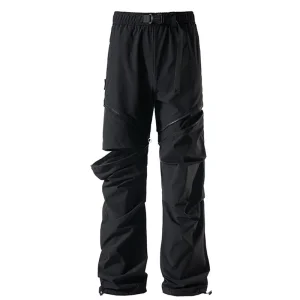
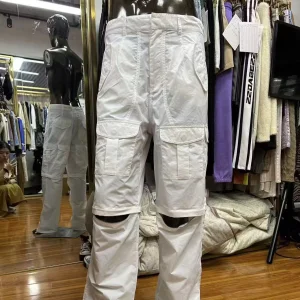
For markets in North America and Western Europe, where outdoor activity blends with heavy-duty work patterns, garments must feature extreme tensile strength. Utilizing Cordura® fabrics and 6-pocket cargo constructions, our pants are engineered for industrial fields, heavy hiking, and high-altitude activity. Double-needle templates prevent seam tears, while quick-dry structures handle extreme environmental exposure.
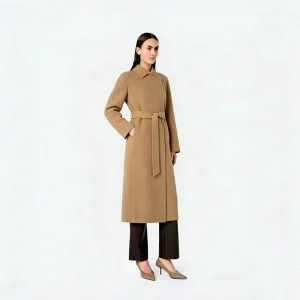
In Northern European and East Asian metropolitan centers, style must meet high-thermal efficiency. Our 10% Alpaca and 90% Australian Wool blend overcoats leverage long-staple fibers that retain air pockets, offering warmth without adding unnecessary bulk. Computer-tailored flat silhouettes adapt perfectly to regional body frames, creating clean drapes favored by luxury private labels.
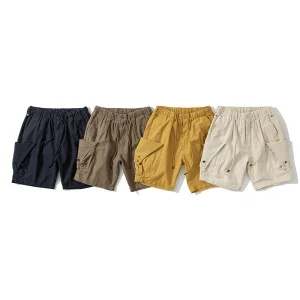
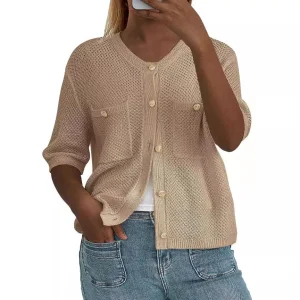
For leisure wear in tropical resort markets like Southern California, the Mediterranean, or Australia, fabrics like premium linen are vital. Pointelle chest pocket cardigans, lightweight linen midi-skirts, and quick-drying convertible shorts are constructed to withstand saline ocean air while offering high breathability and immediate sweat evaporation.
The global textile and apparel manufacturing sector is undergoing a rapid evolution. Over the next five years (2025-2030), three core pillars will shape the strategies of leading manufacturers:
1. AI-Driven Virtual Fitting and Technical CAD Flats: Advanced manufacturers are migrating from paper patterns to cloud-based 3D digital prototypes. This tech lets designers test drape, stretch, and stress points on digital avatars before slicing the first yard of fabric. This significantly curtails sampling times, lowering product validation loops from weeks to hours.
2. Deep Environmental Compliance (ESG) and Raw Material Traceability: Leading markets are implementing strict supply chain transparency mandates. Importers are requiring certified organic cotton, recycled polyester, and sustainable linen fibers. Furthermore, waterless dyeing processes, zero-waste knit designs, and laser engraving technologies have replaced chemical treatments, aligning factories with modern eco-requirements.
3. Smart Micro-Production Line Integration: High-volume, single-design production runs are giving way to agile micro-orders. The rise of direct-to-consumer digital brands requires factories to run flexible manufacturing cells where multiple design specifications run in parallel. Our integrated facility accommodates short-run, diverse batches, enabling global partners to run small inventory trials before placing heavy bulk requests.
Essential insights for global sourcing managers, procurement officers, and apparel brand representatives.
Discover our professional production lines covering high-end evening garments, leisure wear, and technical cargo pants.