Barjeel Fashion
Barjeel Fashion
Barjeel Fashion
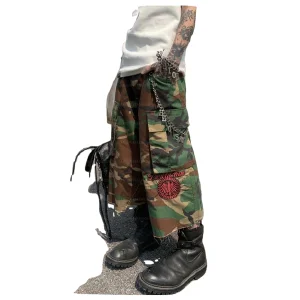
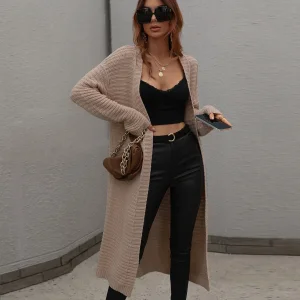
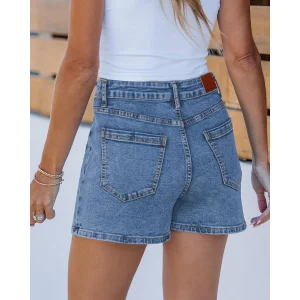
Explore our highly curated apparel designs ranging from evening wear to casual street fashion, featuring advanced knits, custom structures, and high-performance materials.
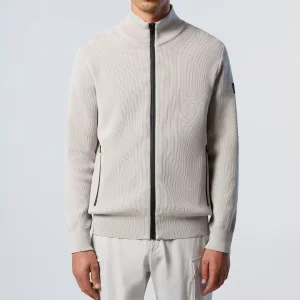
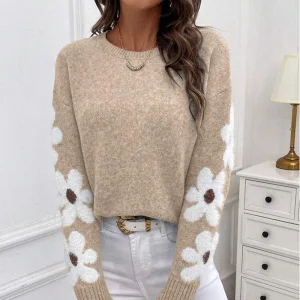
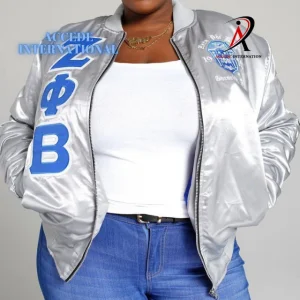

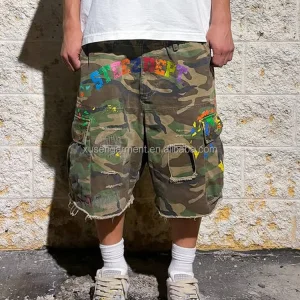
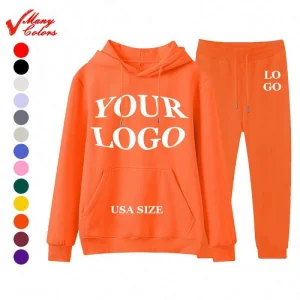
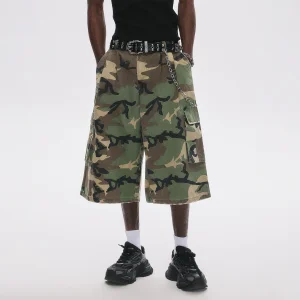
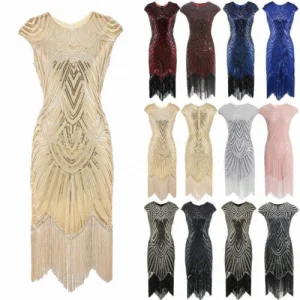
Analyzing market dynamics, supply structures, and the value contribution of specialized manufacturers.
The global evening wear, formal attire, and occasion wear market is experiencing a profound structural shift. Post-pandemic consumer demand has surged for high-fidelity formal dresses, premium cocktail gowns, structured embroidery, and premium jackets. Buyers no longer view evening wear as an occasional purchase; rather, it represents a high-value category where brand equity is tightly linked to structural design, craftsmanship, and raw material authenticity.
From high-end couture houses in New York and Paris to digital-native direct-to-consumer (DTC) brands in Europe, procurement managers are prioritizing factories that offer localized flexibility, technical competence, and digital workflow integration. The modern evening wear sector requires extreme attention to detail. This includes complex draping, micro-sequining, delicate lace appliques, and multi-layered silk construction that must survive international transport logistics without losing structural form.
In this dynamic economic paradigm, the traditional split between couture tailoring and mass production has merged into a hybrid category: High-Volume Precision Customization. Sourcing departments seek long-term structural manufacturing partners rather than transactional processing entities to secure reliable capacity amidst global logistics shifts.
How specialized regional clusters, complete supply chains, and automation power the evening wear sector.
Southern China's manufacturing clusters connect textile mills, hardware makers, and logistics hubs within a two-hour radius, slashing raw material lead times.
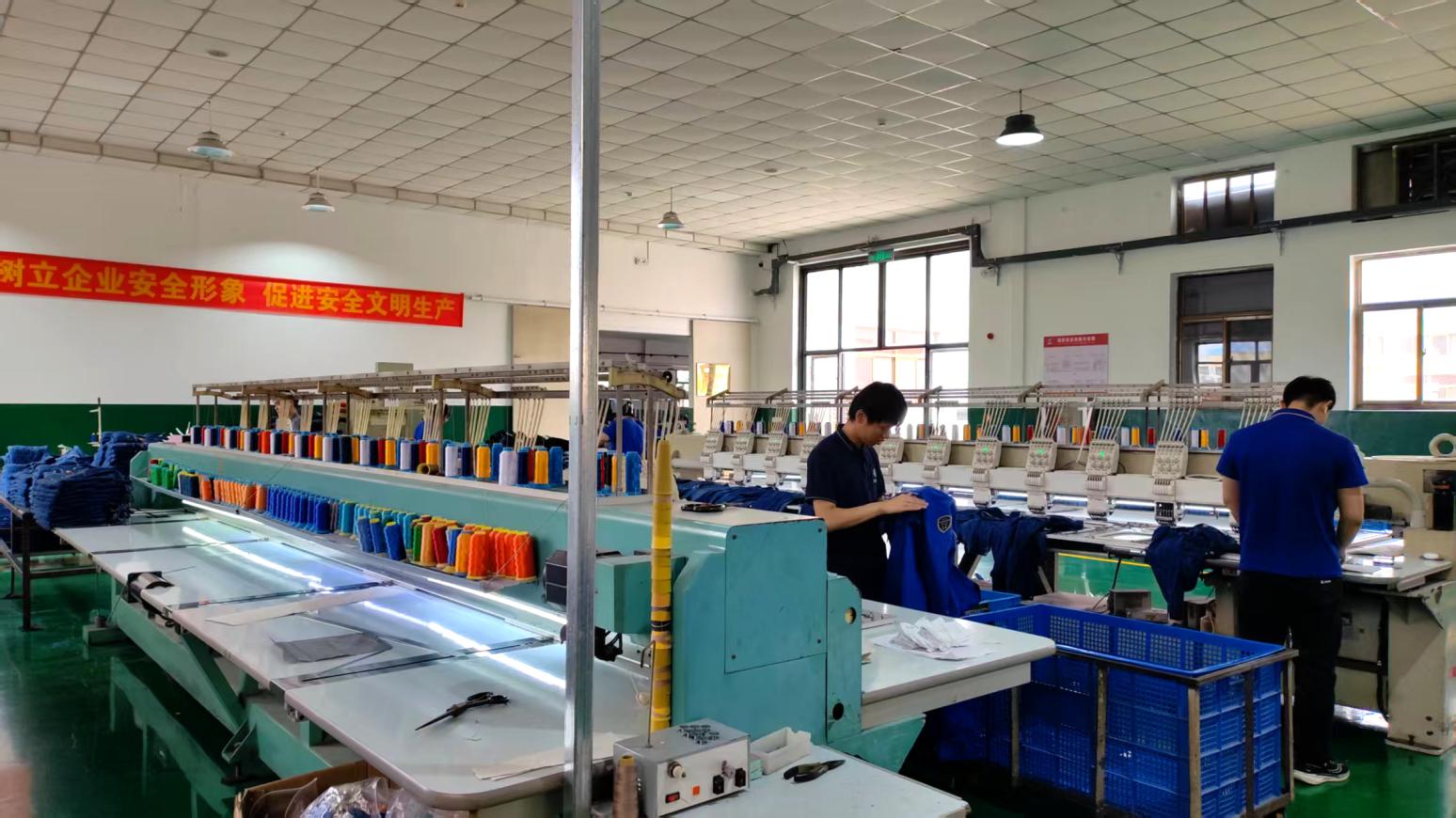
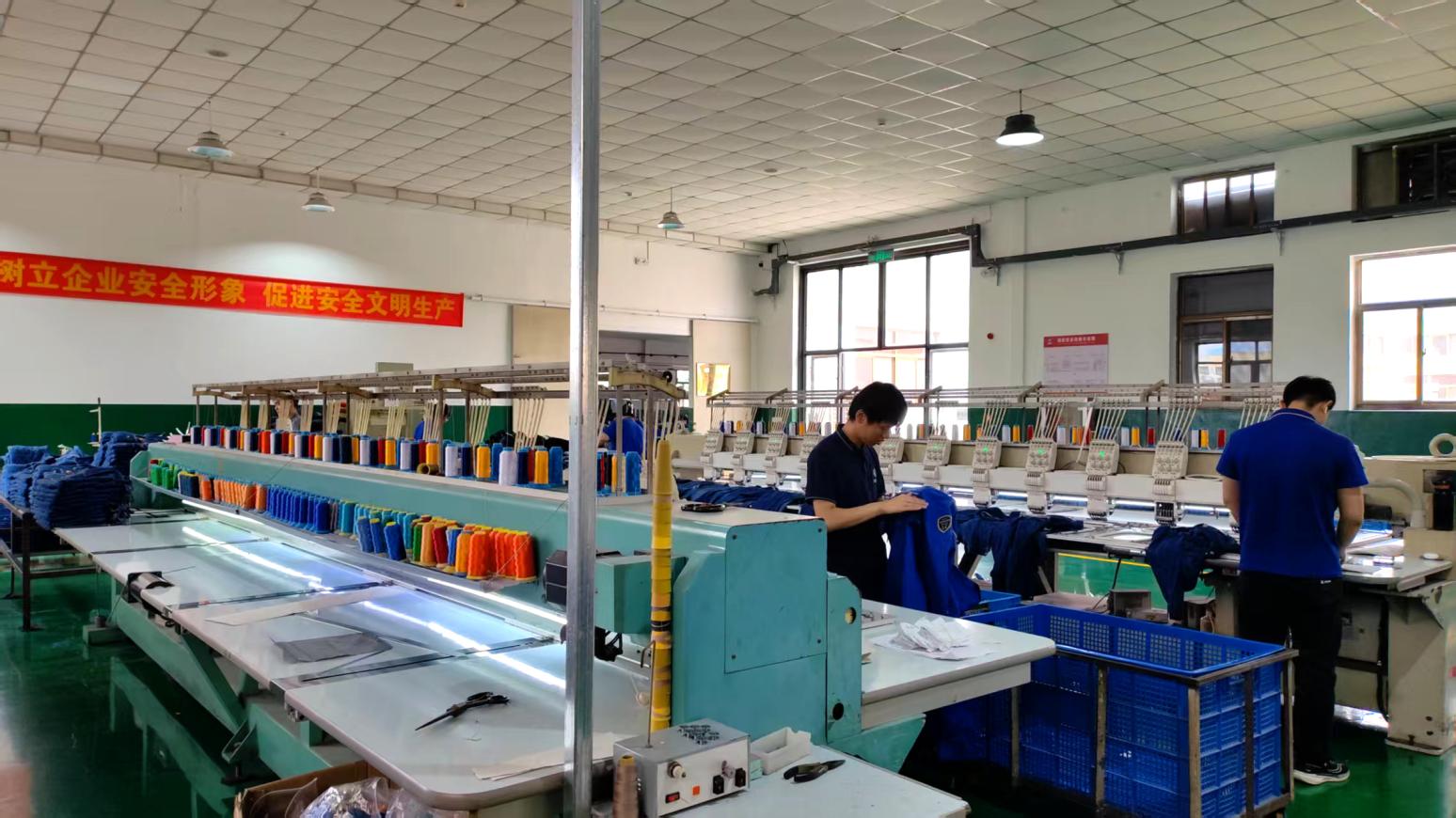
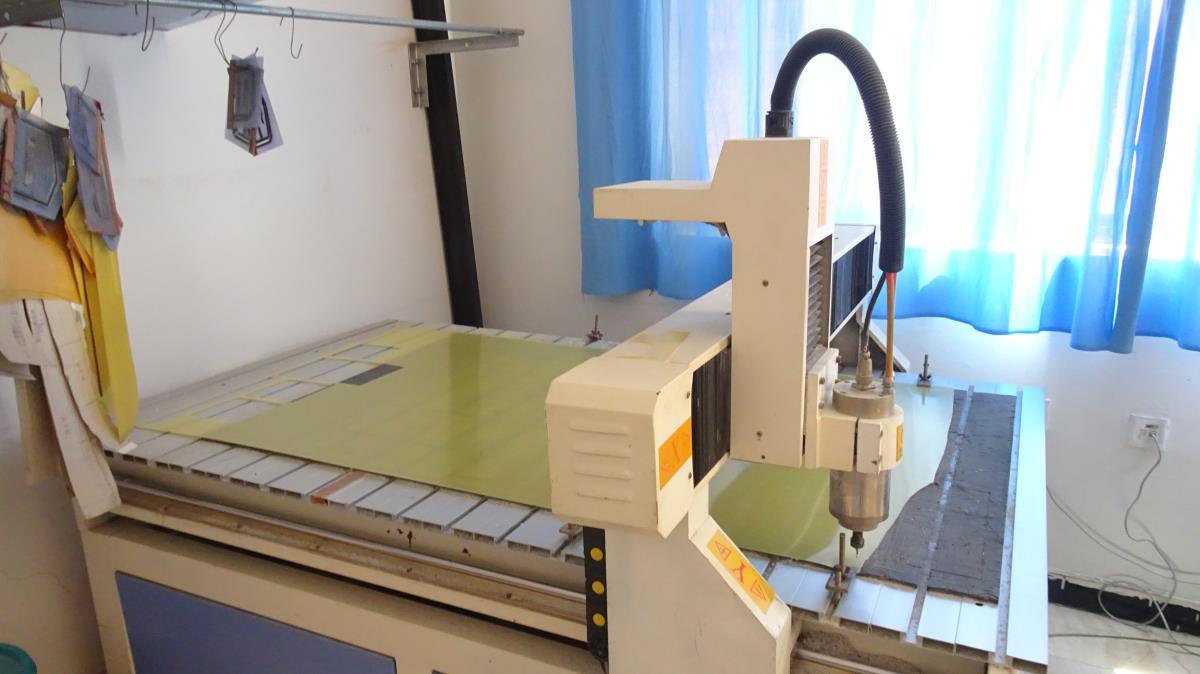
By utilizing computer embroidery, laser engraving, and automated cutters, factories minimize manual mistakes, achieving 99.8% precision alignment.
Leading factories align with international ESG criteria, using OEKO-TEX certified fabrics and maintaining safe working standards for global audits.
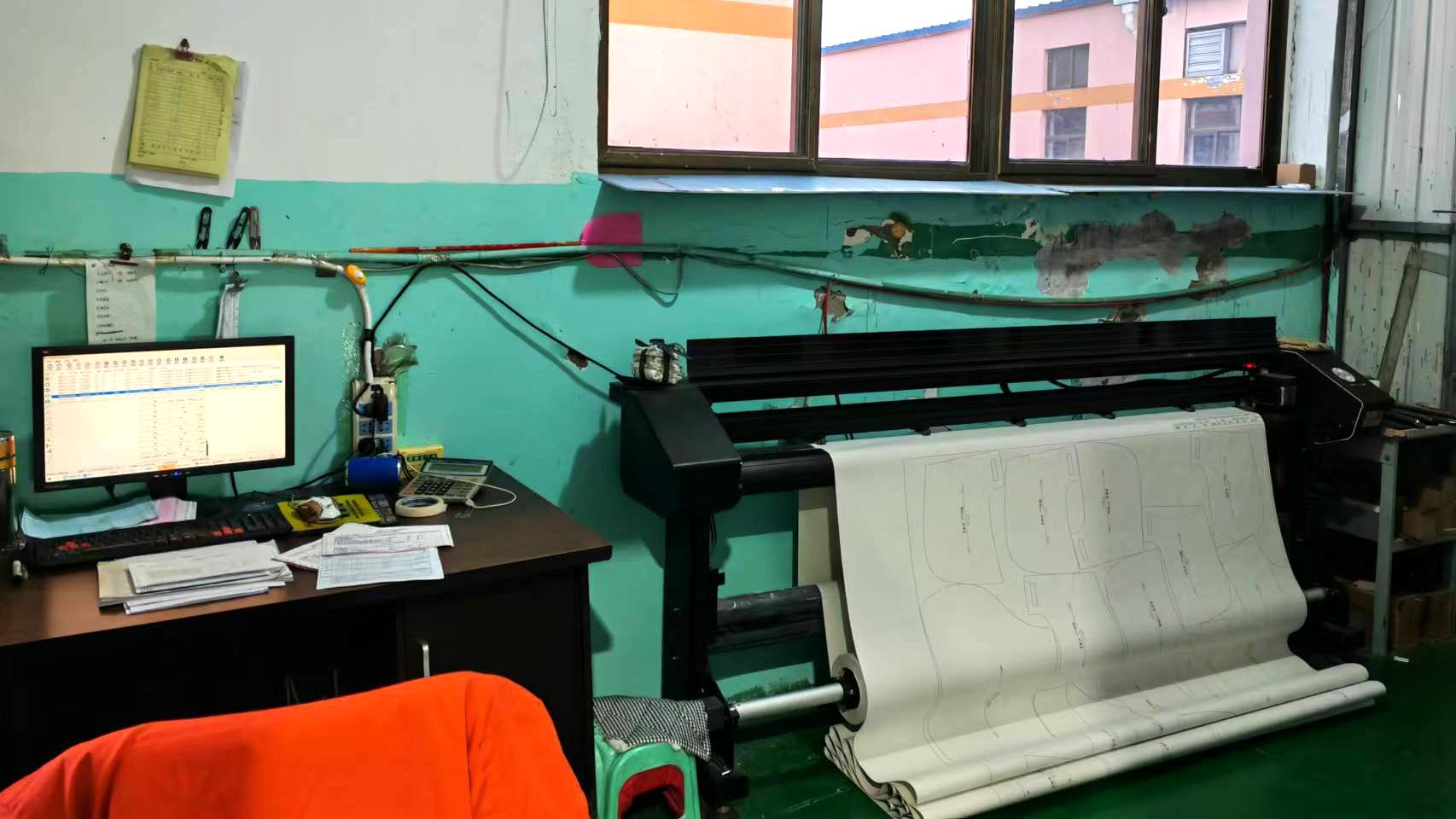
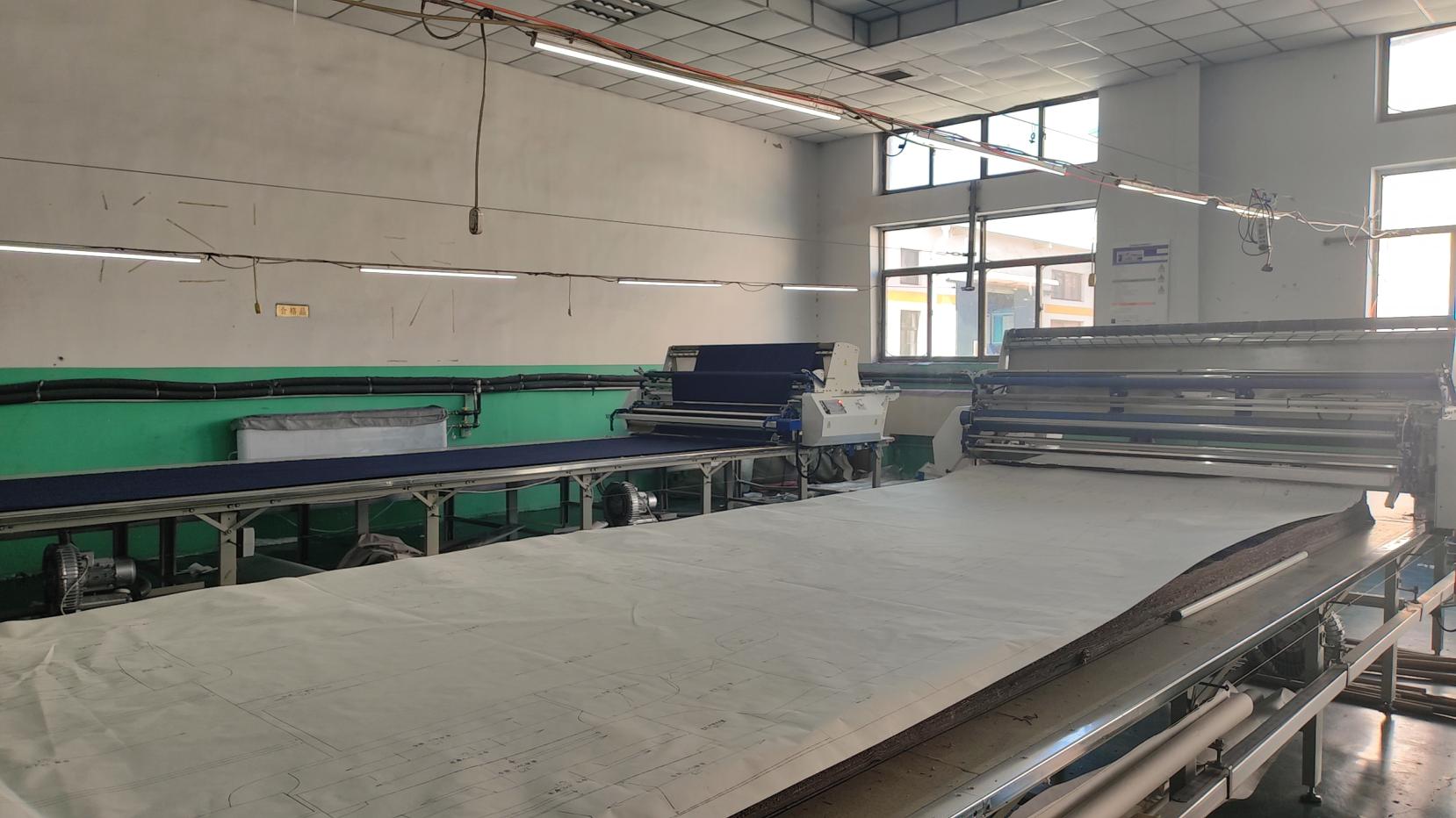
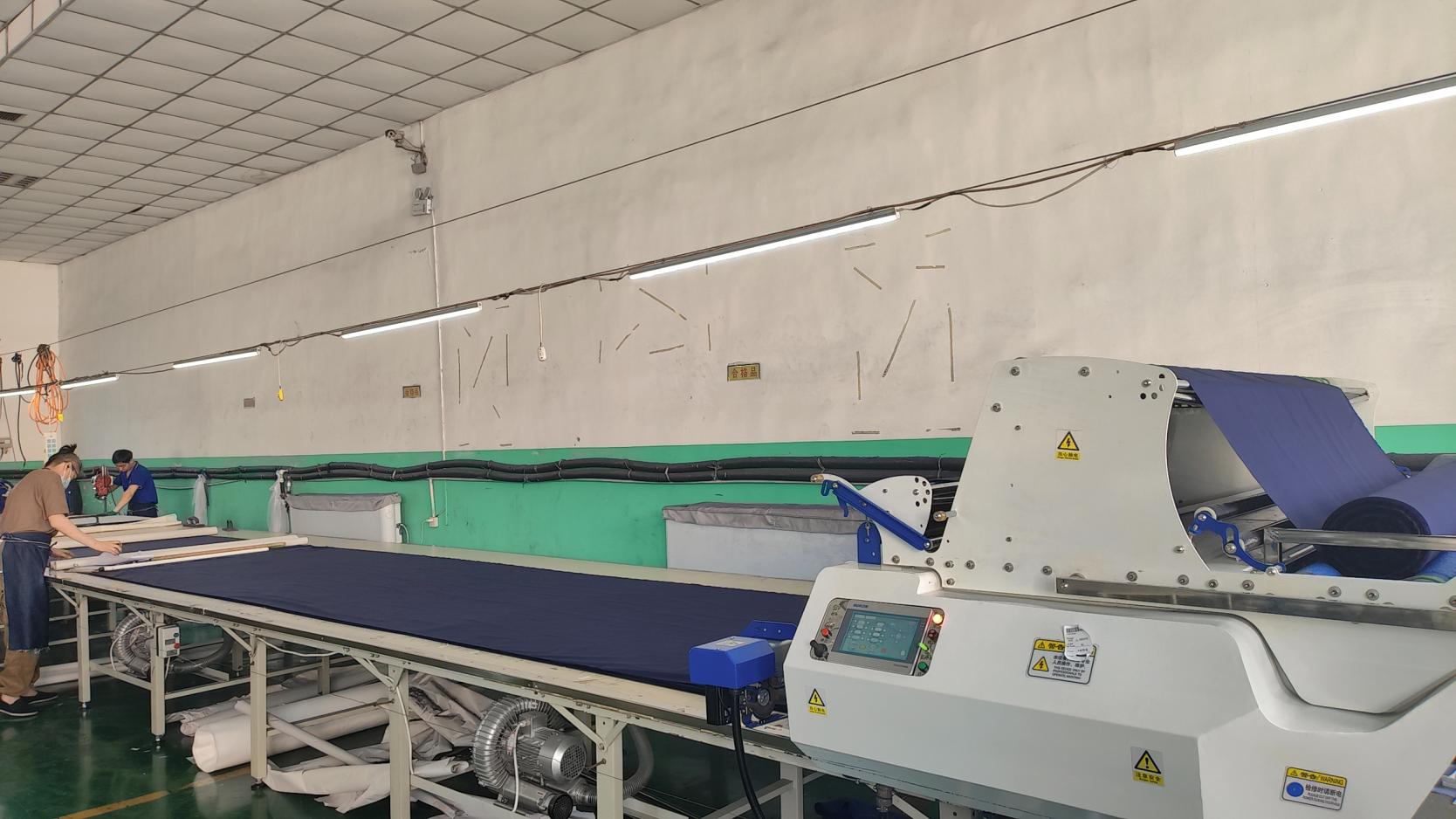
China's evening wear factories have evolved beyond simple cutting and sewing operations. Today, they function as technological hubs integrating 3D digital pattern CAD, automated fabric laying, and micro-precision computer embroidery. This technology-driven foundation enables brands to reduce the typical development cycle from 90 days down to less than 21 days.
Furthermore, the concentration of supply chain resources in regions like Guangdong allows for rapid, customized adjustments. When a specific bead type or lace pattern trends on social media platforms, Chinese factories can source the material, adjust the digital patterns, and run pilot production within 72 hours. This high adaptability is a key competitive advantage for global apparel brands managing volatile market demands.
Your Trusted Apparel Manufacturing & Supply Chain Partner Since 2006
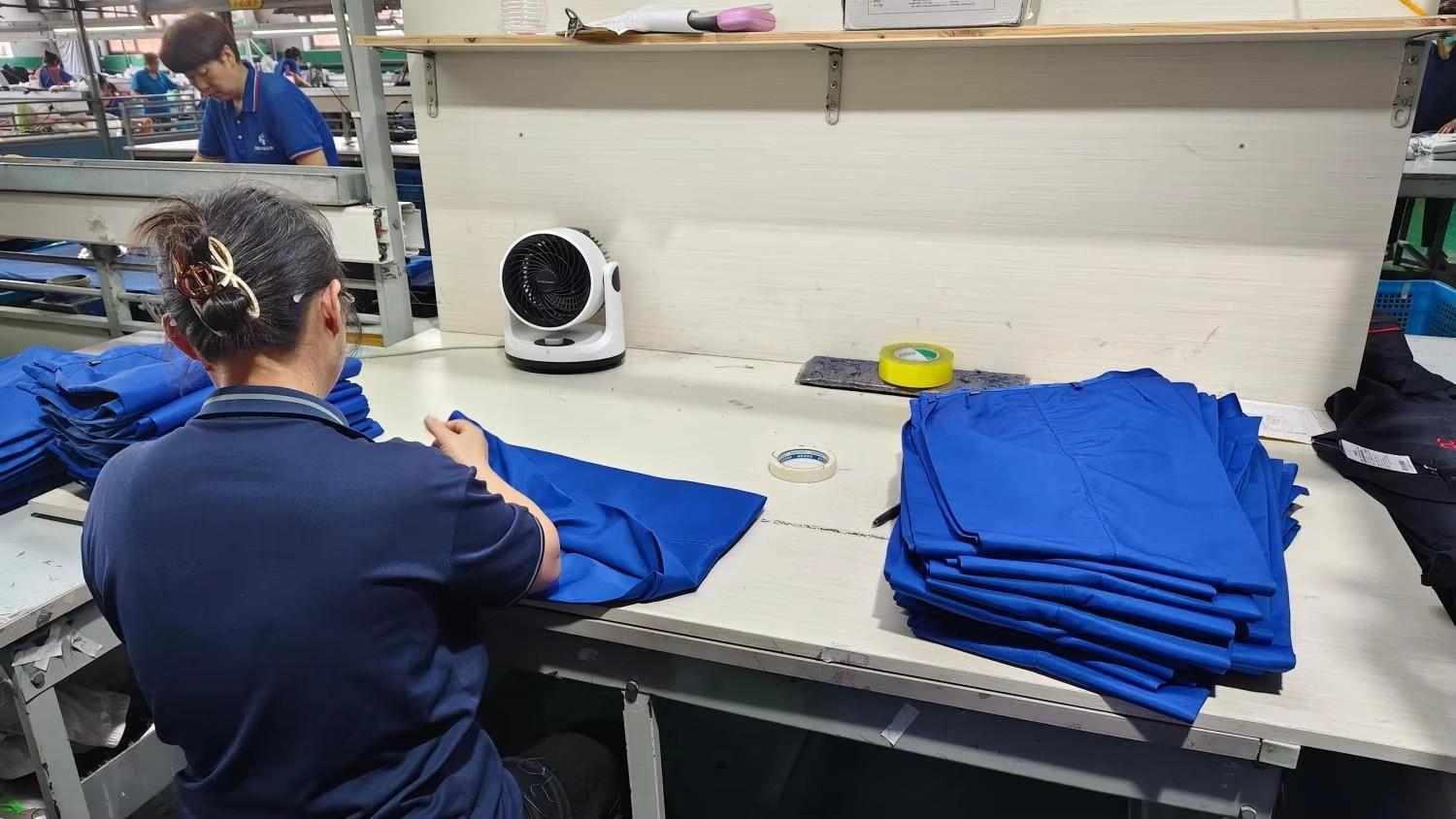
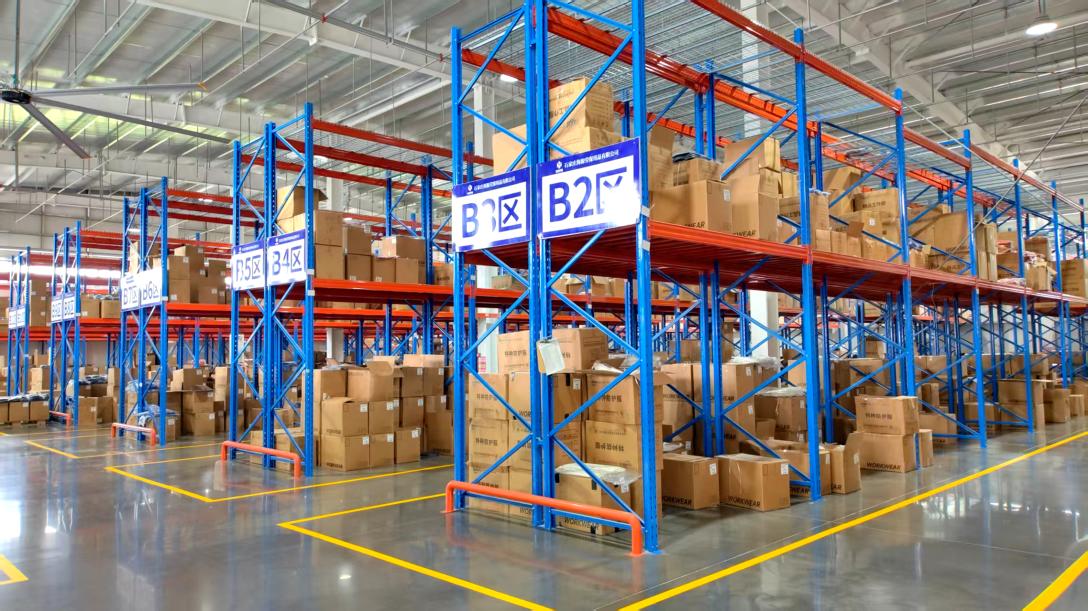
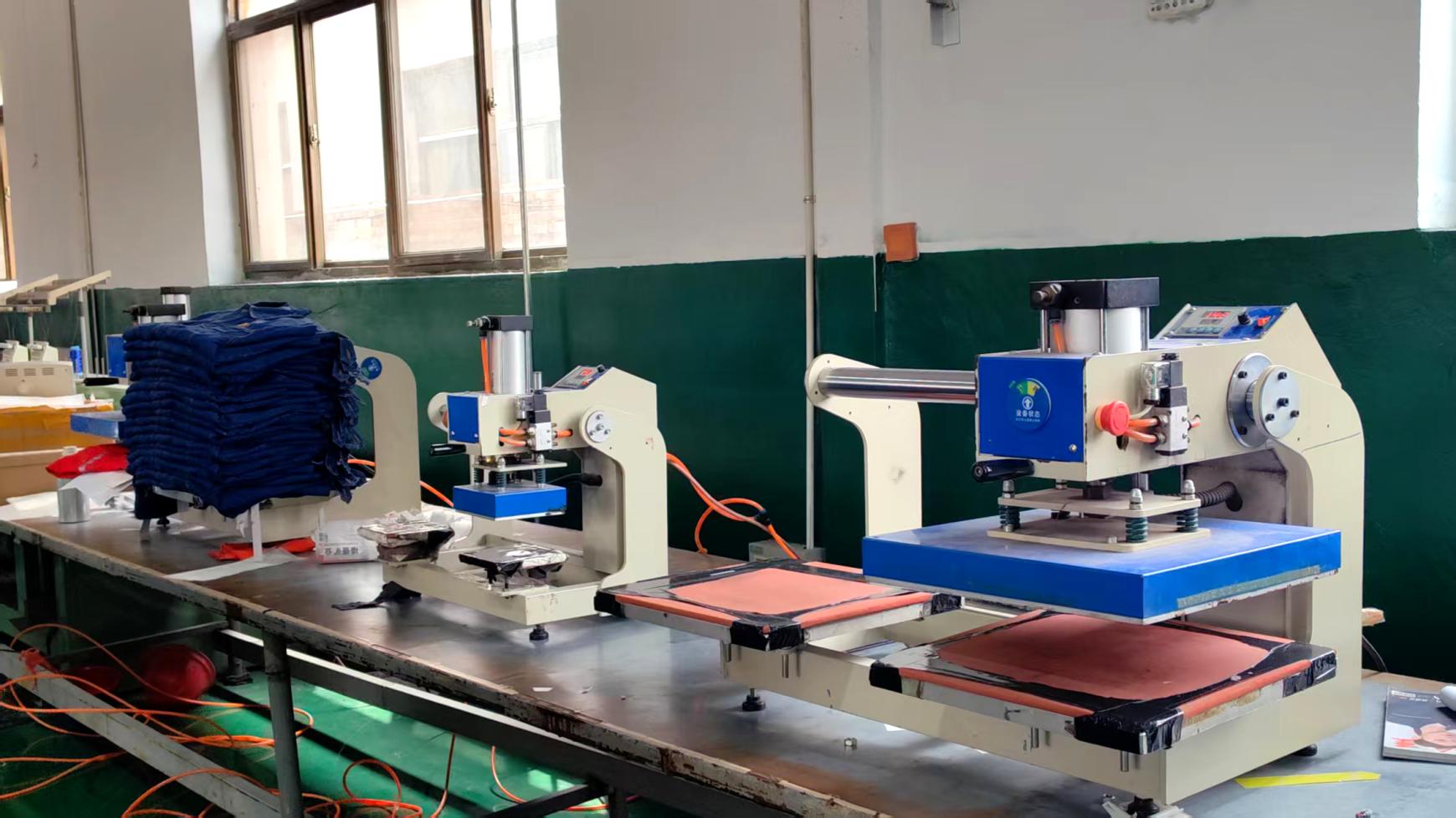
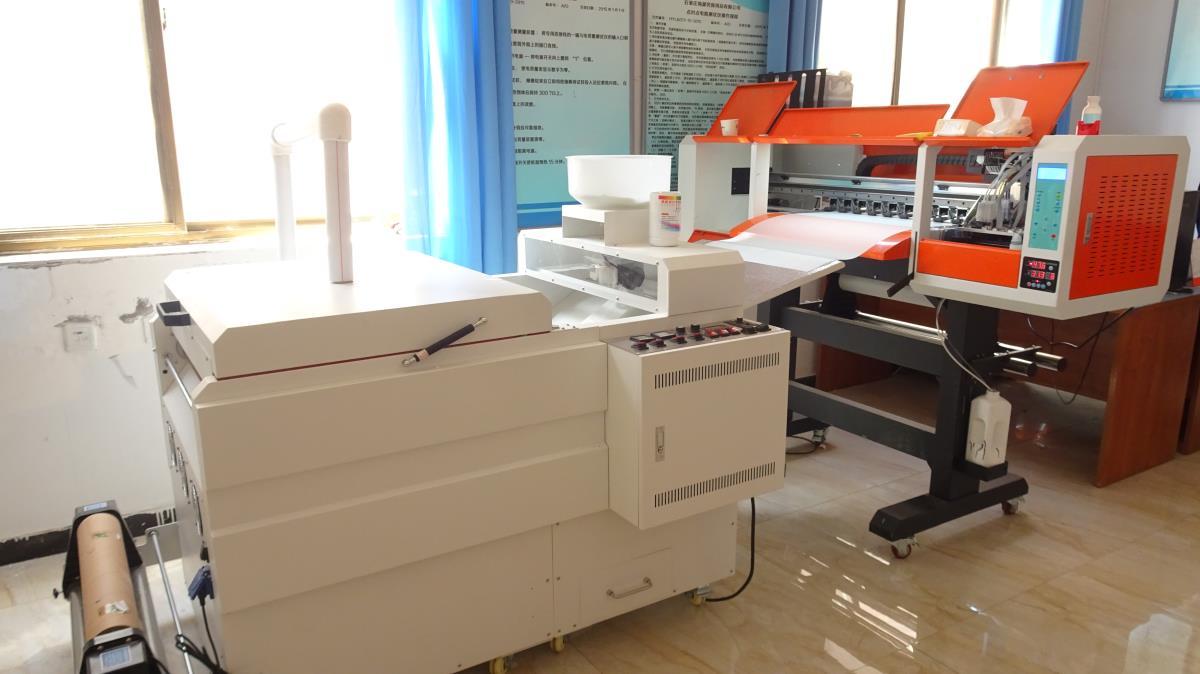
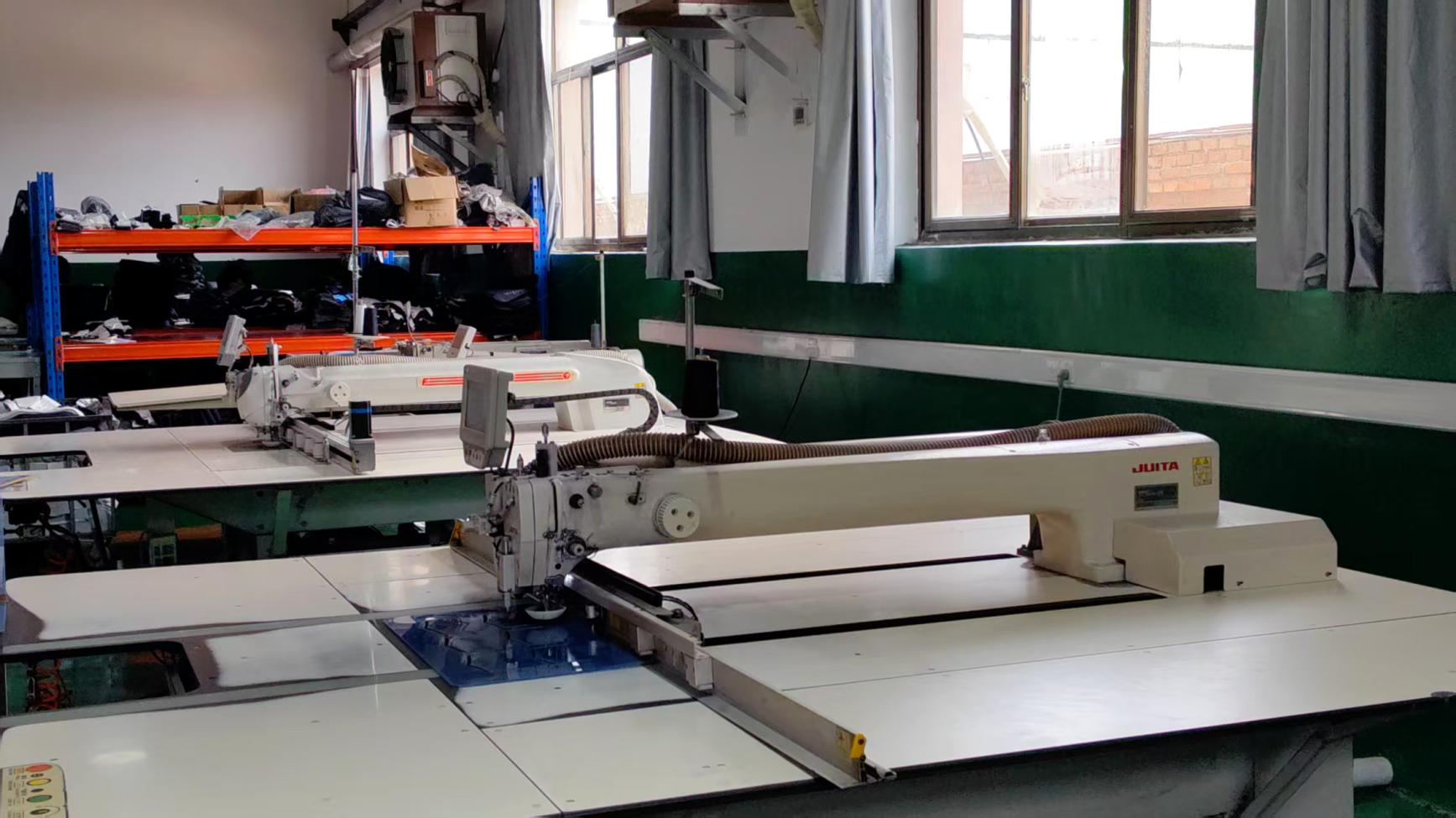
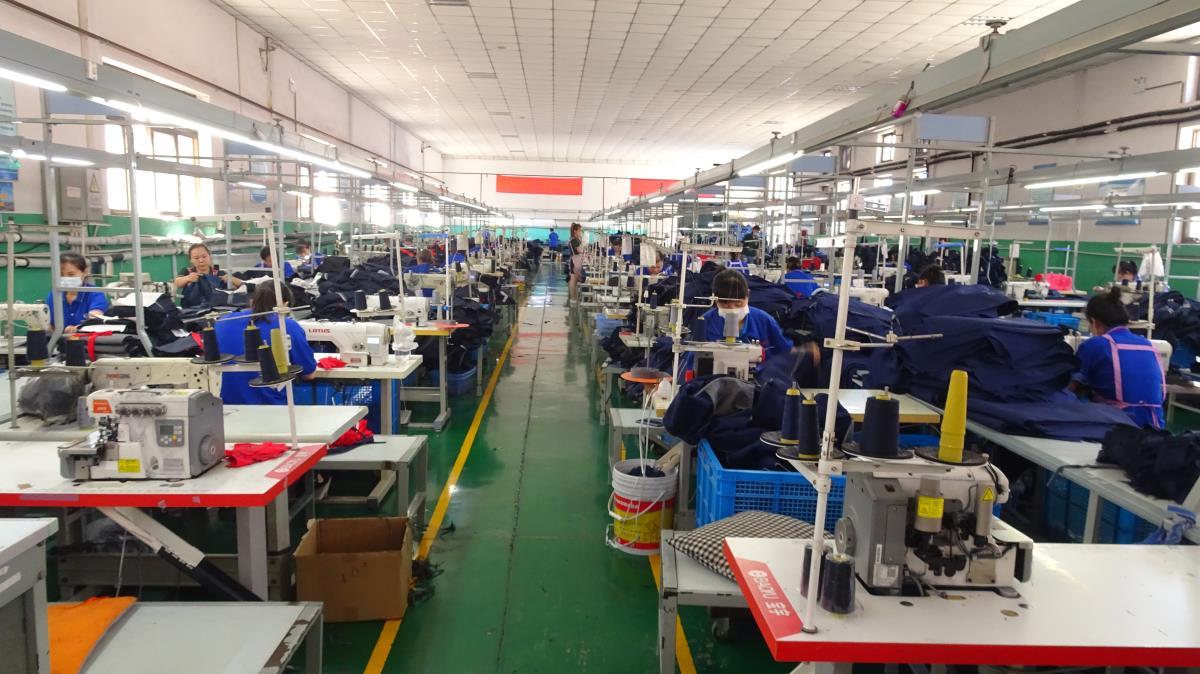
Established in 2006, Guangdong Barjeel Fashion Co., Ltd. is a modern apparel manufacturing enterprise integrating design, research and development (R&D), production, sales, and supply chain services. The company operates its own manufacturing facility covering an area of approximately 3,600 square meters, featuring a clean and well-organized office environment, standardized production workshops, and advanced garment manufacturing equipment.
With a professional R&D team and a skilled production workforce, the company has built strong capabilities across the entire apparel development process, including style design, pattern making, fabric sourcing, sampling, and bulk production. A well-established quality control system and efficient production management process ensure consistent product quality, timely delivery, and high manufacturing standards.
Guangdong Barjeel Fashion Co., Ltd. specializes in a wide range of apparel categories, including fashion and trend-led clothing, sportswear, evening dresses, professional and workwear, as well as casual wear. The company is capable of serving both OEM and ODM requirements, providing flexible and customized solutions to meet the diverse needs of global fashion brands.
Over the years, the company has developed long-term partnerships with numerous domestic and international clients. With a strong focus on craftsmanship, operational excellence, and continuous improvement, it has earned a solid reputation for reliability and quality in the apparel manufacturing industry.
Guided by the core values of quality-first, customer orientation, and continuous innovation, Guangdong Barjeel Fashion Co., Ltd. remains committed to upgrading its design capabilities and manufacturing technologies. The company strives to enhance efficiency, strengthen competitiveness, and deliver greater value to its global partners. Looking ahead, the company aims to further expand its international presence and evolve into a trusted and respected global apparel manufacturing and service provider.
Step-by-step insight into our manufacturing processes, showcasing modern hardware and precise engineering systems.
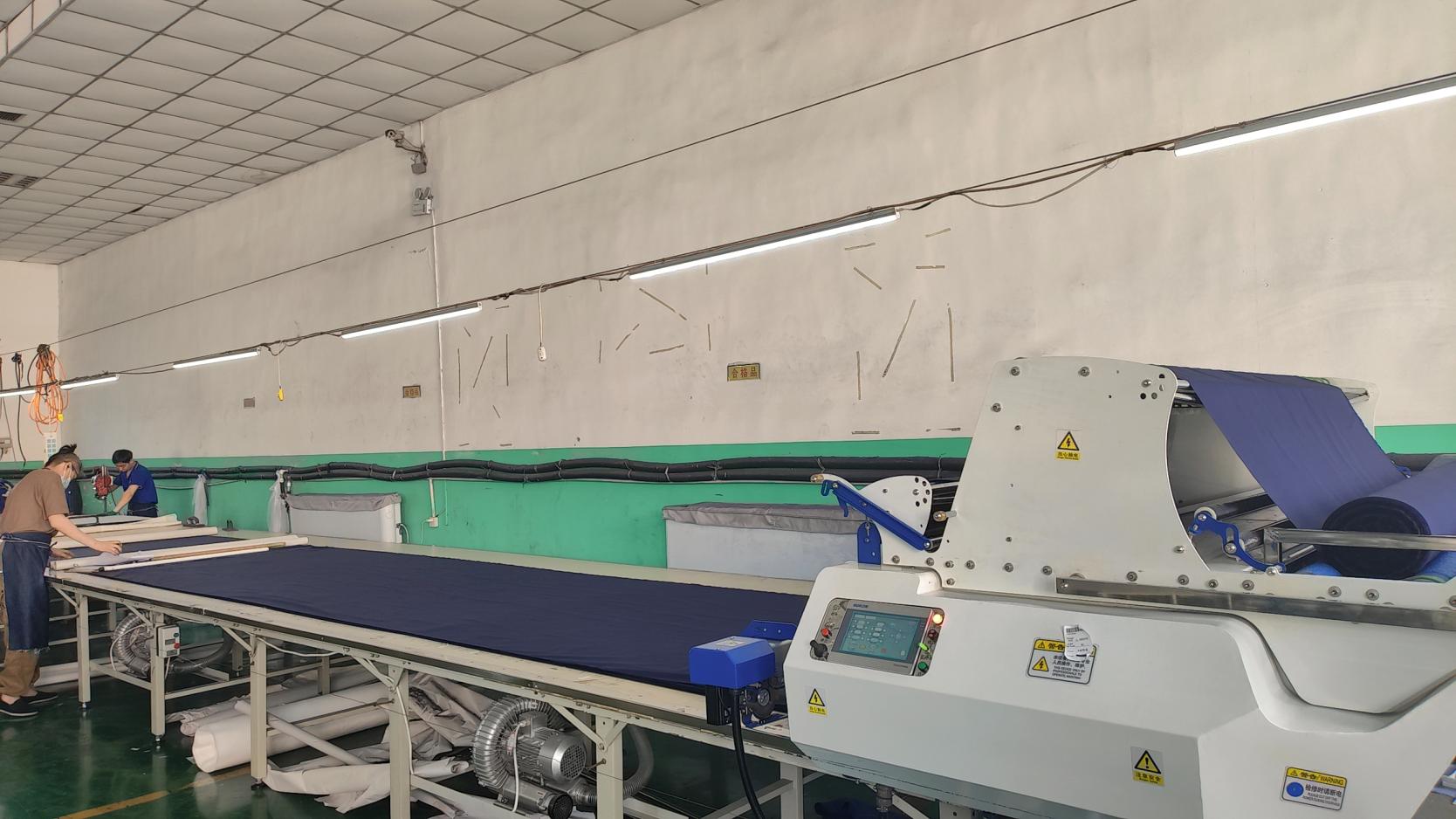
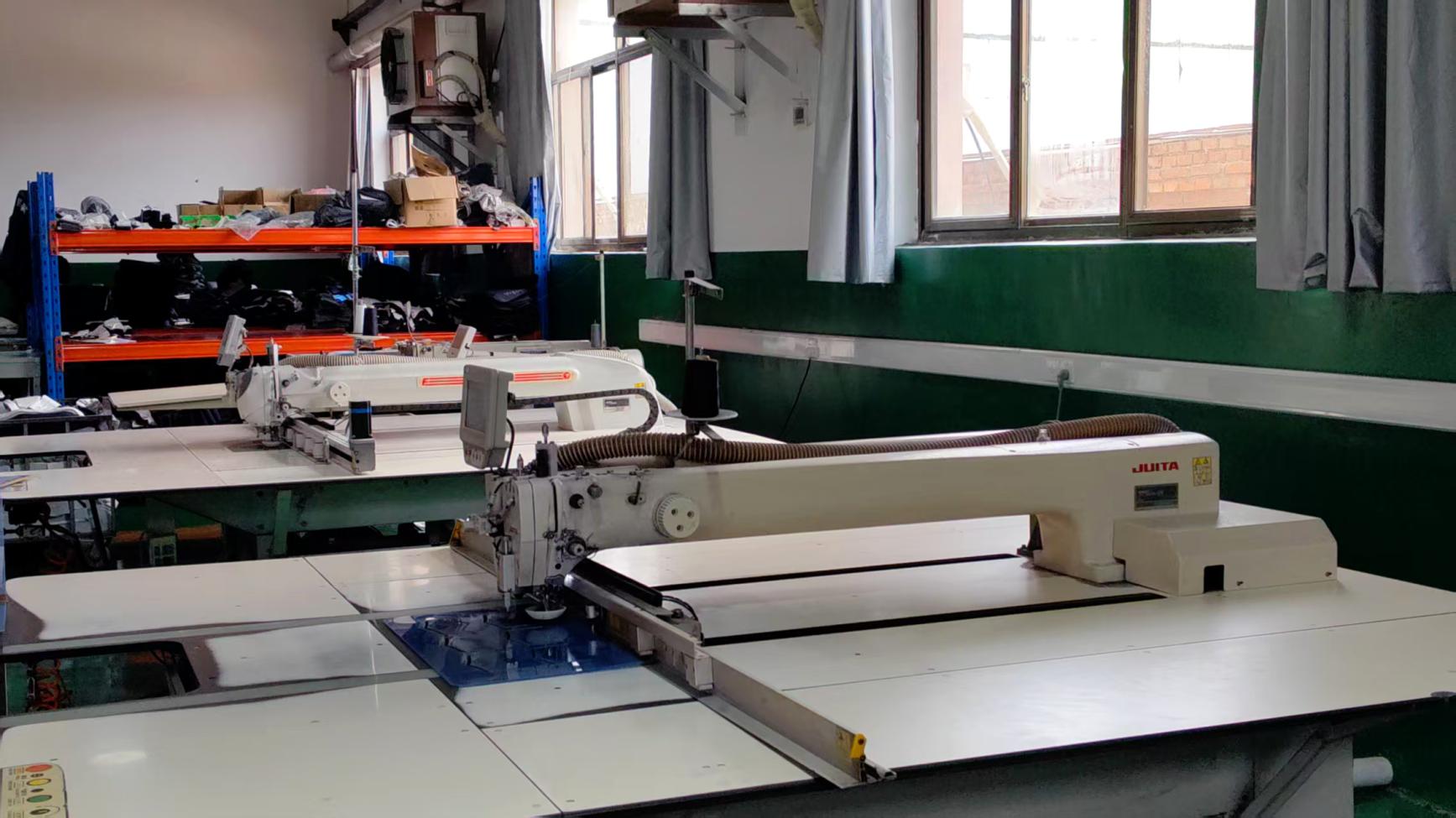
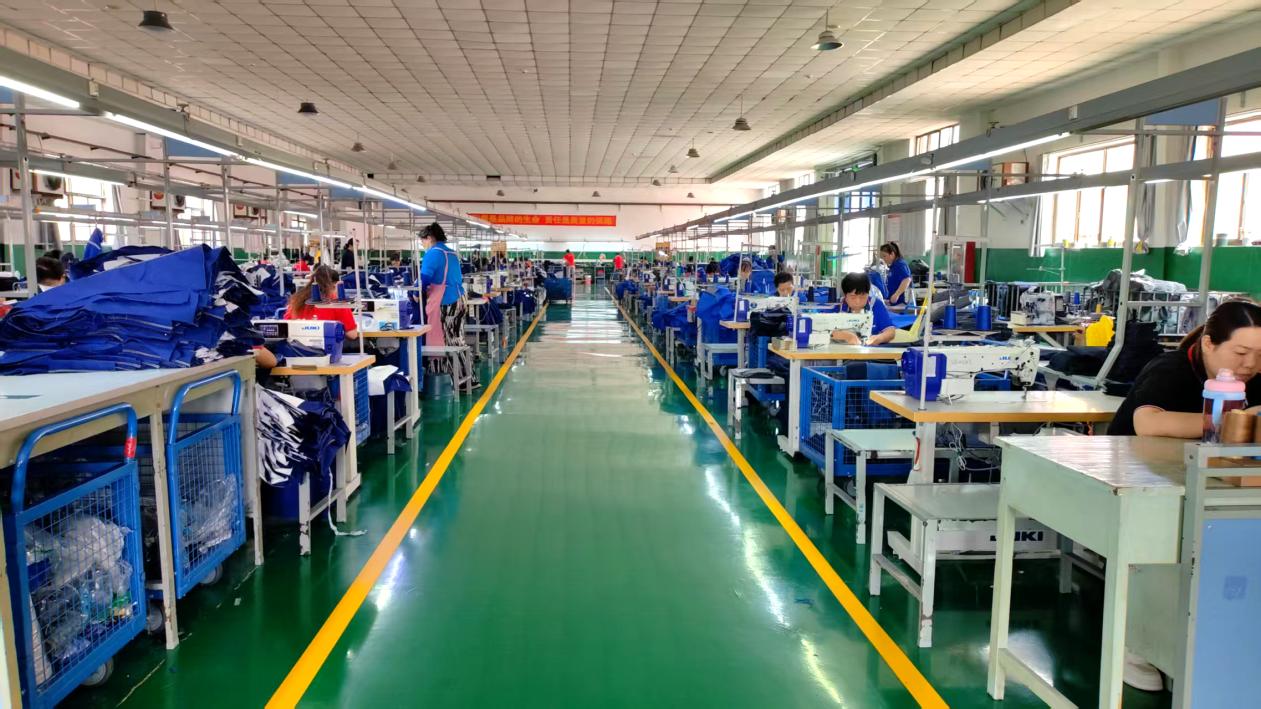
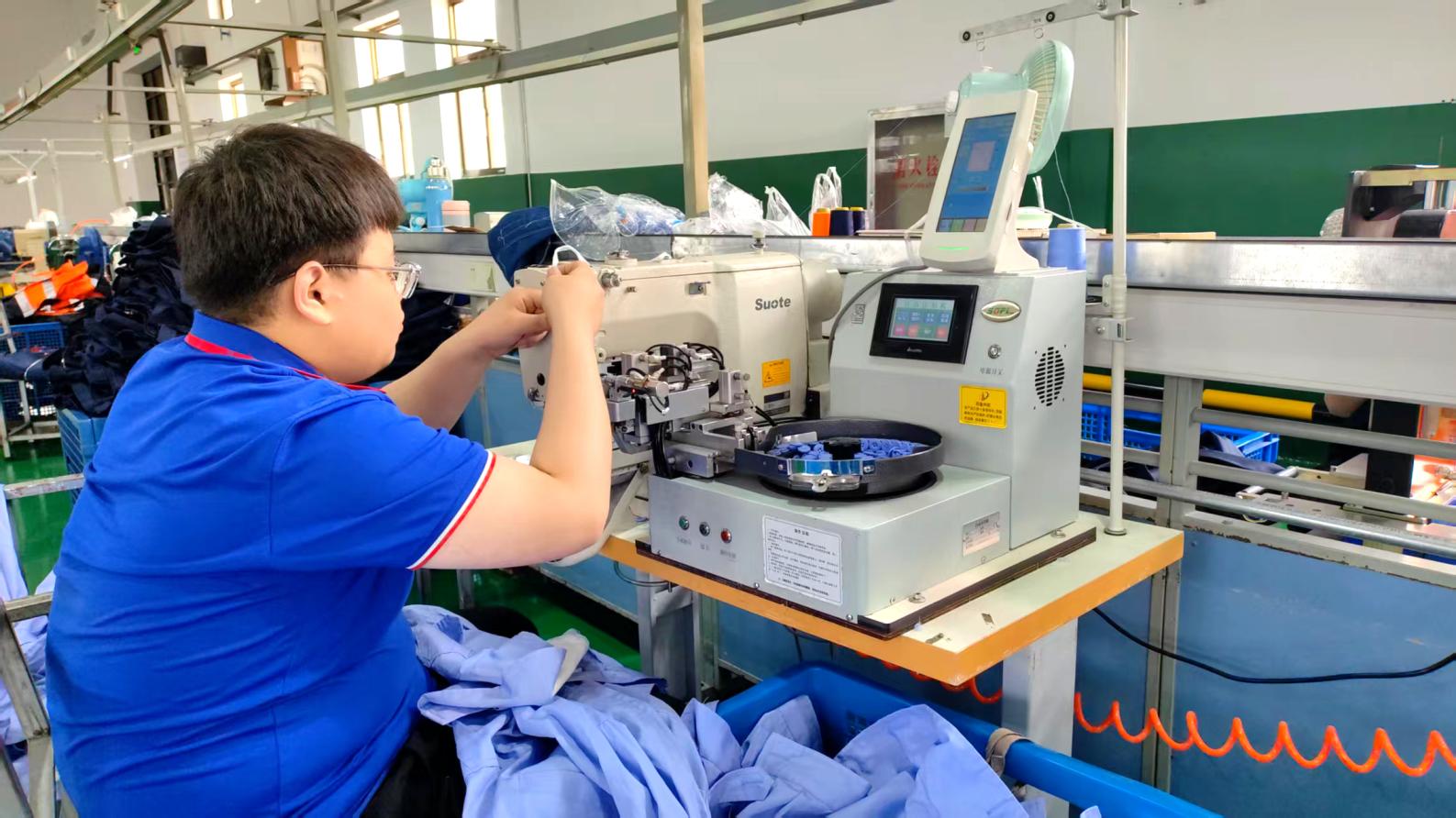
A B2B perspective on adapting to structural market changes and technical advancements.
Sustainability is no longer a niche requirement; it is a fundamental element of brand equity. Global regulatory frameworks, such as the EU Digital Product Passport (DPP), are pushing retailers to document the origin of their textiles. As a result, evening wear is shifting toward organic silks, recycled polyester satins, and non-toxic dyes. Suppliers are adapting by sourcing from verified, eco-certified fabric mills to maintain high quality while meeting environmental standards.
Traditional sample development cycles often require multiple shipping iterations, adding costs and delay. Utilizing 3D CAD draping tools allows brands to simulate fit, pattern drape, and fabric behavior before cutting cloth. This digital workflow shortens the approvals process, reduces waste, and helps ensure the physical sample matches the original design intent closely.
With volatile consumer trends driven by social media, brands must manage inventory risk carefully. Sourcing departments are moving away from massive bulk commitments toward initial small batches, with the ability to scale up quickly based on real-time sales data. Modern factory lines are designed to handle this flexibility, allowing for fast transitions between styles without significant downtime.
How we tailor structural garment solutions for diverse regional requirements.
Requires compliance with strict flammability standards, structured internal corsetry, and durable fabrics that withstand alteration processes.
Focuses on precise stitching, certified organic materials, and clean interior finishing suitable for high-end retail presentation.
Requires elaborate embroidery, heavy satin materials, and custom embellishments that meet modest design requirements with premium detailing.
Different markets present unique technical challenges. For instance, garments destined for North American department stores must pass strict mechanical safety tests on zippers and embellishments. Conversely, European boutique brands require clean interior seam finishes, such as French seams or bias binding, to satisfy high quality standards. Our facility addresses these varying requirements through targeted technical design and production lines customized for each regional market.
Addressing key logistical, structural, and quality assurance questions for retail directors and sourcing professionals.
For standard designs, our prototyping team produces fit samples in 7 to 10 working days. For designs with complex embellishments, computer embroidery, or custom jacquard, sampling takes 12 to 15 working days. This includes digital CAD pattern grading and fabric sourcing.
We follow a three-stage quality control process: pre-production verification of components, inline inspections during sewing, and 100% final inspections before packaging. This ensures embellishments are secure, patterns align correctly at seams, and dimensions remain within tolerance.
Our standard MOQ is 100 to 300 pieces per style, depending on fabric availability and design complexity. We also offer lower MOQs for test collections to help brands manage initial market risk.
Yes, we partner with certified mills that offer OEKO-TEX Standard 100 and Global Recycled Standard (GRS) materials. We provide testing certificates for colorfastness, fiber composition, and chemical compliance upon request.
Yes, our R&D department uses modern CAD pattern software to create digital models. This allows us to adjust sizing and evaluate fit digitally before making physical samples, saving time and resources.
Explore our capabilities in custom outerwear, tailored dresses, and functional casual wear.