Barjeel Fashion
Barjeel Fashion
Barjeel Fashion
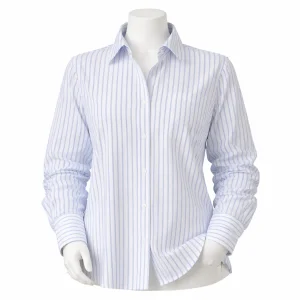
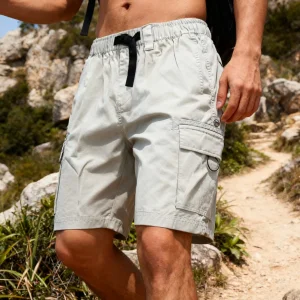
Explore our diverse manufacturing capabilities spanning custom formal wear, protective outdoor garments, and trend-focused silhouettes.
An in-depth analysis of supply chain mechanics, technological integration, compliance architecture, and localized B2B sourcing strategies.
In the contemporary global apparel matrix, the manufacturing of blazers represents the absolute pinnacle of tailored garment engineering. Unlike unstructured sportswear or basic cut-and-sew items, a high-caliber blazer demands rigorous structural integrity, precise pattern grading, and specialized fusing technology. For global apparel brands, sourcing partners in this category must demonstrate an advanced fusion of artisanal craftsmanship and digitalized production management to mitigate risk, optimize costs, and secure market placement.
China remains the undisputed epicenter of global apparel logistics, driven by vertical integration of the raw material supply chain, deep technological penetration, and specialized labor clusters. Guangdong Barjeel Fashion Co., Ltd., established in 2006, operates within this optimal geographic cluster. Over the past 18+ years, Barjeel has transformed a 3,600-square-meter facility into a modern smart manufacturing hub. Operating with localized raw material access allows the company to source premium fabrics, interlinings, buttons, and shoulder pads with minimal transit delays.
By leveraging advanced pattern-making software and integrated manufacturing execution systems (MES), Barjeel manages the complex variables inherent in blazer production. From controlling the shrinkage rates of wool-blends to optimizing the tension of sleeve-setting machinery, the company maintains absolute command over the technical specifications that define a luxury garment's drape, fit, and lifespan.
For B2B buyers in North America, the EU, and the Asia-Pacific region, sourcing from an international supplier introduces regulatory hurdles, tariff concerns, and compliance risks. Guangdong Barjeel Fashion Co., Ltd. mitigates these pain points through proactive regulatory alignment. The company holds standardized compliance parameters that satisfy ESG (Environmental, Social, and Governance) audits, ensuring fair labor conditions, waste reduction policies, and transparent supply chains.
Furthermore, localized logistics coordination and customs documentation processing facilitate smooth DDP (Delivered Duty Paid) or FOB (Free On Board) operations. By staying ahead of chemical safety standards (such as REACH in Europe and Prop 65 in California), Barjeel guarantees that all textile dyes, metallic fasteners, and synthetic fibers are free of hazardous substances, protecting partner brands from costly product recalls and legal liabilities.
Oeko-Tex Standard 100 compliant fabrics ensuring non-toxic raw inputs.
Inline inspections at multiple stages: pattern, cutting, stitching, and finishing.
Strategically situated in Guangdong to exploit rapid international shipping networks.
Modern tailors must accommodate various target demographic profiles, demanding flexible manufacturing systems that cater to diverse B2B purchasing profiles:
The global tailoring industry is shifting toward smart manufacturing and ecological sustainability. From a materials perspective, recycled polyester, organic cotton, and biodegradable interlinings are quickly replacing conventional synthetics. On the factory floor, digital integration is optimizing fabric yields and reducing textile waste. Modern laser cutting and CAD nesting systems minimize raw material waste by calculating layout formulas down to the millimeter.
Simultaneously, the demand for "smart blazers" featuring hydrophobic coatings, stain-resistant fibers, and covert device pockets is growing. By updating machinery and refining technical talent, Guangdong Barjeel stays ahead of these industry trends, offering partner brands functional, eco-conscious apparel products.
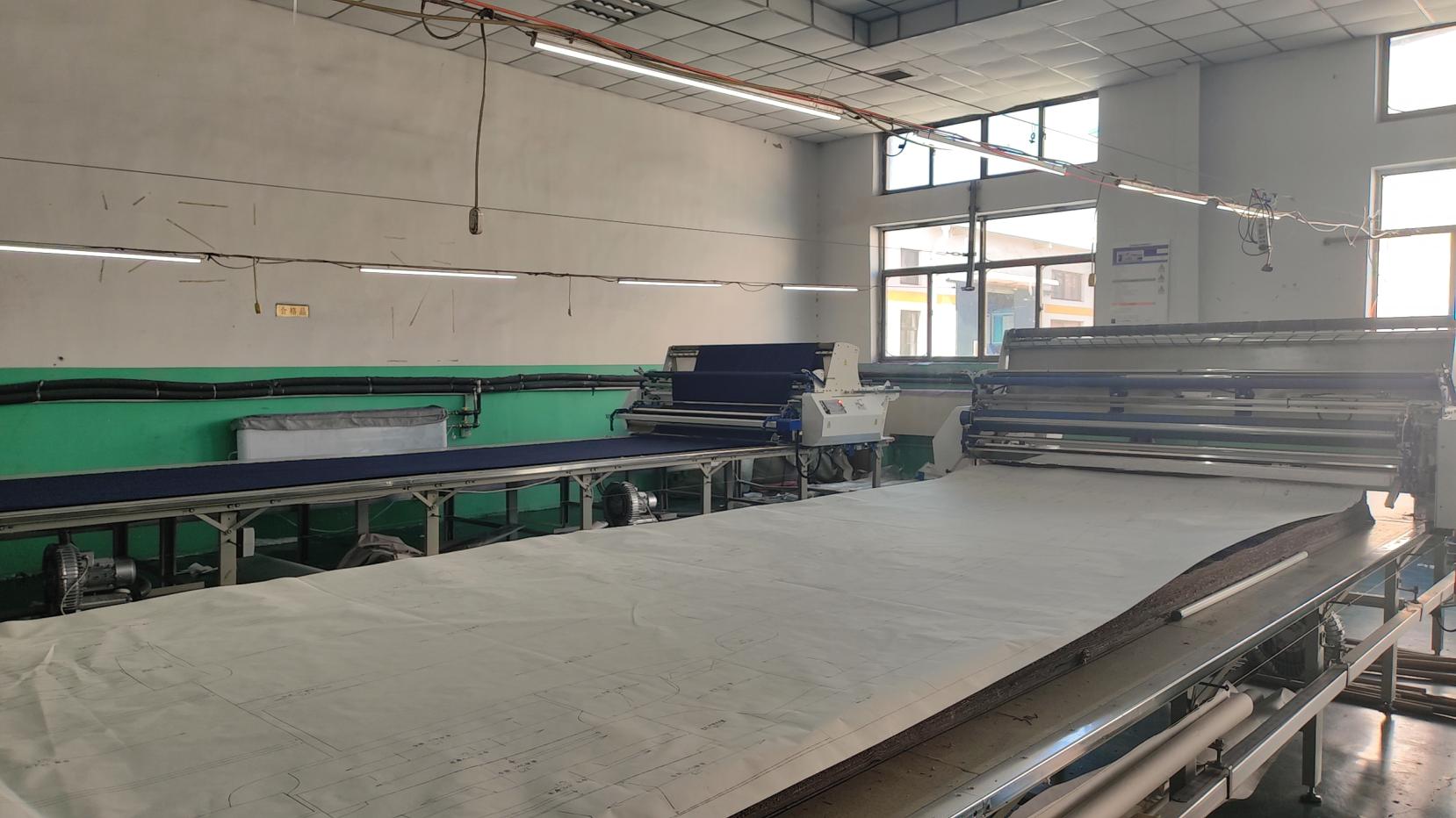
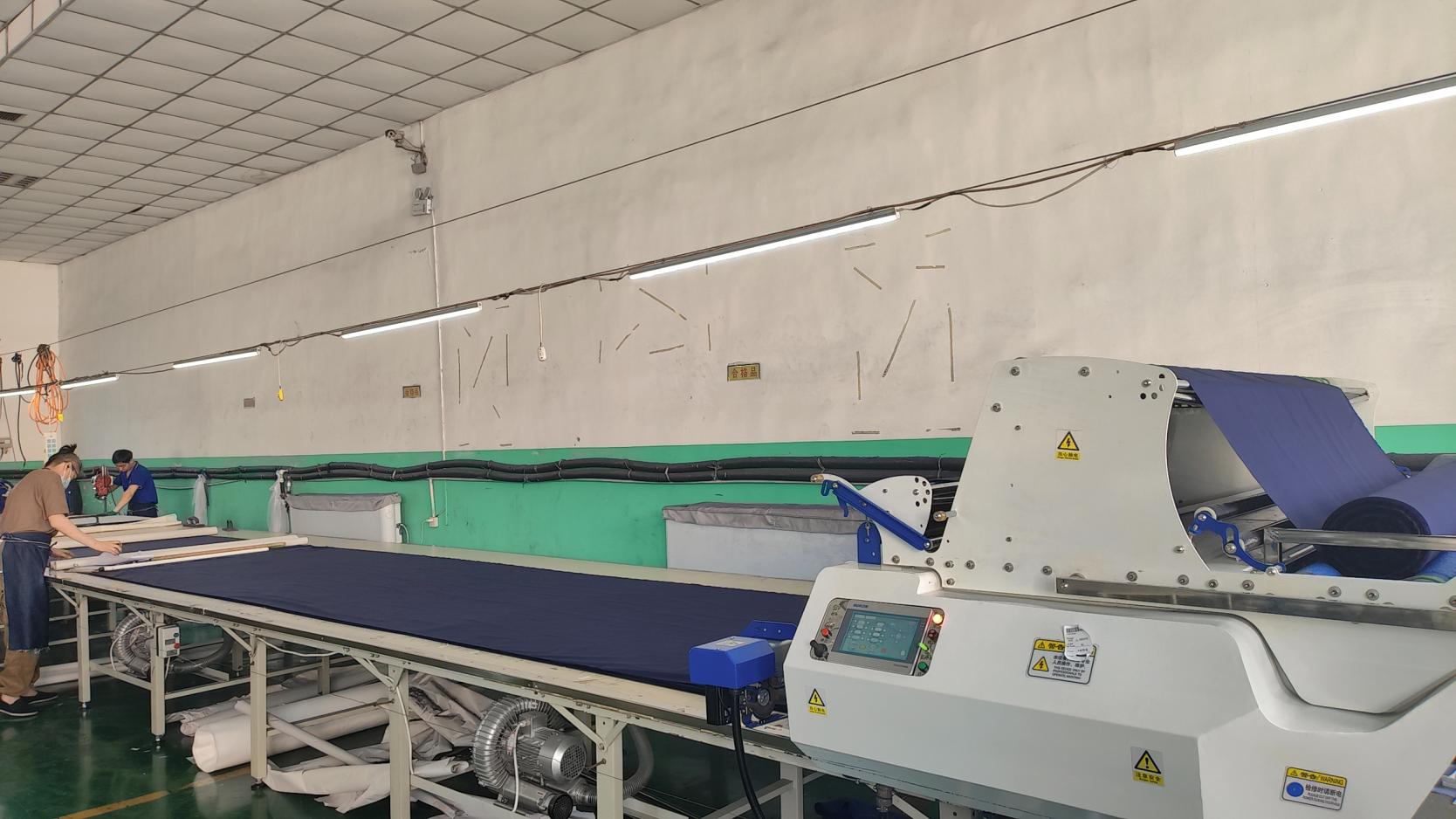
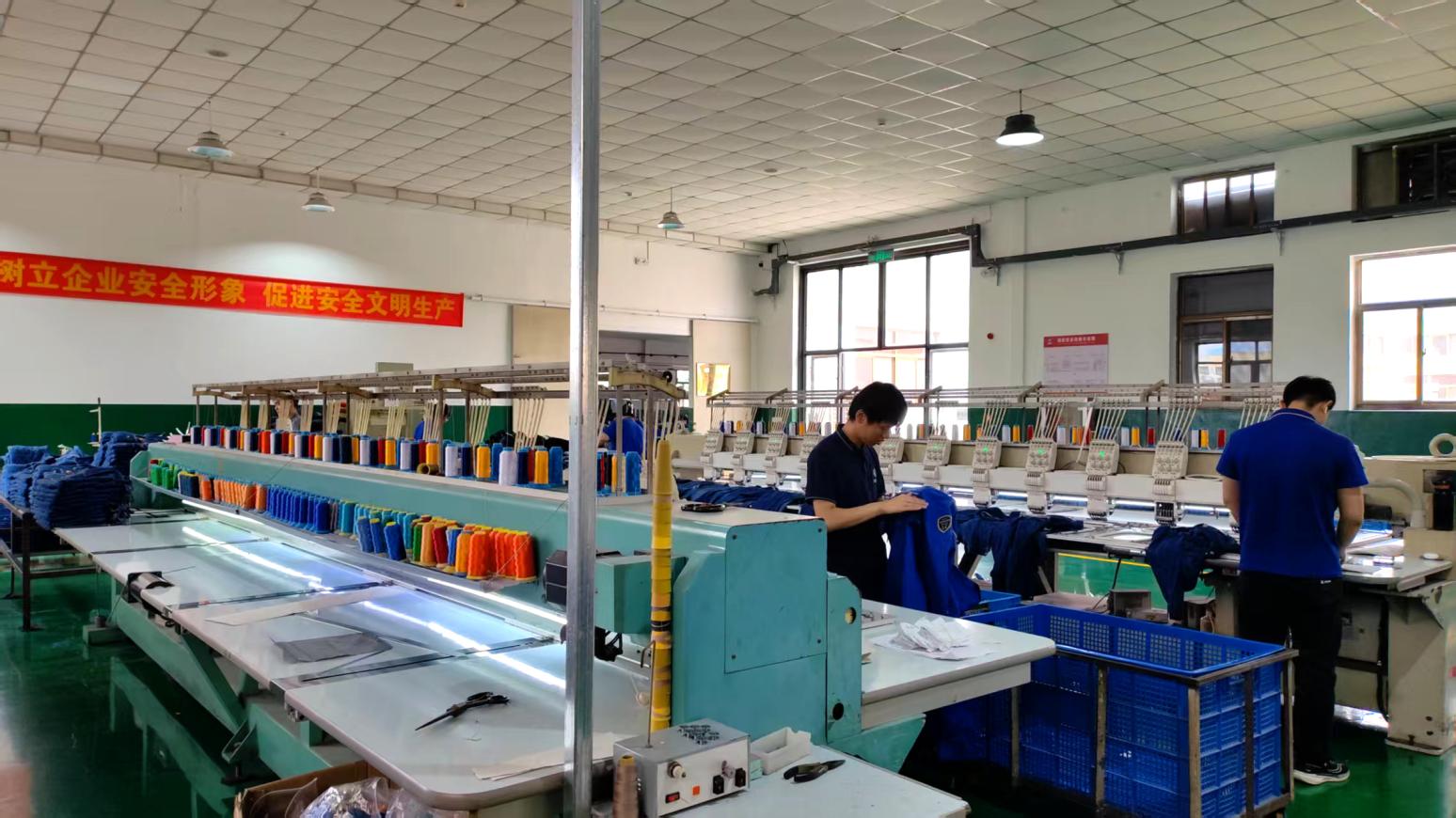
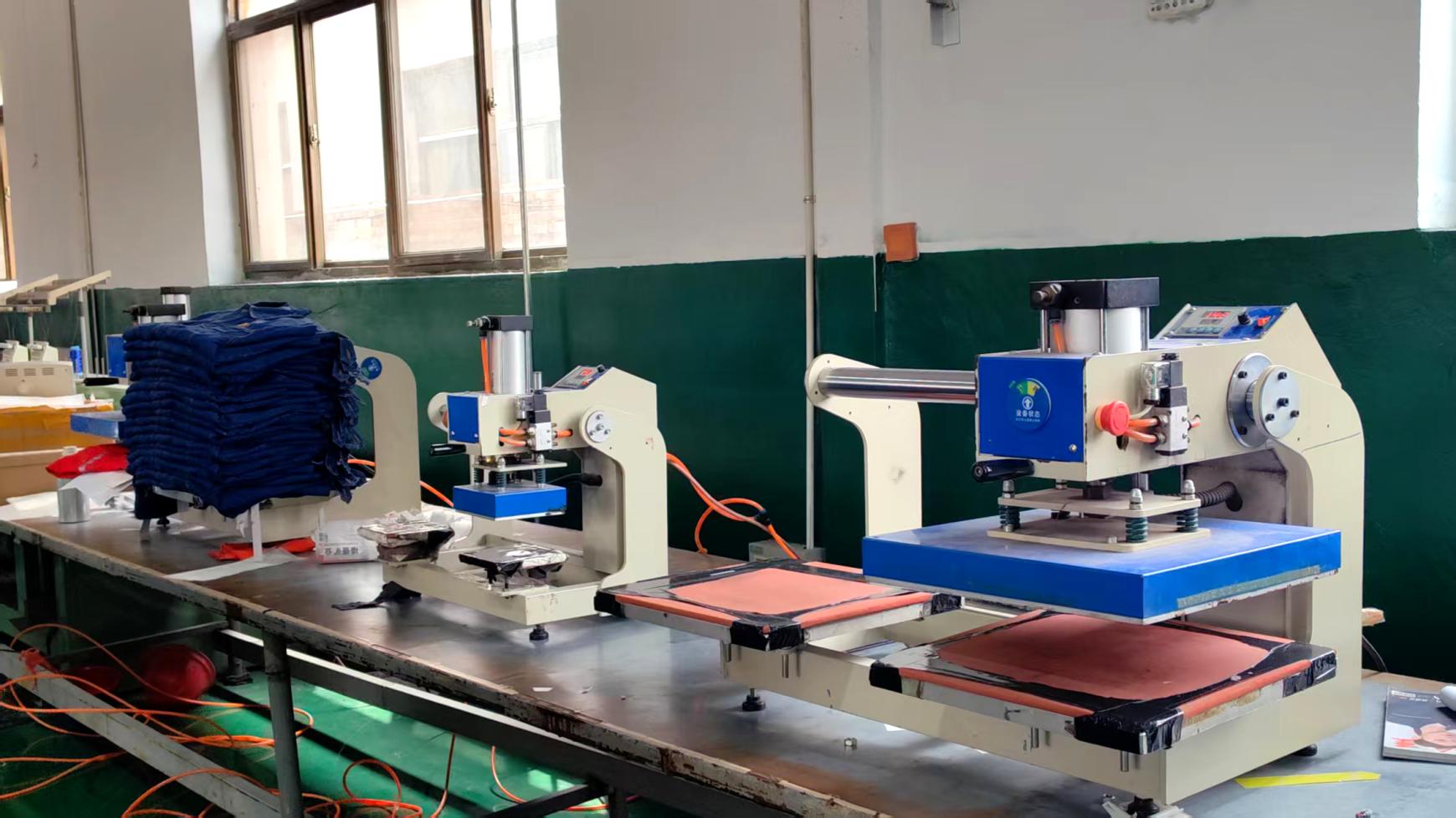
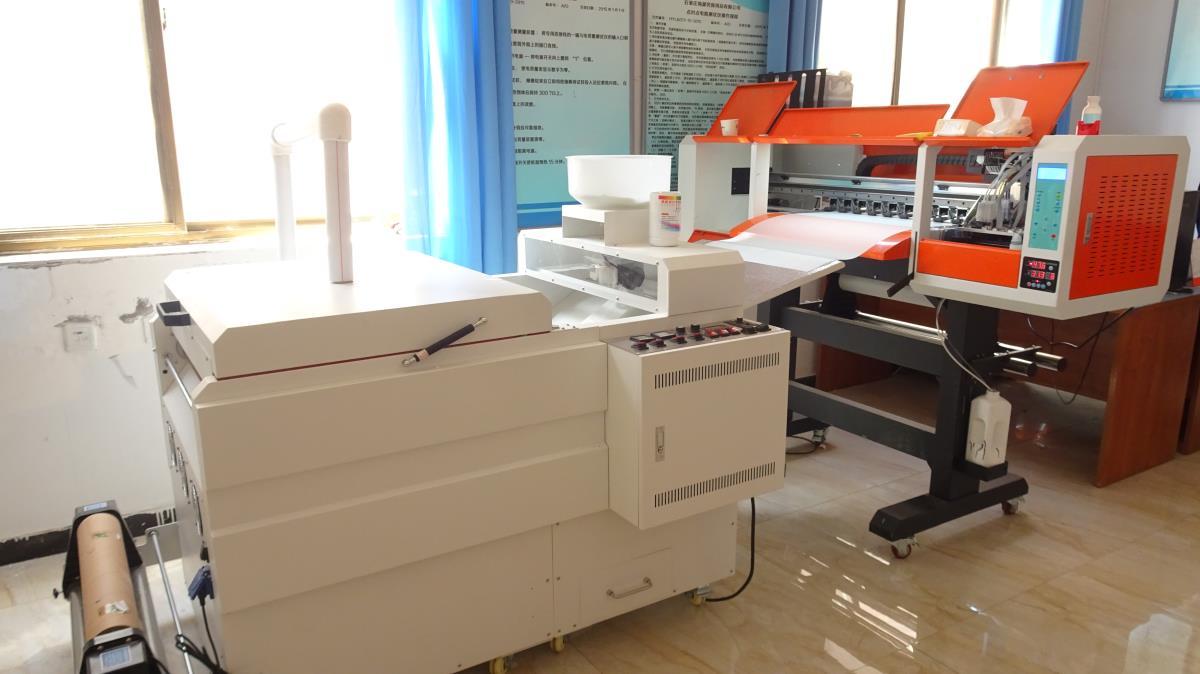
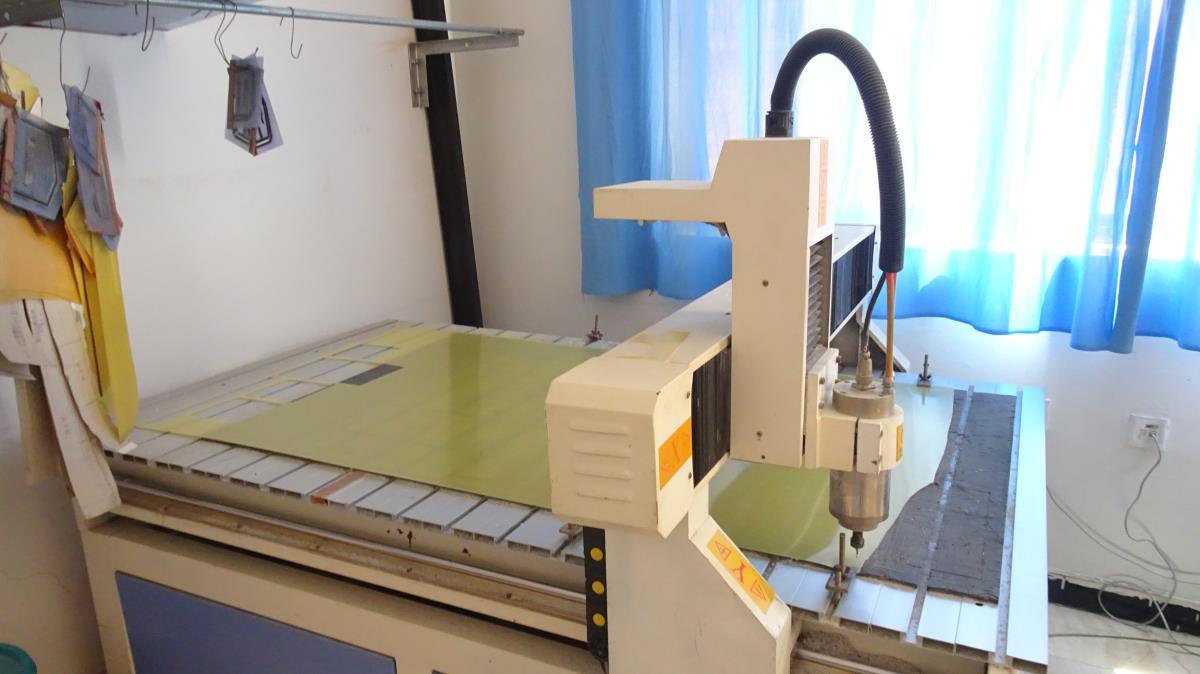
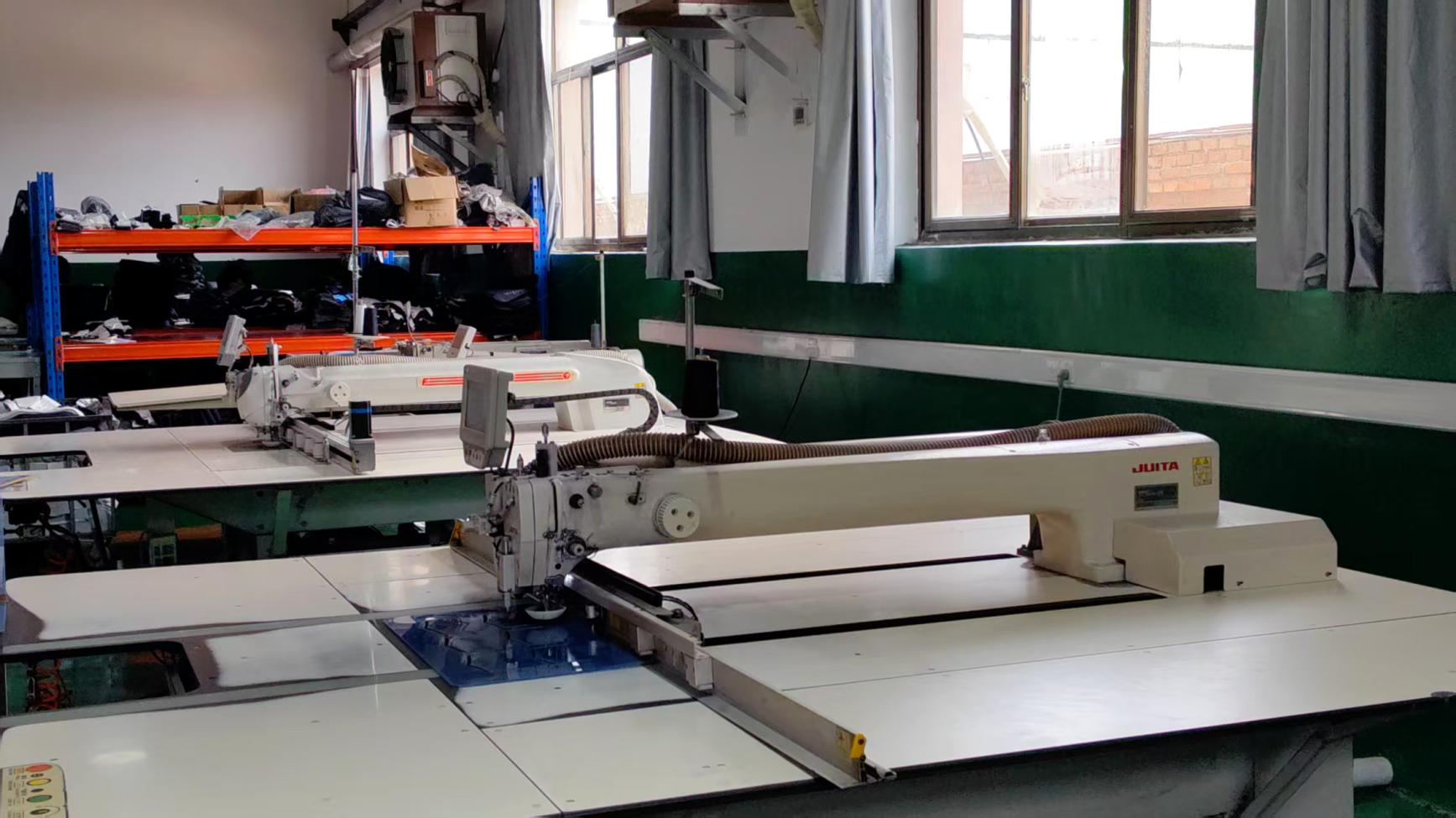
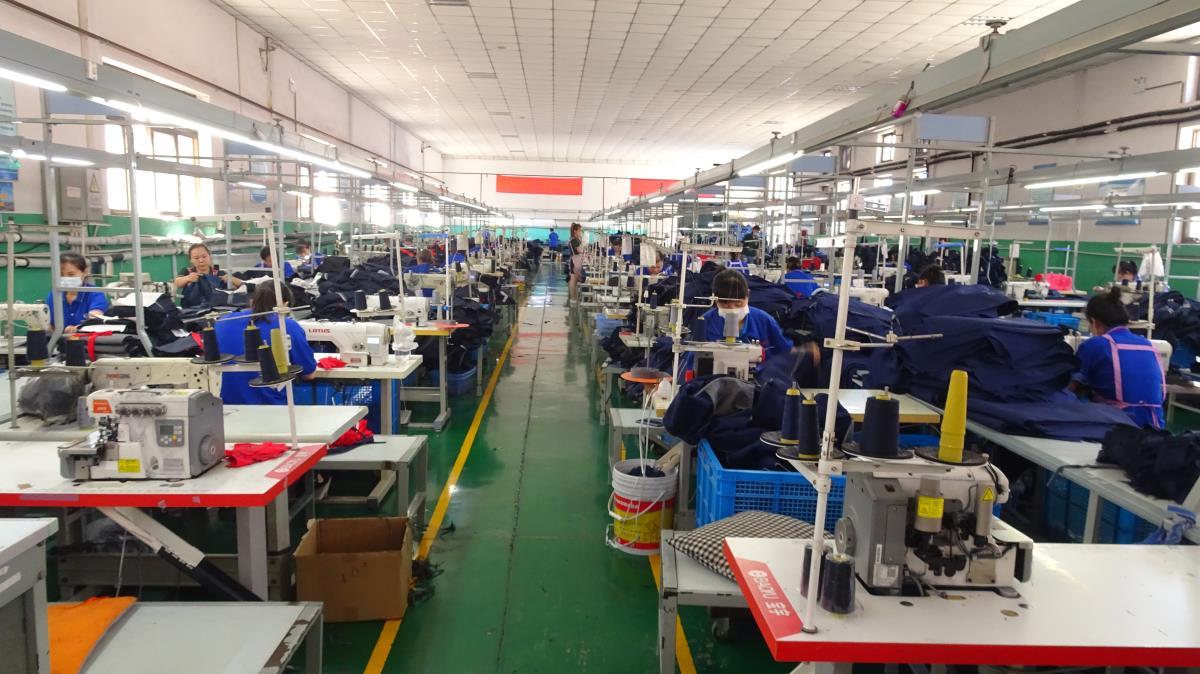
Guangdong Barjeel's production facility utilizes computerized machinery, automated processes, and multi-stage manual quality controls.
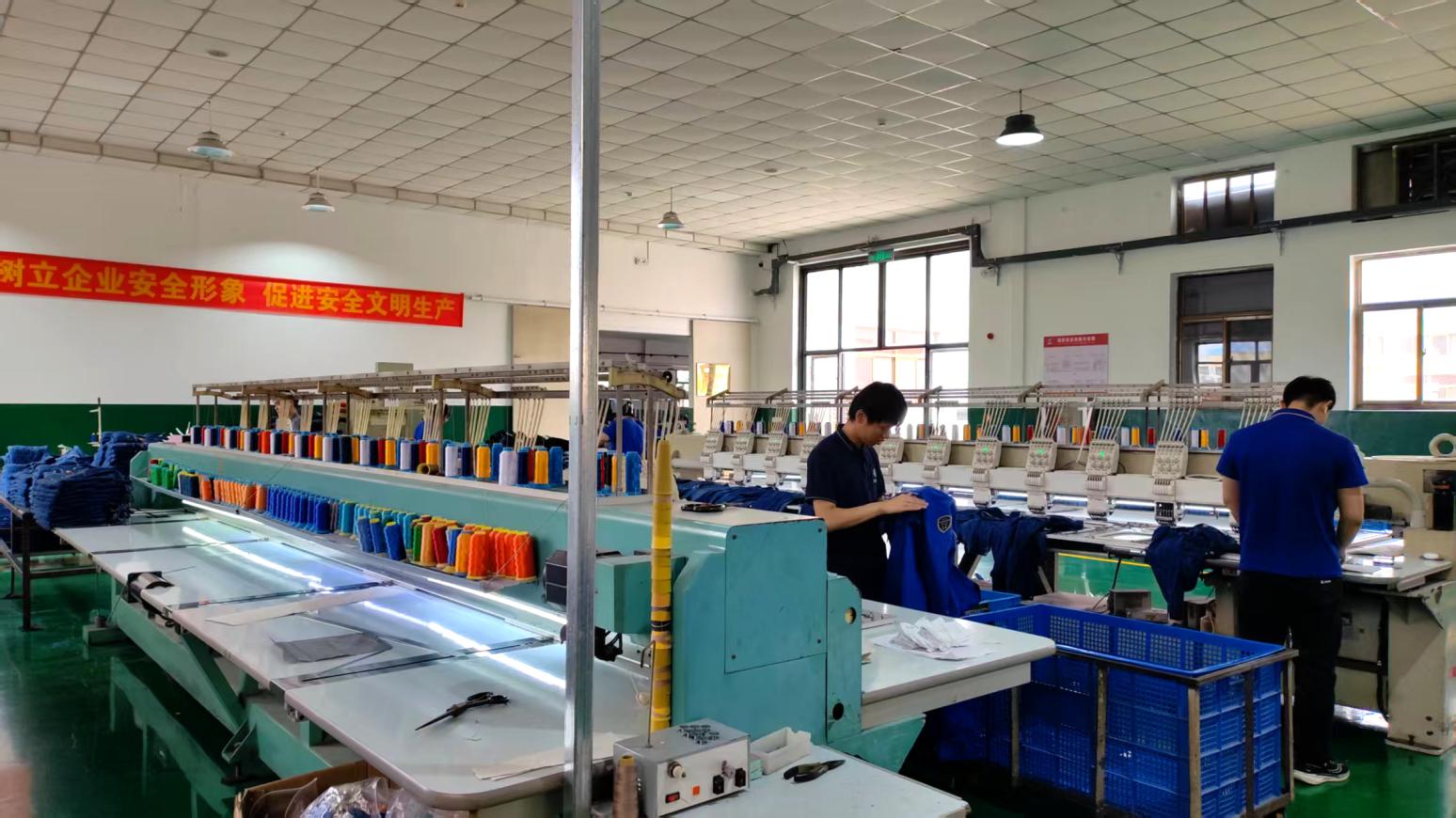
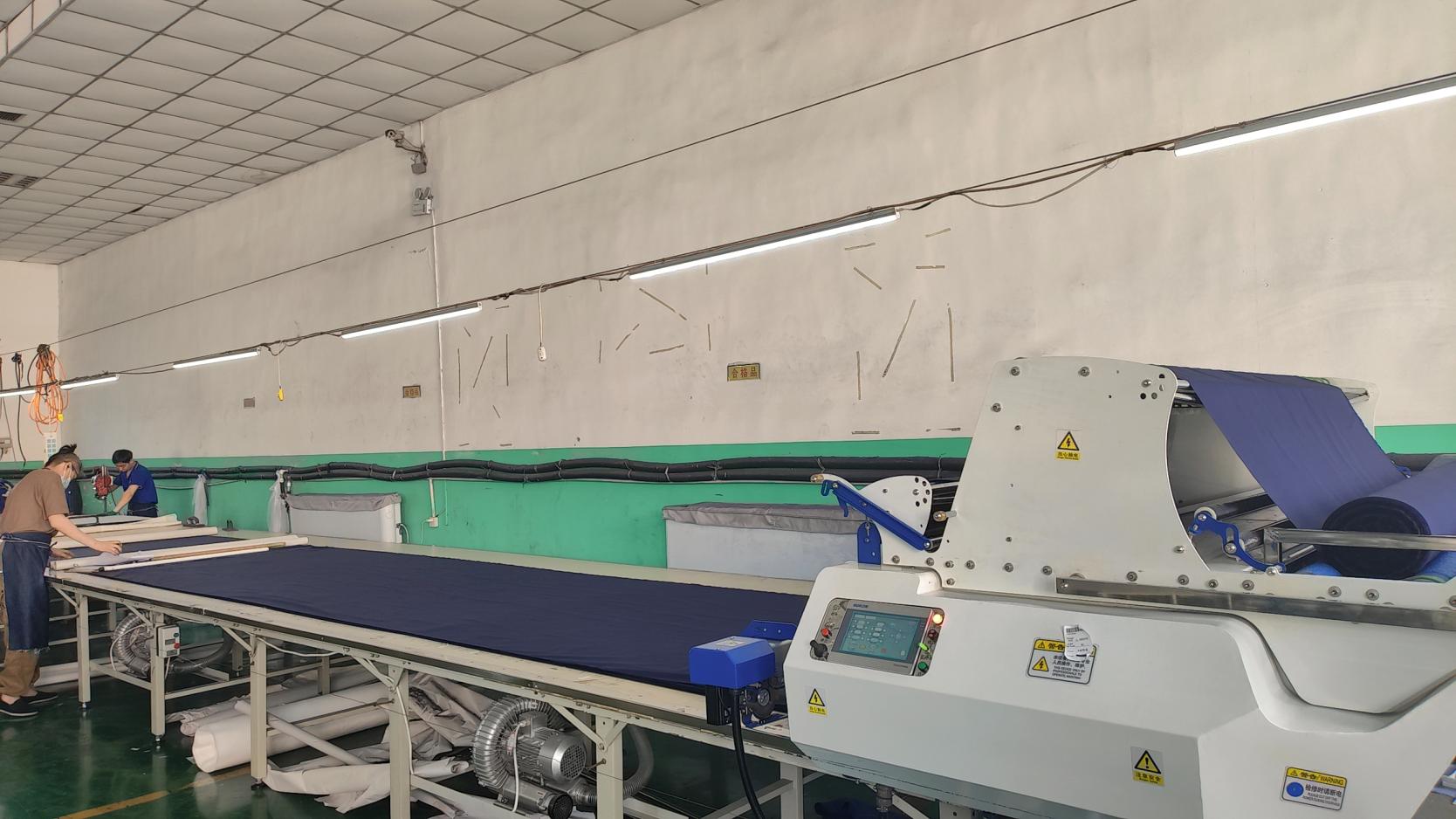
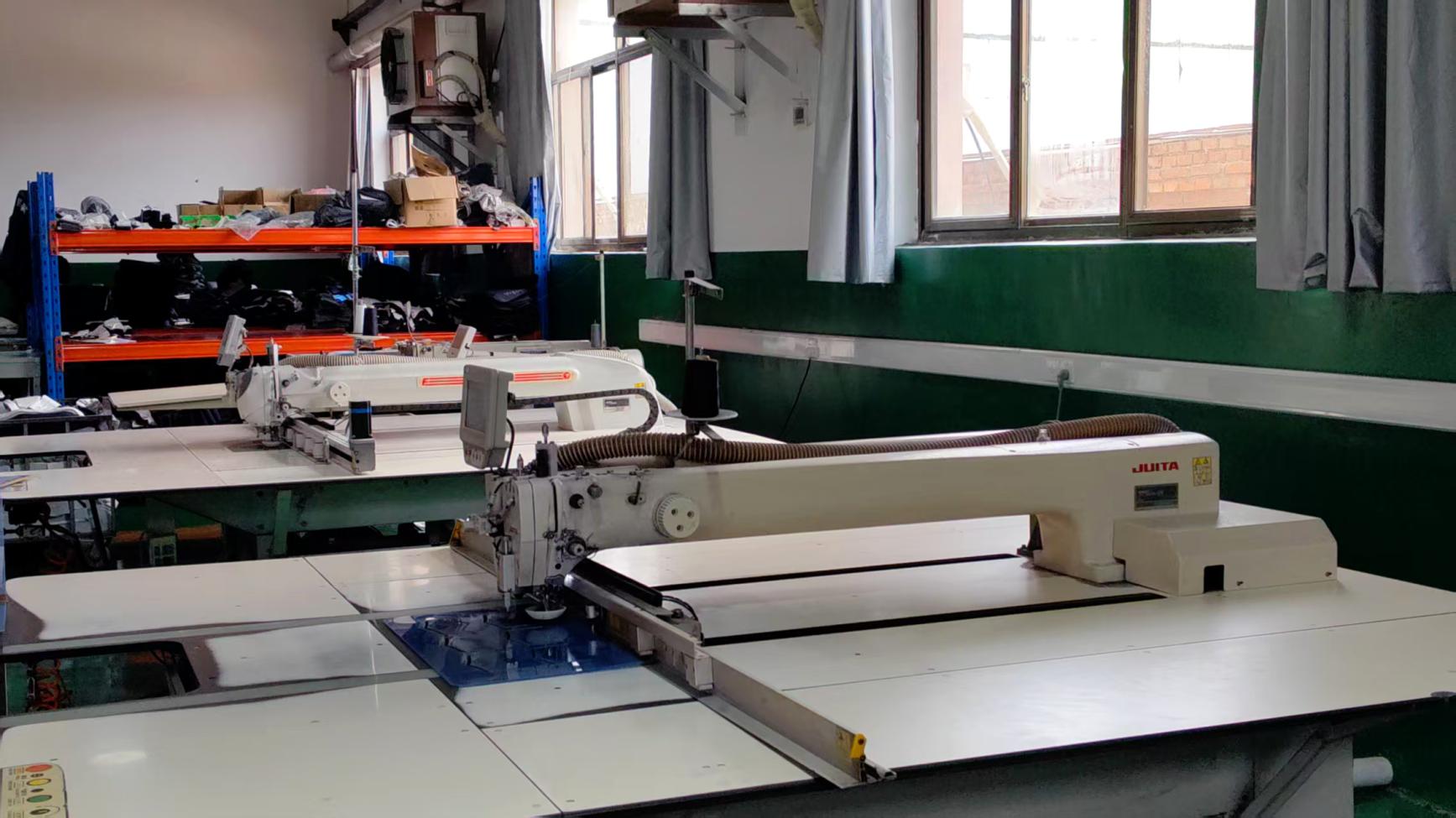
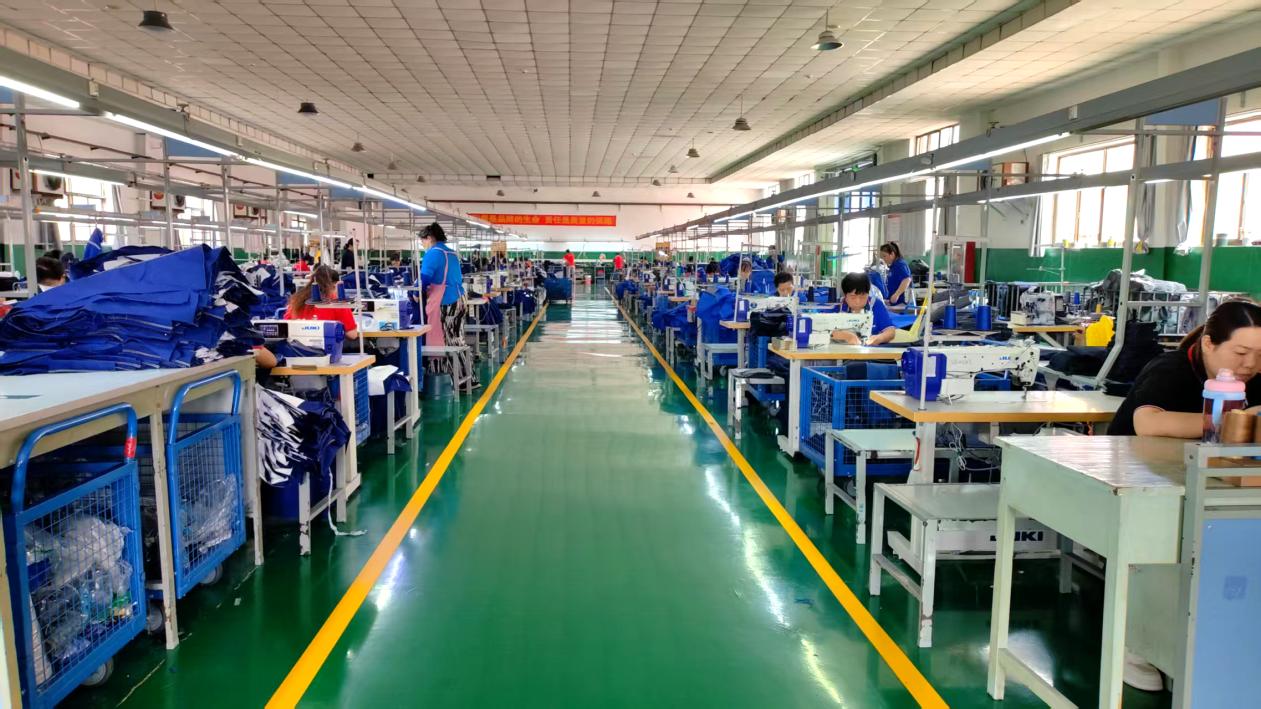
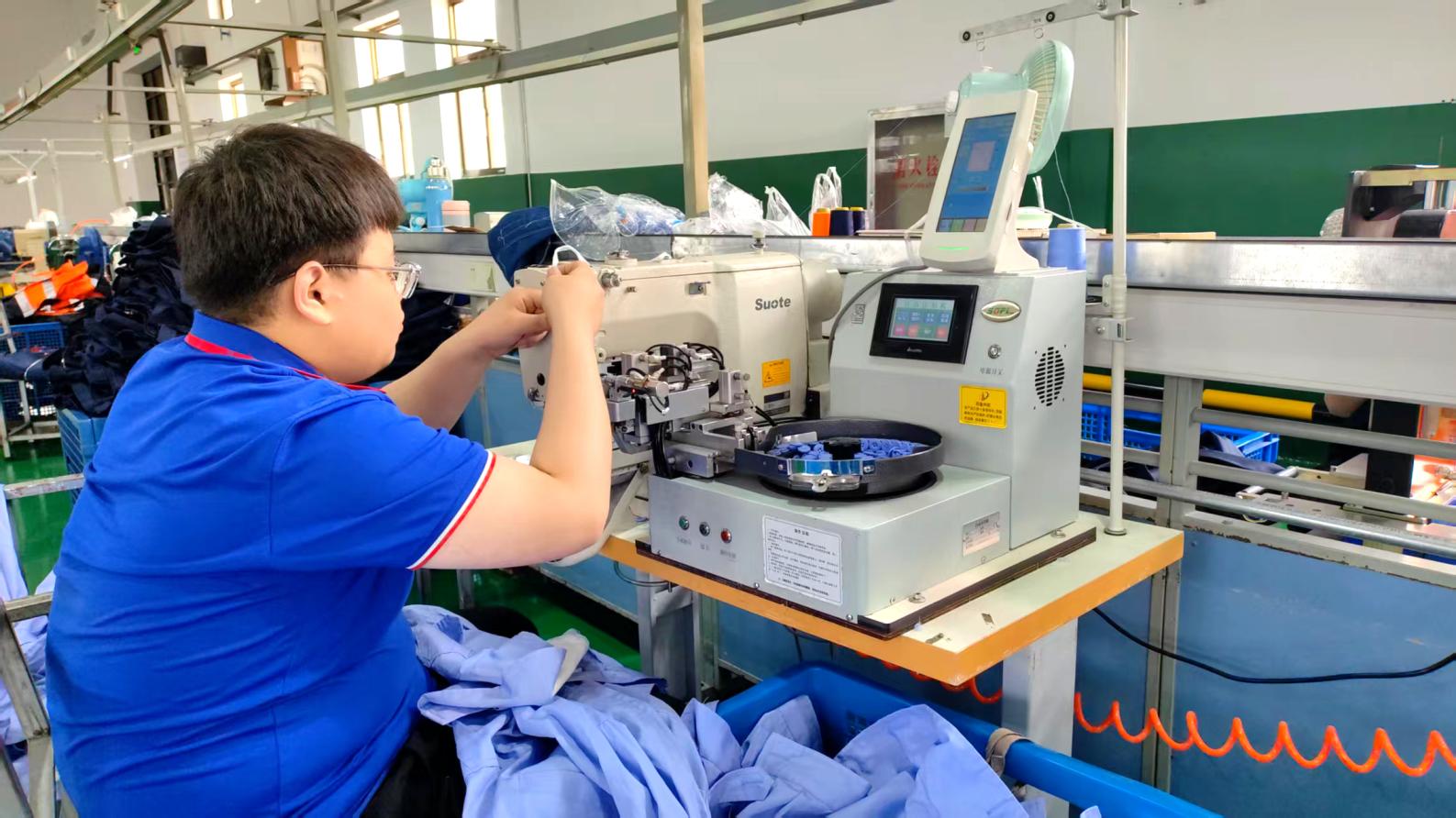
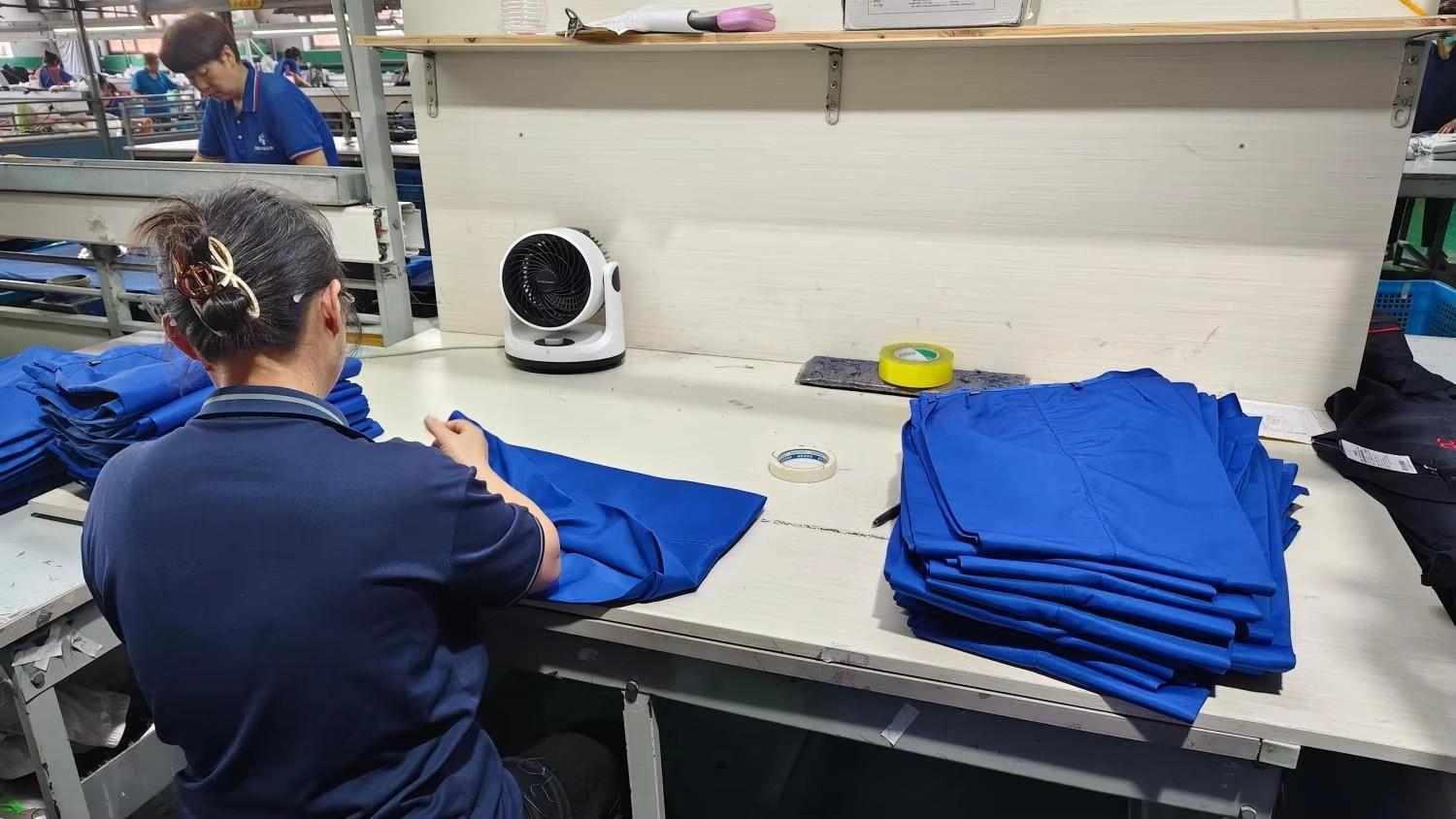
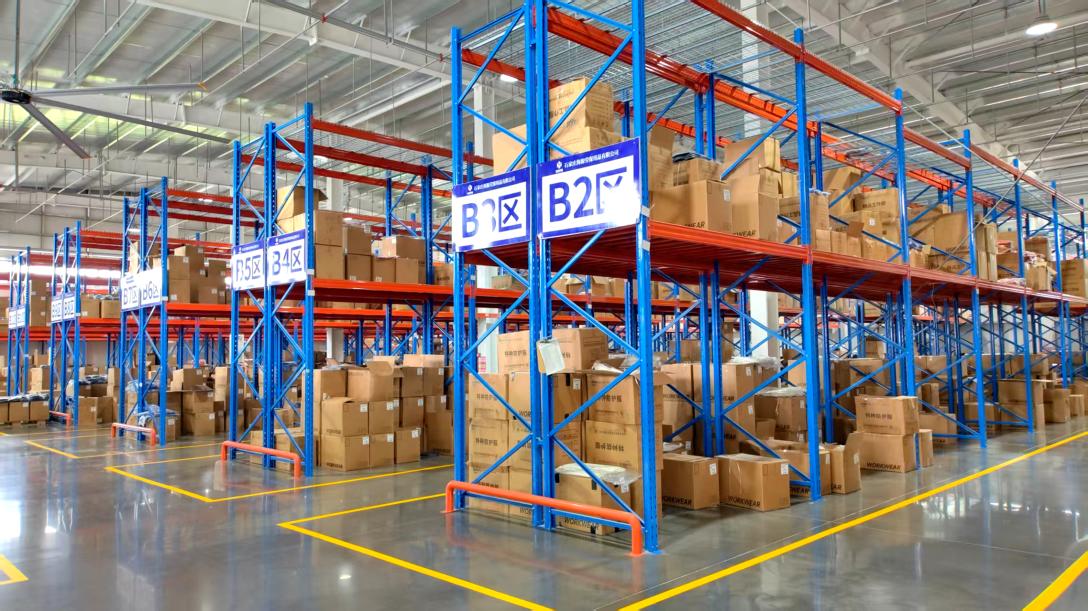
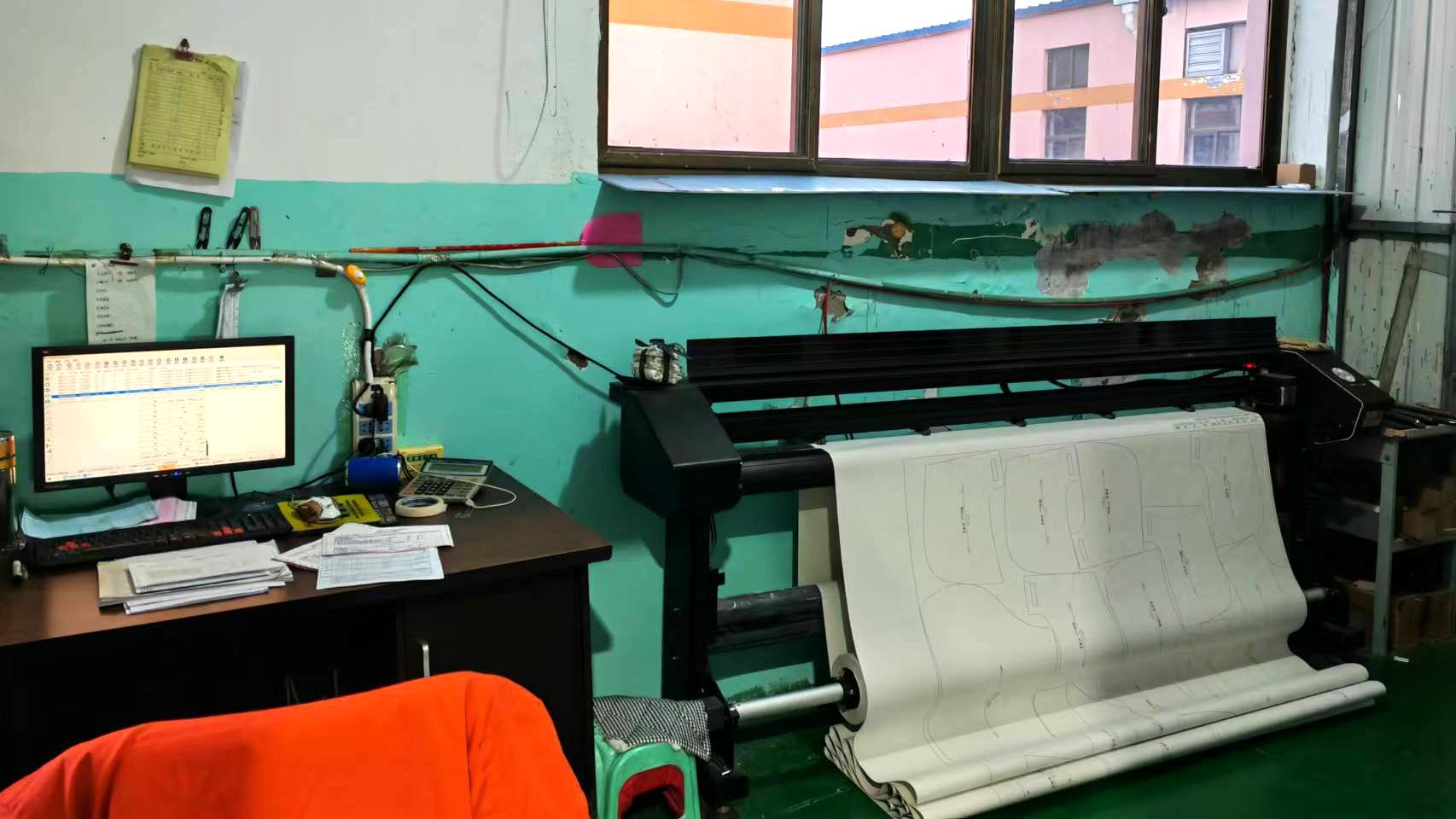
Critical operational parameters analyzed for apparel line planners, procurement managers, and brand supply chain directors.
Our standard production turnaround ranges from 30 to 45 business days. This timeframe begins once final tech packs are signed off, prototypes are approved, and raw material inputs are secured. For rush programs or seasonal adjustments, we can expedite manufacturing schedules through dynamic shift management.
Our CAD modeling software integrates standard sizing tables for major international markets, including North American, European, and Asian fits. We convert all patterns into localized files and supply physical fit samples prior to bulk production. This ensures consistent fits and accurate grading across every scale.
Yes. We source a variety of sustainable textiles, including organic cotton, linen blends, and recycled polyesters certified by GRS (Global Recycled Standard). We coordinate directly with certified yarn spinners and weavers to fulfill precise fiber composition demands.
We enforce a rigorous multi-stage quality control protocol aligned with international Acceptable Quality Limit (AQL 2.5) standards. Every blazer undergoes four inspection phases: incoming raw material tests, inline stitching checks, pre-pressing inspections, and a final packaging QC pass to verify dimensional measurements, alignment, and finishing quality.
For OEM orders, we manufacture according to your exact physical patterns and specifications. For ODM projects, our design team translates your conceptual mockups, mood boards, or sketches into production-ready tech packs. We support both methods, offering flexible manufacturing solutions tailored to global fashion brands.
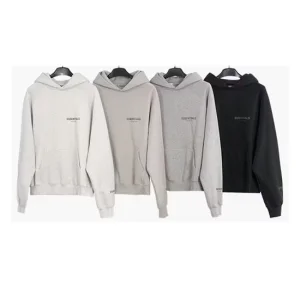
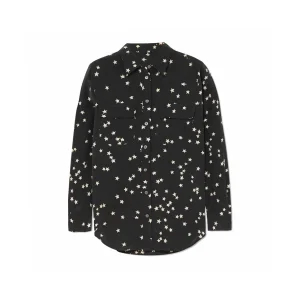
Discover our comprehensive collection, highlighting functional sportswear, everyday essentials, and evening fashion.