Barjeel Fashion
Barjeel Fashion
Barjeel Fashion
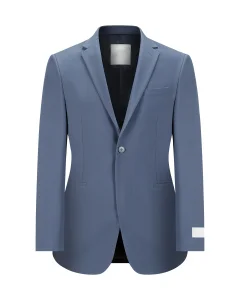
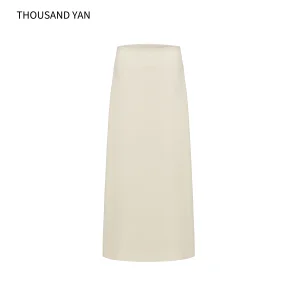
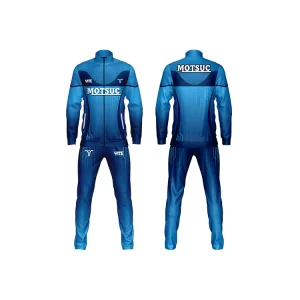
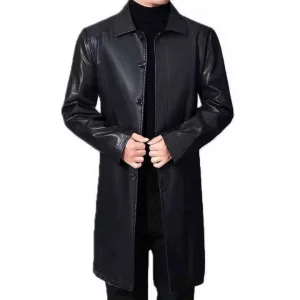
In modern industrial environments, professional workwear is not merely a uniform; it functions as a critical layer of Personal Protective Equipment (PPE) that guarantees safety, enhances performance, and reinforces corporate identity. When procuring protective garments on a global scale, the CE (Conformité Européenne) mark stands as the definitive regulatory benchmark. Selecting the right CE Certified Workwear Manufacturers & Factories determines whether a business achieves seamless legal entry into the European Economic Area (EEA) and maintains high levels of occupational safety.
This comprehensive industry whitepaper, developed by leading textile scientists and regulatory consultants at Guangdong Barjeel Fashion Co., Ltd., analyzes the core technological developments, international certifications, manufacturing capabilities, and structural supply chain advantages that modern enterprises must consider when sourcing CE certified garments.
CE Certification signifies that apparel complies with safety, health, and environmental protection standards established by the European Union. For protective clothing, this is governed by the Personal Protective Equipment Regulation (EU) 2016/425. Understanding the specific standard subclassifications is vital for professional procurement officers to align product specifications with local hazard profiles.
This standard defines the basic ergonomic requirements, aging testing parameters, sizing protocols, and innocuousness of workwear, ensuring the garment material contains no harmful substances.
Specifies requirements for high-visibility clothing capable of visually signaling the user's presence. Divided into Classes 1, 2, and 3 based on reflective band surface areas and fluorescent backgrounds.
Measures fabric resistance to water penetration (hydrostatic pressure testing) and water vapor resistance (breathability indices) for outdoor utility workwear.
By complying with these protocols, manufacturers can guarantee that every garment item—ranging from high-visibility jackets to multi-pocket cargo pants—maintains its structure and protective barrier through multiple industrial washes, protecting workers in high-risk environments.
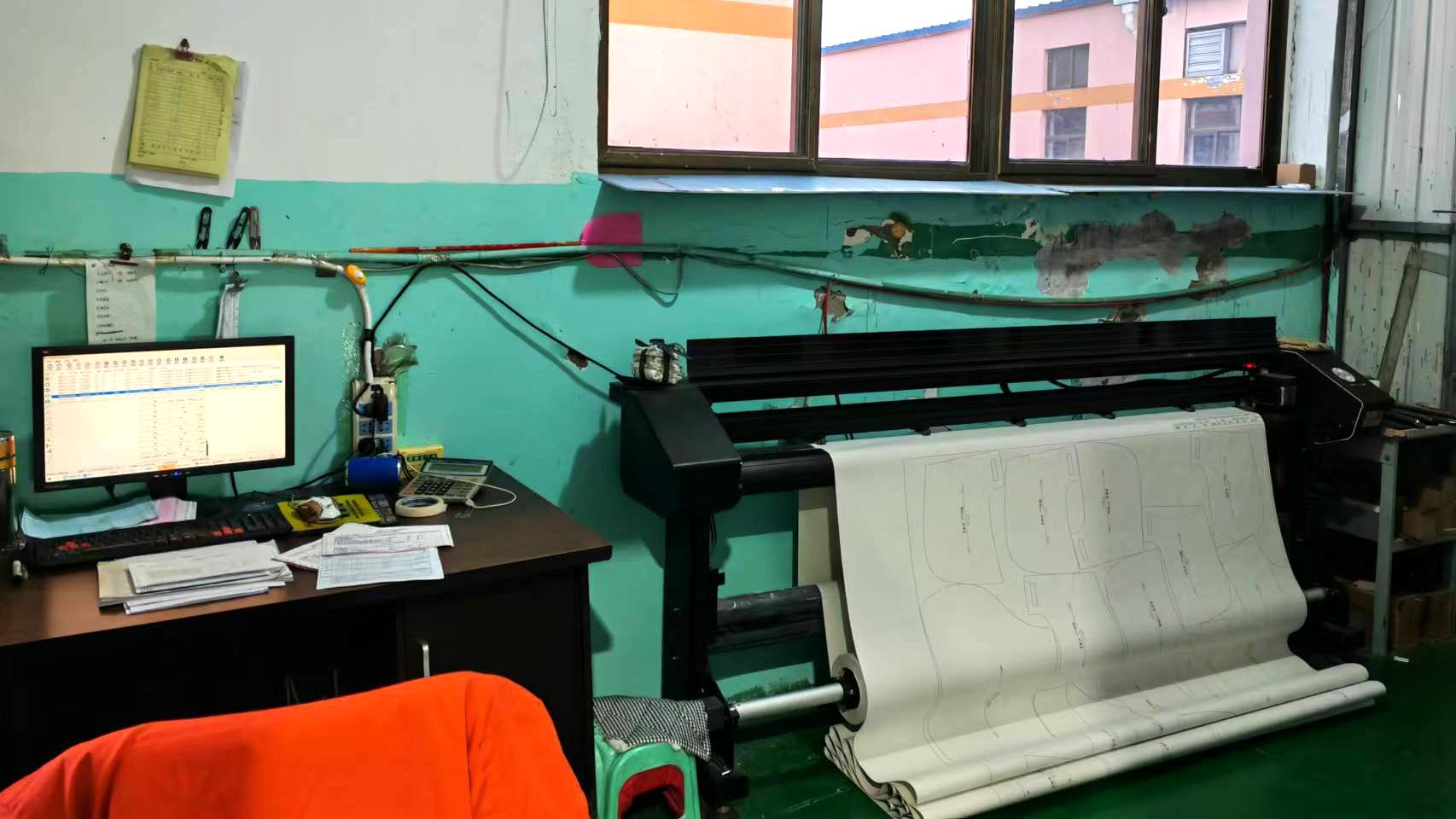
Established in 2006, Guangdong Barjeel Fashion Co., Ltd. is a modern apparel manufacturing enterprise integrating design, research and development (R&D), production, sales, and supply chain services. The company operates its own manufacturing facility covering an area of approximately 3,600 square meters, featuring a clean and well-organized office environment, standardized production workshops, and advanced garment manufacturing equipment.
With a professional R&D team and a skilled production workforce, the company has built strong capabilities across the entire apparel development process, including style design, pattern making, fabric sourcing, sampling, and bulk production. A well-established quality control system and efficient production management process ensure consistent product quality, timely delivery, and high manufacturing standards.
Guangdong Barjeel Fashion Co., Ltd. specializes in a wide range of apparel categories, including fashion and trend-led clothing, sportswear, evening dresses, professional and workwear, as well as casual wear. The company is capable of serving both OEM and ODM requirements, providing flexible and customized solutions to meet the diverse needs of global fashion brands.
Over the years, the company has developed long-term partnerships with numerous domestic and international clients. With a strong focus on craftsmanship, operational excellence, and continuous improvement, it has earned a solid reputation for reliability and quality in the apparel manufacturing industry.
Guided by the core values of quality-first, customer orientation, and continuous innovation, Guangdong Barjeel Fashion Co., Ltd. remains committed to upgrading its design capabilities and manufacturing technologies. The company strives to enhance efficiency, strengthen competitiveness, and deliver greater value to its global partners. Looking ahead, the company aims to further expand its international presence and evolve into a trusted and respected global apparel manufacturing and service provider.
Explore our vertical production line verifying our physical capability, technical expertise, and operational reliability.
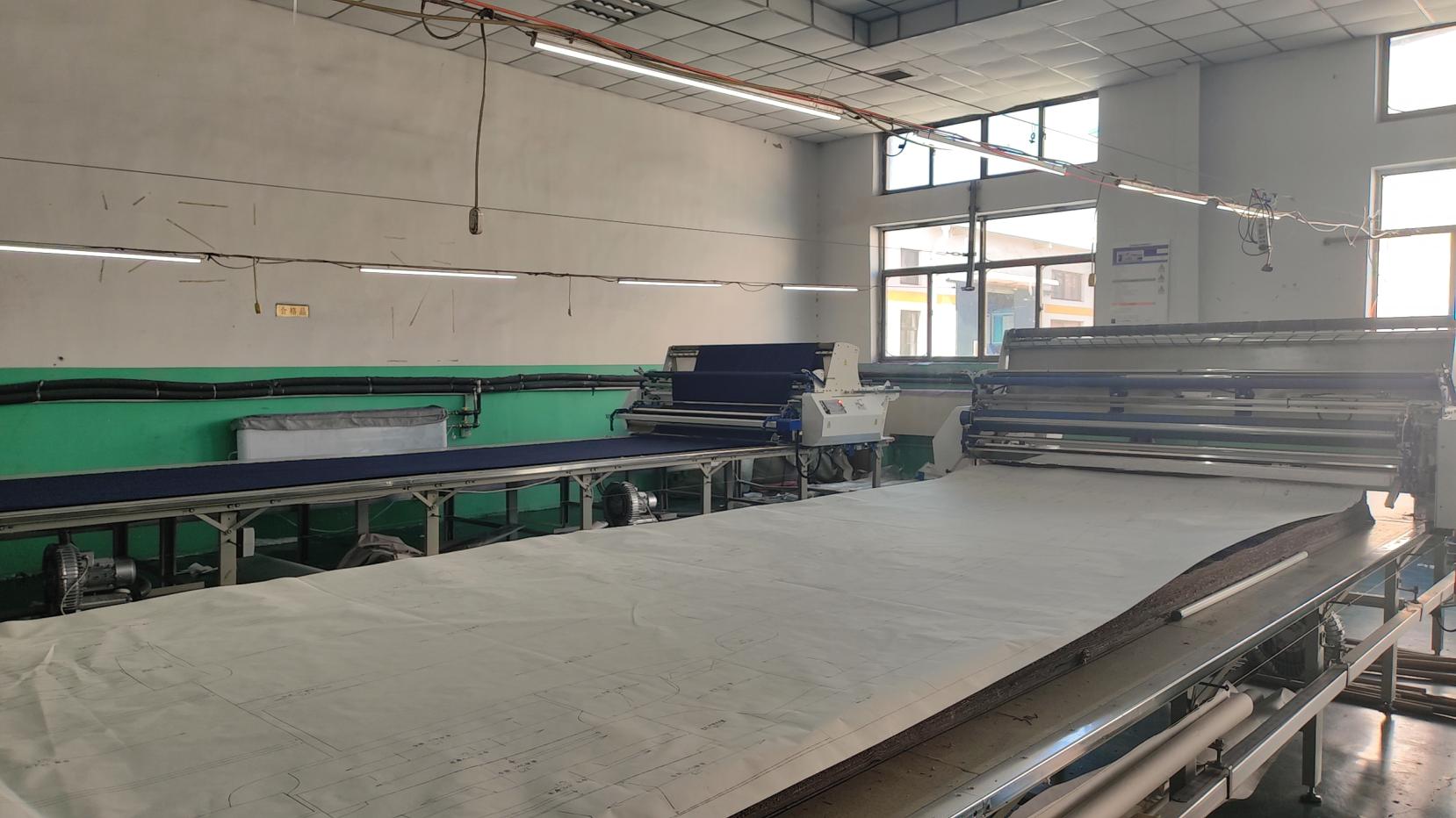
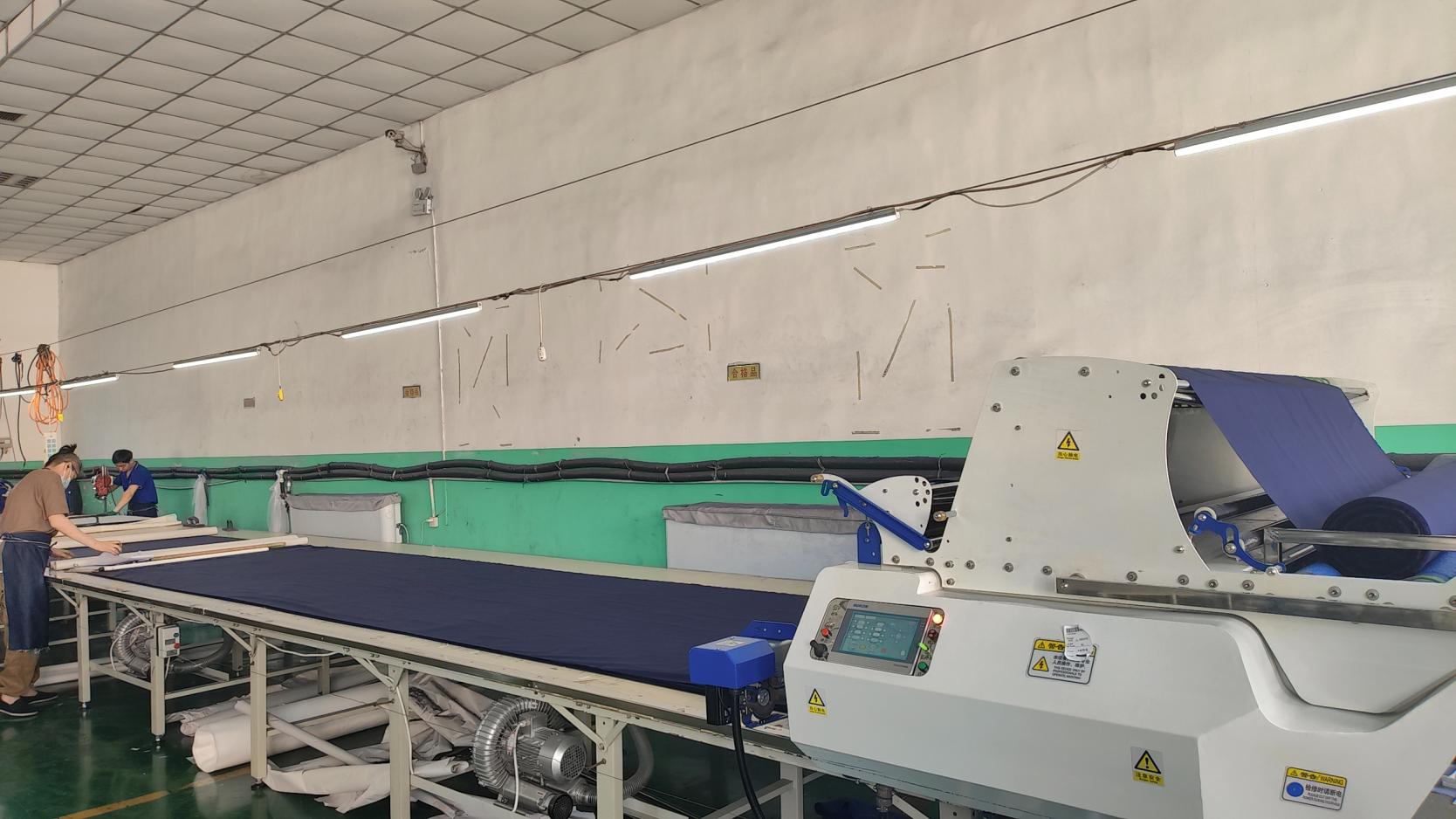
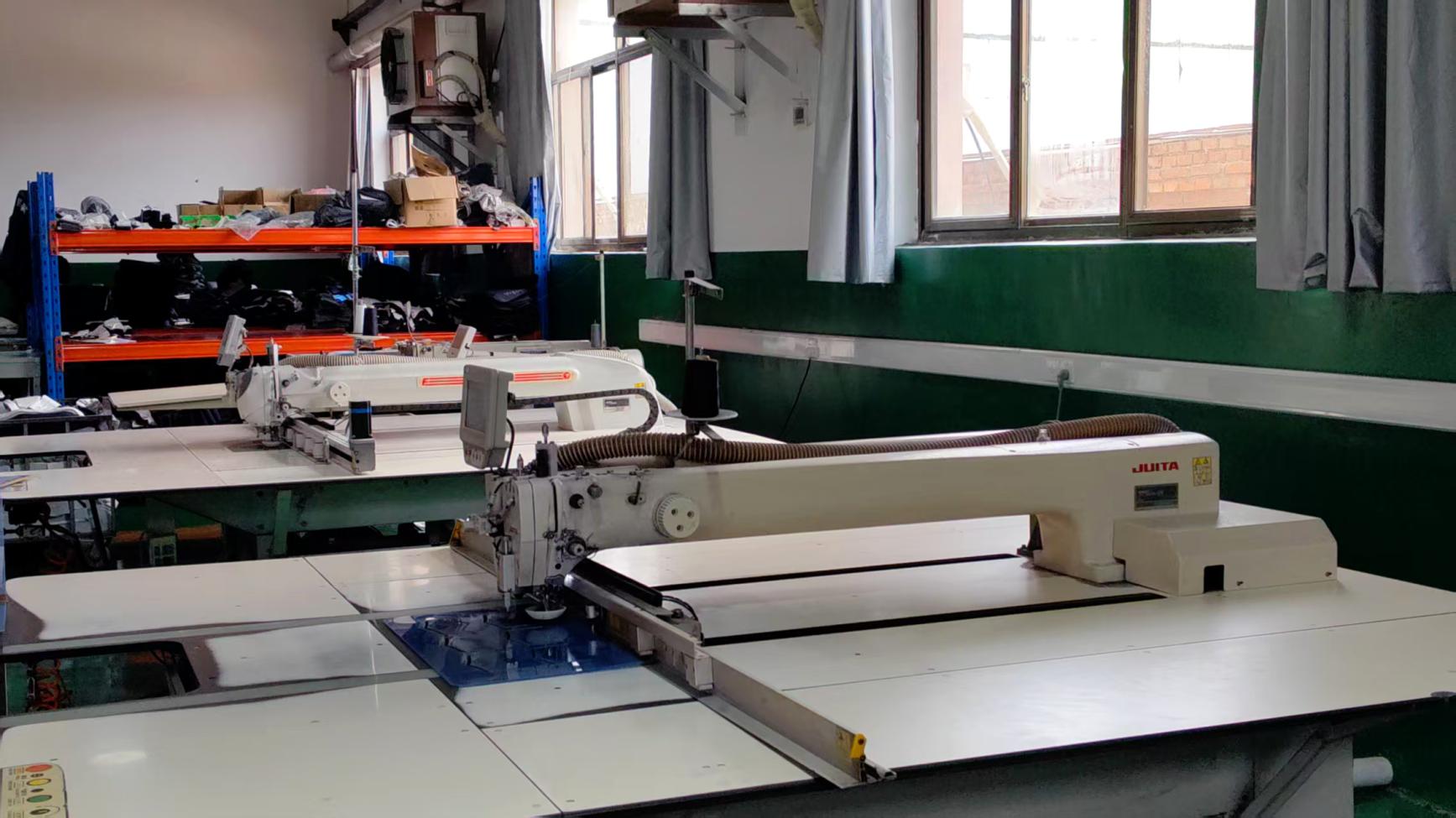
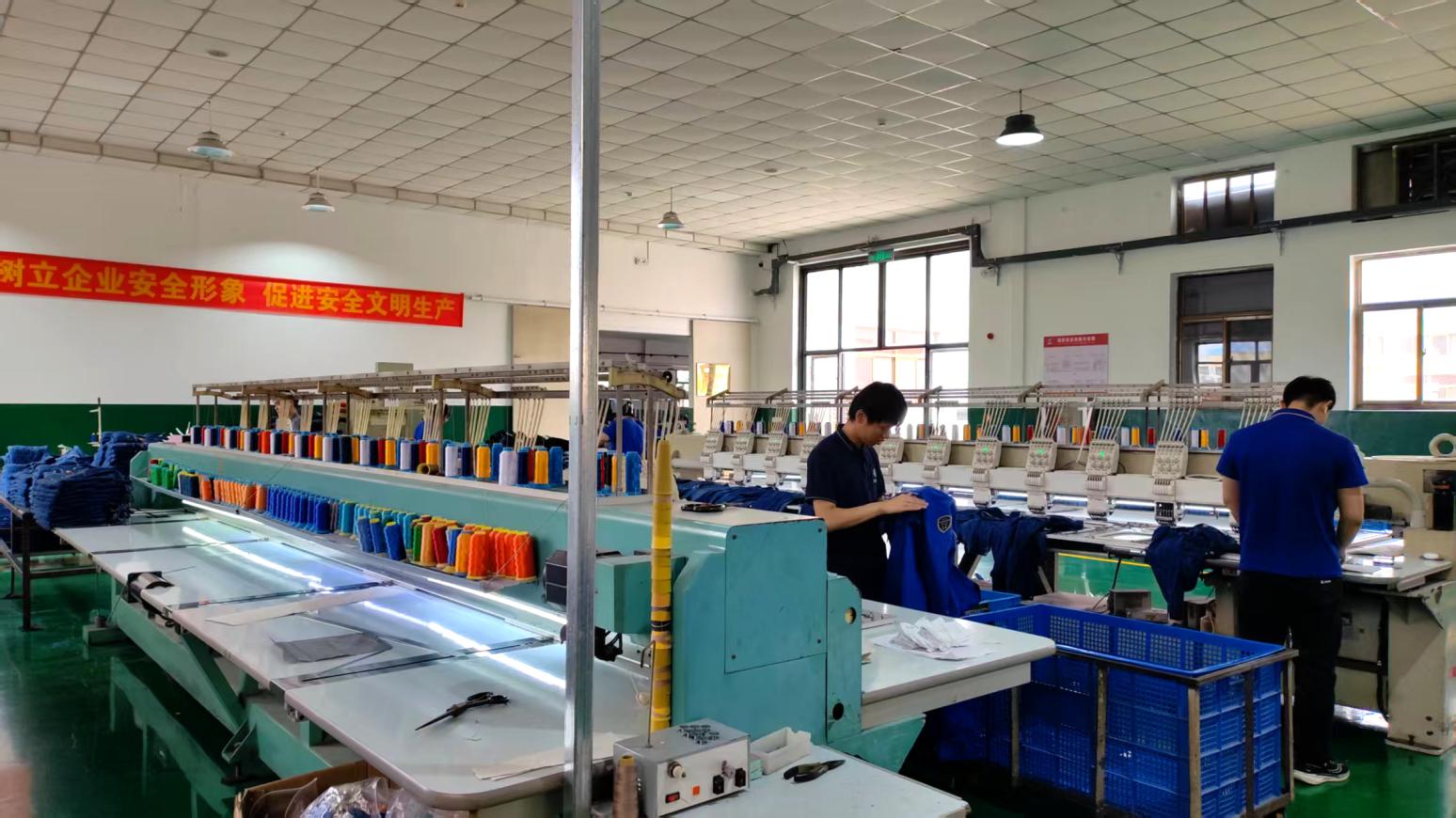
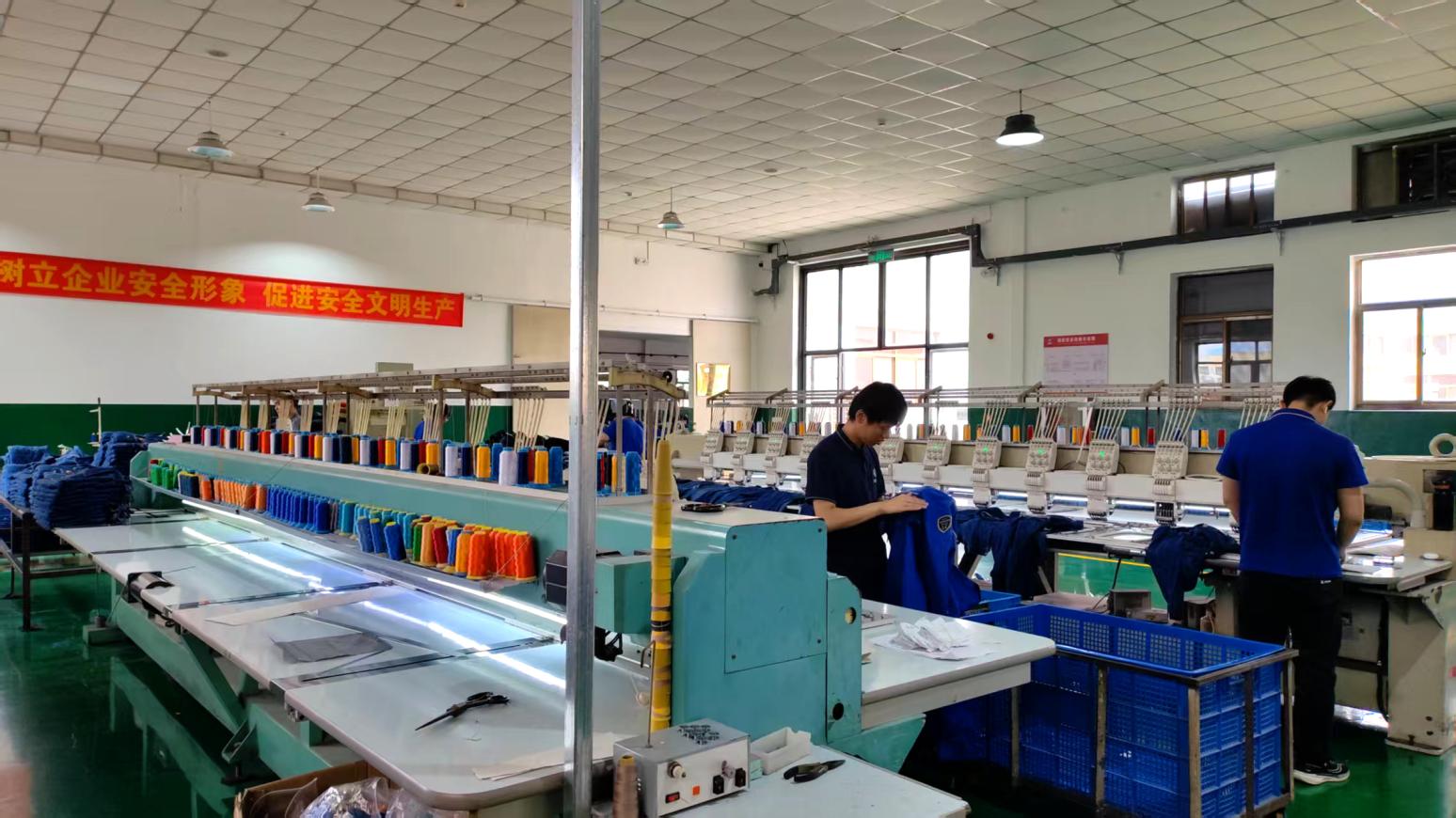
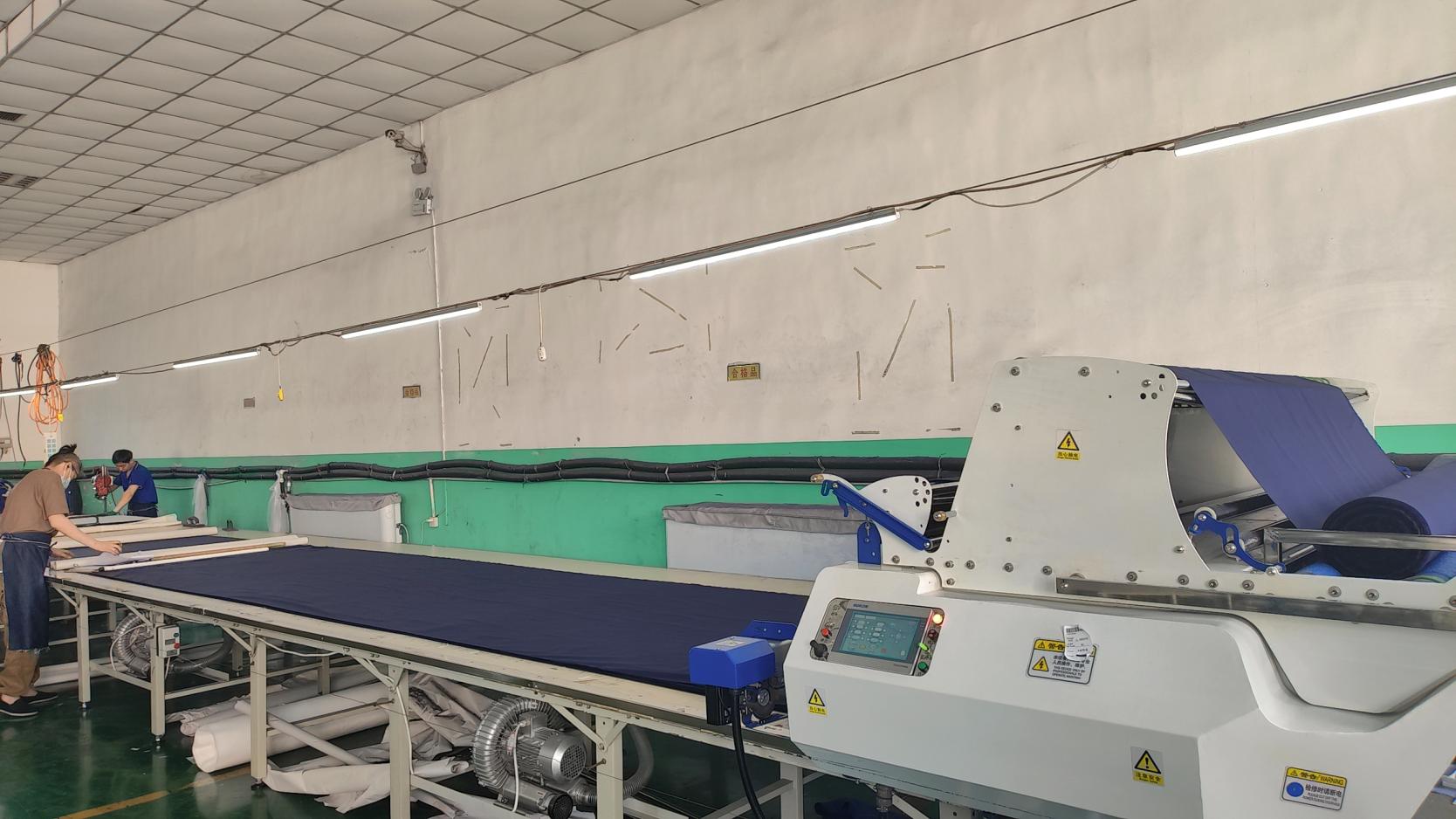
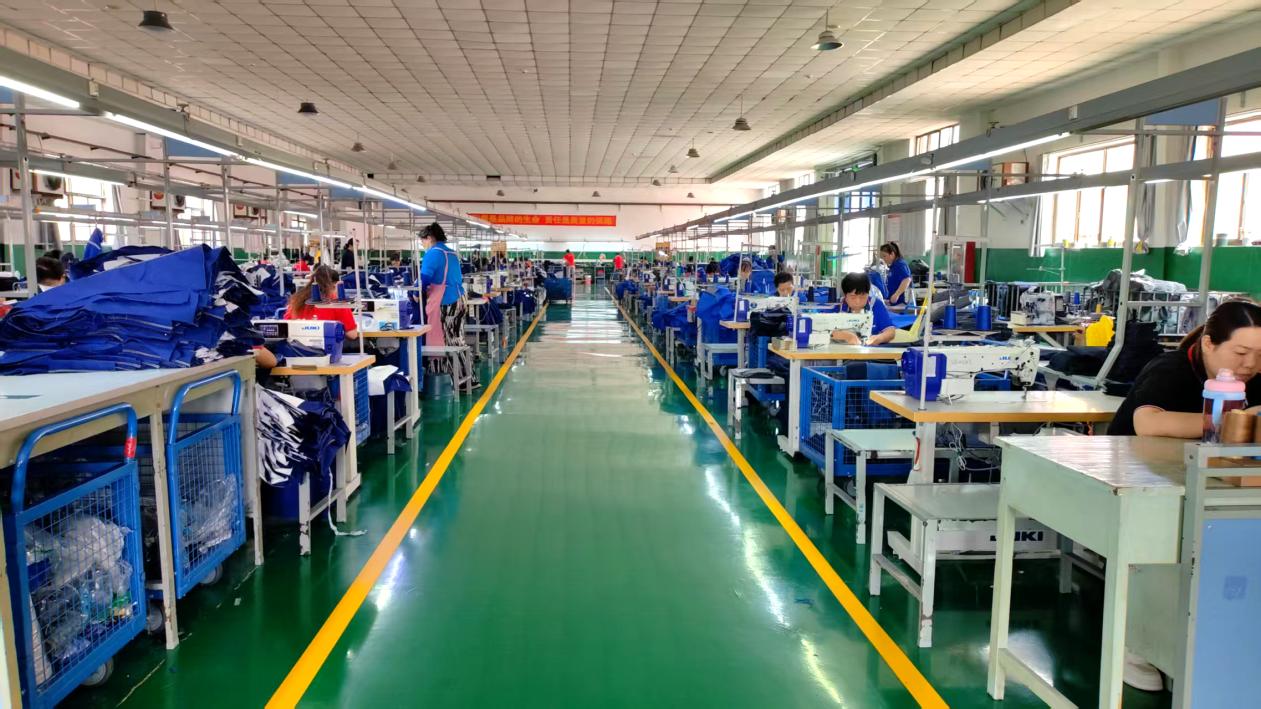
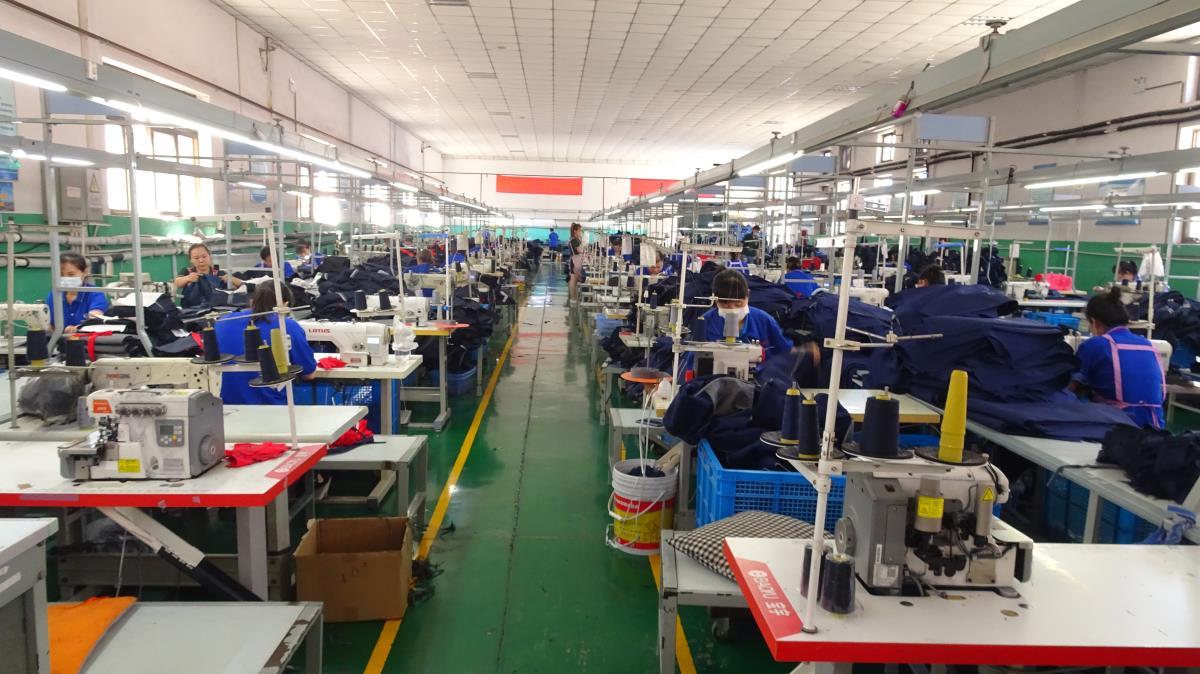
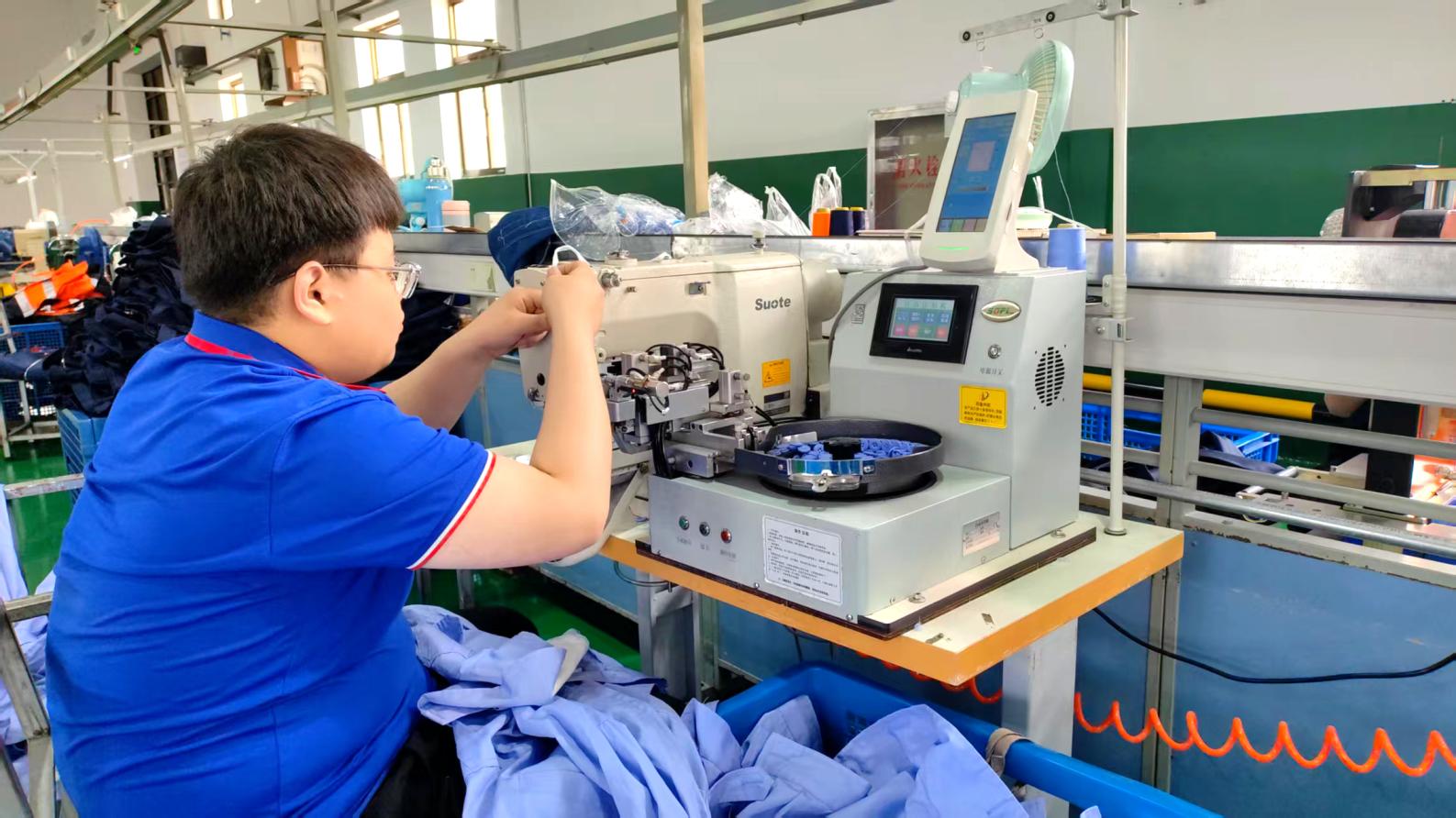
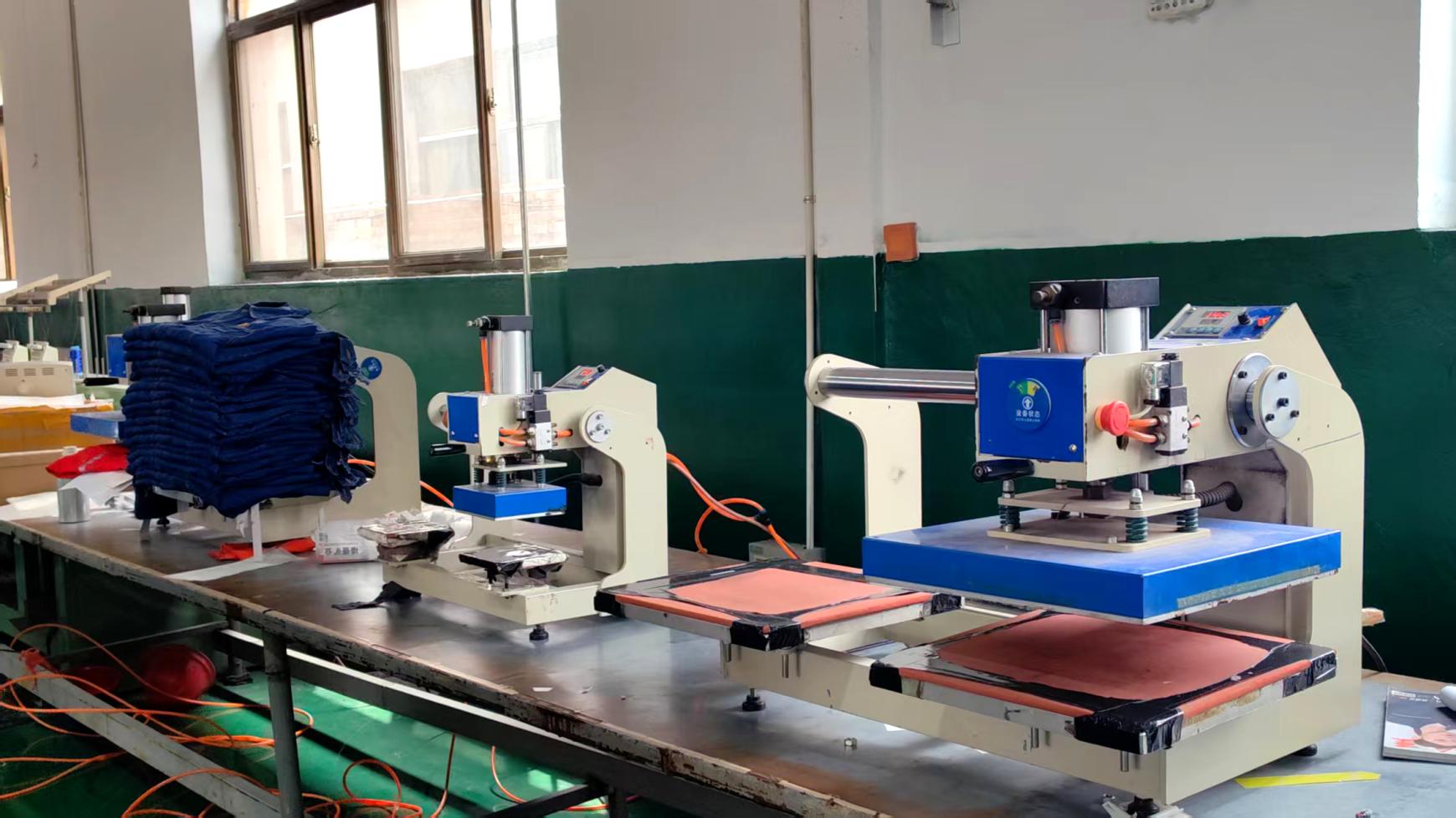
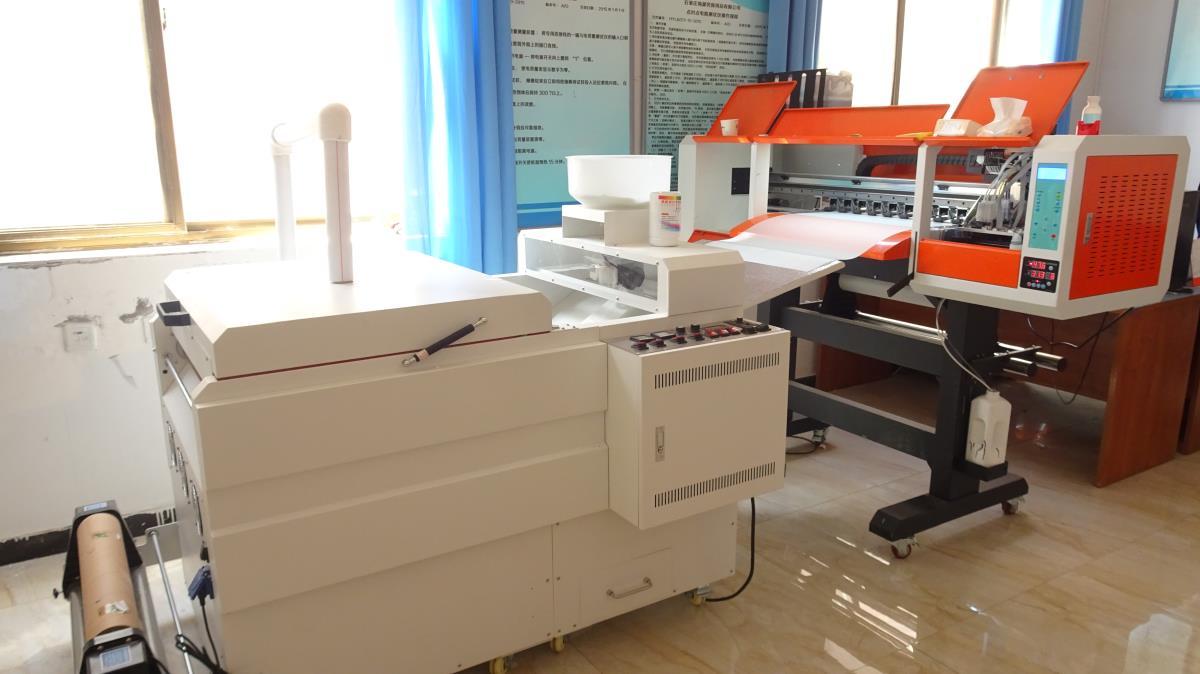
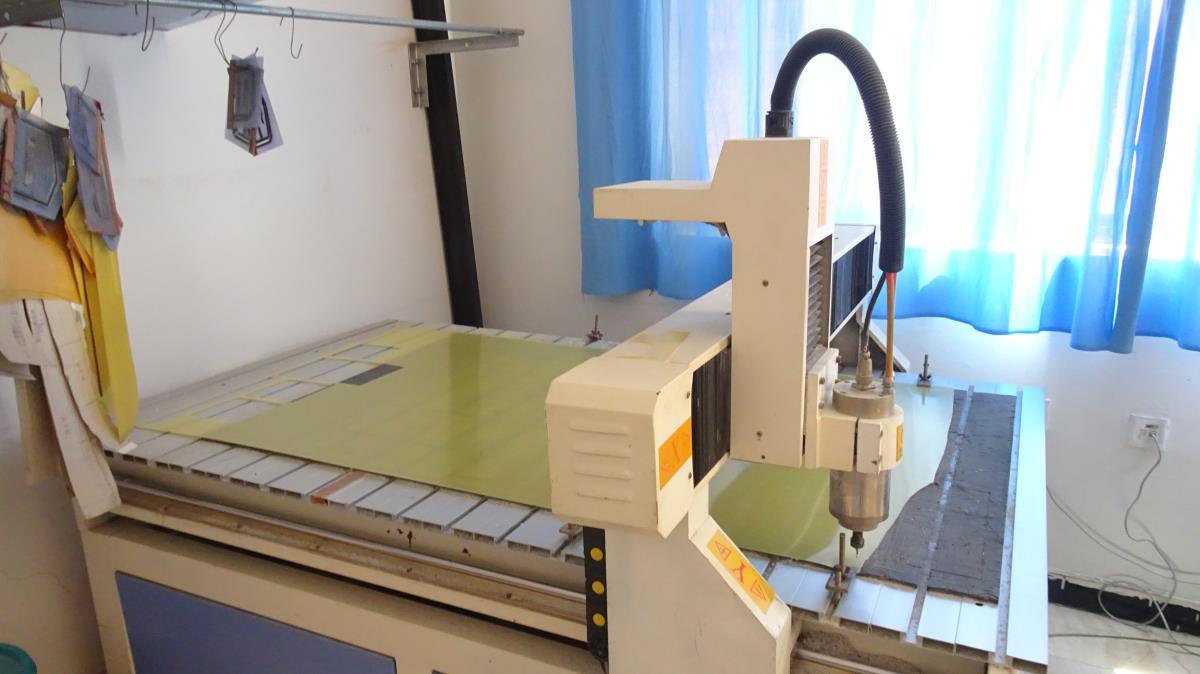
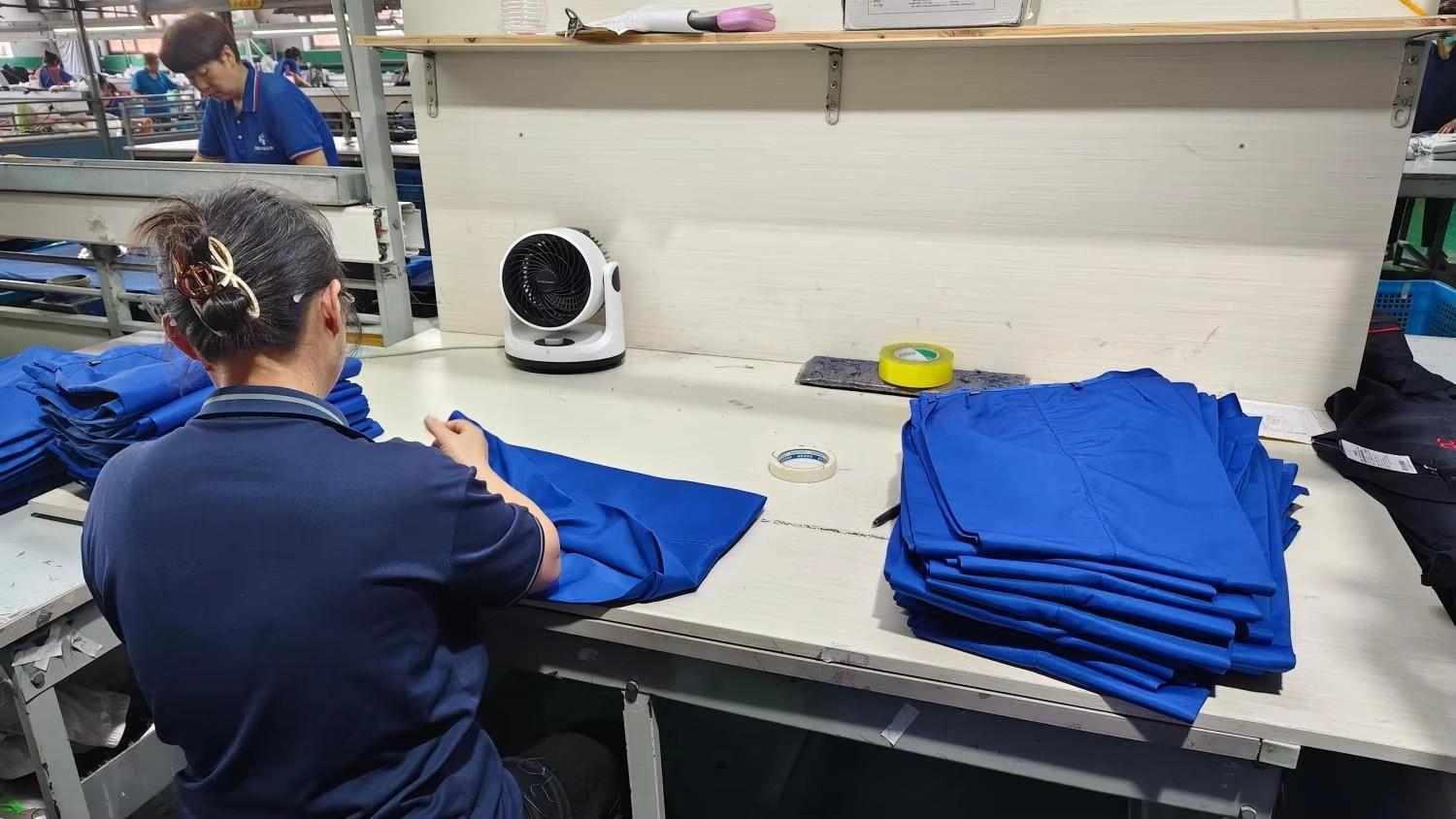
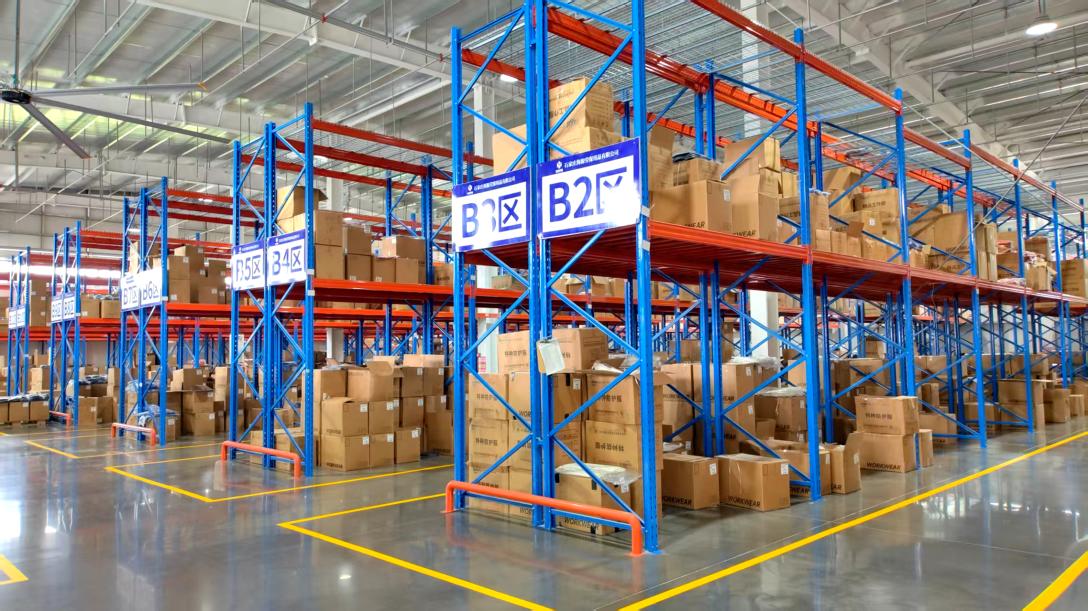
The global textile and apparel industry has undergone significant relocation over the past two decades. However, China—specifically the Guangdong textile cluster—remains the leading hub for technical and protective workwear. This sustained leadership is driven by several key factors:
Modern workwear is evolving past basic functional utility. High-performance design trends are reshaping procurement decisions across several sectors:
Global enterprises are incorporating environmental footprint metrics into their vendor evaluations. This shift drives demand for workwear made from recycled polyester (rPET), organic cotton, and biodegradable fibers. Factories must maintain verified chains of custody (e.g., Global Recycled Standard certification) alongside their CE markings to verify compliance.
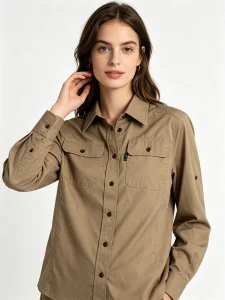
The distinction between formal corporate wear and functional field workwear is softening. Modern professionals demand crossover apparel that combines safety features with comfortable, casual cuts. This trend is reflected in the demand for customized business blouses, technical joggers, and refined office skirts that offer flexibility, durability, and a professional look.
With changing global weather patterns, outdoor crews require multi-layered clothing systems. Rainwear with advanced breathability metrics, modular softshell liners, and windproof outer layers are now standard in infrastructure, logistics, and marine services procurement projects.
To maximize protective performance, workwear designs must align with specific industry hazards and operational conditions. Custom solutions ensure garments perform reliably in their intended environments:
Workers in these fields face mechanical hazards, abrasions, and low-visibility conditions. The recommended configuration includes heavy-duty cargo pants reinforced with Cordura knees, triple-needle stitching, and high-visibility panels conforming to EN ISO 20471 Class 2 or 3 standards.
For warehouse crews and transport fleets operating in variable temperatures, the focus is on thermal regulation and flexibility. Windproof, water-resistant softshells combined with breathable knit shirts allow staff to move freely while maintaining comfortable body temperatures.
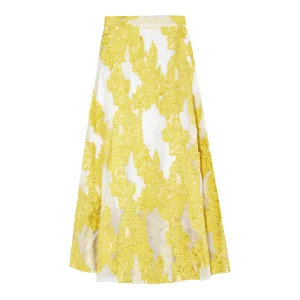
Front-office teams, inspectors, and site supervisors require professional clothing that reflects brand authority. Customized, breathable wool-blend suit jackets, customized business shirts, and high-waisted midi skirts provide a polished corporate look while ensuring comfort during site walk-throughs.