Barjeel Fashion Barjeel Fashion

Why Are Oversized Clothes Trending in 2026?

Time:2026-09-25 Author:Oliver
0%

Walk through a café, airport, or college hallway in 2026, and oversized clothing is hard to miss: broad-shouldered jackets, roomy jeans, and sleeves falling over the wrists. The look feels relaxed, but it is not simply a matter of choosing a larger size. Designers are shaping garments with deliberate proportions, from dropped shoulder seams to wider trouser legs. That difference affects how the clothes hang and move.

So, why are oversized clothes trending right now? Comfort is part of the answer. Loose cuts allow easier movement and suit the layered outfits many people wear across changing temperatures. Social media and streetwear have also helped make roomy silhouettes familiar, while secondhand shopping gives older, generously cut pieces new life. Still, comfort alone does not explain everything. A very wide jacket can feel cumbersome, and an oversized fit may overwhelm a smaller frame if its length or proportions are off. Not always flattering.

This guide looks at the forces behind the trend, how oversized clothing has changed, and what to consider when wearing it. Fit depends on more than a label. Check the shoulder line, sleeve length, and fabric weight; a soft cotton shirt drapes differently from a stiff denim jacket. These details are practical, not strict rules. Trends can make certain shapes seem universal, but personal comfort and proportion still matter. And sometimes, the outfit just feels a little too big. That is worth noticing, too.
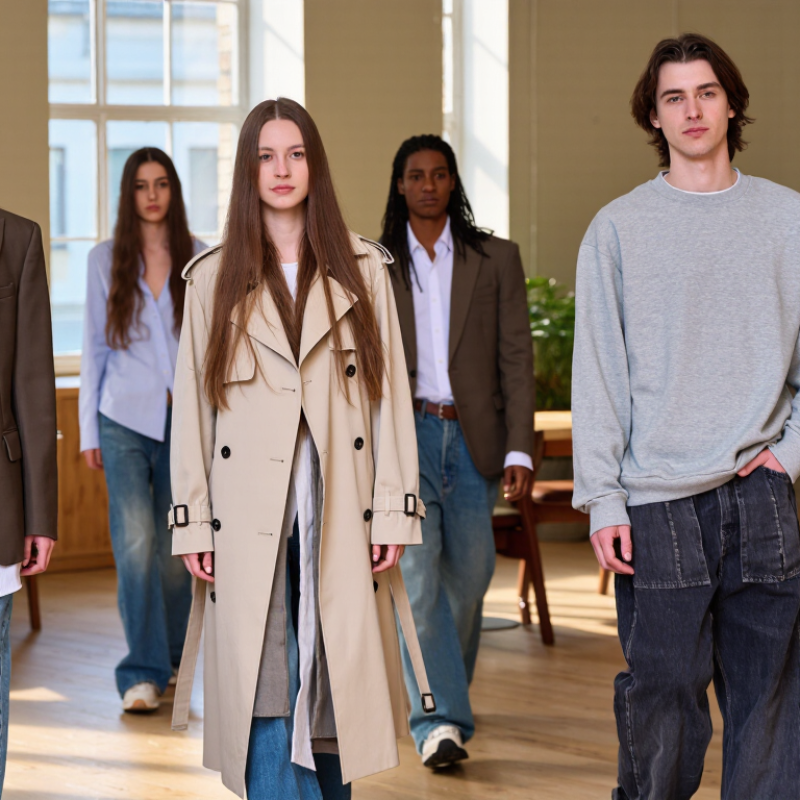
Why Are Oversized Clothes Trending in 2026?

What Defines Oversized Clothing in 2026?

Oversized clothing is not simply a larger size. It is a deliberate fit: extra room through the chest, waist, sleeves, or legs, often paired with dropped shoulders or longer hems. The garment should hang away from the body without swallowing its shape. Not just bigger. A roomy shirt may still have a defined collar and clean cuffs; wide trousers can sit securely at the waist while falling loosely over shoes. Fabric matters, too. Stiff denim holds a broad outline, while soft jersey drapes closer and can look less oversized.

There is no single industry-wide measurement that defines “oversized.” ASTM International’s body-measurement tables describe body dimensions for standard apparel sizing, not how much ease a designer should add. That distinction is useful when comparing a size label with the actual garment measurements. McKinsey and Business of Fashion’s State of Fashion 2024 projected 2–4% global fashion-industry growth for that year, a reminder that brands compete for attention in a cautious market. The figure does not prove why oversized silhouettes are popular, though. That boundary is messy. In practice, check shoulder seams, garment width, and length against your own clothes; a label alone can mislead, and oversized fits do not flatter or feel comfortable on everyone.

How Oversized Fashion Evolved into the Mainstream

Oversized fashion did not become mainstream in a single season. Roomy cuts have long appeared in workwear and sportswear, where extra fabric allows movement and layering. Later, music and skate scenes helped make loose silhouettes a visible style choice. The shift was cultural as much as practical. Fit became less about outlining the body and more about shaping a look. Not just comfort.

By the 2010s, social media made outfit ideas travel quickly, and relaxed proportions appeared in everyday wardrobes. A broad shirt over straight-leg trousers could look deliberate, especially when sleeves were rolled or a hem was tucked. More people also began treating comfort as part of personal style, not a reason to dress down. That change helped oversized clothing move from subculture into shops, offices, and streetwear.

The story is not perfectly neat. Oversized can mean ease, but it can also mean too much fabric in the wrong places. Shoulder seams, sleeve length, and the weight of a coat still affect how a garment sits. A large size alone does not create a balanced silhouette. It takes some trial and error; even a favorite outfit can feel awkward in a different fabric. That tension is part of the trend’s appeal: the shape looks relaxed, but the choices behind it can be quite precise.

Why Are Oversized Clothes Trending in 2026? — How Oversized Fashion Evolved into the Mainstream
Period How the Silhouette Appeared Cultural and Practical Drivers How It Reached the Mainstream Relevance to 2026
1920s Women’s fashion moved away from the tightly shaped waist of earlier styles toward straighter, looser silhouettes, including the drop-waist dress. Changing social roles and a desire for less restrictive clothing helped reshape everyday dress. Looser shapes became a defining feature of fashionable daywear and eveningwear for women. Shows that relaxed proportions have a long history and are not a recent invention.
1940s Utility clothing favored practical cuts and functional details; wartime restrictions affected fabric use and garment design in several countries. Material shortages and the practical demands of wartime life influenced what could be made and worn. Functional clothing became a visible part of everyday wardrobes, although it was not the same as today’s deliberately oversized styling. Practicality remains one reason people choose comfortable, easy-to-wear clothes.
1980s Broad shoulders, roomy jackets, and relaxed tailoring became prominent in some mainstream looks. Power dressing and dramatic proportions made clothing appear more structured and visually assertive. Oversized outerwear and tailoring moved beyond subcultures into widely visible fashion. Demonstrates how a larger silhouette can communicate confidence as well as comfort.
1990s Baggy jeans, loose T-shirts, roomy sweatshirts, and relaxed streetwear gained visibility. Hip-hop, skate culture, and other youth scenes helped popularize looser fits. Music, entertainment, and street style carried relaxed proportions into broader youth fashion. Many current oversized staples—such as loose denim and roomy tops—draw on this era.
2000s–2010s Relaxed denim and casual basics coexisted with slimmer fits; later, normcore and athleisure made comfortable casual clothing more familiar. Everyday dressing increasingly included sneakers, sweatshirts, and versatile casual pieces. Casual wear became a routine part of wardrobes across a wider range of settings. Helped make comfort-led dressing familiar before oversized silhouettes returned to the foreground.
2020–2022 Roomy loungewear, sweatpants, loose shirts, and comfortable layering became especially visible during periods of more time spent at home. Remote work and changes in daily routines increased the appeal of comfortable clothing. Comfort-focused dressing moved from homewear into everyday casual outfits. Strengthened expectations that clothing should feel comfortable as well as look intentional.
2023–2026 Oversized shirts, wide-leg trousers, relaxed denim, roomy jackets, and loose knitwear appear in a range of contemporary outfits. Versatility, ease of movement, layering potential, and the continued influence of streetwear and casual dressing support the appeal. Relaxed fits are now commonly styled for casual settings and, depending on the garment and workplace, some smart-casual occasions. Oversized fashion remains relevant because it can be adapted across seasons and personal styles. The trend varies by region, age group, and setting; it is not a uniform preference.
Why It Works Now Volume can be concentrated in one piece—such as a roomy jacket—or balanced across an outfit with fitted and relaxed items. People can prioritize comfort, experiment with proportion, and layer garments without relying on a single fixed silhouette. Accessible styling options help oversized pieces fit into existing wardrobes rather than requiring a complete change of style. Oversized describes a fit or styling choice, not a guarantee of comfort or suitability; proportion, fabric, and context still matter.

Why Comfort and Versatility Drive Its Popularity

Oversized clothes are popular because they make everyday dressing feel less restrictive. A roomy shirt lets you reach, sit, and carry a bag without tugging at the fabric. Soft trousers leave space for movement during a long commute or a slow afternoon at home. That matters. Comfort is not just about softness; it also depends on whether clothes work with the day ahead. Still, extra fabric can feel cumbersome in hot weather or snag on a crowded bus. Bigger is not automatically better.

Versatility adds to the appeal. A loose button-up can sit over a simple top, while a wide sweater pairs easily with straight-leg trousers. One layer can move from a cool office to an evening walk. For balance, some people keep one part of an outfit closer to the body, such as a fitted shirt beneath a relaxed jacket. It is a useful guideline, not a rule. In practice, sleeves may cover the hands, or a hem may overwhelm a shorter frame. Trying different proportions takes time, and some combinations simply do not work. Oversized dressing feels most practical when comfort and ease of movement matter more than following a precise silhouette.

How Social Media and Streetwear Shape the Trend

Oversized clothing travels well on a phone screen. A broad shoulder, dropped seam, or long sleeve reads clearly in a quick video, even before viewers notice fabric or construction. DataReportal’s Digital 2025 Global Overview counted 5.24 billion social media user identities worldwide. That reach gives outfit videos, styling tutorials, and streetwear communities a huge audience. The effect is visual. A creator can show one loose jacket styled three ways, prompting viewers to copy the proportions rather than a specific label.

Streetwear adds context: roomy silhouettes can signal comfort, ease, and belonging to a scene. Social platforms turn those cues into repeatable styling ideas, from pooling trousers to layered tees. PwC’s 2024 Voice of the Consumer Survey found that 46% of respondents had bought products through social media. That figure covers many product categories, not oversized clothing specifically, but it shows how feeds can connect inspiration with shopping. Still, a viral fit is not proof that every body or setting suits the same cut. I may be giving the algorithm too much credit; personal styling and practical comfort matter offline. A stiff oversized coat can swamp a shorter frame, while a soft, structured shoulder may feel intentional.

Who Oversized Clothing Serves and How It Is Styled

Oversized clothing serves more than one kind of wearer. A relaxed cut can make room for movement, changing layers, or a body that does not fit standard sizing neatly. It may also feel less restrictive during long commutes or busy days. A broad-shouldered shirt, for example, can sit comfortably without pulling across the back. That matters. Still, “oversized” should not mean simply buying several sizes up. The shoulder seam, sleeve length, and fabric weight affect how a garment hangs. A thin, very large top can collapse rather than create a deliberate shape.

Styling works best when volume feels considered. Pair a roomy jacket with straight-leg trousers, or balance wide pants with a shorter, close-fitting top. If you prefer loose layers throughout, show a wrist, ankle, or neckline to give the outfit a clear edge. A cuff turned twice can change the feel of a long sleeve. Soft cotton drapes differently from structured denim, so check how fabric moves when you sit and walk. There is no single flattering proportion for everyone. I still find some oversized outfits look more accidental than relaxed, especially when every piece hides the waist and shoulders. Try one generous piece at a time, then adjust from there.

FAQS

Why do people choose oversized clothing?

Roomy shirts and soft trousers allow easier movement during commutes or quiet afternoons. Comfort matters.

Does oversized clothing work in hot weather?

Not always. Extra fabric can feel warm or snag on a crowded bus.

How can I style a loose shirt?

Layer it over a simple top and pair it with straight-leg trousers. Roll the sleeves if they cover your hands.

Should oversized clothes be several sizes larger?

Not necessarily. Check the shoulder seams, sleeve length, and fabric weight for a relaxed shape.

How can I balance a roomy outfit?

Pair wide trousers with a shorter, closer-fitting top. It is a guideline, not a rule.

Which fabrics work well for oversized outfits?

Soft cotton drapes differently from structured denim. Sit and walk in the garment to see how it moves.

Can oversized clothing suit different body shapes?

A relaxed cut can allow room for movement and layers. Fit varies, so one shape will not work for everyone.

How can I make loose layers look intentional?

Show a wrist, ankle, or neckline for a clear edge. Still, some combinations may look accidental.

Conclusion

Oversized clothing in 2026 is defined by relaxed proportions, dropped shoulders, roomy sleeves, and silhouettes that offer more ease than traditional fitted styles. Once associated mainly with casual and streetwear looks, it has become a mainstream choice as people embrace clothing that feels comfortable while still looking considered. Its appeal comes from versatility: a loose shirt, jacket, or pair of trousers can be layered, balanced with more fitted pieces, or styled for different occasions.

So, why are oversized clothes trending right now? Social media and streetwear culture have helped make expressive, relaxed outfits more visible, while the practical comfort of roomy clothing keeps it appealing in everyday life. The trend can suit many body types and personal styles, with thoughtful proportions and layering helping each wearer create a look that feels both easy and individual.

Oliver

Oliver

Oliver is a seasoned marketing professional with a wealth of expertise in driving brand awareness and engagement. With a deep understanding of our company's product offerings, he consistently delivers high-quality content that enriches our professional blog. His insights not only shed light on......