Barjeel Fashion
Luxury brands often evoke fascination and a sense of exclusivity. But, why are luxury brands so expensive? Industry expert Dr. Emily Roth, a well-respected luxury goods analyst, notes, "Pricing in luxury is not just about the product; it's about the experience, the story, and the prestige." This sentiment underscores the multi-faceted nature of luxury brand pricing.
A report by Bain & Company indicates that the global luxury market is expected to reach €1.3 trillion by 2025. High-profile brands invest significantly in craftsmanship, premium materials, and marketing, pushing prices higher. These investments create a perception of rarity, which consumers are willing to pay for.
However, the high cost can be puzzling for many. Consumers often question what justifies such pricing. Is it the brand story, the craftsmanship, or the social signals they send? Even in a world where sustainability and ethics are increasingly prioritized, some luxury brands have been criticized for their lack of transparency. This complexity invites ongoing reflection about value in luxury consumption. The answer to why luxury brands are so expensive is not just about prices; it’s deeply woven into the fabric of culture and human desire.
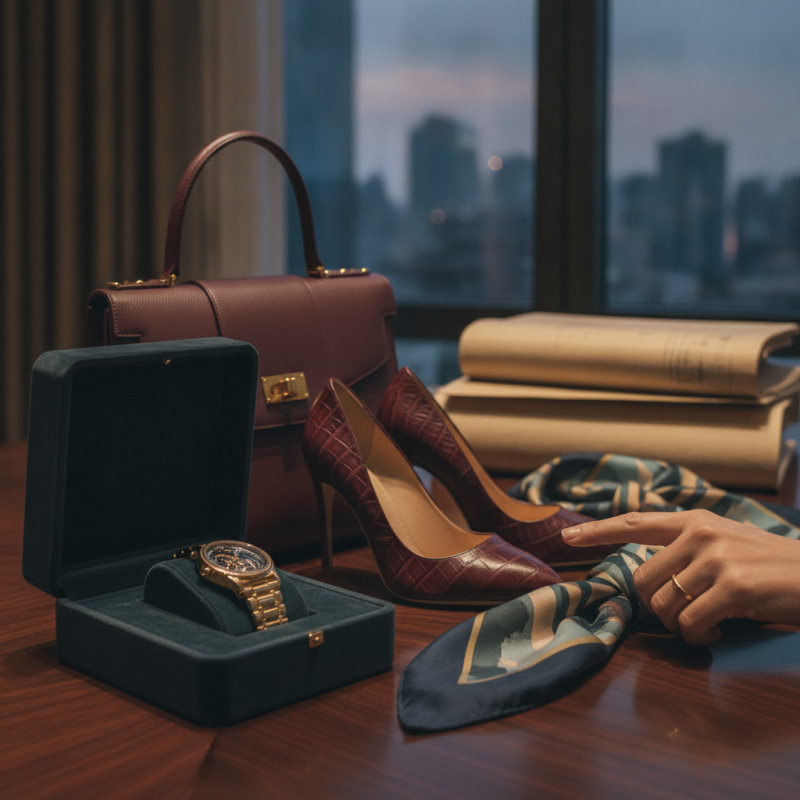
The price of luxury brands is influenced by several key factors. One major aspect is the craftsmanship involved in making these products. Artisans often require years of training to perfect their skills. This labor-intensive process contributes significantly to the final cost. Moreover, the materials used are usually of the highest quality. Rare and premium materials demand higher prices, driving up the overall cost of production.
Exclusivity plays a crucial role as well. Limited production runs create a sense of scarcity. When products are rare, they hold more value in the consumer's mind. Marketing strategies also impact pricing. Luxury brands often invest heavily in advertising and influencer partnerships. This increases brand visibility and desirability, which can justify higher price tags.
Perception of prestige cannot be overlooked. Consumers often associate higher prices with superior quality and status. However, this can lead to a complex relationship with luxury. People may question the true value of what they are purchasing. The need for validation can drive some to spend excessively. It’s a delicate balance between quality and price.
Luxury brands often draw on a rich history, which adds significant value to their products. Brand heritage fosters a unique narrative. These stories can span generations, evoking feelings of nostalgia and exclusivity. As consumers become more aware of this history, they are often willing to pay a premium. This emotional connection is crucial for justifying high prices.
Reputation plays a vital role in pricing as well. Established brands build trust over time. Customers believe that a high price correlates with superior quality and craftsmanship. When a brand consistently delivers luxury products, it reinforces this perception. Yet, one must consider if the price truly reflects the value. Some consumers might wonder if they are paying for a polished reputation rather than tangible benefits.
Moreover, brand reputation can be fragile. A single misstep can tarnish years of goodwill. Consumers closely watch how brands handle controversies or shifts in values. In the luxury sector, this can lead to a swift decline in trust, impacting sales. The intricacies of brand heritage and reputation make pricing a complex issue, inviting reflection on what luxury truly means.
Luxury brands often carry a hefty price tag, largely due to their materials and craftsmanship. The choice of high-quality materials is a key factor. For instance, fine leather, rare gemstones, and unique fabrics can significantly elevate production costs. Each component is carefully selected for its quality and durability, ensuring the final product meets high standards.
Craftsmanship plays a crucial role in the value of luxury goods. Many items are handmade, requiring skilled artisans with years of experience. This labor-intensive process can take weeks or even months. Every stitch, every detail is meticulously crafted, which is time-consuming. Some brands emphasize traditional techniques passed down through generations. This dedication to craft adds layers of value that mass-produced items simply cannot match.
However, the luxury market raises questions about sustainability and ethical sourcing. The pursuit of perfection can overlook environmental impacts. Consumers encourage brands to reflect on their practices. A balance must be struck between quality and responsibility. As the conversation around luxury evolves, transparency and ethical practices are becoming vital. Luxury is not just about price; it’s about value in every sense.
Scarcity plays a crucial role in the pricing of luxury brands. High-end goods are often produced in limited quantities. This creates a perception of exclusivity. According to a report by Bain & Company, the global luxury market is projected to reach €1.5 trillion by 2025. As demand rises, so does the importance of rarity. When consumers perceive that a product is hard to obtain, they are willing to pay more.
The allure of exclusivity is backed by data. A survey from McKinsey found that 70% of consumers believe uniqueness is a key driver of luxury. Households that earn over $100,000 spend nearly 3.5 times more on luxury items than those with lower incomes. The limited availability of luxury goods ensures that only a select few can enjoy them. This exclusivity not only bolsters prestige but also enhances perceived value.
While luxury items captivate consumers, not all are beneficial investments. Some brands inflate prices without delivering quality. Consumers should critically assess what they are buying. The desire for status can lead to impulsive purchases. Thus, a balance between desire and rationality is essential. The dynamics of scarcity and consumer perception shape the luxury market significantly.
Luxury brands often command high prices due to their carefully crafted marketing strategies. These brands create an aura of exclusivity and prestige. The perception of luxury is meticulously shaped by narrative and imagery. Effective storytelling enhances the appeal and desirability of products. This ultimately influences consumer behavior significantly.
Perception plays a crucial role in luxury pricing. Many consumers equate high prices with quality and status. The belief that luxury items are superior fuels demand. Limited availability adds to this perception. However, the challenge lies in maintaining the balance between accessibility and exclusivity. It is not always easy for brands to navigate consumer expectations while preserving their esteemed image.
Moreover, this strategy often leads to reflections on value. Are we paying for the product itself or the status it brings? Consumers may need to reassess what luxury means to them. The allure of prestige can sometimes cloud judgment. Understanding the true essence of luxury can lead to more informed choices. They may discover that value can also lie in craftsmanship, heritage, and genuine quality.
| Dimension | Value |
|---|---|
| Brand Heritage | Over 100 years |
| Average Price Range | $500 - $5000 |
| Material Quality | High-grade materials |
| Production Scale | Limited editions |
| Target Market | Affluent consumers |
| Marketing Spend | 20% of revenue |
| Customer Loyalty | 80% repeat purchases |
| Brand Perception | Status symbol |
: Key factors include craftsmanship, quality of materials, exclusivity, and marketing strategies.
Skilled artisans invest years in training. This labor-intensive work adds to the product's cost.
High-quality, rare materials increase production costs, raising the final price for consumers.
Limited production creates scarcity. Scarcity enhances perceived value in the consumer's mind.
Heavy investment in advertising boosts visibility and desirability, justifying higher prices.
Many believe higher prices indicate better quality. This perception drives demand for luxury items.
Balancing accessibility while maintaining exclusivity is difficult. Brands must navigate consumer expectations carefully.
Reflecting on what luxury means can help. Understanding true value goes beyond just price.
The desire for prestige can lead to overspending. This complicates the understanding of true luxury.
Value can come from craftsmanship, heritage, and genuine quality, not just the brand name.
Luxury brands often evoke curiosity regarding their high price tags, prompting the question: why are luxury brands so expensive? Several factors contribute to this phenomenon. Firstly, brand heritage and reputation play a critical role; established luxury brands leverage their history and prestige to justify higher prices. Additionally, the quality of materials and craftsmanship is paramount, as luxury goods usually involve meticulous craftsmanship and premium materials, leading to hidden costs that elevate their value.
Furthermore, market demand and exclusivity significantly impact pricing, as scarcity often drives prices up. Limited production runs and exclusive collections create a sense of urgency and desirability among consumers. Lastly, marketing strategies that shape the perception of luxury also influence pricing, as brands invest heavily in promoting an image of prestige and sophistication. Together, these elements create a comprehensive understanding of why luxury goods command such high prices in the market.
