Long-haul travel is becoming a larger wholesale opportunity. IATA’s 2024 passenger forecast estimated 4.96 billion air travelers worldwide. That scale creates demand for clothing that performs beyond the airport lounge. Travelers want soft fabrics, practical layers, and a polished appearance after many hours in the cabin. The right answer to “what to wear on a long haul flight” is not simply loose clothing. It combines comfort, movement, temperature control, and easy care.
Cabin conditions can change quickly. Cold air may meet warm terminals, crowded transfers, and long security queues. The U.S. Centers for Disease Control and Prevention notes that trips longer than four hours can increase blood-clot risk, particularly during prolonged sitting. Clothing should never restrict the waist, knees, or ankles. Stretch trousers, breathable tops, and lightweight cardigans offer useful flexibility. Shoes should slip off easily, yet remain stable during walking. Small details matter.
For China wholesale buyers, versatile sets can serve airlines, travel retailers, uniform suppliers, and online fashion stores. Polyester blends may dry quickly, while cotton and modal can provide a softer hand feel. However, fabric claims need verification. “Breathable” should describe tested performance, not a vague label. There is no perfect flight outfit. Personal preference, climate, medical needs, and airline policies still matter. A passenger in winter boots may disagree. This guide compares practical clothing choices, supplier considerations, and comfort-focused design details, using recognized travel and health sources rather than empty fashion promises.
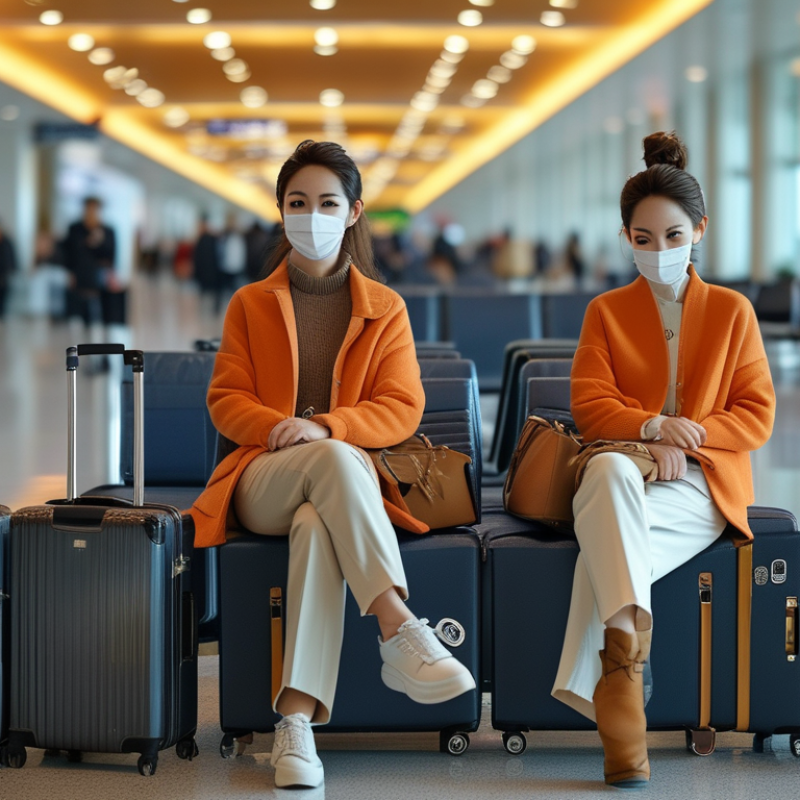
China Top Wholesale Guide: Long-Haul Flight Wear for 4.7B Annual Travelers
China Top Wholesale Guide: Long-Haul Flight Wear for 4.7B Annual Travelers
With 4.7 billion annual travelers, long-haul clothing needs to serve comfort, movement, and practical travel routines. Wholesale buyers should select soft, breathable fabrics with moderate stretch. Cotton blends, recycled polyester, and lightweight knits can reduce wrinkles during extended sitting. Avoid overly loose designs. They may catch on seat hardware or luggage wheels.
A useful flight outfit includes a relaxed top, flexible trousers, and a light outer layer. Flat seams can reduce irritation after several hours. Secure pockets should hold a passport, phone, or charging cable. Adjustable waistbands help travelers manage changing comfort levels. Neutral colors also support wider retail appeal. Keep sizing consistent across every production batch.
Suppliers should test shrinkage, colorfastness, seam strength, and fabric recovery before placing large orders. Ask for measurement charts and pre-production samples. Check the garments after washing, not only after pressing. This step often exposes weak elastic or twisting seams. I still see buyers focus too heavily on appearance. That can be a costly mistake. Cabin temperatures vary, and one fabric will not satisfy everyone. A small trial order can reveal real customer reactions before larger wholesale purchasing.
Choose Breathable Layers for Aircraft Cabins at 10–20% Humidity
On a long-haul flight, cabin humidity may fall to 10–20 percent. That dry air can make skin feel tight and fabrics feel harsher. Breathable layers help regulate comfort without adding bulk. A soft cotton or lightweight merino base layer allows airflow near the skin. Choose a loose fit around the chest, waist, and knees.
Aircraft temperatures can change during boarding, meals, and sleep. A thin long-sleeve shirt works better than one heavy sweater. Add a light cardigan or unlined overshirt with simple, flat seams. Avoid thick elastic bands. They can feel restrictive after several hours. I once chose a warm fleece for an overnight flight, but it trapped heat quickly. My better choice would have been two lighter layers.
For wholesale selection, check fiber content, fabric weight, seam finishing, and wash stability. Breathability is not just a marketing word. A practical test is to hold the fabric over your mouth and breathe through it gently. Air should pass without strong resistance. Natural fibers can feel comfortable, while some technical blends dry faster and resist wrinkles. However, blends may increase static in dry cabins. This detail is easy to overlook.
Prioritize washable, neutral designs that suit airport transfers and arrival weather. Soft waistbands and stretch panels support long sitting. Keep the outer layer easy to remove. Small improvements matter.
Select 15–30 mmHg Compression Socks for Extended Sitting Comfort
On a long-haul flight, hours of sitting can leave ankles tight and calves heavy. I usually put compression socks on before leaving home, when my legs are not swollen. The 15–30 mmHg range offers graduated pressure, with stronger support around the ankle. It may help improve venous return during extended sitting.
Fit matters more than appearance. Measure the ankle and calf in the morning, then compare those measurements with the supplier’s size chart. A good pair should feel firm, not painful. The fabric should lie flat under the heel, without wrinkles behind the knee. Check the toe area after boarding; numbness, tingling, or unusual coldness suggests a poor fit.
For wholesale purchasing, request material details, pressure-test records, and size consistency across production batches. Wash samples before approval. Some fabrics loosen after repeated washing, which can reduce support. That detail is easy to miss. Travelers should also walk the aisle every one or two hours, flex their ankles, and drink water. Compression socks do not replace movement.
People with diagnosed circulation problems, unexplained leg swelling, skin conditions, or recent surgery should seek medical advice before using them. Even healthy travelers may need a different pressure level. I once assumed tighter meant better, but excessive pressure can create discomfort and distract from warning signs. A qualified clinician can help determine whether 15–30 mmHg is suitable.
What to Wear on a Long-Haul Flight?
Select 15–30 mmHg compression socks for extended sitting comfort.
Compression strength is measured in millimeters of mercury (mmHg) and is typically specified at the ankle.
A 15–20 mmHg option provides lighter compression, while 20–30 mmHg provides firmer compression.
Graduated compression socks are designed to be strongest at the ankle and gradually decrease up the leg.
Individual suitability may vary, especially for travelers with circulation conditions.
Build a Temperature-Ready Outfit with 3 Lightweight, Flexible Layers
China Top Wholesale: What to Wear on a Long Haul Flight?
A long haul flight can feel warm at boarding and chilly after takeoff. A three-layer outfit handles both changes without heavy luggage. Start with a breathable base layer that sits smoothly against your skin. A lightweight cotton blend or moisture-managing fabric can reduce discomfort during long sitting. Choose trousers with stretch, a soft waistband, and enough room to bend your knees.
Add a flexible middle layer, such as a thin knit top or zip jacket. It should provide warmth without restricting your shoulders. The outer layer needs to be packable and wind-resistant, especially during airport transfers. A loose overshirt or light hooded jacket works well. Keep the collar comfortable when resting against the seat. Avoid thick seams around your neck and waist.
I have found that three thin layers are easier to adjust than one heavy sweater. Still, I sometimes pack too much. That mistake makes security checks and overhead storage frustrating. Neutral colors also help when one layer becomes stained. Wear supportive slip-on shoes and breathable socks, because feet may swell during extended sitting. Test the full outfit at home first. Sit, walk, and reach overhead. If the fabric pulls, it will probably feel worse after several hours. Temperature control is personal, so leave one layer easy to remove before boarding.
Check Fabric, Fit, and Safety Features Before Wholesale Purchasing
China Top Wholesale What to Wear on a Long Haul Flight?
Check Fabric, Fit, and Safety Features Before Wholesale Purchasing
Long-haul travel clothing should feel comfortable after several seated hours. For wholesale buyers, fabric inspection must go beyond a soft first touch. Choose breathable blends with moderate stretch and reliable moisture control. Check the fiber composition, shrinkage, colorfastness, and pilling after washing. A smooth inner surface can reduce irritation around the neck and waist. Lightweight layers also help travelers adjust to changing cabin temperatures.
Fit matters most. Test it seated. Ask suppliers for size charts, graded measurements, and actual samples. A waistband should stay secure without pressing the stomach. Sleeves need enough length for relaxed arm movement. Trousers should not tighten behind the knees when sitting. I once approved a sample that looked excellent on a mannequin, but felt restrictive in a chair. That mistake reminded me to test every style in realistic positions.
Safety details deserve careful review before placing a bulk order. Avoid loose cords, oversized hardware, sharp trims, and decorations that may snag during movement. Secure pockets can hold travel documents without creating uncomfortable pressure. Closures should open smoothly, even when the wearer is seated. Request production samples and inspect stitching, seam strength, and wash performance. Batch consistency can still be imperfect, so keep measurement records and repeat random checks before shipment. Safety comes first.
FAQS
Cabin humidity may fall to 10–20 percent. Breathable fabrics reduce the harsh, tight feeling caused by dry air. A loose fit helps airflow.
Choose soft cotton, lightweight merino, or a moisture-managing fabric. It should sit smoothly against your skin. Avoid tight chest, waist, and knee areas.
Wear three lightweight layers instead of one heavy sweater. Start with a breathable base, add a thin middle layer, and pack a removable outer layer. Easy to adjust.
Choose a packable, wind-resistant layer with flat seams. Avoid thick collars and bulky seams near your neck or waist. Keep it easy to remove.
The 15–30 mmHg range may support comfort during extended sitting. Put them on before leaving home, when swelling is less likely. Firm is acceptable. Pain is not.
Measure your ankle and calf in the morning. Compare those measurements with the size chart. The fabric should lie flat behind the knee and under the heel. Check your toes after boarding.
Numbness, tingling, unusual coldness, or painful pressure suggest a poor fit. Remove them and reassess the situation. Tighter is not always better.
Check fiber content, fabric weight, seam finishing, wash stability, and size consistency. Request material details and pressure-test records for compression products. Wash samples first.
No. Walk the aisle every one or two hours, flex your ankles, and drink water. Compression socks do not replace movement. Small movements help.
Sit, walk, bend your knees, and reach overhead at home. If the fabric pulls during a short test, it may feel worse after several hours. I still sometimes pack too much.
Conclusion
Planning what to wear on a long haul flight is essential for comfort, flexibility, and overall travel readiness. With billions of people traveling by air each year, wholesale buyers should prioritize clothing suitable for dry aircraft cabins, where humidity may fall to 10–20%. Breathable, moisture-managing fabrics can help reduce discomfort, while relaxed fits allow passengers to sit and move easily during extended journeys.
A practical outfit should include three lightweight layers: a soft base layer, a flexible middle layer, and a removable outer layer for changing cabin temperatures. For prolonged sitting, 15–30 mmHg compression socks may support leg comfort, though travelers with medical concerns should seek professional advice before use. Before purchasing wholesale products, check fabric quality, stretch, seams, sizing accuracy, and safety details such as secure fastenings and non-restrictive designs. A well-planned collection should combine comfort, temperature adaptability, durability, and easy care for long-distance travelers.
 Barjeel Fashion
