Barjeel Fashion Barjeel Fashion

Why Do Trendy Clothes Lose Shape So Quickly in China?

Time:2026-07-27 Author:Sienna
0%

In recent years, many consumers in China have noticed a concerning trend: trendy clothes often lose shape surprisingly quickly. This phenomenon raises the question: why do trendy clothes lose shape so quickly? Various factors contribute to this issue.

For one, the fast-fashion industry prioritizes rapid production over quality. Brands rush to meet ever-changing trends, resulting in lower-quality materials. Additionally, many garments are designed without durability in mind. Designers focus on aesthetics rather than longevity. As a result, consumers are left with clothes that stretch, warp, or fade after only a few washes.

Another aspect involves consumer behaviors and expectations. People often desire affordable, fashionable clothing without considering quality. This mindset encourages brands to continue producing subpar items. It’s essential to reflect on our choices and their impact on the fashion industry. Understanding the reasons behind the rapid loss of shape in trendy clothes can lead to more informed purchasing decisions.
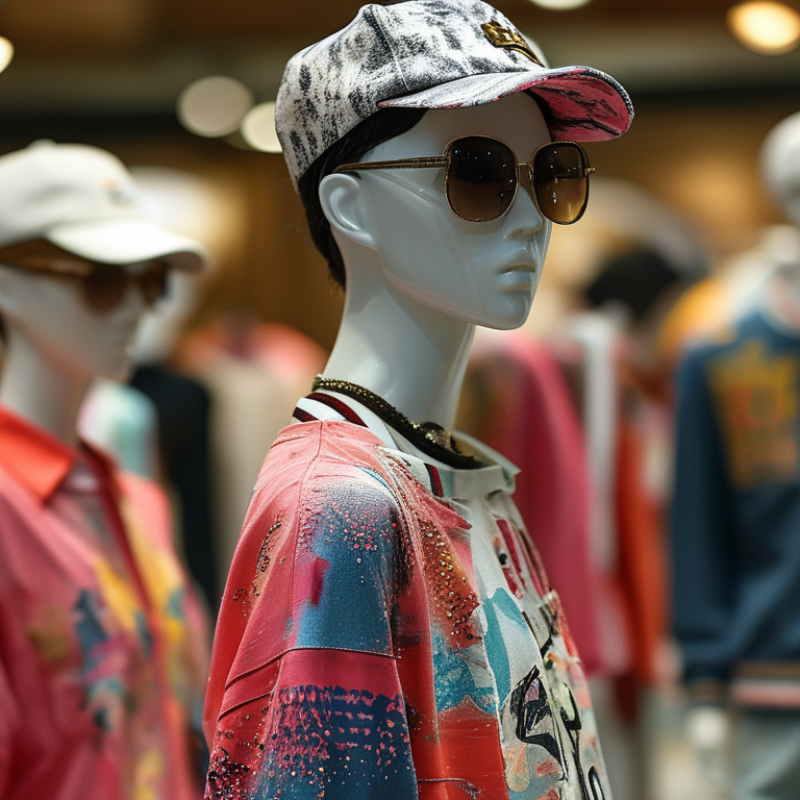
Why Do Trendy Clothes Lose Shape So Quickly in China?

Factors Contributing to the Rapid Shape Loss of Trendy Clothes

The rapid loss of shape in trendy clothes in China is influenced by various factors. One major contributor is the use of low-quality materials. Many manufacturers prioritize cost-cutting over durability. Fabrics that lack resilience tend to stretch or pill after a few washes. This is especially common in synthetic materials, which can degrade quickly under harsh washing conditions.

Another factor is the trend-driven consumption culture. Shoppers often purchase clothes for a season or event, disregarding long-term wearability. The focus shifts from quality to quantity. This leads to a cycle where low-quality, trendy items flood the market. Additionally, improper washing and care techniques contribute significantly. Consumers may lack information on fabric care, causing clothes to lose shape prematurely.

Shoppers should consider the longevity of their clothing. Reflecting on the environmental impact of fast fashion is crucial. Investing in timeless pieces might be a more sustainable choice. A shift toward quality and care can help combat this issue effectively.

The Impact of Material Quality on Clothing Durability

The impact of material quality on clothing durability is often overlooked, especially in China’s fast-fashion market. Many trendy garments use synthetic fibers. While they may look appealing, they often lack durability. In fact, a 2022 report by the China National Textile and Apparel Council noted that 65% of consumers experience premature wear in their clothing within just a few washes. This raises questions about the commitment to quality over quantity.

A prominent factor in clothing durability is the fabric choice. Cheap materials can lead to items losing shape quickly. Cotton blends, for example, may feel soft initially but can wear out rapidly. In contrast, high-quality natural fibers like wool or silk, though more expensive, often promise longer-lasting wear. In a 2023 survey, 72% of consumers identified fabric quality as crucial when purchasing clothes. It shows how awareness of material differences grows.

**Tip:** Always check fabric labels. Look for tightly woven fabrics, as they tend to retain their shape better.

Additionally, consider the care instructions. Washing clothes in cold water and air drying can significantly extend their lifespan. A majority of garment failures stem from improper washing. Investing in high-quality pieces may seem costly initially, but it can save money in the long run.

**Tip:** Create a clothing care routine. Simple practices make a big difference. Remember, durability often reflects the value you place on your wardrobe.

Consumer Washing Habits and Their Effect on Garment Longevity

In China, washing habits significantly impact the longevity of trendy clothes. Many consumers wash their garments after every wear. Reports indicate that frequent washing can reduce the lifespan of fabrics by up to 25%. This degradation stems from both physical abrasion and the effects of heat and detergent. Over time, repeated cycles cause fibers to break down, leading to misaligned seams and loss of shape.

Moreover, washing temperatures often exceed recommended levels. Studies show that nearly 40% of consumers misuse wash settings. High heat can shrink fibers and warp fabric structure. Additionally, using harsh detergents destroys the natural elasticity of garments. These practices raise concerns over sustainability and waste in the fashion industry.

Consumers often overlook the importance of proper garment care. Simple changes, like washing in cold water, can extend a garment's life. Selecting gentler detergents may also yield better results. However, awareness about garment longevity remains low. Many continue to prioritize convenience over care, resulting in garments that quickly lose their appeal. This cycle highlights a need for better education around washing habits to promote more sustainable fashion practices.

Impact of Consumer Washing Habits on Garment Longevity

Trends in Fast Fashion and Their Influence on Clothing Lifespan

In recent years, the fast fashion industry has exploded in China. Unfortunately, trendy clothes often lose shape quickly. A key factor in this trend is the low-quality materials used in production. According to a 2022 report by the China Textile Industry Association, about 75% of fast fashion garments are made from synthetic fibers. These materials are not designed for durability.

The average lifespan of clothing in China is alarming; trends shift rapidly. Consumers now only wear items about 7 to 10 times before discarding them. A survey by the National Bureau of Statistics indicates that fashion items are often discarded just months after purchase. The rush to stay trendy leads to a lack of focus on garment longevity. This behavior contributes to millions of tons of textile waste annually.

Most consumers are unaware of the environmental impact of their choices. Many believe that lower prices equate to lesser value but do not always consider quality. A study from the World Economic Forum found that extending the lifecycle of garments could reduce carbon emissions by up to 30%. It's crucial to reflect on our purchasing habits and advocate for durability in fashion.

Economic Considerations Behind Cost-Effective Manufacturing Practices

In China, trendy clothes often lose shape quickly. This phenomenon stems from cost-effective manufacturing practices. Many brands prioritize speed and low costs over quality. Factories utilize cheaper materials and shortcuts in production. As a result, garments may stretch, shrink, or deform after a few washes.


Consumers sometimes overlook this when purchasing fashionable items. They are drawn to the latest styles without considering durability. This focus on aesthetics can lead to frustration later on. Clothing may look great initially but can quickly become unwearable.


Economic pressures further complicate the issue. There is constant demand for new inventory at low prices. This creates a cycle that sacrifices quality for immediate gains. While affordable fashion is appealing, it often lacks longevity. This trade-off between cost and quality warrants reflection among consumers.

FAQS

: How does material quality affect clothing durability?

: High-quality materials often promise longer-lasting wear compared to cheap synthetics, which may wear out quickly.

What is a typical consumer experience with fast fashion durability?

Many consumers report premature wear within just a few washes, emphasizing a commitment to quality over quantity.

How does improper washing impact garment longevity?

Frequent washing and high temperatures can reduce fabric lifespan by up to 25%, causing fibers to break down.

What washing habits should consumers adopt for better garment care?

Washing in cold water and using gentler detergents help extend clothing life significantly.

Are consumers aware of their washing practices' effects?

Many overlook proper care, prioritizing convenience, leading to faster garment deterioration.

What is the average lifespan of clothing in today's fast fashion market?

Items are typically worn only 7 to 10 times before being discarded, highlighting a trend toward disposability.

Can investing in quality clothing save money in the long run?

Yes, high-quality pieces often last longer, ultimately reducing the need for frequent replacements.

What is the environmental impact of fast fashion consumption?

Discarded clothes contribute to millions of tons of textile waste, showcasing a need for sustainable shopping habits.

How important is fabric quality when purchasing clothes?

A significant percentage of consumers recognize fabric quality as crucial, indicating growing awareness among shoppers.

What reflection should consumers make about their fashion choices?

It's vital to think about purchasing habits and their impact on sustainability and garment durability.

Conclusion

The article "Why Do Trendy Clothes Lose Shape So Quickly in China?" explores the various factors contributing to the rapid deterioration of fashionable apparel. A significant element discussed is the impact of material quality, where lower-grade fabrics tend to wear out faster, compromising the garment's shape and durability. Additionally, consumer washing habits play a crucial role; improper care can lead to accelerated shape loss, resulting in a shorter lifespan for trendy clothing.

The piece also delves into the trends of fast fashion, which emphasize quick production and turnover of styles, often at the expense of longevity. Economic considerations further complicate the issue, as cost-effective manufacturing practices frequently prioritize price over quality. Together, these factors address the core question of why do trendy clothes lose shape so quickly, highlighting the interplay between consumer behavior, material choices, and market dynamics in the fast fashion industry.

Sienna

Sienna

Sienna is a skilled marketing professional with a deep expertise in our company’s core products and services. With a passion for innovation and detail, she plays a pivotal role in crafting insightful blog posts that not only highlight the unique features of our offerings but also provide valuable......