Choosing clothing by appearance alone can be misleading. A glossy surface may hide weak fibers, loose construction, or heavy chemical finishing. This guide examines ten common clothing material types, including cotton, linen, wool, silk, viscose, polyester, nylon, acrylic, modal, and elastane. Each material behaves differently under movement, washing, heat, and repeated friction.
Orsola de Castro, fashion designer and co-founder of Fashion Revolution, has said, “The most sustainable garment is the one already in your wardrobe.” Her point also supports quality evaluation. Durable fabric usually rewards careful inspection before purchase. Check the fiber label first. Then feel the fabric between your fingers. Look for even yarns, consistent color, and a surface that does not shed easily. Hold the garment toward light. Uneven thin spots can reveal weak areas.
Construction matters as much as fiber content. Examine shoulder seams, hems, button attachments, and pockets. Strong stitching often appears regular, tight, and secure, without long loose threads. Test the fabric gently by stretching it, then watch whether it returns to shape. Not every soft fabric is superior. Some finishes create temporary softness that disappears after several washes.
This is where how to spot high quality clothing materials becomes practical rather than theoretical. A dense cotton shirt may feel firm, while fine wool may feel light but resilient. Linen can wrinkle quickly, yet that is not automatically a defect. Personal use changes the answer. I once valued softness too highly and overlooked weak seams. That mistake remains useful. Quality is not perfection; it is suitable material, honest construction, and performance that matches the garment’s purpose.
Understanding the Main Categories of Clothing Materials
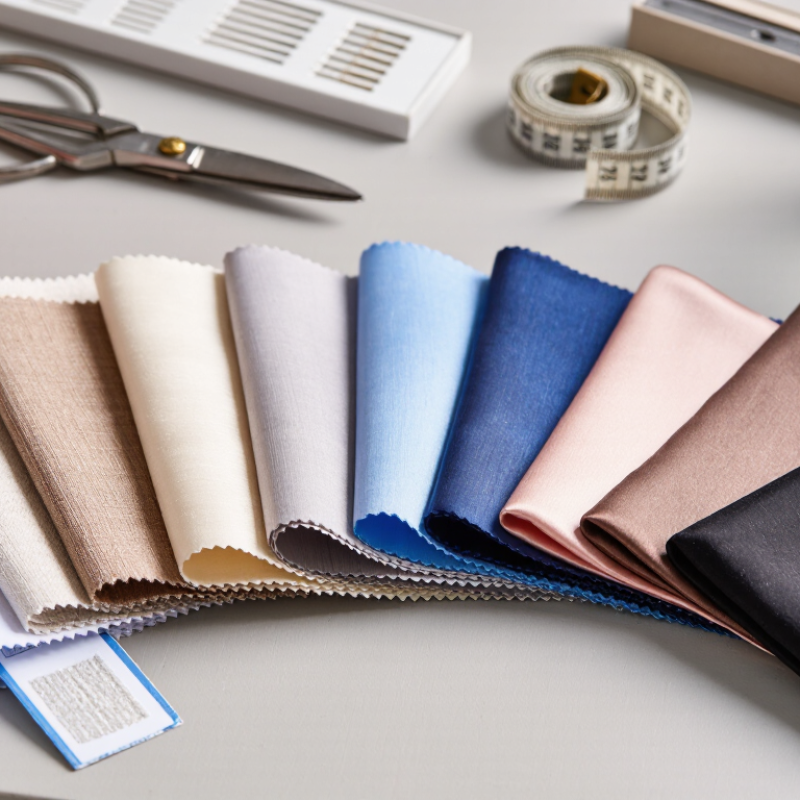
Clothing materials usually fall into ten practical categories: cotton, linen, wool, silk, polyester, nylon, acrylic, rayon, modal, and elastane. Each behaves differently against skin, heat, moisture, and repeated washing. Cotton feels breathable and soft, but it can shrink. Linen stays cool and develops a relaxed texture, although it wrinkles quickly. Wool holds warmth and resists odors, while silk feels smooth but needs gentle care.
Synthetic fibers offer other strengths. Polyester dries fast and keeps its shape. Nylon is light and abrasion-resistant, making it useful for active clothing. Acrylic imitates wool’s warmth but may pill sooner. Rayon and modal feel fluid because they are made from regenerated cellulose. Elastane adds stretch, usually in small percentages. Blends can balance comfort and durability, but they also make quality harder to judge.
When checking fabric, I rub a sleeve lightly and inspect the surface under clear light. Even stitching, steady color, and firm recovery suggest better construction. I also read the fiber label and care instructions before touching the garment. A dense fabric is not always superior; heavy cotton can feel rough, and thin wool can be highly durable. My first impression sometimes fails. After washing, shrinkage, twisting seams, or fading may reveal problems hidden in the store. Quality depends on fiber, yarn, finishing, and manufacturing together.
Examining the Top 10 Clothing Material Types
Examining the Top 10 Clothing Material Types begins with knowing how each fabric should feel. The ten common materials are cotton, linen, wool, silk, cashmere, polyester, nylon, viscose, denim, and leather. Cotton quality often shows through dense, even weaving and clean edges. Linen should feel crisp, yet not painfully rough. Natural creases are normal. Wool needs spring; gently press it, then watch it recover. Fine wool usually feels warm without feeling heavy. Silk should have a smooth surface and a soft, changing sheen, not a plastic shine. Cashmere needs careful checking because softness alone proves little. Short fibers can create early pilling.
Synthetic fabrics deserve practical attention. Polyester should have consistent color and tight stitching. Nylon often feels strong and slightly smooth, especially in active garments. Viscose should drape fluidly, but weak, loose fibers may distort after washing. Denim quality depends on firm construction, balanced seams, and stable hardware. Leather should feel supple, show natural grain, and avoid a strong chemical odor. These details are useful, not perfect.
I also inspect the inside. Loose threads, uneven hems, and skipped stitches suggest rushed production. A fabric label helps, but it cannot replace touch and observation. I once trusted a very soft sweater and ignored its loose knit. It stretched quickly. My judgment was wrong. Wash-care instructions matter too. A beautiful material can disappoint when its care requirements do not fit daily life. Hold the garment near light, rub a hidden area gently, and check whether color or fibers change. Small tests reveal more than appearance alone.
Comparing Material Properties, Uses, and Comfort
Top 10 Clothing Material Types: How to Spot Quality Fabrics?
Material choice changes comfort, durability, breathability, and care. Cotton feels familiar, absorbs moisture, and suits everyday shirts. Linen releases heat quickly, but its wrinkles are part of its character. Wool regulates temperature well and resists odor, while silk feels smooth and cool against skin. Viscose and modal create soft drape, although their strength can fall when wet. Polyester dries quickly and holds color. Nylon offers strong abrasion resistance, making it useful for active clothing. Acrylic adds warmth, but may pill. Elastane supplies stretch, usually in small percentages.
The market context matters. Textile Exchange’s Materials Market Report 2024 recorded 124 million tonnes of global fiber production in 2023. Polyester represented about 57%, while cotton reached approximately 19%. Large volume does not prove superior quality. It only shows widespread use. A quality check should combine fiber content, fabric weight, construction, and finishing. Inspect even stitches, dense weaving, and clean seams. Rub the surface gently. Excessive fuzz suggests possible pilling.
Feel the fabric.
My hand-feel test is useful, but imperfect. A soft fabric may weaken quickly, while a firm fabric may become comfortable after washing. For activewear, check stretch recovery and moisture movement. For knitwear, examine loops and pull lightly near the seam. For shirts, hold the cloth toward light; uneven transparency can reveal loose construction. ISO 12947 Martindale testing measures abrasion resistance, but laboratory results cannot fully predict personal comfort. Care labels, independent test reports, and supplier traceability provide stronger evidence than appearance alone.
Top 10 Clothing Material Types: How to Spot Quality Fabrics?
Comparing material properties, common uses, and comfort through typical moisture regain.
Cotton
Breathable and absorbent; widely used for T-shirts, shirts, underwear, and denim. Comfortable in warm conditions but prone to wrinkling and shrinkage.
Linen
Highly breathable and cool; common in summer shirts, dresses, and trousers. Strong and comfortable, although it wrinkles easily.
Wool
Excellent insulation and moisture management; used for sweaters, coats, and suits. Warm, resilient, and comfortable when finely spun.
Silk
Smooth, lightweight, and thermally regulating; used for blouses, dresses, lingerie, and scarves. Comfortable but more delicate.
Viscose Rayon
Soft and drapey with good absorbency; used for dresses, blouses, and linings. Comfortable, but wet strength and dimensional stability vary.
Modal
Soft, smooth, and absorbent; often used for underwear, T-shirts, and loungewear. Comfortable against the skin with good drape.
Hemp
Breathable, durable, and absorbent; used for shirts, trousers, and blended fabrics. It softens with wear but can feel crisp at first.
Nylon
Strong, lightweight, and abrasion-resistant; used for activewear, hosiery, swimwear, and outerwear. Dries quickly but is less absorbent.
Polyester
Durable, quick-drying, and wrinkle-resistant; common in sportswear, fleece, uniforms, and everyday clothing. Comfort improves with breathable structures or blends.
Acrylic
Lightweight and warm; used mainly in sweaters, knitwear, and blankets. Soft and wool-like, but generally less breathable and more prone to pilling.
Moisture regain is the approximate percentage of moisture a dry fiber absorbs from air under standard textile-testing conditions. Higher values generally indicate greater absorbency, but fabric comfort also depends on weave, weight, finishing, fit, and garment construction.
Identifying Quality Through Fabric Structure and Finish
Top 10 Clothing Material Types: How to Spot Quality Fabrics?
Identifying Quality Through Fabric Structure and Finish
Fabric quality begins beneath the surface. Examine the yarn density, weave, and finishing treatment. Hold the fabric against light. Even spacing suggests controlled construction, while uneven gaps may indicate weak areas. A tighter weave often improves durability, but it does not guarantee comfort.
Check the fabric’s recovery. Stretch a knit gently, then release it. Quality fibers usually return without lasting ripples. Rub the surface with a sleeve or fingernail. Excessive fuzzing can reveal poor fiber alignment. A soft hand feels attractive, yet softness may come from chemical finishing rather than stronger yarns.
The numbers matter. Textile Exchange’s Materials Market Report 2024 estimates global fiber production reached 124 million tonnes in 2023. Polyester represented about 59%, while cotton accounted for approximately 19%. These figures show scale, not quality. Fiber choice must be judged with fabric structure and performance tests.
Professional evaluations often measure fabric weight, abrasion resistance, pilling, tensile strength, and colorfastness. ISO and AATCC methods provide useful testing frameworks. Still, I sometimes misjudge fabric by touch alone. That mistake matters. A smooth finish can hide weak construction, and a heavy fabric can still tear at the seam. Inspect the reverse side, seam allowance, button areas, and edge stability. Small details speak loudly.
Choosing the Right Fabric for Durability and Care Requirements
Choosing the Right Fabric for Durability and Care Requirements
Durability begins with the fabric’s fiber, weave, and finishing. Cotton feels breathable, but tightly woven cotton usually resists abrasion better than loose cotton. Linen handles heat well, though it creases quickly and may weaken when repeatedly washed harshly. Wool regulates temperature and can last for years with gentle care. It still needs protection from moths and rough storage.
Synthetic fibers often suit active clothing. Polyester dries quickly and keeps its shape, while nylon tolerates friction around bags and jacket straps. Denim should feel firm, not papery, when durability matters. Silk offers a smooth, luxurious surface, but it needs careful washing and limited sunlight. Cashmere feels soft, yet softness alone does not prove quality. Blended fabrics can balance comfort, strength, and price.
Check the fabric in natural light. Look for even color, clean edges, and consistent stitching. Rub a small area gently with your fingers. Excessive fuzzing may signal weak fibers or poor finishing. Hold the garment near a seam and stretch it lightly. Quality fabric should recover without obvious distortion. Care labels deserve attention because a durable material can still fail through careless washing. Cold water, mild detergent, and air-drying often reduce stress. I sometimes choose softness over service life, and that judgment is not always wise. No fabric wins every test. Consider your climate, washing habits, and daily movement before buying.
FAQS
Cotton and linen usually feel breathable against the skin. Linen stays cooler, but it wrinkles quickly. Cotton may shrink after washing. Comfort is not everything.
Wool holds warmth and helps manage temperature. Cashmere feels exceptionally soft, but softness alone cannot prove quality. Acrylic offers warmth, though it may pill sooner.
Polyester dries quickly and keeps its shape. Nylon feels light and resists friction from straps. Elastane adds stretch, usually in small amounts.
Read the fiber label and care instructions. Inspect stitching, hems, and fabric edges under clear light. Rub a hidden area gently. Watch for loose fibers.
No. Heavy cotton can feel rough, while thin wool may remain durable. Fiber, yarn, weave, finishing, and construction all matter. Weight can mislead.
Wool should spring back after gentle pressing. Silk should look smooth with a soft, changing sheen. Cashmere needs checking for short fibers and early pilling. Touch can fool you.
Silk, wool, and cashmere usually need gentle care. Cold water and mild detergent can reduce stress. Air-drying often helps prevent shrinkage and distortion.
Stretch the fabric lightly near a seam. Good material should recover without obvious distortion. Check seams after washing, too. Problems may appear later.
Blends can balance comfort, durability, stretch, and price. They may also make quality harder to judge. Check every listed fiber. I sometimes trust softness too quickly.
Conclusion
Choosing the right clothing material starts with understanding the main fabric categories, including natural fibers, regenerated fibers, and synthetic materials. Each type offers different benefits in softness, breathability, stretch, warmth, moisture control, and everyday performance. Common options such as cotton, linen, wool, silk, rayon, polyester, nylon, acrylic, elastane, and blended fabrics can serve very different purposes depending on the garment and climate. Comparing their properties, comfort, intended use, and maintenance needs makes it easier to select a suitable fabric.
Learning how to spot high quality clothing materials also requires examining the fabric’s structure and finish. Look for an even weave or knit, consistent coloring, smooth and secure seams, appropriate weight, and a surface that feels durable without being harsh. Quality materials usually resist excessive pilling, distortion, loose threads, and rapid fading. Finally, consider washing instructions and long-term care requirements, because a fabric’s durability depends not only on its fiber content but also on how carefully it is maintained.
 Barjeel Fashion
