 Barjeel Fashion
Barjeel Fashion
Barjeel Fashion
Global buyers often ask, “what is the dress code for smart casual?” The honest answer depends on the workplace, country, climate, and occasion. Smart casual usually combines polished tailoring with relaxed, practical pieces. Think of an unstructured blazer, a clean Oxford shirt, tailored trousers, and leather loafers. A fine-knit polo, dark jeans, or a simple midi dress may also work when the setting feels less formal. The details matter. Wrinkled fabric, worn footwear, or poor sizing can quickly weaken an otherwise suitable outfit.
This guide presents seven practical smart casual tips for international purchasing decisions. It considers fabric performance, garment construction, color coordination, sizing consistency, and care requirements. Buyers should check breathable materials for warm markets and layered options for cooler regions. They should also review stitching, seam strength, button security, and labeling before approving samples. Supplier communication needs precision. The phrase “relaxed fit” can mean different measurements across markets, so a clear size chart is essential.
There is no perfect universal formula. Cultural expectations can shift the boundary between professional and casual clothing. A linen blazer may look refined in one city but too informal in another. Even experienced buyers can misjudge local preferences. That is why product testing, regional feedback, and transparent supplier documentation remain valuable. Smart casual should look intentional, feel comfortable, and suit the buyer’s real environment. Small choices often decide whether a collection appears credible or careless.
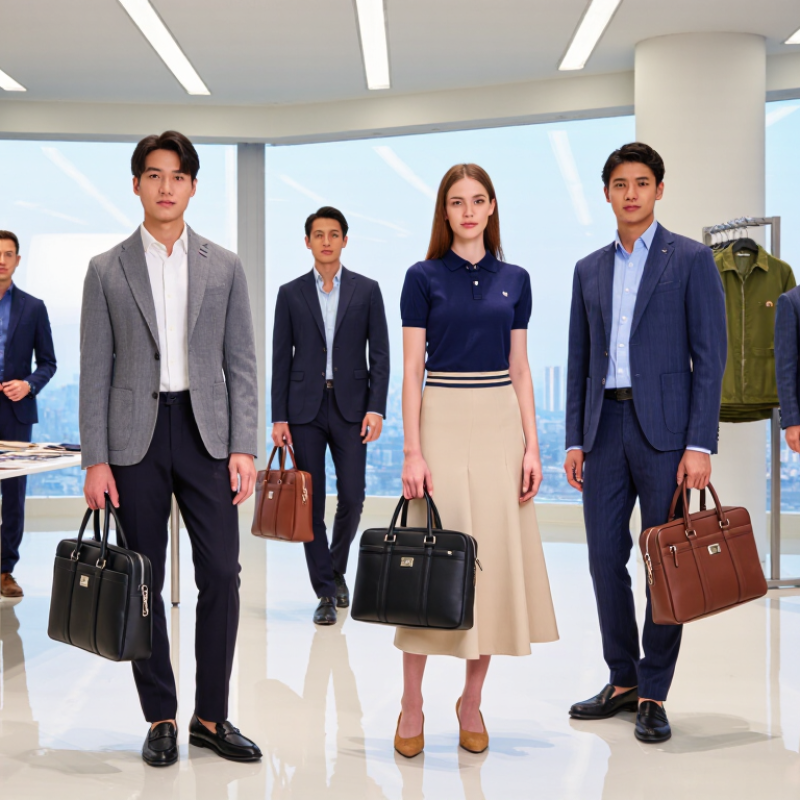
For global buyers, smart casual is not a fixed uniform. It balances polished structure with relaxed comfort. In my experience reviewing cross-border assortments, fit speaks first. A clean collar, neat shoulder line, and trousers without pooling create trust before conversation begins. Choose breathable cotton blends for warm markets, while layered wool or textured knitwear suits cooler regions. Always check local climate data, not assumptions.
Color also needs cultural awareness. Navy, stone, white, and muted green usually travel well, but workplace expectations differ by region. A soft shirt may suit a creative office, while a structured jacket works better for a client meeting. Keep patterns small and accessories restrained. Context changes everything.
Buyers should request size charts, fabric weights, care instructions, and clear product photographs before placing an order. A two-centimeter measurement gap can alter the entire impression.
Quality claims should be evidence-based. Ask for composition details, stitching images, sample approval, and consistent grading across sizes. Reliable suppliers explain production limits instead of promising perfection. This approach is not flawless; cultural interpretation can still be missed. I once underestimated how strongly humidity affects layering, and the lesson was practical: test garments in the destination market. In humid destinations, that may mean an unlined jacket, a lighter shirt, and shoes that remain presentable after a full day.
Choose straight-leg trousers, clean chinos, and dark, plain denim. Neutral colors create more outfit combinations. Check the rise, pocket depth, and fabric recovery before ordering. A soft waistband helps during long workdays. Very loose cuts may look careless.
Knee-length and midi dresses suit offices, travel, and informal meetings. Choose breathable fabric, secure fastenings, and a lining that prevents clinging. Adjustable waists can support different body shapes. Test each sample while sitting, walking, and reaching. Movement exposes problems.
Lightweight blazers, fine-gauge cardigans, and structured overshirts offer useful flexibility. Compare sleeve length, shoulder comfort, and wrinkle resistance. Removable layers help customers move between outdoor heat and cold interiors. Simple surfaces usually travel across more markets. A practical pocket can add character.
Start with tailored trousers and a structured shirt for professional meetings. Add a lightweight jacket for an evening reception. Choose polished shoes and limit loud accessories. Carry one backup layer. Keep it practical.
Inspect stitching, fabric recovery, and washing instructions before purchase. A soft jacket is not useful if it loses shape after two washes. Breathable blends can improve comfort in humid conditions. Unlined layers may feel easier in warm regions. Durability needs testing.
Use one visible detail, such as a textured belt or muted scarf. Avoid combining several strong patterns. A subtle texture or unusual proportion can prevent outfits from looking predictable. Too many details may weaken professional appeal. Restraint helps.
Review local preferences for shoulder coverage, color, fit, and formality. Conservative markets may favor covered shoulders and subtle colors. Social settings allow more personality, but the outfit should remain controlled. Do not assume one standard works everywhere. Context changes everything.
Ask for clear fiber content, care testing, and evidence of traceable production. Do not rely on vague responsible-production claims. Longer garment use can reduce resource and waste impacts. Still, durability claims require inspection. Trust needs proof.
Never judge a garment only on a standing model. Test it seated, walking, reaching, and carrying a small bag. A dress may look polished but twist during movement. A jacket may feel fine briefly, then become uncomfortable. Samples can deceive.
This guide explains what is the dress code for smart casual and how global buyers can apply it with confidence across different markets. Smart casual combines polished, professional elements with relaxed comfort, while remaining flexible for local customs, climates, and workplace expectations. It covers how to choose suitable tops, including shirts, blouses, knitwear, and lightweight layers, as well as how to select versatile trousers, skirts, dresses, and jackets for changing occasions and seasons.
The guide also explores practical ways to coordinate colors, fabrics, shoes, and accessories without creating an overly formal or casual appearance. Neutral tones, breathable materials, comfortable footwear, and simple accessories can help create adaptable outfits for international settings. Finally, it shows how to adjust smart casual looks for business meetings, networking events, travel, and social occasions, allowing buyers to maintain a polished appearance while respecting cultural preferences and different levels of formality.
