Barjeel Fashion Barjeel Fashion

Why Fast Fashion Shrinks in the Wash and How to Prevent It?

Time:2026-11-20 Author:Isabella
0%

Why does fast fashion shrink in the wash? The answer often begins with fiber, heat, and construction. Cotton can tighten when exposed to hot water or a high-heat dryer. Viscose may distort when wet, while loosely knitted fabrics can lose their shape. A soft T-shirt may look unchanged after washing, then emerge shorter at the hem. Small changes add up.

Laundry expert Patric Richardson has described laundry as a science rather than guesswork. That is a useful reminder, though it does not explain every garment’s behavior. Fabric blends, dyeing, and finishing methods all affect shrinkage. So do wash settings and drying time. The care label offers practical guidance, but it cannot guarantee a perfect result.

Prevention starts before the machine runs. Check the label, sort delicate items, and use cool water when suitable. Choose a gentle cycle, avoid overloading the drum, and reshape damp garments on a flat surface. Skip high heat unless the label permits it. These steps reduce risk, but they cannot undo every manufacturing choice. Fast fashion quality varies, and sometimes a garment shrinks despite careful handling. That is frustrating. This guide looks at why it happens and how to protect clothes with simple, realistic habits.
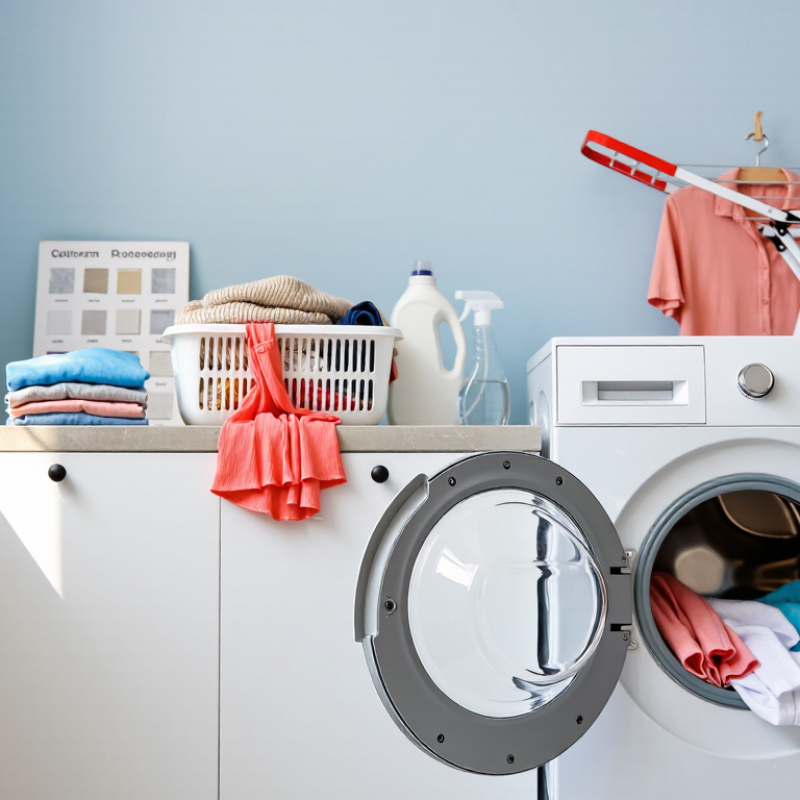
Why Fast Fashion Shrinks in the Wash and How to Prevent It?

Define Shrinkage: AATCC TM135 Measures Laundry-Related Size Changes

Shrinkage is a measurable change in fabric dimensions after laundering, not simply a shirt feeling tighter. AATCC TM135 evaluates dimensional changes in fabrics after specified home-laundering and drying procedures. Samples are measured before and after treatment, allowing length and width changes to be compared. The result depends on the selected wash and drying conditions, so test settings matter. Small details matter.

A fabric may shrink because its fibers relax, yarns move, or the textile structure tightens with heat and moisture. Fast-fashion garments can also combine different fabrics, trims, and seams, which may respond unevenly. A fabric test cannot predict every finished garment’s behavior. That limitation is worth remembering when interpreting a result.

Tips: Check the care label and wash similar fabrics together. Use cooler water and gentler drying when the garment allows it. For a practical check, measure a garment before washing, then measure the same areas after it dries. Keep the tape level, and record the numbers. I have found that one wash rarely tells the whole story; repeated laundering can reveal changes that were easy to miss at first.

Compare Fiber Risks: Cotton Garments May Shrink About 3–5%

Cotton garments may shrink about 3–5% after washing, but that range is a practical estimate, not a guarantee. A 60-centimeter shirt length could lose roughly 1.8 to 3 centimeters. Small difference. Real impact. The result depends on yarn, knit structure, dyeing, and finishing, not fiber content alone. A loosely knitted cotton top may change more than a compact, pre-shrunk fabric.

AATCC TM135 and ISO 5077 describe standardized methods for measuring fabric dimensional change after washing and drying. They help compare results; they do not promise that every cotton garment will shrink by the same amount. Heat and agitation can worsen shrinkage, especially when the care label’s instructions are ignored. Wash in cool water, choose a gentle cycle, and reshape the garment while damp. Air-drying reduces heat exposure. It is not foolproof. I have seen careful washing still leave a cotton hem slightly shorter, so avoid buying a close fit if the fabric’s treatment is unclear. For a more reliable comparison, measure the garment before washing, then check it again after it dries.

Identify Triggers: Heat, Moisture, Agitation, and Tumble Drying

Fast-fashion clothes do not shrink for one single reason. Fiber type, fabric construction, and leftover tension from manufacturing all matter. Cotton and viscose can contract as wet fibers relax, especially under high heat. Wool may felt with moisture and rubbing. Polyester usually resists ordinary shrinkage, but high dryer heat can distort its shape. Small changes add up. A sleeve may suddenly stop at the wrist.

Tips: Check the care label before washing. Use cool water and a gentle cycle to limit heat and agitation. Turn garments inside out, avoid overloading the washer, and skip high-heat tumble drying. Reshape damp knits on a flat towel; hang sturdy items where air can circulate. A dryer’s “low” setting still runs warm, so remove clothes while slightly damp.

Moisture alone is not always the culprit; repeated hot, vigorous cycles make damage more likely. If a new top feels tight after its first wash, compare its measurements with the label and try air-drying next time. It is easy to blame the dryer alone; the fabric blend and original fit matter, too. Follow the care instructions, and use a cautious wash for delicate items.

Prevent Shrinkage: Wash at 30°C and Choose Low-Heat Drying

Fast fashion can shrink when heat and agitation tighten relaxed fibers. Cotton may draw in after washing, while viscose can change shape when wet. Seams and mixed-fiber panels may also react differently. The care label is the best starting point. AATCC TM135 offers a standardized method for measuring fabric dimensional change after home laundering. Still, a label cannot predict every fit change.

Wash at 30°C and select a gentle cycle to reduce heat stress. The UK Energy Saving Trust reports that washing at 30°C rather than 40°C can use around 40% less energy. That figure describes energy use, not a guaranteed reduction in shrinkage. Turn garments inside out, avoid overloading the drum, and use low-heat drying or air-dry flat. High dryer heat can make a small fit change more noticeable. A cool wash helps, but it is not a magic fix.

Tips: Check the label before washing. Reshape damp garments by hand, then dry them away from direct heat. For delicate knits, skip the tumble dryer; a clean towel underneath can help catch drips.

Check Results: Measure Garment Length and Width Before and After

Fast fashion can shrink when heat and agitation tighten fibers, especially in cotton knits or loosely constructed fabric. A care label offers useful guidance, but it cannot predict every garment’s response. To check results, measure the same item before and after washing, while it is fully dry and resting flat. Use a tape measure on a level surface, without stretching the fabric.

Record the body length from the highest shoulder point to the hem. Measure width across the chest, from one underarm seam to the other. Keep the tape straight and note each figure in inches or centimeters. After washing and drying, repeat those measurements in the same places. A difference of even one centimeter can matter for a fitted shirt. One easy mistake is measuring a damp garment; it may stretch under its own weight. I would not treat one test as proof that every item will behave the same way.

Tips: Take a quick photo of the tape and garment before washing. Use the same measuring points afterward. Keep the wash settings consistent, and follow the care label. Small changes are easy to overlook. If results seem odd, check the garment’s shape and seams before blaming shrinkage.

FAQS

What does fabric shrinkage mean?

It is a measurable change in fabric length or width after washing and drying. A garment feeling tighter does not prove its dimensions changed.

How is laundry-related shrinkage measured?

Fabric is measured before and after a specified wash and drying process. The selected conditions matter. Small details count.

How much might a cotton garment shrink?

Cotton may shrink about 3–5%, but this is only a practical estimate. A 60-centimeter shirt length could lose roughly 1.8 to 3 centimeters.

Why do fabrics shrink?

Fibers may relax, yarns may shift, or the fabric structure may tighten with heat and moisture. Construction matters too.

Can a fabric test predict exactly how a finished garment will fit?

Not always. Seams, trims, and mixed-fiber panels may respond differently from the fabric sample. That limitation is easy to overlook.

What washing settings may help reduce shrinkage?

Check the care label, then consider a cool wash around 30°C and a gentle cycle. These steps can reduce heat stress, but they are not a guarantee.

Is air-drying always enough to prevent shrinkage?

No. Air-drying reduces exposure to dryer heat, but a garment can still change shape. Reshape it while damp and dry it away from direct heat.

How can I check whether a garment changed size?

Measure the same areas before washing and after the garment dries. Keep the tape level and record each number. One wash may not tell the whole story.

Conclusion

Why does fast fashion shrink in the wash? The change usually happens when heat, moisture, and agitation cause fibers to contract or fabrics to lose their original shape. Tumble drying can intensify the effect, especially when garments are exposed to high temperatures. Cotton items may shrink by about 3–5%, though the result depends on the fabric and how it is washed and dried. Laundry-related size changes can be assessed using AATCC TM135, which provides a method for measuring dimensional changes after washing.

To reduce shrinkage, wash garments at 30°C and follow their care instructions. Choose a low-heat drying setting, or let items air-dry when practical, rather than using a hot tumble cycle. For a simple check, measure a garment’s length and width before washing, then measure it again after it has dried under consistent conditions. Comparing these measurements helps show whether its dimensions have changed and which care steps may need adjusting.

Isabella

Isabella

Isabella is a dedicated marketing professional with a sharp focus on driving brand growth and engagement through strategic content creation. With an extensive background in digital marketing, she combines her passion for storytelling with her keen understanding of industry trends to deliver......