Barjeel Fashion Barjeel Fashion

7 Tips for Cleaning Suede Jackets at Home

Time:2026-10-10 Author:Charlotte
0%

Suede jackets reward careful handling, but they punish rushed cleaning. Their soft nap can flatten, darken, or develop water rings after one careless treatment. This guide explains how to clean suede jackets at home with practical, low-risk methods. You will learn when to brush, when to blot, and when professional care is safer.

The American Cleaning Institute recommends testing cleaning methods on a hidden area before treating visible fabric. That small step matters. Leather Naturally also explains that leather products respond differently to moisture, oils, heat, and chemicals. Suede is especially sensitive because its exposed fibers hold texture and color close to the surface. The Leather Working Group’s guidance on responsible leather care supports gentle maintenance, longer product use, and reduced material waste.

“Always begin with the least aggressive method,” advises Jill Nystul, a cleaning educator and founder of One Good Thing. Her advice fits suede perfectly. A dry suede brush may remove dust from the shoulders and cuffs. A clean white eraser can lift a small scuff. Water should never be poured directly onto the jacket.

Still, home cleaning has limits. I once treated a dark mark too quickly and spread it across the nap. The jacket looked cleaner from a distance, but worse under bright light. That mistake is easy to repeat. These seven tips focus on controlled pressure, minimal moisture, proper drying, and realistic expectations. They also explain when a suede specialist should take over, especially for oil stains, deep discoloration, mold, or expensive vintage pieces. Reliable care is not about making suede look perfect. It is about preserving its texture, structure, and useful life.
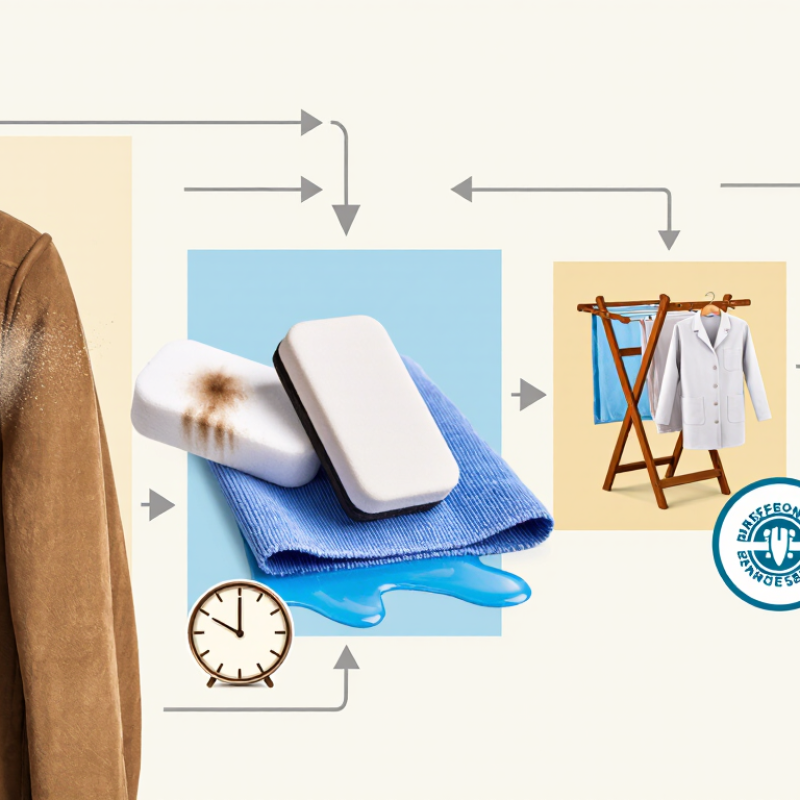
7 Tips for Cleaning Suede Jackets at Home

Identify the Suede Type and Check the Care Label

Before cleaning a suede jacket, identify its material. Traditional suede is made from the inner split of leather, while nubuck comes from the outer grain. Faux suede usually contains synthetic fibres and may tolerate different products. The difference matters because water, heat, and solvents affect each surface differently. FAOSTAT data for 2023 placed global raw hide and skin production at roughly 7 million tonnes, showing how varied leather materials can be across the supply chain.

Tip 1: Inspect the texture under natural light. Suede feels velvety, while nubuck has a shorter, finer nap. Check the care label carefully. Symbols and wording may prohibit washing, steam, or solvent use. If the label says “professional clean only,” follow it. Do not guess.

Tip 2: Test an unseen area first. Use a clean suede brush with gentle, one-directional strokes. For a small dry mark, try a suede eraser, but stop if the colour changes. Leather care guidance commonly recommends minimal moisture, and that advice is practical. I have seen light rubbing create a darker patch. It looked minor at first, then became obvious after drying.

Tip 3: Never place suede near a radiator or use a hairdryer. Heat can stiffen fibres and distort the jacket’s shape. If the label permits damp cleaning, use a barely moist cloth, not a soaked one. Allow slow air-drying on a broad hanger. When the jacket is fully dry, brush the nap lightly again. Some stains will not disappear safely at home, and accepting that limit protects the material.

Prepare Cleaning Tools and Test a Hidden Area

Before cleaning a suede jacket, gather the right tools. Use a soft suede brush, a clean white cloth, and a suede eraser for dry marks. Keep a small bowl of cool water nearby, but do not soak the jacket. A mild, suede-safe cleaner may help with stubborn stains. Check the care label before using any liquid product. Suede can react differently depending on its finish, dye, and age.

Prepare a hidden test area under the collar or inside a seam. Brush away loose dust, then apply a tiny amount of cleaner to the cloth, not directly onto the suede. Dab the area gently without rubbing. Wait until it dries completely, preferably for 12 to 24 hours. Examine the color, texture, and surface grain under natural light. If the patch looks darker, rougher, or uneven, stop there. The product may be unsuitable.

Work slowly. Use short, light strokes with the brush, following the suede’s natural direction. Test water cautiously, because even a small drop can leave a visible ring. That part is easy to underestimate. Never use heat to speed drying; direct sunlight and hair dryers can stiffen or fade the leather. If the test appears safe, clean small sections and allow the jacket to dry between steps. Some stains will not disappear fully at home, and forcing them may cause more damage. A professional leather cleaner is safer for oil, ink, deep discoloration, or extensive water marks.

Remove Surface Dust, Dirt, and Loose Debris

Before cleaning a suede jacket, move it outdoors or over a clean sheet. Gently shake the jacket to release sand, crumbs, and loose fibers. Hang it on a wide, padded hanger. This helps protect the shoulders while you work. Use a suede brush with short, firm strokes. Brush in one direction, then lightly against the nap. A soft toothbrush can reach seams and pocket edges. Do not scrub hard.

For surface dust, a clean, dry microfiber cloth works well. Choose a white cloth, because dyed fabric may transfer color. Brush around the collar, cuffs, and zipper line, where skin oil traps fine dirt. Remove dry mud only after it has fully hardened. Lift it with a blunt spoon edge, then brush away the flakes. Avoid water at this stage. Moisture can leave darker rings or flatten the texture.

I once brushed a dusty sleeve too aggressively and created a pale, shiny patch. It looked cleaner, but the nap was damaged. That mistake taught me to use lighter pressure and repeat the process slowly. If debris remains in deep seams, use gentle tapping from the inside rather than sharp tools. Check the care label before continuing. For heavy staining, seek a suede specialist instead of experimenting at home. Cleaning is not always improved by more effort.

Treat Stains with Suitable Suede-Safe Methods

7 Tips for Cleaning Suede Jackets at Home

Treat Stains with Suitable Suede-Safe Methods

Suede reacts badly to rushing, water, and strong household cleaners. Check the care label before touching the stain. I usually brush loose dust away with a soft suede brush, moving in one direction. Test every method on an inside seam first. The color may change.

Tip 1: Treat fresh liquid stains immediately. Press a clean, dry white cloth against the area. Do not rub, because friction can spread moisture and flatten the nap. Let the jacket dry naturally away from sunlight, radiators, and hairdryers. This can take overnight. Resist checking it repeatedly.

Tip 2: Handle dry mud after it hardens. Gently lift the crust with a blunt spoon, then brush away remaining particles. For small scuffs, use a suede eraser with light pressure. Oil marks may respond to a thin layer of cornstarch left overnight. Brush it off the next morning. I once used too much powder, which left pale residue, so less is safer.

Avoid soaking the jacket or placing it in a washing machine. Diluted white vinegar can help with some water marks, but always test first and apply very sparingly. Grease, ink, large stains, or strong color changes deserve professional cleaning. Keep the jacket ventilated while it dries, and never store it until the suede feels completely dry.

Dry, Brush, and Protect the Jacket Properly

7 Tips for Cleaning Suede Jackets at Home

Start by checking the care label and testing every product on a hidden seam. Suede can react differently, even on the same jacket. Remove loose dust with a clean, soft suede brush. Use short strokes in one direction. Do not scrub hard. For light moisture, press the area with a dry towel and let the jacket air-dry naturally. Keep it away from radiators, hair dryers, and direct sunlight. Heat can make suede stiff or shrink unevenly.

Treat small marks only after the surface is completely dry. A suede eraser can lift gentle scuffs without adding moisture. Rub lightly, then brush away the loosened residue. For oily spots, place a small amount of absorbent powder over the mark overnight. Vacuum or brush it off carefully. I once used too much water on a sleeve, and the darker patch lasted for weeks. That mistake taught me to work slowly. Deep stains, salt rings, and large wet areas deserve professional cleaning.

After cleaning, apply a suede protectant in a thin, even layer. Test it first, because some sprays can change the color. Hold the jacket in a ventilated space while it dries. Brush the nap again when the surface feels fully dry. Store the jacket on a broad, padded hanger. Keep it in a breathable garment bag, not plastic. Leave enough room around it. Crowding can flatten the texture and create unwanted creases.

7 Tips for Cleaning Suede Jackets at Home — Dry, Brush, and Protect the Jacket Properly
Tip Cleaning Goal Recommended Method Tools or Materials Suggested Time Important Precaution
1 Read the care label and identify the stain Check whether the jacket is genuine suede, faux suede, or a suede-like textile. Separate dry dirt, oil, water marks, and ink stains before cleaning. Care-label instructions, bright indirect light, clean white cloth 5–10 minutes Care labels may require professional cleaning. Test every method on a hidden area first.
2 Remove loose dust and surface dirt Gently brush the jacket in one direction using short, light strokes. Work from the collar downward and avoid pressing hard on the nap. Suede brush or soft crepe brush 5–15 minutes Do not use a stiff household brush, abrasive sponge, or vigorous scrubbing, which can flatten or damage the fibers.
3 Lift dry scuffs and minor marks Rub a dry suede eraser lightly over the mark, then brush away the residue. Repeat gently rather than applying heavy pressure. Suede eraser or clean white pencil eraser 2–5 minutes Use a white eraser when possible to reduce the risk of transferring color to pale suede.
4 Treat fresh liquid spills Blot immediately with a dry, absorbent cloth. Press straight down and replace the cloth as it becomes damp. Do not wipe across the surface. White microfiber cloth or paper towel Immediately Never rub a wet spill. Rubbing can spread the liquid and create a larger discolored area.
5 Handle oily or greasy spots Cover the spot with a small amount of absorbent powder, leave it undisturbed, then brush it away. Repeat only if the stain is becoming lighter. Cornstarch or talcum powder, suede brush 6–12 hours Avoid liquid detergents and household degreasers. They can darken suede and leave a permanent ring.
6 Dry the jacket safely after moisture exposure Gently blot excess moisture, reshape the jacket, and hang it in a cool, well-ventilated place away from direct sunlight and heat. Clothes hanger with broad shoulders, dry towel, room ventilation 12–24 hours Do not use a hair dryer, radiator, iron, or tumble dryer. Strong heat can shrink, stiffen, or warp suede.
7 Restore the nap and protect the surface Once completely dry, brush the nap in different directions and finish with a suede-safe water- and stain-repellent spray applied evenly. Suede brush, suede protector, ventilated drying area 15–30 minutes
plus drying time
Apply protector outdoors or in good ventilation, keep the spray away from flames, and follow the product’s stated reapplication interval.

FAQS

What tools do I need to clean a suede jacket at home?

Use a soft suede brush, a clean white cloth, and a suede eraser. A small bowl of cool water can help. Do not soak the jacket.

How should I test a cleaning product?

Choose an inside seam or an area beneath the collar. Apply a tiny amount to the cloth, never directly onto the suede. Dab gently, then wait 12 to 24 hours. Check the dried patch in natural light.

What signs show that a cleaner is unsafe?

Stop if the test area becomes darker, rougher, or uneven. The surface grain may also look different. Do not continue.

How can I treat a fresh liquid stain?

Press a clean, dry white cloth against the stain. Do not rub it. Rubbing can spread moisture and flatten the suede fibers. Let the jacket dry overnight in a shaded, ventilated place.

How should I remove dry mud?

Wait until the mud hardens completely. Lift the crust with a blunt spoon. Then brush away the remaining particles with light strokes. Patience matters here.

Can I use a suede eraser on scuff marks?

Yes, use it gently on small, dry scuffs. Apply light pressure and stop if the surface changes. Strong rubbing may create a pale or rough patch.

Can cornstarch help with oil marks?

A thin layer may absorb some fresh oil. Leave it overnight, then brush it away carefully. Use less powder than you think. Too much once left pale residue for me.

Can I wash a suede jacket in a machine?

No. Avoid machine washing and complete soaking. Suede may stiffen, discolor, or lose its soft texture. Water is easy to underestimate.

How should I dry suede after cleaning?

Let it dry naturally away from sunlight, radiators, and hairdryers. Heat can stiffen or fade the material. Do not store the jacket until it feels completely dry.

When should I seek professional cleaning?

Consider professional help for grease, ink, deep discoloration, or large water marks. Home treatment may not remove every stain. Forcing the result can cause worse damage.

Conclusion

Learning how to clean suede jackets at home starts with identifying the type of suede and reading the care label carefully, since different materials may require different handling. Before cleaning, gather gentle, suede-safe tools and test every method on a hidden area to check for color changes or damage. Begin by using a soft brush or suitable cleaning tool to remove surface dust, dirt, and loose debris without pressing too hard or soaking the fabric.

For stains, choose a method appropriate to the stain and use minimal moisture, treating the affected area gently rather than rubbing aggressively. After cleaning, allow the jacket to air-dry naturally away from direct heat or sunlight. Once completely dry, brush the suede to restore its texture and finish by applying a suitable protective treatment if recommended on the care label. These steps make how to clean suede jackets at home safer, helping preserve the jacket’s softness, appearance, and shape.

Charlotte

Charlotte

Charlotte is a seasoned marketing professional with a deep understanding of the company's portfolio and a passion for elevating its presence in the market. With a keen eye for detail and a commitment to excellence, she ensures that our professional blog is regularly updated with insightful articles......