 Barjeel Fashion
In 2026, casual blazer styling is less about strict rules and more about controlled contrast. A tailored jacket can soften a plain T-shirt, worn jeans, or clean sneakers. Yet the right result depends on fabric, proportion, and comfort. This guide explores how to style a blazer for casual wear without making the outfit look accidentally formal. Expect practical combinations, fit checks, and small adjustments that work in real wardrobes.
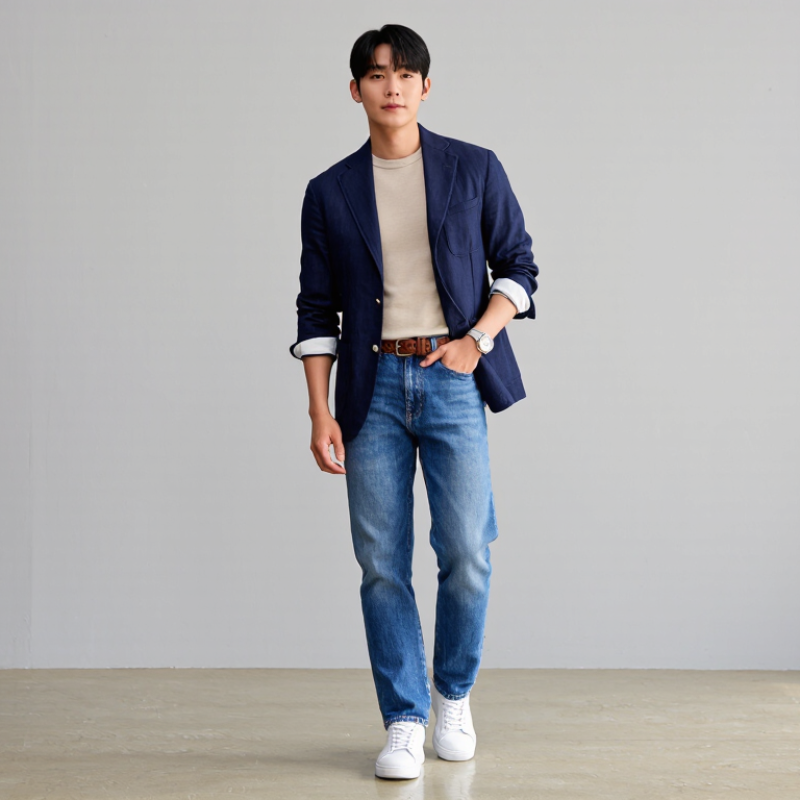
A cotton, linen-blend, or unstructured wool blazer usually feels more relaxed than a shiny business jacket. Try a navy blazer with an oatmeal T-shirt, straight-leg denim, and white leather sneakers. Roll the sleeves once, then stop. A textured belt and simple watch can add intention without creating visual noise. For cooler days, layer a fine knit beneath the blazer and leave the lowest button open. These details reflect advice commonly used by professional stylists: balance structure with ease, and keep one element relaxed.
Not every experiment succeeds. Oversized shoulders may look modern in photographs but feel awkward on a crowded train. Slim trousers can also make a loose blazer appear unbalanced. Check your silhouette from the side, not only in a mirror. Comfort matters. So does movement. The following sections compare color pairings, footwear, layering choices, and seasonal fabrics, helping you build casual outfits that look considered rather than copied. Trends change quickly, but a clean fit remains dependable.
Choosing the Right Blazer for a Casual Look
A casual blazer should feel relaxed before it looks polished. In 2026, texture and comfort matter more than formal details. Choose cotton, linen blends, or soft wool with a natural finish. Shiny fabric can make jeans look unexpectedly formal. It also shows wrinkles quickly.
Fit matters more than decoration. The shoulder seam should rest near your shoulder edge. The jacket should close without pulling across your chest. Leave enough room for a thin shirt or lightweight knit. Sleeves should reveal a small part of your cuff. Check the back while sitting and reaching forward. A blazer that looks perfect while standing may feel restrictive later.
Match the blazer to your real routine. Navy, olive, taupe, and charcoal work easily with dark denim or straight-leg chinos. Wear a plain T-shirt for an easy weekend outfit. Try a textured polo when you want more structure. Clean sneakers create a modern contrast, while simple leather shoes look quieter. Avoid combining too many polished pieces.
I once chose a sharply tailored blazer for a casual dinner. It looked impressive, but I kept adjusting the sleeves. That mistake changed my approach. Comfort is practical evidence, not an afterthought. Walk, sit, and raise your arms before buying. Also inspect the lining, stitching, and care instructions. Small construction details often decide whether the blazer becomes a favorite or stays in the wardrobe.
| Casual Styling Dimension | Recommended Choice | Why It Works | Best Pairings | Practical Tip |
|---|---|---|---|---|
| Blazer Structure | Soft-shouldered, lightly constructed blazer | A relaxed shape looks less formal than a sharply padded jacket while keeping a clean silhouette. | T-shirts, knit tops, casual shirts, denim | Choose a natural shoulder line and avoid excessive padding for everyday wear. |
| Fit | Trim but comfortable fit with room for one light layer | Good mobility prevents the jacket from appearing restrictive or overly formal. | Slim or straight-leg trousers, relaxed denim | The shoulder seam should sit close to the natural shoulder edge; sleeves should allow wrist movement. |
| Fabric for Mild Weather | Cotton, linen blends, lightweight wool, or textured woven fabrics | Breathable or lightly textured materials create a relaxed appearance and work well as a separate jacket. | Cotton T-shirts, loafers, canvas shoes, chinos | Linen can crease naturally; use a linen blend when a smoother appearance is preferred. |
| Fabric for Cooler Weather | Tweed, corduroy, brushed cotton, or medium-weight wool | Heavier textures add visual depth and provide more warmth than lightweight summer fabrics. | Fine-gauge knitwear, denim, flannel trousers, leather shoes | Balance a textured blazer with a simple base layer to prevent the outfit from looking busy. |
| Most Versatile Colors | Navy, charcoal, medium gray, olive, beige, or brown | Muted neutrals coordinate easily with denim, white, black, earth tones, and soft pastels. | White tops, blue denim, chinos, neutral footwear | Start with one neutral blazer before adding checks, stripes, or brighter colors. |
| T-Shirt Combination | Plain, well-fitted crew-neck T-shirt | The simple neckline reduces formality and creates a clean contrast with the tailored jacket. | Unstructured blazer, dark denim, low-profile sneakers | Keep the T-shirt smooth and free from large graphics for a polished casual look. |
| Denim Combination | Straight-leg or slim-straight jeans in a clean wash | Denim adds informality while a blazer maintains structure and visual balance. | Gray, navy, olive, or brown blazer; simple knit top | Avoid overly distressed denim when the setting requires a neat appearance. |
| Trousers Alternative | Chinos or tailored drawstring trousers | These provide more polish than jeans without creating a full formal suit effect. | Oxford-style shirts, polo shirts, knit tops, casual loafers | Use contrasting colors between blazer and trousers rather than matching them exactly. |
| Footwear | Minimal sneakers, loafers, desert boots, or clean leather lace-ups | Low-profile shoes support the relaxed mood while keeping the outfit refined. | Cropped trousers, jeans, chinos, or casual tailoring | Match the shoe formality to the occasion and keep footwear clean and in good condition. |
| Layering | Light knit, overshirt, or fine-gauge sweater beneath the blazer | Layering adds warmth and texture without requiring a formal shirt-and-tie combination. | Medium-weight blazer, jeans, boots, wool trousers | Check that the armholes and chest remain comfortable after adding a layer. |
| Pattern Selection | Subtle windowpane, herringbone, micro-check, or understated stripe | Small-scale patterns add interest while remaining easy to combine with casual basics. | Solid-color T-shirts, plain knitwear, neutral trousers | Keep the rest of the outfit mostly solid when the blazer is patterned. |
| Sleeve Styling | Natural sleeve length with a slight cuff or neat push-up | A relaxed sleeve treatment makes the outfit feel less rigid and can reveal a contrasting layer. | T-shirts, casual shirts, lightweight knitwear | Avoid excessive rolling, which can distort the sleeve and create bulk. |
| Accessories | Simple watch, slim belt, understated bag, or textured pocket square | Minimal accessories support the blazer without making the outfit appear overly formal. | Canvas or leather bag, neutral belt, simple metal or fabric watch | Choose accessories that repeat one color already present in the outfit. |
| Best Casual Settings | Weekend meals, creative workplaces, travel, casual dinners, and smart-casual gatherings | A relaxed blazer bridges the gap between everyday clothing and polished dressing. | T-shirt or knit top, jeans or chinos, clean casual footwear | For formal business, ceremonial, or highly conservative settings, use the stated dress code instead. |
Styling principle: combine one tailored element, such as the blazer, with relaxed fabrics, simple layers, and casual footwear for a balanced everyday outfit.
Choose soft structure, natural shoulders, and breathable cotton, linen blends, or wool. Avoid a stiff, heavily padded shape. Comfort matters.
Dark denim creates a clean contrast with a lighter blazer. Medium-wash jeans feel more relaxed with a plain T-shirt and clean sneakers. Choose a slightly tapered fit, not a tight one.
Try stone, olive, navy, or warm beige chinos with a charcoal or textured blazer. Add a knitted polo for quiet refinement. Keep the colors controlled.
Drawstring trousers or pleated cotton trousers can work well. Choose a gentle break above the shoe. The blazer should cover the waistband without hiding the entire seat.
Wear an unpadded cotton or linen blazer with a plain T-shirt and straight-leg jeans. Keep the jacket open. Rolled sleeves help, but uneven folds look careless.
Pair a softly tailored blazer with a fine-knit polo or an Oxford-style shirt. Tailored chinos and loafers add structure. Sleeve cuffs should usually end near the wrist bone.
Choose darker textures, a lightweight knit, dark denim, and suede-like shoes. Avoid making every item the same shade. Subtle contrast creates more depth.
Check the sleeve length, trouser break, shoulder shape, and jacket coverage. Roll each sleeve evenly. Look at the outfit outdoors because indoor lighting can distort colors.
Yes. A slight wrinkle is not a disaster. I sometimes choose the wrong proportions, especially with wide trousers. Test the outfit by sitting, walking, and changing plans.
Learning how to style a blazer for casual wear starts with choosing a relaxed, versatile design in a comfortable fabric and an easy-to-wear color. Look for a natural fit that allows movement without appearing too formal. Pair the blazer with a plain T-shirt for a simple modern outfit, a casual shirt for added structure, or lightweight knitwear when the weather is cooler. The key is to balance polished tailoring with comfortable, everyday pieces.
For the lower half, jeans create an effortless contrast, while chinos and casual trousers offer a cleaner appearance. Complete the look with minimalist sneakers, loafers, or casual boots, depending on the occasion. Accessories such as a simple belt, watch, scarf, or understated bag can add personality without overwhelming the outfit. Adjust the styling for different settings by choosing lighter fabrics and relaxed layers for daytime activities, or darker colors and refined accessories for casual dinners and social gatherings.
